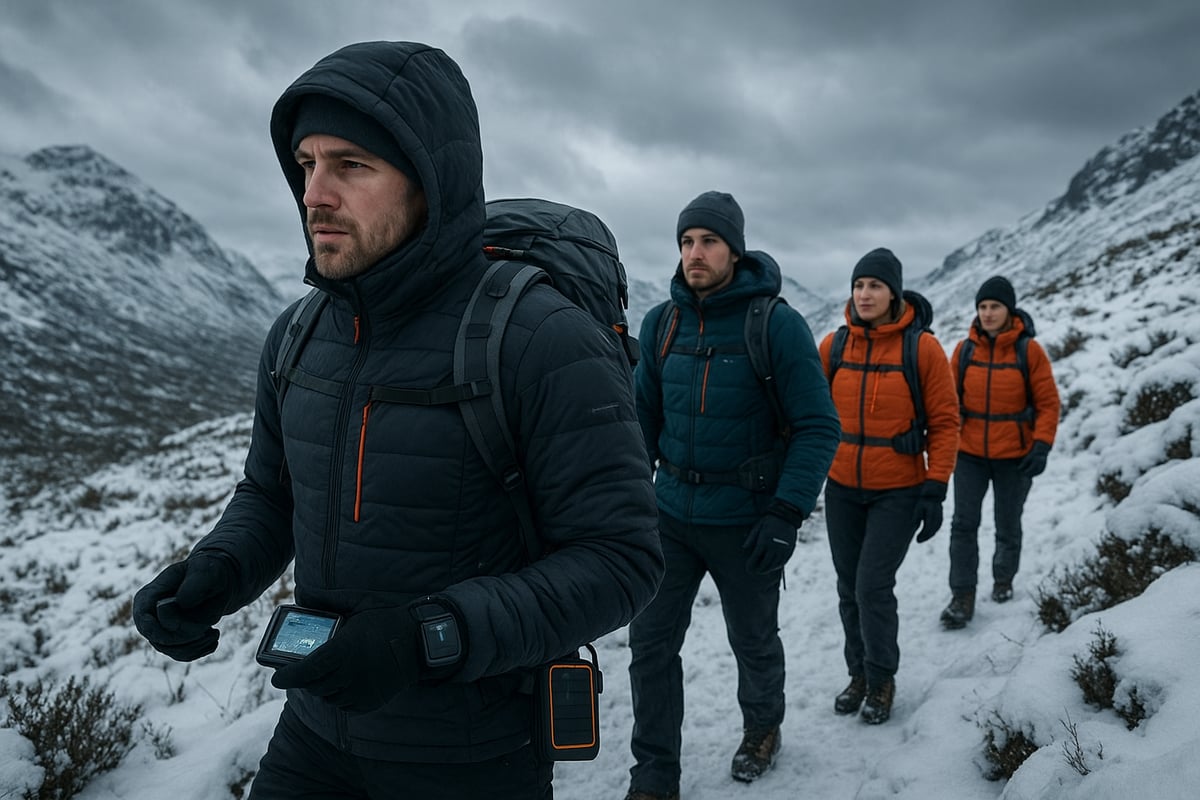
There’s a specific kind of silence you only find in the backcountry after a fresh five-inch dump of powder. It’s a muffled, peaceful stillness that draws us out of our warm living rooms and into the frost. But let’s be real: nothing ruins that "winter wonderland" vibe faster than a soaking wet base layer or a boot that feels like an ice block by mile three. I’ve spent the better part of a decade testing gear in the teeth of sub-zero gales, and if there’s one thing I’ve learned, it’s that your summer hiking kit is a recipe for a miserable—and potentially dangerous—day in the snow.
As we head into 2026, the technology behind winter trekking has hit a massive stride. We’re seeing a shift from heavy, clunky "clown shoes" to streamlined, biomechanically efficient tools that handle like an extension of your body. To stay warm and safe, you need to think of your gear as a cohesive system. The best layering system for snowshoeing is a three-part strategy: start with a moisture-wicking merino wool or synthetic base layer to move sweat away from your skin; add an insulating fleece or puffy mid-layer to trap heat; and finish with a waterproof-breathable outer shell to block wind and moisture. Crucially, you must never use cotton; it’s a "death fabric" in winter because it loses all insulation value when wet and takes forever to dry.
The Foundation: Choosing the Right Winter Hiking Boots
Before you even look at snowshoes, you need to talk about your boots. Your boots are the interface between your feet and the snowshoe binding, and in winter, they serve two masters: thermal protection and structural support.
Technical Essentials: Insulation, Waterproofing, and Height
In the world of 2026 winter gear, we categorize boots largely by their insulation weight, measured in grams of synthetic loft (usually Thinsulate or a proprietary equivalent).
- 200g Insulation: Ideal for high-output activities like fast-paced snowshoeing in temperatures above 20°F (-6°C).
- 400g Insulation: The "Sweet Spot." This is what most winter hikers need for standard mountain treks and sub-freezing temps.
- 800g+ Insulation: Reserved for extreme cold, ice fishing, or multi-day arctic expeditions where you aren't moving fast enough to generate your own heat.
Cuff height is equally vital. A standard 6-inch hiking boot is fine for packed trails, but if you’re breaking trail in deep powder, you want a 10-inch cuff or a dedicated gaiter system to keep the "cold creep" from entering over the top of your boot.
Top Picks: 2026 Comparison Table
| Model | Weight (Pair) | Insulation | Best Terrain |
|---|---|---|---|
| Oboz Bridger 10-Inch | 3 lbs 4 oz | 400g | Rolling hills & deep powder |
| Salewa Puez Winter Mid | 2 lbs 10 oz | Responsive Lite | Steep/Technical trails |
| Baffin Snow Monster | 5 lbs 2 oz | Multi-layer system | Extreme cold/Deep Arctic |
| Salomon X Ultra Snowpilot | 2 lbs 12 oz | 200g | Winter hiking/Fast & Light |
Best Overall: Oboz Bridger 10-Inch This remains the gold standard for versatility. I’ve used these for everything from slushy New England spring treks to bone-chilling January mornings in the Rockies. The 10-inch height means you rarely need gaiters, and the granite-inspired outsole grips ice better than almost anything else on the market.
Best for High-Speed Action: Salomon X Ultra Snowpilot If you’re the type who treats snowshoeing as an aerobic workout, this is your boot. It feels like a beefed-up trail runner but packs enough 200g insulation to keep you warm while you're burning those 600 calories per hour. It’s the ultimate "City-to-Trail" hybrid for 2026.
Check Price on Salomon Snowpilot →
Pro Tip: When trying on winter boots, always wear your thickest wool socks. You want a bit of "wiggle room" in the toes; if your toes are compressed, blood flow is restricted, and your feet will get cold regardless of how much insulation the boot has.
The Extension: Matching Snowshoes to Your Terrain
Choosing snowshoes isn't just about picking a cool design; it's about physics. You are trying to distribute your weight over a larger surface area to prevent "post-holing"—that soul-crushing experience of sinking hip-deep into the snow.
Understanding Snowshoe Categories
- Flat Terrain Snowshoes: These are entry-level shoes designed for golf courses or groomed park trails. They have simple bindings and minimal traction. The MSR Evo Trail is a classic here—indestructible and easy to use.
- Rolling Terrain Snowshoes: Designed for hikers who venture off the beaten path but aren't climbing vertical faces. They feature better bindings and "heel lifts" (small wire bars that flip up under your heel to reduce calf fatigue on inclines).
- Mountain/Steep Terrain Snowshoes: These are the Ferraris of the snow world. They feature aggressive side rails (traction along the edges) and heavy-duty crampons for biting into ice. My current favorite is the TSL Highlander Instinct, which uses a carbon-reinforced deck that flexes with the natural movement of your foot.
The Science of Flotation: Sizing it Right
One of the most common questions I get is: How do I choose the right snowshoe size? The answer is simple but often overlooked: Select your snowshoe size based on your total weight, including all your gear, and the snow conditions.
Most snowshoes come in lengths of 22, 25, and 30 inches.
- 22-inch: Good for light hikers (under 150 lbs) or those on very packed, icy trails.
- 25-inch: The industry standard for users between 120-200 lbs in mixed conditions.
- 30-inch+: Essential for heavy packs or deep, "blower" powder where you need maximum surface area.
The Sizing Formula: [Body Weight] + [Weight of Loaded Pack] + [Weight of Winter Clothes/Boots] = Your Total Payload. Check the manufacturer's weight chart against this number, not your bathroom scale weight!
The Complete System: Beyond the Footwear
A great pair of boots and snowshoes is only half the battle. Snowshoeing is a high-intensity aerobic activity. You can burn up to 600 calories per hour, which means you’ll be generating a massive amount of internal heat. If that heat turns into sweat and stays trapped against your skin, you’re in trouble the moment you stop moving.
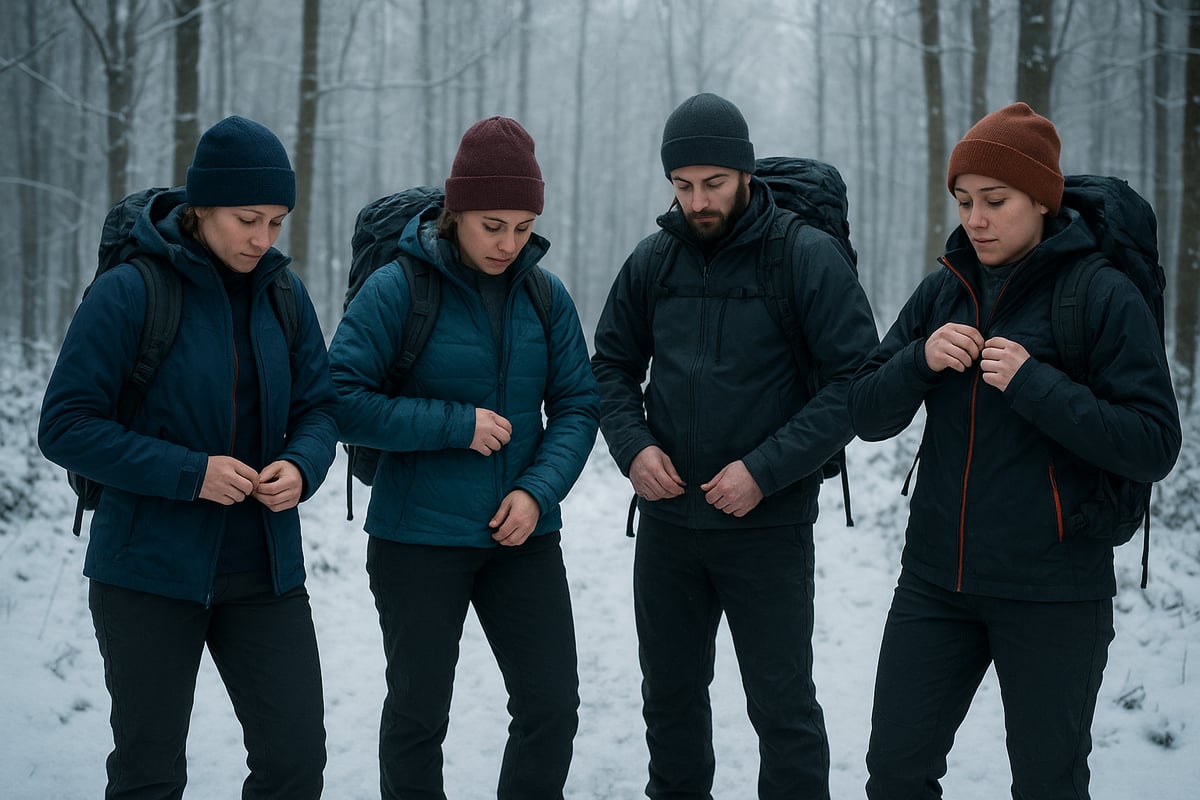
The Three-Part Layering Strategy
In 2026, fabric technology has become incredibly specialized. Here’s how to build your kit:
- The Base Layer: Stick to Merino wool (like Smartwool or Icebreaker) or high-end synthetics. These materials pull moisture away from the skin.
- The Mid-Layer: This is your "furnace." A lightweight "active insulation" jacket (like the Patagonia Nano-Air) is perfect because it breathes while you're moving but keeps you warm when the wind picks up.
- The Outer Shell: You don’t need a heavy, insulated ski jacket. A lightweight, waterproof-breathable hardshell or softshell is better. Its job is to block the wind and keep the snow out.
Essential Accessories for Stability and Safety
Never, and I mean never, go snowshoeing without trekking poles equipped with snow baskets. They provide four points of contact on uneven terrain and can help you "self-arrest" if you slip on an icy patch.
Furthermore, you must respect the sun. Snow reflects up to 80% of UV radiation. I’ve seen hikers get horrific burns under their chins and even inside their nostrils because they forgot that the sun hits you from both above and below in a white landscape. Wear SPF 30+ and high-quality, UV-rated eyewear to prevent snow blindness.
Planning for Success: Route and Safety Preparation
Winter turns a "moderate" summer hike into an "expert" winter expedition. Trails are often obscured, and landmarks look different under a blanket of white.
- Avalanche Safety: If you are heading into terrain steeper than 30 degrees, you need avalanche training and gear (beacon, probe, shovel). Always check your local avalanche center's forecast before heading out.
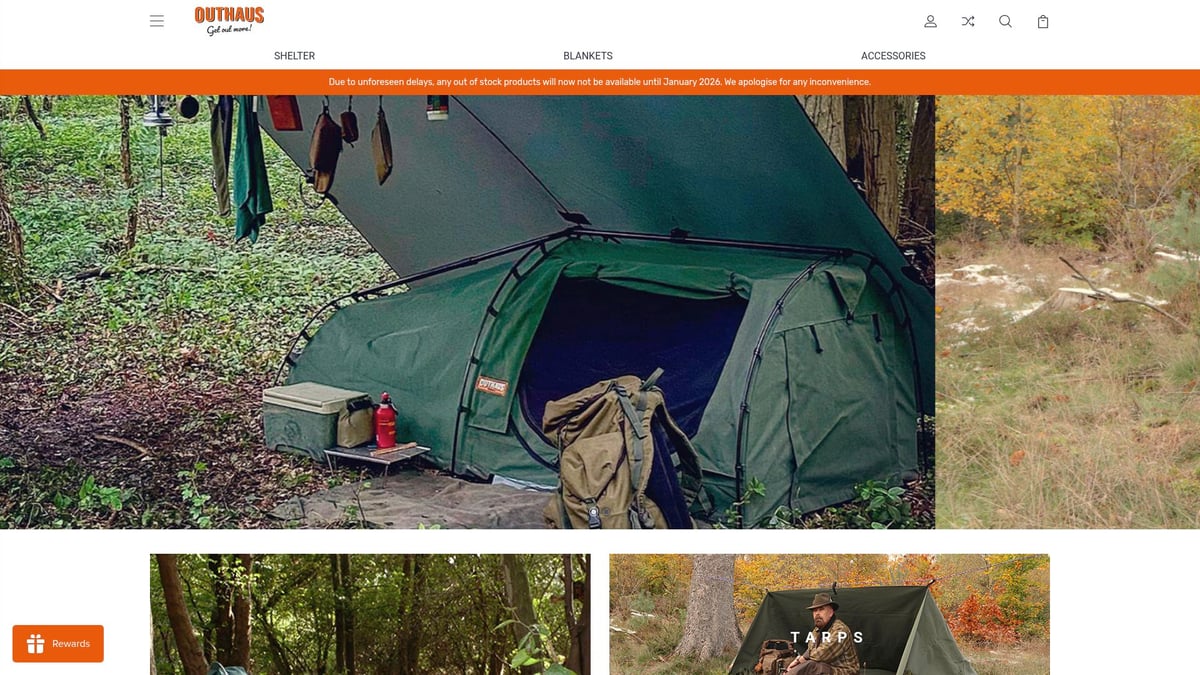
- The 10 Essentials: In winter, your 10 essentials should include an emergency shelter. A durable tarp or a specialized "swag" can be the difference between a cold night and a fatal one if you're stuck after dark.
- Fuel Up: Because of that 600-calorie burn rate, your body needs constant fuel. Forget the frozen granola bars; they'll break your teeth. Stick to nutrient-dense, soft snacks like nut butters, cheese, or specialized energy gels that stay pliable in the cold.
FAQ: Expert Answers to Common Winter Gear Questions
Q: Can I wear my regular waterproof summer hiking boots for snowshoeing? A: Technically, yes, if they are truly waterproof and you use a thick sock. However, summer boots lack the insulation (gram rating) needed for sub-freezing temps. Your feet will likely be cold within an hour because summer boots aren't designed to combat the "heat sink" effect of standing on frozen ground.
Q: Do I really need heel lifts on my snowshoes? A: If you’re hiking in flat areas like the Midwest, no. But if you’re in the Adirondacks, the Rockies, or the Sierras, heel lifts are a lifesaver. They keep your foot in a neutral position while climbing, which prevents your calves from screaming and saves your energy for the summit.
Q: How do I prevent my water bottle from freezing? A: Store your water bottle upside down in your pack. Water freezes from the top down, so by keeping it upside down, the ice forms at the "bottom," leaving the cap clear. Alternatively, use an insulated bottle sleeve or a vacuum-sealed thermos for hot tea.
Conclusion & Gear Maintenance Tips
Winter trekking is one of the most rewarding ways to experience the wild, but it demands respect. By investing in a high-quality boot like the Oboz Bridger and matching your snowshoes to your specific terrain, you’re setting yourself up for success.
Remember to dry your gear thoroughly after every outing. Take the liners out of your boots and hang your snowshoes to prevent the crampons from rusting. Most importantly, check your bindings for hair-line fractures before you leave the trailhead—finding a broken strap five miles into the woods is a lesson you only want to learn once.
Now, grab your poles, check the forecast, and I’ll see you out on the powder.
Ready to gear up? Check out our latest [Winter Expedition Checklist] and ensure you’re prepared for the 2026 season. Stay warm, stay safe, and keep exploring