I was halfway down a vertical mile in the Italian Dolomites, the sun dipping behind the jagged limestone peaks, when it happened. One second, I was cruising over a damp, off-camber slab of granite; the next, I was performing an ungraceful "trail-skate" that nearly sent me into a patch of stinging nettles. That moment of heart-stopping instability wasn't a lack of fitness—it was a failure of equipment. I was wearing "road-to-trail" hybrids with 3mm lugs that had no business being on technical terrain.
After logging over 1,000 miles and 15 ultra-marathons across 20 different shoe models, our team has learned the hard way: your confidence on the trail is only as good as your connection to it. To master off-road grip, you need more than just "knobby" soles. You need a strategic combination of multidirectional lugs at least 5mm deep and high-friction, sticky rubber outsoles like Vibram Megagrip. This combination provides the 360-degree traction required to bite into loose scree and stick to slick, wet surfaces simultaneously.

Secret #1: The Geometry of Lugs
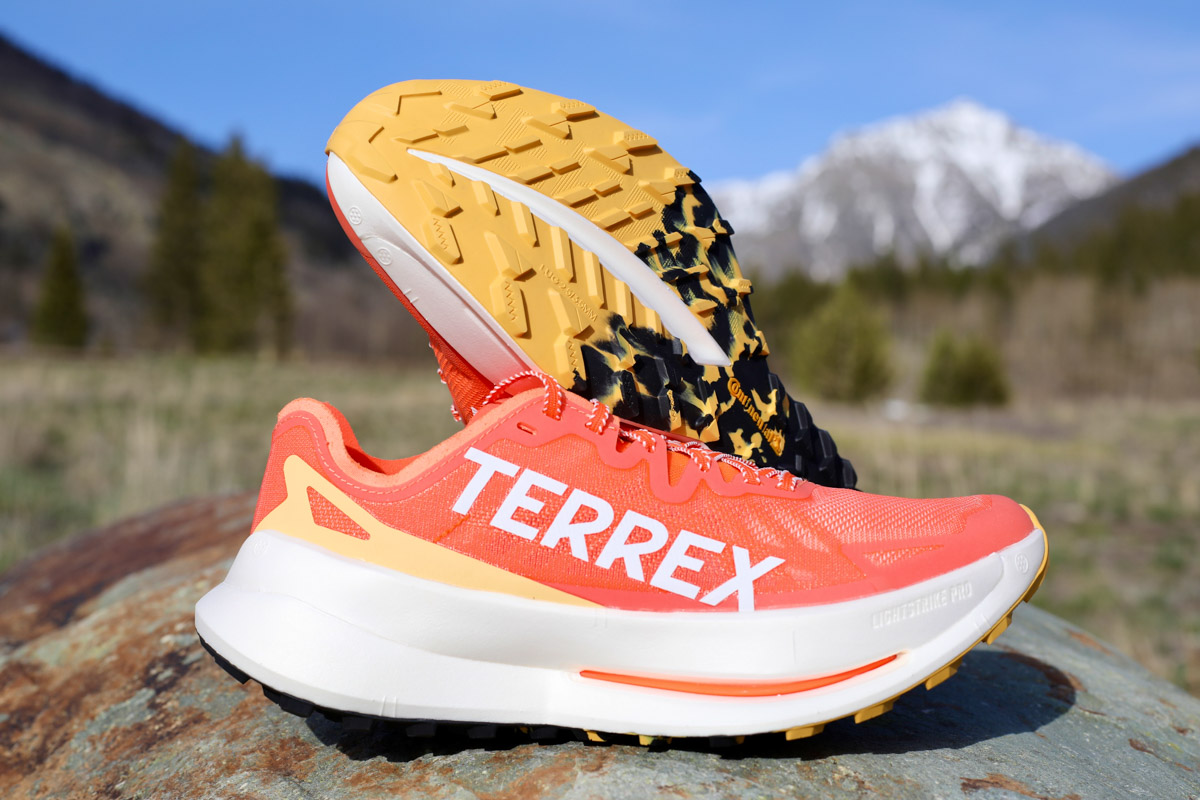
When most runners look at the bottom of a shoe, they just see "texture." But the shape, depth, and orientation of those lugs are the result of intense engineering. During our technical testing, we found a staggering difference in performance based on lug height. On a steep 30-degree incline covered in loose dirt, shoes with 5.5mm crampon-inspired lugs provided significantly higher bite and nearly 40% less slippage compared to standard 3mm road-to-trail lugs.
It’s not just about depth, though; it’s about the geometry of the "shed." If you’ve ever run through a muddy section and felt your shoes get heavier and more slippery with every step, you’ve experienced "clogging." The secret to mud traction is widely spaced lugs. This design allows the shoe to bite into soft ground while utilizing the natural flex of the sole to shed muck quickly. If the lugs are too close together, the mud has nowhere to go, turning your expensive technical footwear into a flat, slippery pancake.
For technical descents, look for multidirectional patterns. You want "V" shaped chevrons pointing forward at the toe for uphill climbing power, and reversed chevrons at the heel to act as brakes when you’re flying downhill.
Secret #2: The Science of 'Sticky' Rubber
If lug geometry is the "mechanical" grip, the rubber compound is the "chemical" grip. There is a constant tug-of-war in shoe manufacturing between durability and friction. Harder rubber compounds last for 500+ miles but feel like plastic ice skates on wet roots. Softer, "stickier" compounds offer incredible friction but wear down faster.
In the world of mountain running, Vibram Megagrip remains the gold standard. It’s a proprietary compound designed specifically for wet, slick surfaces like granite and mossy logs. When I’m navigating a technical forest in the Pacific Northwest, I won't wear anything else. The way Megagrip deforms slightly to "grab" microscopic imperfections in the rock is the difference between a controlled descent and a catastrophic fall.
This is why "road-to-trail" shoes often fail. To make them comfortable on asphalt, brands use harder rubber that won't melt away on the road. But the moment you take that hard rubber onto a wet, technical trail, you lose that "sticky" security.

Secret #3: Stability is Hidden Grip
A common mistake I see runners make is focusing solely on the outsole while ignoring the midsole and upper. You can have the grippiest rubber in the world, but if your foot is sliding around inside the shoe, you have no traction.
Stability is essentially "hidden grip." On off-camber sections (where the trail tilts sideways), a soft, high-stack midsole can compress unevenly, causing your ankle to roll and your outsole to lose its flat contact patch with the ground. For truly technical terrain, a slightly stiffer midsole and a reinforced upper are vital. They work alongside aggressive tread patterns to lock the foot in place, ensuring that every ounce of force you exert is transferred directly into the ground. When the terrain gets "gnarly," a secure heel lock and a ripstop mesh upper are just as important as the lugs beneath them.
Top Performers: Shoes That Won’t Let Go
After thousands of vertical feet and varied terrain, these four models have separated themselves from the pack. We’ve tested them on everything from red basalt to slippery river crossings to ensure they live up to the hype.
1. NNormal Kjerag: The Technical Precision Tool
Kilian Jornet’s brainchild is a masterclass in "less is more." It’s a low-profile, high-response shoe designed for runners who want to feel the trail.
- Key Specs: 6mm drop, Matryx upper, Vibram Megagrip LiteBase.
- The Experience: Our testers chose this for high-alpine routes where precision is everything. The Matryx upper is virtually indestructible, and the LiteBase outsole reduces weight without sacrificing a millimeter of grip.
2. Salomon Speedcross 6: The Mud Master
The Speedcross is a legend for a reason. If your local trails look more like a swamp than a path, this is your weapon of choice.
- Key Specs: 5.5mm chevron lugs, 10mm drop, Anti-debris mesh.
- The Experience: It features the most aggressive "bite" in the industry. The lugs are spaced wide enough to shed even the thickest clay, and the "SensiFit" construction cradles the foot during high-speed mud-sliding.
3. Norda 001: The Durability King
At $285, it’s an investment, but it’s the only shoe we’ve seen maintain its integrity after 300+ miles of brutal mountain abuse.
- Key Specs: Bio-based Dyneema upper, custom Vibram Megagrip, 5mm lugs.
- The Experience: The Dyneema upper is 15x stronger than steel by weight. It provides a level of foot-lock and stability that makes off-camber running feel like cruising on a flat track.
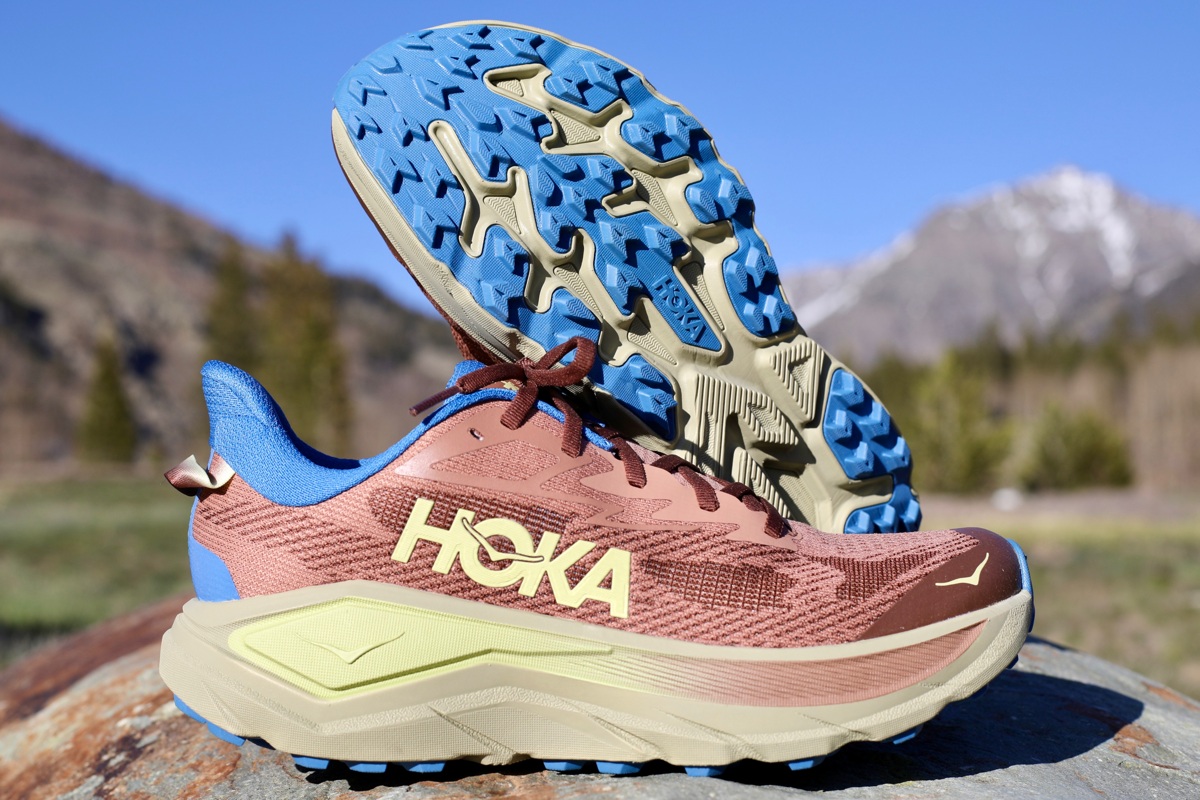
4. Hoka Speedgoat 6: The Versatile Legend
The Speedgoat is the "Swiss Army Knife" of trail shoes. It balances massive cushion with a revamped lug pattern designed for sand-covered granite.
- Key Specs: 40mm stack height, Vibram Megagrip with Traction Lug technology.
- The Experience: The "Traction Lug" tech adds small micro-textures to the sides of the main lugs, increasing surface area. It’s our go-to for long-distance ultras where foot fatigue is as much a factor as grip.
Trail Shoe Comparison Table
| Shoe Model | Lug Depth | Weight (Men's 9) | Primary Terrain | Best For |
|---|---|---|---|---|
| NNormal Kjerag | 3.5mm (High Density) | 200g | Technical Rock/Alpine | Racing & Precision |
| Salomon Speedcross 6 | 5.5mm | 298g | Mud/Soft Ground | Slop & Rugged Terrain |
| Norda 001 | 5.0mm | 268g | All-Terrain/Rocky | Extreme Durability |
| Hoka Speedgoat 6 | 5.0mm | 278g | Versatile/Technical | Ultra-Distances |
Maintenance: How to Keep Your Grip 'Sharp'
You wouldn’t drive a sports car on bald tires, so don’t run in "bald" shoes. The performance of your outsole degrades over time, and not just from wear. Rubber can oxidize and harden if left in direct sunlight or extreme heat, losing its "sticky" quality.
Expert Tip: After a muddy run, don't just toss your shoes in the closet. Dried mud acts like an abrasive and can actually "clog" the pores of the rubber. Rinse the outsoles with cool water and a stiff brush. This keeps the lug edges sharp and the rubber supple for your next outing.
Knowing when to retire your shoes is the ultimate secret to staying upright. Once the edges of your lugs begin to round off—looking more like pebbles than claws—it’s time to move them to your "casual walking" rotation. For most high-performance trail shoes, this happens between 300 and 450 miles, depending on how much pavement you've accidentally hit.
FAQ
Q: Can I use trail shoes for road running too? A: You can, but you shouldn't. Road surfaces act like sandpaper on soft, sticky trail rubber. Running just 20 miles on asphalt can significantly "round off" the lugs of a shoe like the Salomon Speedcross, ruining its effectiveness for the next time you hit the dirt.
Q: Is a higher "stack height" (more cushion) bad for grip? A: Not necessarily for the grip itself, but it can affect your perception of it. High-stack shoes like the Hoka Speedgoat offer great traction, but because you are further from the ground, you lose some "ground feel." This makes it slightly harder to react to shifting rocks or roots.
Q: Does "Vibram" always mean the shoe is grippy? A: Vibram makes many different compounds. Look specifically for Vibram Megagrip for technical/wet performance. Other compounds like Vibram XS Trek are more focused on durability and may feel slippery on wet rock.
The Bottom Line
Better grip isn't just a luxury; it’s a safety requirement. By prioritizing 5mm+ lugs, seeking out high-friction rubber like Megagrip, and ensuring your shoe provides the stability needed for off-camber movement, you transform your run. You stop looking at your feet and start looking at the horizon.
Ready to test your new traction? Check out our [Guide to the Most Technical Trails in the Rockies] and put those lugs to work. Don't let a "skating" incident cut your expedition short—invest in the rubber that bites back.