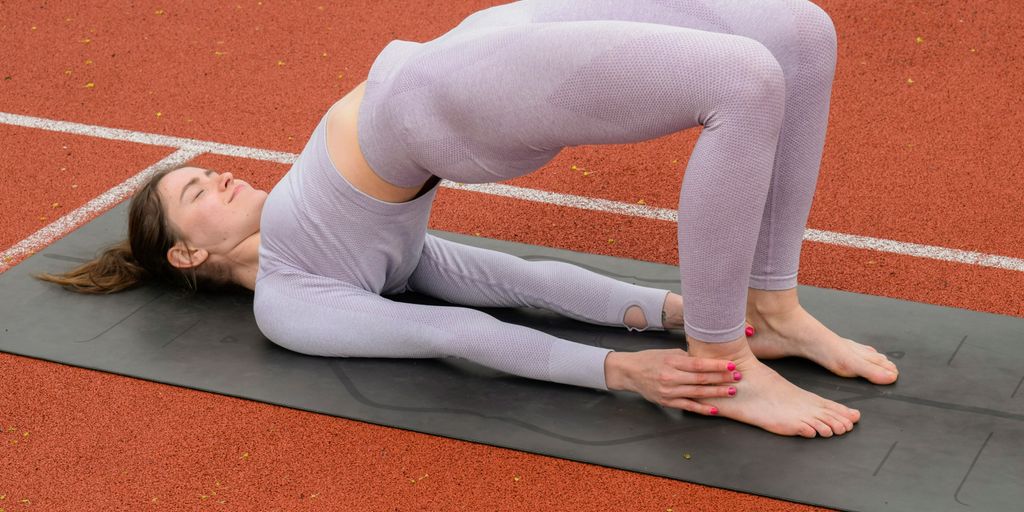
Imagine you are in your first yoga class. The instructor calls for Trikonasana (Triangle Pose). As you reach your hand toward the floor, your side-body collapses, your chest turns toward the mat, and your breath becomes shallow. You feel a sense of frustration—the floor feels miles away. This is the moment most beginners realize that yoga isn't just about flexibility; it’s about finding the right support to meet your body where it is today.
Think of yoga blocks not as a sign of weakness or a "crutch," but as the essential training wheels that allow your practice to roll smoothly. These simple rectangular bricks are designed to "bring the floor to you," shortening the distance between your hands and the ground. By using a block, you can maintain proper anatomical alignment, prevent injury, and actually deepen your stretches by allowing your muscles to relax into the support rather than straining to reach an unattainable goal. Whether you are a sustainability-minded traveler looking for a portable option or a home practitioner seeking the ultimate stability, choosing your first block is a foundational step in your wellness journey.
Cork vs. Foam: Which Material is Right for You?
When you begin your search, you will immediately notice two dominant materials: foam and cork. Choosing between them is the most significant decision you’ll make, as the material dictates the block’s weight, grip, and environmental footprint.
Foam Blocks: The Lightweight Companion
Foam blocks are the most common entry point for beginners. Typically made from EVA foam (ethylene-vinyl acetate), these blocks are incredibly lightweight, often weighing as little as 5.8 ounces. This makes them the premier choice for travelers or students who commute to a studio.
Because foam has a "squishy" quality, these blocks provide soft cushioning that feels comfortable under the spine or head during restorative poses like Savasana or supported Fish Pose. However, that same softness can be a drawback; under heavy weight, foam can compress or feel slightly "wobbly" in high-stakes balance poses. For the eco-conscious traveler, look for "closed-cell" foam or blocks made from recycled materials to ensure longevity and a lower environmental impact.
Cork Blocks: The Sustainable Powerhouse
As a sustainable travel editor, cork is my personal favorite. Cork blocks are harvested from the bark of cork oak trees without harming the tree itself, making them one of the most eco-friendly props on the market. From a performance standpoint, cork offers superior stability and durability.
Unlike foam, cork is firm and non-compressible. This is vital for standing poses and inversions where you need a solid foundation that won't give way. Cork blocks are significantly heavier, averaging around 32.7 ounces. While this weight adds stability, it does make them less ideal for tossing into a backpack for a flight to Bali. However, cork has a natural "traction" that actually improves when it gets slightly damp from sweat, making it a fantastic choice for those who tend to have slippery hands.
Comparison: Foam vs. Cork at a Glance
| Feature | Foam Blocks | Cork Blocks |
|---|---|---|
| Average Weight | 5.8 oz (Lightweight) | 32.7 oz (Heavier) |
| Primary Use | Restorative, Travel, Beginners | Standing Poses, Inversions, Hot Yoga |
| Feel/Texture | Soft, Cushioning, Smooth | Firm, Earthy, High-Traction |
| Sustainability | Low to Moderate (Synthetic) | High (Natural/Renewable) |
| Durability | May dent or scratch over time | Extremely durable and long-lasting |
The 4 Key Metrics for Selecting Your Block
To move beyond the aesthetics and find a block that truly supports your practice, we evaluate gear using a specific performance weighting system. Based on expert testing, here is how you should prioritize your selection criteria:
- Stability (30%): This is the most critical safety metric. A block must have enough density and weight to prevent tipping when you place your full weight on it during an asana like Half Moon Pose. If a block feels hollow or "light," it may compromise your safety.
- Slip Resistance (25%): Your block should feel secure in your hands. Foam blocks can sometimes become slippery when wet, while cork provides a natural grip that remains consistent even in a humid environment.
- Comfort (25%): If you plan to use your blocks for restorative yoga, comfort is paramount. Consider how the edges feel against your shoulder blades or sacrum. Beveled (rounded) edges are a must-have feature to prevent the block from digging into your skin.
- Durability (20%): A high-quality block should last for years. Evaluate the material’s resistance to abrasions, its ability to hold its shape, and how easily it absorbs (or resists) sweat-stain accumulation.
Expert Tip: When testing stability, try the "wobble test." Place the block on its tallest end and apply pressure to the top. If it tips easily, it may not be the best choice for balance-heavy practices.
How Many Blocks Should You Buy?
A common question for beginners is whether a single block is sufficient. While you can certainly start with one, most experts recommend starting with a pair of blocks.
Having two blocks allows for balanced support on both sides of the body. For example, in Adho Mukha Svanasana (Downward-Facing Dog), placing a block under each hand can relieve pressure on the wrists and help those with tight hamstrings find more length in the spine. In supported backbends, you might use one block under your sacrum and another under your head. Having a matched set ensures that the height and density are consistent, which is crucial for maintaining alignment and preventing "bone-stacking" issues—the principle of keeping your joints stacked vertically to safely bear weight.
Beyond the Brick: Specialty Shapes for Better Support
The traditional "brick" shape (9x6x4 inches) is the industry standard for a reason—it’s versatile. However, as the yoga industry evolves, we are seeing ergonomic innovations designed to solve specific problems.
- Ergonomic Curves (The unBLOK): Some blocks feature a curved side. This is particularly beneficial for the spine and wrists. When you lie back on a curved block, it follows the natural contour of your body, providing a more comfortable release than a flat surface.
- Wedge Blocks: Often made of cork, these are not rectangular but triangular. They are specifically designed to assist in deep squats (Malasana) or to prevent wrist overextension in poses like Plank or Upward-Facing Dog.
If you struggle with wrist pain—a common complaint for beginners—an ergonomic block or a cork wedge can be a game-changer, allowing you to build strength without the strain.
The Conscious Buyer’s Checklist: Size, Texture, and Sustainability
Before you click "purchase," run through this final checklist to ensure your choice aligns with your lifestyle and values:
- Check the Dimensions: A standard 4-inch width is ideal for most. However, if you have smaller hands or want something more portable, "lean" or "travel" versions (usually 3 inches wide) are available.
- Look for Sustainability Certifications: If choosing cork, look for FSC (Forest Stewardship Council) certification to ensure the bark was harvested responsibly. If choosing foam, look for "PVC-free" and "non-toxic" labels.
- Evaluate the Edge: Always opt for beveled edges. Sharp 90-degree angles are uncomfortable and can make the block feel less stable when held at an angle.
- Weight vs. Portability: If you are a digital nomad or a frequent traveler, the 5.8-ounce foam block is your best friend. If you have a dedicated home practice space, the 32-ounce cork block will offer a more grounded experience.
FAQ
Is cork or foam better for hot yoga? Cork is generally superior for hot yoga. Its natural texture becomes grippier when wet, whereas foam can become slick with sweat. If you do use foam in a heated class, you’ll likely need to cover it with a yoga towel to maintain your grip.
Can I use one block instead of two? You can, but it limits your options. A single block is fine for poses like Triangle, but for any pose involving both hands or for symmetric restorative support, you will find yourself wishing you had a pair.
How do I clean my yoga blocks? For foam blocks, a simple wipe-down with mild soap and water usually does the trick. Cork is naturally antimicrobial, but it can still absorb oils. Wipe it with a damp cloth and a very diluted vinegar solution, then let it air dry completely before storing. Avoid soaking cork blocks, as they are porous.
Conclusion: Elevating Your Practice
Choosing your first yoga block is an act of self-care. It’s an acknowledgment that your practice is a journey, not a destination, and that providing yourself with the right tools is the fastest way to progress safely. By choosing a high-quality, eco-friendly block, you aren't just supporting your own body; you’re supporting a more conscious and sustainable approach to wellness.
Whether you choose the feather-light convenience of foam or the grounded, earthy reliability of cork, remember that the goal is to "unblock" old patterns in your body and mind. Step onto your mat with confidence, knowing that the floor is now exactly where you need it to be.