Picture two hikers standing on a ridgeline in the White Mountains. It’s 15 degrees Fahrenheit with a biting 20-mph wind. The first guy is wearing a massive, expensive down parka, but he’s shivering uncontrollably because his cheap cotton undershirt is soaked with sweat from the climb. The second hiker is wearing a slim-profile technical shell and looks perfectly comfortable. The difference isn't the jacket; it’s the foundation. After a decade of testing gear in everything from Patagonian gales to sub-zero mornings in the Rockies, I can tell you that your long underwear is the most critical piece of equipment you own.
In the world of outdoor adventure, we call it the "base layer," and it has one job: to regulate your body temperature while keeping your skin dry. Get it right, and you’re an all-weather athlete. Get it wrong, and you’re a shivering liability.
Quick Verdict: The Top Performance Layers for 2025
If you’re looking for a fast answer, here are the standout performers from our 2025 field tests. The best overall long underwear for men in 2025 is the Smartwool Classic Thermal Merino Bottom, selected for its 250 g/m² 100% Merino wool construction that offers superior warmth and thermoregulation.
| Category | Winner | Material | Best For |
|---|---|---|---|
| Best Overall | Smartwool Classic Thermal Merino | 100% Merino Wool | All-around versatility & odor control |
| Best for Extreme Cold | Arc'teryx Rho Heavyweight | Polartec Power Stretch Pro | Sub-zero alpine expeditions |
| Best Budget | REI Co-op Midweight | Polyester/Spandex Blend | High-output weekend missions |
| Best Technical Blend | Artilect Boulder 125 | Nuyarn Merino/Nylon | Ultralight hiking & breathability |
How We Tested: 10 Years of Field Research
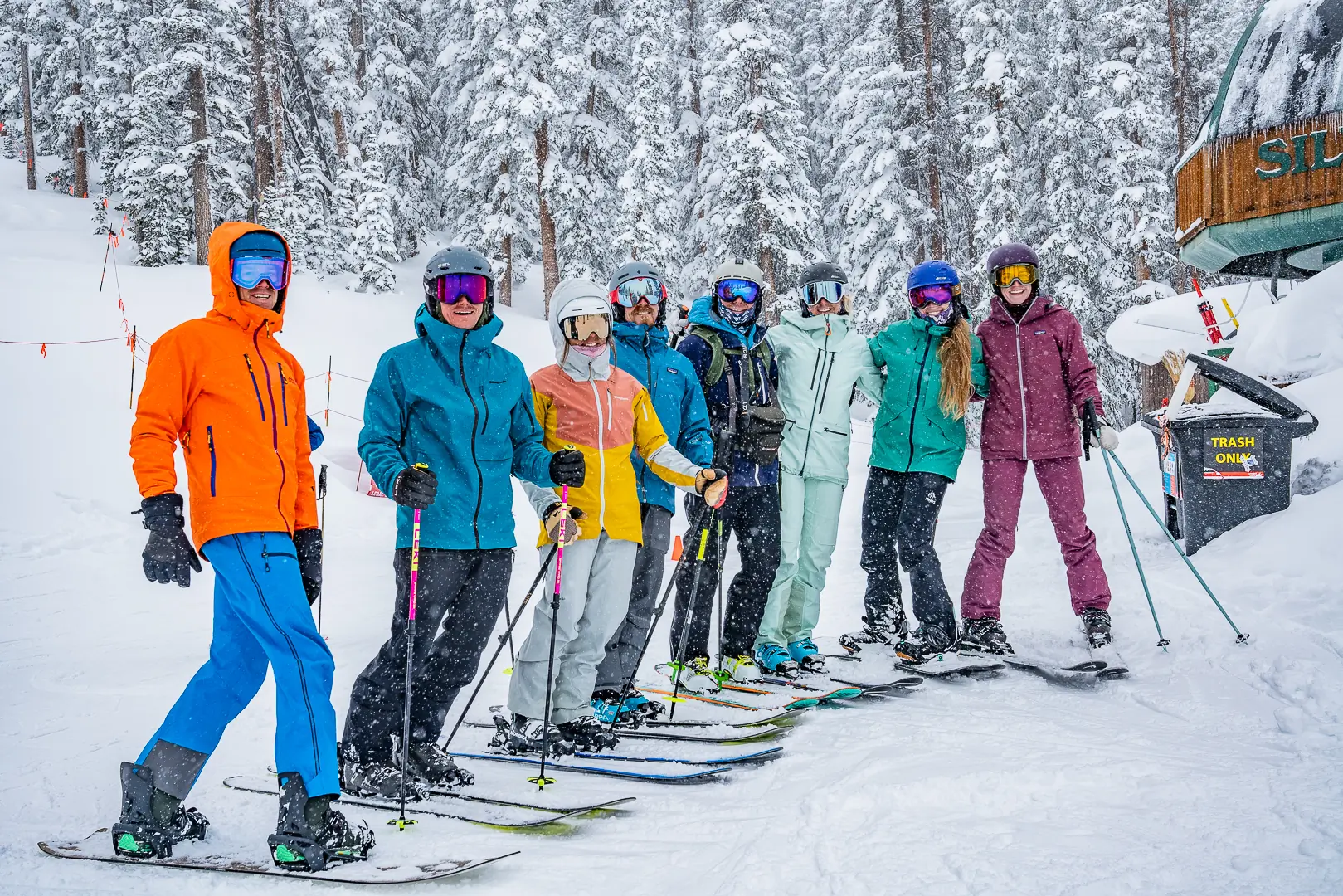
My team and I don’t just read spec sheets. We live in this gear. Our 2025 review is the culmination of over 10 years of field research across diverse climates. To keep our findings objective, we utilize a weighted scoring system that reflects what actually matters when you're miles from the nearest trailhead:
- Warmth (25%): How well does the fabric trap still air against the skin?
- Breathability (20%): Does it move moisture (sweat) away from the body quickly?
- Comfort (20%): We look for next-to-skin softness, flatlock seams, and non-restrictive waistbands.
- Durability & Value (20%): Does it survive the wash and the trail?
- Drying Speed (15%): Essential for multi-day trips where you can't afford to stay damp.
Our testing involves lab-based moisture-wicking assessments followed by weeks of "dirtbag" testing—wearing the same pair for three days straight in the backcountry to test odor resistance and stretch recovery.
Best Overall Men's Long Underwear: Smartwool Classic Thermal Merino Bottom
The Smartwool Classic Thermal Merino (formerly the Merino 250) has been the gold standard for years, and in 2025, it remains unbeaten for the average adventurer. When I’m packing for a trip where I don't know exactly what the weather will do, these are the first things in my bag.
Merino is ideal for odor resistance and retaining warmth when damp. During a four-day trek in the Cascades, I wore these under my hiking pants during the day and in my sleeping bag at night. Despite the high exertion, they never developed that "synthetic funk" and kept me at a steady temperature whether I was moving or static.
- Key Specs: 250 g/m² 100% Merino wool, flatlock seams, interlock knit.
- Pros:
- Incredible warmth-to-weight ratio.
- Natural odor resistance (can wear for days without a wash).
- Updated fit improves functionality while maintaining comfort.
- Cons:
- Higher price point than synthetics.
- Requires careful laundering to avoid holes.
Shop Smartwool Classic Merino →

Best for Extreme Cold: Arc'teryx Rho Heavyweight Bottoms
When the mercury drops below zero and you’re heading into vertical terrain, you need something beefier. The Arc'teryx Rho Heavyweight is built for the harshest environments on earth. It’s not just long underwear; it’s a piece of technical armor.
For extreme cold conditions, the Arc'teryx Rho Heavyweight Bottoms are the top-rated synthetic choice, featuring a moisture-wicking fuzzy underside and a sheer outer face designed for easy layering without snagging. The Polartec® Power Stretch® Pro fabric is the secret sauce here—it moves with you during high-step climbs or deep powder turns without ever feeling restrictive.
- Key Specs: Polartec Power Stretch Pro, zippered thigh pocket, sheer outer face.
- Pros:
- The "brushed" interior is incredibly soft and warm.
- Durable outer face shrugs off friction from outer layers.
- Thigh pocket is surprisingly useful for a phone or energy gel.
- Cons:
- Can be too warm for high-output activity above 20°F.
- Expensive.
Shop Arc'teryx Rho Heavyweight →

Best Budget Synthetic Layer: REI Co-op Midweight
You don’t have to drop $100 to stay warm. The REI Co-op Midweight series is the "working man’s" base layer. It’s reliable, durable, and performs better than many "premium" brands I've tested.
When choosing between wool and synthetic long underwear, synthetic options like the REI Co-op Midweight offer superior durability and faster drying times at a lower price point. I often recommend these to people getting into winter hiking or skiing for the first time. They handle sweat better than heavy wool and can be thrown in the dryer without fear of them shrinking to toddler size.
- Key Specs: 92% Polyester, 8% Spandex, 4-way stretch.
- Pros:
- Best value on the market.
- Dries significantly faster than 100% wool.
- UPF 50+ sun protection for spring glacier travel.
- Cons:
- Will hold onto odors much faster than Merino.
- Not as warm as the Smartwool 250 for static activities.
The Technical Specialist: Artilect Boulder 125
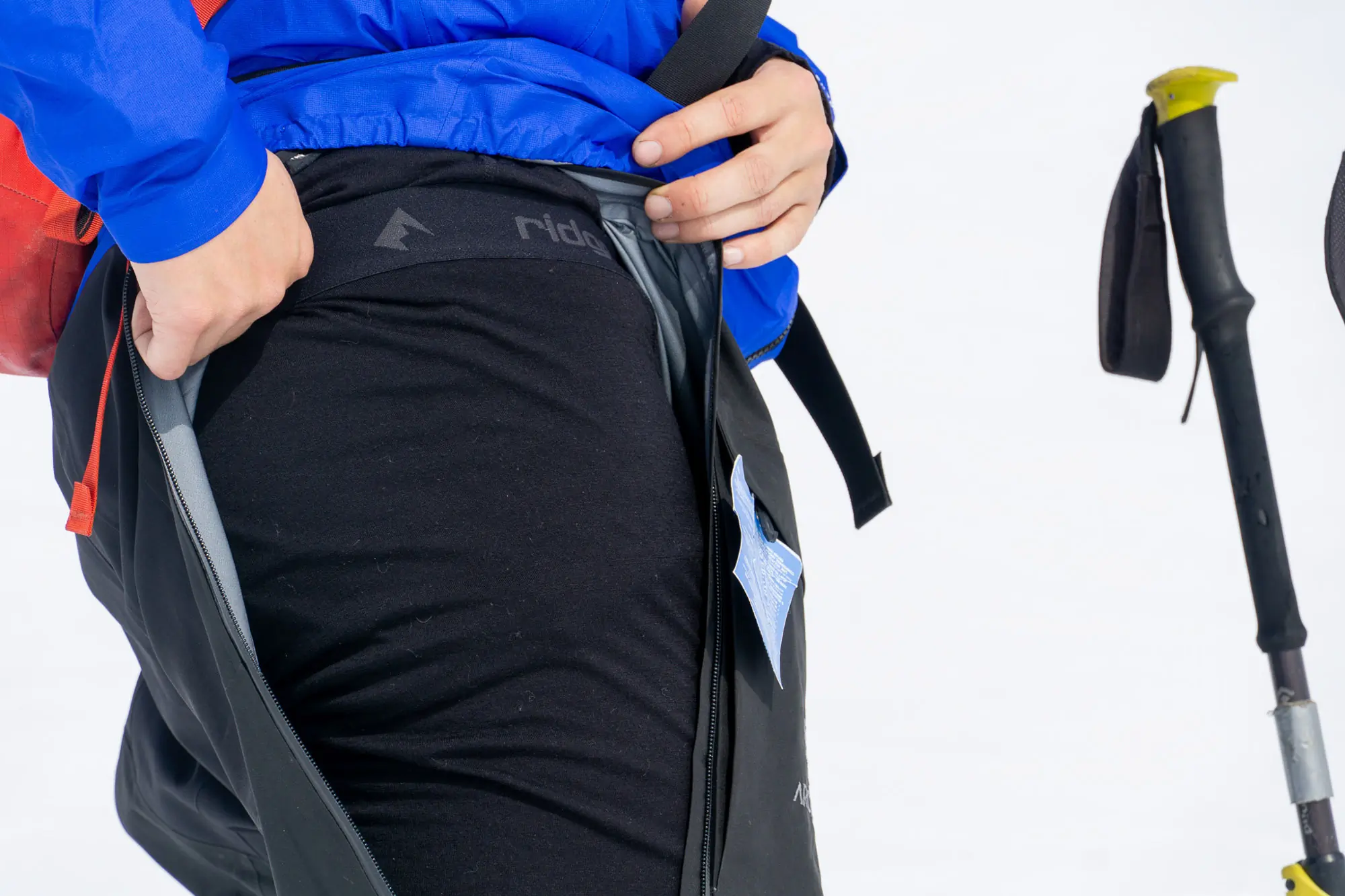
If you’re a gram-counter or someone who sweats buckets while skinning up a mountain, you need to know about Artilect. They use a technology called Nuyarn, which spins Merino wool around a high-performance nylon core.
The result is a fabric that is 5x faster drying and 35% stretchier than standard Merino. I used the Boulder 125 during a speed-ascent mission last spring and was blown away by how quickly it moved moisture. It’s the "Ferrari" of base layers—built for performance rather than just raw warmth.
- Key Specs: 125 g/m² Nuyarn (Merino/Nylon blend).
- Pros:
- Unmatched drying speed for a wool-based product.
- Incredibly lightweight and packable.
- Cons:
- Not warm enough for stationary cold-weather use.
Buying Advice: Merino Wool vs. Synthetic Materials
Choosing the right material is the most important decision you'll make in this guide. There is no "perfect" fabric, only the right fabric for your specific activity. Choose synthetic for high-intensity sweat (like trail running or cross-country skiing); choose wool for multi-day trips and odor control.
| Feature | Merino Wool | Synthetic (Polyester) |
|---|---|---|
| Odor Control | Excellent (Natural) | Poor to Fair (Treated) |
| Drying Speed | Slow to Moderate | Very Fast |
| Durability | Fragile (requires care) | Very Durable |
| Warmth When Wet | Excellent | Fair |
| Price | Premium ($80+) | Budget-Friendly ($30-$60) |
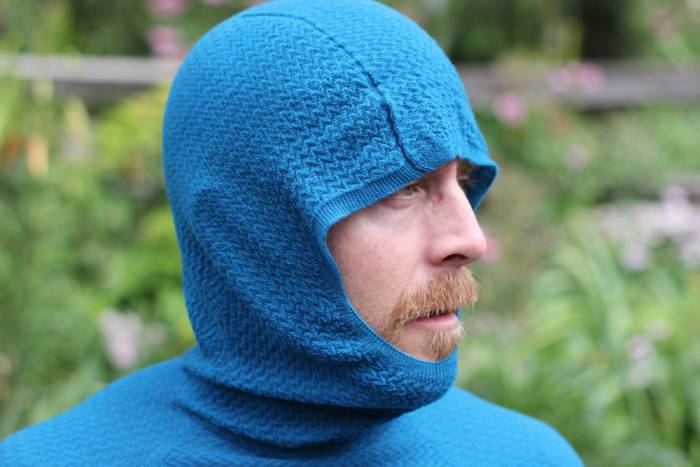
Expert Insight: I always look for "Flatlock" seams. Standard seams have a ridge that can rub against your skin under a heavy pack, causing "the chafe" that can ruin a trip. High-end long underwear like the Smartwool or Arc'teryx options use flat seams that lay flush against your body.
Expert Maintenance: Increasing Longevity by 30%
One of the biggest complaints I hear about high-end Merino wool is that it develops holes quickly. Our research shows that high-performance 100% Merino wool layers typically require specialized care to maintain up to 30% more longevity compared to improperly laundered items.
If you want your $100 base layers to last five seasons instead of one, follow these rules:
- Stop using the dryer. The high heat of a dryer makes wool fibers brittle, leading to those tiny "mystery holes." Always hang dry.
- Use a wool-specific soap. Regular detergents have enzymes designed to break down organic proteins (like food stains), which can slowly eat away at the wool protein itself.
- Wash less often. One of the perks of Merino is that it doesn't smell. I typically wash mine every 3-4 uses unless I’ve been heavily sweating.
FAQ
Q: Should my long underwear be tight or loose? A: Next-to-skin. For a base layer to wick moisture properly, it must be in direct contact with your skin. If it’s loose, air gaps will form, and moisture will sit on your skin, making you feel cold and clammy.
Q: What is "g/m²" and why does it matter? A: This stands for grams per square meter—basically the weight and thickness of the fabric. 125-150 is "Lightweight" (cool weather), 200-250 is "Midweight" (most winter activities), and 300+ is "Heavyweight" (extreme cold/static activities).
Q: Can I wear long underwear as my only layer? A: Only if you’re at home or in the gym. In the wild, base layers have no wind resistance and zero water resistance. They are the "engine" of your layering system, but they still need a "chassis" (mid-layer) and "body" (outer shell) to protect you from the elements.
Ready to upgrade your winter kit? Don’t wait for the first blizzard to realize your base layers aren't up to the task. Invest in a quality pair of Merino or high-performance synthetics today, and I’ll see you out on the trail—staying warm, staying dry, and staying out longer.