I’ve spent the better part of the last decade chasing horizons, from the humid jungles of Southeast Asia to the biting winds of the Patagonian Steppe. If there is one thing I’ve learned—often the hard way—it’s that your gear is only as good as the foundation it sits on. You can drop $300 on the most advanced technical boots, but if you’re wearing the wrong socks, your expedition is over before you hit the five-mile mark. Blisters, hotspots, and "swamp foot" are the enemies of adventure.
To choose the best women's socks, you must match the material to your specific activity: rely on Merino wool for its unmatched insulation and odor resistance during hikes, polyester blends for high-intensity moisture-wicking during workouts, and cotton only for soft, low-intensity everyday comfort. Beyond material, look for essential features like a seamless toe to eliminate friction, targeted cushioning in high-impact zones, and arch compression to keep the sock locked in place. Finally, always match your sock height to your footwear—use no-show or ankle socks for runners and crew-length socks for boots to prevent painful calf irritation.
The Short Answer: Quick Selection by Activity
If you’re in a hurry to get out the door, here’s the breakdown for choosing the right pair:
- Hiking & Trekking: Choose Merino wool blends. They offer natural thermoregulation and stay warm even when wet. Go for a crew height to protect against boot rub.
- Running & High-Intensity: Opt for synthetic polyester or nylon blends. These are the best moisture-wicking socks for women because they move sweat away from the skin faster than any natural fiber.
- Walking & Daily Wear: Look for cushioned women's socks for walking that utilize a cotton-poly blend. You get the softness of cotton with the durability and shape retention of synthetic fibers.
- The Golden Rule of Fit: Ensure the heel cup of the sock aligns perfectly with your actual heel. If it’s too big, it will bunch; if it’s too small, it will pull and cause friction.
Why Your Socks Matter: More Than Just a Layer
We don't take gear lightly at the editorial desk. Over the last ten years, our expert review team has field-tested over 150 pairs of women's socks across every conceivable environment—from scorching desert flats to sub-zero alpine ridges. We’ve seen socks disintegrate after three washes and others that felt like a second skin after a year of heavy use.
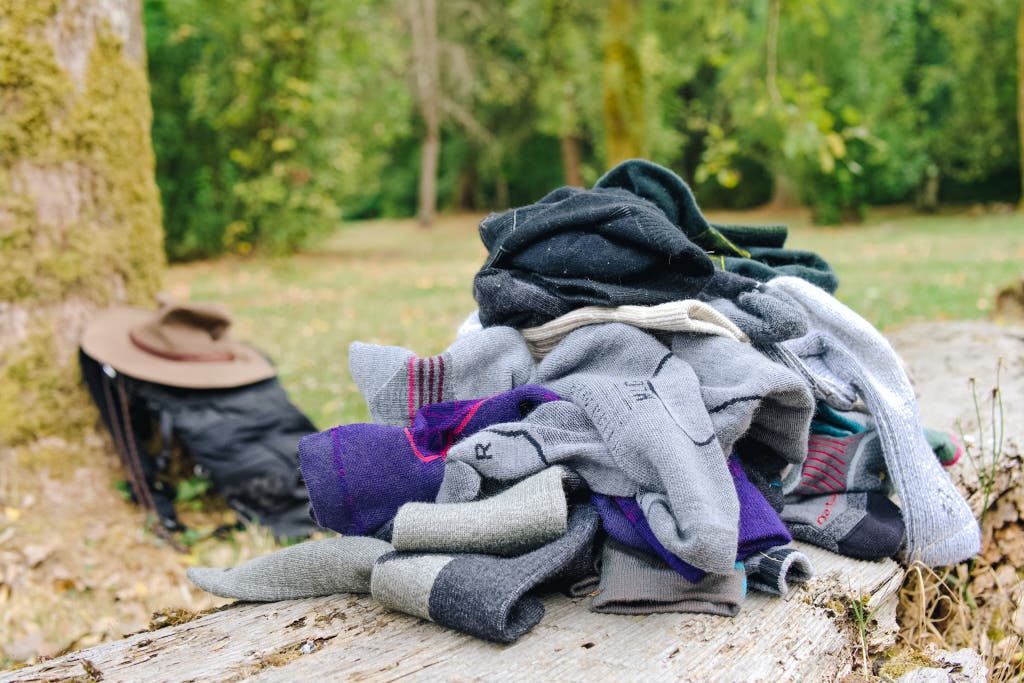
To cut through the marketing fluff, we put every pair through a rigorous 6-mile trail walking test. We don’t just "walk" in them; we monitor for slippage, heat buildup, and moisture retention. We even use professional-grade diffusers to measure objective breathability, ensuring that when we call a sock "breathable," we have the data to back it up. A sock isn't just a layer; it’s a piece of performance equipment designed to manage the micro-climate around your foot.
1. Material Science: The Foundation of Foot Comfort
The "feel" of a sock is determined by its knit, but its "performance" is dictated by its chemistry. Understanding the fibers is the first step to never having a "bad foot day" again.
Merino Wool: The Gold Standard
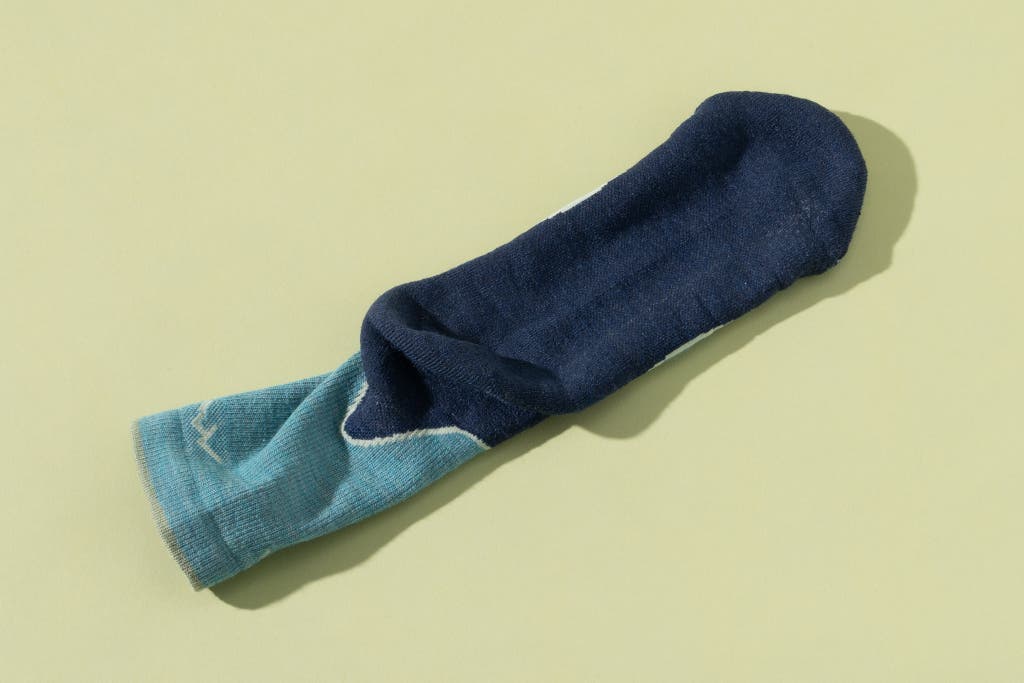
Merino wool is the undisputed king of the outdoors. Unlike the scratchy wool sweaters of the past, Merino fibers are incredibly fine, meaning they bend when they touch your skin rather than poking it.
- Pros: Naturally antimicrobial (you can wear them for days without the "stink"), excellent thermoregulation, and retains warmth even if you step in a puddle.
- Cons: Can be more expensive and takes longer to dry than pure synthetics.
Polyester and Nylon Blends
When you're pushing your heart rate in the gym or on a trail run, you need moisture management. Synthetic blends are engineered to be hydrophobic—they hate water. They pull sweat off your skin and push it to the outer surface of the sock where it can evaporate. These are typically the most breathable running socks for women.
Cotton
Cotton is the "comfort food" of fabrics. It's soft, familiar, and breathable. However, cotton is also highly absorbent. It holds onto moisture like a sponge. For a 20-minute walk to the coffee shop, it’s great. For a 5-mile hike? It’s a recipe for blisters.
Spandex and Elastane
You’ll rarely find a 100% spandex sock, but look for a 2% to 5% inclusion in the blend. This is the secret sauce that prevents the "sliding sock" syndrome, providing that "snap-back" quality that keeps the sock snug against your arch.
2. Essential Comfort Features to Look For
When we’re in the field, we look for specific anatomical details that separate a $5 pack of socks from a high-performance pair.
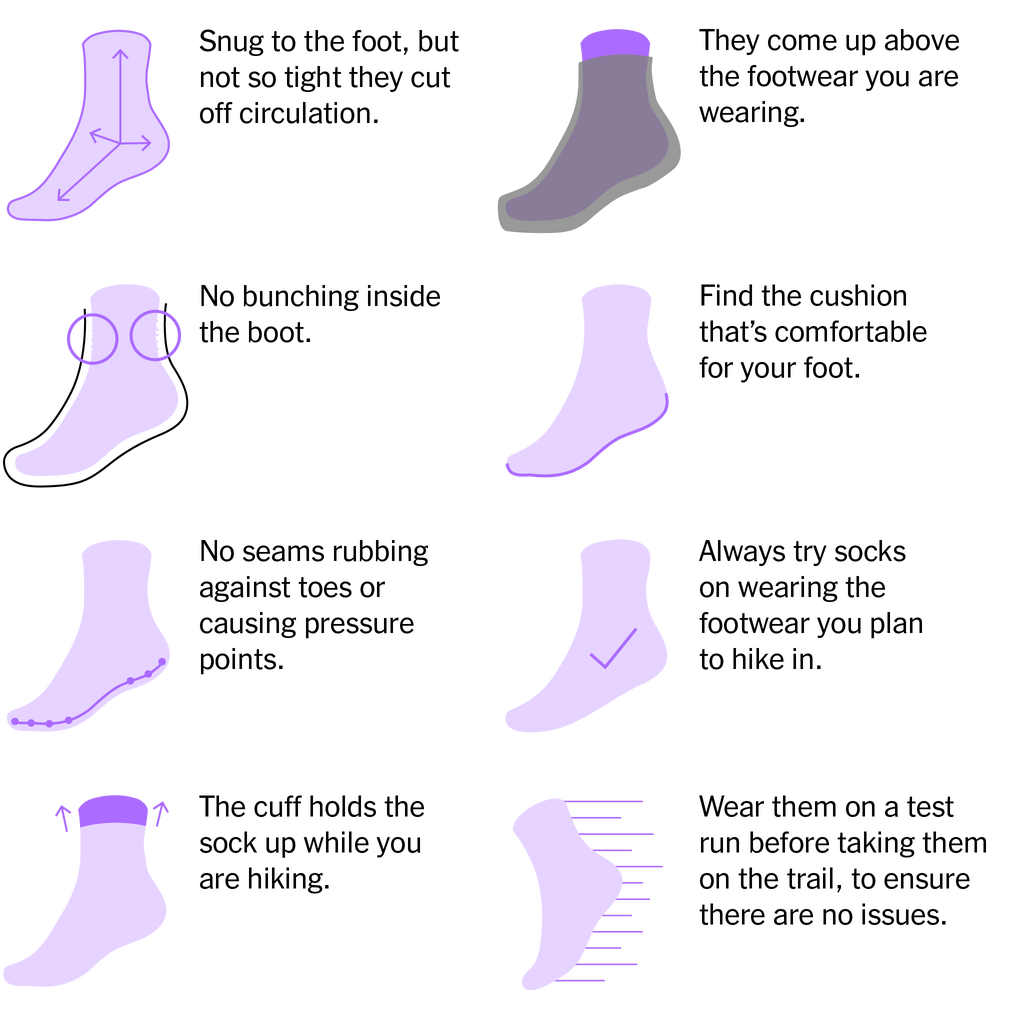
- Seamless Toe Design: This is non-negotiable. Traditional socks have a bulky seam across the toes that creates a "hot spot" of friction. A true seamless toe (hand-linked) feels completely smooth inside.
- Targeted Cushioning: You don't need thick padding everywhere. The best socks use high-density loops in the heel and the ball of the foot (the toe box) to absorb impact while keeping the rest of the sock thin for breathability.
- Arch Compression: This is a band of elasticized knit around the midfoot. It provides a gentle lift to the arch, reducing fatigue over long distances and ensuring the sock doesn't bunch under your foot.
- Mesh Ventilation: Look for "windows" of thinner, open-knit fabric on the top of the foot. This allows heat to escape where the shoe is least restrictive.
Pro Tip: If you are prone to blisters between your toes, consider "toe socks." They provide a fabric barrier for each individual digit, effectively eliminating skin-on-skin friction.
3. Matching Your Activity: Running, Hiking, and Daily Life
Best Breathable Running Socks for Women
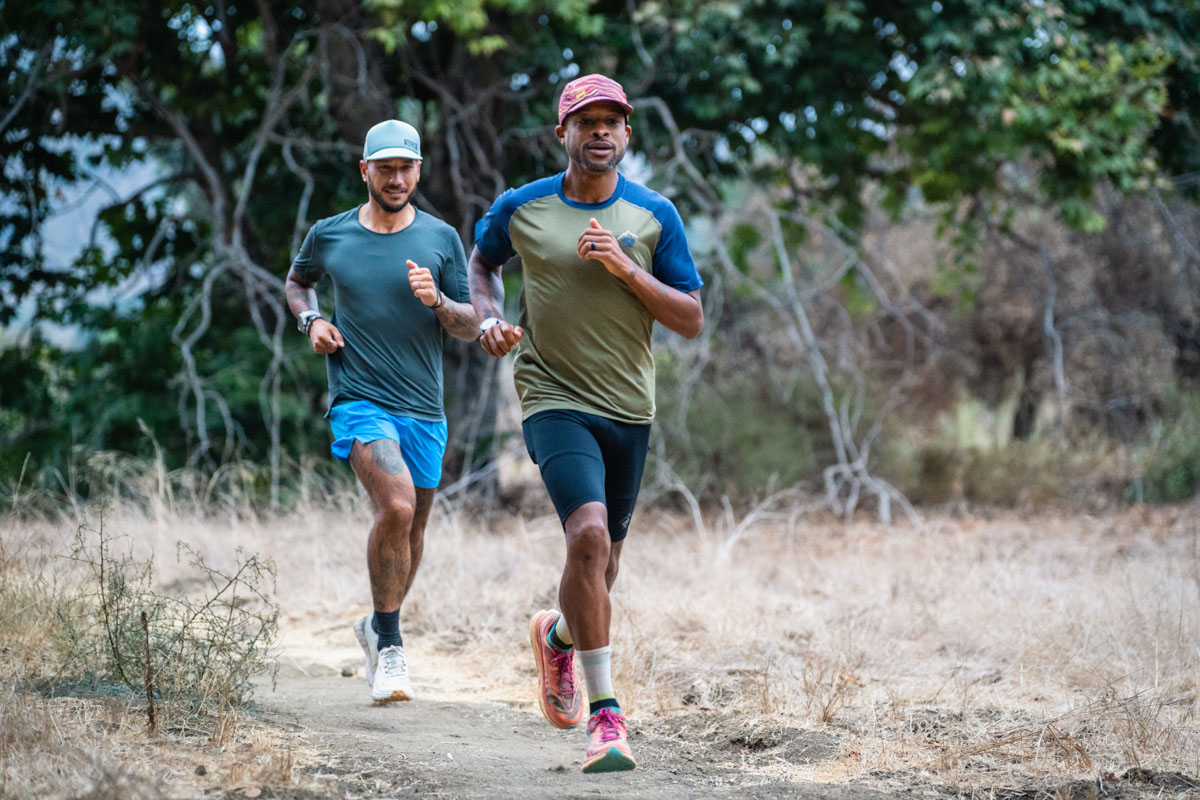
For high-intensity movement, heat is your enemy. We recommend "No-Show" or ankle-height socks that feature a "heel tab"—a little extra flap of fabric that protects your Achilles from the collar of your running shoe. Look for high-filament synthetic fibers that offer a slick, low-friction feel.
Durable Hiking Socks for Women
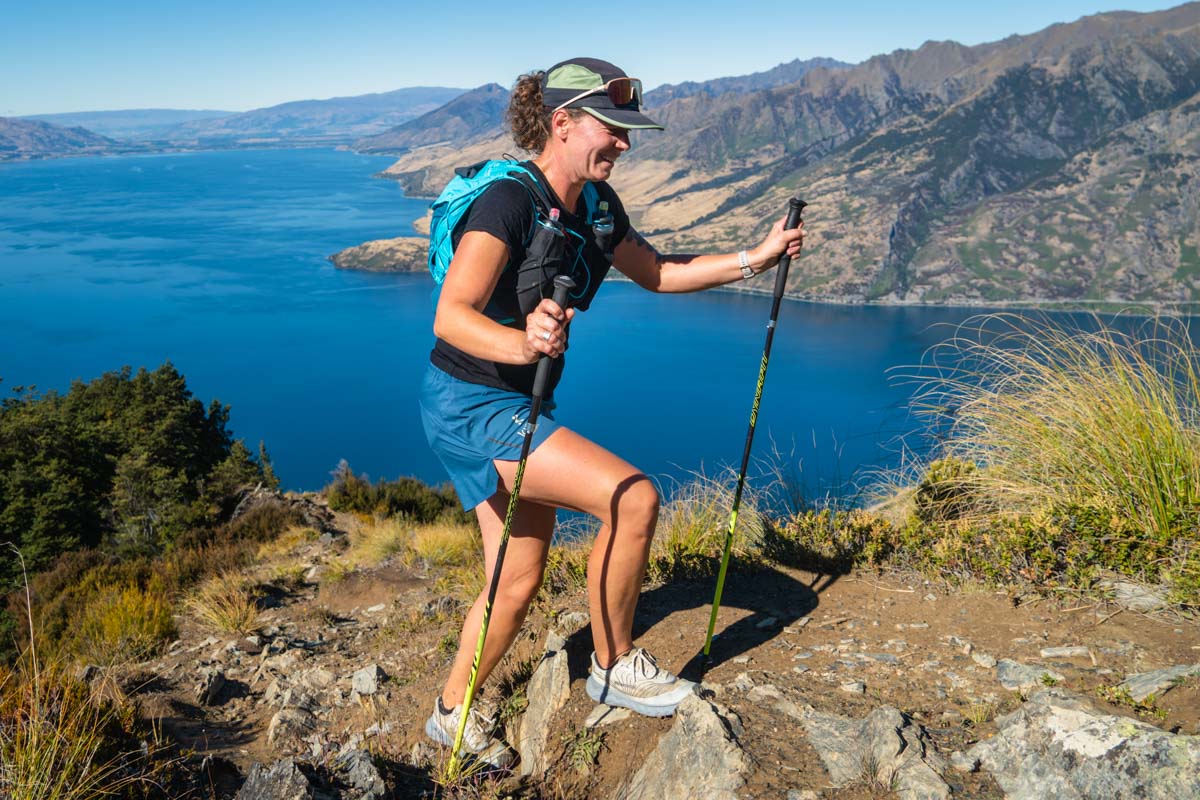
Hiking demands more from a sock. You need "crew-length" to ensure the leather or synthetic collar of your boot isn't rubbing directly against your skin. In our testing, Merino wool blends are the only way to go here. They provide a "buffer" against the trail debris and varying temperatures of the wilderness.
Cushioned Women's Socks for Walking and Casual Wear
For everyday errands or light walks, comfort is the priority. A cotton-poly blend gives you that plush, "cloud-like" feel while maintaining enough structural integrity to survive the dryer. Mini-crew or quarter-heights are the most versatile here, working well with everything from lifestyle sneakers to Chelsea boots.
Browse Our Field-Tested Collection →
4. Understanding Sock Height and Footwear Compatibility
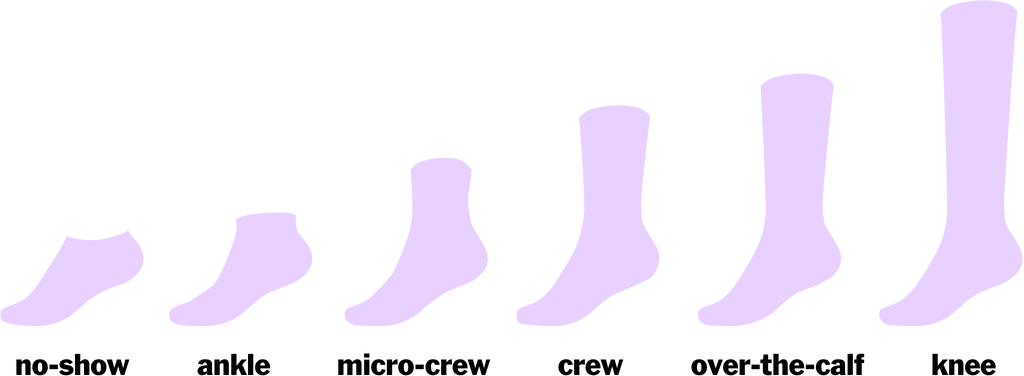
The height of your sock isn't just a style choice; it’s a functional one. If the sock is lower than the shoe line, the shoe will rub your skin raw. If it’s too high, you might overheat.
| Height | Best For... | Footwear Match |
|---|---|---|
| No-Show | Running, Gym, Summer Heat | Low-cut sneakers |
| Ankle/Quarter | Trail Running, Cycling | Mid-cut trainers |
| Crew | Hiking, Work, Winter | Boots, high-top sneakers |
| Over-the-Calf | Skiing, Mountaineering | Ski boots, tall rain boots |
Summary of Field-Test Results
Based on our decade of data, here is how the primary materials stack up across our three core metrics:
| Material | Breathability | Durability | Odor Control |
|---|---|---|---|
| Merino Wool | High | Medium-High | Exceptional |
| Synthetic (Polyester) | Exceptional | High | Low |
| Cotton Blend | Medium | Medium | Medium |
| Bamboo (Rayon) | High | Low | Medium |
Editor’s Choice: For the ultimate "do-it-all" sock, we always reach for a medium-cushion Merino wool blend in a quarter-height. It’s the Swiss Army knife of socks, performing brilliantly in 80% of activities.
FAQ
Q: How often should I replace my performance socks? A: Even the most durable hiking socks for women have a lifespan. Once the cushioning feels "flat" or you can see light through the heel or toe area (the "thinning" phase), the structural integrity is gone. For heavy hikers, this is usually every 6–12 months.
Q: Can I use fabric softener on my hiking or running socks? A: Absolutely not. Fabric softeners coat the fibers in a waxy layer that destroys the moisture-wicking properties of synthetics and the natural thermoregulation of Merino wool. Use a gentle detergent and air-dry whenever possible.
Q: Why do my feet still get blisters even with "good" socks? A: Check the fit of your shoes. If your shoes are too big, no sock in the world can stop the friction caused by your foot sliding around. Also, ensure you aren't wearing 100% cotton during high-intensity activities.
Conclusion
At the end of the day, your feet are the vehicles that take you to the places you love. Investing in a few pairs of high-quality, activity-specific socks is the simplest upgrade you can make to your outdoor or fitness routine. Stop settling for the "multi-pack" specials and start looking for the technical features—the seamless toes, the targeted cushioning, and the Merino blends—that your feet deserve.
Trust me, when you're six miles into a trail and your feet still feel fresh, you'll know it was worth every penny. Now, grab the right pair and get out there!