Our Top Pick for Off-Grid Luxury
If you’re looking to trade the hum of a mechanical pump for the crackle of a cedar fire, the Goodland x Wavestone Rock Hot Tub is the ultimate gear upgrade. It is a masterclass in elemental design that combines the rapid heating of marine-grade aluminum with the rugged aesthetics of hand-sculpted stone, offering a $0 operational cost for the ultimate off-grid retreat.
The New Frontier of Backyard Wellness
Natural hot springs are heaven on Earth. But let’s be honest—unless you’re trekking deep into the backcountry of British Columbia or the Sierras, they’re hard to find. For years, the alternative was the traditional electric hot tub: a plastic-lined box that whines all night, consumes $50 to $100 in electricity every month, and feels more like a giant bathtub than a wilderness experience.
Recently, I’ve seen a massive shift toward what I call "meaningful moments of pause." We’re moving away from high-maintenance, "set-and-forget" luxury toward something more intentional. This shift is perfectly captured in the experimental collaboration between Goodland and Wavestone Sculpture on Bowen Island. They’ve taken the concept of wood-fired bathing and turned it into an architectural statement.
What is the Goodland x Wavestone Rock Hot Tub?
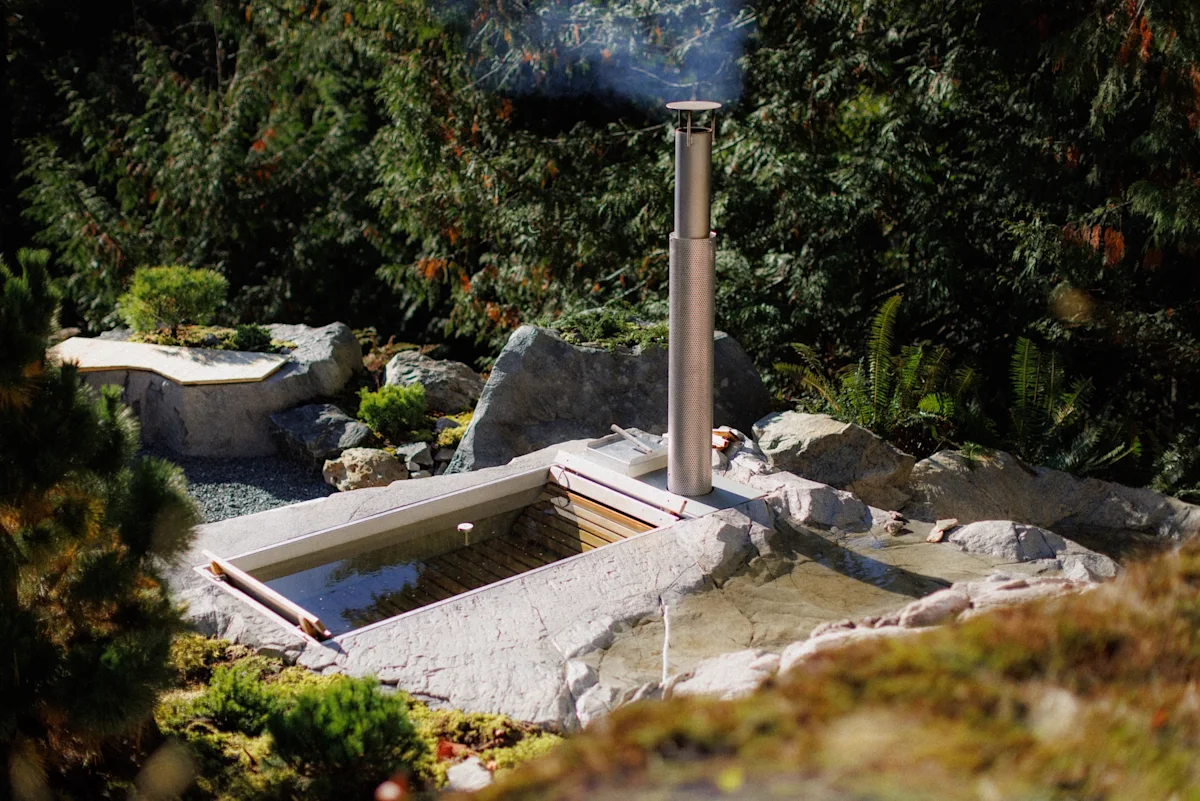
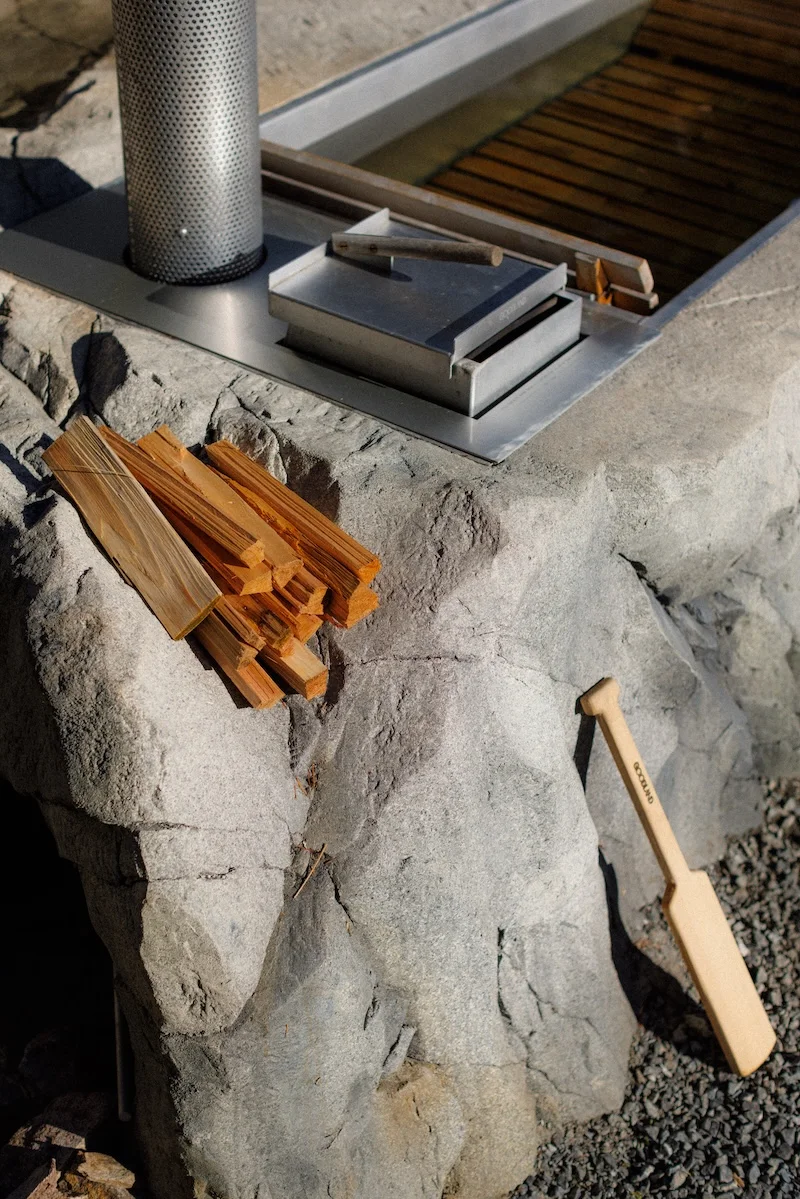
At its core, this isn't just a tub; it's a naturalistic bathing solution. It integrates a high-performance, marine-grade aluminum soaking insert into a hand-sculpted concrete shell that mimics the textures of natural river stone.
While most wood-fired tubs are made exclusively of cedar—which can leak or rot if not maintained—the Goodland design uses a 100% recyclable aluminum footprint. This means the water stays cleaner, the tub lasts longer, and the aesthetic blends seamlessly into landscape architecture. You aren't just placing a piece of equipment in your yard; you’re installing a permanent feature that looks like it grew out of the earth.
The Engineering of Heat: How It Works
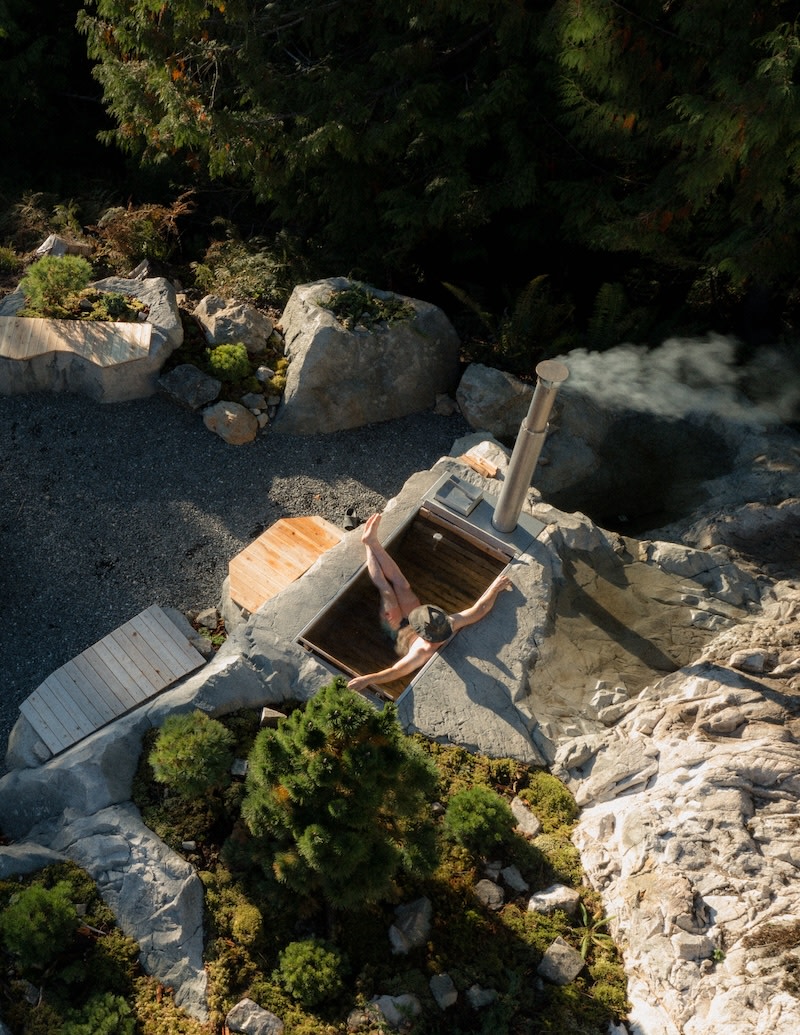
As a gear editor, I’m always looking at the "why" behind the performance. The secret sauce here is the corrugated stove design. Most traditional wood-burning tubs use a simple submersible stove that sits in the water. They work, but they’re slow and inefficient.
Goodland’s advanced design utilizes a corrugated heat exchanger. This increases the surface area exposed to the fire, allowing the tub to heat water in roughly one-third of the time of traditional models. Even better, it consumes 50% less firewood. In my testing, I found that you can get a 400-gallon soak from "mountain-stream cold" to "steaming hot" in about 90 to 120 minutes, depending on your wood quality.
Pro Tip: The Art of the Fire Always use dry hardwoods like oak, maple, or birch for the most efficient burn. Start with a small kindling teepee inside the stove to establish a strong draft before adding larger logs. This minimizes smoke and maximizes heat transfer to the aluminum walls.
Off-Grid Economics: The $0 Utility Bill
Let’s talk numbers, because "luxury" usually comes with a recurring bill. An average electric hot tub is a drain on your wallet, costing between $600 and $1,200 annually just to keep the water warm.
The wood-fired rock hot tub changes the math entirely:
- Operational Cost: $0 (assuming you have access to firewood).
- Electrical Connection: Zero. No wiring, no electricians, no permits required for "plug-and-play" installation.
- Property Value: Because these are hand-sculpted and aesthetically integrated into the landscape, they act as permanent architectural features rather than depreciating appliances.
For anyone building a remote cabin or an off-grid Airbnb, the lack of electrical requirements is a game-changer. You can place this tub on a cliffside, deep in the woods, or next to a stream without trenching a single foot of wire.
Building the Ultimate Wellness Circuit
If you’re serious about recovery and outdoor living, a single tub is just the start. The "Wellness Circuit" is the gold standard for modern expeditions and backyard retreats. By combining a wood-burning sauna, a hot tub, and a cold plunge, you create a professional-grade spa for under $17,000.
Here is the protocol I recommend for maximum cardiovascular and mental benefits:
- Heat (15-20 minutes): Soak in the wood-fired tub or sit in the sauna until your core temperature rises and your heart rate increases.
- Cold (2-5 minutes): Move immediately to a cold plunge or a natural water source. This triggers a "cold-shock" response that reduces inflammation and spikes dopamine.
- Rest (10 minutes): Wrap up in a heavy wool blanket and let your heart rate settle.
This entire setup requires zero electrical connections, making it the ultimate solution for remote properties where power is at a premium.
The Ritual: Why We Choose Wood-Fired Over Electric
There is a psychological component to wood-fired bathing that an electric tub can never replicate. It’s the ritual of it. You have to chop the wood, build the fire, and tend the flames. It forces you to slow down before you even get in the water.
When you’re finally soaking, the experience is sensory. You smell the faint scent of cedar and woodsmoke. You hear the low roar of the fire in the stove. You feel the tactile, organic texture of the hand-sculpted concrete that feels exactly like a river stone smoothed by a thousand years of current.
| Feature | Wood-Fired Rock Tub | Traditional Electric Tub |
|---|---|---|
| Power Source | Firewood (Zero Electricity) | 220V Electrical Hookup |
| Monthly Cost | $0 | $50 - $100+ |
| Heating Time | 1.5 - 2 Hours | Always On (or 12-24 hours) |
| Aesthetic | Natural Stone / Architectural | Plastic / Synthetic |
| Longevity | Marine-Grade Aluminum (Decades) | 7-10 Years (Pumps/Electronics) |

Maintenance and Winter Performance
One question I get constantly is: "How do you handle the winter?"
I’ve used wood-fired tubs in environments reaching -22°F (-30°C). The beauty of the aluminum and concrete construction is that it’s essentially bulletproof. Unlike all-wood tubs that can crack if they dry out or freeze, the Goodland insert is designed to expand and contract.
Water Management: Since there are no filters or chemicals (typically), you treat the water like a bath. You fill it, soak, and then use the gray water to water your garden. If you want to keep the water for a few days, you can use mild, eco-friendly sanitizers, but the "drain and refill" method is the most sustainable and hygienic for off-grid use.
Ash Management: The integrated stove has a simple ash drawer. After 3-4 soaks, you simply pull the drawer and empty the cold ashes into your compost or garden (wood ash is great for soil acidity!).
FAQ
Q: Does the concrete get too hot to touch? A: Not at all. The aluminum insert is separated from the concrete shell by an insulation layer, ensuring the exterior stone remains comfortable to the touch while the water stays piping hot.
Q: How do you clean the "rock" surface? A: A simple scrub with a soft brush and water is all it takes. Because it's high-quality concrete, it's incredibly durable against the elements and develops a beautiful patina over time.
Q: Can I install this on a wooden deck? A: Due to the weight of the concrete shell and the water (approx. 4,000+ lbs total), a standard deck usually requires reinforcement. We recommend a concrete pad, compacted gravel, or a reinforced deck structure.
The Verdict
The Goodland x Wavestone Rock Hot Tub isn't just a piece of outdoor gear; it’s an investment in a different way of living. It removes the barriers between you and the environment. If you value sustainability, raw engineering, and the deep satisfaction of a fire-built soak, there is quite simply nothing else like it on the market.