I’ve spent the better part of a decade dragging folding knives through everything from alpine brush to industrial zip ties. For years, the "utility knife" was the unloved stepchild of the EDC world—a piece of stamped sheet metal or cheap plastic you’d buy for twelve bucks at a gas station, use until the pivot got gritty with drywall dust, and then toss into a junk drawer. But something shifted recently. We’ve entered the era of the "enthusiast-grade" work tool, and leading the charge is the Knafs Yuti.
The Knafs Yuti stands out from standard utility knives by utilizing enthusiast-grade materials such as G10 handle scales, stainless steel liners, and a robust crossbar lock system typically found on premium folding knives. It’s a tool designed for people who actually use their knives for "bullwork" but want the refinement of a high-end pocket knife. If you’re tired of disposable hardware but aren't ready to dull your $200 Magnacut blade on a piece of abrasive carpet, the Yuti might just be the most important addition to your pocket in 2026.
Design & Features: Built Like a Real Knife
Most utility knives are designed by accountants looking to shave pennies off production. The Yuti, however, was designed by Ben Petersen and the Knafs team with the same DNA as the legendary Lander series. This isn’t a "holder" for a blade; it’s a folding knife that happens to use replaceable steel.
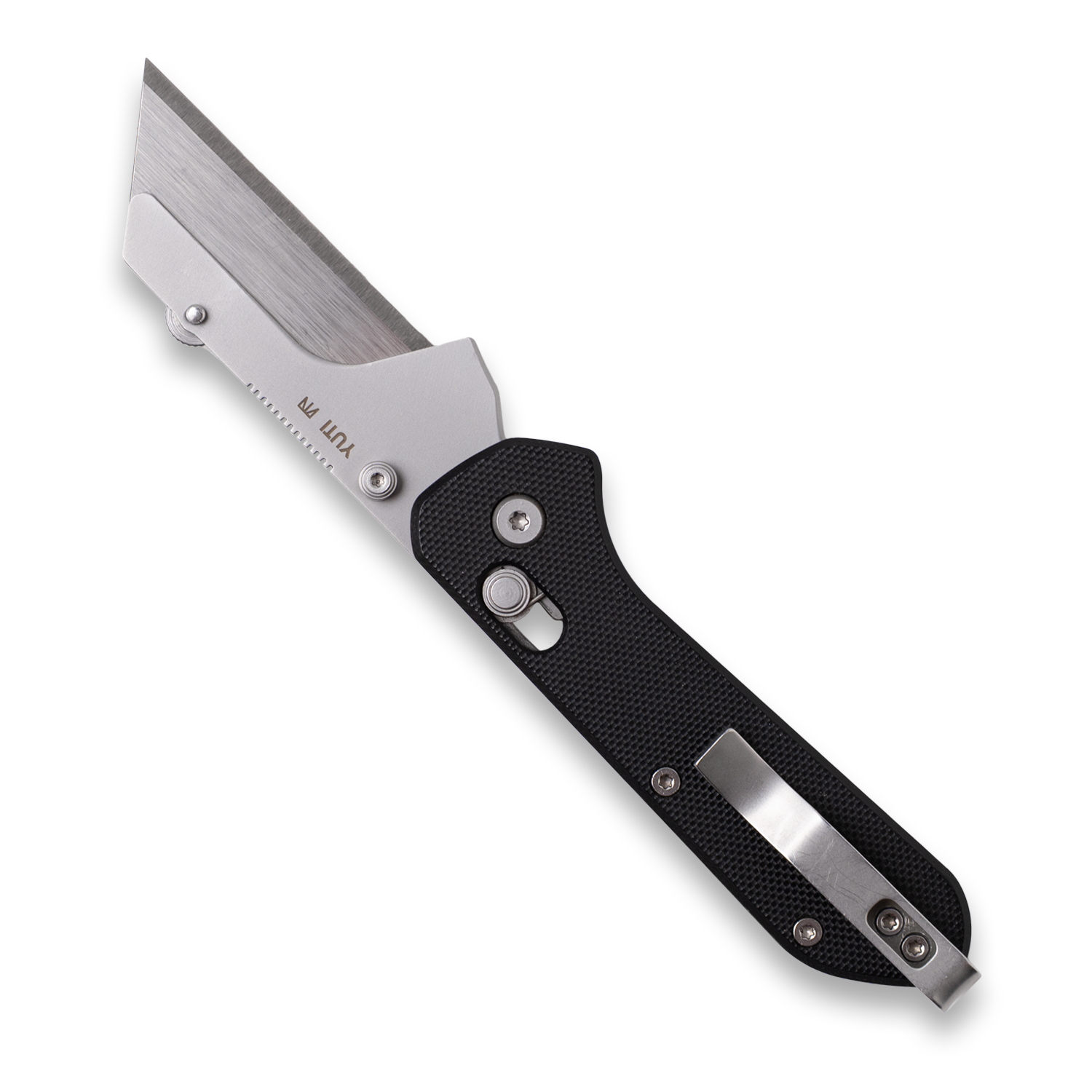
The standout feature is the ergonomics. While your standard hardware-store folder often feels like a flat stick in the hand, the Yuti features a contoured 4-inch handle. This provides roughly 25% more gripping surface than standard folders, which is a massive safety upgrade when you’re putting real shoulder behind a cut. I call it the "meat paw" advantage—even with gloves on, you get a full four-finger grip that prevents the knife from sliding or twisting during heavy-duty tasks.
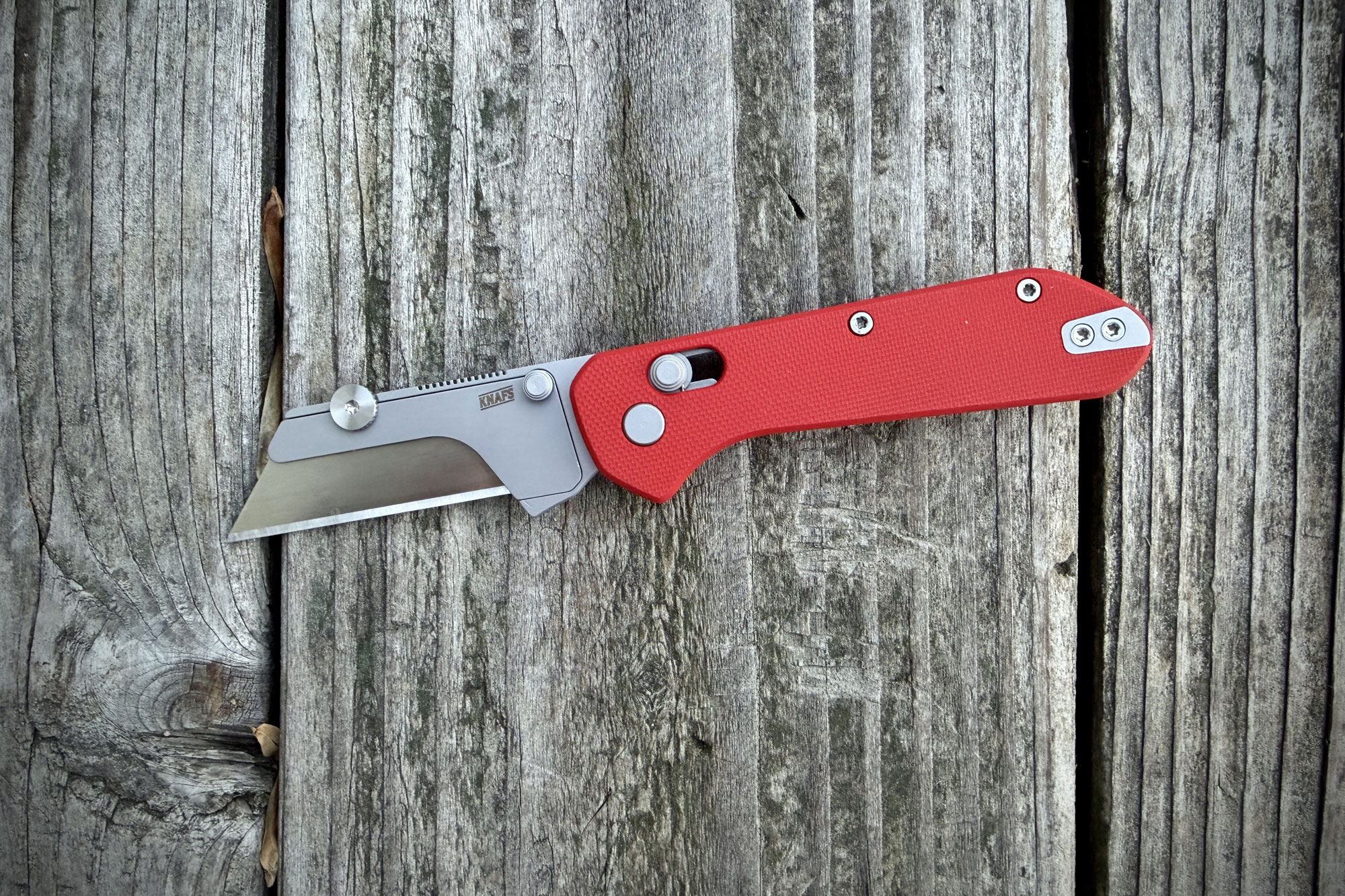
The choice of G10 for the handle scales is a game-changer. Unlike the slick aluminum or brittle plastic found on budget models, G10 provides a high-traction, durable surface that shrugs off chemicals, moisture, and impact. Beneath those scales sit full stainless steel liners, giving the knife a rigidity that inspires confidence. Then there’s the crossbar lock. If you’re a fan of the "fidget factor," this is the gold standard. It’s completely ambidextrous, keeps your fingers out of the blade’s path when closing, and provides a lockup that is significantly more secure than the thin liner locks found on most utility tools.
The Blade Ecosystem: Universal Compatibility
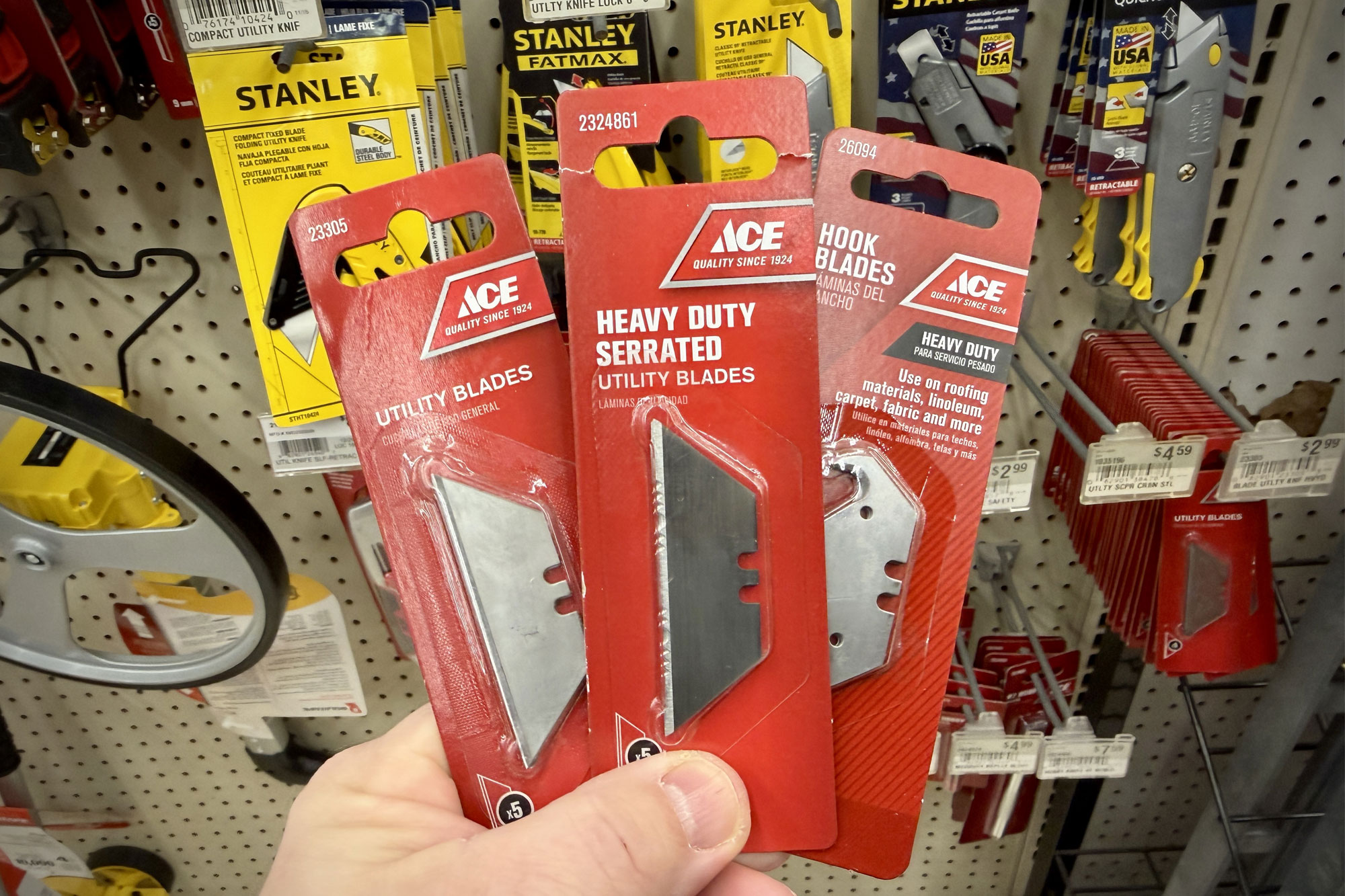
One of the biggest frustrations with "proprietary" utility knives is being locked into a specific brand's blade. The Knafs Yuti is designed for maximum compatibility, accepting almost any standard double-notch utility blade on the market. Whether you're grabbing a 50-pack of "gopher" blades from a big-box store or hunting down high-end carbide options, the Yuti eats them all.
The mechanism for changing the blade is where the Yuti shows its professional pedigree. It uses an oversized T8 thumbscrew. While many budget knives use a tool-less plastic slide that can fail or get jammed with grit, the Yuti’s screw-down method ensures the blade stays seated even under extreme lateral pressure.
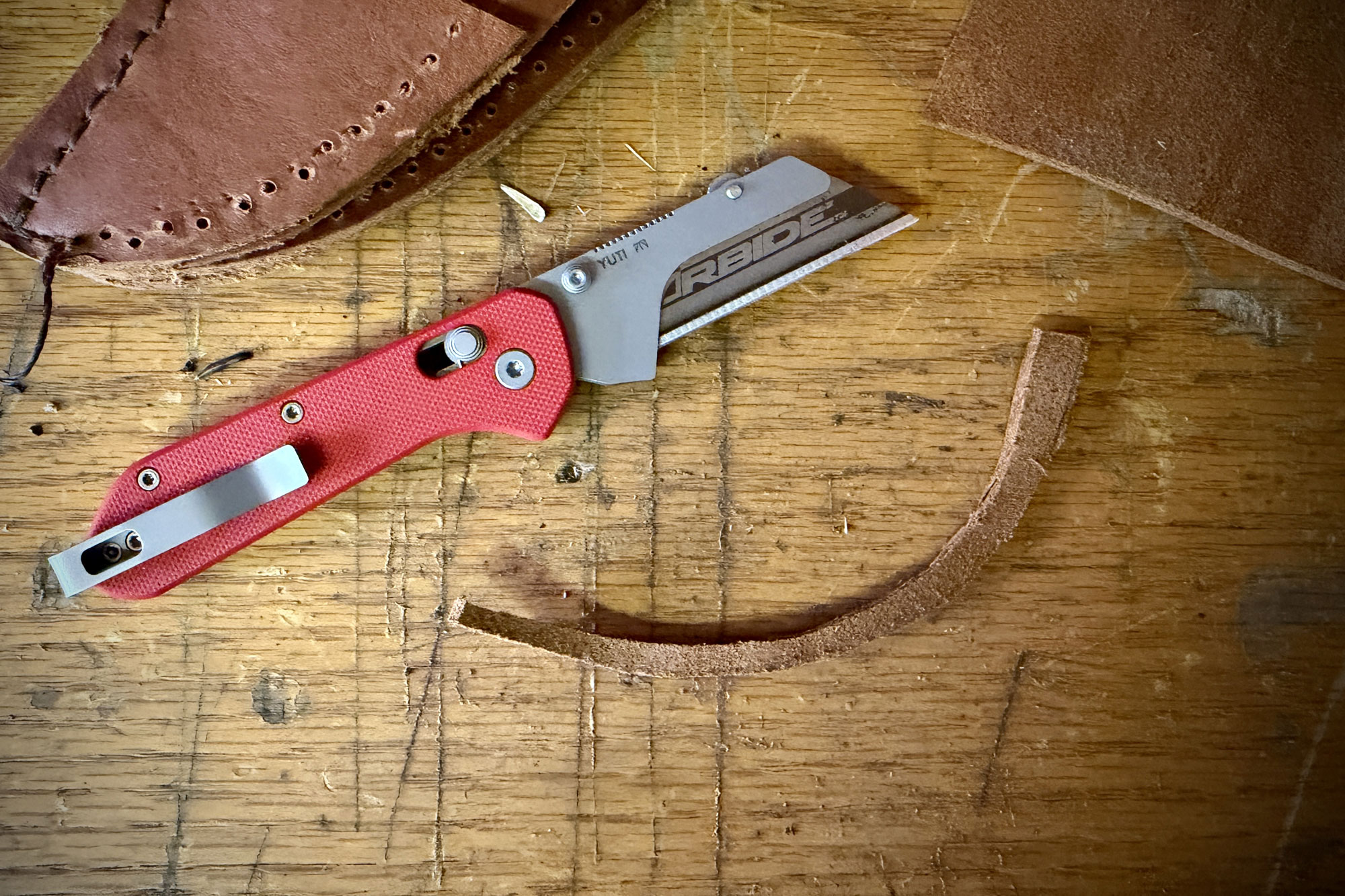
Pro-Tip: The Performance Hack To truly unlock the Yuti’s potential, don’t settle for the cheapest blades in the bin. Equip the Yuti with a $10 pack of Stanley Carbide blades. These offer significantly better edge retention than standard carbon steel. By doing this, you're looking at a full year of high-performance cutting for a maintenance cost of less than $0.03 per day.
Knafs Yuti vs. Milwaukee Fastback: Why Spend $50?
The elephant in the room is the Milwaukee Fastback. It’s a legendary tool, and at under $20, it’s hard to beat for pure utility. So, why would an outdoor enthusiast or a trade professional shell out $50 for a Yuti?
It comes down to longevity and the carry experience. The Fastback is a "disposable" tool; once the pivot gets loose or the plastic components wear down, you buy a new one. The Yuti is a "keeper." It’s built to be serviced, cleaned, and customized.
| Feature | Knafs Yuti | Standard Utility Folder (e.g., Fastback) |
|---|---|---|
| Handle Material | Textured G10 | Plastic or Smooth Aluminum |
| Lock Type | Crossbar Lock (Ambidextrous) | Liner Lock or Button Lock |
| Pocket Clip | Deep-Carry, Reversible | Standard stamped steel |
| Durability | High (Steel liners + G10) | Moderate (Standard plastic/alloy) |
| Customization | Swappable scales / 3D Printable | None |
The carry profile also sets the Yuti apart. It features a deep-carry pocket clip that lets the knife sit low and discreetly in your pocket, unlike the bulky, snag-prone clips of most hardware tools.
Customization: Making the Tool Your Own
One of the reasons the Knafs brand has a cult following is its commitment to the "open source" nature of knife ownership. The Yuti follows the Lander legacy with swappable scales. If you don’t like the stock G10, you can swap them for wood, micarta, or even UV-printed designs like the "Space Kitties" or "Urban EDC" patterns.
Knafs even provides the CAD files for the scales. If you have a 3D printer, you can literally design and print your own handle scales at home. This level of engagement turns a boring work tool into a personal project. It’s about having a tool that reflects your style, whether you’re a foreman on a job site or a weekend warrior in the garage.
In the Field: Who is the Yuti For?
In my testing, the Yuti excelled in three specific scenarios:
- The Trade Professional: For the electrician ("Sparky") or the general contractor, the Yuti is a relief. It handles the "bullwork"—stripping heavy gauge wire, scoring drywall, and cutting shims—without the ergonomic fatigue that smaller, thinner knives cause.
- The Traveler: This is my favorite "travel hack." Because the blade is replaceable, you can carry the Yuti handle through airport security (with no blade installed), land in your destination, and stop at any local hardware store to buy a 50-cent blade. You now have a high-quality, locking EDC knife without the risk of TSA confiscating your $400 heirloom folder.
- The Knife Enthusiast: We all have those tasks we don't want to use our "good" knives for. Opening Amazon boxes is one thing; breaking down fifty greasy pizza boxes after a party is another. The Yuti provides the premium feel of a crossbar lock folder without the anxiety of ruining a factory edge.
Maintenance and Care
To keep the Yuti running smoothly for years, you need to treat it like a real knife, not a disposable razor.
- Lubrication: A drop of KPL (Knife Pivot Lube) on the ball-bearing pivot every few months will keep that crossbar lock action "flickable" and smooth.
- Cleaning: Pocket lint is the enemy of any mechanical lock. Use a can of compressed air to blow out the crossbar channel occasionally, especially if you work in dusty environments.
- The T8 Screw: If you’re doing heavy prying or high-pressure cutting, ensure the T8 screw is snug. A loose screw can lead to blade wiggle, which compromises safety.
FAQ
Q: Can I use Serrated Utility Blades in the Yuti? A: Yes! As long as they are standard double-notch utility blades, they will fit. Serrated blades are excellent for cutting rope or heavy-duty cardboard.
Q: Is the Yuti heavy for everyday carry? A: Not at all. Despite its robust steel liners, the G10 scales keep the weight down. It weighs in at roughly 3.2 ounces, making it light enough for gym shorts but substantial enough for work pants.
Q: Why use a T8 screw instead of a tool-less release? A: Safety and security. Tool-less releases often have plastic parts that wear down over time, leading to blades that can pop out during a cut. The T8 screw provides a rock-solid mechanical connection that won't fail during heavy "bullwork."
If you're looking for the best EDC utility knife of 2026, the Knafs Yuti is the undisputed heavyweight champion. It bridges the gap between the disposable culture of the hardware store and the high-performance world of enthusiast knives. It’s ergonomic, customizable, and—most importantly—built to last a lifetime.