I’ve spent the better part of the last decade trying to destroy outdoor gear. From the jagged granite of the High Sierra to the soul-crushing humidity of the Appalachian Trail, I’ve seen seams pop, zippers jam, and "durable" fabrics shred like wet paper. But over the last two years, I’ve noticed a definitive shift in the backcountry: the baggy, swish-swish of traditional hiking pants is being replaced by the streamlined silhouette of the technical legging.
To find the absolute best hiking leggings for 2025, our team evaluated 18 leading models over 200+ miles of testing across diverse environments, from the sun-scorched California deserts to the unpredictable, snowy trails of Vermont. What we discovered was a game-changer: hiking-specific tights with reinforced knees and seats lasted 3x longer on rugged, off-trail terrain than standard yoga leggings.
Whether you’re scrambling up a 14er or taking a brisk morning trek through the local woods, the right pair of leggings offers a level of mobility and moisture management that traditional pants just can’t touch.
At a Glance: Top Trail Picks for 2025
| Model | Best For | Weight | MSRP | Top Feature |
|---|---|---|---|---|
| OR Ad-Vantage | Best Overall | 9.1 oz | $99 | DuraPrint™ Abrasion Resistance |
| Fjallraven Abisko | Technical Treks | 10.6 oz | $175 | Reinforced Knees & Seat |
| Eddie Bauer Trail | Budget Friendly | 8.8 oz | $99 | Inclusive Sizing (Petite/Tall) |
| Revolution Race | Winter Hiking | 12.3 oz | $89 | Fleece-Lined Warmth |
| Patagonia Maipo | All-Day Comfort | 5.3 oz | $99 | 80% Recycled Content |
| Mammut Aenergy | Fast & Light | 6.9 oz | $125 | Harness Compatibility |
| Stio Glide Tech | Style & Odor Control | 7.4 oz | $109 | Polygiene® Treatment |
Why Choose Leggings Over Traditional Hiking Pants?
The debate of hiking in tights vs pants used to be a matter of durability versus comfort. Old-school hikers argued that leggings were too thin for the "real" bush. However, modern textile engineering has flipped that script.
Leggings provide superior mobility, flexibility, and breathability, making them ideal for high-intensity activities and technical terrain where you need to high-step over fallen logs or smear against rock faces. Unlike pants, leggings don’t have excess fabric to snag on thorns, and they act as a perfect base layer under rain shells when the weather turns foul. For the modern hiker, the "second skin" feel minimizes chafing and maximizes focus on the trail ahead.

Best Overall Hiking Leggings: Outdoor Research Ad-Vantage
If you are looking for the best hiking leggings for 2025, the search ends here. The Outdoor Research Ad-Vantage Leggings are the gold standard for performance. We took these through a gauntlet of granite scrambles in Joshua Tree, and they came out looking brand new.
The secret sauce is the DuraPrint™ technology—a 3D-printed overlay in high-wear areas that provides incredible abrasion resistance without adding the bulk of a traditional patch. The blend of nylon and LYCRA spandex feels exceptionally sturdy, hugging the body without that "sausage casing" feeling. The high-waist design stays put even when you’re carrying a heavy multi-day pack, and the dual stash pockets are perfectly positioned to hold a smartphone or a handful of trail mix without bouncing.
- Pros: Incredible durability, excellent pocket placement, stays in place.
- Cons: Fabric is thicker, which might feel warm in 90°F+ heat.
Best Upgrade for Technical Treks: Fjallraven Abisko Trekking Tights
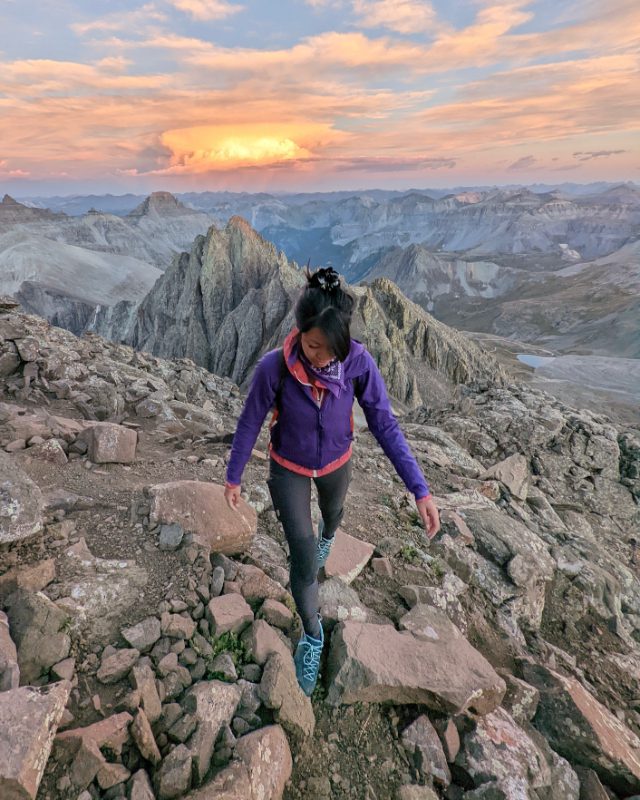
When I’m heading into "Type 2 Fun" territory—think multi-day backpacking or summiting Mt. Whitney—I reach for the Fjallraven Abisko. These aren't just leggings; they are pieces of equipment.
They feature heavy-duty reinforcements at the knees and the rear, allowing you to sit on jagged rocks or kneel to filter water without a second thought. The map-sized pockets on the thighs are a brilliant touch for those who prefer analog navigation, and the internal drawcord at the waist ensures they won't sag after three days of sweat and movement.
- Pros: Virtually indestructible, massive storage, superior wind resistance.
- Cons: High price point; might be "too much" legging for casual day hikes.
Best Budget-Friendly Option: Eddie Bauer Trail Tight
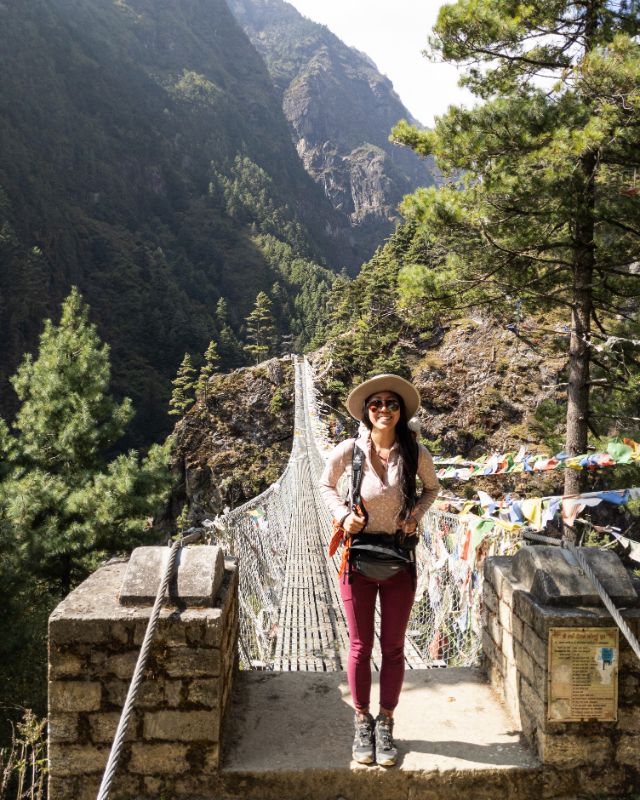
You don't need to drop $200 to get a pair of trail-tested hiking tights. The Eddie Bauer Trail Tight proves that value and performance can coexist. With UPF 50+ protection and a fabric that feels significantly more substantial than your gym leggings, these are a steal.
What really impressed our testing team was the inclusivity. These come in Petite, Tall, and Plus sizes, ensuring that every hiker can find a fit that doesn't result in a sagging crotch or bunching behind the knees.
- Pros: Great price, wide range of sizes and colors, secure zip pockets.
- Cons: Slightly less breathable than high-end technical models.
Pro Tip: Chafing Prevention Even the best leggings can cause friction on 15-mile days. Apply a silicone-based anti-chafe stick to your inner thighs and waistband area before you start your hike. It’s easier to prevent a hot spot than it is to treat a blistered one.
Best for Cold Weather: Revolution Race Alaska (Fleece-Lined)
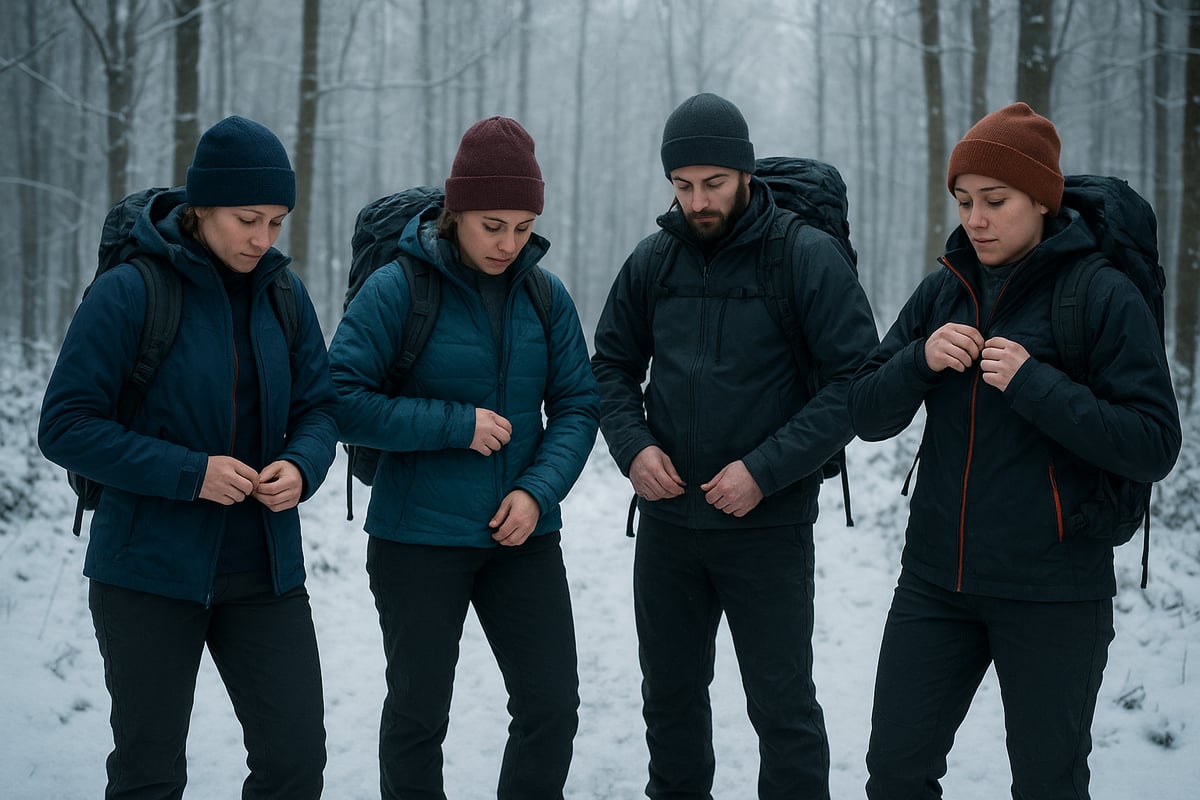
Winter hiking requires a different beast. Standard leggings will leave your quads numb the moment the wind picks up. The Revolution Race Alaska tights are the best winter hiking leggings we’ve tested this season.
They feature a brushed fleece lining that traps heat against the skin while the moisture-wicking outer shell sheds light snow and mist. During a sub-30°F trek in the Green Mountains, these kept me warm without the bulk of a heavy thermal pant. The deep, rear-positioned pockets are also a nice touch, keeping your phone closer to your body heat to prevent battery drain.
- Pros: Exceptional warmth, weather-resistant finish, very soft interior.
- Cons: Too hot for temperatures above 45°F.
Most Comfortable for Long Miles: Patagonia Maipo 7/8 Stash Tights
If your priority is "barely there" comfort, the Patagonia Maipo is the winner. Made from 80% recycled nylon and 20% spandex, these feel silky soft against the skin. They are the lightest in our lineup, making them perfect for high-mileage days where every ounce matters.
The wide, flat waistband is the standout feature here—it doesn't roll down or dig in, even when you're wearing a hip belt from a 50L pack. Plus, they feature HeiQ® Pure odor control, which is a godsend if you're planning to wear them multiple days in a row on a thru-hike.
- Pros: Sustainable construction, incredibly lightweight, excellent odor control.
- Cons: Lower abrasion resistance than the OR or Fjallraven models.
Best Lightweight for Summer: Mammut Aenergy Light Tights
For those who live for summer scrambles and fastpacking, the Mammut Aenergy Light is a dream. At only 6.9 oz, they are built for speed. They utilize a high-stretch fabric that is specifically designed to be compatible with a climbing harness, meaning the pockets are accessible even when you're geared up.
The zonal construction includes water-resistant sections on the lower legs, which is perfect for walking through dew-heavy tall grass in the early morning.
- Pros: Extremely breathable, harness-compatible, very packable.
- Cons: Thin fabric offers little protection against cold wind.
Best for Style & Color: Stio Glide High Rise Tech Tight
Who says you can't look good while bagging peaks? Stio is known for their vibrant mountain-town aesthetic, and the Glide Tech Tight is no exception. Available in striking colors like Azalea and Oakmoss, these leggings bring some personality to the trail.
Beyond the looks, they feature a high-performance antimicrobial treatment and a fabric that balances stretch and compression perfectly. They transition seamlessly from the trail to the post-hike brewery.
- Pros: Gorgeous colorways, high-quality finish, great odor resistance.
- Cons: The high-rise waist can feel a bit restrictive for some body types.
Hiking Leggings vs. Hiking Pants: Which is Right for Your Trail?
Still on the fence? Here is the breakdown.
Choose hiking leggings if your terrain is technical, you value unrestricted movement, and you want to minimize bulk. They are superior for high-stepping and "moving with the mountain."
Choose hiking pants if you are "bushwhacking" through thick, thorny brush, or if you need the absolute maximum amount of pocket storage. Traditional pants also offer better airflow around the leg in stagnant, humid heat, whereas leggings stay flush against the skin.
Buyer’s Guide: How to Choose the Perfect Fit
Finding the right size is the difference between a great hike and a day spent yanking up your waistband.
How do I choose the right size for hiking leggings?
- Measure Accurately: Don't guess. Use a soft tape measure for your waist (narrowest part), hips (widest part), and inseam.
- Check Brand Charts: A "Medium" in Patagonia is not a "Medium" in Fjallraven. Always refer to the brand-specific charts.
- The Squat Test: When you try them on, do a deep squat. If the waistband slides down or the fabric becomes sheer over your glutes, you need a different size or a higher-quality fabric.
- Look for Features: Prioritize a gusseted crotch (a diamond-shaped piece of fabric that prevents seams from bunching) and flatlock seams (which lie flat against the skin to prevent chafing).

Care and Maintenance for Longevity
To keep your durable trekking leggings performing for years, stop washing them like your gym clothes.
- Avoid Softeners: Fabric softeners clog the pores of technical fabrics, killing their breathability and moisture-wicking properties.
- Wash Cold, Hang Dry: High heat in the dryer is the number one killer of spandex and elastic. Air drying preserves the "snap" of the fabric.
- Specialized Detergent: Every dozen washes, use a technical wash (like Nikwax) to strip away oils and restore the fabric’s performance.
FAQ
Q: Do hiking leggings get holes easily? A: Standard yoga leggings will snag on the first branch they meet. However, hiking-specific models with high nylon content or reinforced panels (like the OR Ad-Vantage or Fjallraven Abisko) are designed to withstand significant abrasion.
Q: Can I wear leggings for multi-day backpacking? A: Absolutely. Look for models with antimicrobial treatments (like Stio or Patagonia) to keep odors at bay, and ensure they have a comfortable waistband that won't chafe under your pack's hip belt.
Q: Are leggings warm enough for the winter? A: Only if they are fleece-lined or worn as a base layer. For sub-freezing temps, look for "thermal" or "winter-weight" versions like the Revolution Race Alaska.
Ready to Hit the Trail?
The evolution of the trail tight has officially arrived. By choosing a pair that balances durability with mobility, you’re not just changing your outfit—you’re upgrading your ability to move through the wild. Grab your pack, lace up your boots, and experience the freedom of the perfect fit.
Have a favorite pair of leggings we missed? Drop a comment below or tag us on your next summit photo!