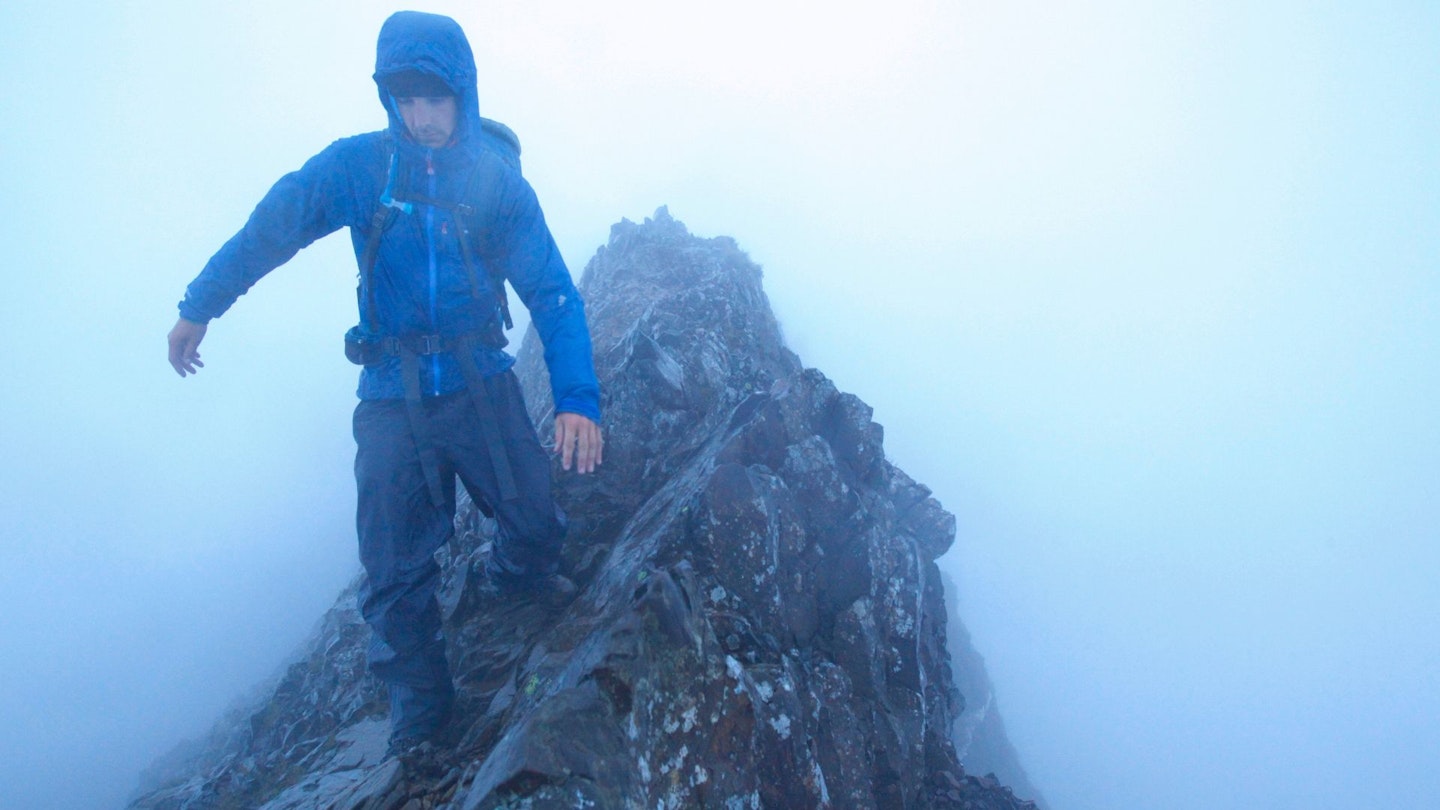
Imagine it’s 2 AM in the High Sierra. A sudden alpine gust, the kind that sounds like a freight train, slams into your tent. Suddenly, you hear a sickening ping—the sound of a cheap, "freebie" shepherd’s hook stake surrendering to the wind. Before you can grab your headlamp, your rainfly is flapping like a broken wing and the wind is driving rain directly into your sleeping bag. I’ve been there, shivering in the dark, cursing the fact that I spent $500 on a tent but relied on the flimsy aluminum toothpicks that came in the box.
If there is one piece of gear that is consistently overlooked yet capable of ruining a multi-thousand-dollar expedition, it’s the humble tent stake. After years of solo expeditions across frozen tundras and scorching desert dunes, I’ve learned that the "best" stake doesn't exist in a vacuum—it depends entirely on what’s beneath your boots. To find the truth, our team conducted over 800 individual installations and pull-tests across four distinct ground densities, from loose beach sand to the kind of "baked-brick" hardpan you find in the Utah desert.
Whether you're a gram-counting thru-hiker or a car camper who values bombproof stability, choosing the right stake is about matching geometry and material to the earth. If you're looking for the quick answer: For backpacking, the MSR Mini Groundhog is the undisputed king due to its 0.39 oz weight and incredible tri-beam holding power. If you’re facing hard, rocky ground, go for the Eurmax Galvanized Steel, and for sand or snow, nothing beats the Orange Screw Ultimate Ground Anchor.
Our Testing Process: 800+ Pull-Tests
When I say "field tested," I don't mean we just hammered these into a backyard lawn. We took a range of stakes to four distinct environments: the shifting sands of coastal dunes, the soft forest duff of the Pacific Northwest, the firm, root-choked soil of the Appalachians, and the brutal, rocky sediment of the Mojave.
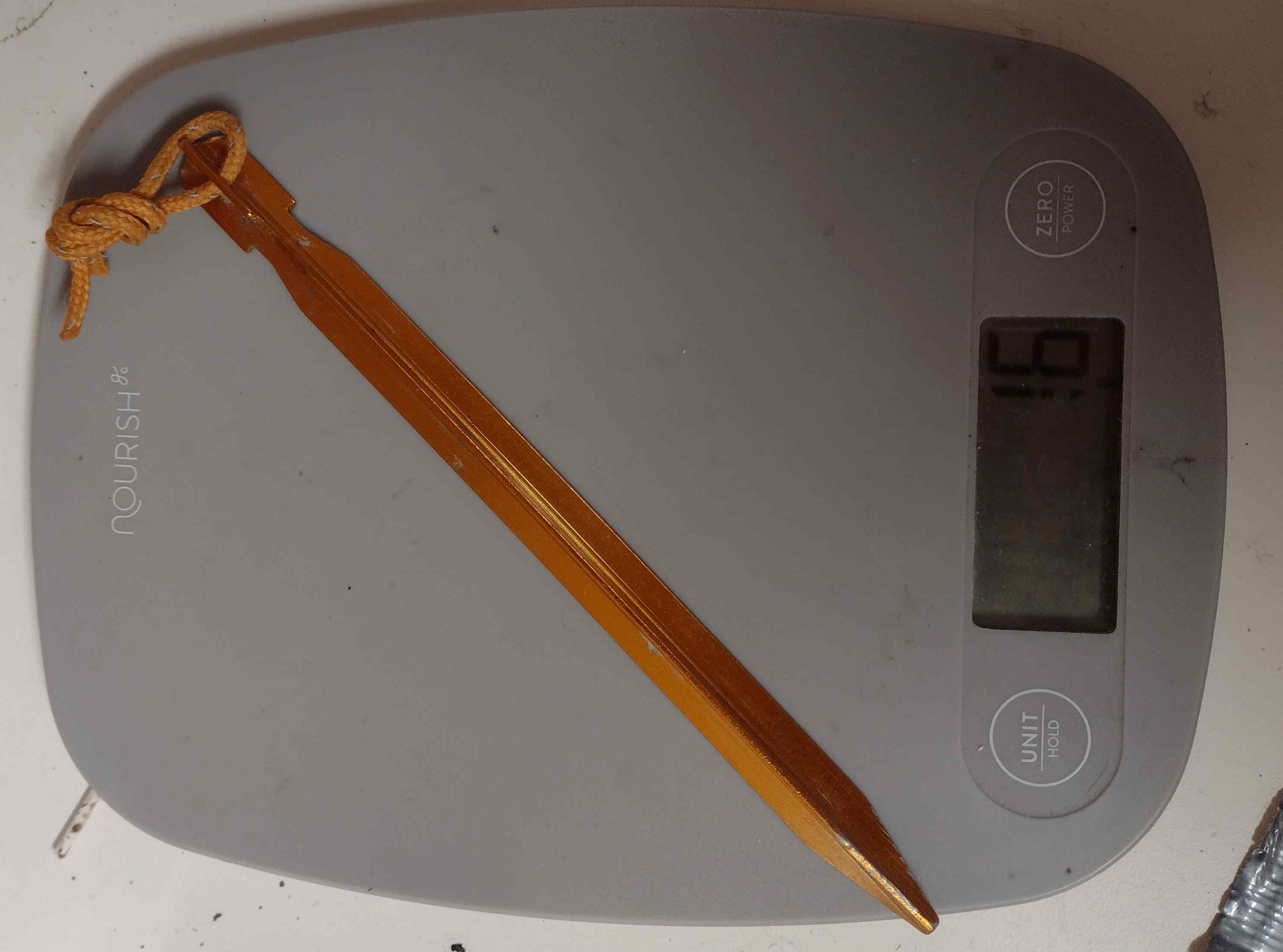
Using a digital force gauge, we measured the "breakout force"—the exact amount of tension required to pull a stake vertically and at a 45-degree angle out of the ground. The data was eye-opening. For instance, the MSR Mini Groundhog demonstrated a staggering performance-to-weight ratio; despite weighing only 0.39 oz, it maintained higher pull-resistance than steel stakes twice its size in firm soil. We also hammered each model into "frozen" hardpan until they either seated or failed, testing the limits of 7075 aluminum versus titanium and galvanized steel.
Best Overall for Backpacking: MSR Mini Groundhog
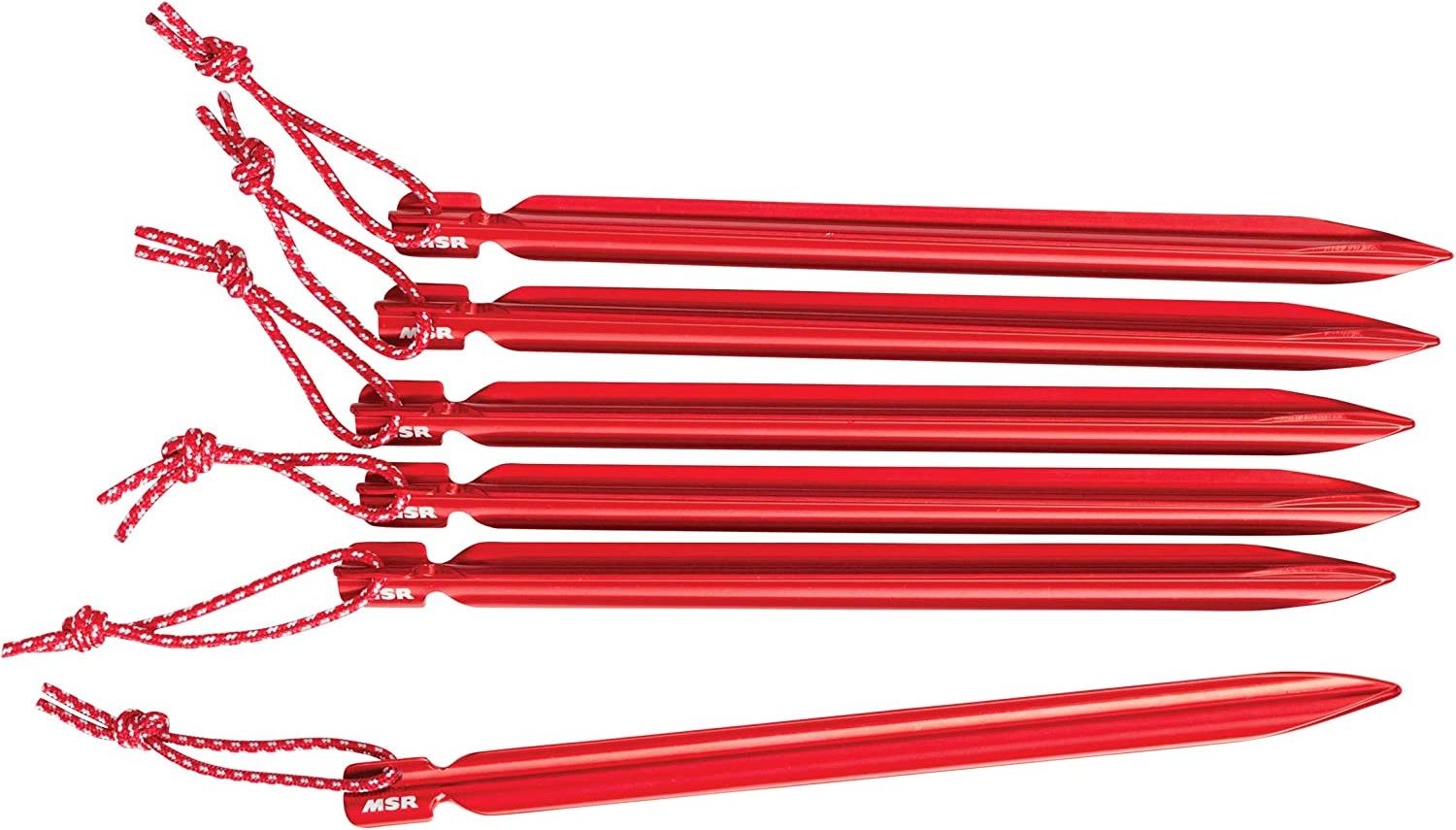
If you were to peek into my pack on any given trip, from the PCT to a weekend in the Catskills, you’d find a bundle of MSR Mini Groundhogs. This is the smaller sibling of the legendary full-sized Groundhog, and in my opinion, it hits the absolute "sweet spot" for 90% of backpackers.
Constructed from 7075-series aluminum—the same stuff used in aircraft wings—the Mini Groundhog utilizes a tri-beam (or Y-beam) design. This shape is genius because it offers three points of surface contact, which prevents the stake from rotating or "spinning" in the wind. In our tests, the Mini Groundhog provided exceptional holding power in everything but the loosest sand.
Pros & Cons
- Pros: Incredible strength-to-weight ratio (0.39 oz); Y-beam design resists bending; high-visibility reflective pull cord makes them easy to find at dawn.
- Cons: Because they are short (6 inches), they can be difficult to pull out of sun-baked, "cured" clay without a tool.
Best for Hard Ground & Car Camping: Eurmax Galvanized
When weight isn't your primary concern—say, when you’re unloading a truck at a basecamp in the Moab—you want something that can take a beating. Standard aluminum stakes will crumple like soda cans when they hit a subterranean rock. That’s where the Eurmax Galvanized Steel stakes come in.
These are essentially heavy-duty spikes. At 10 inches long and made of galvanized steel, they are designed to be hammered with a mallet or even a heavy rock. During our testing in rocky sediment, while the aluminum stakes were bending into pretzels, the Eurmax stakes punched right through. They offer massive vertical holding power, making them ideal for large family tents or heavy canvas shelters that catch a lot of wind.
Pros & Cons
- Pros: Virtually indestructible; can be hammered into almost any surface; excellent price point for the durability.
- Cons: Heavy (3.25 oz each); the plastic tops can eventually crack if you miss with your hammer.
Best for Sand and Beach: Orange Screw Ultimate Ground Anchor
Standard stakes are useless in sand; they have as much grip as a spoon in a bowl of sugar. If you’re camping on a beach or in deep snow, you need surface area and "mechanical grip." The Orange Screw is a beast of a tool that looks more like a corkscrew than a tent stake.
Made from recycled polycarbonate, you literally screw these into the ground. Once they are seated, the helical design creates a massive "plug" of sand or soil above the blade, providing incredible vertical holding power. In our coastal testing, these were the only anchors that didn't budge when the tide-driven winds kicked up.
Pros & Cons
- Pros: Massive surface area; works in loose sediment where everything else fails; incredibly easy to use with the included drive tool.
- Cons: Very bulky; completely useless in rocky or hard-packed ground.
Best Value: All One Tech Aluminum 12-Pack
Let’s be real: stakes are the easiest piece of gear to lose. If you’re a weekend warrior who isn't planning to summit K2, you don’t necessarily need to spend $40 on a set of stakes. The All One Tech 12-pack is the "people’s champion."
These are 7-inch Y-beam stakes that mimic the design of more expensive brands. While they use a slightly softer aluminum than the MSR (meaning they might bend if you really ham-fist them into a rock), they are perfectly adequate for most forest service campgrounds. At roughly one dollar per stake, losing one in the tall grass won't ruin your day.
Pros & Cons
- Pros: Extremely affordable; 12-pack covers most tents and guylines; comes with a handy carry pouch.
- Cons: Not as durable as 7075 aluminum; pull cords are lower quality.
The Technical Guide: Choosing by Material & Shape
Understanding the "why" behind stake performance can save you a lot of headache in the backcountry. It’s a trade-off between weight, surface area, and shear strength.
Materials: Titanium vs. Aluminum vs. Steel
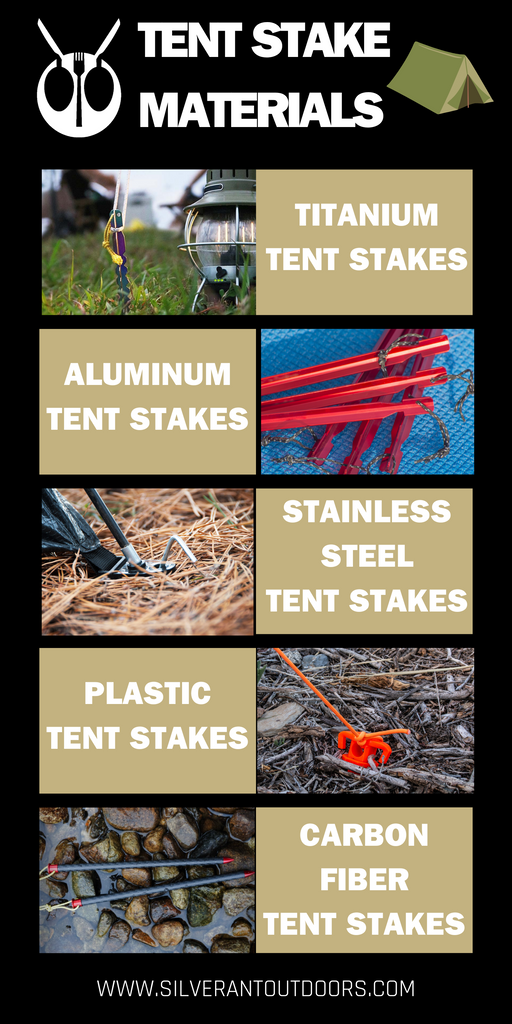
- Aluminum: The industry standard. Look specifically for 7075-T6 aluminum, which offers the best stiffness. Lower-grade aluminum (often found in "free" stakes) is prone to bending.
- Steel: Heavy and strong. Best for car camping where you might encounter rocks and don't care about carrying the weight.
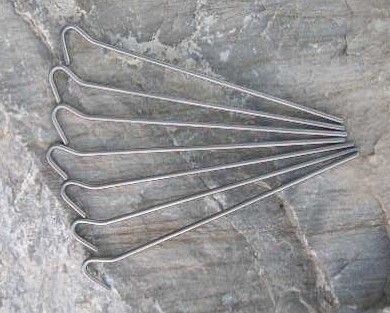
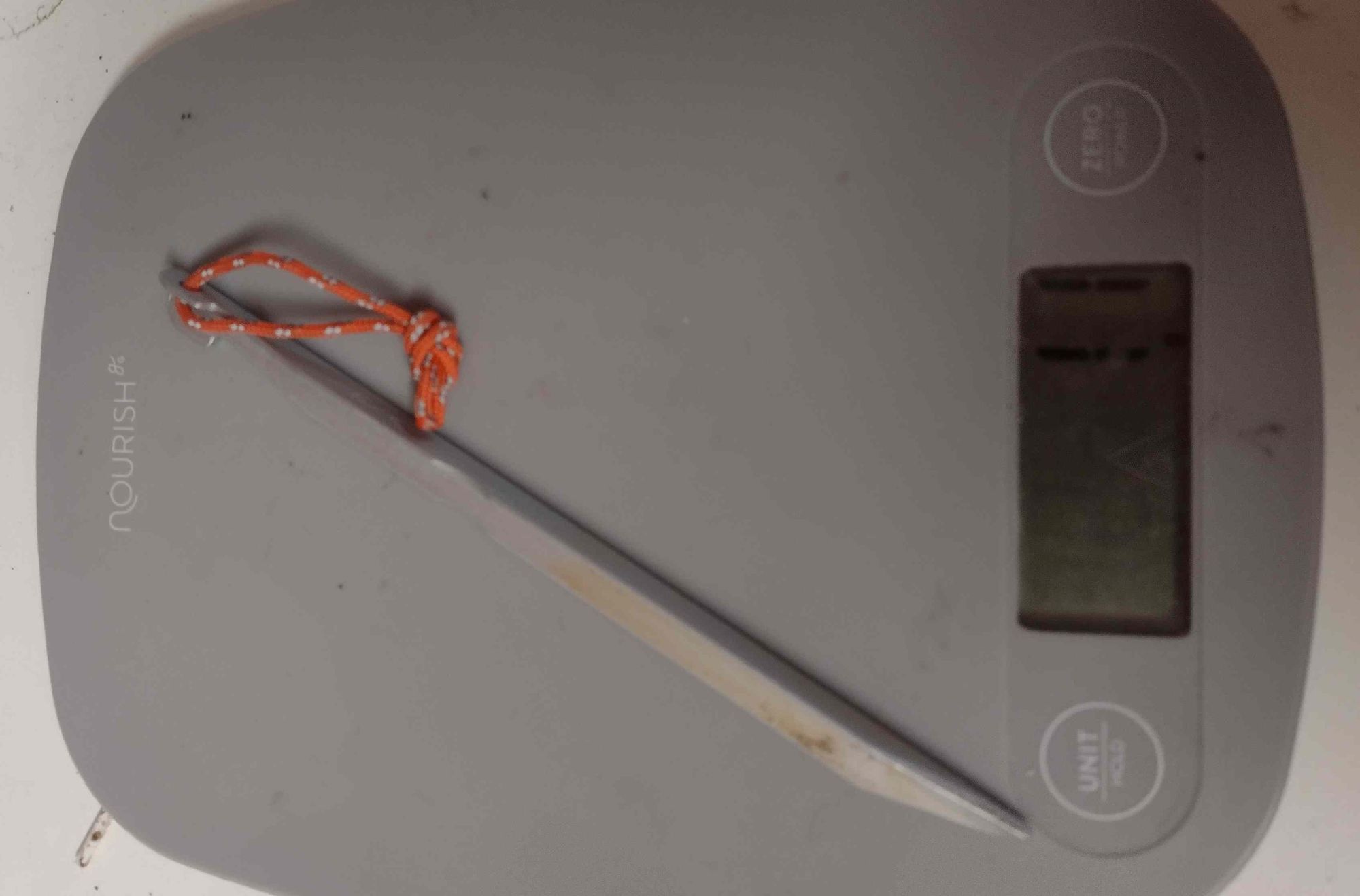
- Titanium: The "Gram-Weenie" choice. Titanium is incredibly strong for its weight, but it’s often used to make very thin "needle" stakes. While they won't break, they can bend under high pressure and have less holding power in soft soil due to their thin profile.
Shapes: More Than Just a Pointed Stick
The shape of the stake determines how much friction it generates against the soil.
- Y-Beam / Tri-Beam: The best all-rounder. The three fins offer great surface area and make the stake very stiff.
- V-Stake: A folded piece of metal that creates a "V" shape. These have excellent surface area (great for slightly looser soil) and stack together perfectly to save space in your pack.
- Needle/Nail: Thin and round. These are the best for "finding the gaps" in extremely rocky ground, but they offer the least amount of pull-out resistance.
Pro-Tip: The 45-Degree Rule Always drive your stakes into the ground at a 45-degree angle away from the tent. This creates a "deadman" effect where the tension of the guyline actually pulls the stake deeper into the ground rather than pulling it straight up and out.
Product Comparison Table
| Model | Weight (per stake) | Best Use | Durability Score (1-10) | Price (Approx.) |
|---|---|---|---|---|
| MSR Mini Groundhog | 0.39 oz | Thru-hiking / All-purpose | 9 | $22 (6-pack) |
| Eurmax Galvanized | 3.25 oz | Car Camping / Rocky soil | 10 | $15 (10-pack) |
| Orange Screw | 1.80 oz | Sand / Snow / Beach | 8 | $12 (Small) |
| All One Tech | 0.50 oz | Budget / Weekend trips | 6 | $13 (12-pack) |
FAQ
Can I use the same stakes for snow and dirt? Generally, no. Dirt stakes (like the MSR Groundhog) will slice through snow like a hot knife through butter. For snow, you need specialized "flukes" or wide anchors that you can bury horizontally (known as a "deadman anchor").
How do I get a stuck stake out of the ground? Don't pull on the tent's webbing loop! Use another stake. Hook the head of the second stake under the one in the ground and pull. If it’s really stuck, a gentle tap with a rock can sometimes break the soil's "seal" before you pull.
Why do my aluminum stakes keep bending? You’re likely hitting rocks or using a hammer too forcefully. If you feel resistance, stop. Move the stake an inch to the left or right to find a gap between rocks. Also, ensure you aren't using "shepherd's hooks," which are notorious for bending under even light pressure.
Bottom Line
Don't let a $2 piece of metal be the reason your $500 tent fails you. If you’re a backpacker, grab a set of MSR Mini Groundhogs and don’t look back. If you’re headed to the desert or the beach, supplement your kit with a few Orange Screws. Having the right tool for the ground beneath you is the difference between a restful night and a midnight disaster.
Now, get out there and get those lines tight. See you on the trail