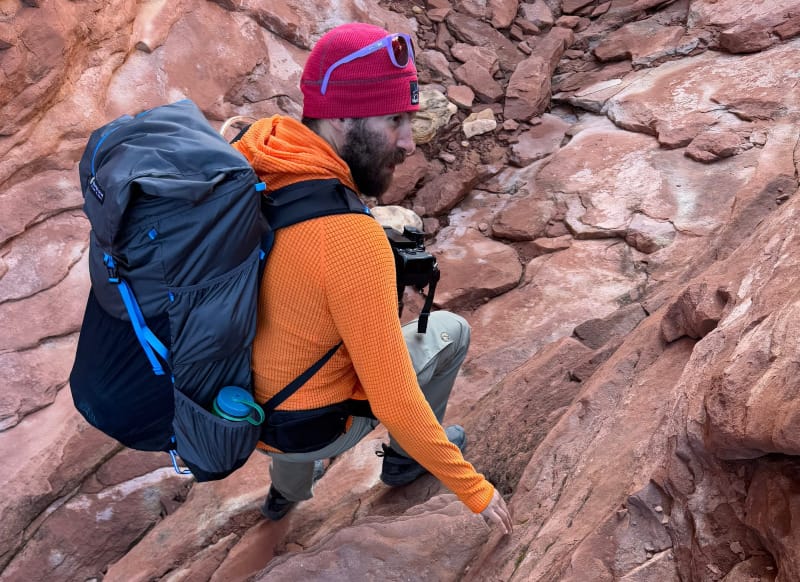
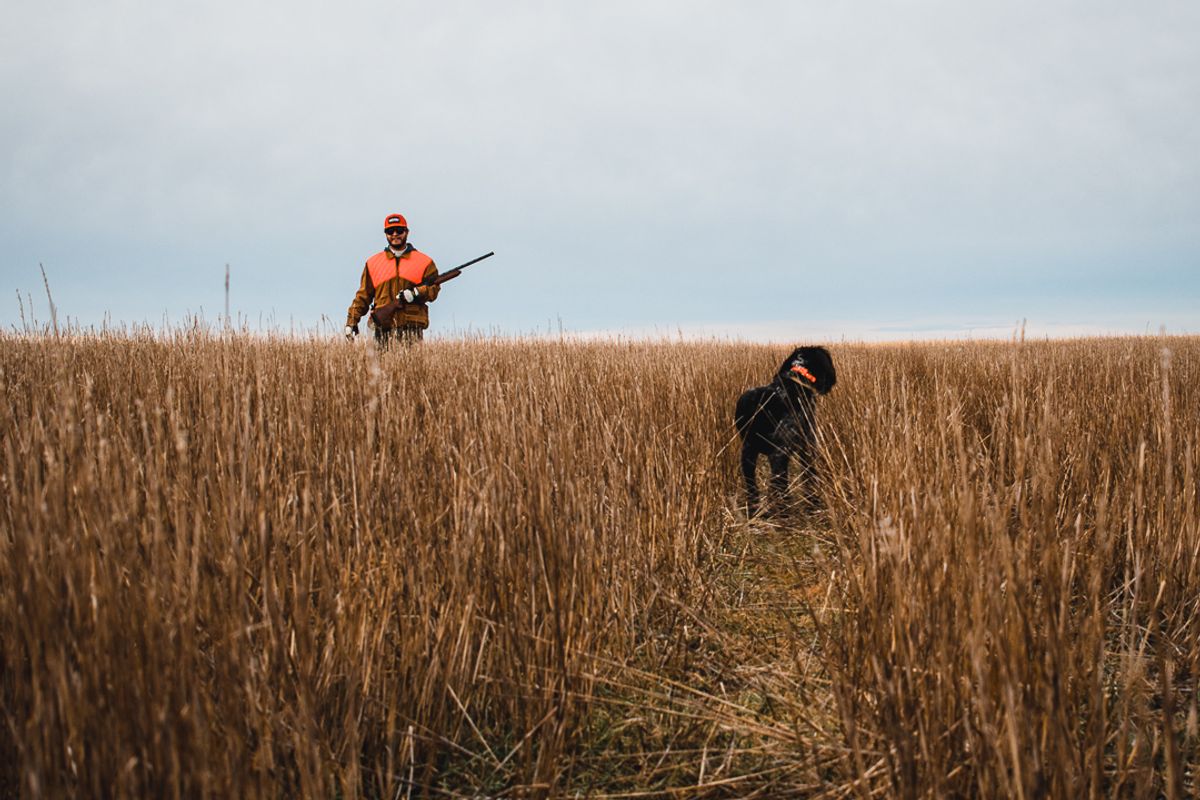
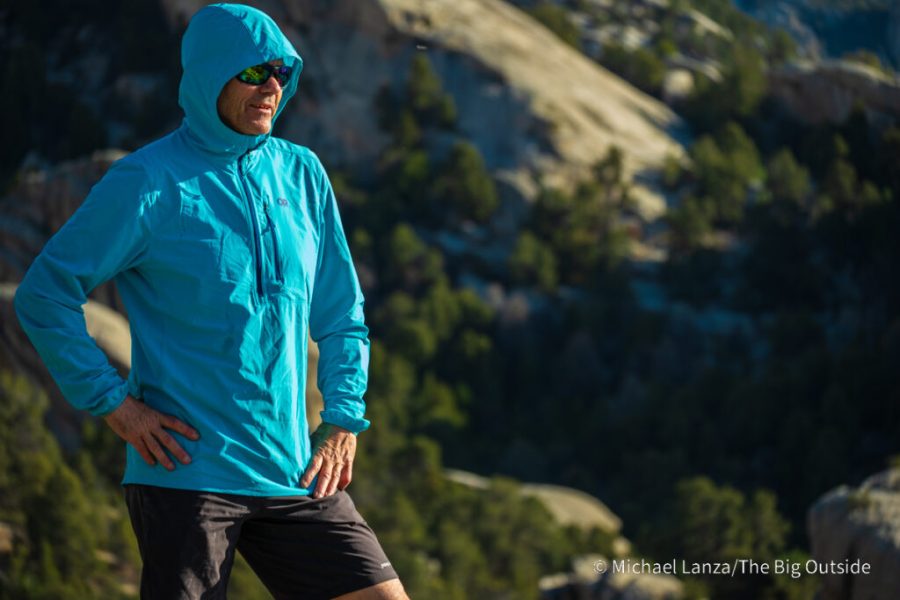
I stood on a granite ridge in the Sawtooth Wilderness last July, the sun hammering down with the kind of intensity that makes you feel like you’re being slow-roasted. My thermometer read 85°F, but at 10,000 feet, the UV index was off the charts. Ten years ago, I would have been covered in a sticky, dust-caked layer of SPF 50. Today? I was wearing a hoodie. It sounds counterintuitive—wearing long sleeves to stay cool—but the shift from messy sunscreens to high-performance UPF apparel is the single biggest "gear win" of the decade.
After rigorously evaluating nearly 30 unique sun shirt models since 2019, our team of expert testers has subjected these garments to months of field testing in high-UV alpine and desert environments. We’ve found that the right shirt doesn't just block the sun; it manages your microclimate. To help you navigate the sea of options, we’ve crunched the numbers using a weighted multi-metric analysis: Comfort and Fit (30%), Sun Protection (25%), Breathability (20%), Versatility (15%), and Durability (10%).
Why Your Next Trek Needs a Dedicated Sun Shirt
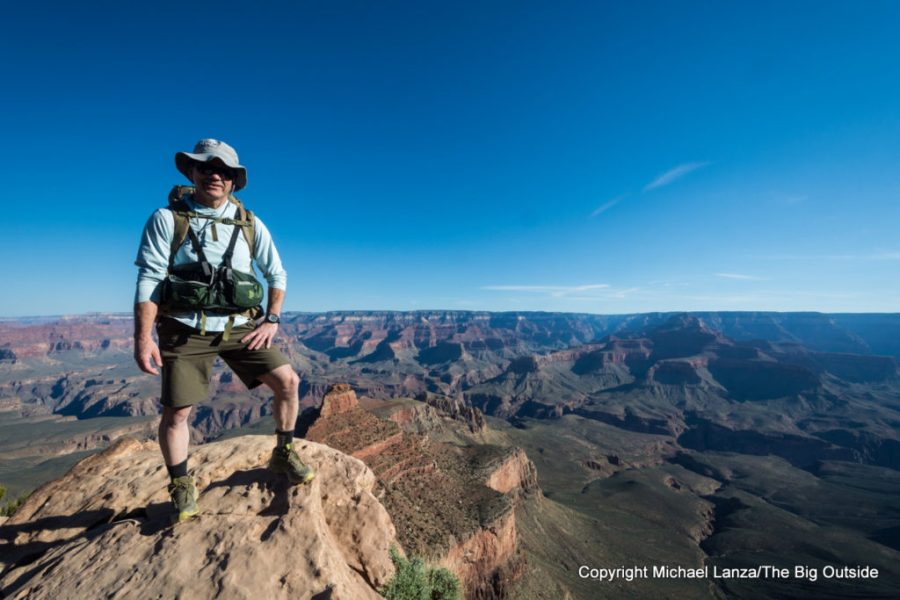
The "Performance Paradox" is real: how do you wear more fabric to feel cooler? The answer lies in Ultraviolet Protection Factor (UPF). While a standard white cotton T-shirt might only provide a UPF of 5 (allowing significant UV through), a dedicated technical sun shirt offers a UPF 50+ rating, which blocks 98% of the sun’s rays. This significantly reduces the risk of skin damage during high-exposure treks while allowing air to circulate and sweat to evaporate.
In high-UV alpine environments, the air is thin and the reflection off snow or granite can double your exposure. In the desert, the heat is a physical weight. In both scenarios, a technical hoodie provides a mobile patch of shade that never needs re-applying and won't clog your pores with chemicals.
Top Picks: The 2026 Hiking Sun Shirt Comparison
| Model | UPF Rating | Weight (Med) | Fabric Type | Best Use |
|---|---|---|---|---|
| REI Sahara Shade | 50+ | 7.4 oz | Polyester/Spandex | All-around Hiking |
| Ketl Nofry | 30+ | 6.1 oz | 100% Polyester | High-Intensity |
| BD Alpenglow Pro | 50+ | 9.8 oz | Nylon/Elastane | Alpine/Climbing |
| Baleaf UPF 50+ | 50+ | 8.5 oz | Polyester | Budget Travel |
Best Overall Hooded Sun Shirt: REI Co-op Sahara Shade Hoodie
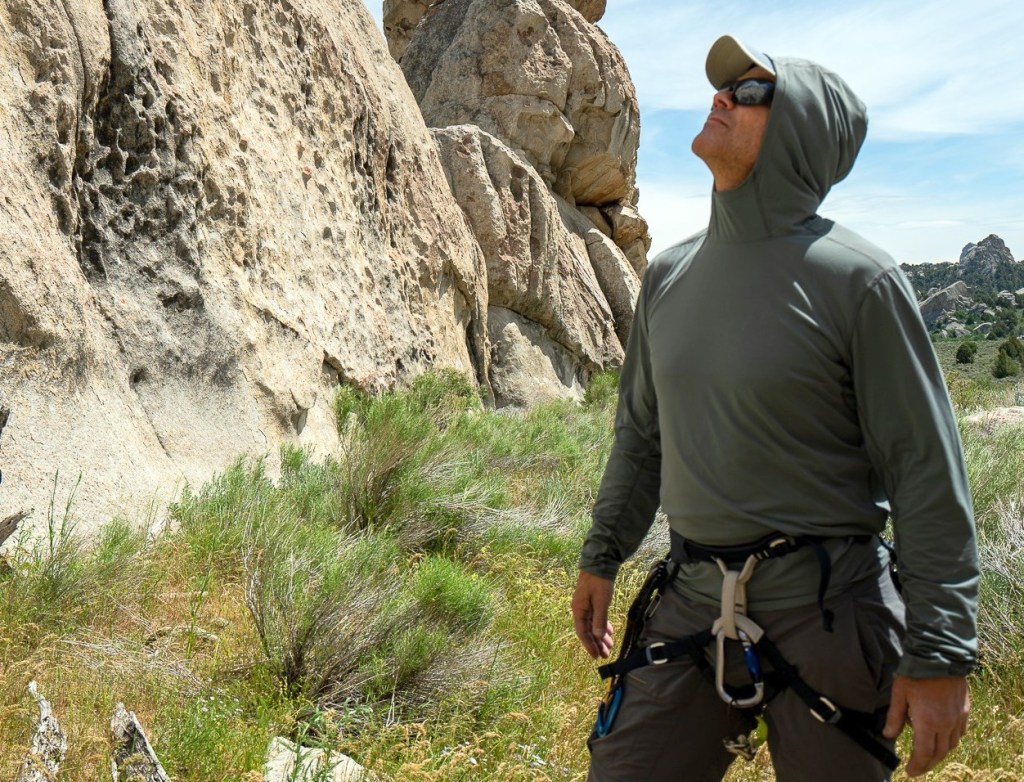
The REI Co-op Sahara Shade Hoodie is our definitive top pick for 2026. Why? Because it solves the comfort-to-protection ratio better than anything else on the market. It is recognized for its exceptionally soft 50+ UPF fabric, a lightweight feel that mimics your favorite worn-in T-shirt, and a unique cinch-strap hood that actually stays secure when the wind starts howling across a ridgeline.
During a 40-mile trek through the San Juan Mountains, I found the Sahara Shade to be the "king of comfortable sun shirts." The fabric has a brushed, cotton-like hand feel that prevents that "plastic-wrap" sensation common with cheaper synthetics.
- Key Features: Reinforced thumb loops that don't dig into your webbing, a stretchy fabric that moves with your gait, and a hood designed to fit over a trucker hat.
- Performance Metrics: Comfort and Fit (9.0/10), Breathability (7.0/10).
- Pros: Incredible next-to-skin comfort; highly effective hood cinch; great price-to-performance ratio.
- Cons: Lack of zippered pockets; can retain some odor after three days of continuous wear.
Shop REI Sahara Shade Hoodie →
Best for High-Intensity Activity: Ketl Nofry Hoodie
If your idea of a "trek" involves a heart rate consistently north of 140 BPM, you need the Ketl Nofry Hoodie. This is our top choice for trail running or mountain biking due to its ultra-breathable UPF 30+ fabric and industry-leading quick-drying properties.
The Nofry uses a specialized knit that maximizes air permeability. In our "Wind Pass Through" tests, it allowed nearly double the airflow of the heavier UPF 50+ options. While a UPF 30 rating blocks slightly fewer rays (96.7% vs 98%), the tradeoff in heat management is essential for high-output activities where overheating is a bigger risk than a minor sunburn.
- Key Features: Unique chest button snaps for manual venting; ultra-lightweight construction; rapid moisture transport.
- Performance Metrics: Breathability (9.0/10), Heat Escape (Above Average).
- Pros: Dries almost instantly; the best choice for humid environments.
- Cons: Lower UPF rating than competitors; delicate fabric requires care around abrasive rock.
Highest Performing Technical Shield: Black Diamond Alpenglow Pro Hoody
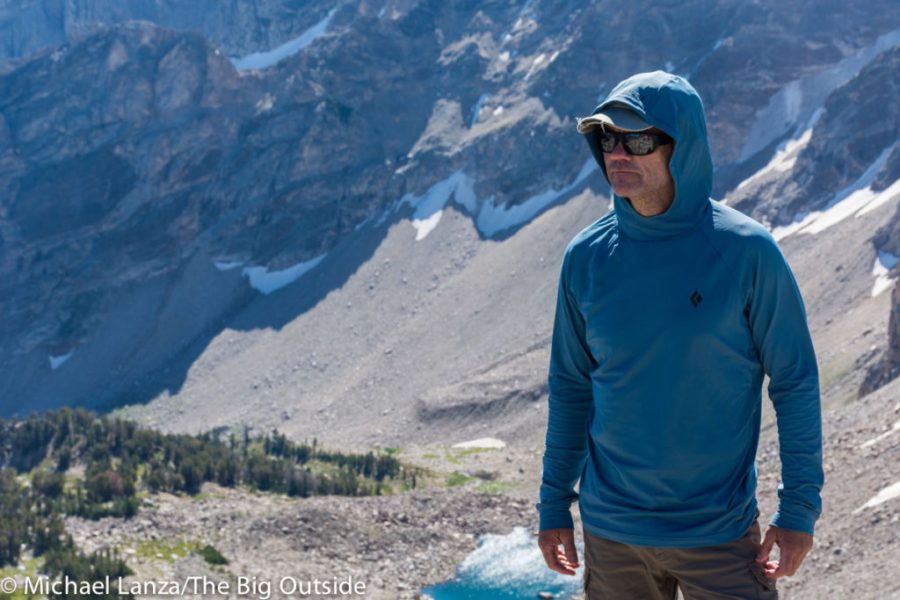
For those who treat the mountains like a vertical playground, the Black Diamond Alpenglow Pro Hoody is the high-octane horsepower of the sun shirt world. It tackles the breathability paradox by integrating underarm mesh panels and a deep chest zip, allowing you to dump heat the moment you start a steep ascent.
The fabric choice here is deliberate: a 92% nylon stretch blend. Nylon is significantly more abrasion-resistant than polyester, making this the shirt I reach for when I know I'll be scrambling over sharp limestone or scraping against granite chimneys.
- Key Features: GTT’s Empel breathable water protection (DWR); ponytail port in the women’s version; helmet-compatible hood.
- Performance Metrics: Durability (9.5/10), Versatility (8.5/10).
- Pros: Toughest fabric in our test; excellent features for climbers; water-resistant finish sheds light mist.
- Cons: Heavier than the "minimalist" options; premium price tag.
Best Bang for Your Buck: Baleaf UPF 50+ Hoody
You don't always need a $90 technical masterpiece to stay safe. The Baleaf UPF 50+ Hoody consistently delivers reliable performance for under $30. While it lacks the sophisticated textile engineering of the Black Diamond or Ketl, it does exactly what it promises: it keeps the sun off your skin.
In our long-term durability assessment, the Baleaf survived regular washings without losing its UPF rating. However, there are trade-offs. The fabric is noticeably thicker and lacks the advanced anti-microbial treatments found in higher-end gear, meaning it will develop a "trail funk" faster than a merino or silver-ion treated shirt.
- Pros: Unbeatable price; widely available; solid UPF protection.
- Cons: Thicker, hotter fabric; basic fit; can get heavy when saturated with sweat.
Specialized Choices: Fishing & Button-Ups
Sometimes a hoodie isn't the right tool for the job.
- Best for Fishing: Coolibar Andros Fishing Hoodie. This is the "Fort Knox" of sun protection. It features an integrated neck gaiter and mesh face mask, providing 360-degree coverage for long days on the water where reflection from the surface hits you from every angle.
- Best Button-Up: Mountain Hardwear Canyon Long Sleeve. For the trail-to-tacos transition, nothing beats a classic button-up. It offers a more structured look with massive "core vents" on the back and a flip-up collar for neck protection. It’s the ultimate choice for travel treks where you need to look somewhat presentable at dinner.
How We Tested: The Science of Heat Escape
Our testing process goes beyond just "wearing it for a walk." We use empirical testing methods to separate marketing hype from trail reality.
- Wind Pass-Through Test: We use an anemometer to measure how much air passes through the fabric at various wind speeds, simulating a breeze on a ridge.
- Thermal Imaging: Using FLIR cameras, we track heat retention on the torso after 20 minutes of high-intensity movement.
- Real-World Field Testing: Our testers, including experienced guides in Colorado and the Grand Canyon, log hundreds of miles in each garment to evaluate long-term comfort and "the stink factor."
Expert Tip: "When testing breathability, I often look at the 'light test.' Hold the fabric up to the sun. If you can see the distinct weave and light passing through clearly, the air permeability will likely be high. If it's a dense, opaque sheet, it will trap more heat." — Marcus Rivera
Buying Guide: What to Look for in 2026
When you're staring at 47 tabs of hiking gear, keep these three factors in mind:
Fabric Science: Polyester vs. Nylon vs. Merino
- Polyester: The gold standard for sun shirts. It’s hydrophobic (doesn't absorb water), lightweight, and inexpensive.
- Nylon: Offers much higher durability. If you’re a climber or off-trail bushwhacker, choose nylon.
- Merino Blends: Exceptional for odor control but often less durable and slower to dry than pure synthetics.
The Importance of Color
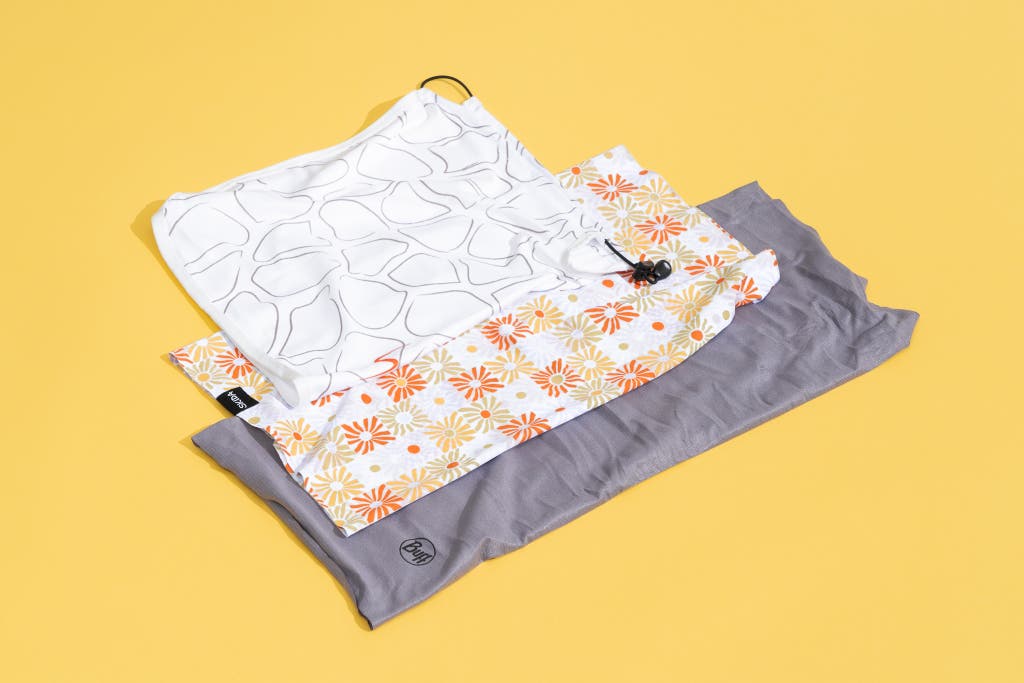
It’s not just about style. While dark colors absorb more UV (providing slightly higher protection), they also absorb more infrared (heat). In 2026, we’ve found that light greys, yellows, and "sage" greens provide the best balance. White is the coolest, but it stains instantly and can sometimes have a lower UPF if the fabric is too thin.
Fit Matters
A tight-fitting sun shirt is a mistake. You want a loose, relaxed fit. This creates a "bellows effect," where the movement of the fabric against your body pumps hot air out and draws cool air in. Furthermore, stretching a fabric too tight can pull the fibers apart, creating "holes" in your UV shield.
FAQ
Q: Does the UPF protection wash out over time? A: In most high-quality shirts, the UPF is a result of the weave density and fiber type, so it won't wash out. However, some cheaper shirts use a chemical finish. Always check the label; if it says "UPF protection via [Chemical Name]," it may degrade after 30-50 washes.
Q: Do I still need sunscreen? A: Yes, but only for the gaps. Apply sunscreen to your face, the backs of your hands, and any areas not covered by the shirt. The goal of a sun shirt is to eliminate 90% of the "sunscreen surface area."
Q: Can I use these for swimming? A: You can, but keep in mind that many hiking-specific shirts are not chlorine-resistant. If you're using them in a pool, they may lose their elasticity quickly. For the ocean, they work great and dry fast.
Ready to upgrade your trail kit? Don't let the sun dictate your turnaround time. Pick up the REI Sahara Shade Hoodie for your next adventure and experience the difference that a dedicated "mobile shade" makes. Stay cool, stay protected, and I’ll see you out on the ridgeline.