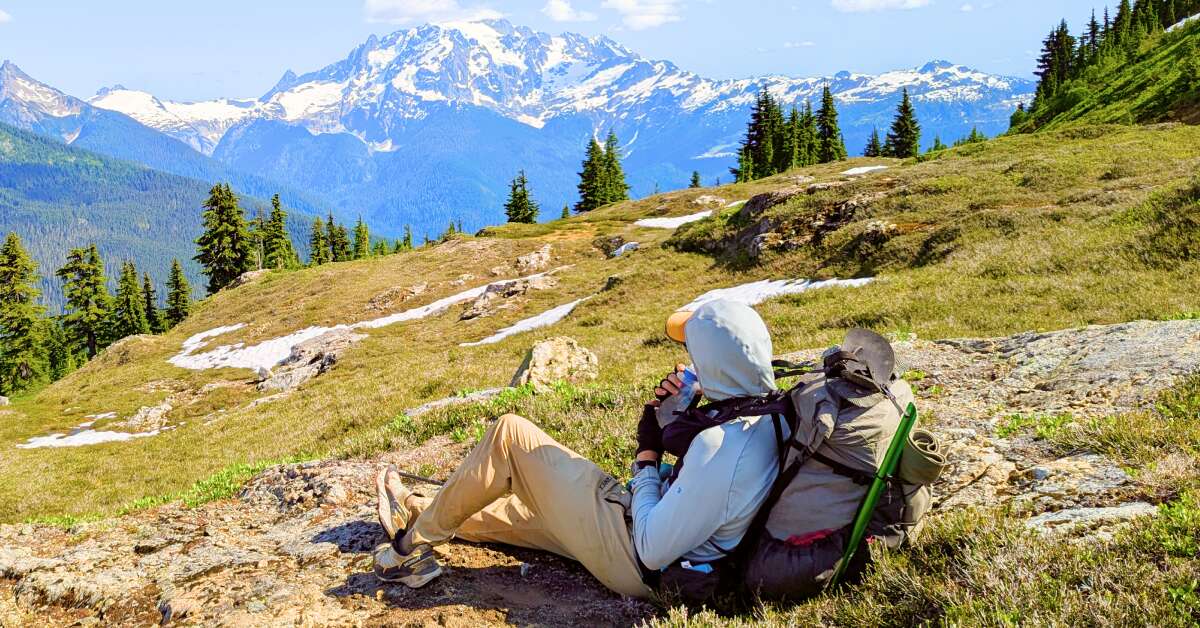
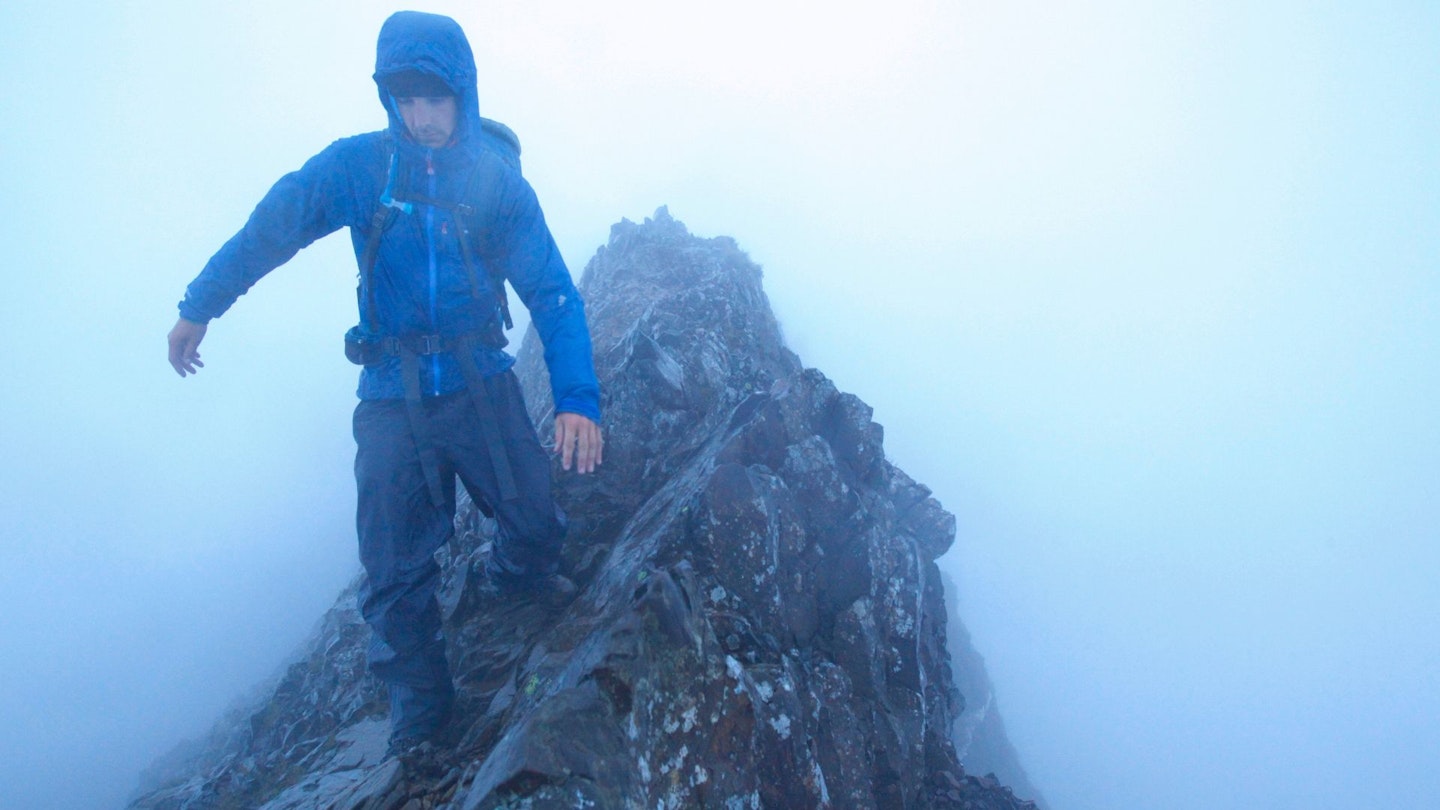
Picture this: It’s 4:00 AM on a ridgeline in the High Sierras. You’re pushing for a sunrise summit. On your left is Hiker A—wearing a cheap, cotton-blend tee under a massive puffer jacket. He’s drenched in sweat from the ascent, and now that the wind is kicking up, he’s shivering uncontrollably because that moisture is pulling heat right off his skin. On your right is Hiker B. She’s wearing a dialed-in Merino wool base layer. She’s moving comfortably, her skin feels dry, and she’s not carrying three extra "just in case" layers because her base is doing the heavy lifting.
I’ve been both of those hikers. Over fifteen years of solo expeditions from the Andes to the Arctic, I’ve learned that your shell protects you from the weather, but your base layer protects you from yourself. Choosing the best hiking base layer tops isn't just about picking a shirt; it’s about choosing your internal thermostat.
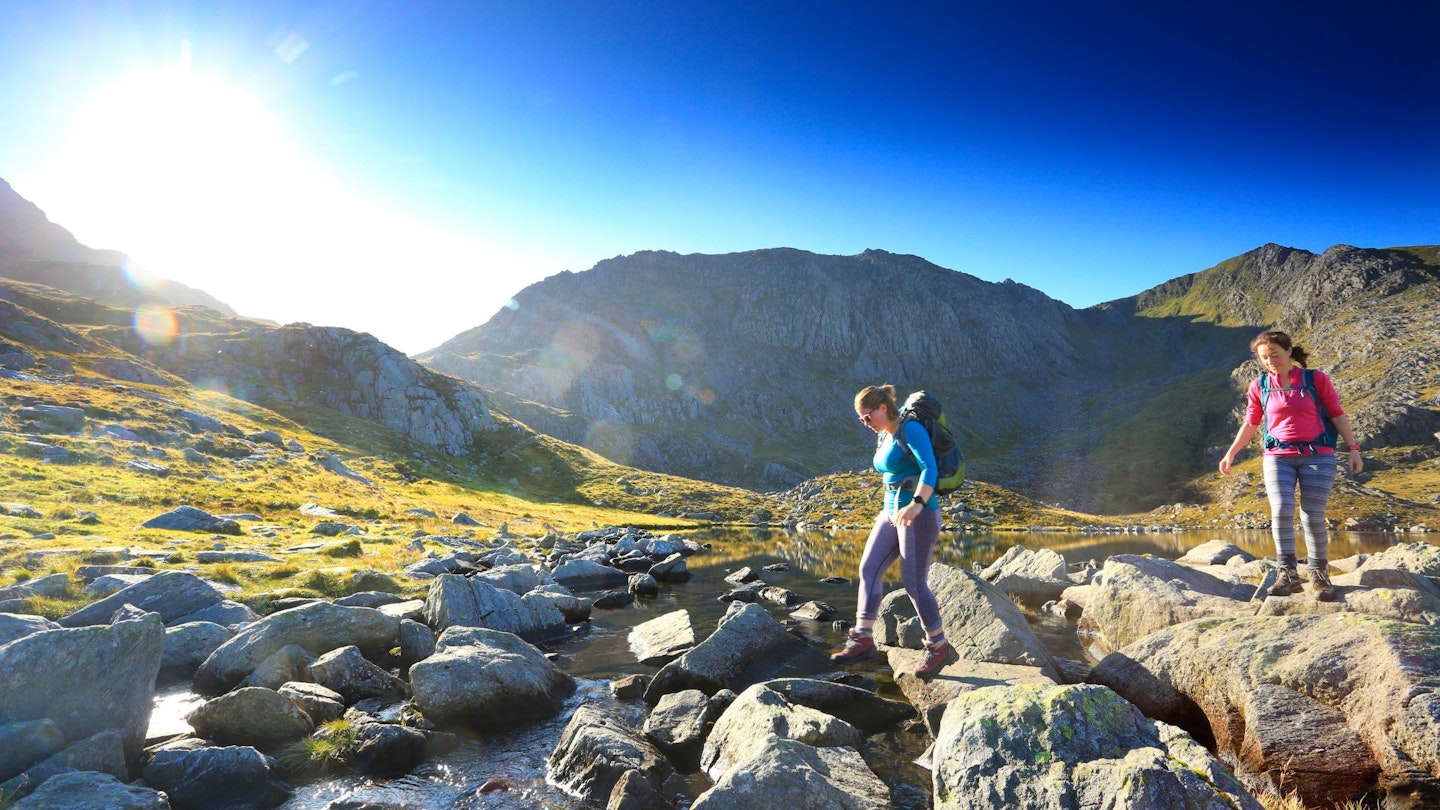
If you’re looking for the short answer: The best material for a hiking base layer is Merino wool. It provides superior temperature regulation, remains warm even when wet, and has natural anti-bacterial properties that keep you from smelling like a locker room after three days on the trail. However, if you’re a high-output trail runner or on a budget, high-performance synthetic base layers are often the better call due to their durability and lightning-fast dry times.
Material Science: Merino vs. Synthetic vs. Blends
In 2026, we are spoiled for choice. But the "Merino wool vs. synthetic base layers" debate still rages around every campfire. Here’s the breakdown of what actually matters when you're miles from civilization.
Merino Wool: The Natural All-Rounder
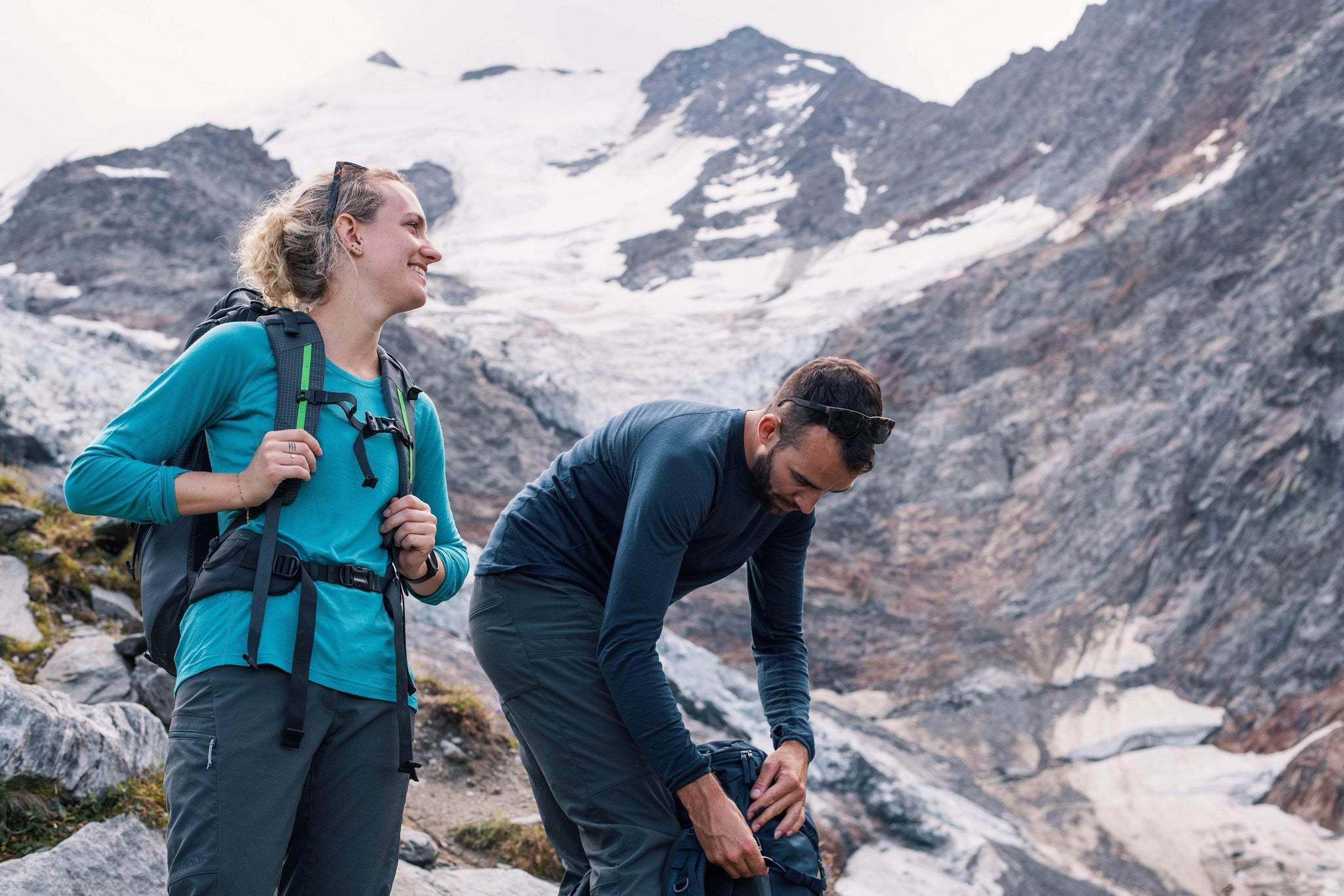
Merino isn't the itchy wool your grandma used to knit sweaters with. Modern Merino fibers are incredibly fine (measured in microns), making them soft against the skin. Its superpower is "moisture buffering"—it can absorb up to 30% of its weight in moisture before it even starts to feel damp.
For multi-day treks, it’s the gold standard. Why? Because you can wear it for a week straight without the "perma-stink" that plagues cheap polyester.
Pros:
- Odor Resistance: Natural proteins in the wool kill bacteria.
- Thermal Regulation: Keeps you cool when it's hot and warm when it’s cold.
- Comfort: Doesn't feel "plastic-y" or clammy.
Cons:
- Durability: Pure Merino can develop holes under heavy backpack straps.
- Dry Time: Once it’s truly soaked, it takes longer to dry than plastic fibers.
Synthetic Fabrics: The High-Intensity Specialist
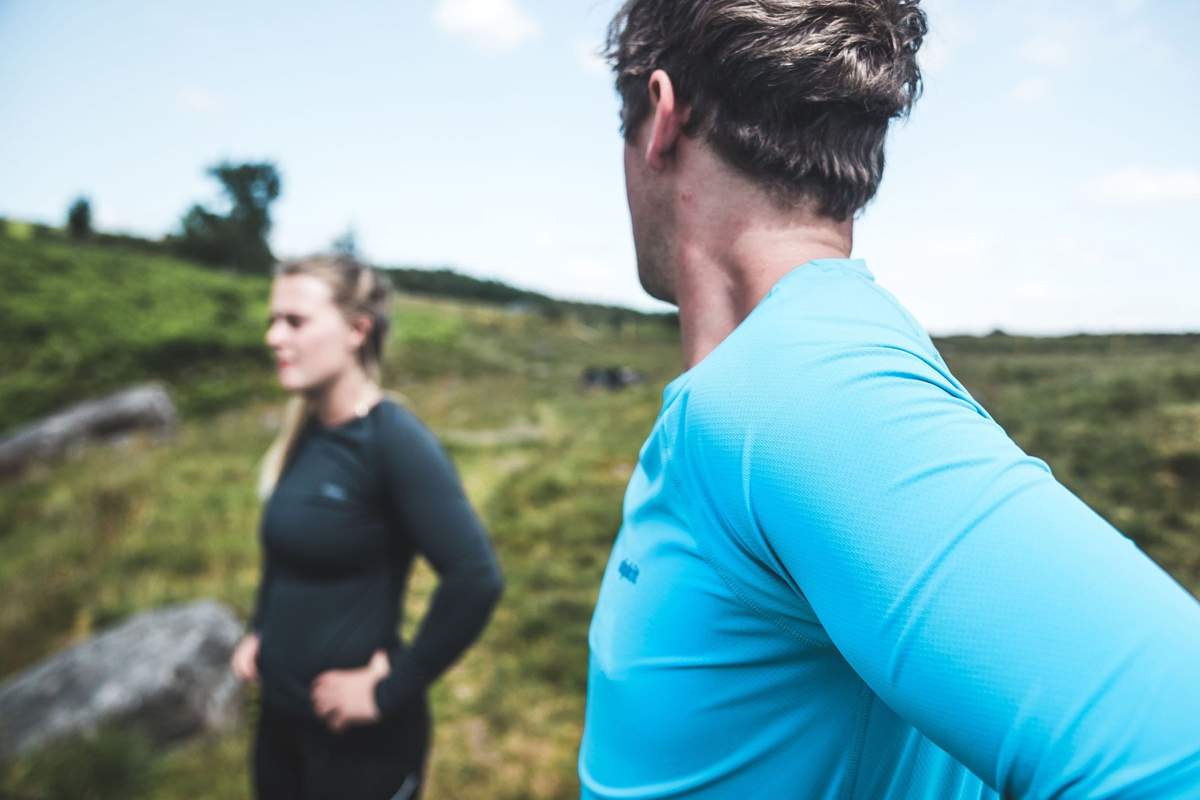
Synthetic base layers are preferred for high-abrasion activities and budget-conscious hikers. If you’re bushwhacking, rock climbing, or doing high-intensity trail marathons, a synthetic top is your best friend. They are mechanically "hydrophobic," meaning they push water away from your skin and out to the surface of the fabric where it can evaporate.
The 2026 Hybrid Revolution
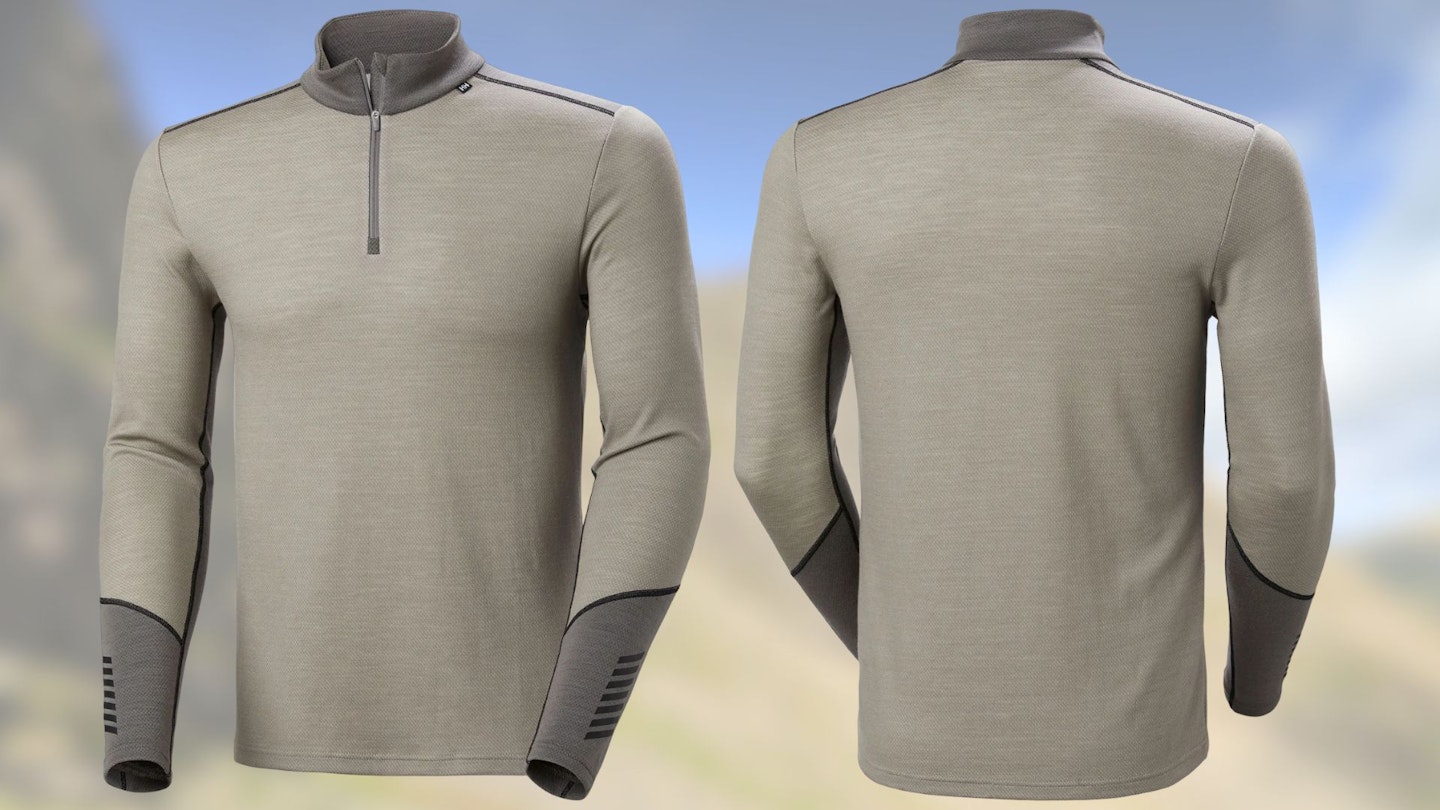
This is where the gear industry has really leveled up. We’re seeing a massive shift toward "corespun" yarns—wrapping Merino wool around a tiny nylon core. Field testing demonstrates that Merino-polyester blends dry up to 40% faster than 100% pure Merino wool while retaining nearly 90% of its natural odor-resistant qualities. It’s truly the best of both worlds.
Comparison Table: At a Glance
| Feature | Merino Wool | Synthetic (Polyester/Nylon) | Hybrid Blends |
|---|---|---|---|
| Odor Control | Exceptional (Natural) | Poor to Fair (Treated) | Great |
| Drying Speed | Slow | Very Fast | Fast |
| Durability | Low to Moderate | High | Moderate to High |
| Price | $$$ | $ | $$ |
| Best For | Multi-day trekking | Trail running / Day hikes | Everything |
Choosing Your Weight: The Hiker's Weight Guide
Base layers are categorized by their fabric weight, usually measured in grams per square meter (gsm). This is your primary tool for matching your gear to the forecast.
- Lightweight (120-150gsm): This is your "summer skin." It’s designed for sun protection and maximum breathability. If you’re trail running or backpacking in July, this is the one.
- Midweight (200-250gsm): This is the most versatile choice for winter sports and variable mountain conditions. I call this the "Goldilocks weight." It provides enough insulation to keep the chill off during a rest break but won't make you overheat while moving.
- Expedition Weight (300+gsm): These are essentially thin fleeces. Reserved for extreme cold (think sub-zero temps) or low-output activities like winter camping where you’re standing around a lot.
Sustainability: The 2026 Gear Standard
We can't talk about gear without talking about our impact on the places we play. The industry has made massive strides recently. According to 2026 gear industry standards, approximately 85% of top-tier hiking base layers now utilize recycled polyester or Responsible Wool Standard (RWS) certified fibers.
Pro-Tip: Look for the RWS (Responsible Wool Standard) tag. It ensures that the sheep were treated humanely and the land they graze on is managed sustainably. In 2026, there’s no excuse for buying non-certified wool.
We’re also seeing a rise in PFC-free moisture treatments. Old-school synthetics used "forever chemicals" to help wicking; the new generation uses plant-based or mechanical finishes that are much kinder to the watersheds we hike through.
Feature Check: More Than Just a Shirt
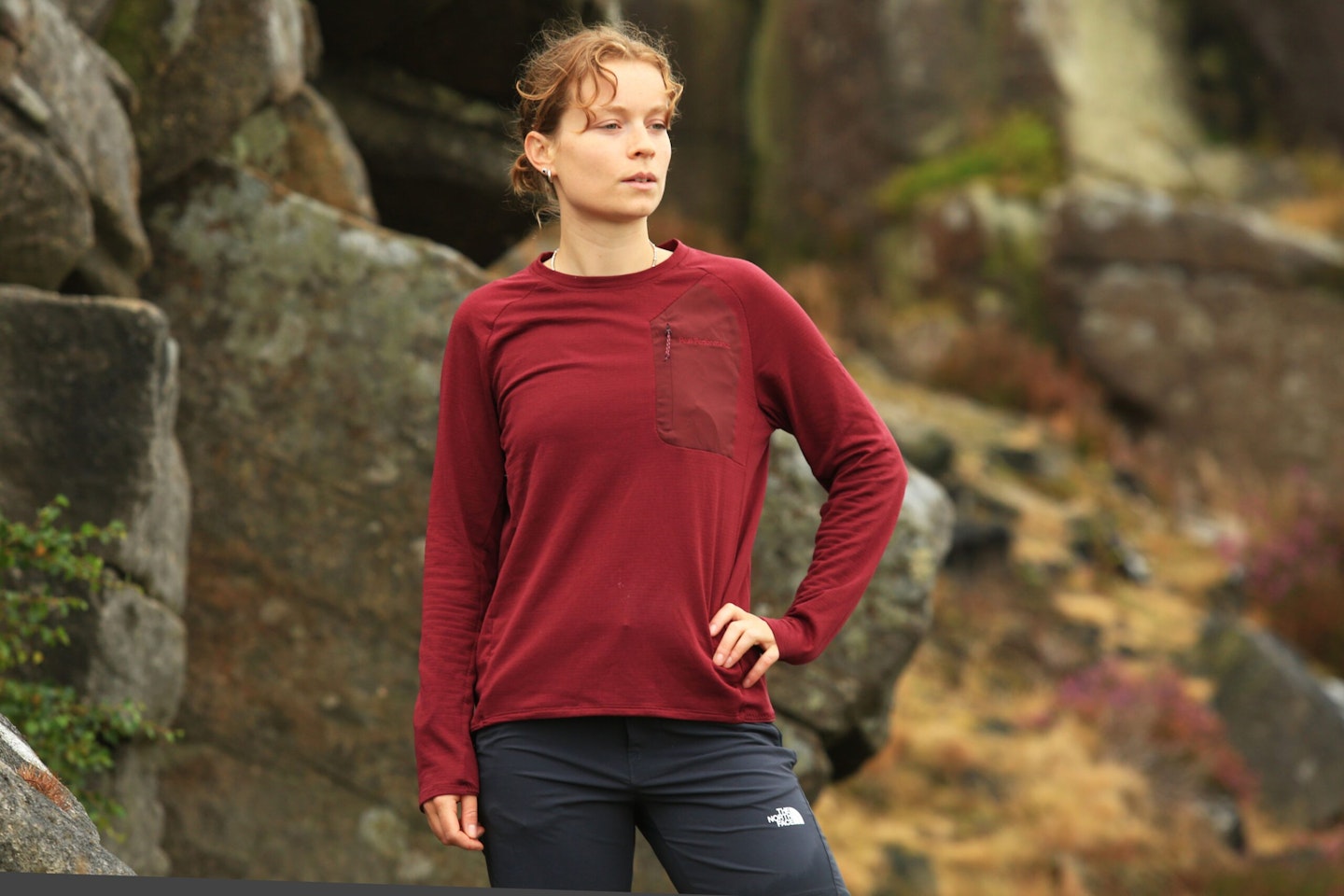
When you're looking at moisture wicking hiking tops, the devil is in the details. A "perfect" base layer should disappear on your body—you shouldn't feel it rubbing or restricting you.
- Flatlock Seams: Look for seams that are sewn flat rather than bunched up. This prevents the dreaded "rucksack chafe" where your pack straps grind the fabric into your shoulders.
- Zip-Necks vs. Crew Necks: I’m a huge fan of the "deep zip." It allows for manual venting. If you’re working hard on an uphill, unzip to dump heat. If you stop, zip it up to trap it.
- Thumb Loops: Essential for winter. They keep your sleeves from riding up when you’re layering a fleece or shell over the top, and they provide extra warmth for your wrists.
- Drop-Tail Hem: A slightly longer back ensures the shirt stays tucked into your hip belt and doesn't expose your lower back to the cold when you lean over to adjust your boots.
Activity-Based Recommendations
Not every hiker needs the same kit. Here’s how I break it down based on the "mission" of the day.
The Multi-Day Trekker
If you’re doing the AT, the PCT, or a week in the Dolomites, choose Merino. You won't have access to a washing machine, and your tent-mate will thank you for the odor resistance. Stick to a 150gsm for summer or a 200gsm for shoulder seasons.
The Peak Bagger & Trail Runner
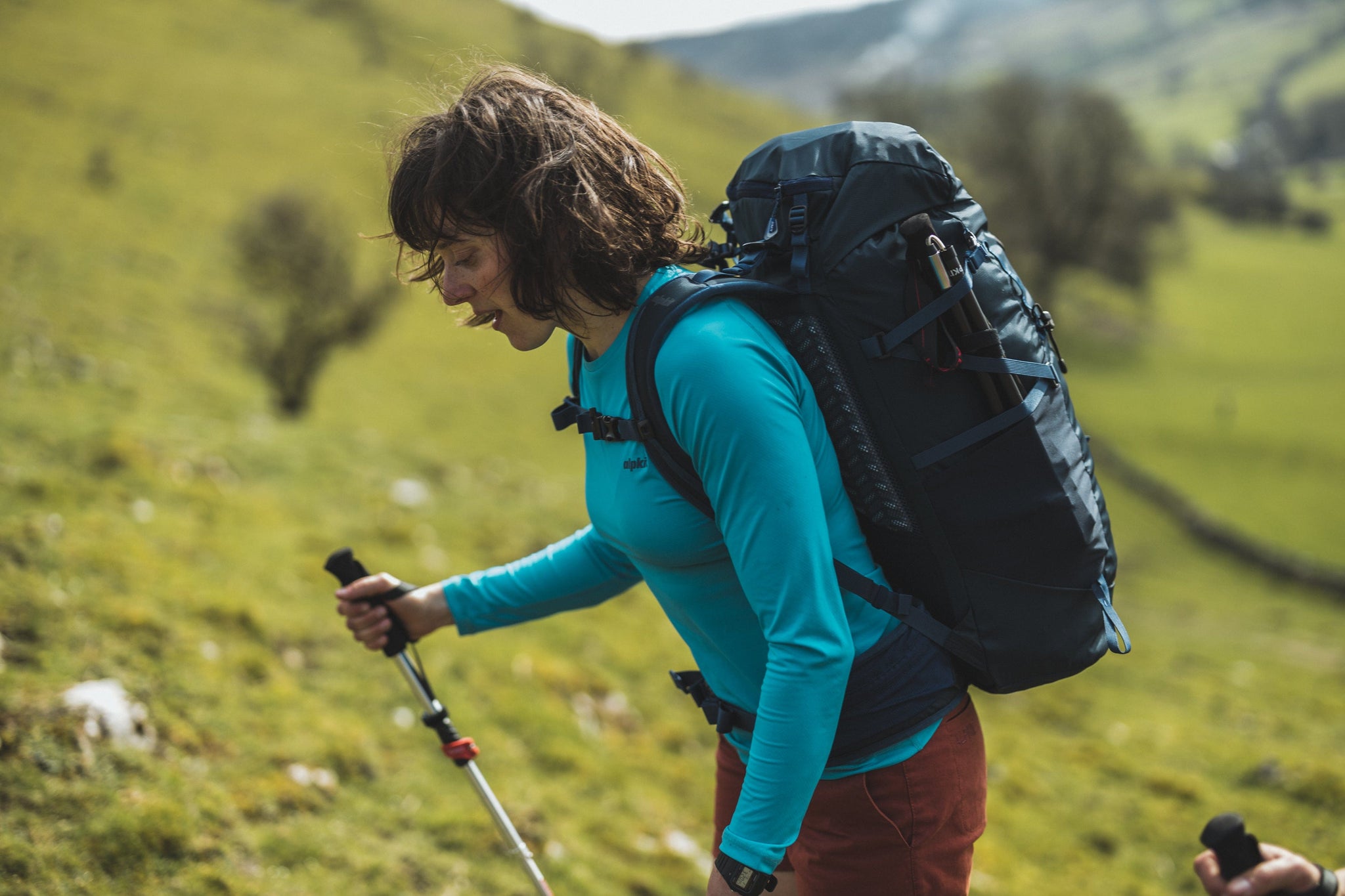
For high-output days where you’re sweating buckets, go for a high-wicking synthetic. You want something that moves moisture away from your skin as fast as possible so you don’t get a "chill-down" when you reach the windy summit.
The Budget Explorer
You don't need a $100 Merino top to enjoy the outdoors. Modern 100% recycled polyester layers from brands like REI, Decathlon, or Patagonia's Capilene line offer incredible performance at a fraction of the price. Just be prepared to wash them more frequently!
Shop High-Performance Base Layers →
Care and Maintenance for Longevity
You’ve dropped $80 on a high-end top; don't ruin it in the first wash.
- Avoid Softeners: Never, ever use fabric softener on technical gear. It coats the fibers in a waxy film that kills the moisture-wicking properties.
- Air Dry: Even "dryer-safe" Merino lasts twice as long if you air dry it.
- Wool-Specific Soap: If you’re rocking high-end Merino, use a pH-neutral wool wash. It keeps the natural oils in the fiber so it stays soft.
FAQ
Q: Can I just use a cotton t-shirt as a base layer? A: "Cotton is rotten" is an old trail saying for a reason. Cotton absorbs water and stays cold. In the backcountry, that's not just uncomfortable—it can lead to hypothermia. Stick to synthetics or wool.
Q: How tight should my base layer be? A: It should be "next-to-skin." For the fabric to wick sweat, it needs to actually touch your skin. If it’s too baggy, moisture will just sit on your body and make you feel clammy.
Q: Do I need a different base layer for winter and summer? A: Ideally, yes. A 120gsm ultra-lightweight top for summer prevents sunburn and keeps you cool, while a 250gsm midweight is essential for trapping heat in sub-freezing temperatures.
The Bottom Line
Choosing the perfect base layer is the most important gear decision you’ll make after your boots and your pack. If you want a "one-and-done" piece of gear, go with a midweight Merino-blend zip-neck. It’s the Swiss Army knife of outdoor apparel. It’ll keep you dry, warm, and smelling (reasonably) human from the trailhead to the summit.
Now, quit staring at the screen, grab your kit, and go get some dirt on those boots. The trail is waiting.
About the Author: Marcus Rivera is the Adventure & Outdoors Editor specializing in solo expeditions and off-the-beaten-path gear testing. He has spent the last decade documenting his travels across six continents, usually with a camera in one hand and a trekking pole in the other.