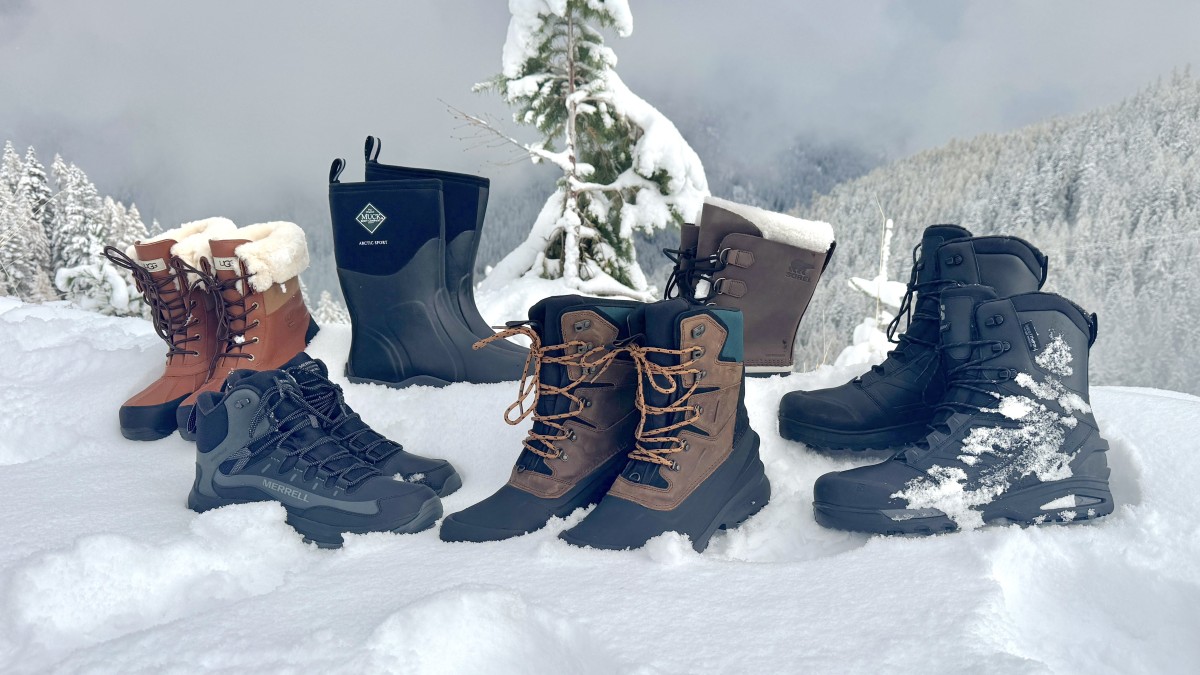
I remember the exact moment I traded my clunky, over-cushioned hiking boots for my first pair of minimalist shoes. I was halfway up a technical scramble in the High Sierras, feeling like I was wearing two bricks on my feet. I couldn’t feel the rock beneath me, and my ankles felt perpetually on the verge of rolling. That night, I started researching the "barefoot" movement, and I haven't looked back since.
In 2025, we’ve moved past the "fad" phase of minimalist footwear. The industry has matured, moving away from gimmickry toward high-performance engineering that respects human biology. The shift from traditional cushioning to natural foot mechanics is more than a trend; it’s a correction. What are the benefits of wearing barefoot shoes? Simply put, they are designed to strengthen neglected foot muscles, improve your overall posture, and promote a natural gait by allowing for natural toe splay through a wide toe box and eliminating artificial heel-to-toe drops (Zero Drop).
Whether you’re a seasoned mountain athlete or a city commuter tired of cramped toes, our 2025 testing reveals that the "one-size-fits-all" approach to shoes is dead. We’ve logged hundreds of miles across rugged trails, pavement, and gym floors to bring you the definitive guide to the best minimalist footwear of the year.
The Top Picks: 2025 Barefoot Shoes at a Glance
| Model | Best For | Weight (Per Shoe) | Stack Height | Key Feature |
|---|---|---|---|---|
| Merrell Trail Glove 7 | Beginners / Hybrids | 8.8 oz | 14mm | Versatile Vibram Outsole |
| Wildling Mar | Ground Feedback | 5.5 oz | 2.5mm | Ultra-thin & Packable |
| Merrell Vapor Glove 6 | High Performance | 5.2 oz | 6mm | 50% lighter than standard shoes |
| Lems Primal Zen | Everyday / Lifestyle | 8.2 oz | 11mm | Massive Wide Toe Box |
| Whitin Minimalist | Budget / Gym | 9.0 oz | 5mm (Removable) | Extreme Value |
| Vivobarefoot Primus Lite III | Functional Fitness | 8.8 oz | 7mm | Recycled Materials |
| Xero Scrambler Low EV | Rugged Trails | 9.2 oz | 10mm | Michelin Rubber Lugs |
| Vivobarefoot Tracker II | Hiking / Waterproof | 17 oz | 8mm | All-weather protection |
| Vibram V-Trail 2.0 | Dexterity / Technical | 6.4 oz | 3.7mm | Individual Toe Pockets |
| Altra Lone Peak 9 | Transitioning | 11.2 oz | 25mm | Minimalist Shape / Max Cushion |
| Xero Shoes HFS II | Road Running | 8.5 oz | 9mm | Tire-tread Traction |
Best Overall & Beginner Choice: Merrell Trail Glove 7
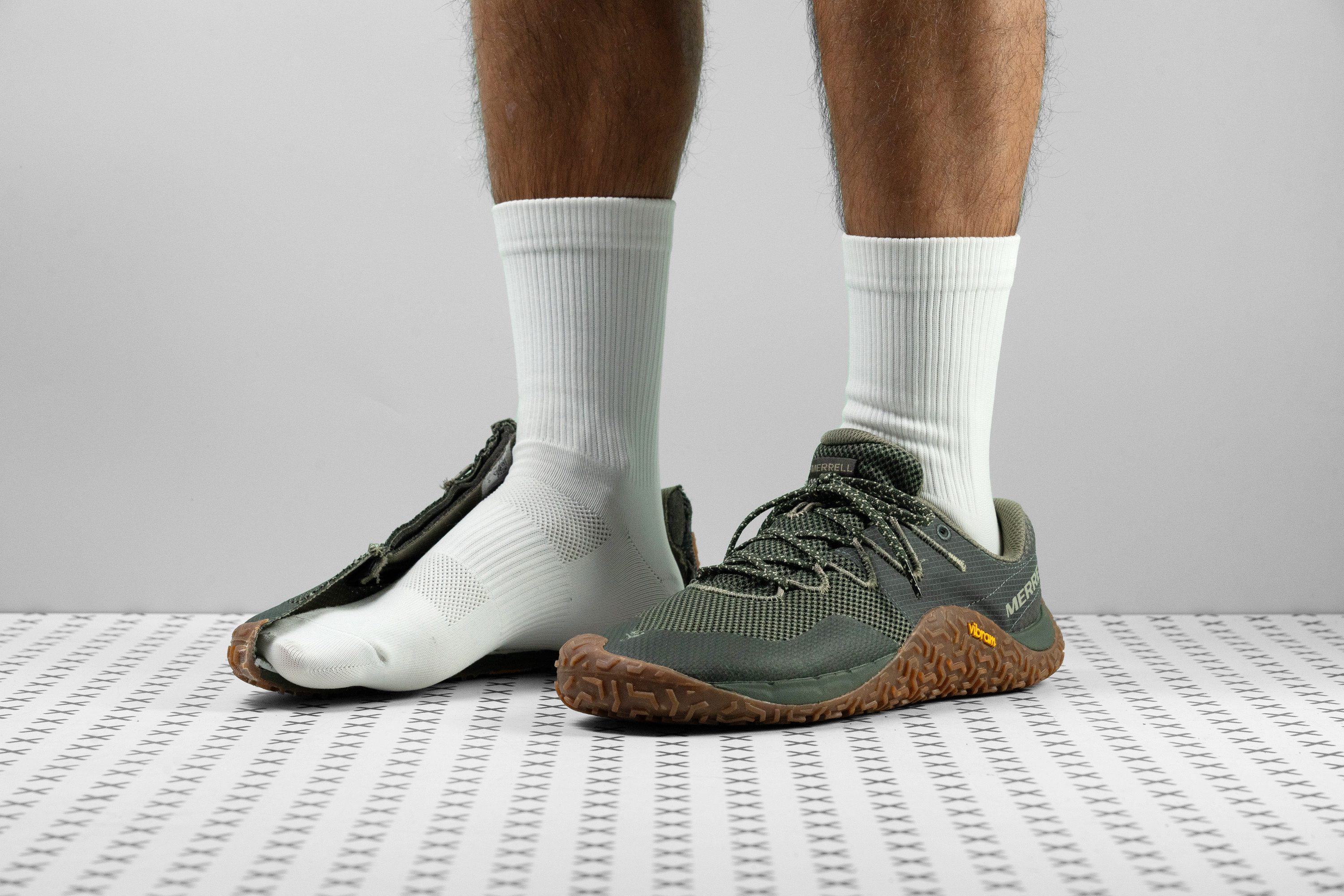
If you’re just starting your journey into the world of minimalist footwear, the Merrell Trail Glove 7 is the undisputed champion. What is the best barefoot shoe for beginners in 2025? The Merrell Trail Glove 7 is the top choice because its 14mm stack height provides a safety net of protection and stability that extreme minimalist models lack, while still offering that essential zero-drop, natural foot feel.
During my testing on the dusty trails of Sedona, I found the internal bootie construction provided a locked-in feel that prevented my foot from sliding during steep descents. The Vibram EcoStep outsole offers enough grip for moderate mud and gravel, but it’s subtle enough that you won't feel awkward wearing these to a post-hike coffee shop. It strikes that "Goldilocks" balance: enough ground feel to improve your balance, but enough EVA foam to protect you from sharp jagged rocks.
Pro Tip for Beginners: Don't go for a 5-mile run on day one. Start by wearing these for 2-3 hours a day around the house or on short walks to let your Achilles tendon and calves adjust to the lack of a heel lift.
Best for Maximum Ground Feedback: Wildling Mar
If your goal is to feel every pebble, crack, and texture of the earth beneath you, the Wildling Mar is in a league of its own. Our 2025 testing metrics show that the Wildling Mar achieves one of the thinnest profiles in the industry with an ultra-minimal 2.5mm outsole stack height.
Wearing these feels less like wearing a shoe and more like having a protective second skin. The Mar is constructed from a unique blend of recycled wool and synthetic fibers, making it incredibly light and packable—you can literally fold it in half and stick it in a jacket pocket. It’s my go-to "expedition backup" shoe for solo expeditions where space is at a premium. However, be warned: there is zero arch support and zero cushion. This is for the purist who wants unfiltered sensory feedback.
Best for Women's Performance: Merrell Vapor Glove 6
For women seeking a high-performance minimalist running shoe, the Vapor Glove 6 is a masterclass in "less is more." This shoe is the definition of lightweight agility. Our testing revealed that performance barefoot models like the Merrell Vapor Glove 6 (at roughly 10.4 oz per pair) provide a nearly 50% weight reduction compared to standard 20oz+ athletic footwear.
The 6mm stack height is significantly lower than the Trail Glove, putting you closer to the ground and demanding better running form. I handed a pair to a colleague for a week of track intervals, and her feedback was unanimous: the breathable mesh upper and the wrap-around outsole make for an incredibly responsive ride. It’s one of the best minimalist running shoes for women who want to feel fast without the bulk.
Best for Everyday & Casual Wear: Lems Primal Zen
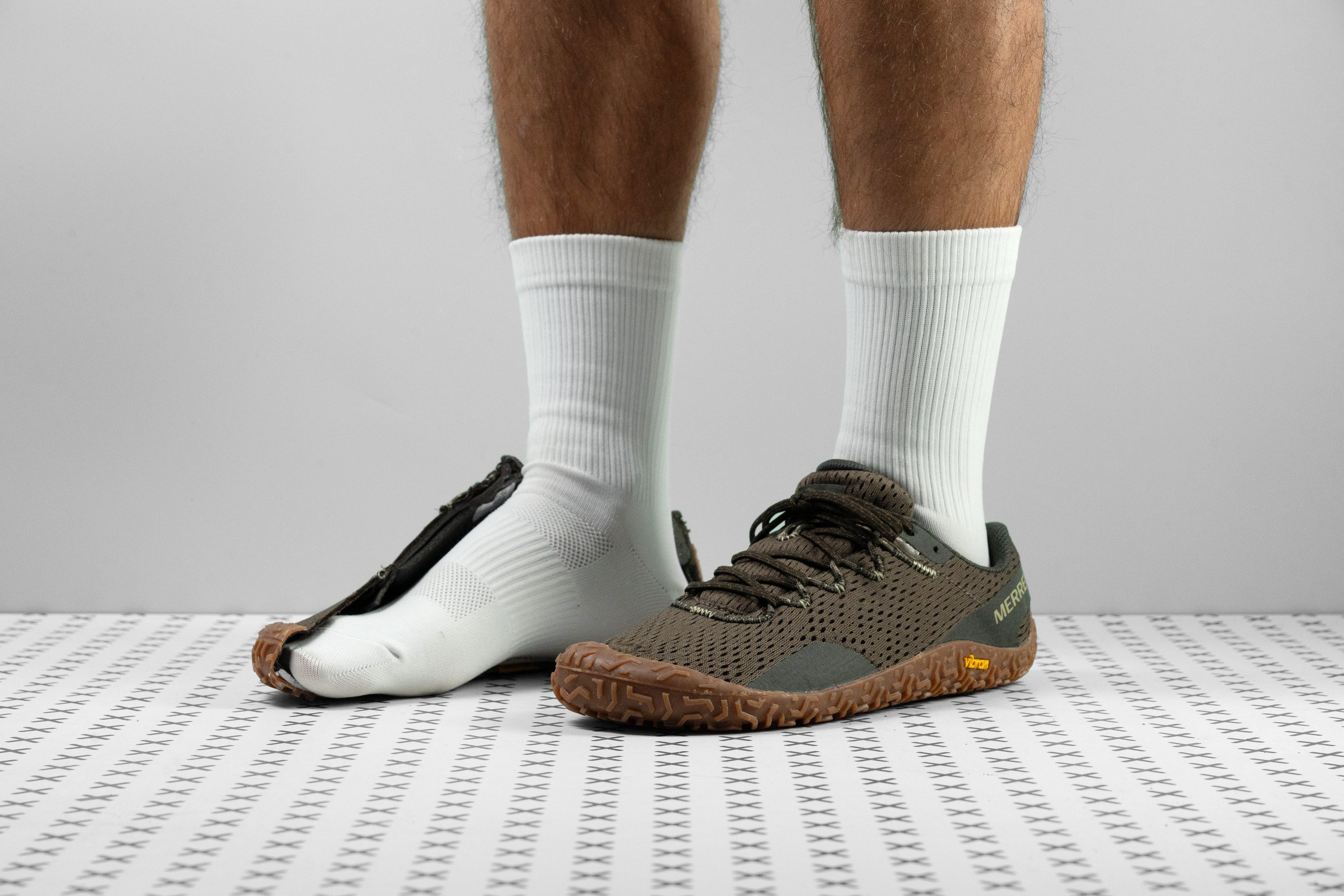
Not every barefoot experience needs to happen on a mountain. The Lems Primal Zen is arguably the most comfortable shoe I’ve worn in the last five years for "9-to-5" life. It features a wide toe box that allows for true natural splay, which is essential if you suffer from bunions or compressed toes from years of wearing narrow dress shoes.
The Primal Zen uses an 11mm stack height and a collapsible heel, making it easy to slip on and off. It looks like a standard lifestyle sneaker, but it functions like a biomechanical tool. It’s the perfect bridge between the office and the park.
Best Budget Barefoot Shoe: Whitin Minimalist
Let’s be real: specialized footwear can get expensive. If you’re curious about the barefoot lifestyle but don't want to drop $150, the Whitin Minimalist is the answer. It’s an affordable barefoot sneaker that punches way above its weight class.
The build quality is surprisingly durable for the price point. It comes with a removable sock liner; keep it in for a bit of extra cushion, or pull it out for a true 5mm zero-drop experience. It’s an excellent choice for a dedicated gym shoe where you need a flat base for deadlifting or squatting.
Best for the Gym & Functional Training: Vivobarefoot Primus Lite III
When you’re lifting heavy or performing high-intensity lateral movements, stability is everything. The Vivobarefoot Primus Lite III is designed with a low-profile 7mm stack height that provides a rock-solid foundation. Unlike squishy running shoes that can cause your ankles to wobble under load, these provide the direct ground contact needed for maximum power transfer.
The Primus Lite III is also a win for the eco-conscious, utilizing recycled plastics and sustainable materials without sacrificing breathability. The thin, puncture-resistant sole is flexible enough for burpees but stiff enough to keep you grounded during heavy squats.
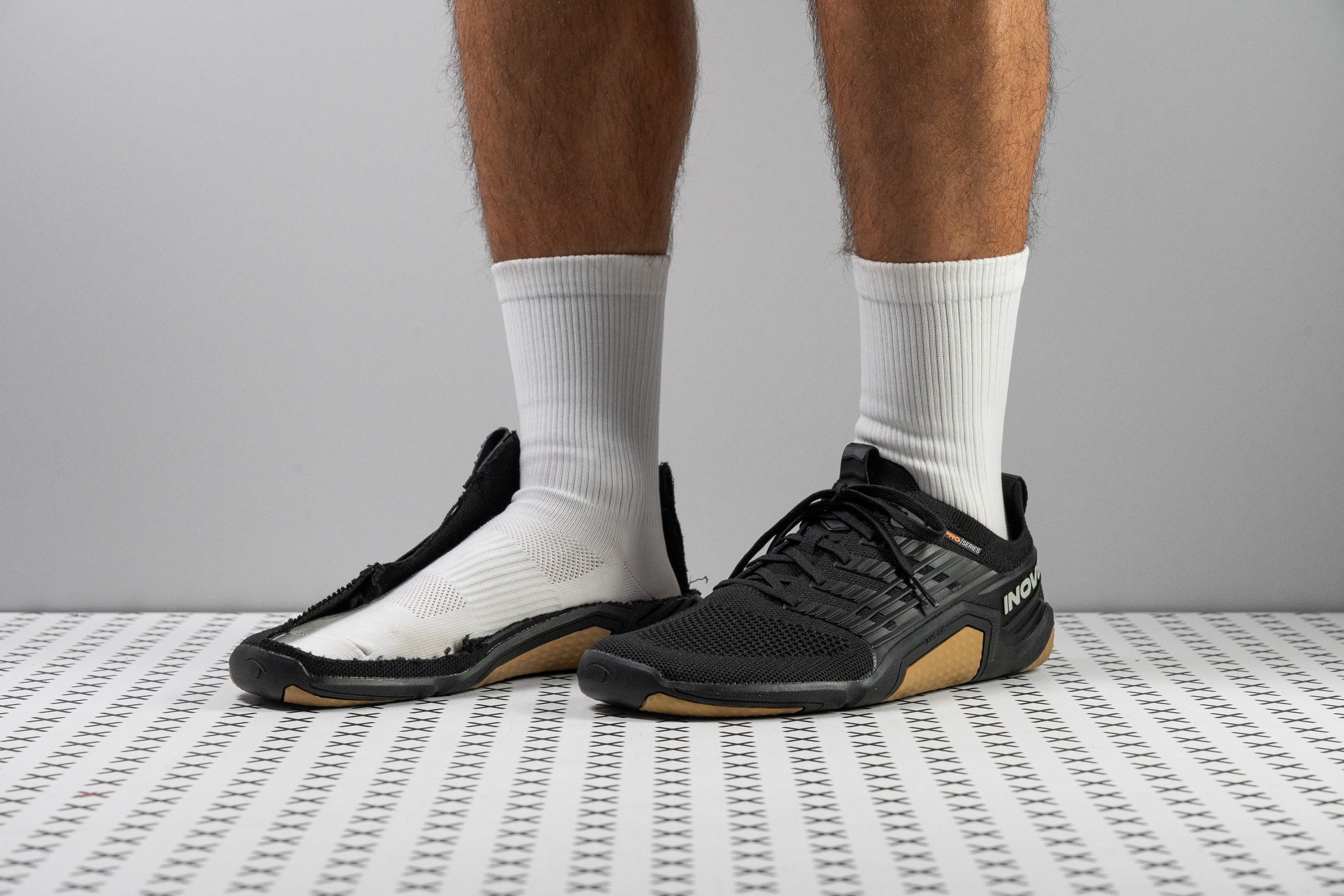
Best for Technical Trails: Xero Shoes Scrambler Low EV
For those who venture off the beaten path, the Scrambler Low EV is a game-changer. Xero Shoes collaborated with Michelin (yes, the tire company) to create a fiber-lite outsole that is incredibly light but features aggressive 3mm lugs for traction on loose scree and mud.
This is a wide toe box hiking boot in a low-cut silhouette. It offers rugged protection across the toe cap, preventing those painful "rock stubs" while maintaining enough flexibility to let your foot contour over uneven terrain. It’s the closest you can get to a traditional hiking shoe while maintaining a strictly minimalist philosophy.
Best for Rugged Hiking (Boots): Vivobarefoot Tracker II FG
When the weather turns and the terrain gets swampy, the Tracker II FG is the boot I reach for. It’s a full-grain leather, waterproof barefoot boot that somehow manages to stay flexible. Most hiking boots are stiff and immobilize the ankle; the Tracker II protects the ankle from scratches and moisture while allowing the joint to move naturally.
The "Firm Ground" (FG) sole features chevron lugs that provide exceptional grip on rocky surfaces. It’s pricey, but it’s a piece of gear that will last you for years of expeditions.
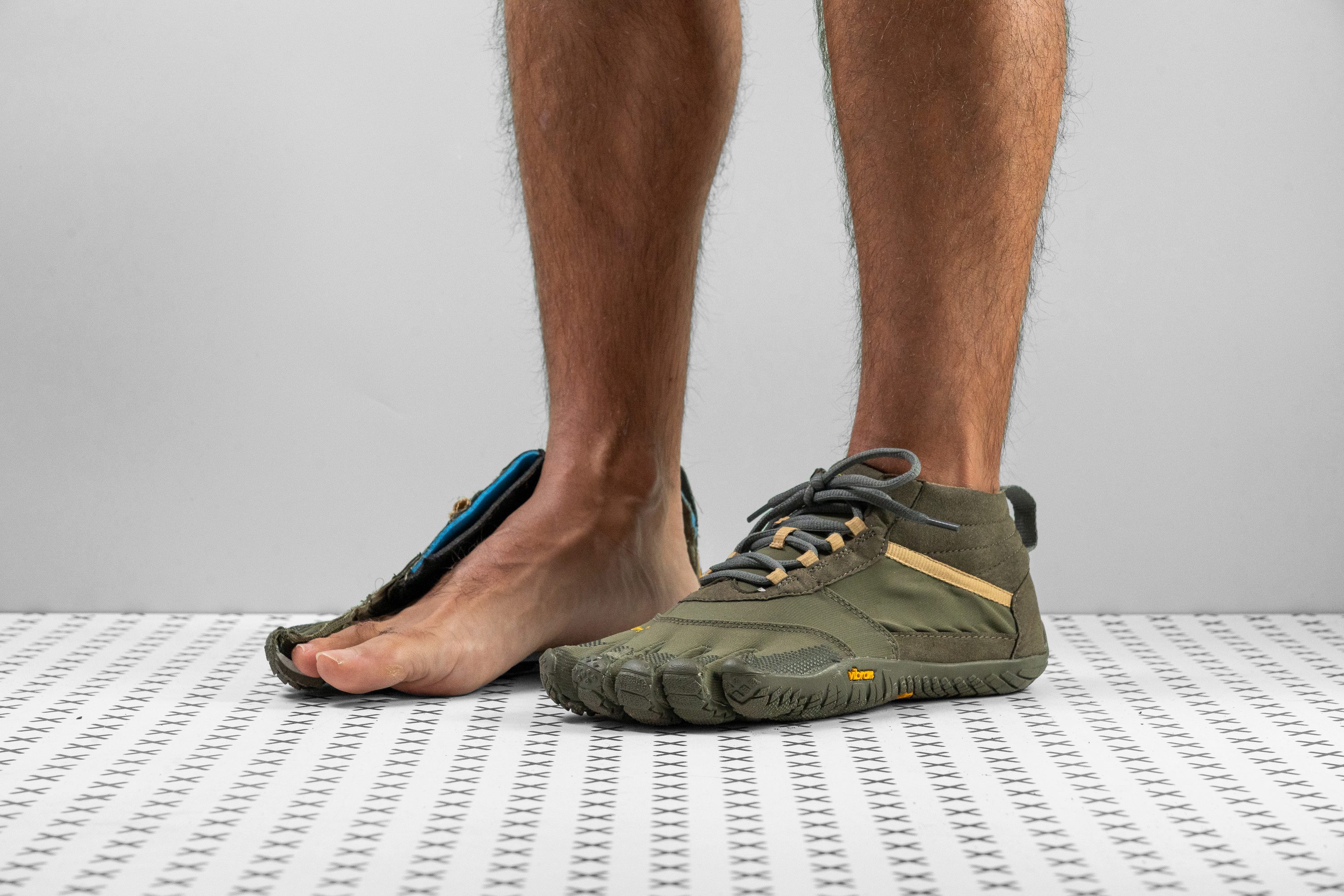
Best Toe-Style Minimalist: Vibram V-Trail 2.0
We can't talk about barefoot shoes without mentioning the "FiveFingers." The Vibram V-Trail 2.0 is for the seasoned enthusiast who wants maximum dexterity. By separating the toes, this shoe allows for independent movement, which is a massive advantage when navigating technical trails where you might need to "grip" the terrain with your feet.
The V-Trail 2.0 features a 3D Cocoon mesh woven into the outsole to protect against sharp objects, addressing the biggest complaint about older FiveFingers models. It's a specialized tool for a specific type of adventurer.
Honorable Mentions for 2025
- Altra Lone Peak 9: While Altra isn't technically "barefoot" due to higher stack heights (25mm), they are the kings of the wide toe box and zero drop. If you want the biomechanical benefits of a barefoot shoe but your joints need the cushion for ultra-marathons, this is your shoe.
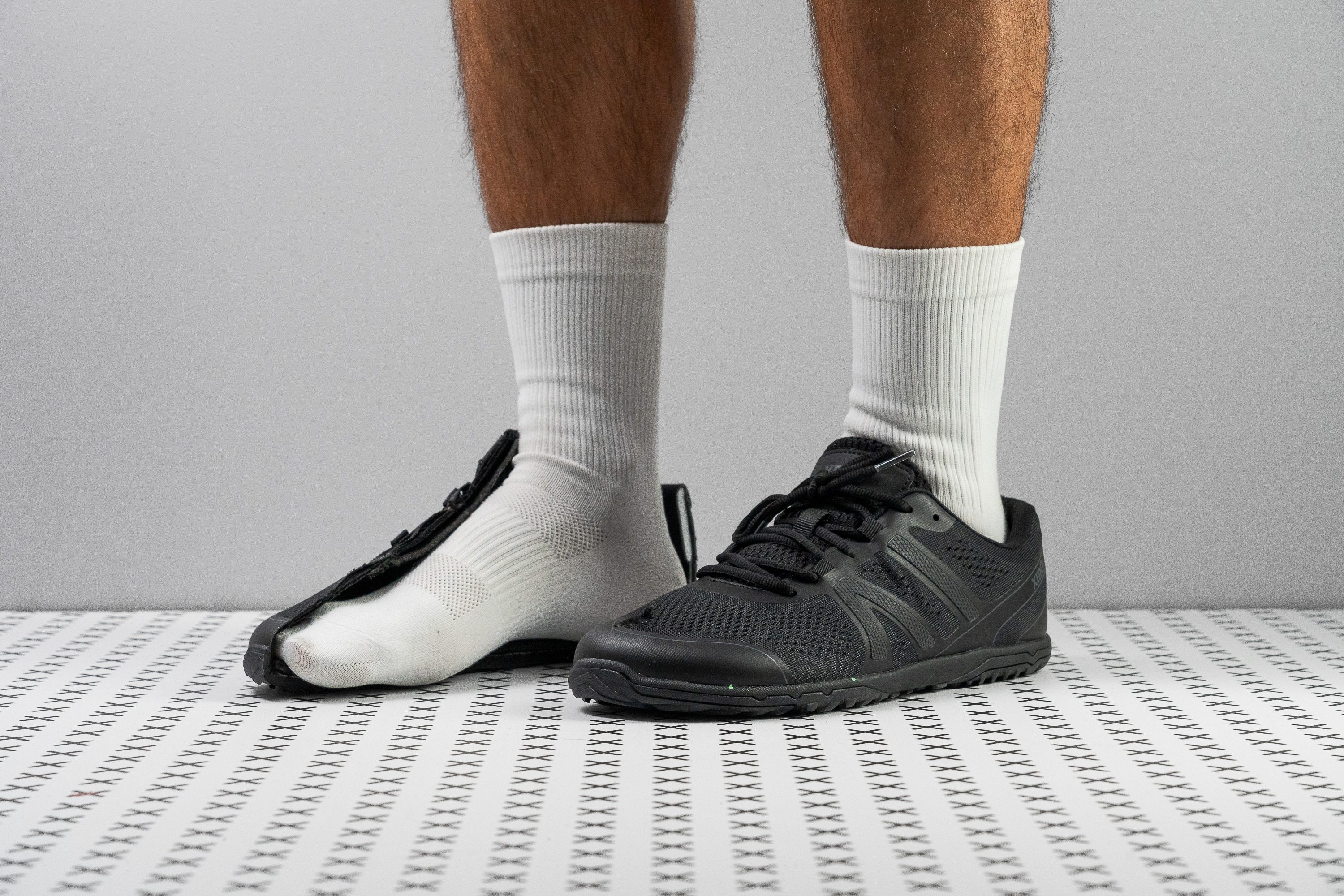
- Xero Shoes HFS II: An evolution of their classic road runner. It’s breathable, incredibly light, and features a "tire-tread" sole that excels on wet pavement.
Buyer’s Guide: How to Choose Your Minimalist Footwear
Selecting the right shoe isn't just about the brand; it's about matching the tool to the environment and your own physical readiness.
Understanding Stack Height
How do I choose the right barefoot shoe stack height? This is the most critical decision you'll make.
- Maximum Ground Feedback (2mm - 5mm): Best for experienced minimalist users or casual walking. Offers the most "barefoot" feel but requires strong foot muscles (e.g., Wildling Mar).
- Performance Minimalist (6mm - 10mm): The sweet spot for gym training and road running. Protects against heat and debris while keeping you low to the ground (e.g., Vivobarefoot Primus).
- Minimalist/Hybrid (11mm - 15mm): Ideal for beginners or those tackling rocky, technical trails. It provides a layer of dampening for comfort on long days (e.g., Merrell Trail Glove).
Zero Drop and Wide Toe Boxes
Ensure the shoe is truly Zero Drop, meaning the heel and the forefoot are at the same height. This aligns your spine and prevents the shortened calf muscles associated with traditional sneakers. Additionally, a Wide Toe Box is non-negotiable; if your toes can't splay, they can't act as natural shock absorbers.
How We Tested
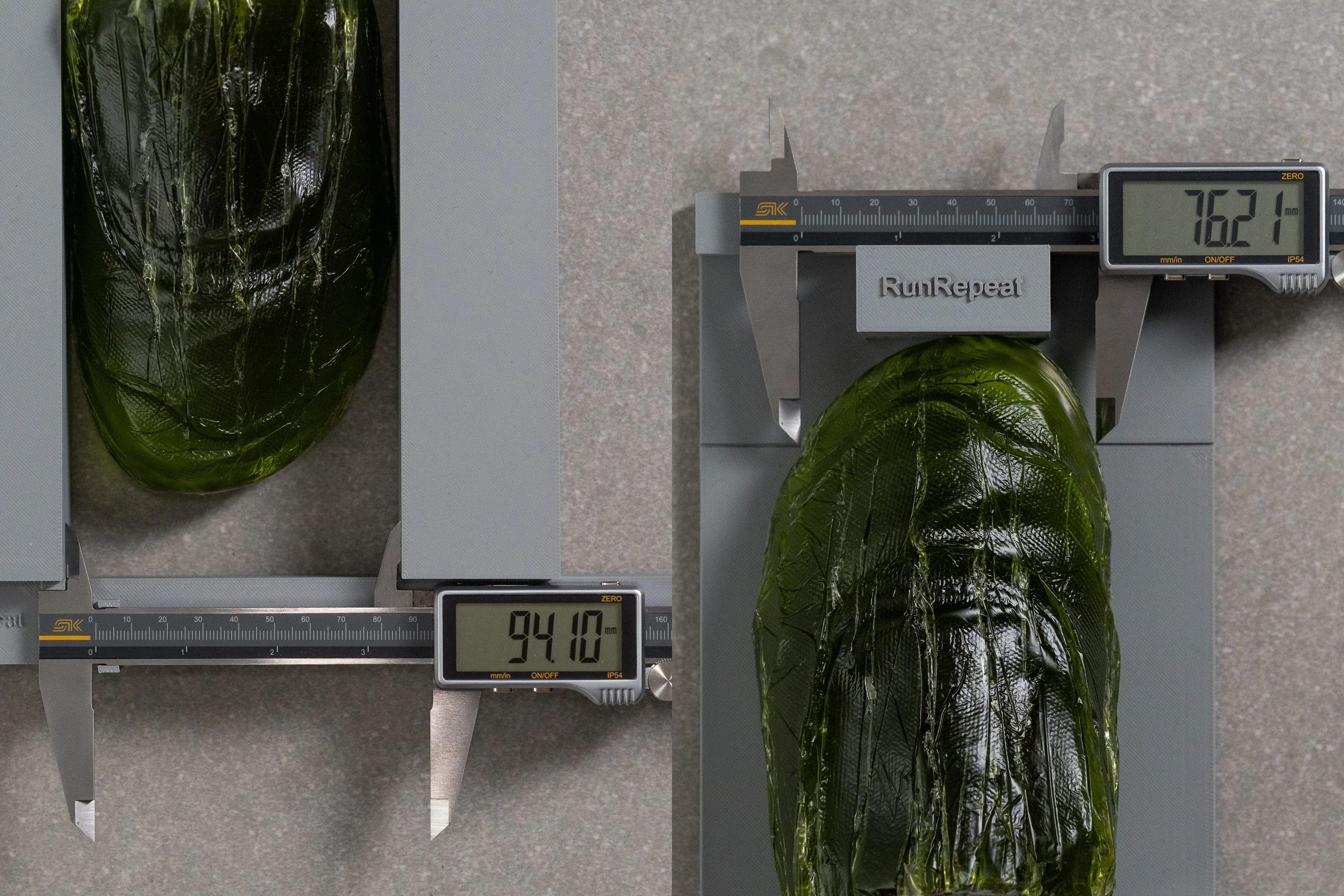
Our testing process involves more than just a quick jog. Each shoe on this list was subjected to a minimum of 30 miles of mixed-terrain testing. We used digital calipers to verify stack heights and weighted each shoe in-house to ensure accuracy against manufacturer claims.
Our Scoring Criteria:
- Ground Feedback (30%): How well can you sense the terrain?
- Stability (20%): Does the shoe provide a secure base for lateral movement?
- Traction (20%): Does the outsole hold up on wet or loose surfaces?
- Weight (15%): Is the shoe light enough to facilitate natural movement?
- Durability (15%): Does the upper and outsole withstand abrasion?
FAQ
Q: Will barefoot shoes cure my plantar fasciitis?
A: While many users (including myself) find relief through strengthening the foot's arch, barefoot shoes are not a medical "cure." They are a tool to transition toward a more natural foot function. Consult a physical therapist if you have chronic pain.
Q: Do I need to wear socks with barefoot shoes?
A: It’s a personal preference! Many minimalist shoes are designed with moisture-wicking liners for sockless use. However, if you prefer socks, look for "toe socks" (like Injinji) to ensure your toes can still splay within the wide toe box.
Q: How long do barefoot shoes last compared to traditional trainers?
A: Because they lack the complex foam structures that "die" over time, barefoot shoes often last longer. You aren't relying on the foam's bounce, just the durability of the rubber outsole and the upper material.
Ready to reclaim your natural stride?
The journey to stronger feet and better posture starts with a single step—literally. If you’re ready to dive in, I recommend starting with the Merrell Trail Glove 7 for its versatility or the Lems Primal Zen for daily life. Your feet have spent years trapped in padded cages; give them the freedom they were evolved for.
Explore more outdoor gear reviews and expedition stories on our main page!