There is a specific kind of silence you only find at 12,000 feet in the Eastern Sierra when the wind dies down and the sun starts to dip behind the jagged granite peaks. In those moments, your gear is the only thing standing between a perfect alpine evening and a shivering retreat to the trailhead. For over a decade, my team and I have lived for these moments, and if there is one piece of equipment that serves as the literal backbone of our kit, it’s the fleece jacket.
Since 2010, our apparel experts have field-tested nearly 100 fleeces in environments ranging from the humid thickets of the White Mountains to the bone-chilling winds of the Rockies. For 2025, we’ve pushed 21 promising new models to their limits. Whether you’re an ultralight gram-counter or someone who just needs a reliable layer for the morning dog walk, we’ve found the perfect fit for you.
Quick Picks: Best Fleeces at a Glance
- Best Overall Men's Fleece Jacket: Patagonia R1 Air Full-Zip Hoody. Its proprietary hollow-core fabric and zig-zag pattern provide unmatched breathability for high-intensity mountain pursuits.
- Best Value Fleece: The North Face Canyonlands Hoodie. Combining a clean aesthetic with impressive thermal efficiency, it’s the best "bank for your buck" performer we’ve tested this year.
- Lightest for Ultralight Backpacking: Patagonia Micro D Fleece Pullover (7.5 oz) and The North Face Summit Series FutureFleece (7.9 oz). These are the gold standard for weight-to-warmth ratios.
- Best Technical Layering System: Rab Ascendor Summit Hoody. Designed with body-mapped wind protection for the most demanding alpine environments.
| Model | Weight (oz) | Warmth-to-Weight | Best Use |
|---|---|---|---|
| Patagonia R1 Air | 12.9 | Excellent | High-Output Alpine |
| TNF Canyonlands | 14.8 | Great | Trail-to-Town |
| Patagonia Micro D | 7.5 | Market-Leading | UL Backpacking |
| Arc'teryx Kyanite | 13.9 | Good | Comfort & Stretch |
| TNF FutureFleece | 7.9 | High | Technical Climbing |
Why Trust Our Testing Process
We don't just "look" at gear in a showroom. We beat it up. Our testing process for the 2025 season involved over 500 miles of hiking, three late-season mountaineering trips, and dozens of nights spent sleeping in the dirt. We evaluate every jacket based on five critical metrics: Warmth, Breathability, Comfort, Layering Ability, and Durability.
Our "Field Notes" are generated from real-world usage. When we say a zipper is hard to pull with gloves on, it’s because we actually struggled with it during a whiteout on Mt. Washington. We also conduct controlled tests, such as our thermal retention benchmark, where we measure how long a fleece can keep an internal heat source stable in sub-freezing temperatures.
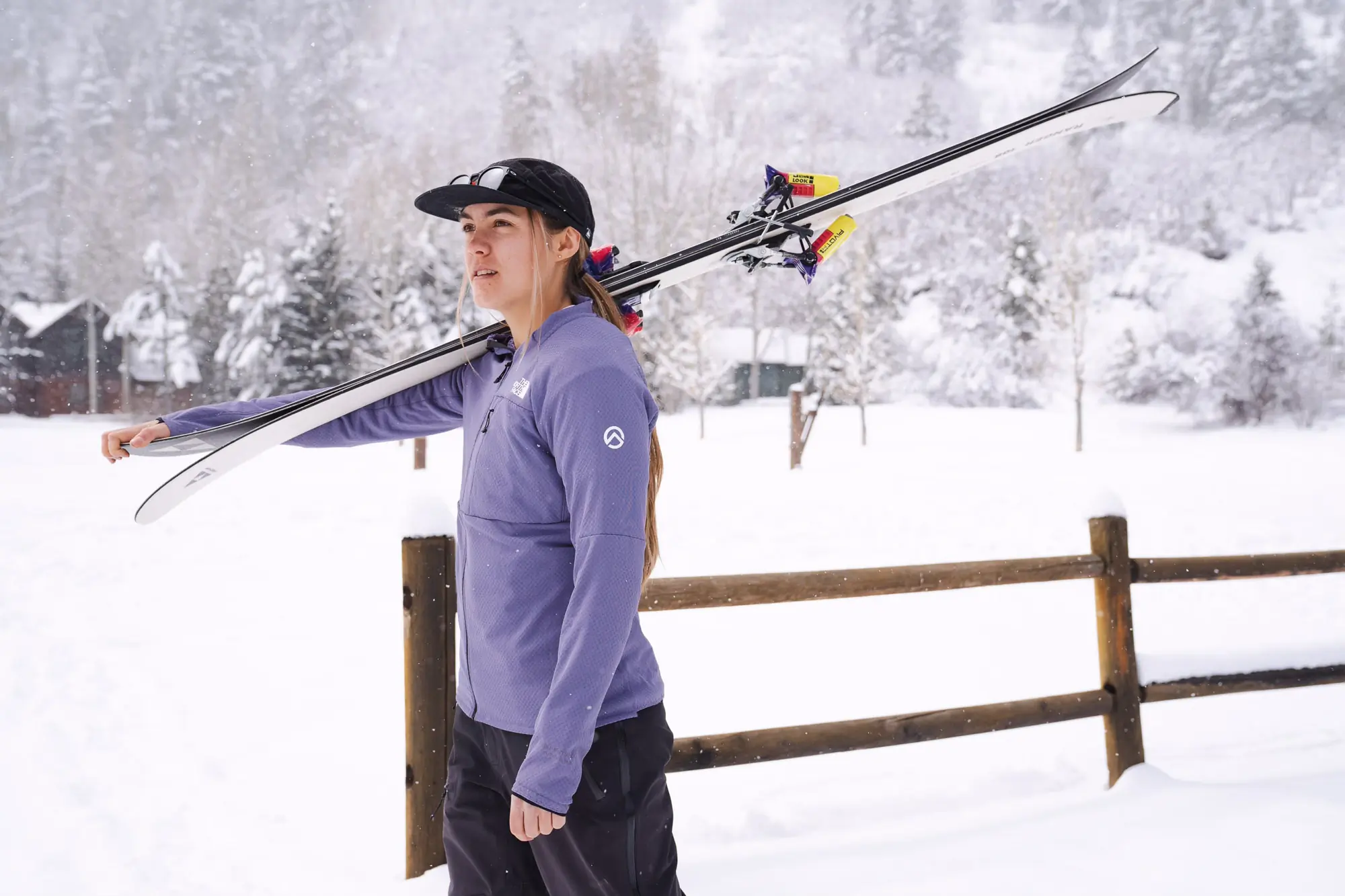
Best Overall Men’s Fleece Jacket: Patagonia R1 Air Full-Zip Hoody
If you’ve spent any time in the backcountry, you know the name "R1." But the Patagonia R1 Air is a different beast entirely. While the classic R1 is a grid-fleece icon, the R1 Air is designed for those of us who move fast and sweat hard.
Key Specs:
- Fabric: 100% recycled polyester jacquard fleece.
- Weight: 12.9 oz.
- Design: Hollow-core yarn with a distinct zig-zag texture.
Performance & Field Notes: The standout feature here is the zig-zag pattern. This isn't just an aesthetic choice; it creates "channels" that allow air to move freely while the hollow-core fibers trap heat. During a fast-packing trip in the High Sierra, I found I could keep this hoody on during a 1,500-foot climb without overheating—a feat most fleeces can’t manage. It breathes better than almost anything else in its weight class.
Pros:
- Exceptional moisture-wicking and quick-drying properties.
- Slim, athletic fit that layers perfectly under a shell.
- Off-shoulder seams prevent chafing under heavy pack straps.
Cons:
- The fabric can feel slightly "stiff" compared to high-loft fleeces.
- Not wind-resistant; you’ll need a shell for the summit.
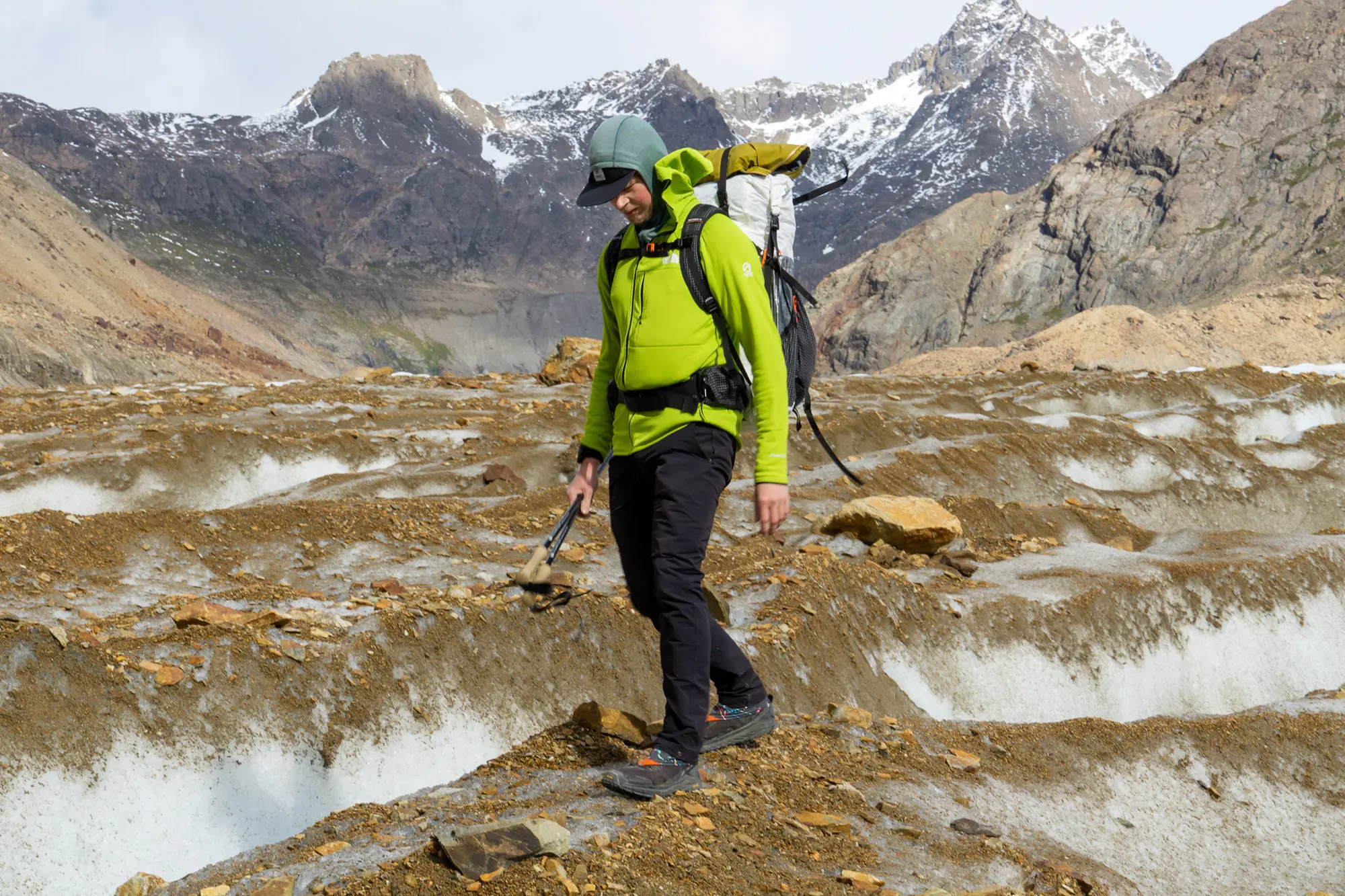
Best Value Fleece: The North Face Canyonlands Hoodie
Not everyone needs a $180 technical layer for a weekend hike. Enter The North Face Canyonlands Hoodie. In our thermal retention tests, the Canyonlands performed surprisingly well, keeping an internal water bottle above 150°F for 1 hour and 20 minutes—beating out several jackets twice its price.
Performance & Field Notes: The Canyonlands features a smooth-face stretch fleece with a brushed interior. It feels more like a heavy sweatshirt but performs like a technical mid-layer. It’s my go-to recommendation for friends who want one jacket that looks just as good at a post-hike brewery as it does on the trail. It strikes a rare balance between thermal efficiency and casual comfort.
Pros:
- Incredible value-to-performance ratio.
- Clean, modern aesthetic that fits in town.
- Highly durable outer face resists pilling.
Cons:
- Heavier than technical mountain fleeces.
- The fit is "standard," which might feel a bit baggy for slim climbers.
Best Technical Layering System: Rab Ascendor Summit Hoody
When the mission involves ice axes and sub-zero temperatures, the Rab Ascendor Summit is the jacket I reach for. This isn't just a fleece; it’s a sophisticated piece of mountain engineering.
It utilizes body-mapped technology, placing Pertex Quantum Air fabric over the chest and biceps to block the wind, while using lighter-weight grid fleece under the arms and back to dump heat. During an ice climbing session in New Hampshire, the wind-resistance on the chest was a game-changer, allowing me to skip the windbreaker on all but the most exposed pitches.
Pros:
- Strategic windproofing eliminates the need for an extra layer.
- Deep front zip for maximum venting.
- Helmet-compatible hood that actually stays in place.
Cons:
- Hyper-technical look isn't for everyone.
- Very specific, slim fit—not great for casual lounging.
Best for High-Output & Ultralight Backpacking
For the "Fast and Light" crowd, every ounce is an enemy. We’ve identified two clear winners in the ultralight category.
1. Patagonia Micro D Fleece Pullover
At a staggering 7.5 ounces, the Micro D is approximately 60% lighter than traditional heavyweight fleeces like the North Face Denali. It’s a minimalist's dream. It’s simple, soft, and packs down to the size of a grapefruit. While it doesn't have the fancy grid patterns of technical layers, its warmth-to-weight ratio is virtually unbeatable for camp chores and chilly mornings.
2. The North Face Summit Series FutureFleece
The FutureFleece (7.9 oz) is the technical answer to the Micro D. It uses Teijin Octa yarn, which features a unique fiber shape that maximizes surface area for heat retention. It feels incredibly thin—almost like a base layer—but provides an astonishing amount of warmth. It’s the ultimate "active" layer for mountain runners and climbers.
Top Town-to-Trail & Versatile Picks
Sometimes you just want a fleece that feels like a hug. These picks prioritize comfort and versatility without sacrificing too much performance.
- Arc’teryx Kyanite Hoody: This is the most comfortable fleece on this list. Period. Using Polartec Power Stretch Pro, it offers 4-way stretch and a buttery-soft interior. It’s the ultimate "do-everything" layer if you have the budget.
- Mountain Hardwear Summit Grid Hoody: A fantastic pullover option. It uses a classic grid pattern that mimics the performance of the R1 but at a more accessible price point.
- Strafe Highlands Shirt Jacket: If you prefer the "mountain man" aesthetic, this is the one. It looks like a rugged workwear flannel but is packed with technical insulation that keeps you warm while chopping wood or scouting a new trail.
Budget Picks for a Tight Wallet
You don't need to spend triple digits to stay warm. We tested these entry-level options to see if they hold up.
- Wrangler Authentics 1/4 Zip: Found at many big-box retailers, this is surprisingly durable for casual weekend walks. It won't breathe like an R1, but for under $30, it’s hard to complain.
- Amazon Essentials Full Zip: Best for "static warmth." If you just need a layer for around the campfire or a chilly office, this provides decent loft and warmth for a fraction of the cost of big brands.
Fleece Buying Advice: How to Choose Your Layer
Choosing a fleece can feel overwhelming with all the proprietary names (Power Grid, FutureFleece, Octa). Here is how I break it down when I'm helping someone build a layering system.
Warmth vs. Weight (The GSM Rule)
Fleece weight is usually measured in grams per square meter (GSM).
- Lightweight (100 GSM): Best for high-output activities like running or as a heavy base layer. (e.g., Patagonia Micro D).
- Midweight (200 GSM): The "sweet spot" for most hikers. Good for layering and standalone use in moderate temps. (e.g., TNF Canyonlands).
- Heavyweight (300+ GSM): Strictly for very cold temperatures or static use. Think of the classic "Sherpa" fleeces.
Breathability: Grid vs. High-Loft
If you plan on sweating, Grid Fleece is your best friend. The gaps in the grid allow moisture to escape. High-Loft fleece (the fuzzy stuff) traps more air and is warmer when you're sitting still, but it will leave you soaked in sweat if you try to climb a mountain in it.
The Layering Integration
A fleece is rarely your only layer. For a technical mountain system, your fleece should fit snugly over a wicking base layer and fit comfortably under a hardshell or a puffy jacket. Look for "low-bulk" seams and "slick-face" fabrics that don't catch on the inside of your outer jacket.
FAQ
Q: Is fleece better than a puffer jacket? A: They serve different purposes. Fleece is superior for active use because it breathes and manages moisture much better than down or synthetic puffies. However, puffer jackets are much warmer for their weight when you are standing still.
Q: Can I wear a fleece as an outer layer? A: Yes, in dry, calm conditions. However, most fleeces have zero wind resistance. If the wind picks up, you’ll feel it right through the fabric unless you have a wind-resistant model like the Rab Ascendor or a separate shell.
Q: How do I wash my fleece to make it last? A: Wash it on cold, inside out, and never use fabric softener. Most importantly, hang dry it. The high heat of a dryer is the number one killer of fleece loft and performance.
Ready to hit the trail? Whether you’re eyeing the breathable perfection of the Patagonia R1 Air or the incredible value of The North Face Canyonlands, the right fleece is an investment in your comfort and safety. Choose the one that matches your highest level of activity, and we’ll see you out there.