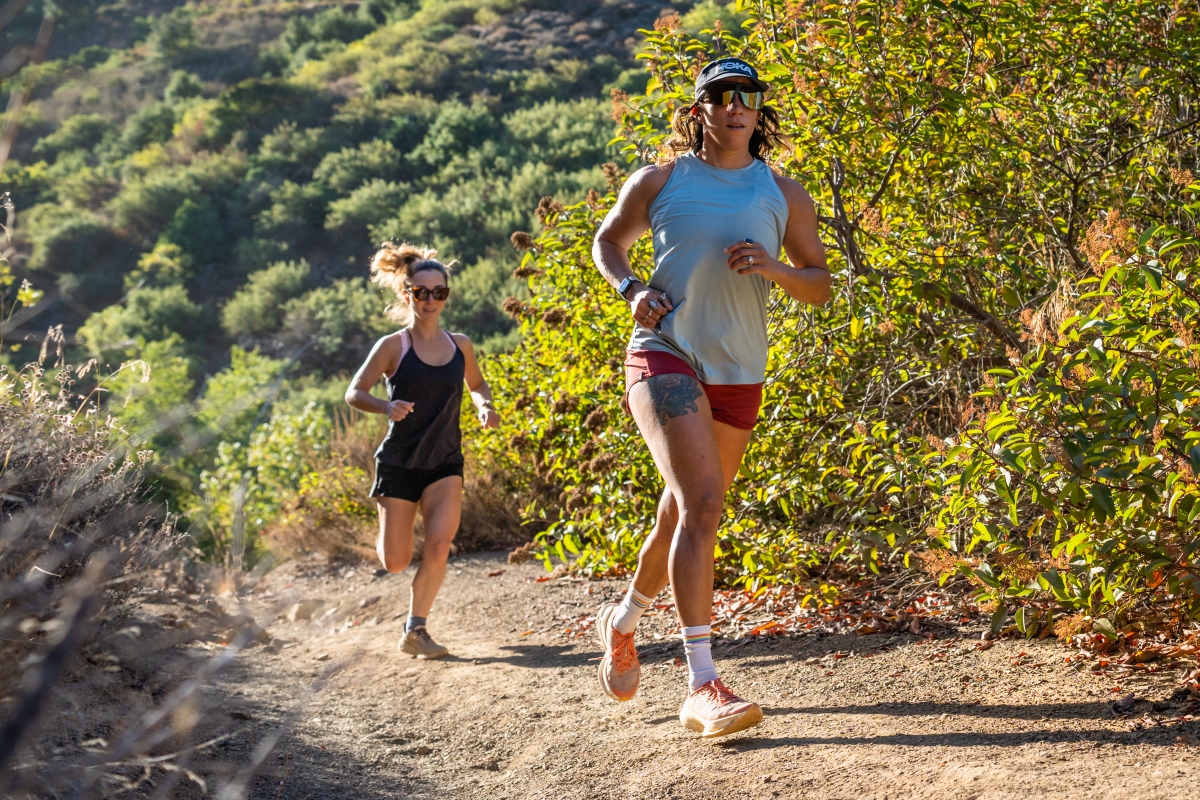
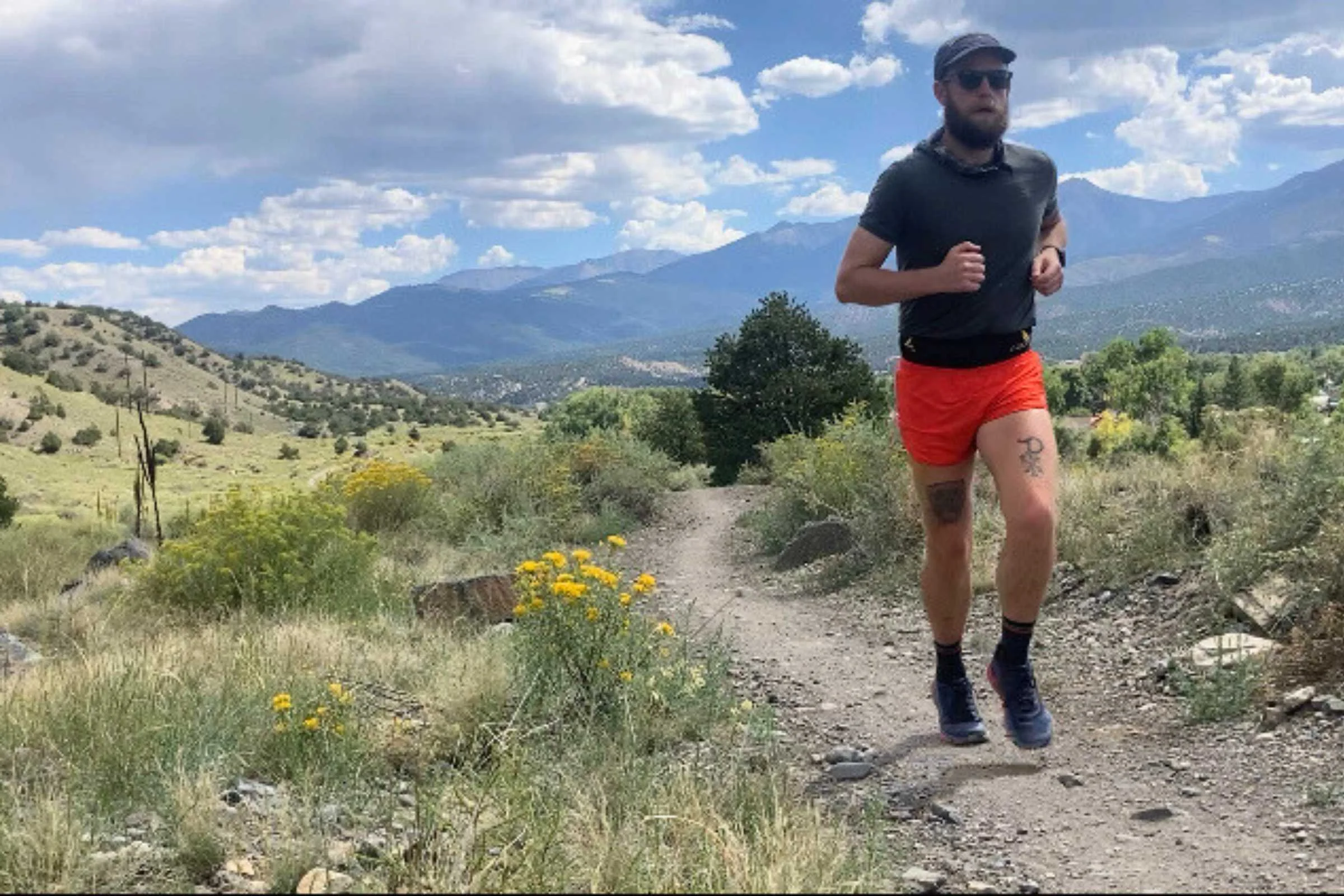
There is a specific kind of frustration that comes with a pair of sunglasses sliding down your nose at mile 18 of a mountain marathon, or worse, having your depth perception fail just as you hit a technical descent. Over the last three months, my team and I have been on a mission to eliminate that distraction. We didn’t just wear these glasses for a casual jog around the block; we took them into the heart of the Rockies and the heat of the Arizona desert.
We logged exactly 512 miles across terrains ranging from 7,000 to 14,000 feet. We’ve sweated through 90-degree afternoons in Phoenix and dodged unexpected snow squalls on the summit of Mt. Yale. After 15 top-rated models and six dedicated testers, we’ve narrowed the field down to the absolute best optics for your face. Whether you are a weekend road warrior or a hardcore trail ultrarunner, this is the gear that survived the grit.
The Verdict: Our Top Picks at a Glance
For those who want the bottom line before hitting the pavement, here is the "too long; didn't read" of our 500-mile testing cycle:
The Quick List:
- Best Overall: Tifosi Swank Polarized — The perfect balance of weight (23g), performance, and price.
- Best Budget: Goodr OG — At $25, these offer 100% UV protection and a "no-bounce" fit that defies their price tag.
- Best for Trails: Tifosi Veloce Fototec — Photochromic lenses that adapt to changing light are a game-changer for forested or alpine runs.
- Best High-Performance: Oakley Sutro Lite Sweep — Massive coverage and Prizm technology for runners who want total eye protection.
- Best Lightweight: Roka Oslo — At 19 grams, these are the "barely-there" kings of the running world.
The Testing Protocol: 500 Miles of High-Altitude Grit
To find the best running sunglasses of 2025, we didn't rely on lab specs. We relied on sweat. Our team of six testers—comprised of marathoners, trail specialists, and high-altitude peak baggers—put 15 different frames through a gauntlet. We looked for three non-negotiables: Optical Clarity, Security (The Bounce Test), and Durability.
We intentionally chose high-altitude environments in Colorado and Arizona because the UV radiation is significantly higher at 10,000+ feet. If a lens was going to fail or a coating was going to peel, it was going to happen under that relentless sun. We also subjected these frames to "real-world clumsiness"—dropping them on granite, stuffing them into overpacked hydration vests, and even the occasional "accidental sit-test" on a car seat.
2025 Running Sunglasses Comparison Table
| Model | Weight (g) | Lens Type | VLT % | Best Use |
|---|---|---|---|---|
| Tifosi Swank | 23g | Polycarbonate | 11-14% | Daily Road/Casual |
| Goodr OG | 22g | Polarized | 11% | Budget / High Glare |
| Tifosi Veloce | 29g | Photochromic | 11-39% | Technical Trails |
| Oakley Sutro | 32g | Prizm (Nylon) | 11-20% | High Contrast / Shield |
| Roka Oslo | 19g | Nylon | 12-16% | Lightweight / Race Day |
Best Overall Running Sunglasses: Tifosi Swank Polarized
If I had to pick one pair of glasses to live in for a year, it would be the Tifosi Swank. In an era where sports eyewear can easily cost as much as a new pair of carbon-plated shoes, the Swank is a breath of fresh air. It utilizes a classic Wayfarer-style silhouette, but don't let the casual look fool you—these are built for performance.
The frame is made from Grilamid TR-90, a homopolyamide nylon characterized by an extremely high alternative bending strength and low density. In plain English: they are incredibly tough and light. During our testing in the Colorado high country, the 23-gram frame sat so comfortably on the bridge of the nose that our testers often forgot they were there. The hydrophilic rubber nose pads actually grip better as you sweat, meaning these stayed "glued to the face" even during steep, jarring descents.
- Weight: 23 grams
- Frame Material: Grilamid TR-90 Nylon
- Lens: Polarized Polycarbonate
Pros:
- Incredible value-to-performance ratio.
- Hydrophilic rubber nose pieces prevent slipping during heavy sweat.
- Classic styling looks great at the post-run brewery.
- Fits a wide variety of face shapes comfortably.
Cons:
- The Tifosi branding on the lens can be slightly distracting at first.
- Not as much wind protection as shield-style models.
Best Budget Pick: Goodr OG ($25)
There is a reason you see the Goodr "flamingos" at every local 5K and ultra-marathon finish line. For $25, you are getting a polarized lens that blocks 100% of UVA and UVB rays, wrapped in a frame that simply refuses to bounce. Our testers were skeptical that a "cheap" pair could handle 14,000-foot summits, but the Goodr OG proved us wrong.
The secret is their "Special Grip Coating," which creates a matte, slightly tacky texture that keeps the glasses in place without the need for bulky rubber pads. We found these to be the ultimate "zero-regret" eyewear. If you drop them in a creek or lose them at a trailhead, your heart (and wallet) won't break. While the optical clarity isn't quite on the level of the high-end nylon lenses from Roka or Oakley, for the price of a few fancy burritos, you cannot find a better pair of running glasses.
- Weight: 22 grams
- Frame Material: Plastic with Grip Coating
- Lens: Polarized Plastic
Pros:
- Unbeatable $25 price point.
- Incredible variety of colors and styles.
- Lightweight and remarkably stable on the face.
- Polarized lenses are standard.
Cons:
- The polarization film can begin to delaminate or scratch after 6-12 months of hard use.
- The hinges are plastic and can feel a bit stiff.
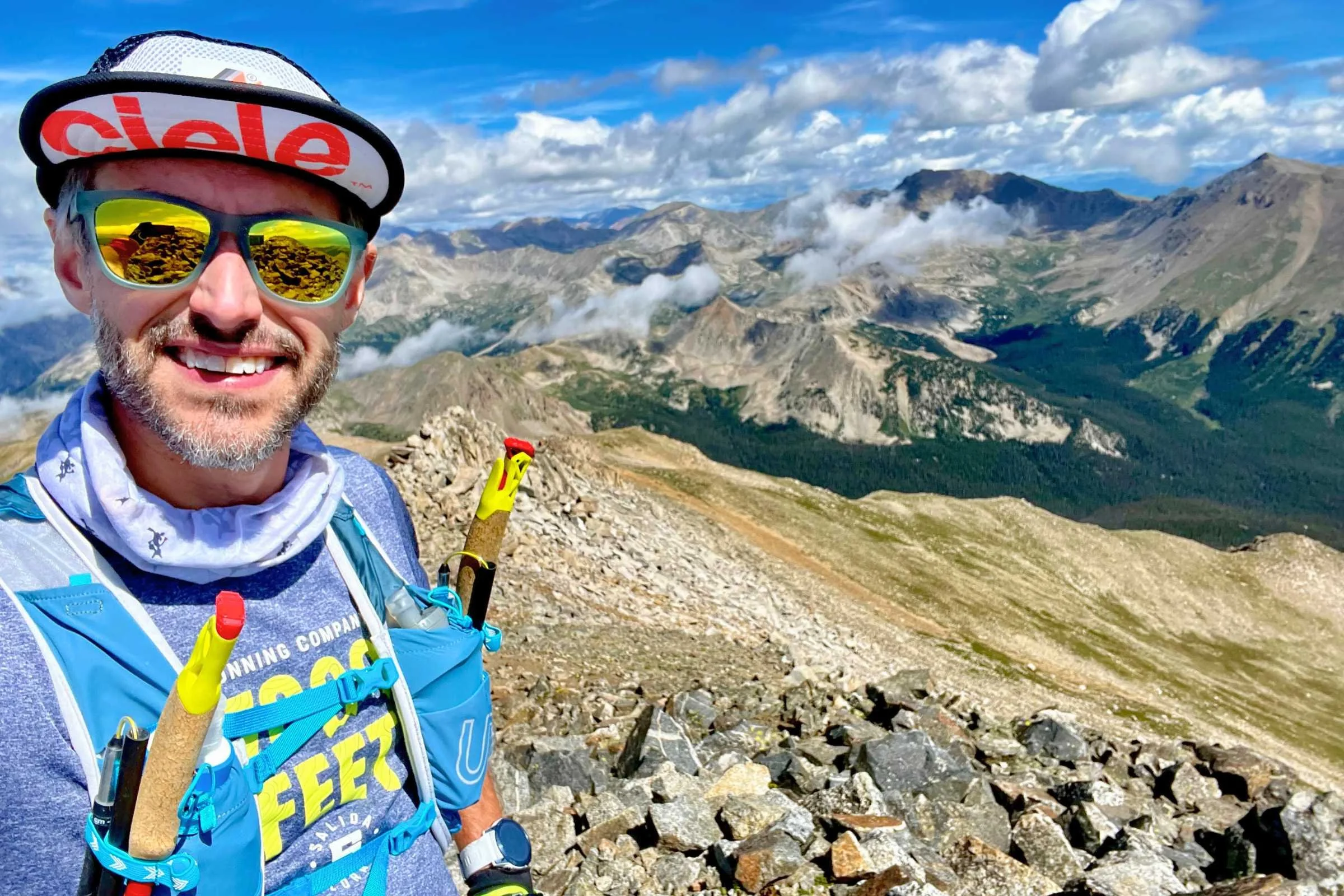
Best for Trail Running: Tifosi Veloce Fototec
If your runs take you through dense forests where light levels shift every few minutes, you need photochromic lenses. The Tifosi Veloce Fototec was our go-to for technical trail days. These lenses use "Fototec" technology to adjust their tint based on the amount of UV light hitting them. In the deep shade of a pine forest, they transition to nearly clear, allowing you to see every root and rock. As soon as you burst onto an alpine ridge, they darken to a deep smoke grey.
The Veloce also features vented lenses, which is a critical feature for slow-speed, high-effort climbs where fogging usually ruins your vision. One of our testers noted that during a humid morning run in the Arizona foothills, the Veloce was the only pair that didn't require a mid-run wipe-down.
- Weight: 29 grams
- Frame Material: Grilamid TR-90
- Lens: Fototec Photochromic
Pros:
- Excellent for variable light conditions (dawn/dusk or forest/sun).
- Vented design virtually eliminates fogging.
- Adjustable ear and nose pieces for a custom fit.
Cons:
- Aggressive "sport" styling isn't for everyone.
- Transition speed from dark to light takes about 20-30 seconds.
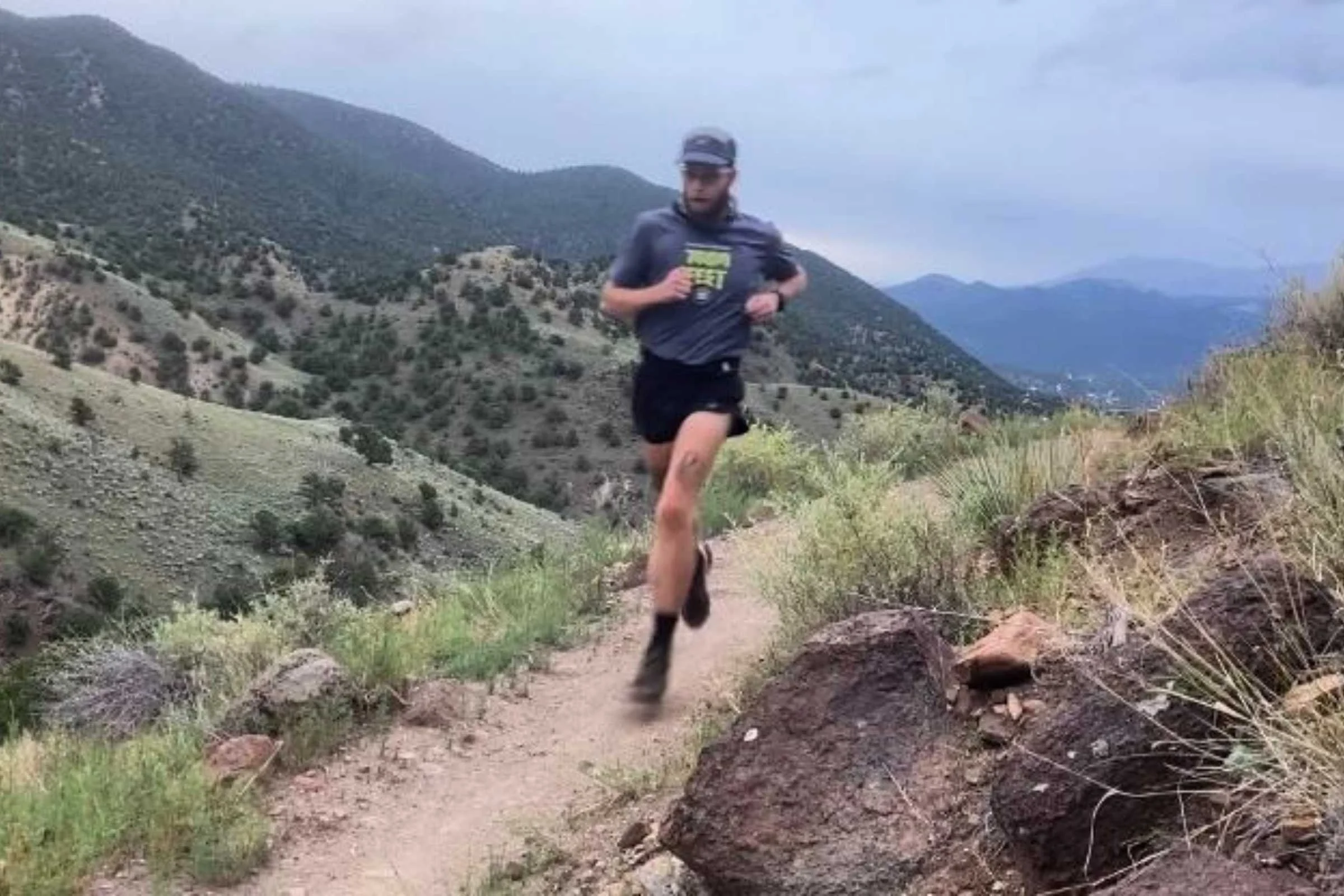
Best High-Performance Shield: Oakley Sutro / Sutro Lite Sweep
For those who want maximum coverage—or just want to look like a pro—the Oakley Sutro is the gold standard. While technically a multi-sport frame, it has been embraced by the running community for its massive field of view and wind protection. The Prizm Lens technology is no marketing gimmick; it genuinely enhances color and contrast, making it easier to spot subtle changes in road texture or trail hazards.
At 32 grams, it is the heaviest on our list, but the weight is distributed so well across the large O-Matter frame that it doesn't feel cumbersome. If you struggle with dry eyes from wind or hay fever during spring runs, the "shield" design provides a protective micro-climate for your eyes that standard frames can't match.
- Weight: 32 grams
- Frame Material: O-Matter
- Lens: Prizm (Plutonite)
Pros:
- Superior optical clarity and contrast enhancement.
- Massive field of vision with zero frame interference.
- Incredible durability and impact resistance.
Cons:
- Significant investment price.
- Can be too large for runners with smaller faces.
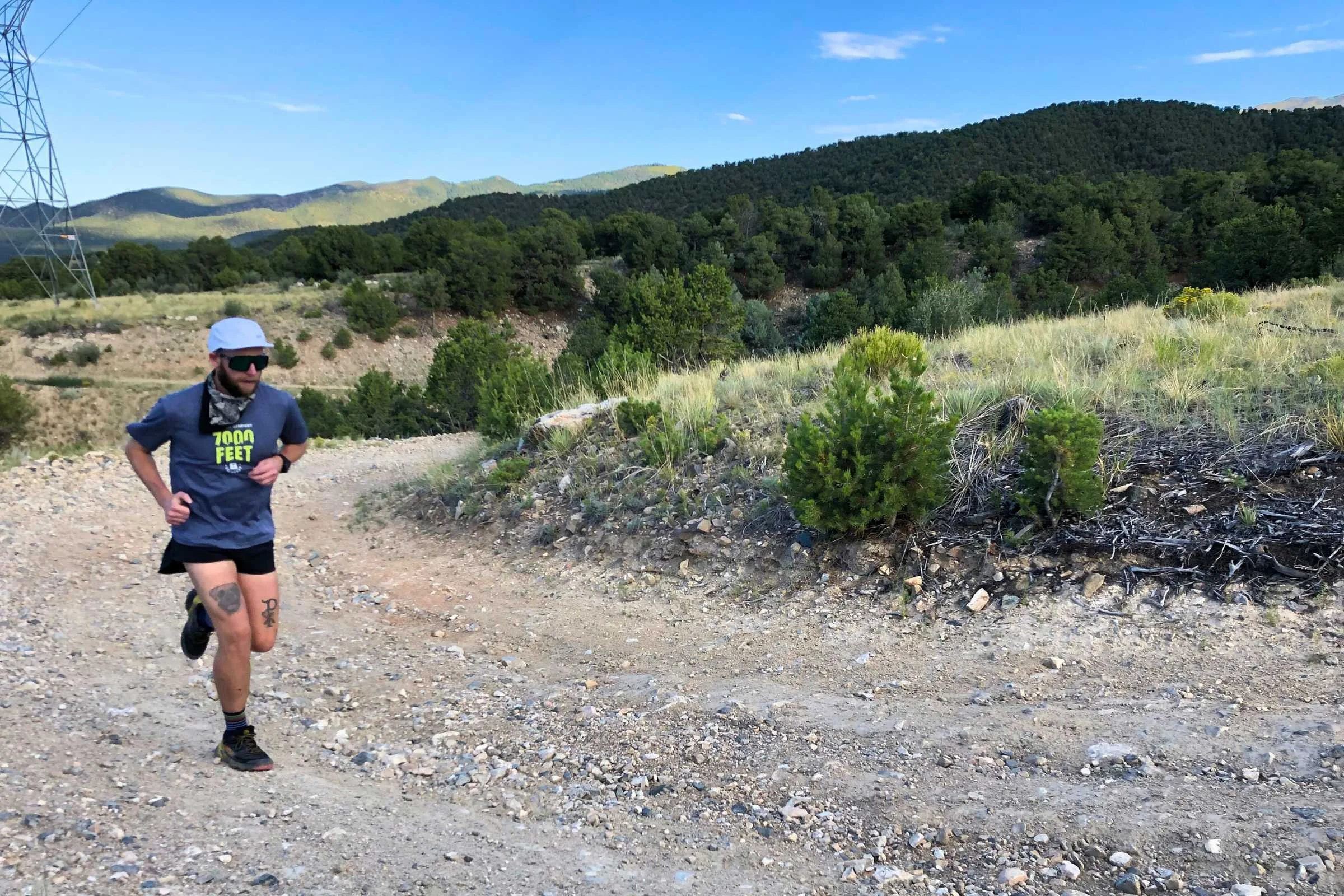
Best Lightweight / 'Barely There' Pick: Roka Oslo
When we talk about "barely-there comfort," the Roka Oslo is the benchmark. Weighing in at a feather-light 19 grams, these are the lightest glasses we tested. Roka uses an ultra-premium nylon lens that is lighter than traditional polycarbonate while offering better clarity.
But the real magic is the GEKO fit and retention system. Inspired by the sticky feet of a gecko, the pads on the nose and temples utilize a proprietary elastomer that provides multi-directional traction. Even when one of our testers was dripping with sweat during a tempo run in 95-degree heat, the Oslos didn't budge a millimeter. The Scandinavian-inspired design is also sophisticated enough to wear to a summer wedding, making these a versatile addition to any gear closet.
- Weight: 19 grams
- Frame Material: TR-90 Nylon
- Lens: Ultra-Light Nylon
Pros:
- The lightest high-performance frames on the market.
- GEKO pads offer the best grip in the industry.
- Fingerprint-resistant coatings actually work.
Cons:
- The price is high for a minimalist frame.
- Thin temples can feel delicate (though they proved durable).
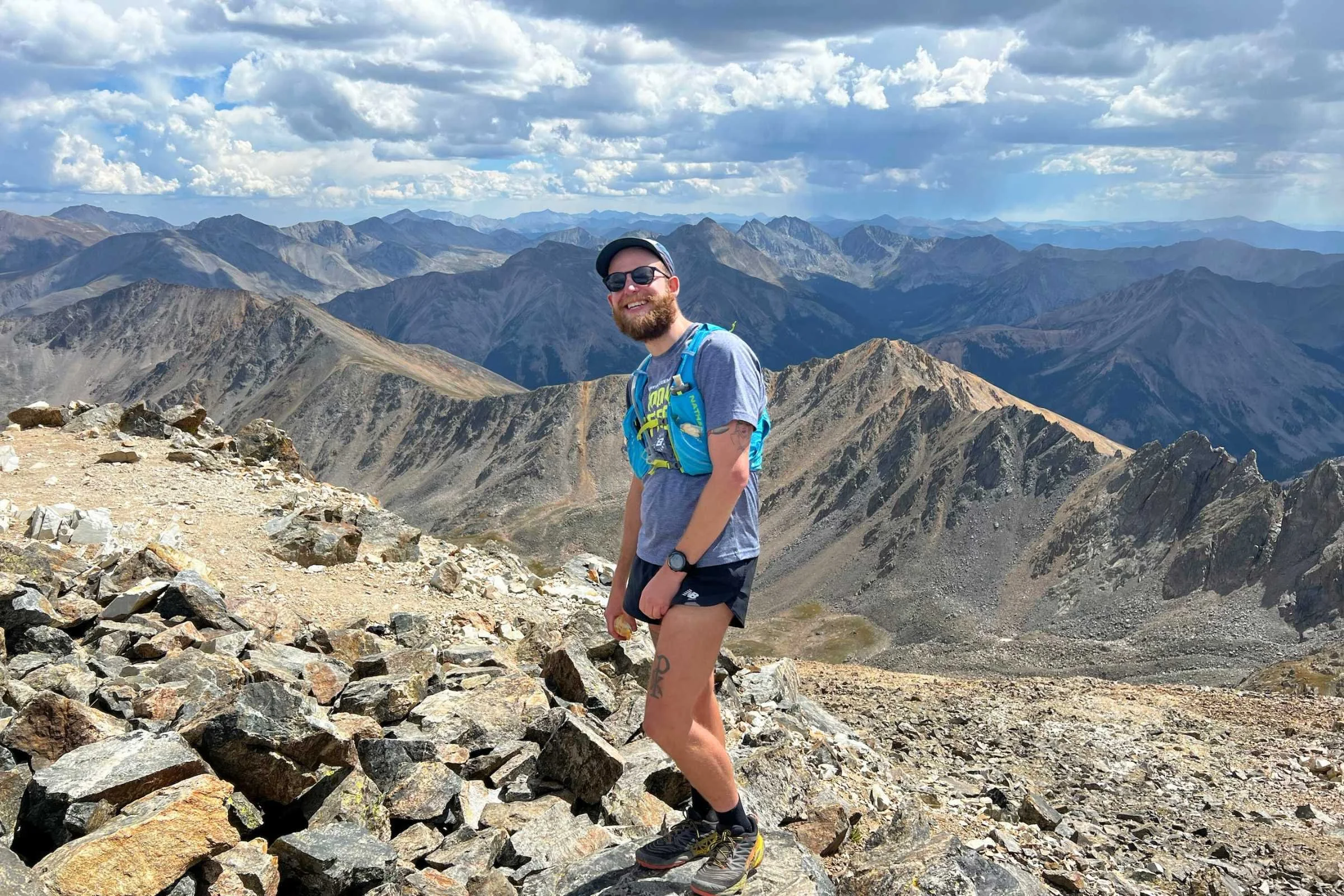
Buying Guide: What Actually Matters in Sport Optics
Choosing the right eyewear isn't just about style; it's about eye health and performance. After 500 miles of testing, here are the factors we found to be the most critical for runners.
Polarization vs. Depth Perception
Polarized lenses are fantastic for reducing glare from asphalt or water. However, there is a catch: on technical, rocky trails, polarization can sometimes flatten the appearance of the terrain, making it harder to judge the depth of a rock or the slope of a descent. If you primarily run roads, go polarized. If you are a mountain goat, you might actually prefer a non-polarized high-contrast lens like Oakley’s Prizm or Roka’s HC.
The "Bounce" Factor and Weight
A few grams might not seem like much, but when you are hitting the ground with three times your body weight for two hours straight, every gram matters. We found that the "sweet spot" for running eyewear is between 20g and 30g. Anything over 32g risks shifting during high-impact intervals, and anything under 18g can feel too flimsy in high winds.
Understanding VLT (Visible Light Transmission)
VLT refers to the amount of light that reaches your eye through the lens.
- 8-12% VLT: Ideal for bright, full-sun days (Arizona summers).
- 15-25% VLT: The "all-rounder" range for mixed sun and clouds.
- 30-50% VLT: Best for low light, deep woods, or overcast days.
FAQ
Q: Do I really need "running" sunglasses, or can I just use my beach shades? A: Standard lifestyle sunglasses often lack "hydrophilic" rubber pads. As soon as you sweat, the oils on your skin act as a lubricant, and casual glasses will slide down your nose. Running-specific models are designed to grip more as you get wetter.
Q: How do I stop my glasses from fogging up? A: Look for vented lenses (like the Tifosi Veloce) or frames that sit slightly further away from your face to allow for airflow. If you still have issues, an aftermarket anti-fog spray can help, but nothing beats natural ventilation.
Q: Should I get photochromic lenses for road running? A: Generally, no. Photochromic lenses are best for environments where light levels change rapidly (like trails). For road running, a consistent, dark tint (10-12% VLT) is usually better for managing the consistent glare of the pavement.
Final Thoughts
After 500 miles of high-altitude testing, one thing is clear: you don't have to spend $200 to get elite performance. The Tifosi Swank offers everything a runner needs for a fraction of the cost, while the Goodr OG remains the king of the budget world. However, if you are tackling technical peaks or want the absolute best in optical technology, investing in the Tifosi Veloce or Oakley Sutro is worth every penny for the clarity and protection they provide.
Now, grab your frames, hit the trail, and leave the squinting behind. We'll see you out there.
Marcus Rivera Adventure & Outdoors Editor