After ten years and more than 7,500 miles logged across the Pacific Crest Trail, the Appalachian Trail, and the Continental Divide Trail, I’ve learned one immutable truth: the best tent is the one you forget is in your pack. In the world of ultralight (UL) backpacking, we aren't just counting grams; we are negotiating a treaty between weight, livability, and storm-worthiness.
When you’re shivering in a ridgeline gale in the High Sierra or outrunning a thunderstorm in the Whites, you don't care about marketing fluff—you care about your shelter's "livability per ounce." After putting hundreds of shelters through the wringer, we’ve found that the Zpacks Duplex remains the best overall 2-person ultralight tent for 2025, weighing a mere 17.9 oz and utilizing Dyneema Composite Fabric (DCF) that has been field-tested on countless thru-hikes. For the solo trekker, the Tarptent Aeon Li offers the most robust storm protection at just 19.15 oz, while the Durston Gear X-Mid 1 is our top recommendation for thru-hiking due to its ingenious geometry and competitive price point.
Why Trust Our Ultralight Testing?
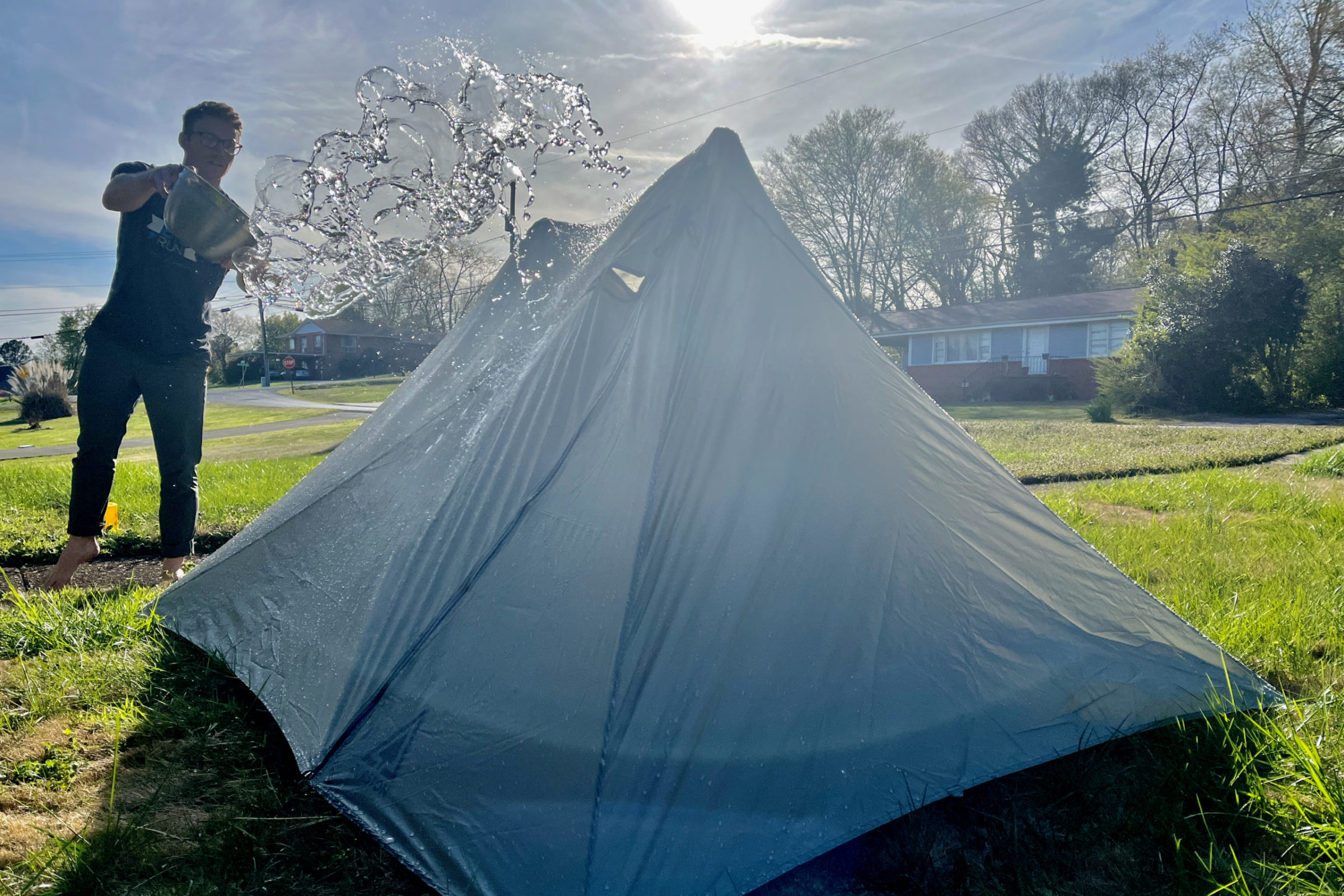
This isn't a "couch-review." Our expert testing spans over a decade of continuous field use. We have pitched these shelters in everything from the humid green tunnel of the AT to the high-alpine wind tunnels of the CDT. Our methodology is simple: we test for wind stability, waterproofness in freezing rain, and long-term durability over hundreds of nights.
We’ve watched Silnylon sag in the rain and seen DCF survive hailstorms that shredded cheaper gear. The lightest tent in our 2025 lineup, the Zpacks Pivot Solo, weighs only 13.5 oz—approximately 70% lighter than standard 4-season winter tents. When we say a tent is "storm-ready," it’s because we’ve actually survived a storm in it.
Quick Picks: The Best Ultralight Shelters at a Glance
| Tent Model | Weight | Material | Capacity | Best For |
|---|---|---|---|---|
| Zpacks Duplex | 17.9 oz | DCF | 2-Person | Best Overall / Long Distance |
| Tarptent Aeon Li | 19.15 oz | DCF | 1-Person | Solo Peak Bagging |
| Durston Gear X-Mid 1 | 28 oz | Silpoly | 1-Person | Best Value Thru-Hiking |
| Zpacks Pivot Solo | 13.5 oz | DCF | 1-Person | Tall Hikers / Minimalists |
| SMD Lunar Solo | 26 oz | Silpoly | 1-Person | Budget Ultralight |
| Nemo Hornet Elite | 27 oz | Osmo | 2-Person | Semi-Freestanding Comfort |
| Tarptent Scarp 1 | 44.1 oz | UltraTNT | 1-Person | Extreme Conditions/Winter |
Best Overall 2-Person Ultralight Tent: Zpacks Duplex
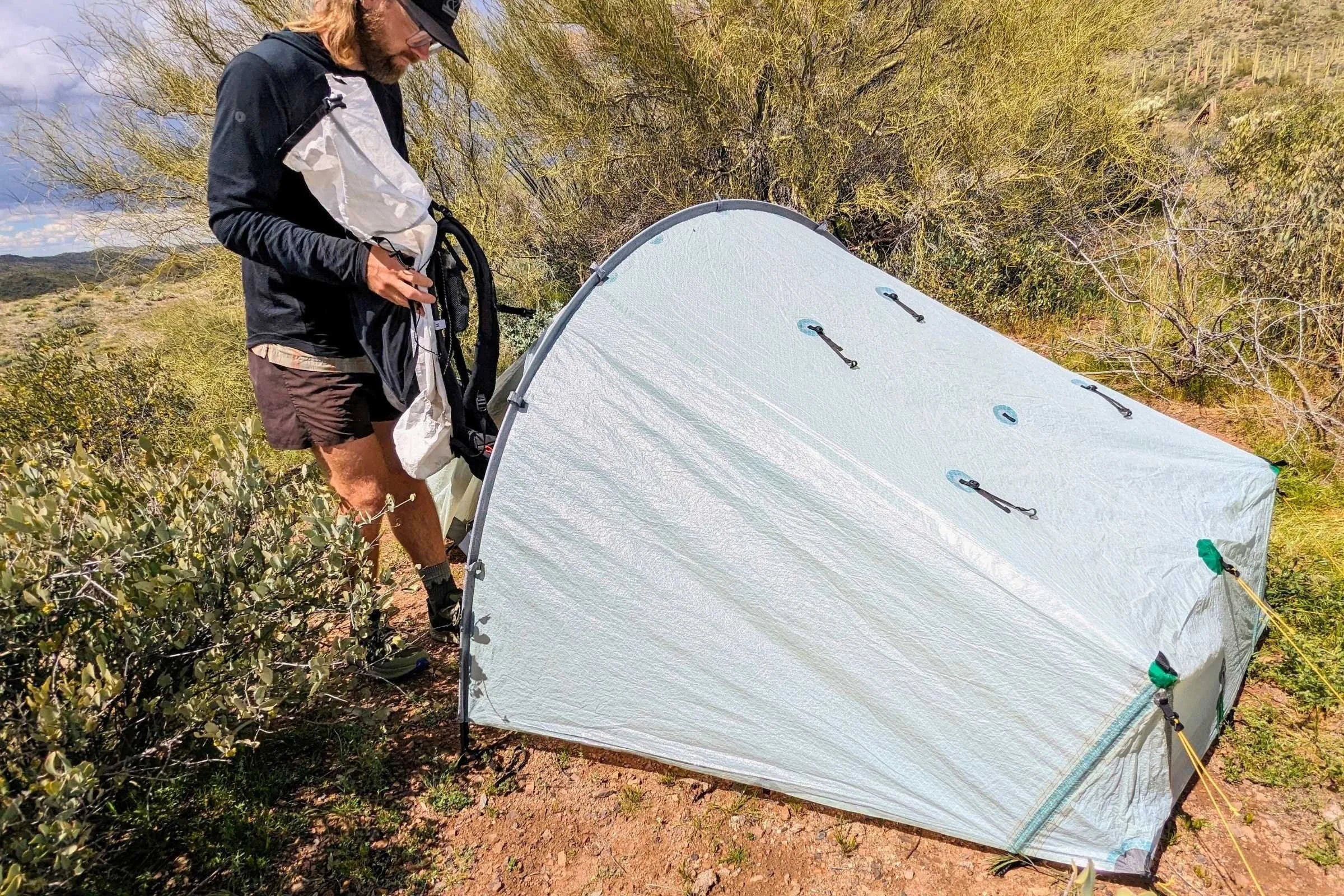
The Zpacks Duplex is the undisputed king of the thru-hiking world for a reason. Weighing 17.9 oz, it offers a spacious 28.1 square foot floor that provides luxury for one or a cozy (but manageable) fit for two. Made from 0.55 oz/sqyd Dyneema Composite Fabric (DCF), it is naturally waterproof and, unlike nylon, it does not stretch or sag when wet.
What I love most about the Duplex is its simplicity. It uses two trekking poles and a minimum of six stakes. The zipper-free storm doors use a simple hook-and-loop system that eliminates a common failure point—broken zippers in the middle of a wilderness expedition. While the price is steep and the packed size is a bit bulkier than Silpoly tents, the weight-to-protection ratio is currently unbeatable.
- Pros: Legendary weight-to-space ratio, zero-stretch fabric, incredibly fast pitch.
- Cons: High entry cost, requires a large footprint for pitching.
Best Solo Ultralight Tent: Tarptent Aeon Li
If you are a solo hiker who values a "storm fortress" over a palace, the Aeon Li is your match. At 19.15 oz, it’s a single-wall, single-pole DCF shelter that incorporates "PitchLock" carbon fiber struts in the corners. These struts create vertical walls at the head and feet, making the interior feel much larger than its footprint suggests.
I’ve taken the Aeon Li into high-alpine zones where the wind was gusting at 40mph+, and it barely flinched. The integrated struts provide a level of structural rigidity that most trekking-pole tents lack. The only downside? Those same struts make the tent slightly longer when rolled up, which can be awkward for small packs.
- Pros: Exceptional wind stability, small footprint for tight campsites, great ventilation.
- Cons: Fixed struts can be finicky to pack, expensive.
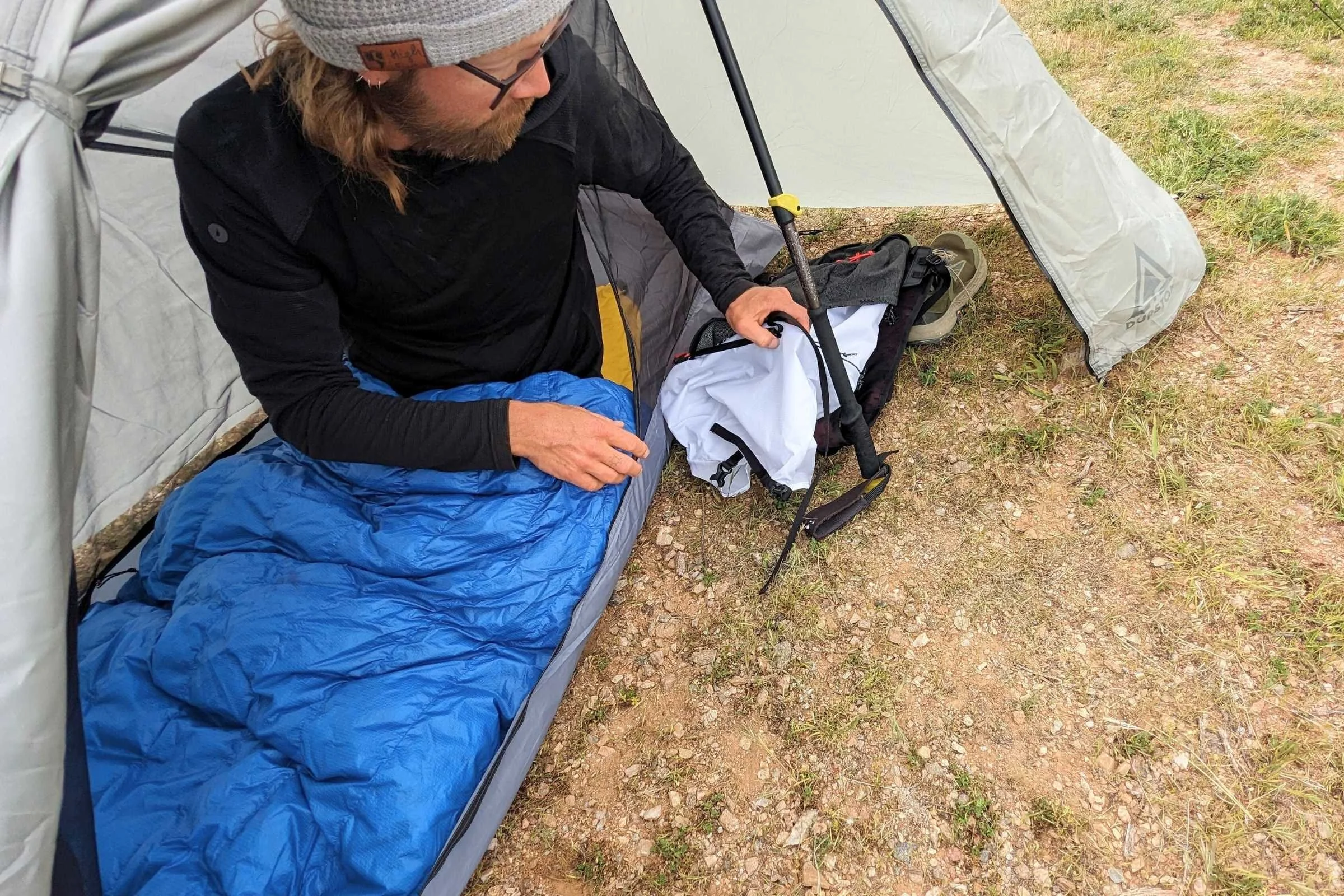
Best Tent for Thru-Hiking: Durston Gear X-Mid 1
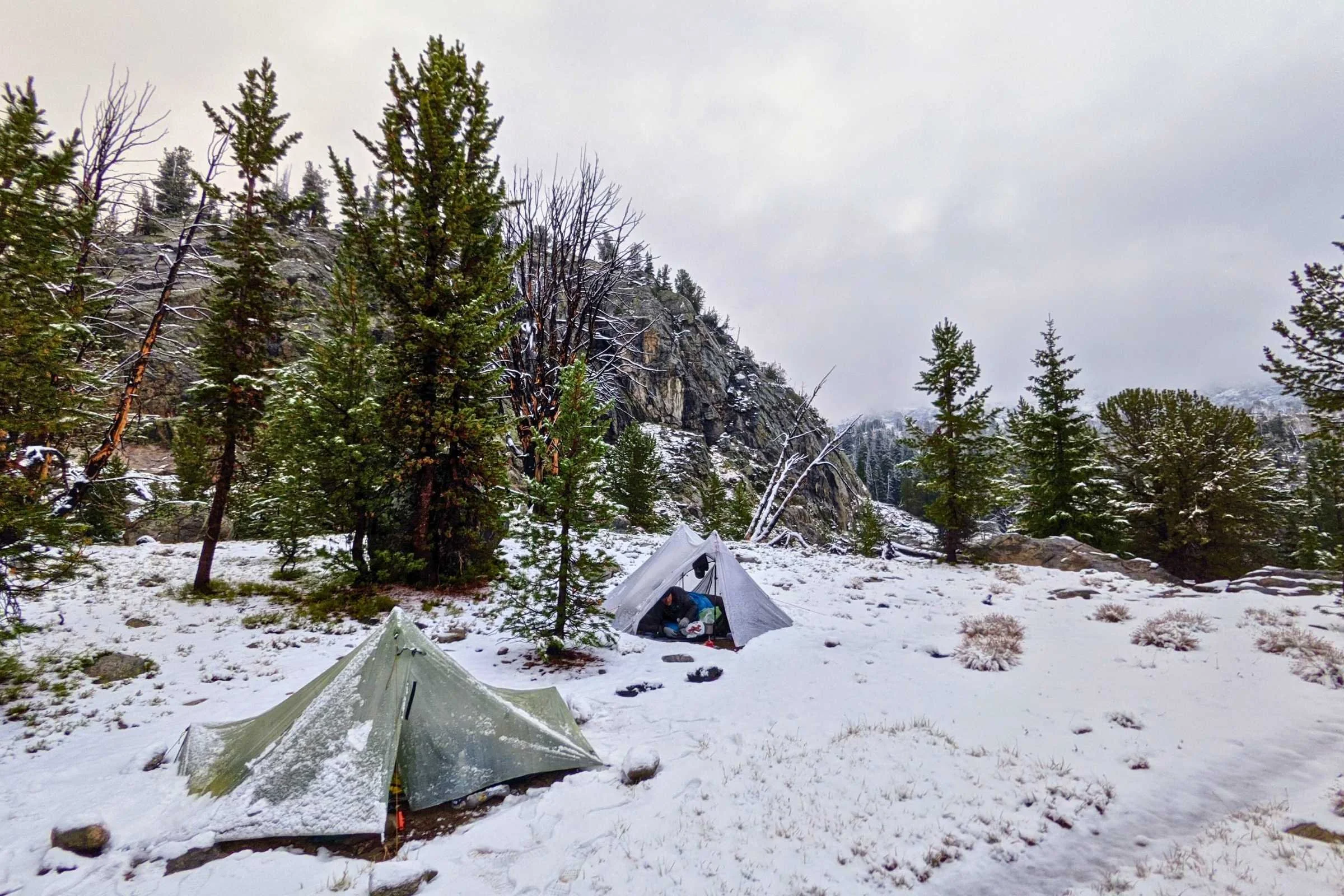
The Durston X-Mid 1 has revolutionized the ultralight market. Designed by Dan Durston (a Triple Crowner himself), the tent uses an offset geometry where the poles do not block the doorways. This creates a massive interior space and two huge vestibules for your wet gear.
At 28 oz, it’s heavier than the DCF options, but it uses Silpoly—a polyester fabric that doesn’t sag when wet. The X-Mid’s biggest selling point is the pitch: it is a simple rectangle. No measuring angles or guessing stake placements; just four stakes in the ground and you’re done. For a thru-hiker who is tired after a 30-mile day, this simplicity is a godsend.
- Pros: Superior livability, no-sag fabric, incredible price-to-performance ratio.
- Cons: Requires two trekking poles, larger footprint than some solo tents.
Best for Tall Hikers: Zpacks Pivot Solo
Tall hikers usually suffer in the ultralight world, often waking up with a wet sleeping bag footbox from touching the tent walls. The Zpacks Pivot Solo solves this with a massive 94-inch base length. Weighing in at only 13.5 oz, it is the lightest tent in our 2025 lineup.
It uses a single-pole setup and offers a surprising amount of headroom. I’ve found this to be the ultimate "fast and light" tool for summer missions where every gram counts. It's essentially a high-tech bivy with enough room to actually sit up and change your socks.
- Pros: Industry-leading weight, accommodates hikers over 6'4", simple setup.
- Cons: Single-wall condensation management requires skill.
Best Affordable Ultralight Tent: Six Moon Designs Lunar Solo
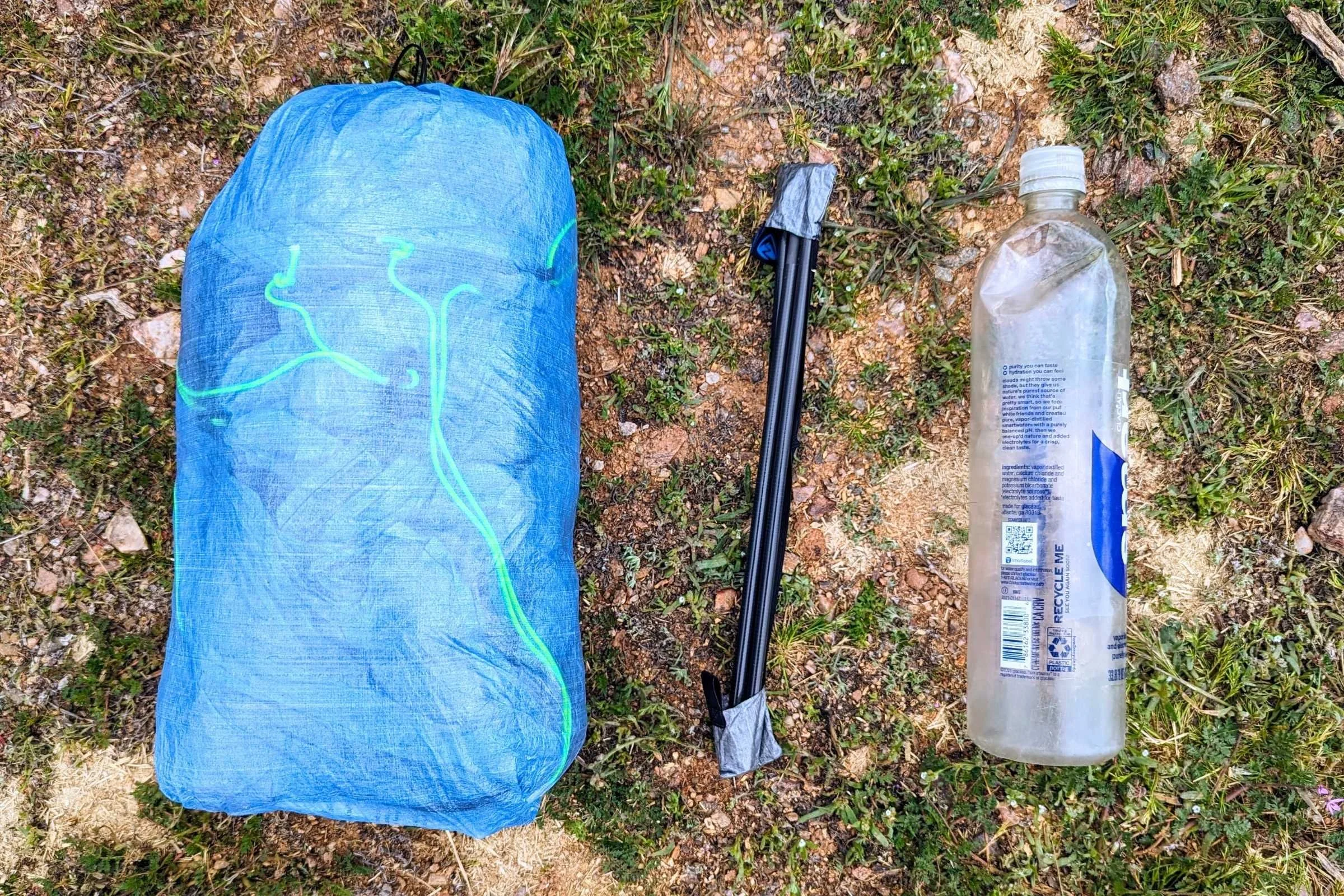
The Lunar Solo has been a staple in the UL community for years, and for $260, it remains the best value on the market. It offers a huge interior (26 sq ft) and a single-pole pitch that can be mastered in under two minutes.
While it’s made of Silpoly and weighs 26 oz, it packs down smaller than almost any DCF tent. I often recommend this to hikers who are transitioning from traditional gear to ultralight but don't want to drop $700 on a tent. It's durable, reliable, and has enough room for you and your dog.
- Pros: Best price-to-weight ratio, very packable, spacious interior.
- Cons: Requires seam sealing (or paying extra for it), slightly more condensation-prone than double-wall designs.
Best Semi-Freestanding Option: Nemo Hornet Elite Osmo 2
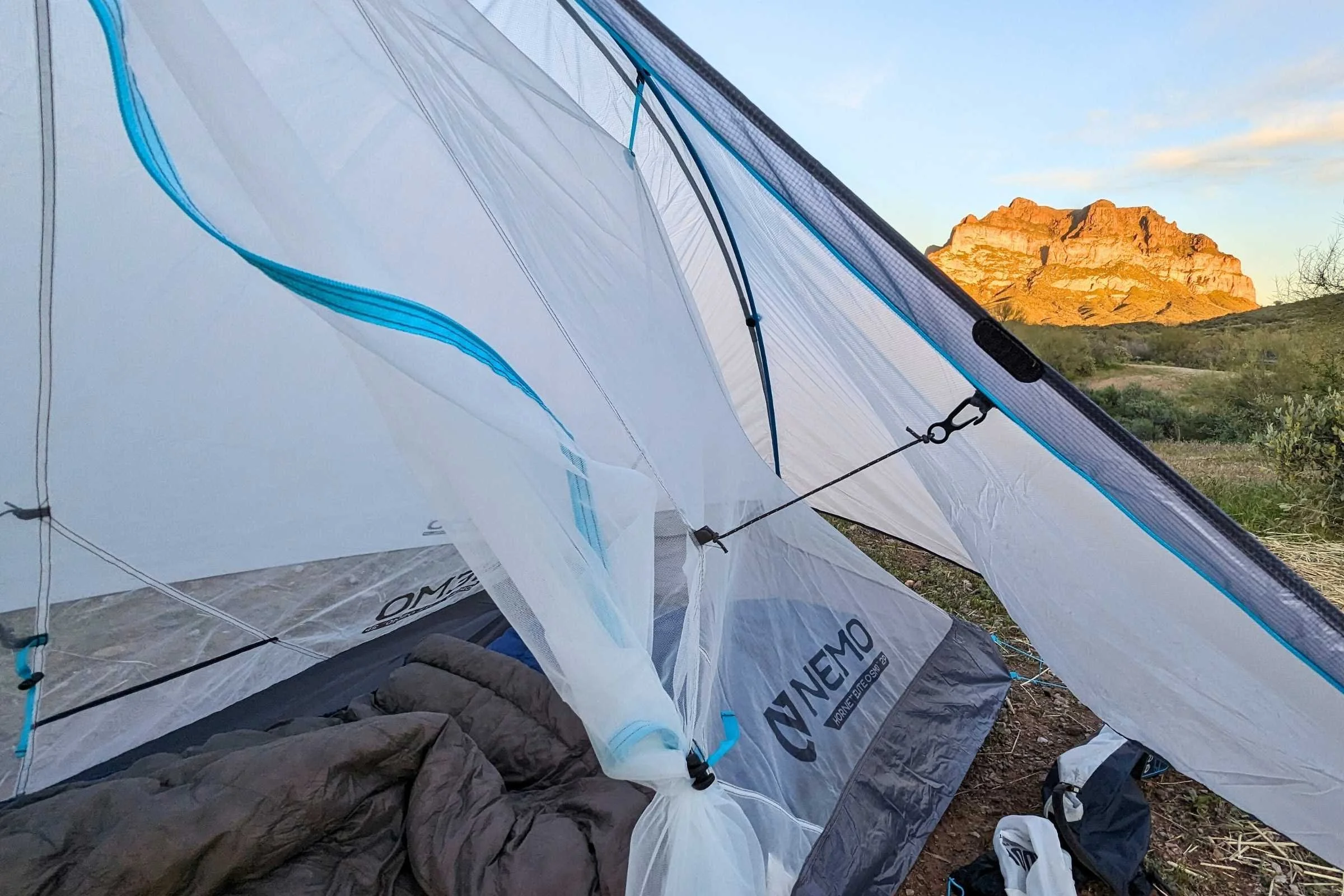
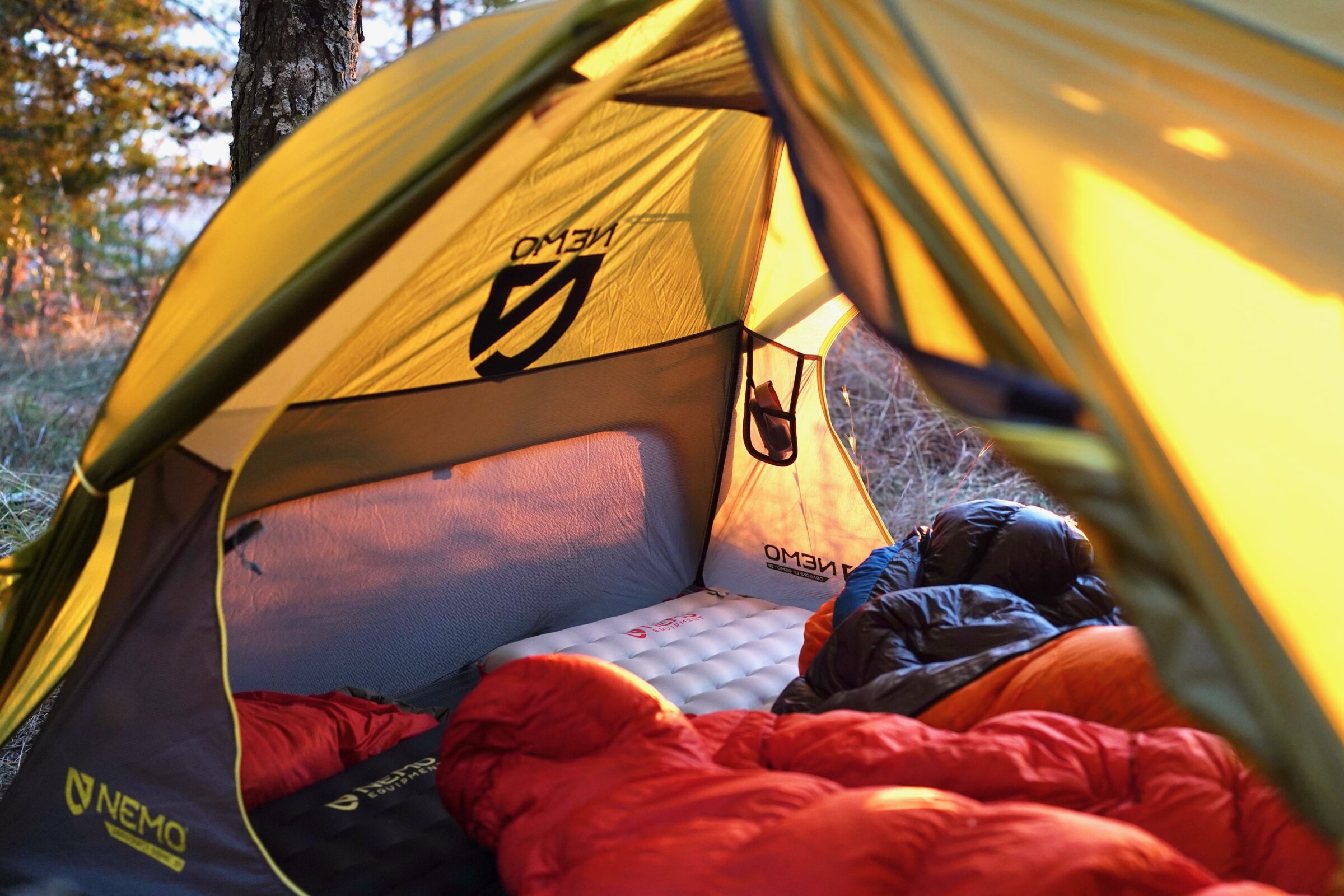
Not everyone wants to use trekking poles to hold up their house. The Nemo Hornet Elite Osmo 2 is a semi-freestanding tent that uses a dedicated DAC pole system. At 27 oz for a 2-person tent, it competes directly with trekking-pole shelters but offers the protection of a double-wall design.
The new OSMO fabric is 100% recycled and significantly reduces sag when wet while boasting better water repellency. This is the tent I recommend for bikepackers or hikers who prefer the ease of a traditional pole structure.
- Pros: Double-wall protection (less condensation), freestanding convenience, high-quality materials.
- Cons: Delicate fabrics require a footprint, more expensive than some UL options.
Best for Extreme Conditions & Winter: Tarptent Scarp 1 Ultra
When the forecast calls for snow or gale-force winds, I reach for the Tarptent Scarp 1 Ultra. This tent is a beast. Using the new UltraTNT material, it’s a double-wall shelter that can be reinforced with optional crossing poles for heavy snow loads.
At 44.1 oz, it’s the heaviest on our list, but it’s still significantly lighter than traditional 4-season tents. If your "off-the-beaten-path" adventure involves late-season Sierra crossings or winter in the Adirondacks, this is your shield.
- Pros: Handles heavy snow and high winds, versatile for 4-season use.
- Cons: Heavy for a summer UL setup, complex pitch compared to a Duplex.
Ultralight Tent Buying Guide: How to Choose
Choosing an ultralight tent is an exercise in compromise. To find the right balance for your 2025 season, consider these three technical pillars.
DCF vs. Silpoly: The Material War
Dyneema Composite Fabric (DCF) is the holy grail of UL gear. It is incredibly strong, waterproof, and doesn't sag. However, it is expensive and bulky when packed. Silpoly (Silicone-coated Polyester) is the modern alternative to Silnylon. It is much more affordable and packs down small, and unlike nylon, it won't sag and stretch when it gets wet. If you have the budget, go DCF for the weight savings; if you want packability and value, choose Silpoly.
Single-Wall vs. Double-Wall: Managing the "Rain Inside"
Single-wall tents (like the Zpacks Duplex) save weight by combining the mesh and the fly into one layer. The trade-off is condensation. In humid environments, your breath will condense on the inside of the fabric. Double-wall tents (like the Nemo Hornet) have a separate mesh body that keeps you away from that moisture.
Expert Tip: If you choose a single-wall tent, always pitch it in a spot with a slight breeze and avoid low-lying "cold sinks" near water, which are magnets for condensation.
Trekking Pole vs. Dedicated Pole
Most of the tents on this list rely on trekking poles for support. This is the most efficient way to save weight because you’re already carrying the poles. However, if you are a bikepacker or don't use poles, you’ll need to factor in the weight of "substitution poles" or look at semi-freestanding models like the Nemo Hornet.
FAQ
Q: Are ultralight tents durable enough for a full 2,000-mile thru-hike? A: Absolutely. Most of the tents on this list, especially the Zpacks Duplex and Durston X-Mid, are designed specifically to survive a full season of daily use. However, because the fabrics are thinner (lower denier), you must be more selective about your campsite—avoid sharp rocks and thorns that could puncture the floor.
Q: Do I need a footprint for my ultralight tent? A: With DCF tents, a footprint is usually unnecessary because the material is quite puncture-resistant. For ultra-thin Silnylon or Silpoly tents (like the Nemo Hornet Elite), a lightweight Polycryo or Tyvek footprint is a smart investment to extend the life of your gear.
Q: Is DCF worth the extra $300-$400? A: If you are doing a long-distance hike where you will be setting up and taking down your tent 100+ times, yes. The weight savings and the fact that you never have to "re-tension" your tent in the rain are worth the investment for serious enthusiasts.
Conclusion & Recommendations
After a decade in the dirt, I’ve found that your tent isn't just a piece of gear—it’s your recovery room. If you want the gold standard of performance and don't mind the price, the Zpacks Duplex is still the tent to beat. If you want the most "bang for your buck" and a design that makes sense for the modern hiker, go with the Durston X-Mid 1.
Whatever you choose, remember that the best gear is the gear that gets you out there. Don't spend so much time analyzing specs that you miss the season. Pick a shelter, pack your bag, and I'll see you on the trail.