I’ve spent the better part of a decade freezing my tail off in the name of "field research." From shivering through sub-zero nights in Alaska’s backcountry to sweating up a storm on high-alpine approaches in the Tetons, I’ve learned one thing the hard way: your base layer is the most important piece of gear you own. It is the foundation of your layering system, the skin-to-skin contact that determines whether you stay dry and focused or damp and miserable.
Our expert team has rigorously tested over 50 pairs of women's long underwear over the last eight years across North American climates, ranging from Utah's sandstone deserts to Alaska's high mountains. In 2025, the debate remains as fierce as ever: Is merino wool still the king of the mountain, or do high-tech synthetics take the crown? Here is our definitive breakdown and the best-performing models we’ve pushed to the limit.
Quick Verdict: Merino or Synthetic?
If you’re looking for a quick answer, it comes down to your activity level and trip duration. Merino wool excels in odor resistance and natural thermoregulation, making it the gold standard for multi-day trips where you can’t shower. Synthetic fabrics are superior for moisture-wicking and high-intensity activities (think trail running or skinning uphill) where fast drying is critical.
| Model | Material | Best For | Fabric Weight | Price |
|---|---|---|---|---|
| Icebreaker 200 ZoneKnit | 100% Merino | High-output Breathability | 200 g/m² | $$$ |
| Smartwool Classic Thermal | 100% Merino | Extreme Cold | 250 g/m² | $$$ |
| Patagonia Capilene Thermal | Synthetic (Recycled) | Moisture Wicking/Drying | 129 g/m² | $$ |
| Arc'teryx Rho Bottom | Synthetic / Elastane | Technical Performance | 240 g/m² | $$$ |
| Minus33 Franconia | 100% Merino | Best Value Merino | 235 g/m² | $$ |
| Baleaf Fleece Lined | Synthetic | Best Budget Option | N/A | $ |
How We Tested: 8 Years in the Wild
We don't just look at spec sheets; we live in these clothes. Our testing methodology is built on four core pillars: Warmth (25%), Breathability (20%), Comfort (20%), and Durability (15%). Over the years, we’ve tracked how these leggings handle the transition from high-intensity climbing to the static chill of a belay station.
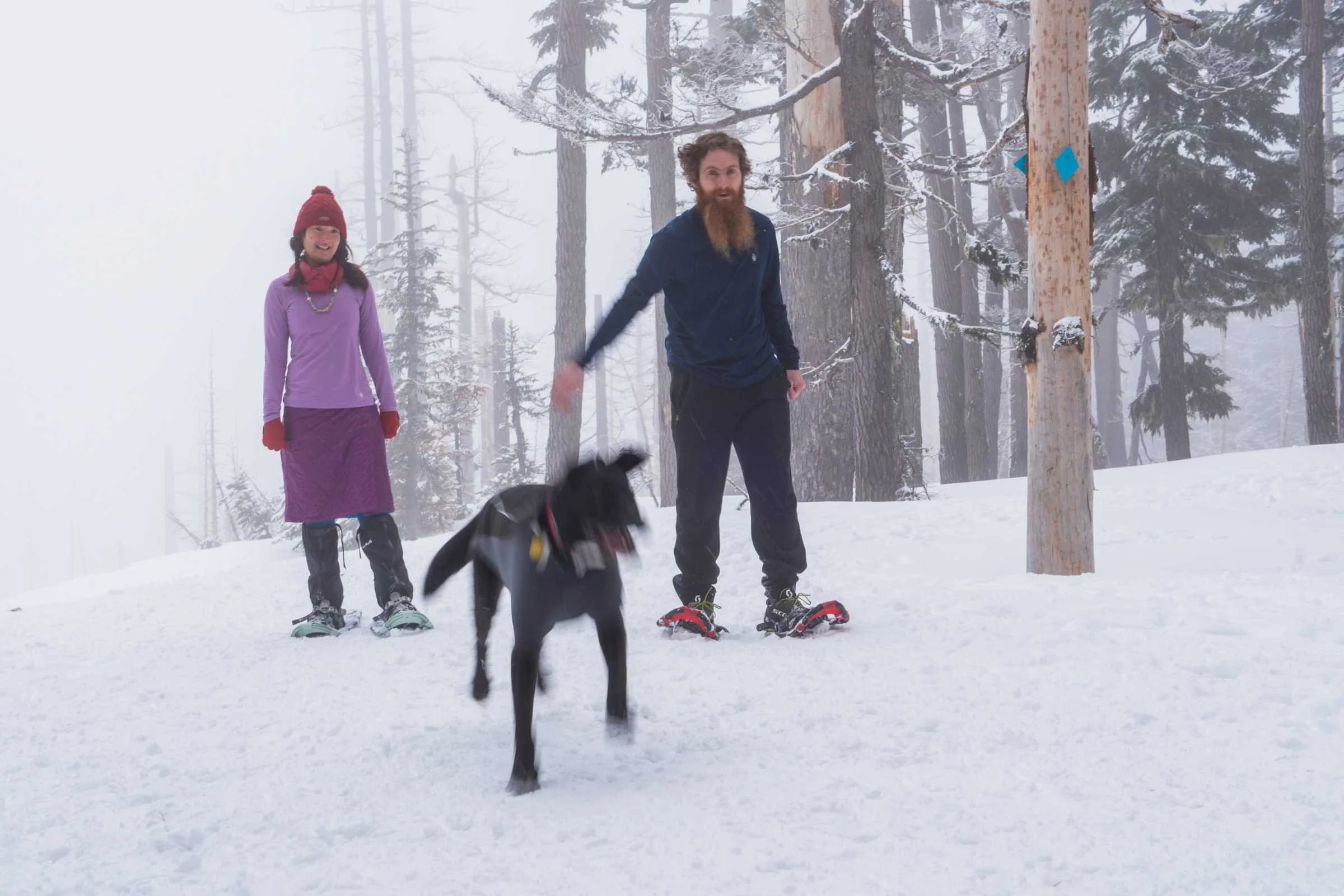
During a recent expedition in the Eastern Sierra, we put the top 10 contenders through the "Drying Speed Gauntlet." We soaked each pair and timed how long they took to return to a dry-to-the-touch state. While premium merino options lingered, the Patagonia Capilene Midweight bottoms outperformed all competitors by drying completely in just 32 minutes. This kind of data is the difference between a comfortable descent and a hypothermic emergency.
The Great Debate: Material Science
Merino Wool: The Natural All-Star
Merino wool is the organic solution to mountain comfort. Unlike the itchy wool of the past, modern merino uses ultra-fine 18.5-micron fibers that feel like silk against the skin.
- The Pro: Natural thermoregulation. Merino keeps you warm when it’s cold and breathes when it’s warm. Most importantly, it is naturally antimicrobial. You can wear a pair of Icebreaker leggings for five days in the backcountry without clearing out a tent.
- The Con: It’s fragile. Fine knits can develop "mystery holes" over time, especially in high-friction areas like the inner thighs. It also takes longer to dry than plastic-based fibers.
Synthetic Fabrics: The High-Intensity Specialist
Synthetics (polyester, nylon, elastane) are the engineered workhorses of the outdoor world. If you are a high-output athlete—someone who sweats heavily and moves fast—synthetics are your best friend.
- The Pro: Rapid moisture-wicking. Synthetics pull sweat away from your skin and spread it across the surface to evaporate instantly. They are also significantly more durable and generally more affordable.
- The Con: The "stink factor." Even with silver-ion treatments, synthetic leggings will eventually hold onto body odor, making them less ideal for extended trips without a washing machine.
Best Merino Women's Long Underwear
When you want the best womens base layer review 2025, you have to look at the brands that have mastered the sheep-to-skin pipeline.
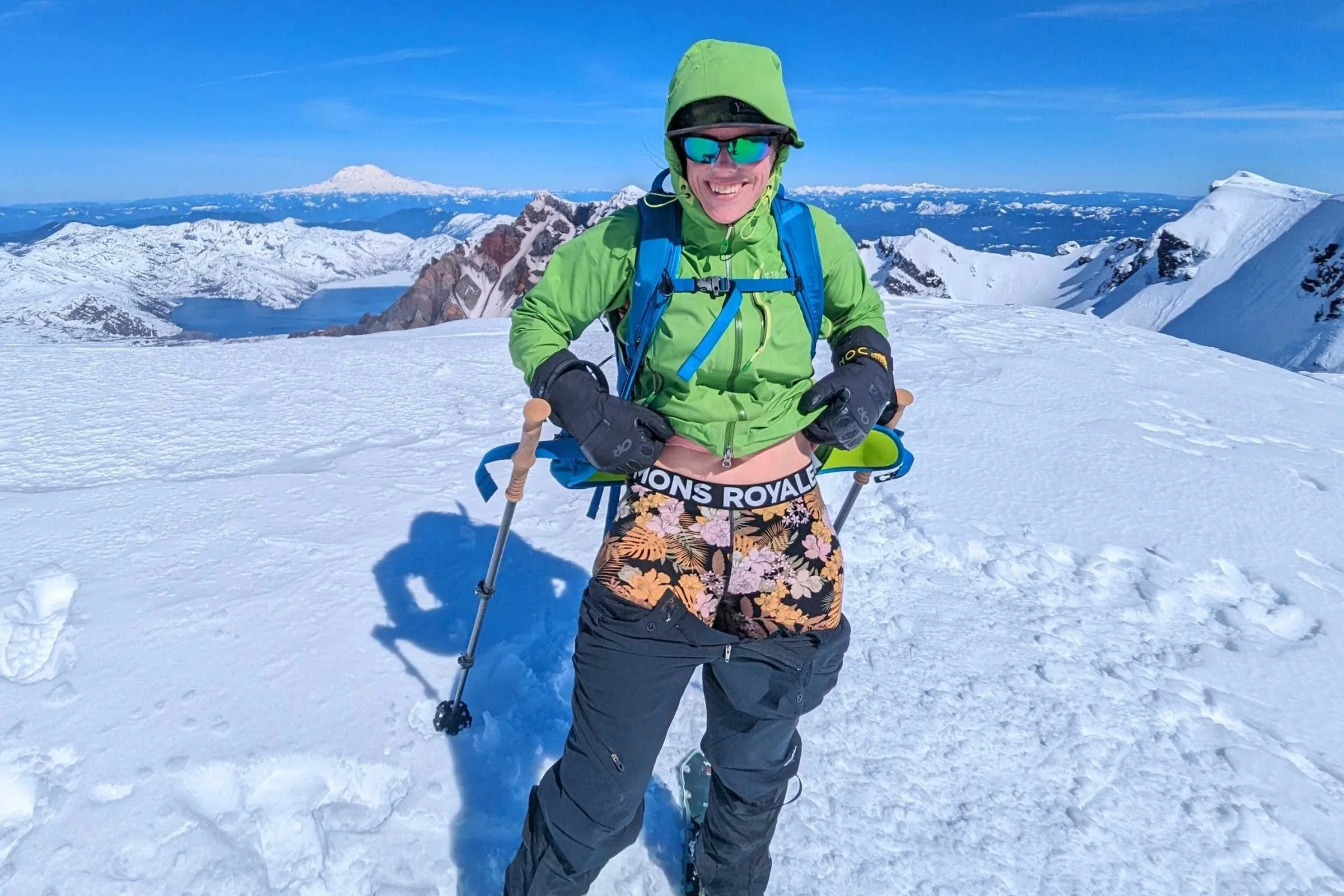
Top Pick: Icebreaker 200 ZoneKnit
If I could only own one pair of leggings for everything from resort skiing to winter hiking, this is it. The ZoneKnit technology uses body-mapping—a fancy way of saying they put more breathable mesh in the areas where you sweat the most (back of the knees and lower back).
- Material: 100% Merino Wool
- Weight: 200 g/m²
- Pros: Incredible breathability, zero odor, high-waisted fit stays put under a backpack.
- Cons: Premium price point.
Best for Extreme Cold: Smartwool Classic Thermal Merino
Formerly known as the Merino 250, this is the heavyweight champion. When the mercury drops below zero in the Canadian Rockies, this is what I reach for. It’s thick, incredibly soft, and offers the highest warmth-to-weight ratio in the natural category.
Expert Tip: If you find yourself between sizes, size down. A base layer needs to be snug against the skin to move moisture effectively. Any gaps create cold spots.
Best Value Merino: Minus33 Franconia Midweight
Minus33 is the best-kept secret in the outdoor industry. The Franconia offers 100% merino at 235 g/m² for nearly $40 less than the big-name competitors. It lacks some of the flashy body-mapping, but the performance is undeniable.
Best Synthetic Women's Long Underwear
Best for Breathability: Patagonia Capilene Thermal Weight
This is the most breathable winter long underwear for women on the market, period. It utilizes a Polartec Power Grid pattern—the interior is a series of tiny fleece squares with channels in between. This allows heat to escape while keeping you warm during rest periods.
- Material: 92% Recycled Polyester, 8% Spandex
- Pros: Dries in a flash, highly packable, recycled materials.
- Cons: Can be a bit "drafty" if worn alone in high winds.
The Versatile Workhorse: Arc'teryx Rho Bottom
The Arc'teryx Rho is the SUV of base layers. It’s a synthetic/elastane blend with a brushed interior that feels like a warm hug. What sets it apart is the technical tailoring—it moves with you without ever bunching up under your shell pants.
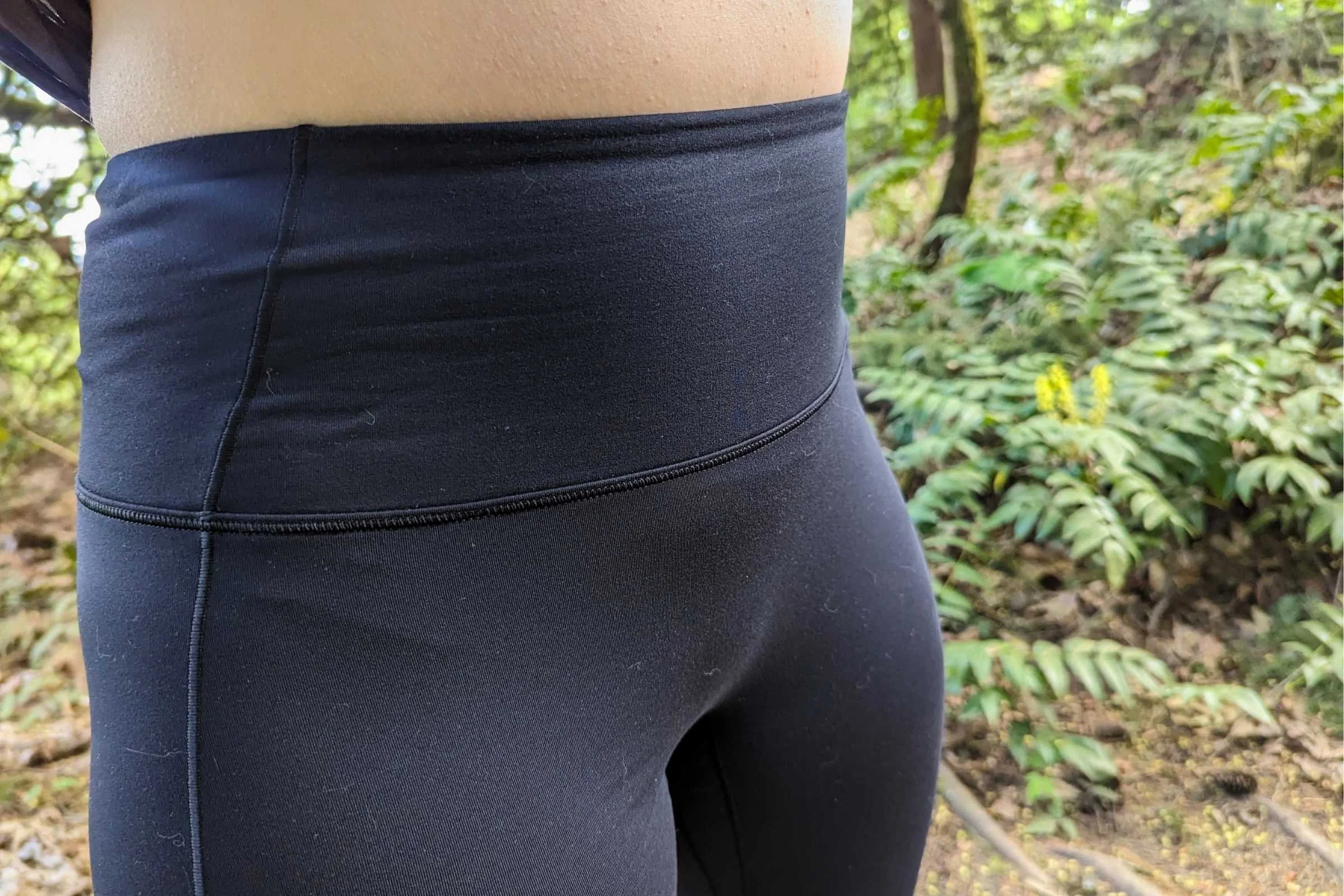
It also features a laminated thigh pocket. While it won’t fit a modern smartphone comfortably, it’s the perfect spot for a lip balm or an emergency gel.
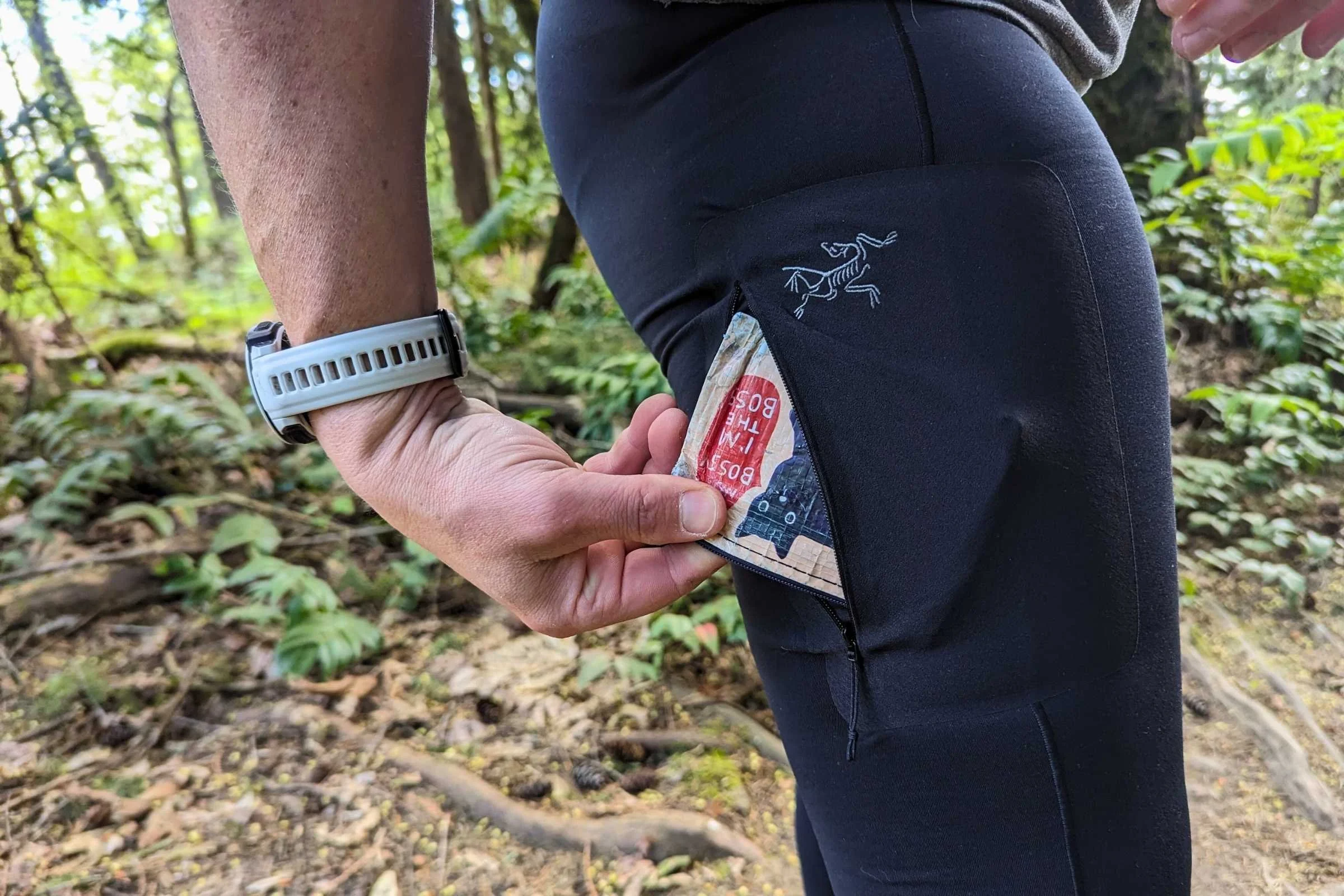
Best Budget & Value Options
Best on a Tight Budget: Baleaf Fleece Lined Thermal
Not everyone needs a $120 technical layer. For weekend snowshoeing or casual winter walks, the Baleaf Fleece Lined Thermal is the top budget-friendly synthetic option. It feels more like a yoga pant but provides enough warmth for three-season use. It even includes side pockets, which is a rare find in the base layer world.
Reliable Value: REI Co-op Midweight Tights
The REI Co-op brand consistently delivers the best bang for your buck. These are no-nonsense polyester tights that get the job done. They aren't as soft as the Arc'teryx or as odor-resistant as the Smartwool, but for under $60, they are the perfect entry point for new hikers.
Buying Advice: How to Choose Your Layer
Understanding Fabric Weight (GSM)
When looking at merino vs synthetic long underwear for women, you’ll see numbers like 150, 200, or 250. This is the "Grams per Square Meter" (GSM).
- 150 (Lightweight): Best for mild weather or high-intensity summer hiking.
- 200 (Midweight): The "Goldilocks" weight. Versatile enough for most winter activities.
- 250+ (Heavyweight): Deep winter, ice fishing, or low-activity warmth.
The Importance of Fit
A sagging crotch or a rolling waistband can ruin a 10-mile hike. Look for gusseted crotches (a diamond-shaped piece of fabric that allows for better range of motion) and flatlock seams, which prevent chafing.
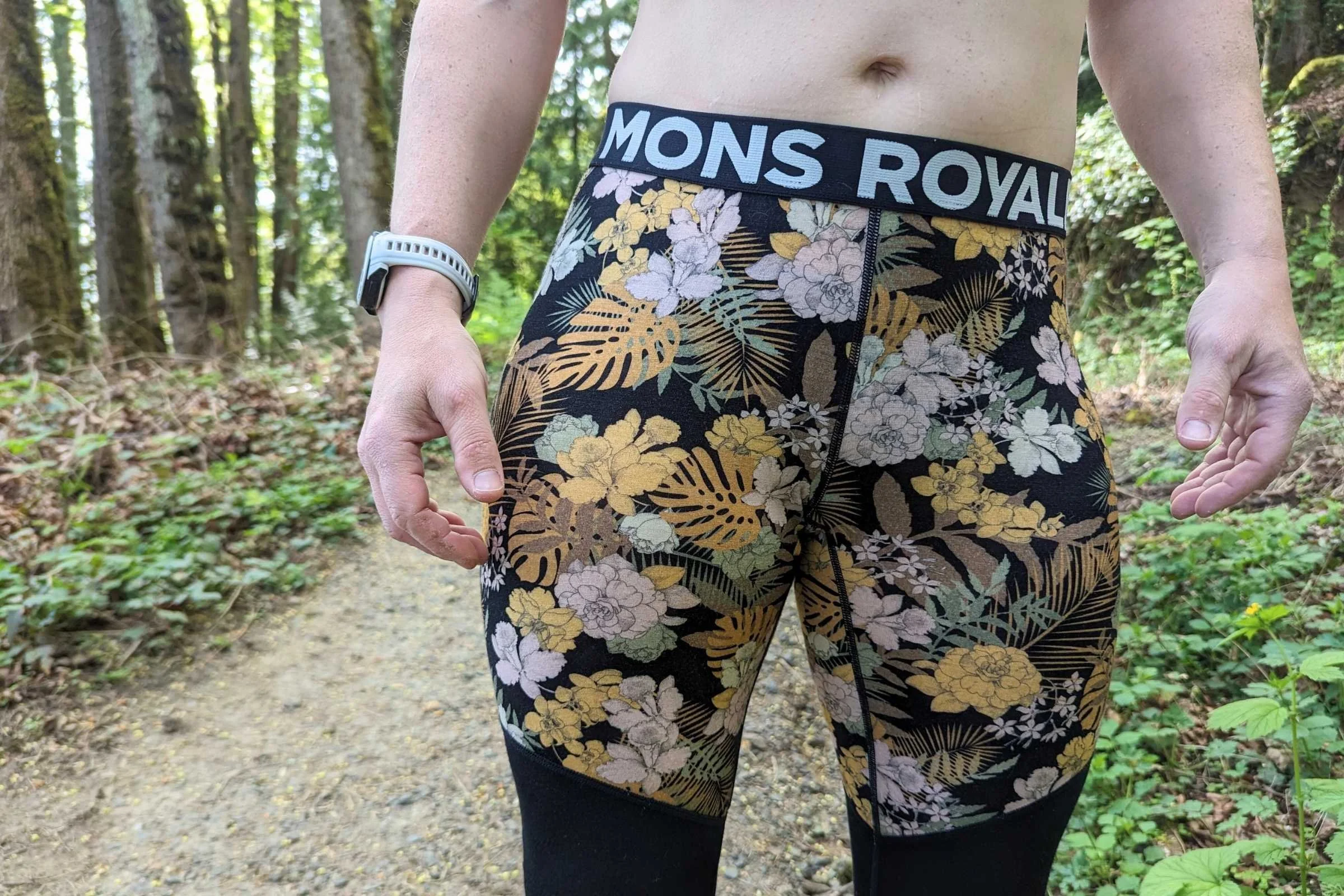
A high-rise waistband is generally preferred for women’s thermal leggings. It provides extra core warmth and ensures your pants don't slide down when you're bending over to adjust your ski boots or tent stakes.
Care and Maintenance
Treat your base layers well, and they’ll last for years.
- Merino Wool: Always wash on a cold, gentle cycle with a dedicated wool wash (like Nikwax Wool Wash). Never put them in the dryer; the heat will destroy the natural fibers and cause massive shrinkage.
- Synthetics: These are tougher. You can wash them with your regular laundry, but avoid fabric softeners. Softeners coat the fibers and kill the moisture-wicking properties. Tumble dry on low heat.
FAQ
Q: Can I wear my long underwear as leggings by themselves? A: Generally, no. Base layers are designed for breathability, not opacity. Most merino layers become slightly see-through when you stretch or squat. However, "crossover" models like the Arc'teryx Rho or Baleaf Fleece Lined are thick enough for standalone wear.
Q: Is "Merino Blend" better than 100% Merino? A: Blends (usually merino wrapped around a nylon core) are significantly more durable and retain their shape better over time. If you find you’re hard on your gear, a blend like Smartwool's Core Spun technology is a smart move.
Q: Do I really need different weights for different seasons? A: If you live in a climate with four seasons, having a lightweight (150) and a midweight (200-250) set is the best way to stay comfortable year-round. Use the lightweight for sun protection in summer and the midweight for warmth in winter.
Final Thoughts
Choosing between merino and synthetic isn't about which is "better"—it's about which is better for you. If you’re heading out for a week-long trek where weight and smell matter, go Merino. If you’re training for a winter marathon or hitting the skin track every morning, Synthetic is your winner.
Now, grab your gear, get out there, and don't let the cold stop you from reaching that next summit.