I was three days into a solo trek through the Wind River Range when the sky turned a bruised purple. By the time I hit the 11,000-foot mark, the temperature didn't just drop—it plummeted. I was drenched in sweat from the ascent, and as the wind picked up, I faced the hiker’s ultimate nightmare: the flash-freeze. In that moment, what I was wearing against my skin wasn't just clothing; it was my life support system. This is where the "Cotton Kills" rule becomes gospel. Cotton holds moisture, saps your body heat, and leaves you shivering in the danger zone. To survive and thrive in the backcountry, you need a high-performance base layer. But the question that haunts every gear shop aisle remains: Merino wool vs. synthetic base layers—which one actually has your back when the weather turns?
The Direct Verdict: Which One Should You Choose?
If you’re looking for the short answer before you head out the door, here’s the breakdown based on thousands of miles of testing.
Choose merino wool if you’re heading out on multi-day backpacking trips or expeditions where you can’t wash your gear. Its natural odor resistance is legendary, and it provides a consistent, "warm-even-if-wet" feel that is hard to beat for low-to-mid intensity activities.
Opt for synthetic layers for high-output, heart-rate-redlining activities like trail running, competitive skinning, or spring ski touring. Synthetics dry significantly faster than wool and can take a beating against rock and grit that would leave a merino shirt in tatters.
The Bottom Line on Value: Synthetics are generally more budget-friendly and durable, often surviving three to four seasons of heavy abuse. High-end merino, while luxurious and high-performing, is an investment—lightweight versions can develop holes in high-friction areas (like under backpack straps) after just a season or two.
Material Science: Merino Wool’s Natural Magic
When we talk about the best base layers for hiking, merino wool is usually the first name mentioned. But this isn't the itchy "grandpa sweater" wool of the past. Modern merino uses ultra-fine fibers—typically around 18.5 microns—that are so thin they bend when they touch your skin, eliminating the itch.
What makes merino truly unique is its relationship with moisture. Unlike synthetic fibers, which are hydrophobic (they repel water), merino is hygroscopic. It can absorb up to 30% of its own weight in moisture within its core while the surface remains dry to the touch. This means it can buffer your microclimate, keeping you from feeling "clammy" even when you're working up a sweat.
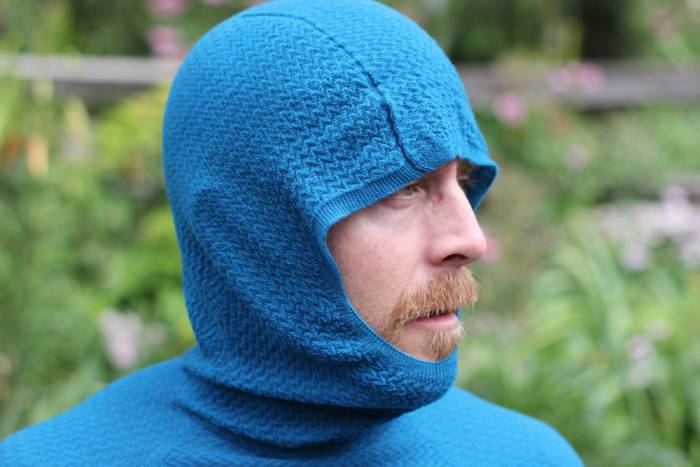
Furthermore, many premium brands are now using NuYarn or corespun technology. This involves wrapping merino fibers around a nylon core, which drastically increases durability and elasticity without sacrificing the wool's natural benefits.
Why Merino Wins:
- Odor Resistance: You can wear a merino shirt for five days straight in the backcountry and it won't smell. The wool fibers trap odor molecules and only release them when washed.
- Thermal Regulation: It’s a "smart" fabric. It keeps you cool when it’s warm and warm when it’s cool.
- Sustainability: It’s a natural, biodegradable fiber (though nylon-blend versions take longer to break down).
Material Science: The Synthetic Edge
Synthetic base layers are typically made from polyester, polypropylene, or nylon. If merino is the luxury sedan of the trail, synthetics are the stripped-down rally cars. They are designed for one thing: moving moisture away from your skin as fast as humanly possible.
In our field tests, synthetic base layers typically dry up to 50% faster than pure merino wool equivalents during high-intensity aerobic activities. This is a massive advantage when you’re stop-and-starting. If you reach a windy ridge after a hard climb, a synthetic shirt will be dry long before a merino one, preventing that "refrigeration effect" as the wind hits your damp back.
Why Synthetics Win:
- Durability: Synthetics are tough. You can scramble through brush or carry a 50lb pack day after day without worrying about holes.
- Moisture Transport: They don't absorb water into the fiber; they "wick" it across the surface to accelerate evaporation.
- Price Point: While high-end merino layers cost approximately $150, performance synthetic options can be found for as low as $50, representing a 66% reduction in initial gear investment.
The Performance Face-Off: Key Metrics
When evaluating merino wool vs polyester performance, we have to look at how these fabrics handle the "big four" metrics of outdoor gear.
| Metric | Merino Wool | Synthetic (Polyester/Nylon) |
|---|---|---|
| Drying Speed | Moderate (can feel heavy when soaked) | Excellent (the gold standard) |
| Odor Resistance | Excellent (naturally antimicrobial) | Poor (tends to retain "perma-funk") |
| Durability | Low to Moderate (prone to abrasion) | High (long-lasting) |
| Warmth When Wet | Excellent (maintains loft) | Good (but relies on drying fast) |
| Price | Premium ($80 - $160) | Budget to Mid-range ($30 - $90) |
1. Moisture Management and Wicking
The core difference lies in how they handle sweat. Synthetics rely on evaporative cooling. They pull liquid sweat off your skin and spread it out so the air can dry it. Merino, however, absorbs the vapor before it even turns into liquid sweat, which can actually keep you drier for longer during moderate activity.
2. Durability and Longevity
I’ve had synthetic shirts from Patagonia and REI that have lasted me nearly a decade. Conversely, I’ve had 150-GSM (Grams per Square Meter) merino shirts develop "mystery holes" after a single season of heavy backpacking. If you’re a "buy it once" kind of adventurer, synthetics or high-merino-blend (with at least 20% nylon) are your best bet.
3. Thermal Regulation and Weight (GSM)
Pay attention to the GSM rating.
- 120-150 GSM: Lightweight. Ideal for summer hiking or as a high-output winter layer.
- 200-250 GSM: Midweight. The versatile "all-season" choice for skiing and cold-weather camping.
- 300+ GSM: Heavyweight. Purely for stationary cold or extreme expeditions.
Choosing by Activity: Where the Rubber Meets the Road
The "best" layer depends entirely on what you're doing. Let's look at some real-world scenarios.
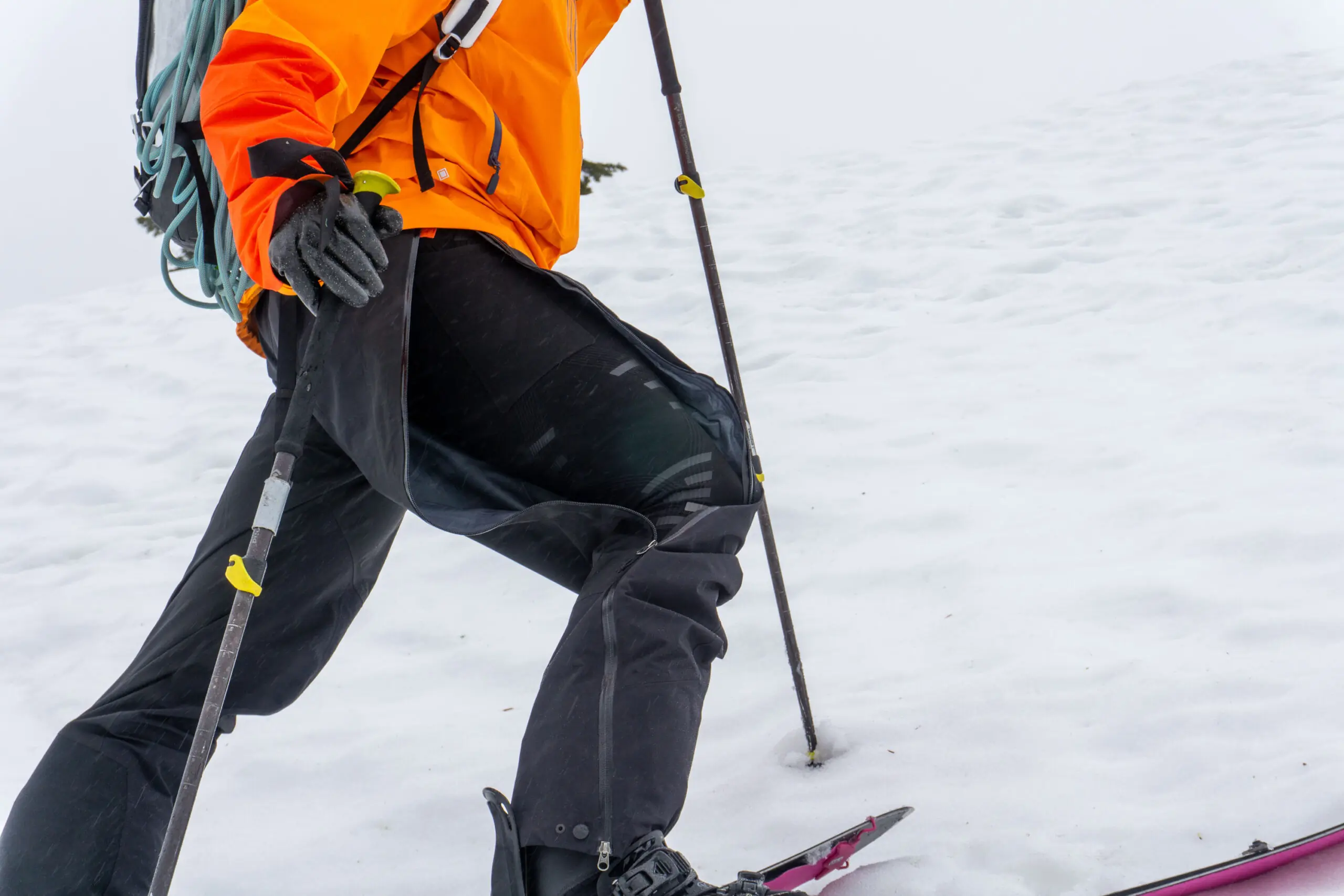
High-Output Activities (Trail Running, Ski Touring, Mountaineering)
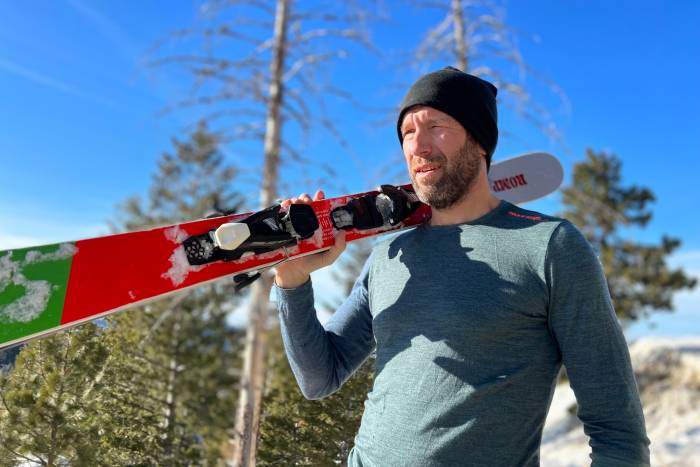
When your heart rate is redlining and you’re pouring sweat, drying speed is king. I’ve found that in high-humidity environments or high-intensity climbs, merino can become "logged" with moisture, becoming heavy and saggy. For these days, I reach for a technical synthetic.
- Top Pick: Patagonia Capilene Midweight or The North Face Summit Pro 120. These layers use sophisticated knits to maximize surface area for evaporation.
Long Expeditions and Backpacking (The "No-Shower" Missions)
If you’re out for a week and space is at a premium, you want one shirt that can do it all. Merino's ability to stay fresh for days is its "killer app." Plus, if you're sleeping in your base layers to boost your sleeping bag's temperature rating, the soft, natural feel of wool is far more comfortable against the skin.
- Top Pick: Smartwool Classic All-Season Merino or Ibex Woolies.
Value Consideration: The Gear Investment
Let's talk about the "cost-per-wear." A $150 merino shirt that lasts two years costs you $75/year. A $50 synthetic shirt that lasts five years costs you $10/year. If you’re just starting out, don't feel like you need the most expensive wool to be safe.
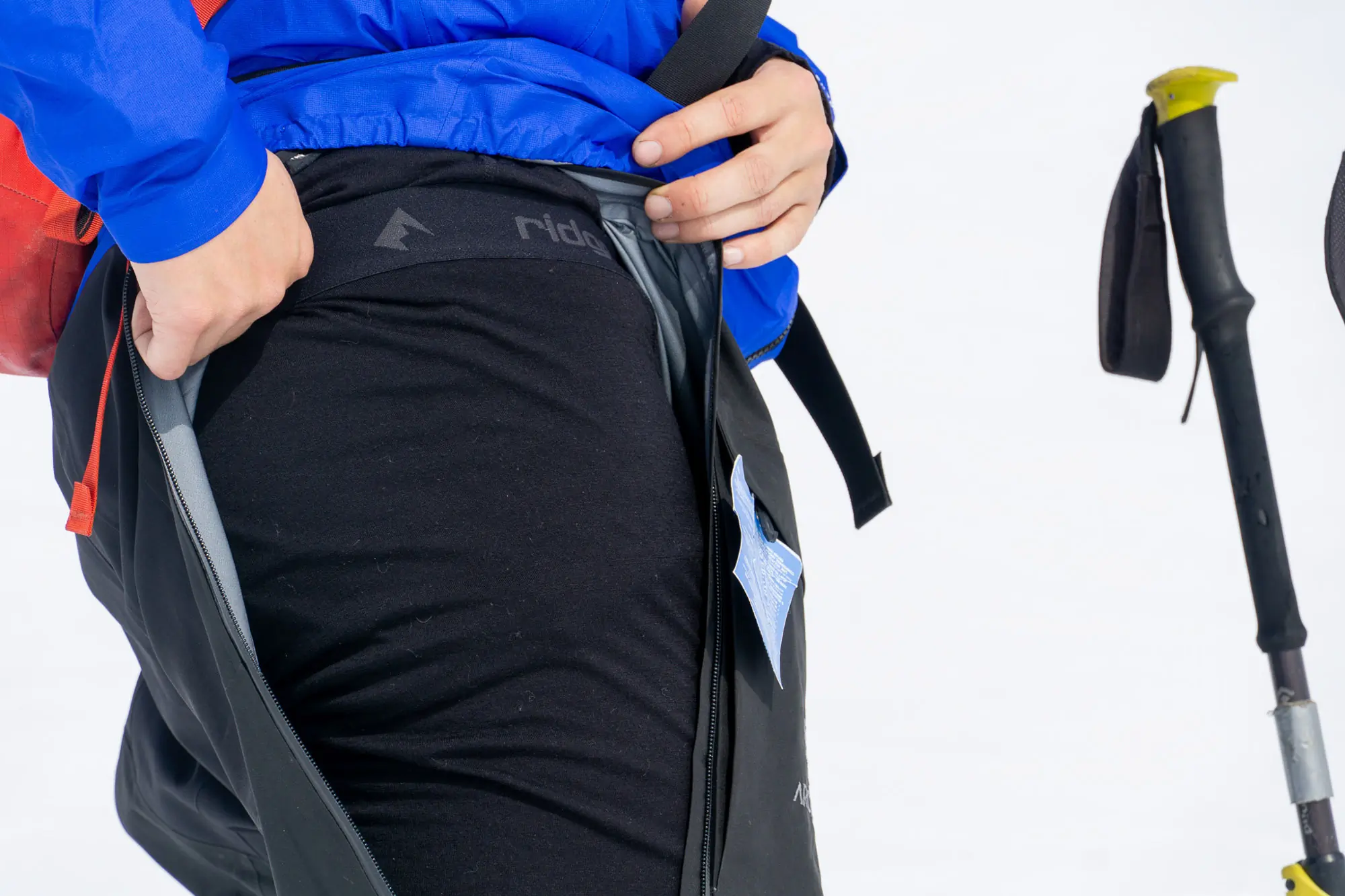
However, if you want the performance of wool without the "brand name" tax, I highly recommend looking at mid-tier specialists. The Ridge Merino Aspect ($80) is consistently the best "bang for your buck" in the industry, offering high-end wool performance and corespun durability at a price point that beats the big legacy brands.
Top Recommended Picks for 2025-2026
-
Best Overall Merino: Smartwool Classic All-Season Merino
- Perfect weight (150 GSM) for year-round use and much more durable than previous iterations.
- Shop Smartwool All-Season →
-
Best Synthetic: Patagonia Capilene Midweight
- The industry standard for a reason. Recycled content, incredible wicking, and HeiQ® Pure odor control that actually works.
- View Capilene Collection →
-
Best Budget: REI Co-op Midweight Base Layer
- Usually under $50, this synthetic layer is a workhorse that punches way above its weight class.
- Check Price at REI →
-
Best for High-Output: The North Face Summit Series Pro 120
- A technical masterpiece using DotKnit technology to pull moisture off the skin and push it to the outer layer.
- Explore Summit Series →
FAQ
How should I wash merino wool to prevent holes? Never use fabric softener—it coats the fibers and ruins the wicking ability. Wash on a cold, gentle cycle with a wool-specific detergent (like Nikwax Wool Wash) and always air dry. The heat of a dryer is the #1 killer of merino garments.
Can I mix merino and synthetic layers? Absolutely. Many people find that a synthetic base layer (for wicking) paired with a merino mid-layer (for warmth) is the "Goldilocks" setup for cold-weather hiking.
What does GSM mean in base layers? It stands for "Grams per Square Meter." It measures the weight and density of the fabric. Higher GSM = thicker and warmer. Lower GSM = thinner and more breathable.
Conclusion & Final Checklist
Selecting the right base layer isn't about finding the "best" fabric in a vacuum—it's about matching the fabric to your specific mission. Before you buy, run through this final checklist:
- Intensity: Will I be sweating profusely? (Choose Synthetic)
- Duration: Will I be wearing this for more than 48 hours without a wash? (Choose Merino)
- Environment: Is it "wet cold" (Pacific Northwest) or "dry cold" (Rockies)? Merino shines in damp cold; synthetics excel in dry, high-aerobic conditions.
- Budget: Is this a long-term investment or a quick solution for a weekend trip?
In the end, the best gear is the gear that gets you outside. Whether you're rocking a $30 synthetic tee or a $150 merino hoody, the goal remains the same: stay dry, stay warm, and keep moving.
Ready to gear up? Check out our latest [Winter Gear Guide] for more field-tested recommendations, and I’ll see you on the trail.