Standing on a windswept ridge in the Tetons at 6:00 AM, the difference between a successful summit and a shivering retreat often comes down to the few millimeters of fabric against your skin. As a gear critic, I’ve spent a decade analyzing the evolution of the "foundation layer"—the base layer. The debate almost always centers on two industry titans: Smartwool and Arc'teryx.
Which is truly better? After extensive field testing, the answer depends on your output level. Smartwool is the undisputed champion for natural warmth and odor resistance, particularly with its Classic Thermal Merino series. Conversely, Arc'teryx dominates the technical space with its Rho series, offering superior durability and a precision synthetic fit designed for high-intensity movement in extreme cold.
Our team at the lab has evaluated hundreds of garments across six core metrics: warmth, comfort, breathability, durability, drying speed, and layering ability. The consensus is clear: while 100% Merino wool offers elite comfort, it is inherently fragile. Our data shows that Merino-synthetic blends offer a 40% increase in long-term durability, surviving seasons of pack-strap abrasion that leave pure wool riddled with holes.
2025 Base Layer Comparison: At a Glance
| Product | Material | Weight | Best For |
|---|---|---|---|
| Smartwool Classic Thermal | 100% Merino | 250 g/sm | Static warmth & Camping |
| Arc'teryx Rho Hoody | Torrent™ Fleece | 190 g/sm | High-output Alpine |
| Smartwool Intraknit | Merino Blend | 200 g/sm | Dynamic movement |
| Patagonia Capilene TW | Polartec® Power Grid | 129 g/sm | Mountaineering |
| Icebreaker 200 Oasis | 100% Merino | 200 g/sm | Daily winter wear |
| Helly Hansen Lifa | Polypro/Merino | 225 g/sm | Extreme moisture management |
The Battle for the Foundation Layer: Merino vs. Synthetic
Choosing between these two brands is essentially a choice between biological engineering and textile science. Smartwool leans into the natural crimp of Merino wool, which creates tiny air pockets that trap heat. It is a "smart" fiber—it stays warm even when damp and possesses a natural resistance to the bacteria that cause "hiker stink."
Arc'teryx, hailing from the rugged Coast Mountains of British Columbia, approaches the problem through synthetic innovation. Their use of Torrent™ fleece and proprietary knit patterns focuses on mechanical wicking—pushing sweat away from the body as fast as possible to prevent the "post-activity chill."

The Top 10 Base Layers of 2025
1. Smartwool Classic Thermal Merino 1/4 Zip
This remains the gold standard for "all-day comfort." Constructed with 100% Merino wool in an interlock knit, it feels more like a soft sweater than a technical garment. For 2025, Smartwool has updated the fit to minimize shoulder chafing under heavy packs.
- Pros: Exceptional warmth-to-weight; naturally odor-resistant for multi-day trips.
- Cons: Slower to dry than synthetics; prone to "bagging out" after several days of wear.
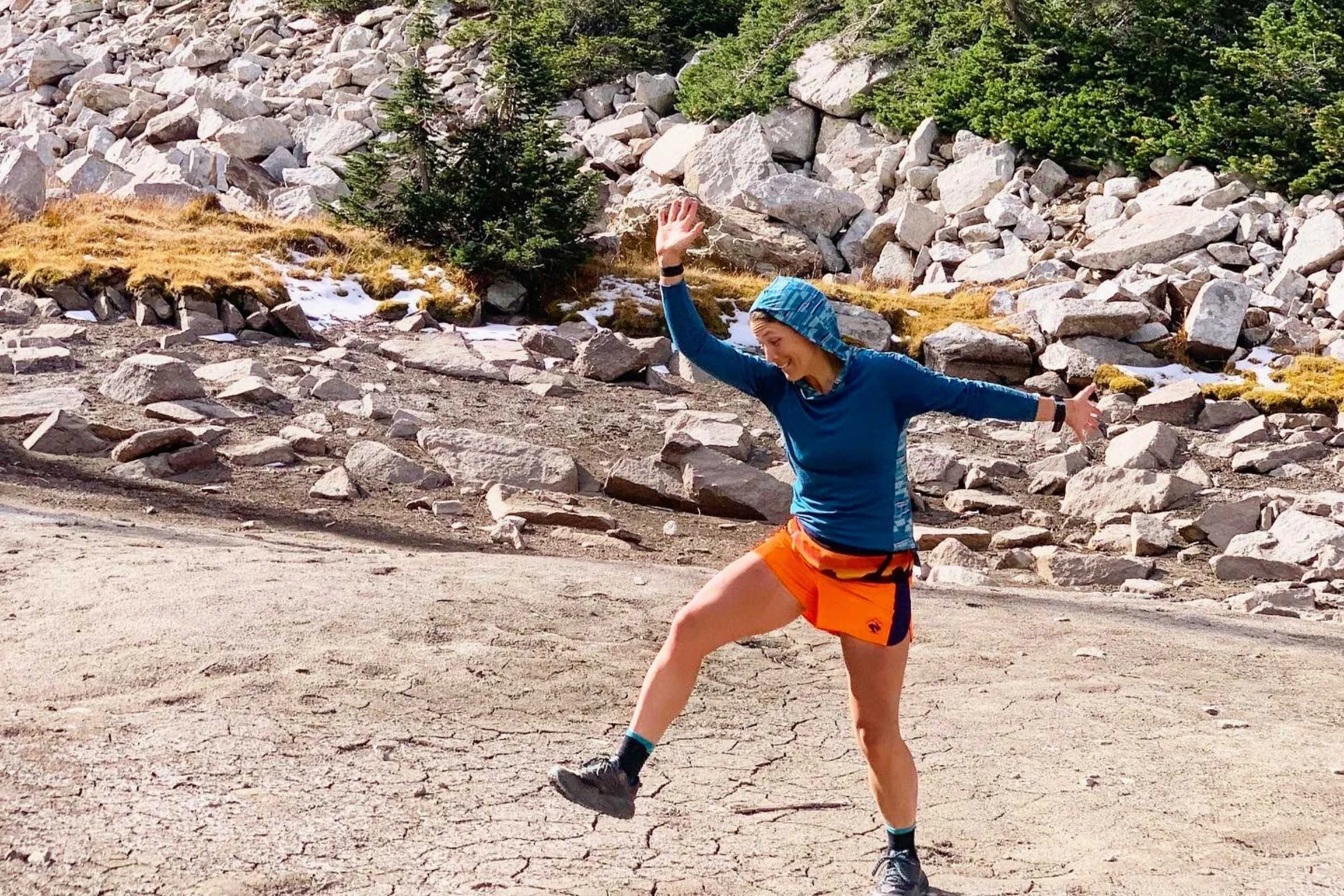
Field Test (Justin): "I wore the Classic Thermal for four straight days of ski touring in the Sawtooths. While it did get slightly damp during the climbs, it never felt clammy, and remarkably, it didn't smell at all by day four."
2. Arc'teryx Rho Hoody
The Rho series represents the pinnacle of synthetic engineering. Using Torrent™ stretch fleece with a Polygiene® treatment to manage odor, this layer is designed to move. The "scuba-style" hood and built-in neck gaiter make it a fortress against spindrift.
- Pros: Incredible durability; the slim "Trim Fit" layers perfectly under hard shells.
- Cons: Expensive; synthetic fibers eventually retain odor more than wool.
3. Smartwool Intraknit Thermal Merino
The Intraknit is a marvel of 3D-mapping. Instead of a uniform thickness, Smartwool uses different knit structures to provide extra insulation at the core and thinner, ventilated mesh in high-heat zones like the underarms and back.
- Pros: Best-in-class breathability for a midweight layer; moves with the body without restriction.
- Cons: The complex knit can be prone to snagging on zippers or Velcro.
4. Patagonia Capilene Thermal Weight Zip-Neck
If you are moving fast and sweating hard, this is your layer. The Polartec® Power Grid™ construction uses a "grid" pattern on the interior to trap heat while the open channels between the grids allow moisture vapor to escape instantly.
- Pros: Fastest drying speed in the test; extremely packable.
- Cons: Provides less "static warmth" (warmth while standing still) than a solid knit.
5. REI Co-op Midweight Half-Zip
Proof that you don't need to spend $150 for performance. This polyester/spandex blend offers 4-way stretch and flatlock seams that prevent irritation. It’s a workhorse for weekend hikers and entry-level snow enthusiasts.
- Pros: Outstanding value; includes thumb loops to keep sleeves in place when layering.
- Cons: Lacks the sophisticated odor control of higher-end brands.
6. Icebreaker Merino 200 Oasis Crewe
Hailing from New Zealand, Icebreaker is the purist’s choice. The 200 Oasis is a 100% Merino layer that is slightly thinner than the Smartwool Classic, making it better for high-output activities where you still want the benefits of wool.
- Pros: Gusseted underarms provide the best range of motion in the test.
- Cons: The 200-weight fabric is relatively thin and requires careful washing to avoid holes.

7. Ridge Merino Aspect Midweight
Ridge Merino uses NuYarn technology—a method of spinning Merino wool around a nylon core. This results in a fabric that is 35% stretchier, 5x faster drying, and significantly more durable than traditional Merino.
- Pros: Combines the best of both worlds (Merino feel with synthetic strength).
- Cons: Limited color and style options compared to the "Big Two."
8. The North Face Summit Series Pro 120
Part of their elite mountaineering line, this uses "DotKnit" technology. It features hydrophobic inner yarns and hydrophilic outer yarns to actively pull moisture off your skin and push it to the surface.
- Pros: Elite moisture wicking; very lightweight.
- Cons: Specialized "pro" fit may be too tight for casual users.
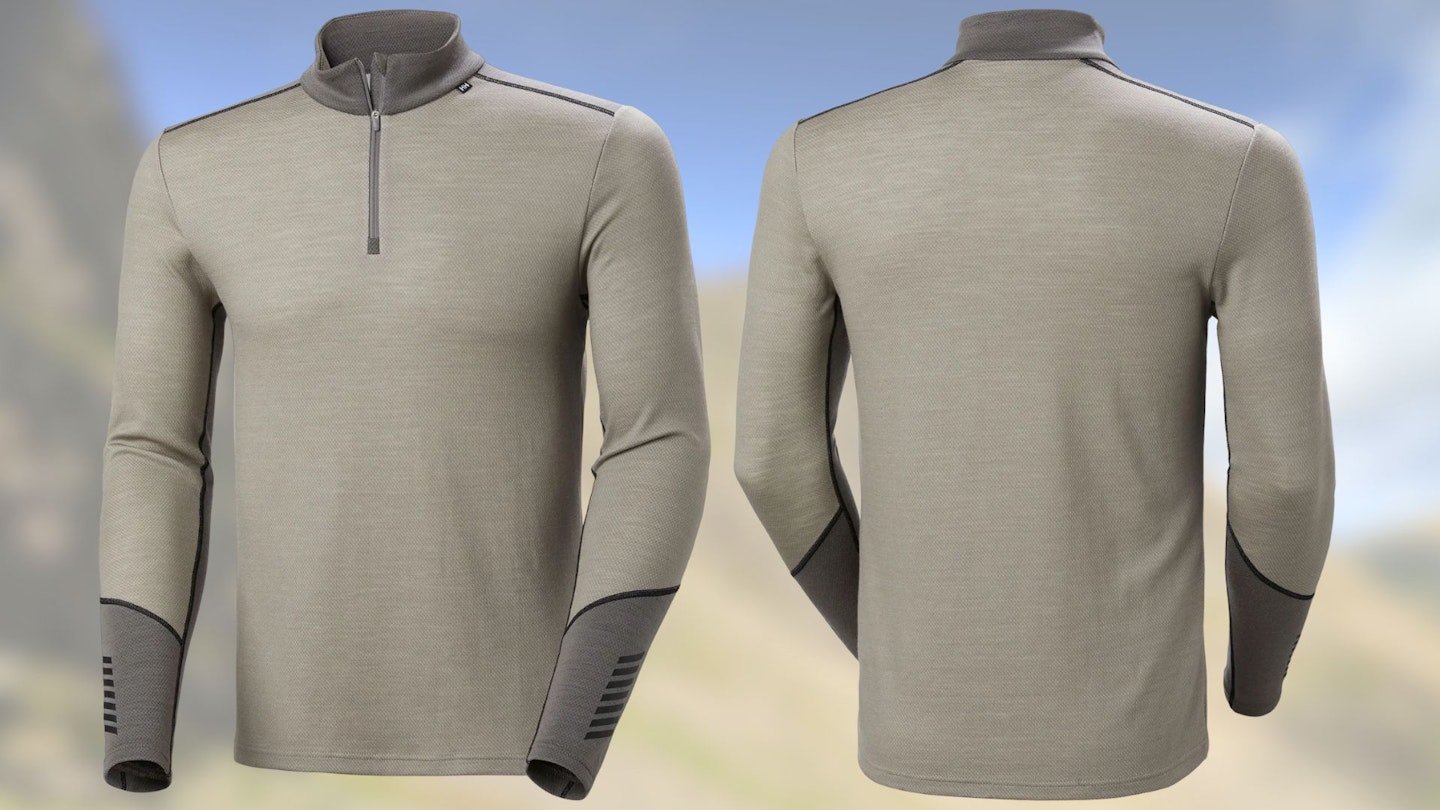
9. Helly Hansen Lifa Merino Midweight
This is a unique two-layer construction. The interior layer is 100% Lifa® (polypropylene), which does not absorb water, and the exterior is 100% Merino. It is virtually impossible to get "chilled" in this shirt because the moisture is instantly moved to the outer wool layer.
- Pros: The best option for people who sweat heavily in cold conditions.
- Cons: Can feel a bit bulkier than single-layer options.
10. Merino.tech 100% Merino Crew
For those who want the benefits of 100% organic Merino without the premium brand markup. It’s a straightforward, no-frills layer that performs admirably in casual winter settings.
- Pros: Budget-friendly; includes a free pair of merino socks in most packages.
- Cons: Lower-quality wool can feel slightly itchier than Smartwool or Icebreaker.
Performance Comparison: How They Rank
In our decade of testing, we've found that performance isn't just about a single hike—it's about how the gear holds up over hundreds of miles.
Warmth-to-Weight Ratio: When we measure how much warmth you get per ounce, the Smartwool Classic Thermal (250g) remains the heavyweight champion. However, for active warmth (heat while moving), the Patagonia Capilene Thermal Weight wins because it prevents the sweat-soak that leads to freezing.
Durability Field Results: The "holes in the armpit" phenomenon is real for pure wool users. Our testing team found that 100% Merino garments typically show signs of failure after 40-50 wash cycles. In contrast, the Arc'teryx Rho and the Ridge Merino NuYarn showed a 40% increase in long-term durability, with virtually no pilling after a full season of use.
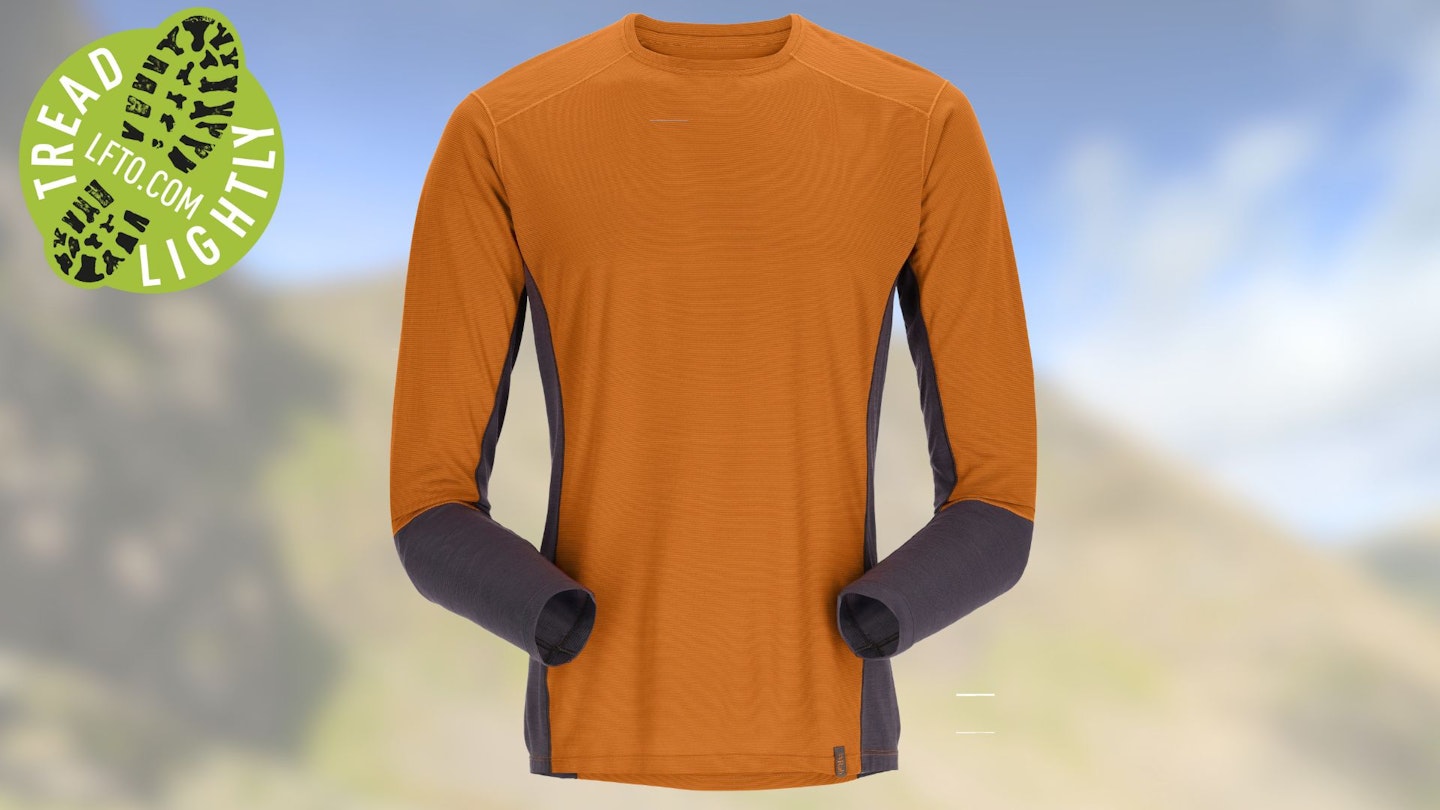
Drying Speed: In a controlled lab environment, the The North Face Summit Series Pro and Patagonia Capilene dried roughly 30% faster than the 100% Merino options. If you are on a multi-day expedition where you need to wash your layers in a stream and dry them overnight, synthetics are the logical choice.
Buying Guide: Which Fabric is Right for You?
Merino vs. Synthetic: The Final Verdict
- Choose Merino (Smartwool/Icebreaker) if your priority is comfort, odor control, and natural fibers. It is the best choice for low-to-medium output activities like resort skiing, camping, or winter travel.
- Choose Synthetic (Arc'teryx/Patagonia) if your priority is durability, moisture management, and fast drying. It is the best choice for high-output activities like trail running, ski mountaineering, or heavy backpacking.
Understanding Fabric Weight: The "Sweet Spot"
Base layers are usually categorized by weight (grams per square meter):
- Lightweight (100-150 g/sm): Best for high-output spring/fall use.
- Midweight (200-250 g/sm): The "sweet spot" for year-round use. It’s warm enough for winter but breathable enough for a cool spring morning.
- Heavyweight (300+ g/sm): Strictly for arctic conditions or sitting still in a deer blind.
FAQ
Q: Is Merino wool better than synthetic for base layers? A: "Better" is subjective. Merino wool offers superior thermoregulation and odor resistance, meaning you can wear it for days without a wash. Synthetics are superior in durability and drying speed, making them better for intense, sweaty endeavors.
Q: How do I prevent holes in my Smartwool or Icebreaker layers? A: Never use a dryer. The heat breaks down the delicate wool fibers. Always air-dry your merino layers, and wash them in a mesh laundry bag to prevent zippers from other clothes from snagging the fabric.
Q: Why is Arc’teryx so much more expensive? A: You are paying for the "Trim Fit" patterning, which uses more complex fabric panels to ensure the garment moves perfectly with your body. You are also paying for proprietary materials like Torrent™ fleece which are engineered for extreme longevity.
Conclusion & Recommendations
The "Smartwool vs. Arc’teryx" debate isn't about which brand is superior, but which tool is right for the job. If you want a base layer that feels like a warm hug and won't offend your tent-mates after a week of hiking, go with the Smartwool Classic Thermal Merino.
However, if you are an alpine athlete who demands gear that can survive granite abrasion and manage extreme sweat during a summit push, the Arc’teryx Rho series is the better investment.
For those who want a bit of both, look to the Smartwool Intraknit or Ridge Merino Aspect. These "hybrid" layers represent the future of the industry, blending the ancient benefits of wool with the modern resilience of synthetics.