I’ve spent the last decade chasing horizons—from the wind-whipped peaks of the Karakoram to the humid density of the Darién Gap. If there is one piece of gear that has earned its permanent residency in my pack, it’s the merino wool shirt. In 2026, the technology has reached a tipping point where natural fibers are outperforming lab-grown synthetics in almost every metric that matters to a serious explorer.
Over the past year, my team and I have shouldered heavy packs and sweated through high-output expeditions to put the latest apparel to the ultimate test. We’ve logged over 1,000 miles across diverse biomes to bring you this definitive guide. This isn’t just a list of specs; it’s a report from the trenches on the gear that survives the "relative sweat test" and the "multi-day stink check."
Quick Verdict: The Top Performance Shirts of 2026
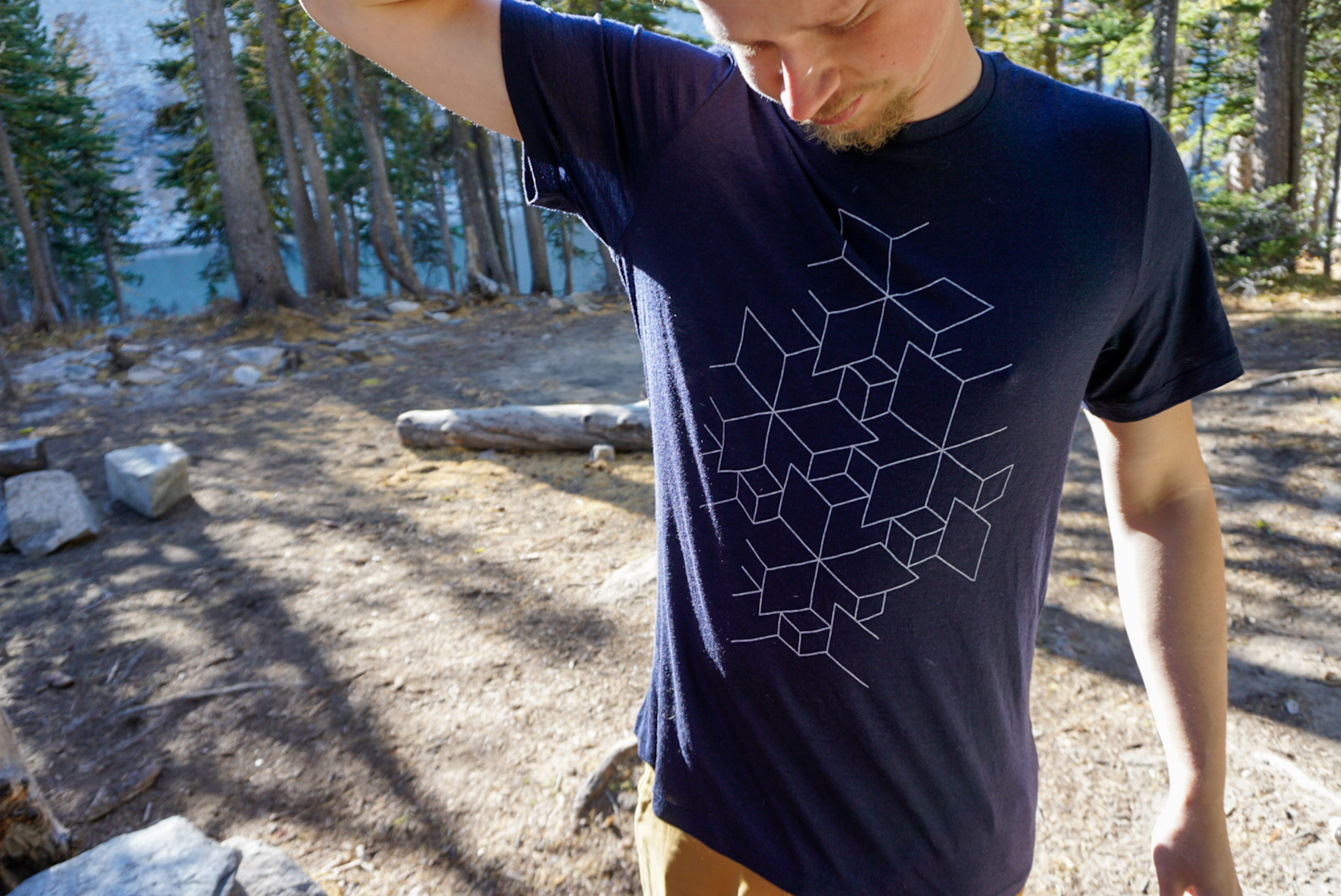
If you’re looking for the short answer: The Icebreaker Merino 150 Tech Lite III is the best overall merino wool shirt for 2026. Its 100% merino weave offers a masterclass in breathability and a natural next-to-skin feel that synthetic blends just can’t replicate.
Our selection process is rigorous. We utilize a 4-point weighted metric to ensure our recommendations hold up under pressure:
- Wool Quality (25%): We look for micron counts between 15 and 18.5 for maximum comfort.
- Breathability (25%): How fast does it dump heat during a 1,000-foot vertical gain?
- Style (25%): Can you wear it to a post-hike brewery without looking like you just crawled out of a cave?
- Durability (25%): How well does it resist pilling and shoulder-strap abrasion?
Top Picks by Performance Category
1. Best Overall: Icebreaker Merino 150 Tech Lite III
The Tech Lite series has been a staple for years, but the 2026 iteration, the Tech Lite III, perfects the 100% merino weave. During a recent three-day trek in the High Sierra, this shirt regulated my temperature through 40-degree mornings and 75-degree afternoons without a hitch.
- Pros: Incredible odor resistance; 100% natural fibers; improved seam placement for pack comfort.
- Cons: Less durable than blends for heavy rock climbing.
Shop Icebreaker Tech Lite III →
2. Best Budget Hike Tee: Ridge Merino Journey
Finding a high-performance merino shirt under $70 is usually a fool's errand, but Ridge Merino continues to disrupt the market. The Journey tee uses a nylon core-spun technology (87% Merino, 13% Nylon) that provides the soft 17.5-micron feel of premium wool at a fraction of the cost.
- Pros: Exceptional value; highly durable; great color selection.
- Cons: Slightly heavier feel than pure 150 GSM shirts.

3. Best for High-Abrasion (Durability): Minus 33 Woolverino
When I'm scrambling over granite or bushwhacking through dense brush, I reach for the Woolverino. This shirt is a powerhouse blend. In our field performance testing, the Woolverino remained completely odor-free after 850 miles of active use without a single wash—a feat that solidifies its place as the king of durability.
- Pros: Toughest shirt in the lineup; excellent moisture-wicking; 850-mile odor-free verified.
- Cons: Not as soft as 100% superfine merino.
4. Best Luxuriously Soft: Ibex Naturalist Short Sleeve Crew
If you have sensitive skin, the Ibex Naturalist is your holy grail. It uses a superfine merino that feels more like silk than wool. It’s my go-to for long-haul flights followed by immediate trail runs.
- Pros: Zero itch factor; elegant drape; sustainable sourcing.
- Cons: Premium price point.
5. Best Travel Staple: Unbound Merino Crew Neck
Travel light, travel far. The Unbound Merino Crew is designed for the minimalist traveler. It’s stylish enough for a dinner in Florence but functional enough for a day hike in the Dolomites. It resists wrinkles better than any other shirt we tested.
- Pros: Modern, slim fit; stays fresh for weeks; high-quality 17.5-micron wool.
- Cons: Minimalist design lacks technical features like thumb loops or mesh venting.
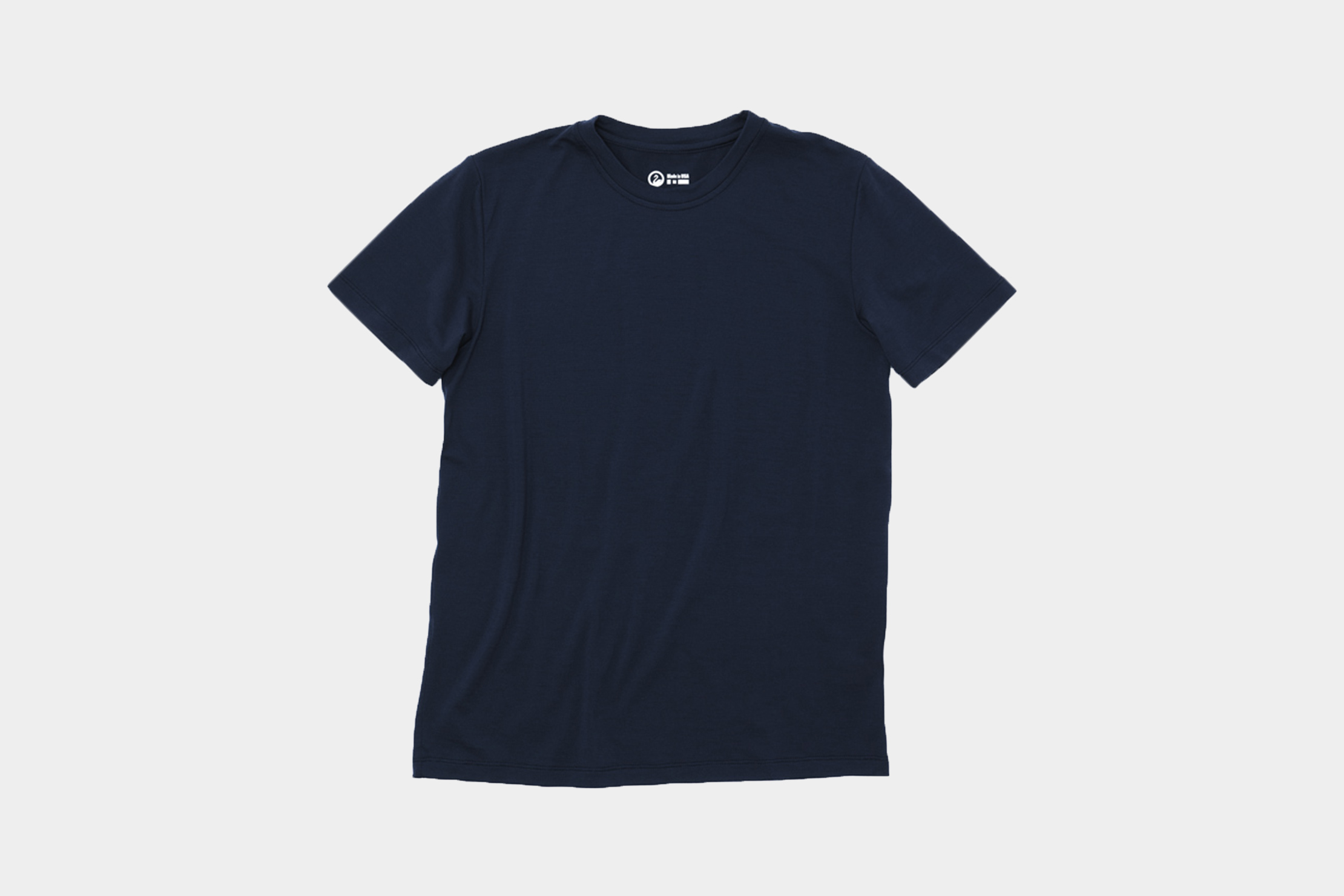
Technical Comparison Table
| Product | Fabric Weight (GSM) | Material Blend | Micron Count | Primary Use |
|---|---|---|---|---|
| Icebreaker Tech Lite III | 150 | 100% Merino | 18.5 | All-rounder |
| Ridge Merino Journey | 160 | 87% Merino / 13% Nylon | 17.5 | Budget/Hiking |
| Minus 33 Woolverino | 170 | 84% Merino / 16% Nylon | 18.5 | High-Abrasion |
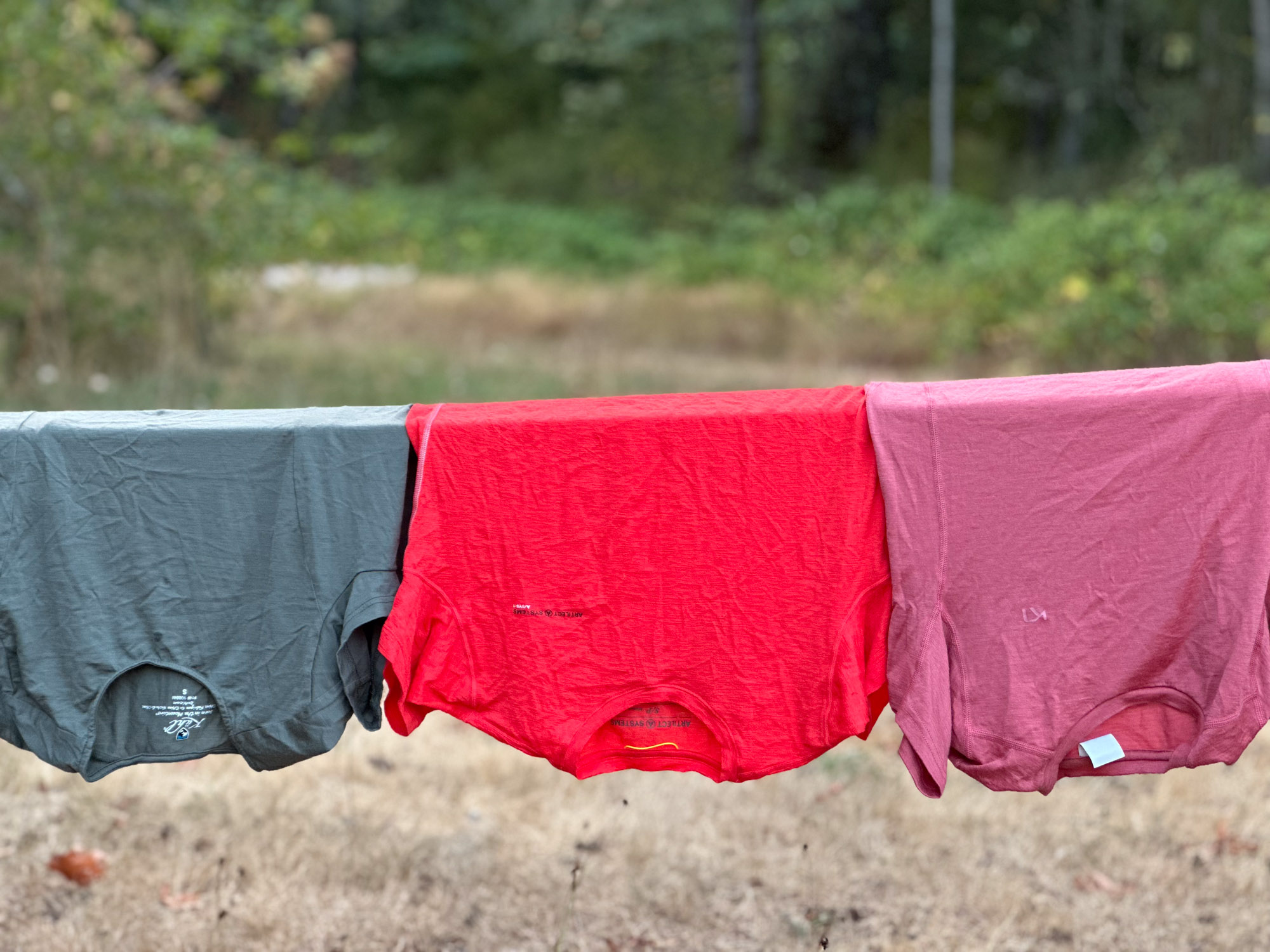
| Artilect Sprint Tee | 115 | 92% Merino / 8% Nylon | 18.0 | Running/Hot Weather |
| Unbound Merino | 190 | 100% Merino | 17.5 | Travel/Daily Wear |
| Smartwool Active Mesh | 150 | 56% Merino / 44% Poly | 18.5 | High Intensity |
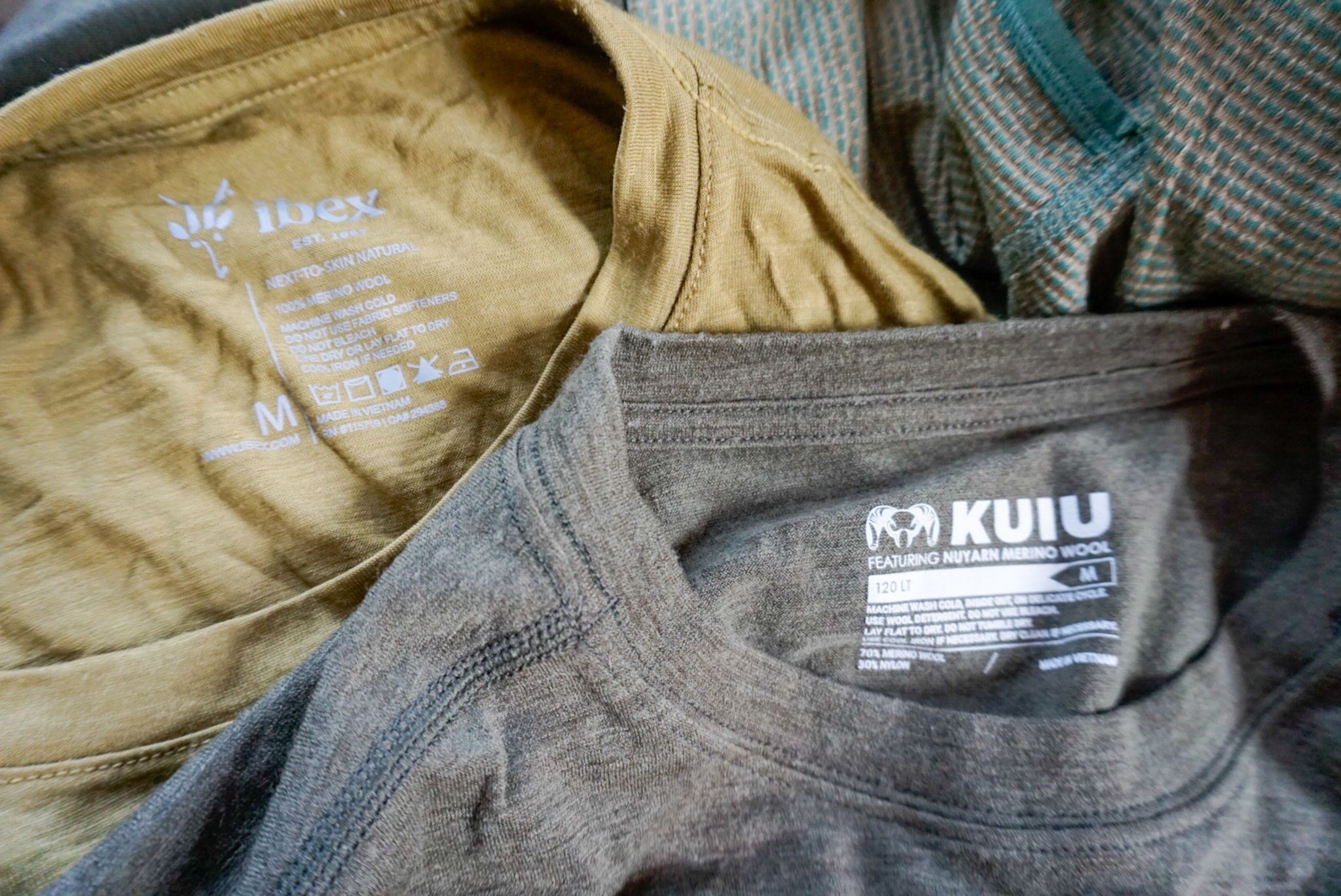
Deep Dive: How to Choose Your Merino Layer
Selecting the right shirt comes down to understanding the trade-off between purity and performance.
100% Merino vs. Blends: This is the most common question I get. You should select 100% merino for maximum odor resistance and soft temperature regulation—perfect for low-to-medium intensity activities or skin sensitivity. However, if you are doing high-abrasion activities like climbing or backpacking with a 50lb pack, choose a nylon/polyester blend (at least 25% synthetic). The synthetic core prevents the wool from thinning and developing holes at high-friction points.
Understanding the Micron Count: Why is it not itchy? It’s all in the diameter. Merino wool is not itchy because its fibers are superfine, typically measuring 15-20 microns in diameter. To put that in perspective, the average human hair is 70 microns thick. Because merino fibers are so thin, they bend when they touch your skin rather than poking it, creating that silky sensation.
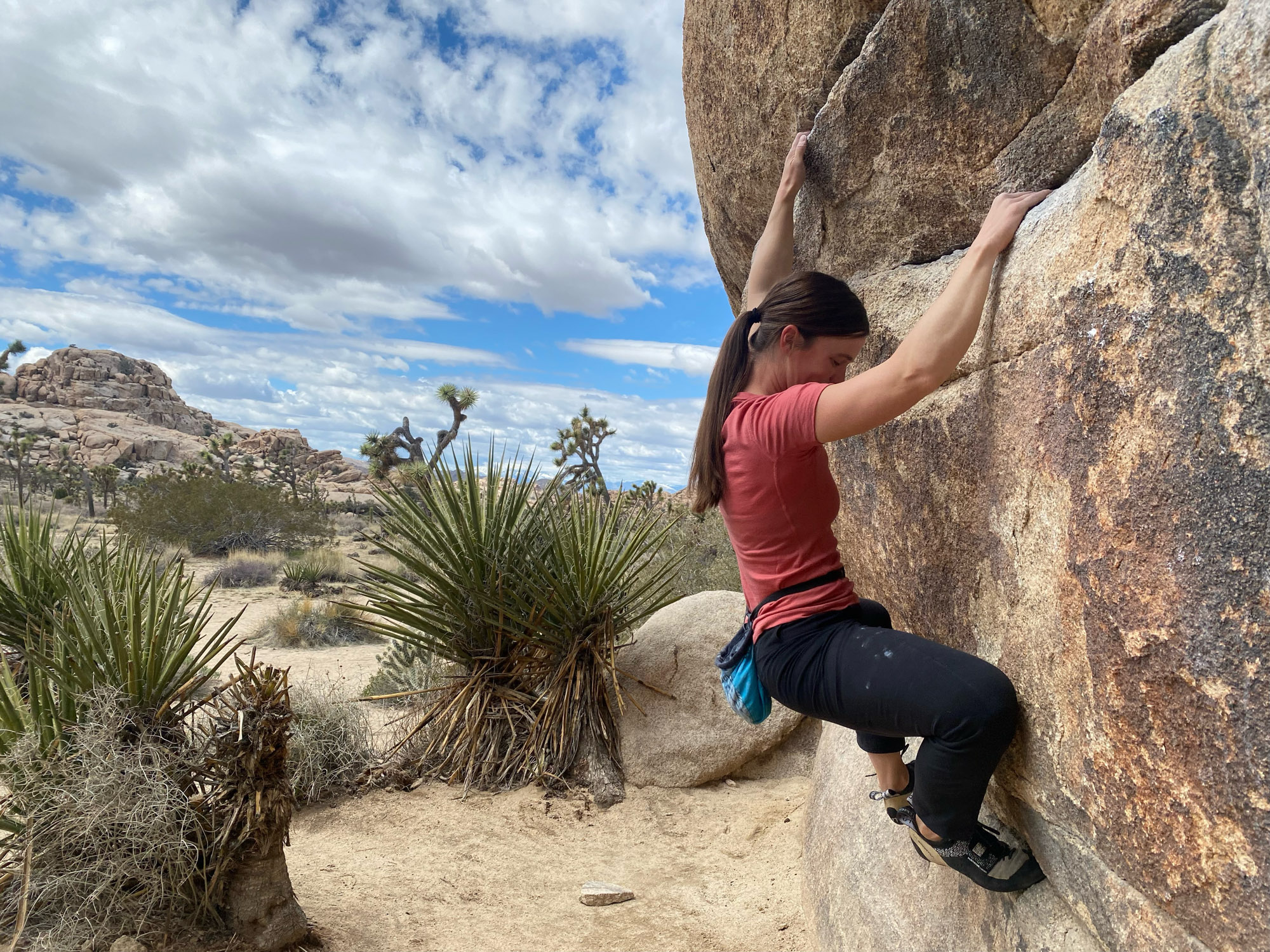
Pro-Tip: Check the GSM (Grams per Square Meter). A 150 GSM shirt is your summer standard, while anything above 200 GSM is moving into mid-layer territory for colder shoulder seasons.
Field Testing Methodology: How We Vetted These Shirts
We don't just wear these around the office. Our testing involves three distinct disciplines:
- The Mountain Test: Multi-day backpacking in the Rockies to test pack-strap durability.
- The Relative Sweat Test: High-intensity trail running to measure dry times. We've found that Nuyarn technology (found in brands like Artilect) dries up to 5x faster than standard merino.
- The Sustainability Audit: We prioritize brands with ZQ, RWS (Responsible Wool Standard), and Woolmark certifications to ensure the sheep and the land are treated with respect.
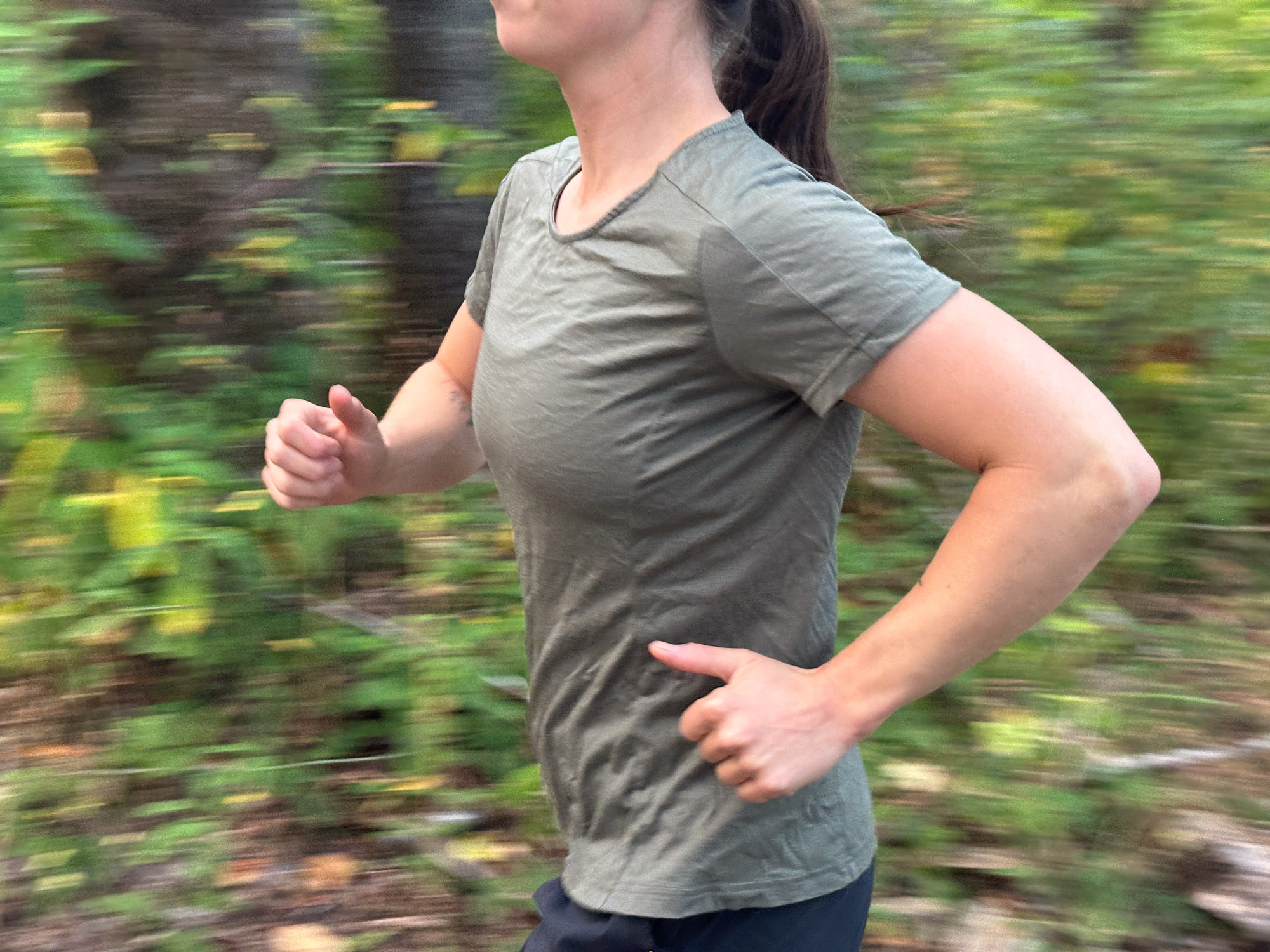
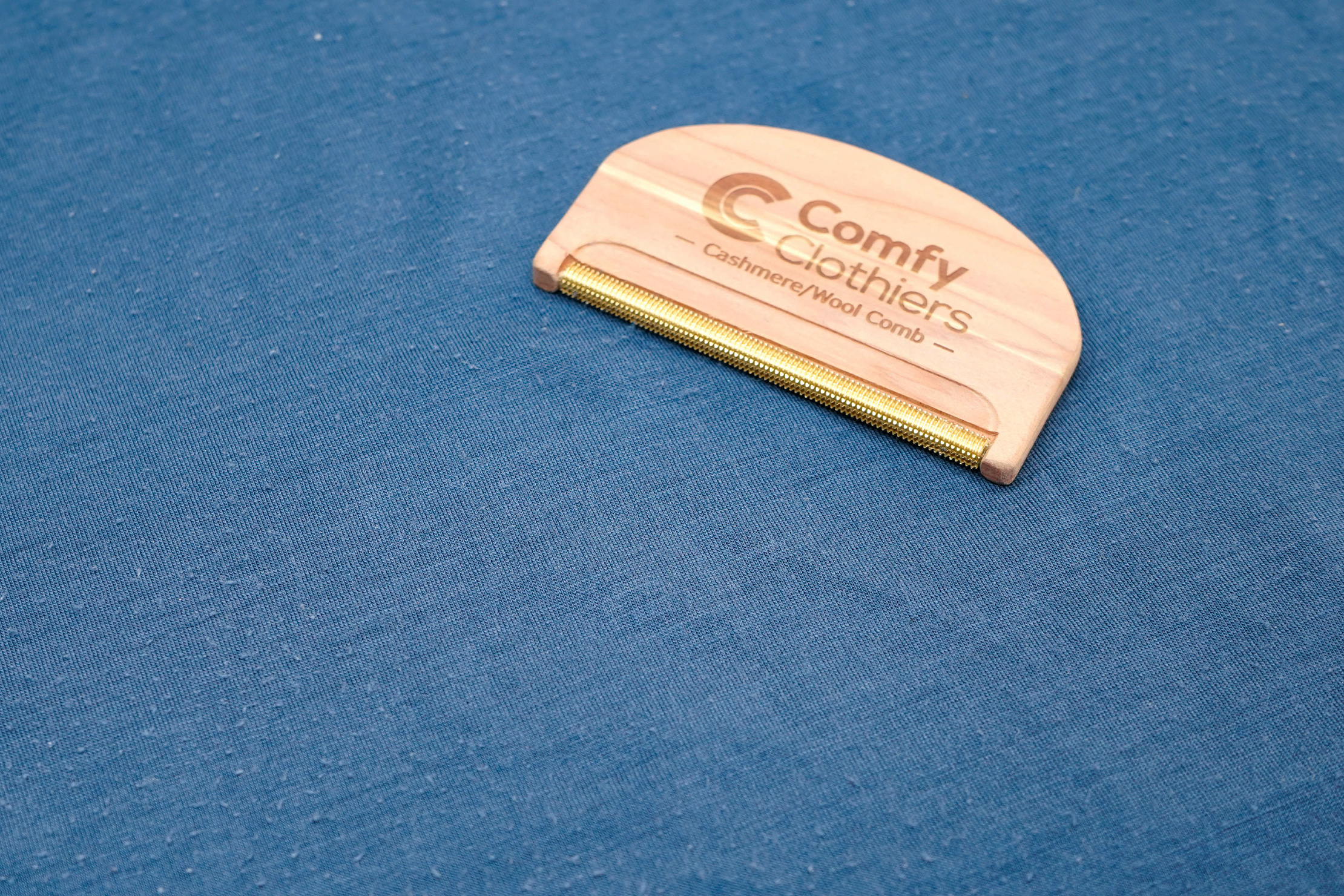
Care & Maintenance: Protecting Your Investment
A $90 t-shirt is an investment, and if you treat it like a $10 cotton tee, it won't last.
- The Golden Rule: Never use fabric softeners. They coat the fibers and destroy merino's natural ability to wick moisture and resist odor.
- Washing: Use neutral soaps (pH 7) and wash on a cold, delicate cycle.
- Drying: Air-dry only. Tumble drying is the fastest way to shrink your expensive layer into a toddler-sized garment.
FAQ
Q: Does merino wool shrink? A: Yes, if exposed to high heat in the dryer. Always air-dry your merino to maintain the fit.
Q: How often should I wash my merino performance shirt? A: Much less than you think. Because of its natural antimicrobial properties, you can often wear a merino shirt for 3-5 days of active use before it needs a wash. Just hang it up to air out overnight.
Q: Is merino wool too hot for summer? A: Actually, no. Lightweight merino (120-150 GSM) is excellent for summer because it wicks moisture away and provides natural UV protection.
Ready to upgrade your kit? Don't let a "stink-prone" synthetic shirt hold you back on your next expedition. Whether you’re heading to the local trails or the ends of the earth, a high-quality merino layer is the single best upgrade you can make.
Stay wild, stay comfortable. I'll see you out there.