Treading into the "fourth season" is no easy feat. When the mercury drops below zero and the horizon turns a bruised purple, your tent stops being a piece of camping gear and starts being a survival shelter—literally your mountain life insurance. In my years of solo expeditions and leading high-altitude teams, I’ve seen 3-season "backpacking" tents shredded by 60-mph gusts on Denali and crushed under the weight of a single overnight Sierra dump. If you’re planning to venture where the wind screams and the snow doesn't stop, you need a shelter designed to fight back.
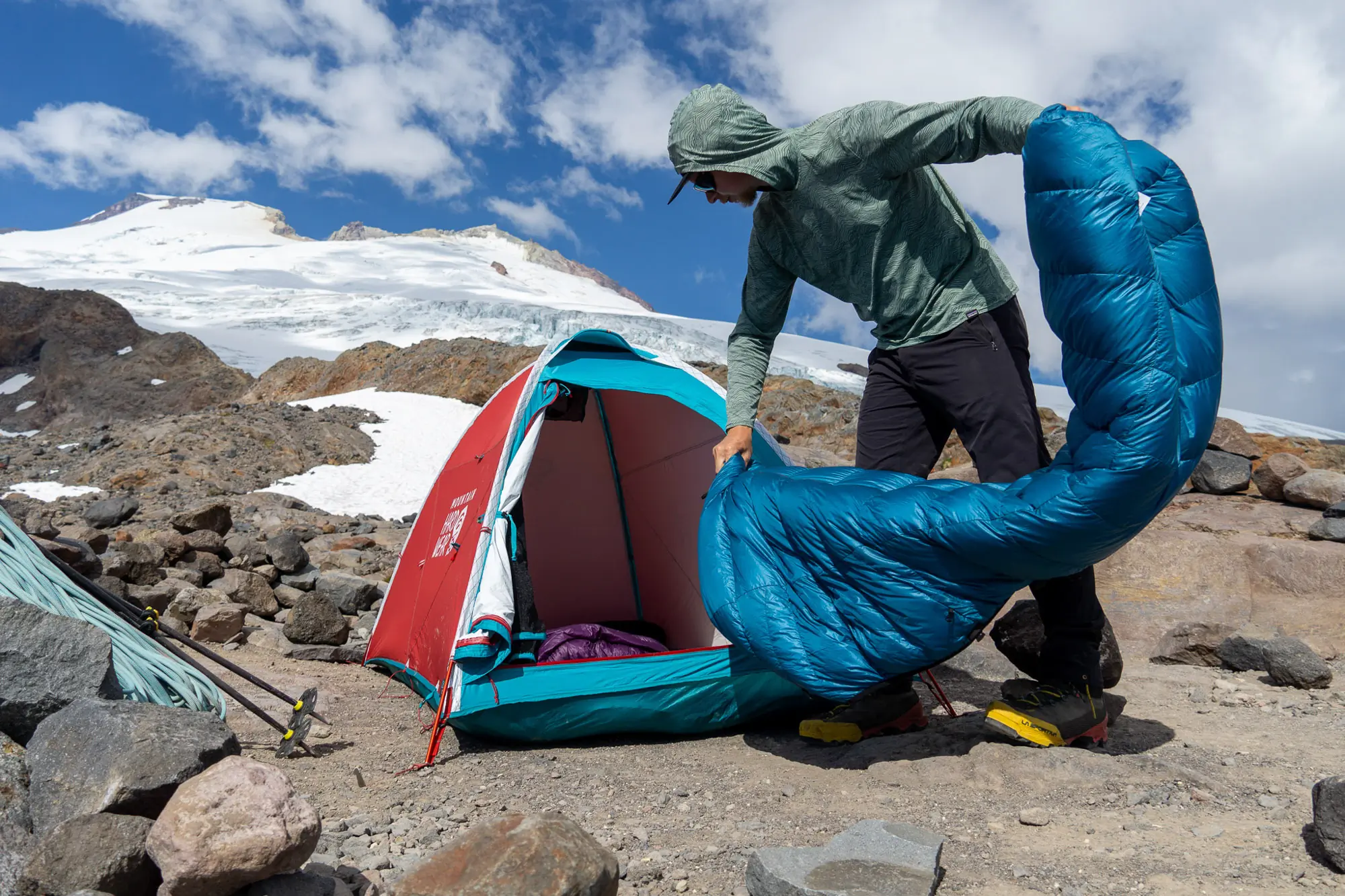
The primary difference between a standard 3-season tent and a true 4-season model is structural integrity. While your summer tent relies on mesh for ventilation and lightweight poles for easy carrying, a winter shelter utilizes more poles with more crossing points, heavier-denier fabrics, and specialized geometries to withstand heavy snow loads and high winds. In our expert testing protocol at the magazine, we weight weather and storm resistance at 30% of a tent’s total score. In the high alpine, safety isn't just a metric; it’s the only thing that matters.
2025 Winter Tent Comparison: At a Glance
| Tent Model | Packed Weight | Interior Floor Area | Best Use Case |
|---|---|---|---|
| Mountain Hardwear Trango 2 | 9 lbs 10 oz | 40 sq. ft. | Expedition Basecamp |
| Hilleberg Jannu | 7 lbs 1 oz | 34.4 sq. ft. | High-Altitude Alpine |
| The North Face Mountain 25 | 9 lbs 13 oz | 32.3 sq. ft. | Heavy Snow / Versatility |
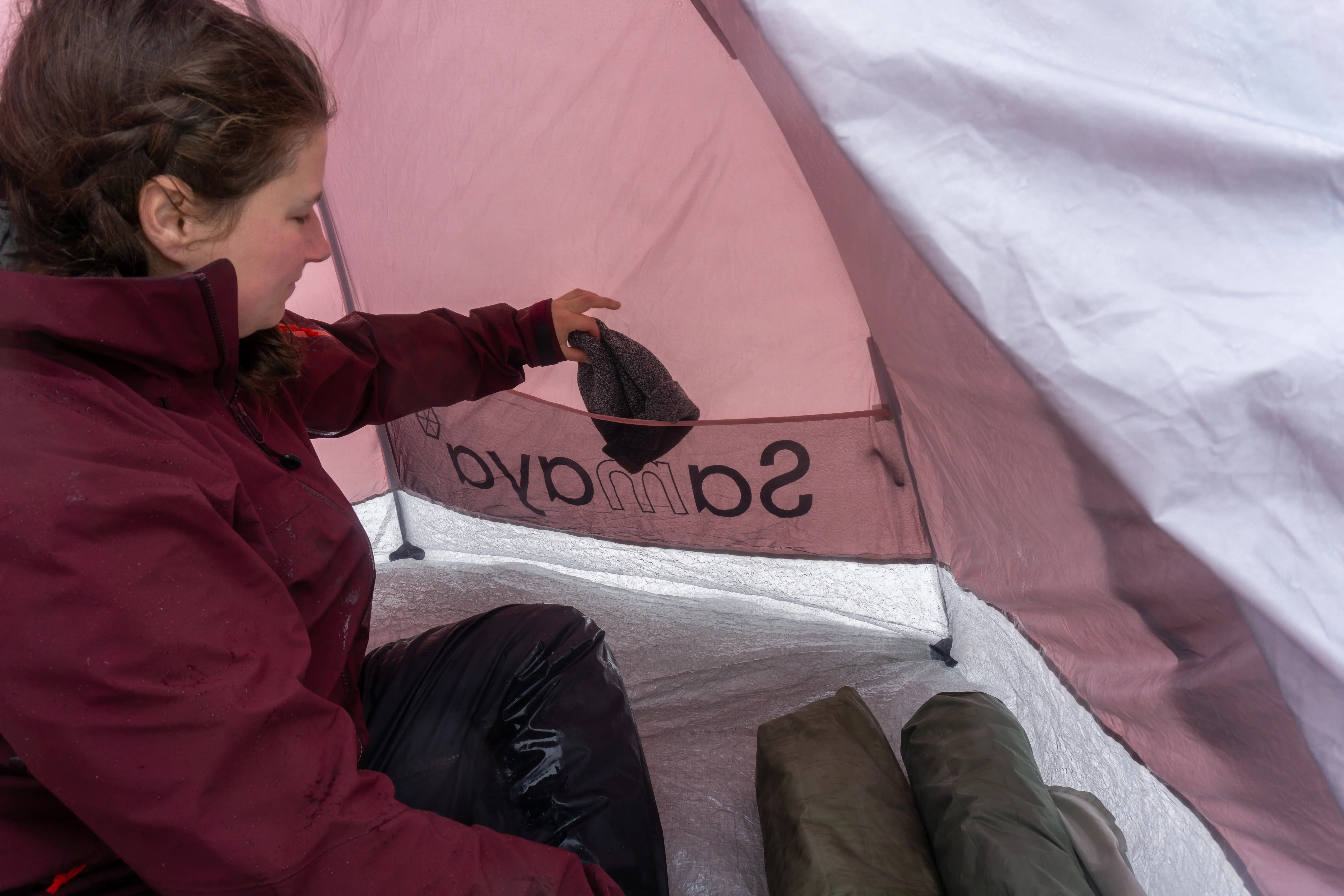
| Samaya 2.0 | 3 lbs 5 oz | 27 sq. ft. | Fast & Light Alpinism |
| HMG UltaMid 2 | 1.17 lbs (shell) | 63 sq. ft. | Ultralight Winter Trekking |
The Fundamental Shift: Why 3-Season Tents Fail in Winter
We often get asked if a "rugged" 3-season tent can handle a mild winter night. The answer is usually a resounding maybe, but why risk it? When we push these shelters to the limit, the failure points are predictable. First, the pole geometry of a 3-season tent usually features long, unsupported spans. Under six inches of wet snow, those poles will bow and eventually snap. Second, the abundance of mesh—while great for a July breeze—allows spindrift (fine, wind-blown snow) to coat your sleeping bag in a layer of ice.
Professional-grade 4-season tents typically offer an interior floor area ranging from 24 to 48 square feet. While that might sound cramped compared to a car-camping palace, it’s intentionally designed to be small enough to trap body heat while accommodating two sleepers and the massive amount of bulky winter gear—puffy suits, boots, and stoves—required to survive.
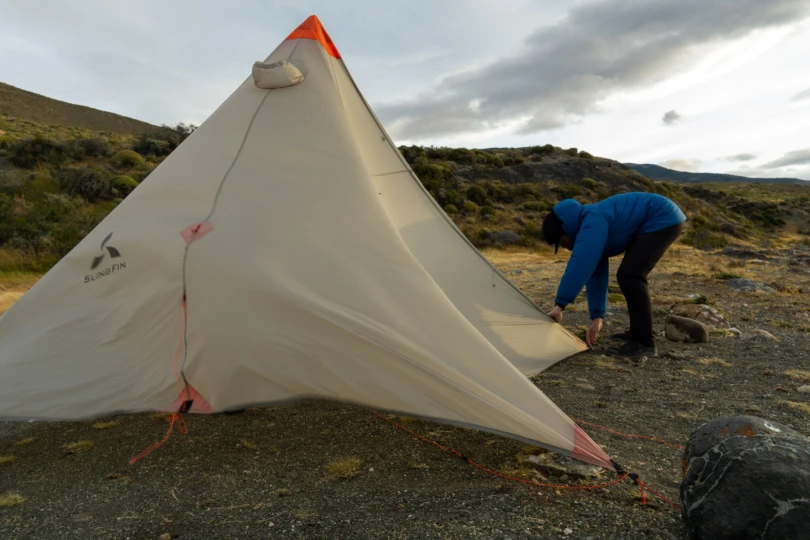
Top Picks for 2025: The Heavy Hitters
The Industry Standard: Mountain Hardwear Trango 2
If you’ve ever looked at a photo of an Everest basecamp, you’ve seen a sea of orange Trango 2s. This tent is the undisputed industry standard for extreme expedition durability. During our testing on the windswept ridges of the Cascades, the Trango 2 felt like a literal fortress. Its 4-pole design creates a rigid exoskeleton that shrugs off snow loads that would flatten other "winter" tents.
- Pros: Massive 48 sq. ft. floor area (including vestibules), bombproof 70D nylon-taffeta floor, and incredible internal organization.
- Cons: It is heavy. At nearly 10 pounds, you’ll want to split the weight with a partner.
- Who it’s for: Those heading into the most brutal environments on earth where weight is secondary to survival.
Check Price on Mountain Hardwear →
The Versatile Champion: Hilleberg Jannu
Hilleberg is the Ferrari of the tent world, and the Jannu is their high-altitude masterpiece. It is widely considered the top choice for storm resistance in cool alpine conditions. What sets Hilleberg apart is their Kerlon 1200 fabric—a triple-silicone coated ripstop nylon that is incredibly strong for its weight—and their external pole system, which allows you to pitch the fly and inner tent simultaneously. This is a lifesaver when you’re trying to set up camp in a blizzard.
- Pros: Exceptional strength-to-weight ratio, easy to pitch in high winds, incredibly durable.
- Cons: The price tag is steep, and ventilation can be tricky in warmer, humid winter conditions.
- Technical Highlight: The 3-pole dome structure creates a low profile that lets wind slide right over it.
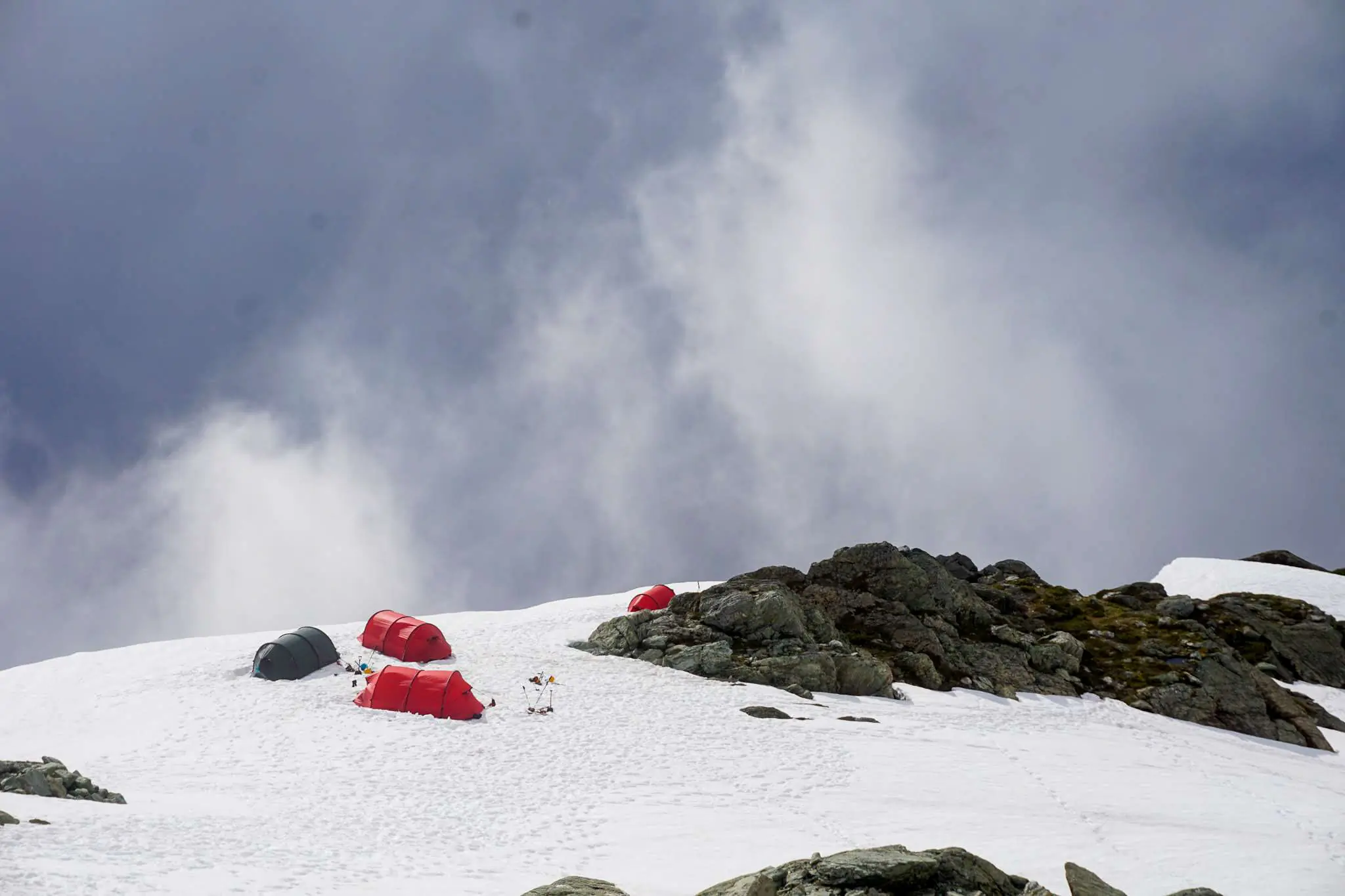
Key Comparison: Hilleberg Jannu vs. The North Face Mountain 25 While both are legendary, the Jannu is built for the "fast and light" alpinist who needs a low profile and quick setup. The Mountain 25, however, is a larger, more traditional double-wall tent. It offers more vertical headspace and better ventilation for extended stays, but it pays the price in weight (nearly 3 lbs heavier than the Jannu). If you're moving every day, go Jannu. If you're sitting out a three-day storm, you'll want the Mountain 25.
Best Overall Value: The North Face Mountain 25
The Mountain 25 is a classic for a reason. It matches the performance of many boutique brands at a more accessible price point. It’s a dual-door, dual-vestibule workhorse with a DAC pole set that has stood the test of time. We particularly love the "poled" front vestibule which creates a massive mudroom for melting snow and storing boots.
- Pros: Excellent ventilation system, very stable in high winds, dual doors for easy entry/exit.
- Cons: High packed weight and a slightly complex setup process for solo users.
Check Price on The North Face →
The Great Debate: Single Wall vs. Double Wall
When choosing a winter shelter, you’ll inevitably face the choice between a single-wall and a double-wall design. This isn't just about weight; it’s about how you manage moisture.
Double-Wall Tents consist of an inner tent body and a waterproof outer rainfly. This is the gold standard for condensation management. In humid cold environments (like the Northeast or the PNW), your breath will condense on the outer fly, keeping the inner tent—and you—dry. They are heavier but far more livable for multi-day trips.
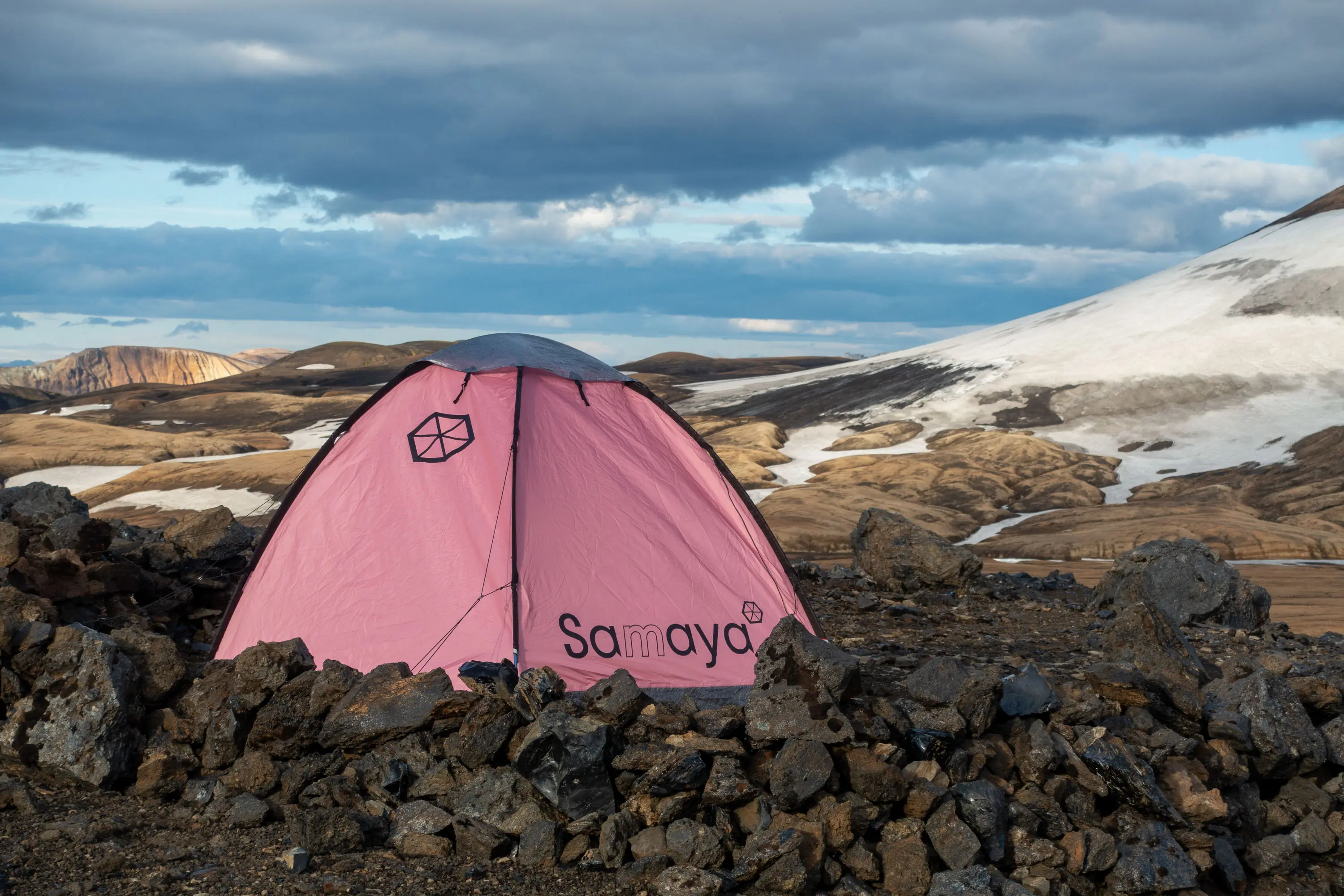
Single-Wall Tents like the Samaya 2.0 or the Black Diamond Eldorado are the choice for fast-and-light alpine ascents where every ounce is a liability. These use a single layer of breathable, waterproof fabric. They are significantly lighter and have a smaller footprint, making them easier to pitch on narrow ledges. However, unless the air is very dry or you have excellent airflow, you will wake up with "tent rain" (frost falling from the ceiling) as your breath freezes to the walls.
Lightweight Alternatives: Pyramid Tarps & Mids
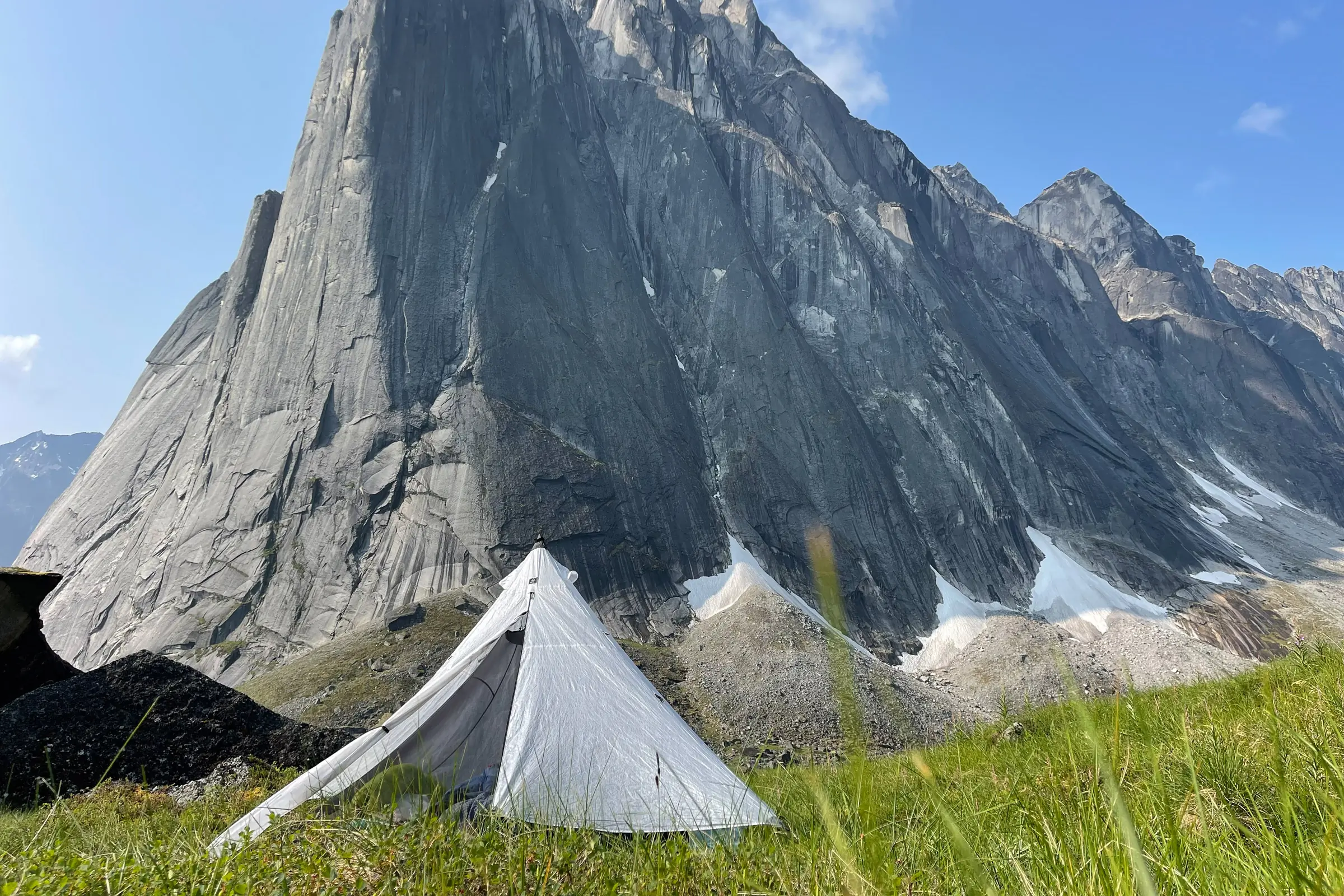
For the ultralight crowd, the traditional "winter tent" is being challenged by the Pyramid Tarp (or "Mid"). Shelters like the Hyperlite Mountain Gear UltaMid 2 use Dyneema Composite Fabric (DCF), which is completely waterproof and doesn't stretch when wet.
Pyramid shelters provide a massive amount of floor area for minimal weight. Because they have steeply sloped walls, they shed snow efficiently. The downside? They generally don't have a floor (unless you buy an insert), meaning you'll be sleeping directly on the snow or a groundsheet. They are favorites for weight-conscious winter travelers who are skilled in "snow-craft"—the art of digging out the interior to create benches and storage.
Essential Buying Factors: What to Look For
Before you drop $800+ on a winter shelter, keep these three factors in mind:
- Pole Architecture: Look for the number of "crossings." Every point where one pole crosses another adds rigidity to the frame. A 3-season tent might have one or two crossings; a high-end 4-season tent will have four to seven.
- Vestibules: In winter, your vestibule is your mudroom, kitchen, and gear locker. You need enough space to store a 75L pack and still have room to safely operate a stove for melting snow. A "poled" vestibule is always superior as it won't collapse under snow weight.
- Fabric Denier: Weight is the enemy, but durability is your friend. A 15D (denier) fabric is common in ultralight tents, but for winter, I prefer at least a 40D fly and a 70D floor. You’ll be pitching on sharp ice and frozen ground; you need the extra beef.
FAQ
Can I use a 4-season tent in the summer? You can, but you probably shouldn't. 4-season tents are designed to retain heat and block wind, meaning they have very little mesh. In a 70-degree summer night, you will feel like you’re in a sauna. They are also significantly heavier than summer-specific tents.
How do I prevent condensation in a winter tent? Ventilation is key. Even if it's freezing, keep the top vents open. You want a cross-breeze to carry your moist breath out of the tent before it can freeze to the walls.
Do I need a footprint for a winter tent? On deep snow, a footprint isn't strictly necessary. However, if you are pitching on frozen, rocky ground or "glacier ice," a footprint will protect your expensive tent floor from punctures and abrasion.
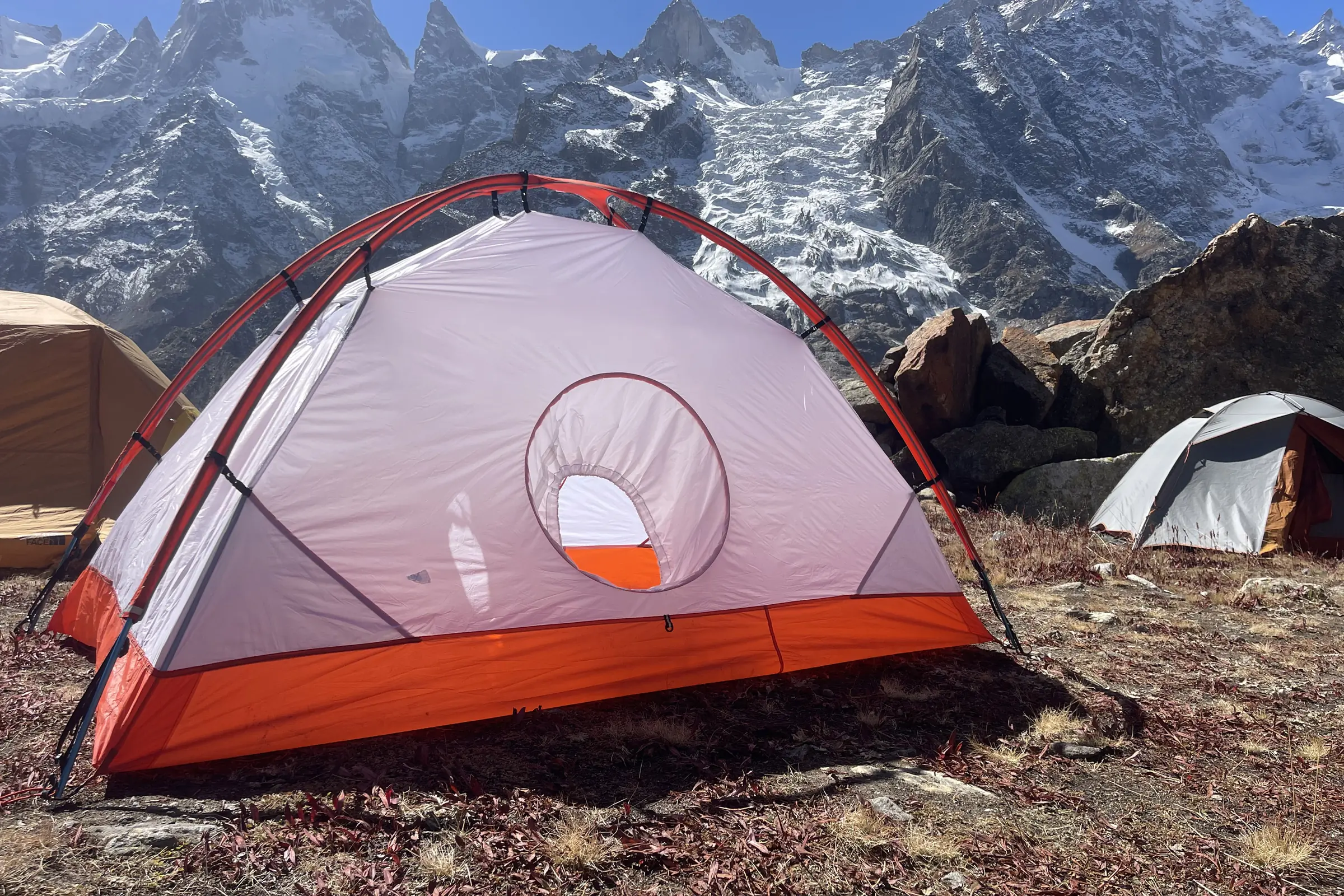
Selecting the right 4-season tent isn't about finding the lightest option; it's about finding the one that matches the worst-case scenario of your destination. Whether you choose the bombproof reliability of the Mountain Hardwear Trango 2 or the alpine agility of the Hilleberg Jannu, remember that your tent is the only thing standing between you and the raw power of the mountains. Choose wisely, test your gear before the big trip, and I'll see you out there on the ridges.