The wind on the Sahale Arm in the North Cascades doesn't just blow; it bites. I’ve stood there in mid-October, caught in that agonizing transition where rain turns to sleet, and the humidity makes you feel like you’re hiking inside a pressurized steamer. In those moments, your choice of outerwear isn't just a matter of fashion—it’s a safety decision.
For over a decade, the outdoor industry has chased the "Unicorn Layer": a jacket that breathes like a second skin during a steep skin track but sheds a torrential downpour like a suit of armor. In 2026, we are closer than ever to that ideal, yet the fundamental choice remains: Softshell or Hardshell? The primary difference between a softshell and a hardshell is that a hardshell is fully waterproof and windproof for extreme weather, while a softshell prioritizes breathability, stretch, and comfort for high-output activities in moderate conditions.
As technical apparel has seen a 47% market growth in the last few years, the lines have blurred, but the use cases remain distinct. If you choose wrong, you’re either soaked from the outside by a storm or soaked from the inside by your own sweat. Let's break down the gear that will define your 2026 season.
Softshell vs. Hardshell: The 2026 Comparison Table
| Feature | Hardshell (The Armor) | Softshell (The Engine) |
|---|---|---|
| Primary Goal | 100% Waterproof / Windproof | Maximum Breathability / Mobility |
| Material | 3-Layer Laminate (Non-stretch) | Woven Nylon/Polyester (Stretchy) |
| Weather Protection | Extreme (Snow, Heavy Rain) | Moderate (Wind, Light Mist) |
| Breathability | Moderate (Mechanical Vents) | High (Vapor-permeable) |
| Durability | High Abrasion Resistance | High Tear Resistance (Flexes) |
| Weight | 10oz - 20oz | 7oz - 25oz |
The Hardshell: Your Alpine Armor
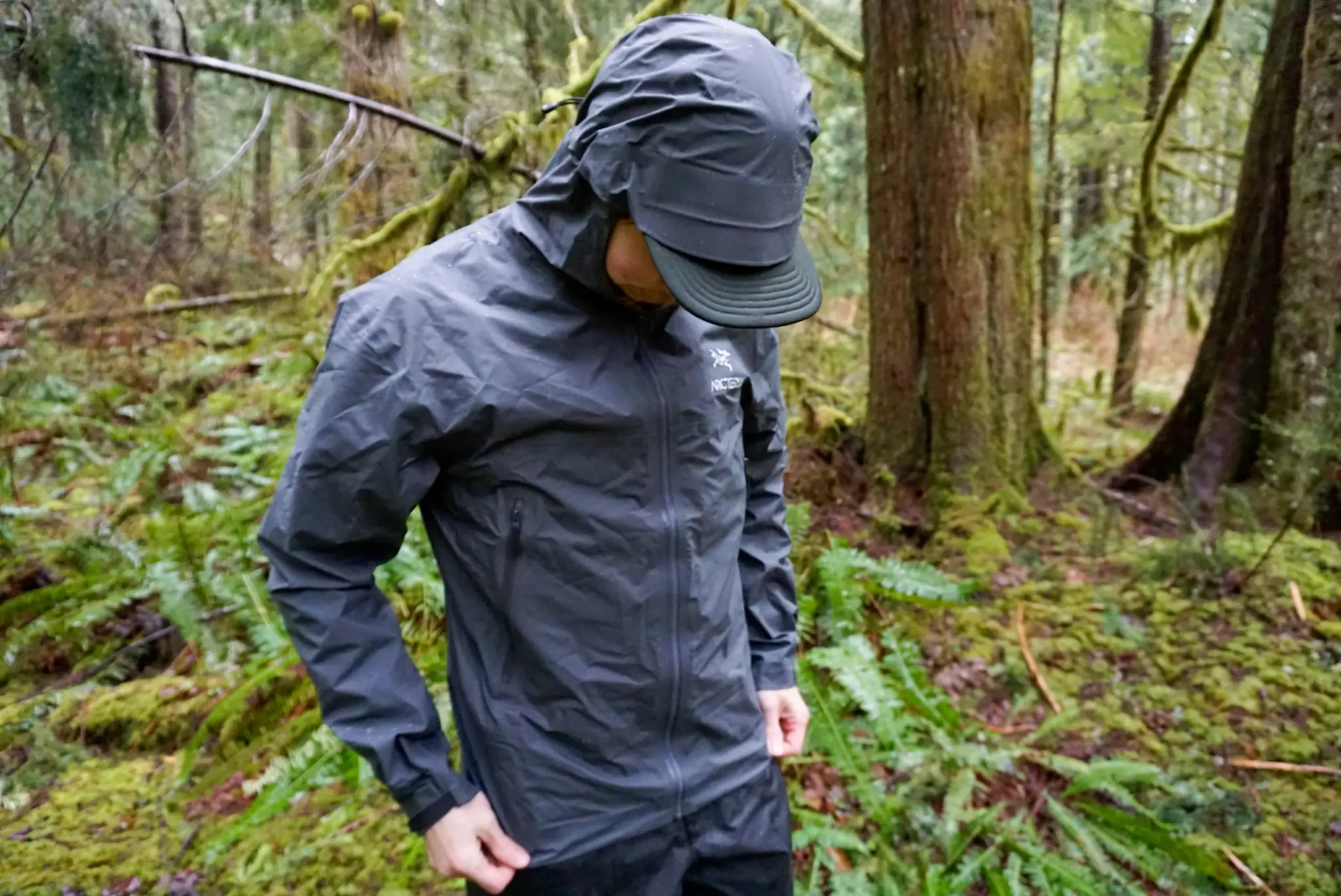
When the sky opens up and the "water-resistant" label on your old fleece starts to feel like a cruel joke, you need a hardshell. Modern hardshells are technical masterpieces, usually built with a three-layer construction: a face fabric, a waterproof-breathable membrane (like Gore-Tex or ePE), and a liner.
In 2026, the standard for a "serious" shell is a 20,000mmH2O waterproof rating. To put that in perspective, that’s enough pressure to keep you dry even if you’re kneeling in a puddle or carrying a heavy pack that would otherwise "push" water through lesser fabrics. We look for high denier counts—think 100D—in high-wear areas to ensure the jacket can survive a granite chimney or a dense thicket of slide alder.
Top Pick: Arc’teryx Beta AR ($650) The Beta AR remains the quintessential do-all hardshell for 2026. It features the latest PFAS-free Gore-Tex Pro, which provides a "tank-like" feel without the environmental baggage of a decade ago. It’s the jacket I reach for when the forecast looks "sporty" and I'm heading above the treeline.
Pros:
- Indestructible build quality.
- DropHood™ design allows for separate collar and hood adjustment.
- Excellent resale value and long-term warranty support.
Cons:
- Premium price tag.
- "Crinkle" factor can be noisy during high-movement activities.
The Softshell: Freedom of Movement
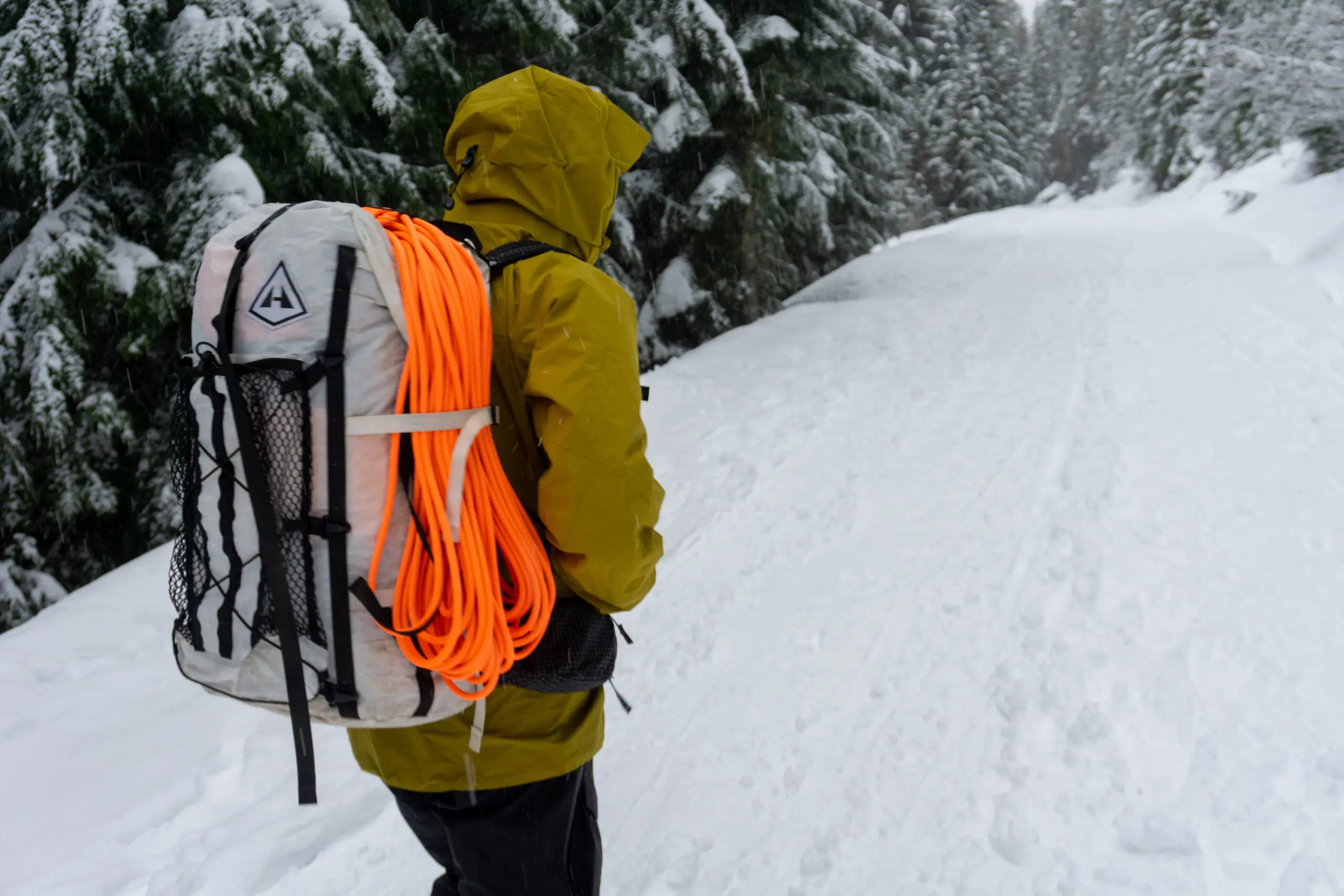
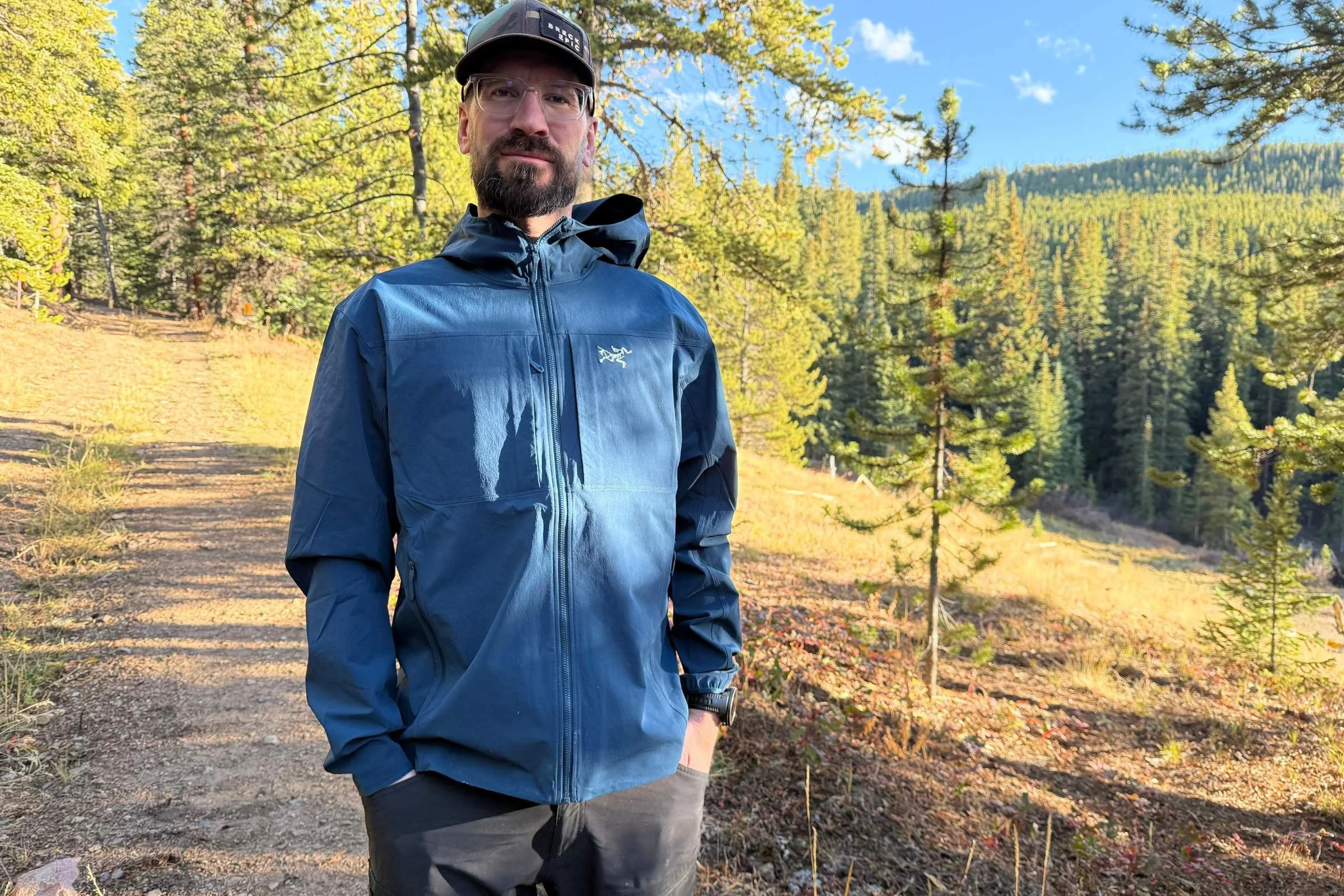
If a hardshell is armor, a softshell is a high-performance athletic jersey. The Arc'teryx Gamma Hoody is considered the best overall softshell for 2026 due to its superior durability and the 'Goldilocks' balance of breathability and moisture repellency for year-round adventure.
Softshells rely on a "mechanical stretch"—the way the fibers are woven allows the fabric to move with your body. Whether you’re reaching for a far-off hold while ice climbing or swinging trekking poles on a 20-mile day, a softshell doesn't resist you. It breathes. It lets the heat your body generates escape before it turns into clammy moisture.
Top Pick: Arc’teryx Gamma Hoody ($300) This is the piece I wear 80% of the time. It handles wind like a champ and sheds light snow easily. It’s tough enough to scrape against basalt but comfortable enough to wear over a t-shirt.
Check Arc'teryx Gamma Pricing →
Best Specialized Softshells for 2026
The "softshell" category has expanded significantly. We no longer just have heavy, fleece-lined jackets; we have ultra-specialized tools for specific missions.
Best for Wet Weather: Rab Kinetic 2.0
For wet weather, the Rab Kinetic 2.0 is the top-rated softshell because it features a waterproof membrane and taped seams, bridging the gap between a traditional softshell's mobility and a hardshell's storm protection. It feels like a cozy sweatshirt but performs like a rain jacket. I’ve worn this during fast-and-light pushes in the Scottish Highlands, and it’s the only piece I’ve found that truly lives in both worlds.
View Rab Kinetic 2.0 Details →
Best for Ultralight Missions: Black Diamond Alpine Start Hoody
Technical testing shows that ultralight softshells like the Black Diamond Alpine Start can reduce pack weight to just 6.9 ounces, providing high breathability with a significantly lower weight profile than traditional shells. It’s essentially a wind shirt with a "tougher" soul. It stuffs into its own pocket and disappears into your pack until you hit a windy ridge.
Best Value: Rab Borealis
If you need a layer for high-output hiking or spring skiing that won't break the bank, the Borealis is it. It offers exceptional ventilation and UPF protection, making it a favorite for desert towers or high-altitude summer treks.
The 2026 Tech Shift: PFAS-Free & ePE Membranes
The biggest story in 2026 isn't a new pocket design; it's the chemistry. The industry has moved away from "forever chemicals" (PFAS/PFCs) in both membranes and DWR (Durable Water Repellent) coatings.
Expert Tech Spec Callout: The ePE Revolution Expanded Polyethylene (ePE) is the new standard for waterproof membranes. It’s thinner, lighter, and has a lower environmental footprint than traditional PTFE. However, ePE membranes and PFAS-free DWR require more frequent washing to maintain performance. Oils from your skin and dirt from the trail can clog these new materials faster, so don't be afraid to throw your shell in the wash with a technical cleaner like Nikwax.
Our expert test team has field-tested over 150 different softshell jacket models since 2011 to assess long-term durability and performance across diverse climates. We’ve noticed that while the new 2026 eco-friendly shells are just as waterproof, they require a bit more "love" to keep that water beading off the surface.
Scenario-Based Selection: Which One Do You Need?
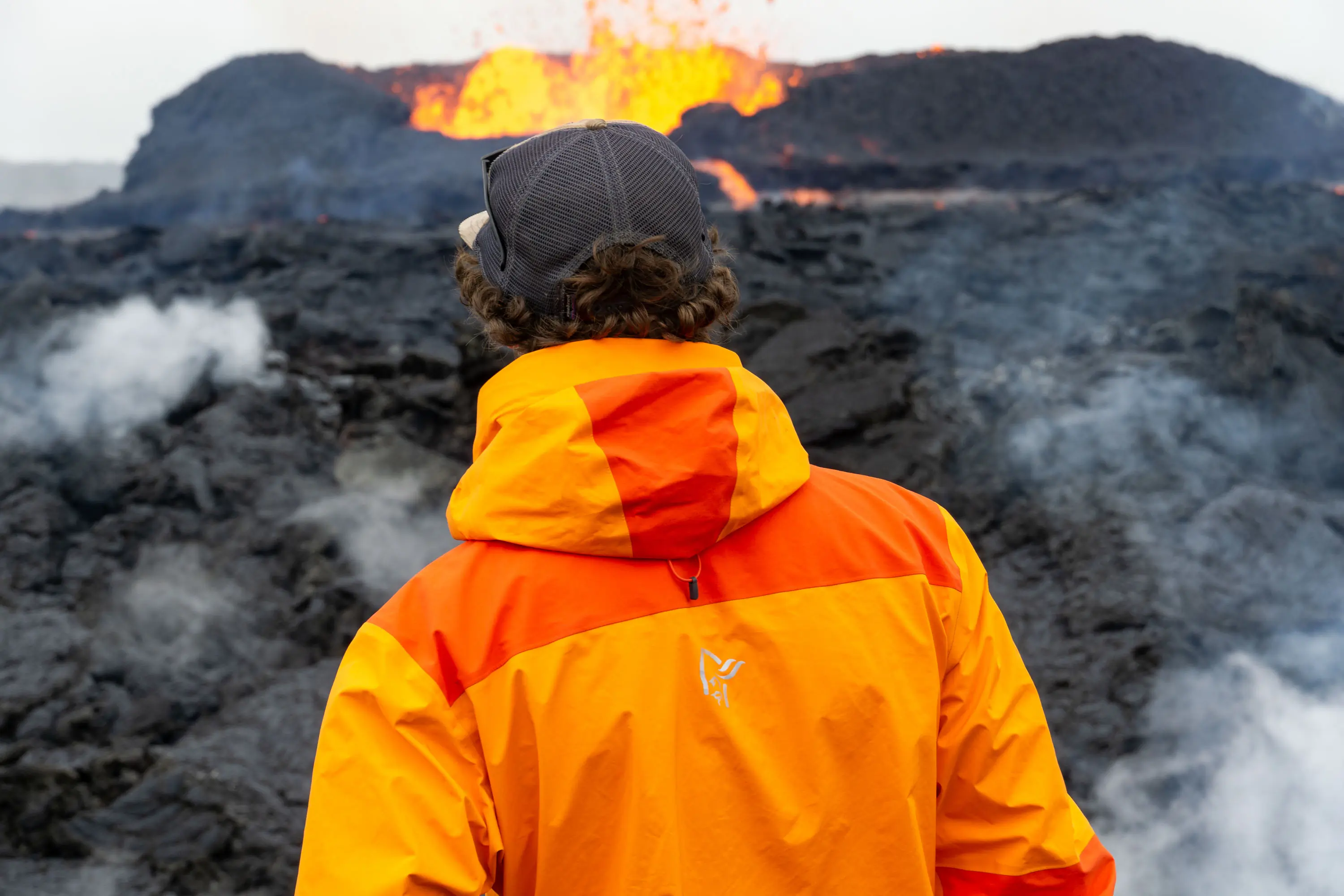
Choosing between these two isn't about which jacket is "better"—it's about the "where" and "how."
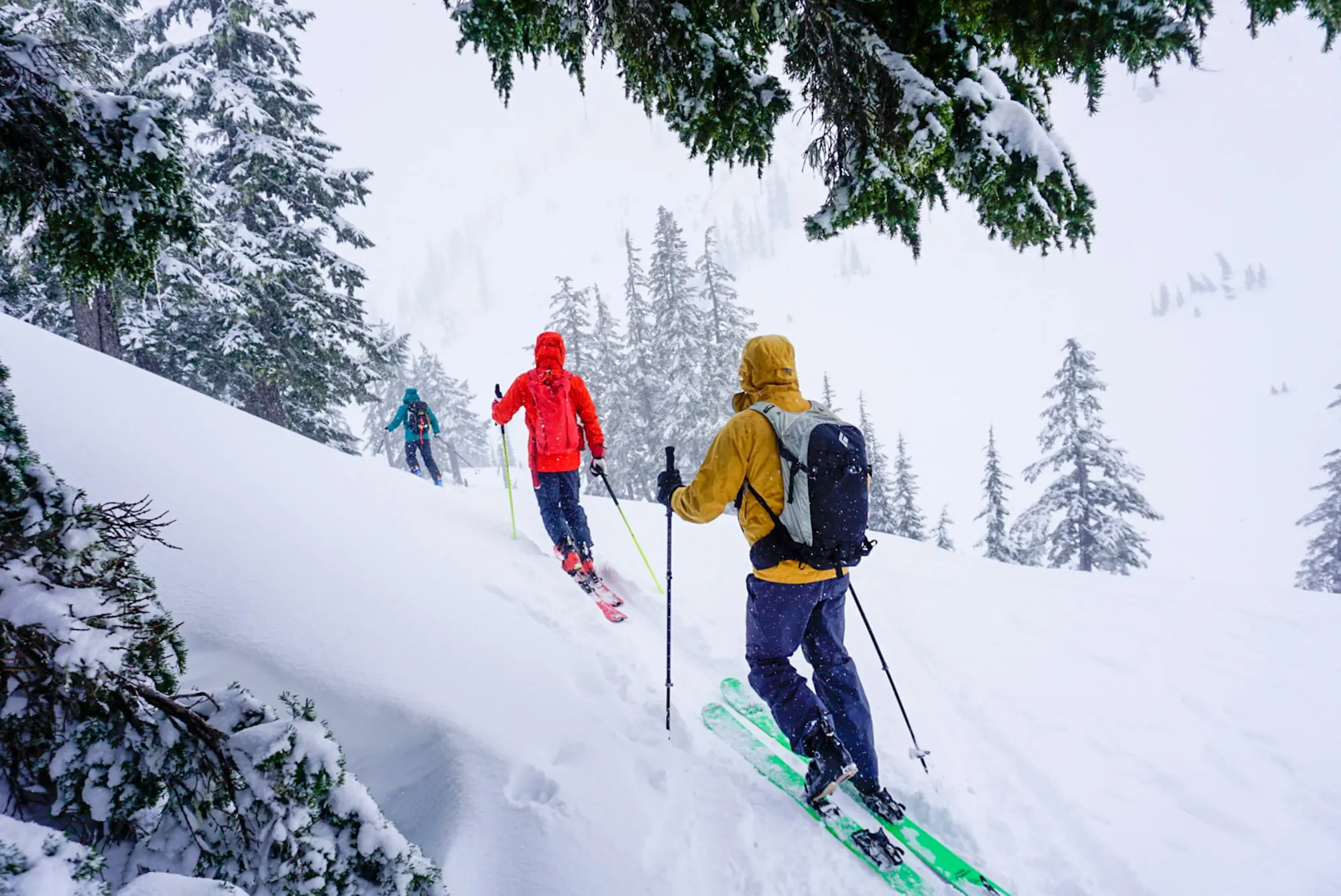
- High-Output Cardio (Running, Fast Packing, Ski Touring): Choose a Softshell. You are generating massive amounts of internal heat. A hardshell will turn into a sauna within 15 minutes, whereas a softshell like the Black Diamond Alpine Start will move that moisture away from your skin instantly.
- Severe Alpine / Resort Skiing: Choose a Hardshell. When you’re sitting on a frozen chairlift in a blizzard or taking a fall in deep powder, you need a total barrier. The Arc’teryx Beta AR provides that "safe room" feeling when the weather turns nasty.
- Transition Seasons (Shoulder Season Hiking): Look for a Hybrid or Insulated Softshell. The Patagonia R2 TechFace is a great example—it combines the weather resistance of a softshell with the warmth of a high-loft fleece. It’s the ultimate "one-and-done" piece for autumn hikes.

FAQ
Can I use a softshell as a raincoat? Generally, no. Most softshells are treated with DWR, which makes water bead up and roll off, but they lack a waterproof membrane and taped seams. In a sustained downpour, the fabric will eventually "wet out." The exception is the Rab Kinetic 2.0, which is a waterproof softshell hybrid.
Is a hardshell always better for winter? Not necessarily. If you are ice climbing or snowshoeing in dry, cold conditions (like the Rockies), a softshell is often better because it breathes better and offers more mobility. Hardshells are essential for "wet" cold (like the Pacific Northwest or New England).
Do I need both? For the serious adventurer, yes. My standard layering system is a base layer, a light mid-layer, and a softshell for the approach. I keep a lightweight hardshell at the bottom of my pack as "insurance" for when the weather forecast gets it wrong.
Ready to Gear Up for 2026?
The "perfect" jacket is the one that stays on your back, not in your pack. If you value comfort and breathability for active days, go with the Arc'teryx Gamma. If you’re heading into the teeth of a storm and safety is the priority, don't leave home without the Arc'teryx Beta AR.
Whatever you choose, get out there and test the limits—just make sure you're wearing the right layer when you do.