I’ve swung kettlebells in everything from high-altitude basecamps in the Andes to cramped, fifth-floor walk-ups in Brooklyn. If there’s one sound that sends a shiver down my spine—more than a snapping tent pole or a distant thunderclap—it’s the thud of a 35-pound cast-iron bell meeting a pristine hardwood floor. For years, the trade-off for a solid home workout was either a bulky rubber mat that smelled like a tire factory or the constant fear of losing my security deposit to a single stray rep.
When Nike announced they were pivoting into heavy hardware, I was skeptical. Was this just another lifestyle brand slapping a swoosh on a piece of iron? After putting the Nike Rubber Coated Kettlebell through its paces in my own living room, I can tell you: this isn't just a gym accessory. It’s a specialized piece of kit designed for the modern athlete who trains where they live.
If you are looking for the short answer: Yes, the Nike Rubber Coated Kettlebell is arguably the most floor-friendly kettlebell on the market today. By encasing a high-quality iron core in proprietary Nike Grind rubber, they’ve created a tool that minimizes impact and practically eliminates the scratches associated with traditional iron.
At a Glance: The Nike Rubber Coated Kettlebell
| Category | Score | Notes |
|---|---|---|
| Construction | 4.8/5 | Iron core with durable, recycled Nike Grind coating. |
| Handle Ergonomics | 5.0/5 | Industry-leading 5.5-inch width for two-handed swings. |
| Floor Safety | 5.0/5 | Superior shock absorption; no scuffing on hardwood. |
| Value | 4.2/5 | Premium price point, but saves money on floor repairs. |
First Impressions & Nike’s Foray into Strength
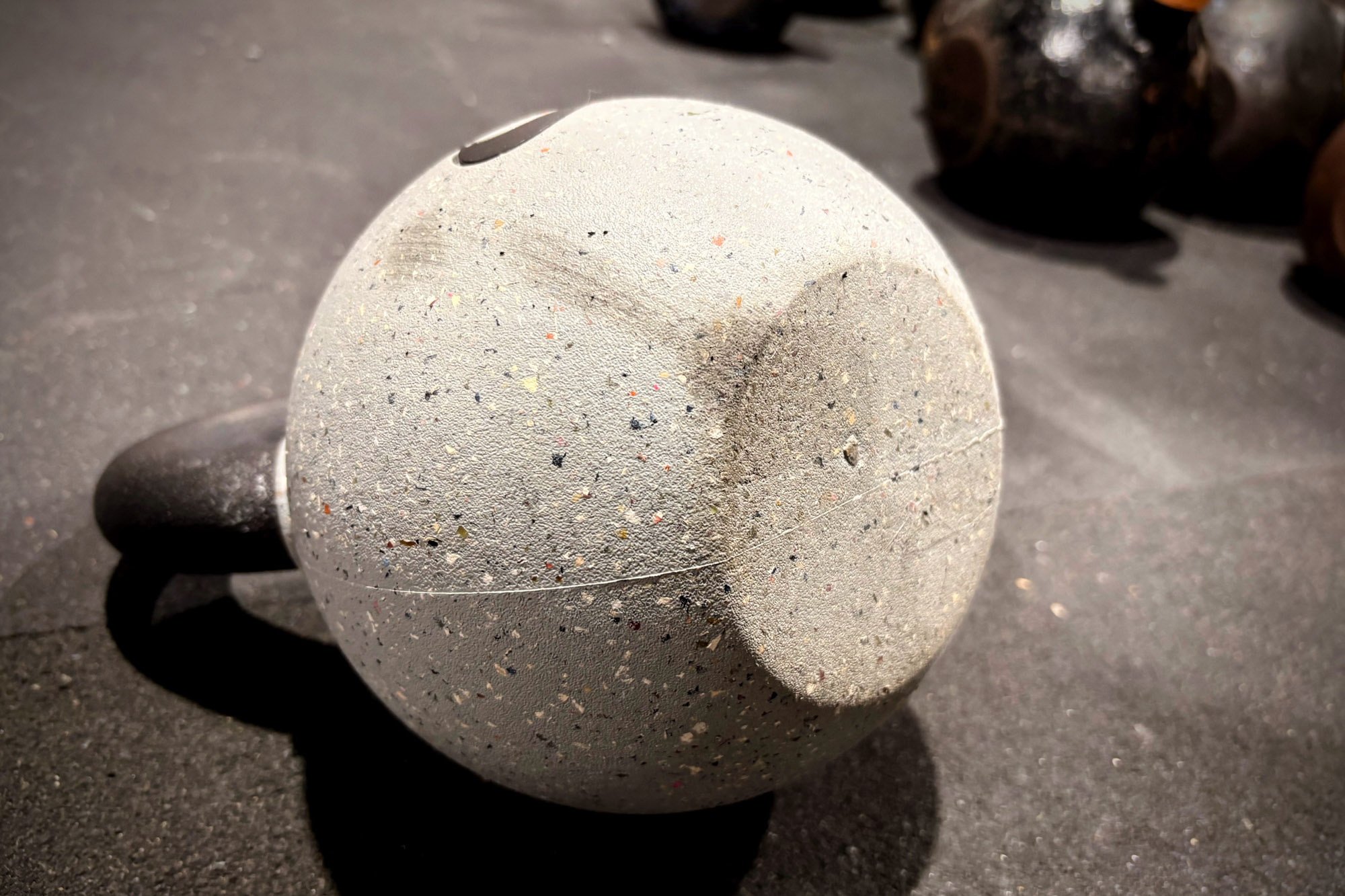
Nike entering the strength equipment space felt inevitable, but their approach with the Nike Rubber Coated Kettlebell shows they actually listened to the "garage gym" community. The first thing you notice isn't the weight; it's the texture. The kettlebell features a distinct, speckled finish known as Nike Grind. It looks rugged, professional, and—honestly—a lot better than the glossy, chip-prone enamel of my old school bells.
As an editor who spends half the year out in the elements, I appreciate gear that can take a beating. But when I’m back home, I want my gear to respect my space. This kettlebell feels like a bridge between those two worlds. It has the gravity of a serious training tool but the "softness" (relatively speaking) required for indoor use.

Construction: The Nike Grind Innovation
The standout feature here is undoubtedly the Nike Grind rubber. For the uninitiated, Nike Grind is a collection of recycled materials sourced from the company’s footwear manufacturing process. Specifically, this kettlebell’s coating consists of at least 40% recycled rubber.
From a sustainability standpoint, it’s a win. From a performance standpoint, it’s a revelation. Traditional rubber-coated bells often use "virgin" rubber that can have a pungent, chemical odor and a greasy feel. The Nike Grind material is different. It’s dense, textured, and remarkably durable.
During my testing, I intentionally "clanked" two bells together during double-kettlebell cleans. In standard cast iron, this would result in a loud metallic ring and potentially a chipped finish. With the Nike bells, you get a dull thud. The rubber isn't just a thin skin; it’s a robust layer that absorbs energy.
Marcus’s Pro Tip: If you’ve ever used those cheap vinyl-dipped kettlebells from big-box retailers, forget everything you know. Those are prone to cracking and peeling. The Nike Grind coating is bonded to the iron core with an industrial-grade finish that doesn’t feel like it’s going anywhere, even after high-rep sweat sessions.
Floor Protection Analysis: Safe for Your Living Room?
Let’s get to the core of the matter: your floors. I tested the 35lb (16kg) model on three surfaces: interlocking gym tiles, ceramic tile, and—the ultimate test—oak hardwood.
- On Hardwood: Most kettlebells have a rough bottom that acts like sandpaper over time. The Nike kettlebell features a 3.5-inch diameter flat bottom that is fully encased in the rubber coating. When setting the weight down between sets of swings, the impact is muffled. I didn't see a single micro-scratch or scuff mark, even when I was a bit "casual" with my placement at the end of a grueling EMOM (Every Minute on the Minute) workout.
- On Ceramic Tile: The risk here is cracking. While no 35lb weight is "safe" to drop from shoulder height onto tile, the shock absorption properties of the Nike Grind rubber significantly reduce the vibration sent through the floor upon contact. It feels much more "planted" and less likely to skitter across the room.
- Noise Reduction: If you live in an apartment, your neighbors will thank you. The "clank" of a kettlebell hitting the floor is often what triggers noise complaints. The Nike bell replaces that sharp crack with a low-frequency "thump" that doesn't travel through walls nearly as easily.
While this is the most floor-friendly bell I’ve ever used, I’ll always give you the straight talk: it is still a heavy block of iron. If you drop it from overhead, gravity wins, and your floor will lose. However, for controlled movements, it offers a margin of safety that traditional cast iron simply cannot match.
Ergonomics: The Wide Handle Advantage
The most surprising "win" for the Nike kettlebell isn't the rubber—it's the handle. Most standard kettlebells (especially competition-style ones) have a narrow window. If you have large hands, two-handed swings can feel like a game of Tetris, with your pinkies getting crushed against the vertical horns.
Nike solved this with a 5.5-inch wide handle window on the 35lb model. This is roughly 15-20% wider than the average kettlebell in this weight class. This extra real estate is a game-changer for:
- Two-Handed Swings: Total comfort. No hand crowding.
- Goblet Squats: You can easily grip the horns without your wrists feeling kinked.
- Stability: The powder coating on the handle itself (which is iron, not rubber) provides a rock-solid grip even when your palms start to sweat.
The transition from the rubber-coated body to the powder-coated handle is seamless. There are no sharp seams or "burrs" that you often find on cheaper cast iron bells, which can tear up your calluses during high-rep snatches.
Stability & Performance
Stability is often overlooked in kettlebell design. If the base is too narrow, the bell becomes a tipping hazard during floor-based exercises. Nike gave the 35lb bell a 3.5-inch flat base, which provides a stable platform for movements like:
- Renegade Rows: I felt zero wobble as I pulled the opposing weight.
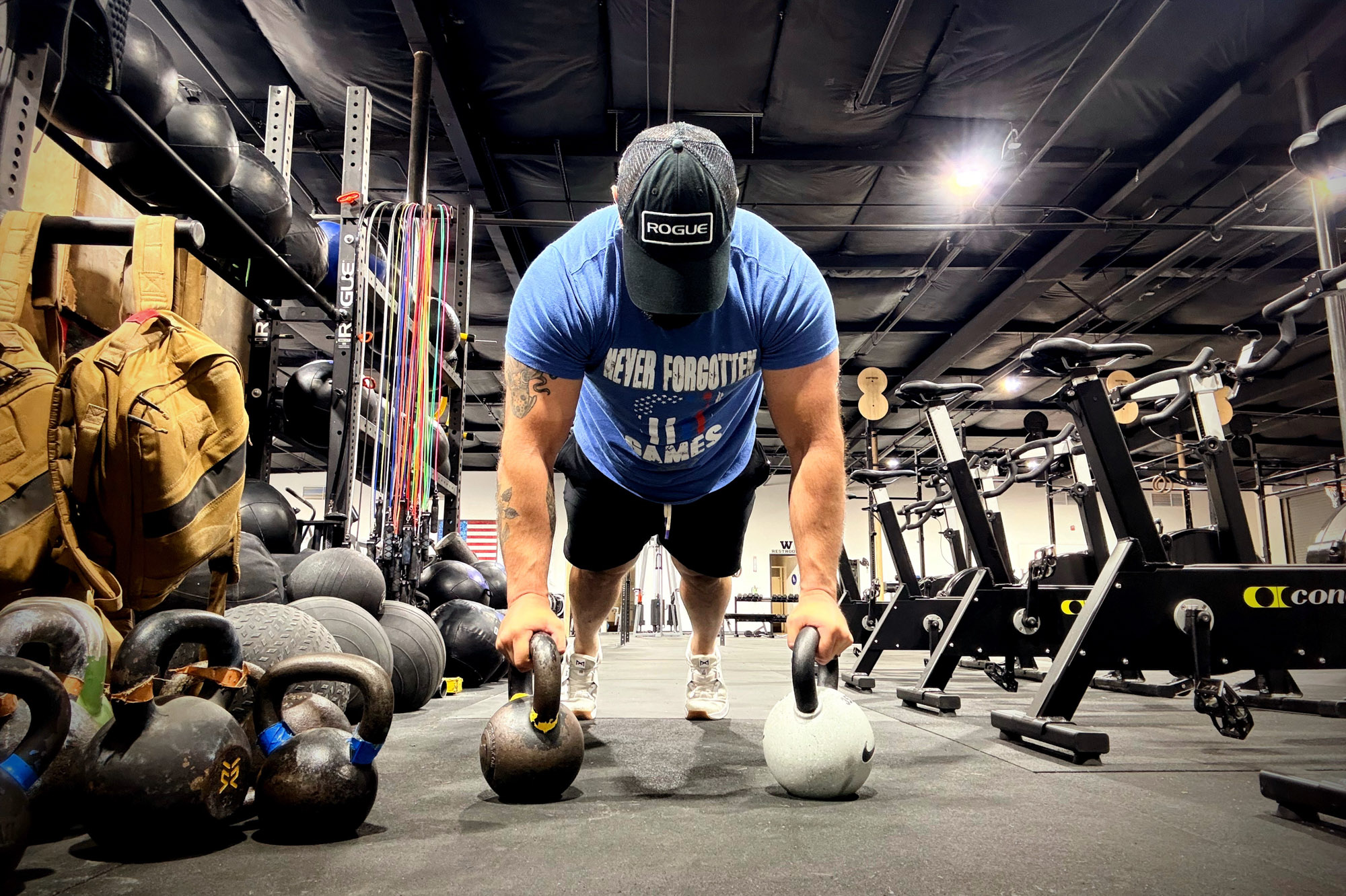
- Kettlebell Pushups: My hands felt secure, and the rubber bottom gripped the floor, preventing the bell from sliding outward.
Performance-wise, the weight distribution is spot on. The rubber coating also provides a unexpected benefit during snatches: as the bell rotates and hits your forearm, the rubber offers a much softer "landing" than bare iron. It’s like having a built-in wrist guard.
Comparison: Nike Rubber vs. Traditional Cast Iron
To give you a clearer picture of how these stack up, I’ve broken down the key differences I noticed during my three-week testing period.
| Feature | Nike Rubber Coated Kettlebell | Traditional Cast Iron Kettlebell |
|---|---|---|
| Primary Material | Iron core w/ Nike Grind Rubber | Solid cast iron (often painted/enameled) |
| Handle Width | 5.5" (Extra Wide) | 4.5" - 4.75" (Standard) |
| Floor Protection | High (Shock absorbent) | Low (Requires heavy matting) |
| Grip Stability | Powder-coated iron (Excellent) | Varies (Can be slippery when wet) |
| Eco-Impact | 40% Recycled Material | Virgin iron/ore mining |
| Max Weight | 53 lbs (Currently) | 100+ lbs |
Pros & Cons
Every piece of gear has its trade-offs. Here is my "Good Lifts" and "No Reps" breakdown for the Nike Rubber Coated Kettlebell.
Good Lifts (Pros)
- Floor-First Design: It’s the gold standard for indoor training. Period.
- Massive Handle: Finally, a kettlebell designed for people with actual human-sized hands.
- Eco-Friendly Story: Knowing 40% of the coating is repurposed from shoe waste is a nice bonus for the environmentally conscious adventurer.
- Quiet Training: Perfect for early morning or late-night sessions without waking the house.
- Aesthetic: The speckled finish looks incredibly premium in a home gym setup.
No Reps (Cons)
- Price: You are paying a premium for the Nike brand and the specialized coating.
- Weight Ceiling: Currently, these only go up to 53lbs (24kg). If you’re a heavy-lifter looking for 70lb or 80lb "beast" bells, you'll have to look elsewhere for now.
- Bulk: The rubber coating adds a tiny bit of volume to the bell compared to a bare iron one of the same weight.

Final Verdict: Who Should Buy the Nike Rubber Kettlebell?
After three weeks of swinging, pressing, and rowing, the verdict is clear. The Nike Rubber Coated Kettlebell is the best option for the home-based fitness enthusiast who prioritizes floor safety and comfort over everything else.
If you are training in a garage with horse stall mats and you don't care about a little rust or floor scuffs, you can find cheaper cast iron alternatives. But if you’re like me—training in a living room, a bedroom, or a shared apartment—the peace of mind this kettlebell provides is worth every penny of the premium price. It eliminates the "anxiety" of the workout, letting you focus on your form rather than your floorboards.
Best for:
- Apartment dwellers and home gym owners with hardwood or tile floors.
- Lifters who find standard kettlebell handles too narrow for two-handed work.
- Eco-conscious athletes looking for sustainable gear.
FAQ
Q: Is the Nike Grind rubber durable, or will it peel off over time? A: In my experience, Nike Grind is significantly more durable than standard vinyl or thin rubber dips. It’s thick and chemically bonded to the core. Unless you are intentionally dragging it across abrasive concrete daily, it should last a lifetime of indoor use.
Q: Can I use these without a gym mat? A: Yes, that is the primary selling point. While a mat is always recommended for the absolute best protection of your subfloor, the rubber coating on these bells makes them safe for direct use on hardwood, laminate, and tile for most standard exercises.
Q: How does the handle size compare to standard bells? A: The 35lb Nike model features a 5.5-inch wide handle window. For context, many competition bells are closer to 4.5 or 4.75 inches. That extra 15-20% of space makes a massive difference for two-handed swings, preventing your hands from overlapping.
Got questions about setting up your own off-the-beaten-path home gym? Drop a comment below or find me on the trails! — Marcus Rivera