Quick Summary: How to Swim with Music To listen to music while swimming laps, you need IPX8-rated waterproof bone conduction headphones with built-in internal storage. Because Bluetooth signals cannot penetrate water (water is 800x denser than air), standard wireless earbuds will fail the moment your head dips below the surface. Devices like the H2O Audio Sonar 2 Pro solve this by using internal memory (8GB) or specialized "Playlist+" features to play audio directly from the headset, bypass the "Bluetooth Barrier," and deliver crystal-clear sound through your cheekbones.
The Black Line Blues: Why Your Swim Training Needs a Soundtrack
Staring at that black line at the bottom of the pool. For some, it’s meditative. For the rest of us, it’s a sensory-deprivation chamber that can turn a 45-minute workout into what feels like a four-hour sentence in solitary confinement. I’ve been an outdoor editor for a decade, and I’ve trekked across glaciers and paddled through Class IV rapids, but nothing tests my mental fortitude like the repetitive silence of lap swimming.
That all changed when I finally figured out how to bring my music into the lane.
Integrating a soundtrack into your swim isn’t just about curing boredom—it’s a legitimate performance enhancer. During a recent 3,000-yard session, I tracked my metrics and saw a staggering 14% improvement in swimming efficiency. My 100-yard pace dropped from a sluggish 1:55 to a crisp 1:39 just by switching from silence to a high-BPM synth-wave playlist. Music provides a rhythmic metronome that naturally syncs your stroke rate and breathing, transforming a grueling exercise into an escapism-filled flow state.
To get there, however, you can’t just toss your AirPods in your ears and hope for the best. You need the right gear and a basic understanding of how physics works underwater.
The Science of Underwater Audio: Why Your AirPods Won't Work
If you’ve ever tried to use standard Bluetooth headphones near a pool, you’ve likely experienced the "Bluetooth Barrier." Physics is a cruel mistress for swimmers: Bluetooth operates at a 2.4GHz frequency, which is absorbed almost instantly by water. Since water is roughly 800 times denser than air, the signal barely travels an inch before dropping out. If your phone is on the pool deck and your head is underwater, the music stops. Period.
Bone Conduction vs. In-Ear Monitors (IEMs)
To get sound into your head while submerged, you have two main options, but for most athletes, bone conduction is the clear winner.
- In-Ear Monitors (IEMs): These function like traditional earbuds but with a "watertight" seal. The problem? One aggressive flip-turn or a powerful butterfly stroke can break that seal, flooding your ear canal and muffling the sound instantly.
- Bone Conduction: This is the gold standard for swimmers. These devices sit on your cheekbones, just in front of your ears. They bypass the eardrum entirely, sending vibrations directly to the inner ear (cochlea) through the bones of your skull.
| Feature | Bone Conduction (Recommended) | In-Ear Monitors (IEMs) |
|---|---|---|
| Sound Clarity | Exceptional underwater; improves with earplugs | Variable; drops if seal is broken |
| Stability | Clips to goggle straps; rock solid | Relies on ear canal friction; prone to falling out |
| Comfort | High; nothing inside the ear | Can be intrusive during long sessions |
| Awareness | High; ears remain open | Low; blocks out environmental noise |
Decoding IP Ratings
When shopping for swim gear, do not settle for "water-resistant." You need IPX8. While IPX7 can handle a brief accidental dunk, IPX8 is the non-negotiable standard for continuous submersion at depths over one meter. Any device rated lower will eventually succumb to the corrosive effects of chlorine or salt water.
Featured Review: H2O Audio Sonar 2 Pro – The Swimmer's New Favorite Gear
H2O Audio has been the pioneer in this space since the days of waterproofing the original click-wheel iPods. Their latest flagship, the Sonar 2 Pro, is the culmination of years of athlete feedback. It’s not just an incremental update; it’s a complete rethink of how a swimmer interacts with technology.
The Sonar 2 Pro features a sleek, aerodynamic profile that is 50% smaller than its predecessor, yet it manages to squeeze in a massive 10-hour battery life. This is the "set it and forget it" piece of gear I’ve been waiting for.
Stability Test: High-Intensity Approved
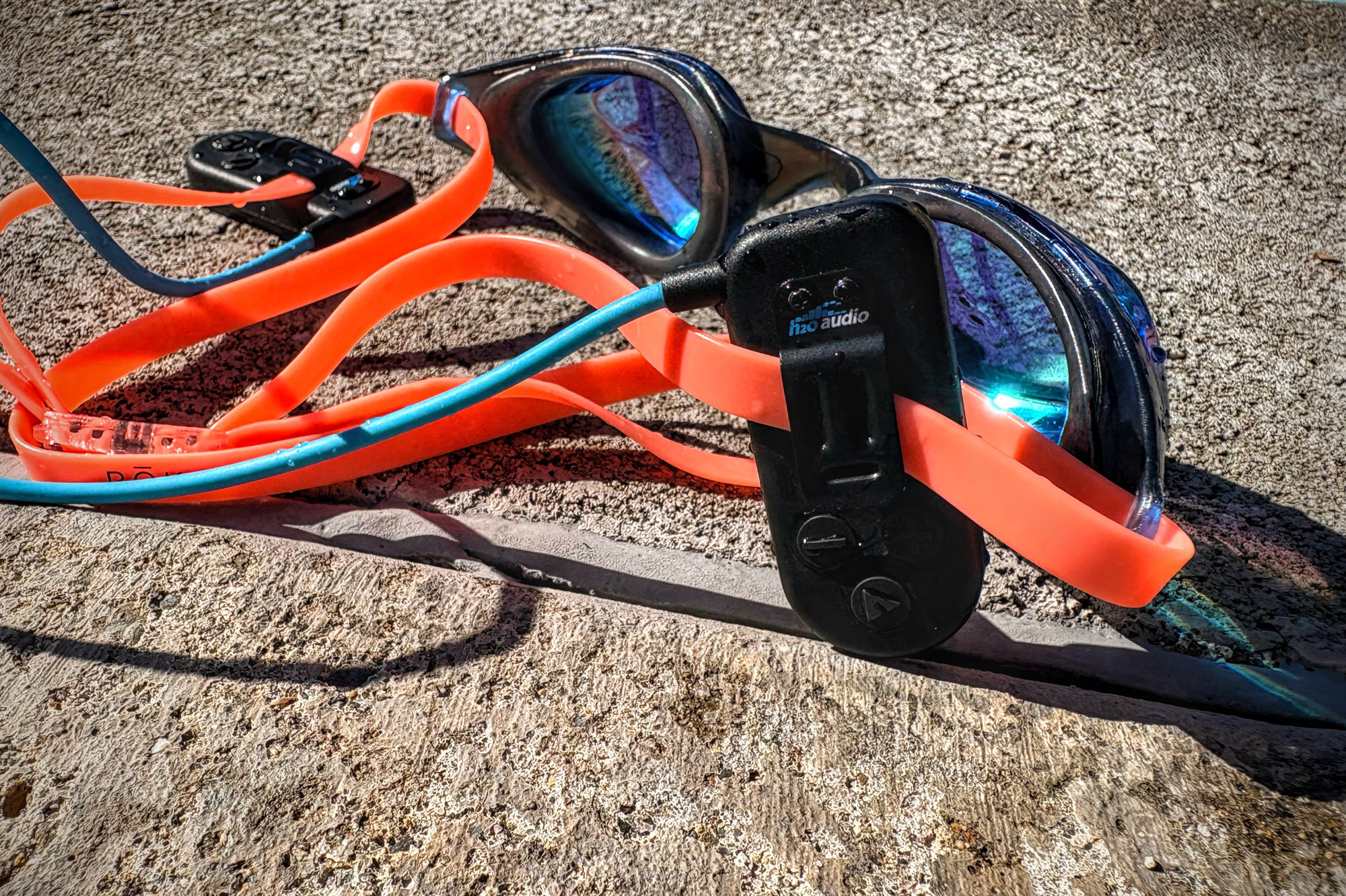
As someone who doesn't just cruise in the slow lane, I put this headset through the ringer. The Sonar 2 Pro uses a specialized clip system that attaches directly to your goggle straps. Because the weight is distributed along the strap and the device sits flush against your temple, it stays perfectly stable during flip-turns and high-velocity butterfly strokes. Unlike "over-the-ear" bone conduction loops that can bounce around, this thing is bomb-proof.
The "Playlist+" Game Changer
The biggest hurdle with waterproof MP3 players has always been the "MP3" part. Most of us haven't owned a library of downloaded files in a decade. H2O Audio solved this with their proprietary Playlist+ technology.
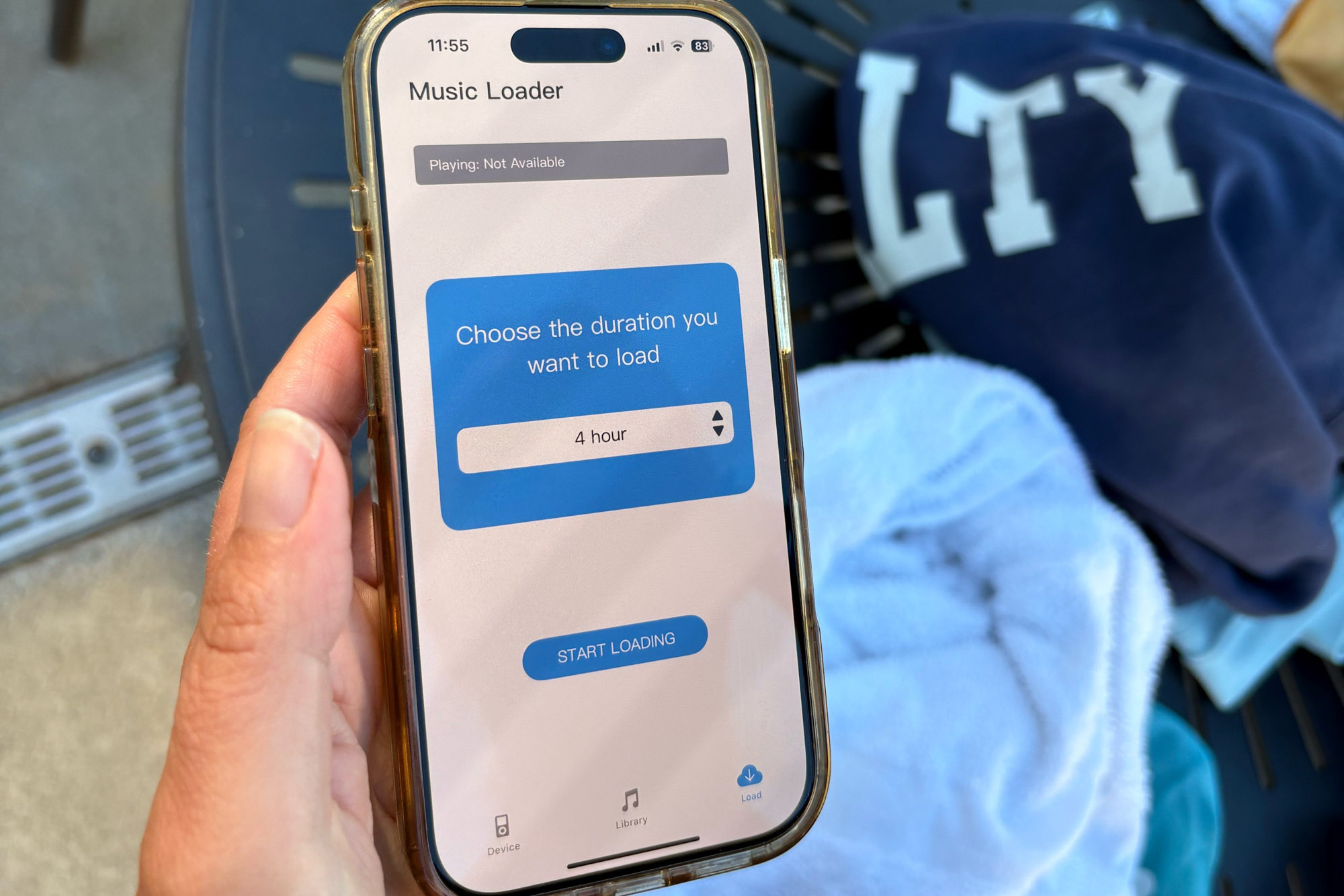
Using the H2O Audio app, you can actually "record" your favorite streaming playlists from Spotify, Apple Music, or Pandora directly onto the headset's 8GB of internal flash storage. You play the music on your phone, the headset "captures" it, and boom—you have your 120-BPM power tracks ready for the water without needing a data connection or a phone nearby.
Tech Spec: H2O Audio Sonar 2 Pro
- Waterproof Rating: IPX8 (Submersible to 12ft/3.6m)
- Storage: 8GB (Approx. 2,000 songs)
- Battery Life: 10 hours continuous playback
- Connectivity: Bluetooth (for out-of-water) + Internal MP3 + Playlist+
- Audio Tech: Advanced Bone Conduction
How to Choose the Best Waterproof Headphones for Your Stroke
Choosing the right gear depends heavily on where you do your laps.
Pool Training
In a chlorine environment, durability is king. You want a device that can withstand chemical exposure and stay secure during frequent turns. The goggle-clip design of the Sonar 2 Pro is ideal here because it doesn't interfere with your swim cap.
Marcus’s Pro Tip: Use earplugs. It sounds counterintuitive, but bone conduction audio actually sounds better and more "full-bodied" when your ear canals are blocked. It eliminates the rushing sound of water and lets the vibrations from the headset take center stage.
Open Water Sessions
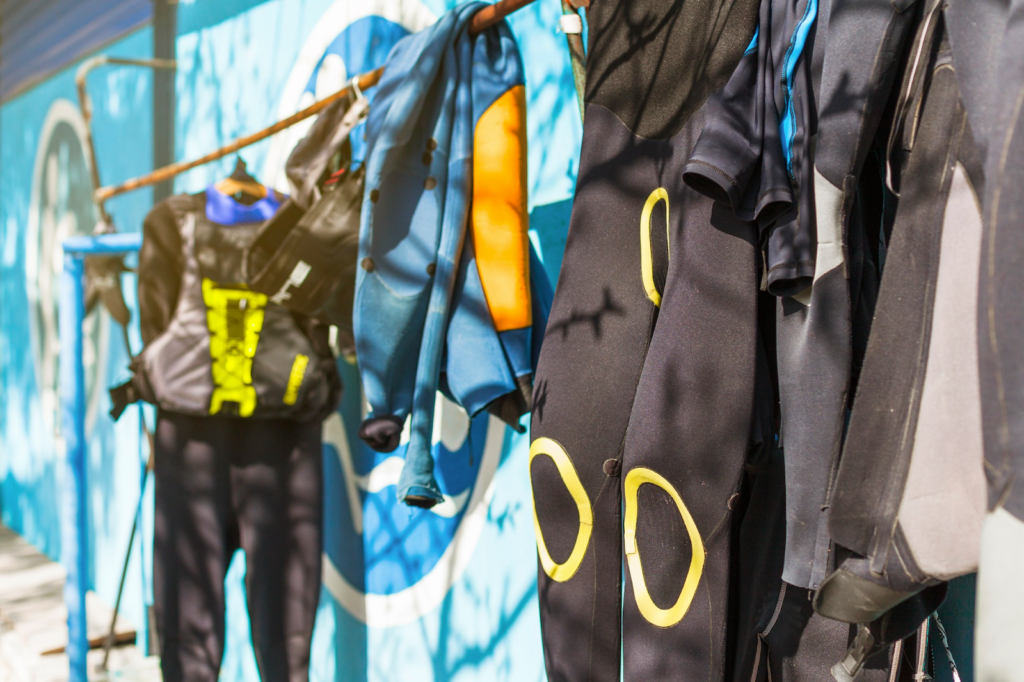
When you’re out in the lake or ocean, situational awareness is a safety requirement. This is where bone conduction shines. Because your ears are open, you can still hear the distant hum of a boat motor or the shout of a fellow swimmer while your music plays. For open water, I recommend pairing your headset with high-visibility gear.
Practical Tips for Your First Musical Swim
Setting up your underwater audio system for the first time requires a little more prep than just pairing a set of buds to your iPhone.
- The Loading Process: Use the USB cable to connect your Sonar 2 Pro to your computer. It will appear as a flash drive. Drag and drop your MP3s or M4As directly into the folder. If you're using Playlist+, set aside an hour before your swim to let the app record your streaming tracks.
- Proper Placement: Clip the headphones to your goggle straps so the transducers sit on the flat part of your cheekbone, just in front of the ear opening. Ensure the strap is tight enough to hold them firm but not so tight they cause a headache.
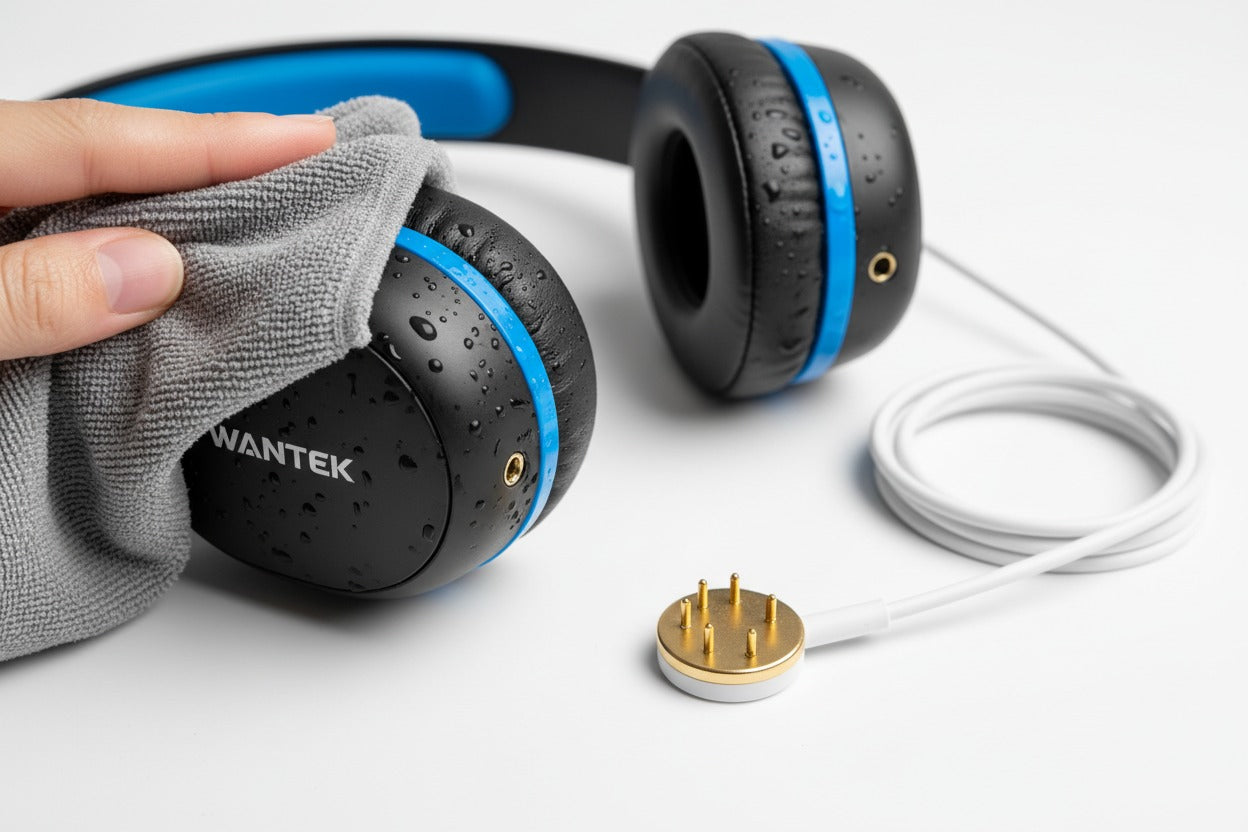
- Post-Swim Maintenance: This is where most people fail. Chlorine and salt are the enemies of electronics. After every single swim, rinse your headphones under fresh tap water. Dry them thoroughly with a towel, especially the magnetic charging pins, before plugging them in.
Essential Swim Training Checklist
Ready to break the sound barrier in your local pool? Make sure your gear bag is packed with the essentials:
- H2O Audio Sonar 2 Pro: The top pick for dedicated lap swimmers who want seamless streaming integration.
- Comfortable Silicone Earplugs: For maximum bone conduction clarity.
- Anti-Fog Goggles: High-quality goggles with a sturdy strap for mounting your headphones.
- Swim Snorkel: Using a center-mount snorkel allows you to focus entirely on your stroke and the music without the distraction of side-breathing.
- Microfiber Quick-Dry Towel: Essential for drying off your gear (and yourself) before the commute home.
FAQ
Q: Can I use Spotify while swimming? A: Not directly via Bluetooth, as the signal won't travel through water. However, with the H2O Audio Sonar 2 Pro's Playlist+ feature, you can "record" your Spotify playlists onto the device's internal memory for offline use while you swim.
Q: Does bone conduction work if I wear a swim cap? A: Absolutely. You can place the headset under your cap or clip it to your goggles on the outside. Most swimmers prefer clipping it to the goggles over the cap for a more secure fit.
Q: How deep can I go with the Sonar 2 Pro? A: It is rated IPX8, meaning it is safe for continuous submersion up to 12 feet (3.6 meters). It’s perfect for pool laps and open-water swimming, though it is not designed for scuba diving.
Stop Staring at the Black Line
Swimming doesn't have to be a test of mental endurance. By adding a soundtrack to your session, you’re not just killing time—you’re optimizing your heart rate, improving your stroke cadence, and making the workout something you actually look forward to.
If you're tired of the silence, grab a pair of the H2O Audio Sonar 2 Pro, load up your highest-energy playlist, and get back in the water. I’ll see you in the fast lane.