Most visitors arrive at Yosemite National Park with their eyes turned upward, mesmerized by the sheer verticality of El Capitan and the thundering descent of Yosemite Falls. But for those who care to look closer—at the edge of a meadow at twilight or among the high-altitude talus slopes—a different kind of wonder reveals itself. Yosemite is far more than a collection of granite monuments; it is a sprawling, 747,956-acre sanctuary teeming with life. From the resilient Sierra Nevada bighorn sheep patrolling the high peaks to the elusive Pacific fisher prowling the ancient forests, the park hosts over 150 diverse species that form the true heartbeat of the Sierra Nevada.
To truly understand this wilderness, one must look beyond the postcards. A recent cornerstone in documenting this biodiversity is the comprehensive guide Yosemite Wildlife by photographer Robb Hirsch. Featuring over 300 stunning photographs, the book documents more than 150 distinct species, offering a rare glimpse into the private lives of the park's wild residents. Whether you are a first-time visitor or a seasoned naturalist, understanding the rhythms of these animals is key to a transformative Yosemite experience.
Quick Guide: Best Places and Times for Sightings
If you are looking for the best wildlife viewing experience in Yosemite, timing is everything. Most of the park's inhabitants are crepuscular, meaning they are most active during the "golden hours" of dawn and dusk.
- Where to go: Yosemite Valley is the premier hub for spotting black bears and coyotes in the meadows. For high-altitude specialists like mule deer and yellow-bellied marmots, Tuolumne Meadows is unrivaled. If your interests lean toward avian predators, Glacier Point offers the best vantage point for spotting peregrine falcons.
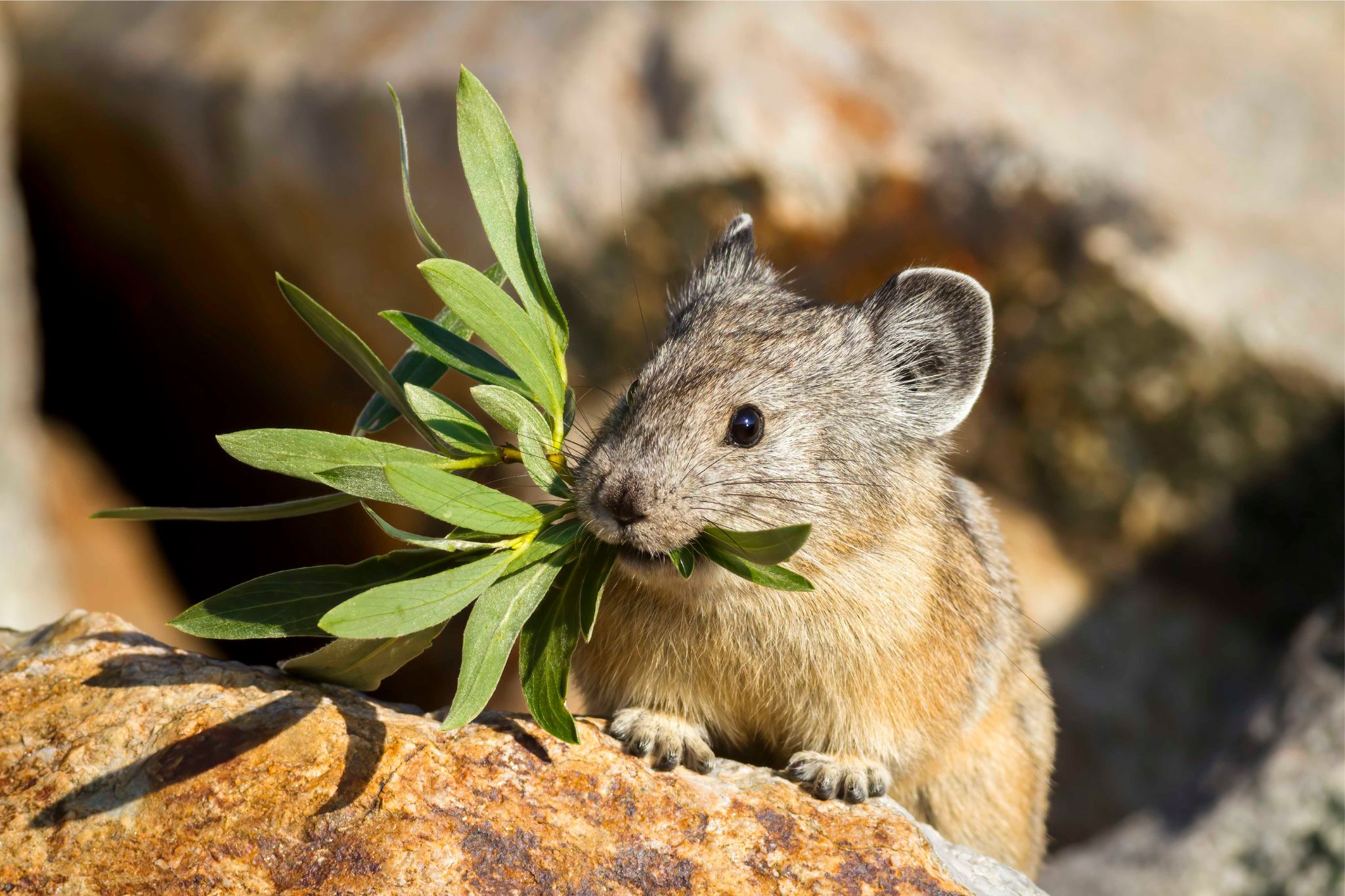
- When to visit: Spring is the ideal season for seeing black bears as they emerge from hibernation, often seen foraging on fresh meadow grasses. Summer is the best time for high-altitude species like pikas, which are active when the snow finally clears from the high country.
The Iconic Residents: Big Mammals and Raptors
Yosemite’s "charismatic megafauna" are often the primary draw for wildlife enthusiasts. These species are not only impressive to behold but also serve as vital indicators of the ecosystem’s health.
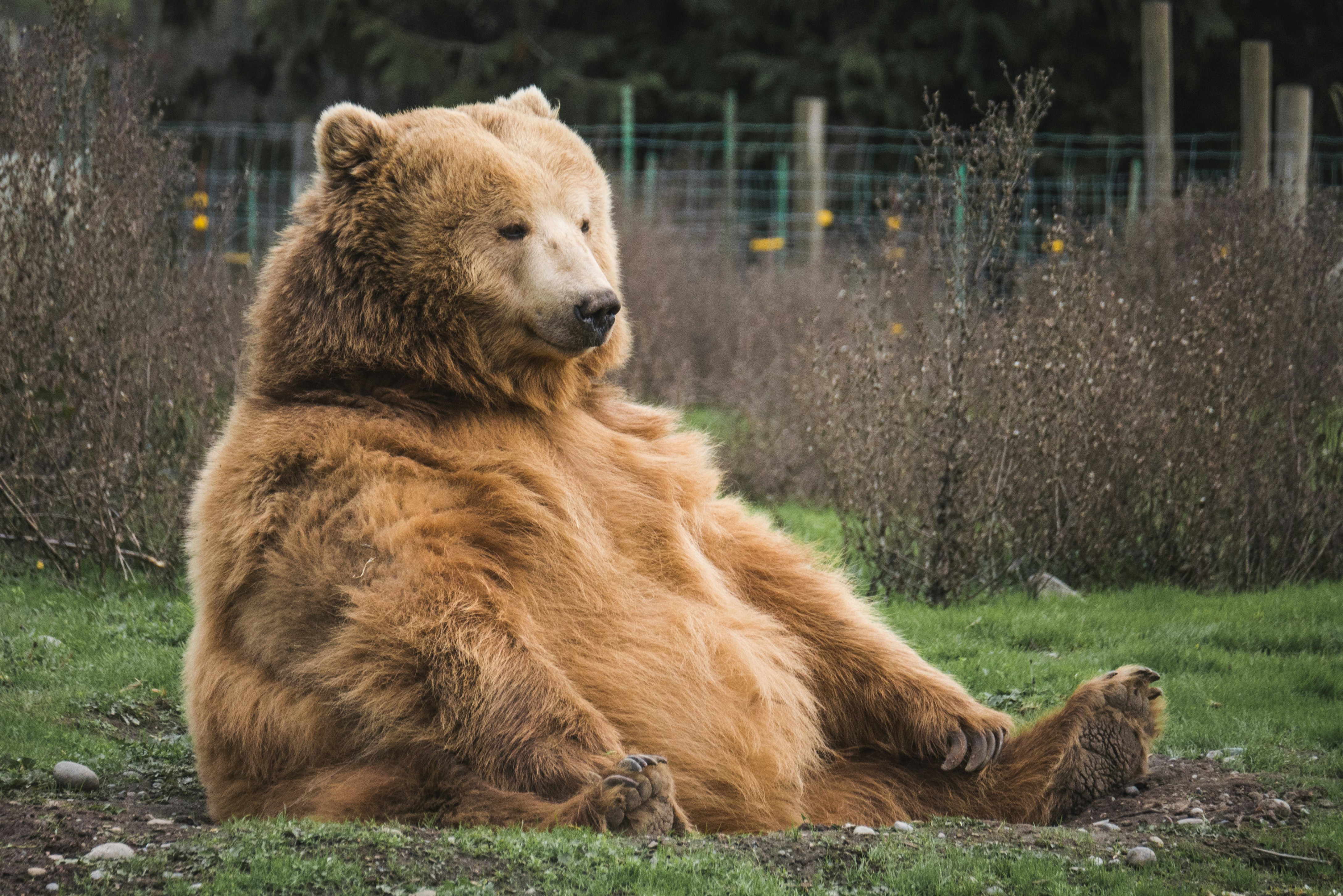
Black Bears Despite their name, Yosemite’s black bears are rarely purely black; most sport coats of cinnamon, brown, or even blonde fur. There are an estimated 300 to 500 black bears living within the park boundaries. These intelligent opportunists are a testament to the park's successful management programs. While they were once known for raiding minivans, a decades-long push for "Bear Awareness" has returned them to their natural foraging habits.
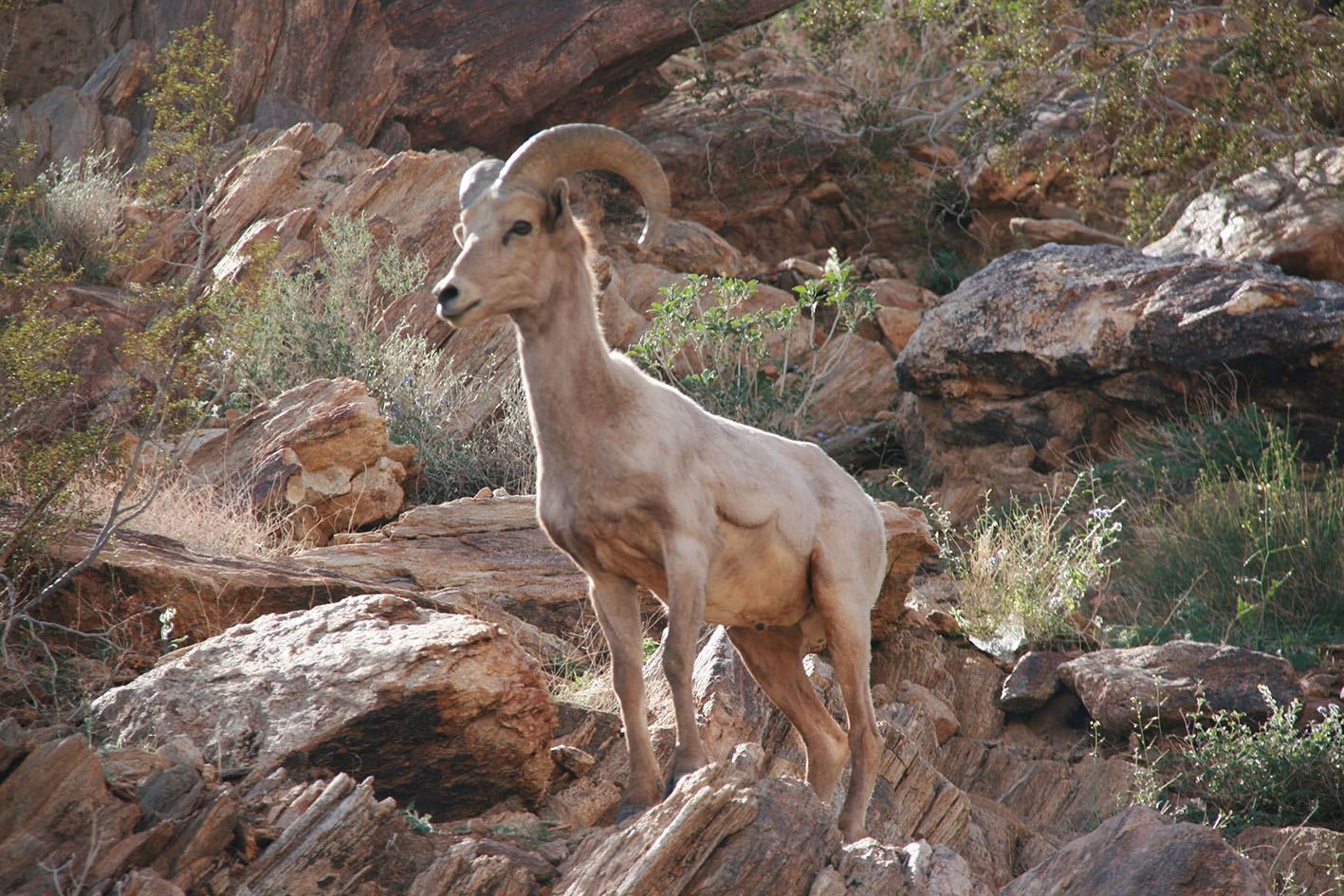
Sierra Nevada Bighorn Sheep High above the valley floor, in the rugged alpine zones along the park’s eastern boundary, lives one of the rarest animals in North America. The Sierra Nevada bighorn sheep is a distinct subspecies that was once on the brink of extinction. Thanks to intensive conservation efforts and reintroduction programs, these master climbers have returned to the high peaks. Seeing them requires effort—usually a strenuous hike into the backcountry—but the sight of a ram silhouetted against a granite ridge is a bucket-list experience for any naturalist.
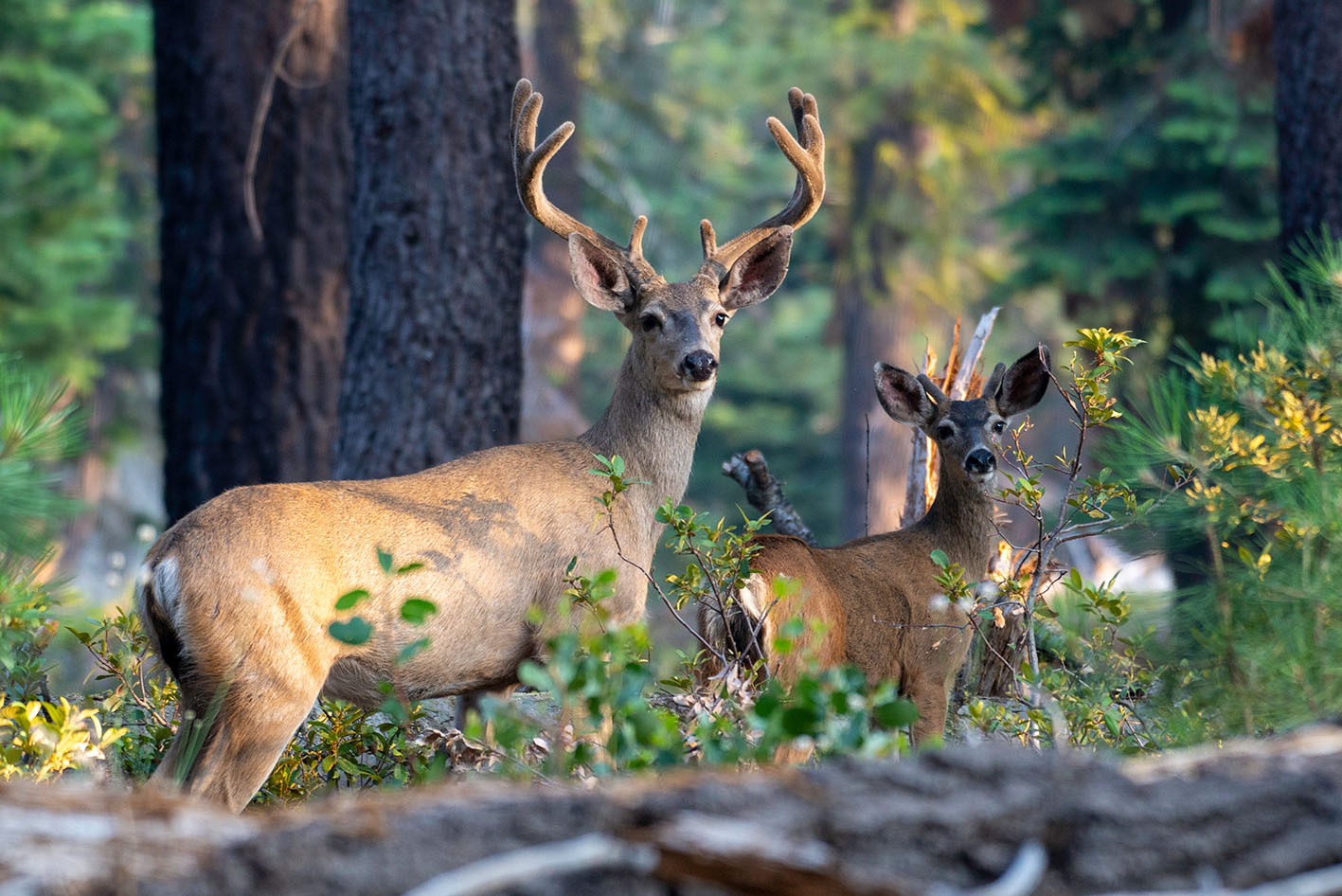
Mule Deer The most common large mammal you’ll encounter is the mule deer, named for its oversized, mule-like ears. You will find them browsing in the meadows of the Valley or navigating the brush of the high country. While they appear docile, they are wild animals; maintaining distance is crucial, as is resisting the urge to offer them food.
Peregrine Falcons The story of the peregrine falcon in Yosemite is one of the park’s greatest triumphs. In the mid-20th century, these raptors were nearly wiped out by DDT. Today, they have reclaimed their throne on the park's granite walls. Rock climbers often play a role in their protection, adhering to seasonal cliff closures to ensure the falcons can nest in peace. Watch for them near Glacier Point or El Capitan, where they can reach speeds of over 200 mph in a hunting dive.
Pro-Tip: Bring the Glass To view wildlife safely and ethically, invest in a pair of 8x42 binoculars or a telephoto lens (at least 300mm to 400mm). This allows you to observe natural behaviors without disturbing the animal or putting yourself at risk.
Small Wonders: The Sierra Nevada’s Hidden Life
While the bears and sheep grab the headlines, the smaller residents of Yosemite are equally fascinating and often easier to observe if you know where to look.
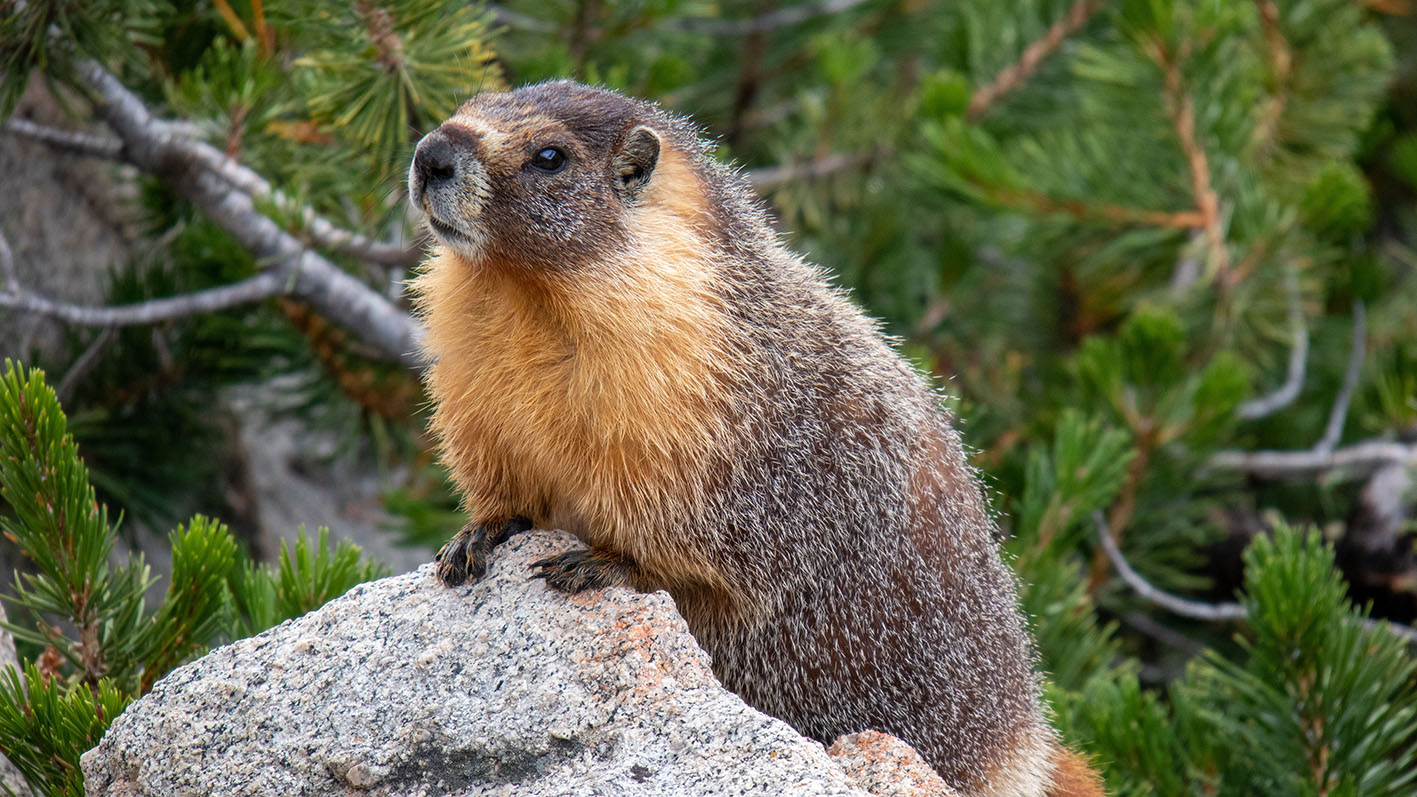
Pikas and Marmots In the boulder fields of Tuolumne Meadows and the surrounding high country, the "rock rabbits" or American pikas can be heard before they are seen. Their distinct, high-pitched "eeep!" warns the colony of approaching hikers. Nearby, you’ll likely see the yellow-bellied marmot, a large ground squirrel that spends its summers fattening up for a long winter hibernation.
River Otters and Sierra Newts Water is the lifeblood of the park, and the Merced River provides a habitat for the playful North American river otter. Though elusive, they are occasionally seen near the riverbanks in the early morning. In the quieter pools of Hetch Hetchy or the lower-elevation streams, look for the orange-bellied Sierra newt, especially after a spring rain.
The Rare Red Fox Perhaps the most mysterious resident is the Sierra Nevada red fox. For years, it was thought to have vanished from the park, but remote camera traps have recently confirmed its presence in the high-elevation alpine zones. It remains one of the most difficult animals to spot, a "ghost" of the high Sierra.
Top Wildlife Viewing Zones in Yosemite
Planning your visit around specific habitats significantly increases your chances of a memorable encounter. Here is a breakdown of the park's most productive zones:
1. Yosemite Valley
The Valley serves as a mild-climate "hub." The interface between the dense forest and the open meadows (like Cook’s Meadow or El Capitan Meadow) is perfect for spotting coyotes hunting voles or bears foraging for berries.
2. Mariposa Grove
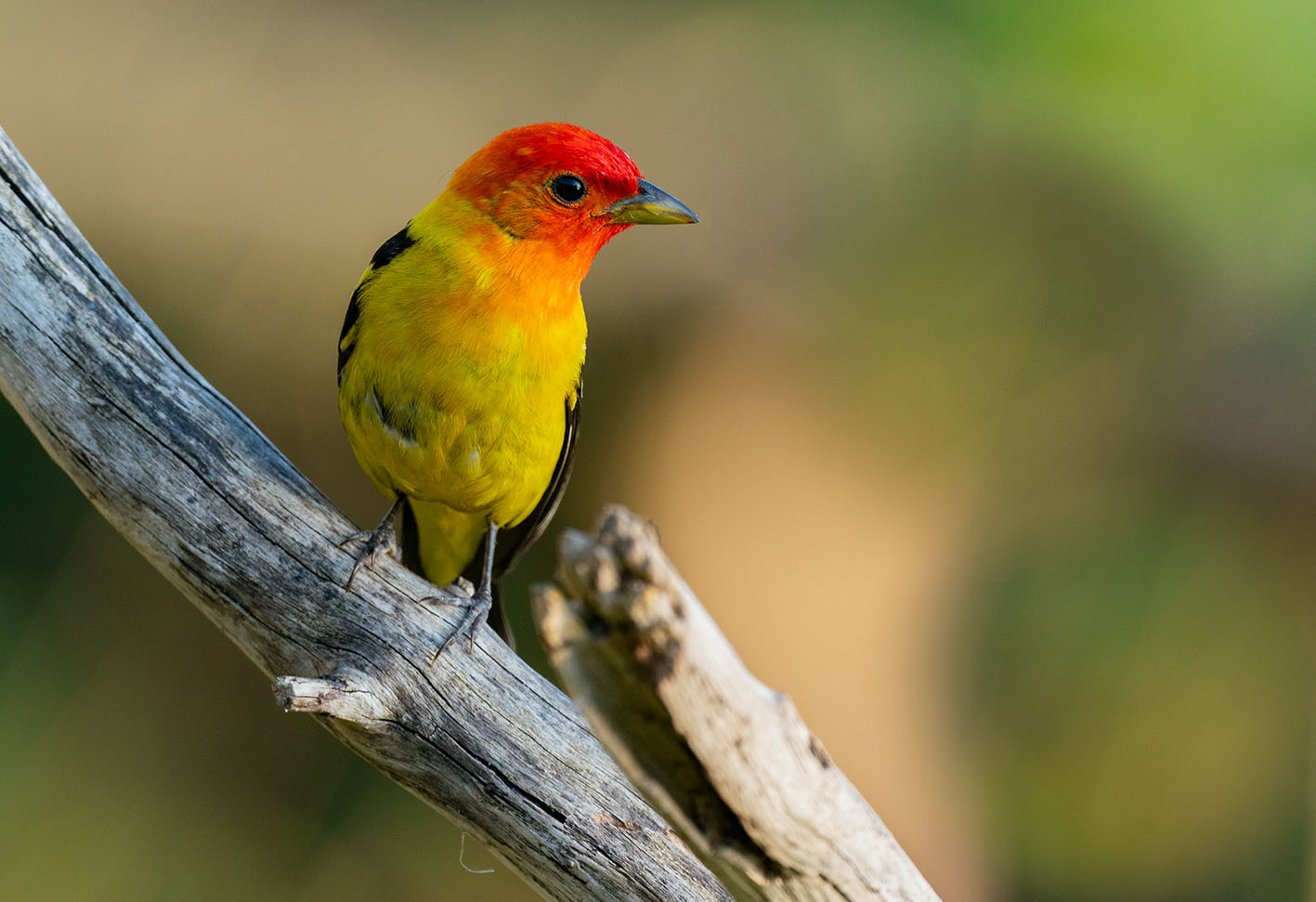
The Mariposa Grove is not just about the trees. This vital habitat houses nearly 500 giant sequoias that support a massive diversity of avian life. The thick canopy and ancient snags provide nesting sites for various owls and woodpeckers.
3. Tuolumne Meadows
At 8,600 feet, this is the best spot for high-elevation foraging. The open vistas make it easy to spot larger mammals from a distance, and the surrounding granite domes are prime marmot territory.
4. Glacier Point
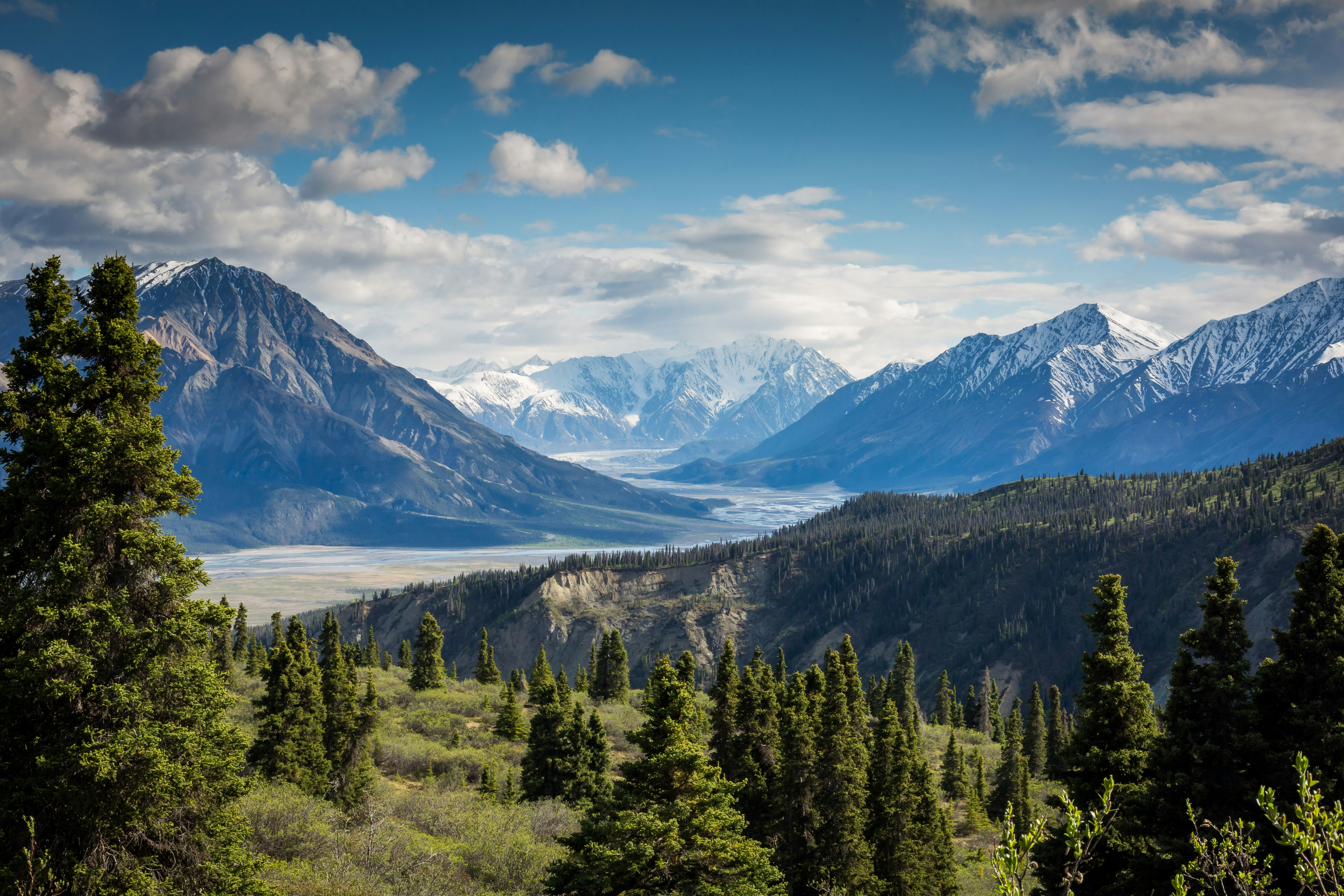
While famous for its view of Half Dome, Glacier Point is a raptor highway. The thermal updrafts created by the valley walls are used by hawks, eagles, and falcons to soar with minimal effort.

Seasonal Wildlife Activity Table
| Season | Top Active Species | Viewing Notes |
|---|---|---|
| Spring | Black Bears, Sierra Newts | Animals emerge from hibernation; lower elevations are best. |
| Summer | Pikas, Marmots, Songbirds | High-country roads open; sub-alpine life is at its peak. |
| Fall | Mule Deer, Great Gray Owls | Mating season (the rut) for deer; cooler temps increase activity. |
| Winter | Coyotes, Bobcats, Squirrels | Tracks are easy to spot in the snow; Valley remains accessible. |
Being 'Bear Aware': Safety and Ethical Viewing
In a wilderness area as popular as Yosemite, the responsibility of protection falls on the visitor. Our presence should never alter an animal's natural behavior.
- The Thumb Rule: This is a simple trick for maintaining a respectful distance. Hold your arm out straight and give a "thumbs up." If you can’t completely cover the animal with your thumb, you are too close. For bears and wolves, the park requires a minimum of 100 yards; for other wildlife, 25 yards.
- Proper Food Storage: "A fed bear is a dead bear." This somber park service slogan underscores the danger of habituation. Always use the provided bear-proof lockers (bear boxes) at trailheads and campsites. Never leave food or scented items (even toothpaste) in your car.
- Leave No Trace: Protecting this 747,956-acre wilderness means packing out every scrap of trash. Even organic waste like apple cores can attract wildlife to roadsides, leading to fatal vehicle strikes.
Yosemite is a masterpiece of evolution and resilience. By approaching these wild residents with curiosity and respect, we ensure that the roar of the mountain lion and the whistle of the pika continue to echo through these granite corridors for generations to come.
FAQ
Q: What is the most dangerous animal in Yosemite? A: Surprisingly, it isn't the black bear. Statistically, the most injuries are caused by deer (kicking when people get too close) and small rodents (bites from squirrels or marmots when people try to feed them). Always maintain the "Thumb Rule" distance.
Q: Are there grizzly bears in Yosemite? A: No. While the grizzly bear is on the California state flag, they have been extinct in the state since the 1920s. All bears in Yosemite are American Black Bears, though many have brown fur.
Q: Can I see mountain lions in the park? A: Mountain lions (cougars) do live in Yosemite, but they are incredibly elusive and primarily nocturnal. Sightings are extremely rare and usually occur in the quiet, forested transition zones between the Valley and the high country.
Explore the Wilderness Responsibly
Ready to start your wildlife journey? Enhance your knowledge and support conservation by picking up the definitive guide to the park's residents.