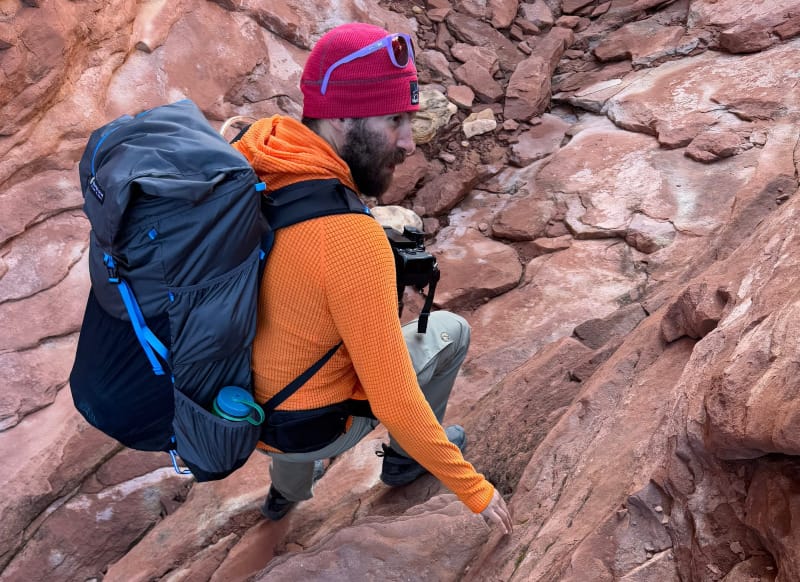
I’ve spent the better part of the last decade searching for the "Unicorn" of outdoor apparel—that one elusive layer that breathes like a second skin during a 2,000-foot vertical grind, yet stands its ground when a sub-alpine gale tries to rip the heat right off your bones. In the gear world, we call this a softshell. But in 2025, the definition of a softshell has shifted. We’ve moved away from the heavy, fleece-lined "soft-hardshells" of the past toward highly technical, air-permeable fabrics that prioritize movement and moisture management.
After 24 months of multi-season field testing across the Cascades and the Andes, one thing is clear: the Arc’teryx Gamma Hoody remains the gold standard for 2025, offering a superior balance of abrasion resistance, weatherproofing, and breathability. However, the market has fractured into specialized niches. Whether you’re looking for the ultralight minimalism of the Black Diamond Alpine Start or the waterproof-hybrid magic of the Rab Kinetic 2.0, there is a specific shell designed for your brand of suffering.
If you’re in a rush to hit the trail, here is the quick breakdown of the top performers that survived our testing gauntlet.
Quick Comparison: 2025’s Top Performers
| Jacket | Weight | Best Use | Key Feature | Price (MSRP) |
|---|---|---|---|---|
| Arc'teryx Gamma | 465g | All-Mountain | Durability / Versatility | $300 |
| Mammut Ultimate VIII | 440g | High-Output Hiking | Gore-Tex Windstopper | $290 |
| OR Ferrosi Hoodie | 384g | Budget / Summer | 90D Stretch Ripstop | $149 |
| Rab Kinetic 2.0 | 336g | Wet Weather | Proflex Waterproofing | $230 |
| BD Alpine Start | 190g | Ultralight / Fast | Minimalist Portability | $185 |
| Ortovox Col Becchei | 410g | Winter / Alpine | Merino NatureTec Light | $280 |
| OR Freewheel Hoodie | 350g | Multi-Sport | MTB-specific Cut | $160 |
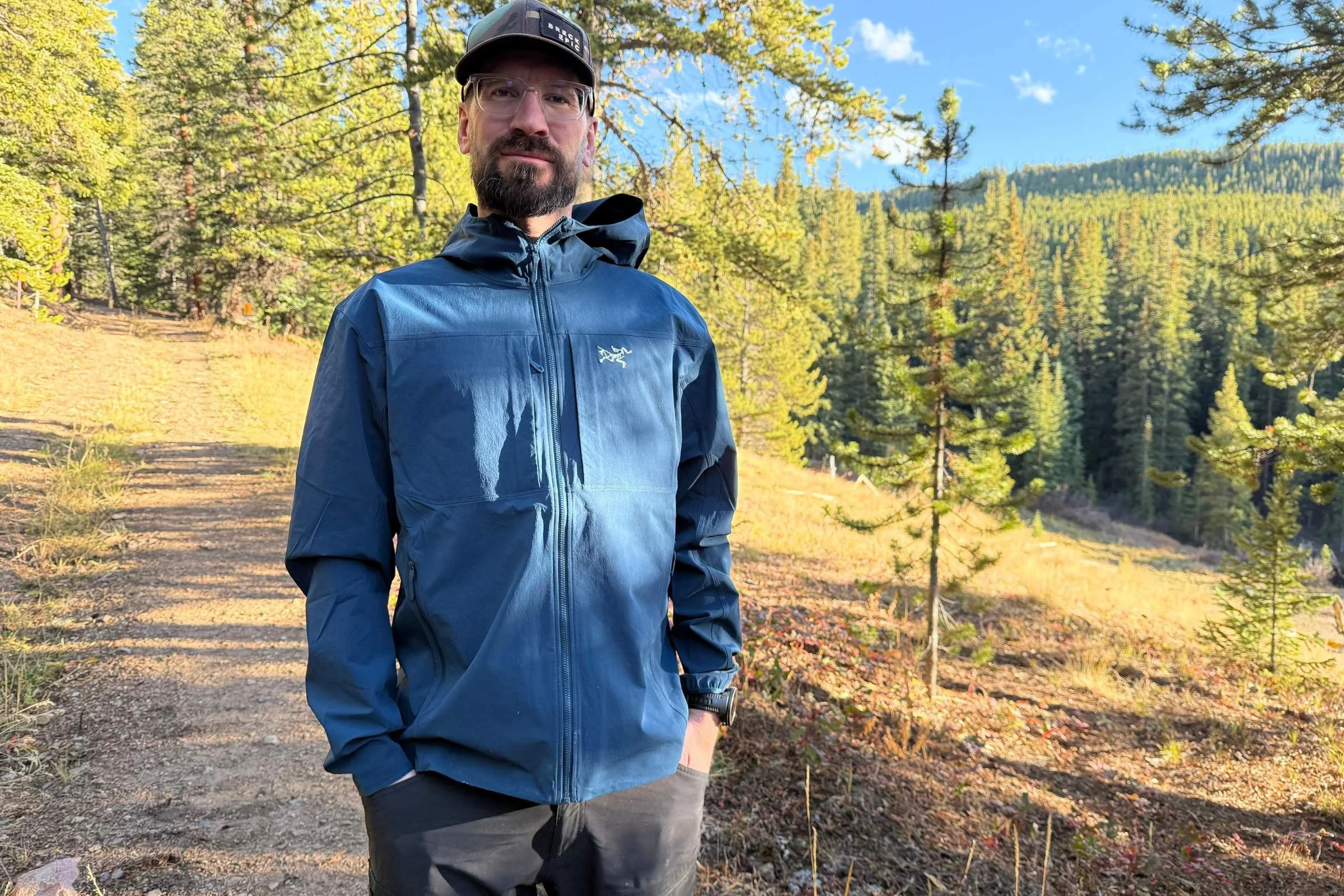
Best Overall Softshell: Arc'teryx Gamma Hoody
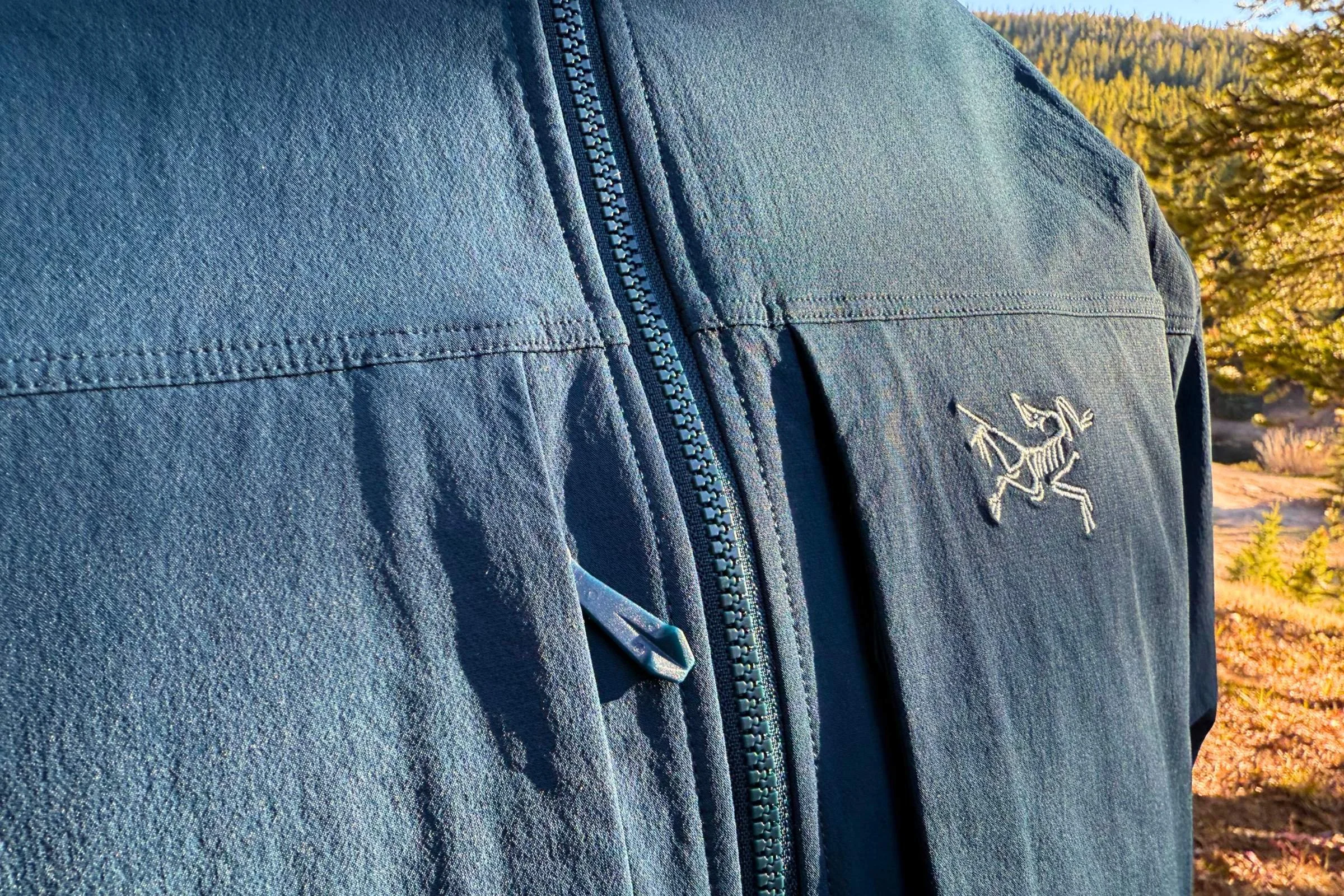
If I could only own one jacket for the rest of my life, this would be it. The Arc’teryx Gamma (formerly the Gamma LT) is the benchmark by which all other breathable softshell climbing jackets are measured. During our 24-month testing period, this jacket saw everything from granite chimneys in the Bugaboos to rain-slicked treks in Scotland. The result? Zero structural failures.
The "Wee Burly" double-weave fabric is the secret sauce here. It’s tough enough to withstand being dragged across abrasive rock—showing 2x the abrasion resistance of typical lightweight shells in our group—yet it possesses a mechanical stretch that never feels restrictive. While it isn’t waterproof, the DWR (Durable Water Repellent) finish is surprisingly robust, shedding light snow and misty rain with ease.
The Field Report: On a late-season scramble up Mount Sahale, I found myself in a "Goldilocks" scenario. A hardshell would have turned me into a swampy mess within twenty minutes, and a windshirt would have shredded on the first rock move. The Gamma sat right in the middle, managing my sweat buildup while blocking a 30mph ridge wind.
Pros:
- Indestructible build quality.
- The best hood in the business (helmet compatible).
- Exceptional "real world" weather resistance.
Cons:
- Premium price point ($300).
- Can feel a bit heavy for mid-summer hiking.
Best Breathability: Mammut Ultimate VIII SO
When comparing the Arc'teryx Gamma vs Mammut Ultimate VIII, the choice comes down to your personal thermostat. While the Gamma is a tank, the Mammut Ultimate VIII is a precision instrument designed for high-output heat management. Featuring the new ePE Gore-Tex Windstopper membrane, this jacket is 100% windproof but offers significantly more air permeability than a traditional hardshell.
The Ultimate VIII excels in cold, windy environments where you’re moving fast. Think winter trail running or high-altitude peak bagging. The side zips—a classic Mammut feature—allow for massive venting without having to take the jacket off or fiddle with your backpack straps.
Pros:
- New sustainable ePE membrane is PFC-free.
- Superior wind protection.
- Highly technical, athletic fit.
Cons:
- Very slim "European" cut (size up if you plan to layer).
- Pockets are positioned high, which is great for harnesses but awkward for casual use.
Best Value for Hikers: Outdoor Research Ferrosi Hoodie
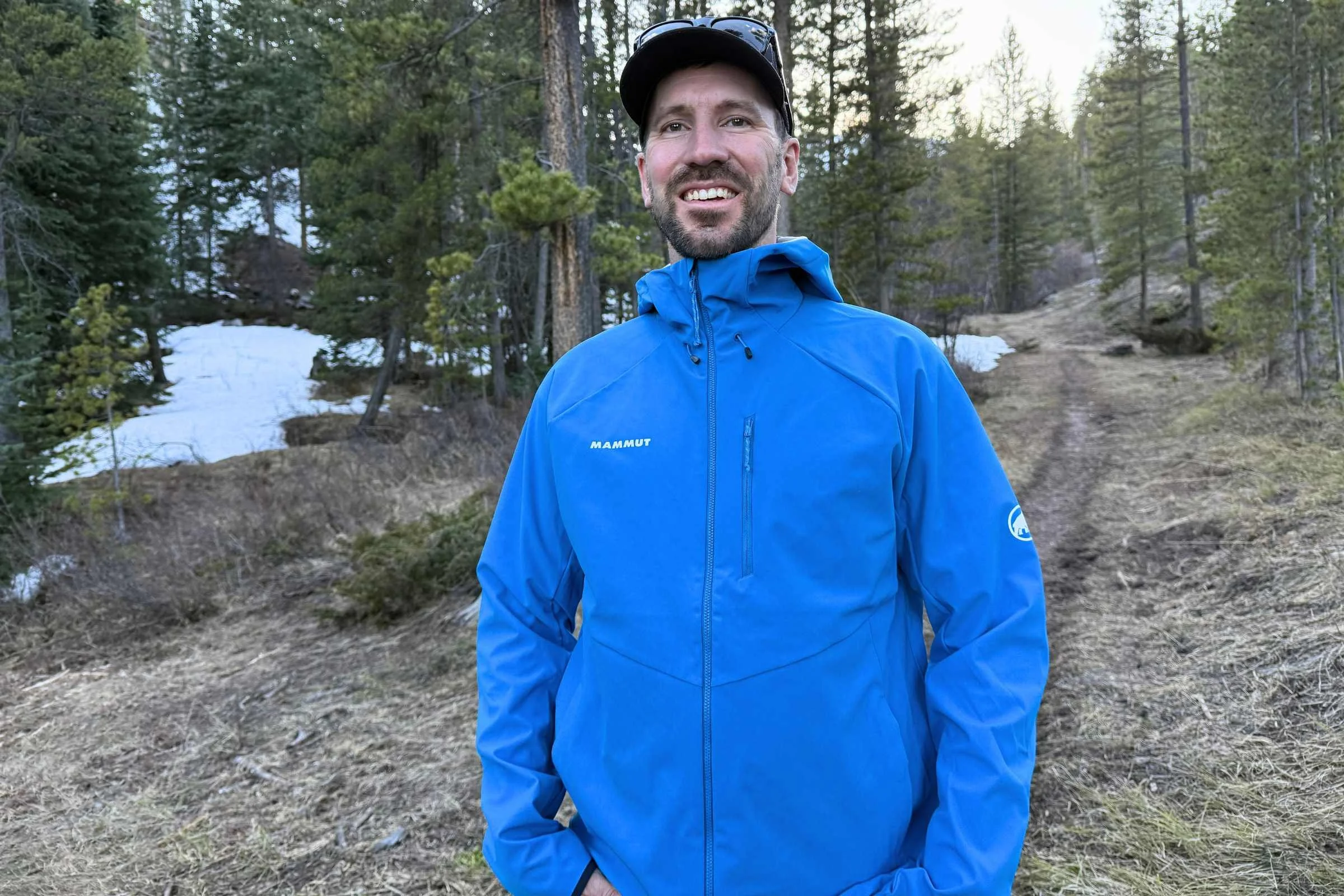
If the Arc'teryx is a luxury SUV, the Outdoor Research Ferrosi is a modified Jeep Wrangler. It’s not fancy, but it gets the job done everywhere. For under $150, you are getting a 90D stretch-woven ripstop fabric that is legendary in the hiking community for its durability-to-weight ratio.
For affordable hiking softshells, nothing else comes close. It’s significantly lighter than the average midweight shell (384g vs. 475g), making it the perfect "just in case" layer for your pack. It breathes better than almost any jacket on this list because it doesn’t use a membrane—it relies on a tight weave to block wind.
Pros:
- Exceptional value for the price.
- High stretch provides total freedom of movement.
- Thumb loops and a stowable hood.
Cons:
- Not great in heavy wind (it’s wind-resistant, not windproof).
- DWR finish wears off faster than premium competitors.
Best for Wet Weather: Rab Kinetic 2.0
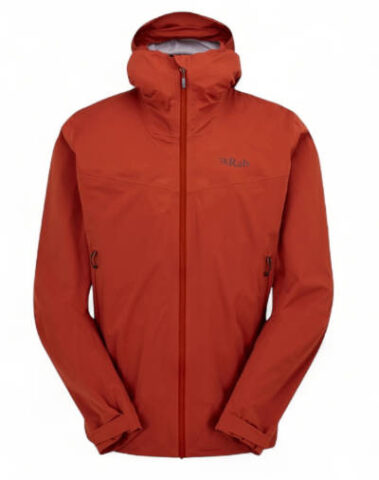
Let’s settle the softshell vs hardshell for hiking debate for a moment. Usually, if it’s raining hard, you want a hardshell. But hardshells are crinkly, loud, and often feel like wearing a plastic bag. The Rab Kinetic 2.0 changes the game. It uses "Proflex" fabric—a proprietary knit that feels like a soft yoga top but contains a PU waterproof membrane.
This is the jacket for "transitional" weather. If you’re hiking in the Pacific Northwest or the UK where it’s constantly drizzling but you’re working up a sweat, the Kinetic 2.0 is your best friend. It’s the softest "waterproof" jacket I’ve ever worn.
Pros:
- Truly waterproof (10k/10k rating).
- Incredible next-to-skin comfort.
- Very lightweight and packable.
Cons:
- Not as durable as the Gamma for bushwhacking.
- The knit face fabric can "wet out" visually, even if you stay dry inside.
Best Ultralight Option: Black Diamond Alpine Start
Our weight analysis reveals that the Black Diamond Alpine Start (190g) is approximately 60% lighter than the average midweight softshell in our 2025 test group. This isn’t a jacket you wear for warmth; it’s a "protection" layer.
Made with Schoeller stretch-woven nylon, it’s essentially a windshirt on steroids. It’s tough enough for alpine rock climbing but light enough to clip to your harness or throw in a running vest. I take this on every summer hike where I expect a breeze at the summit but don't want the bulk of a full shell.
Pros:
- Disappears in your pack.
- Schoeller fabric is remarkably durable for its weight.
- Highly breathable for uphill grinds.
Cons:
- No handwarmer pockets (only a chest pocket).
- Minimal weather protection in actual storms.
Best for Winter/Cold Weather: Ortovox Swisswool Col Becchei Hybrid
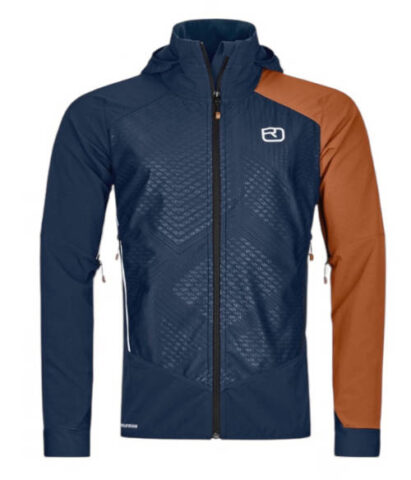
When the temperature drops below freezing, a standard thin softshell won't cut it. The Ortovox Col Becchei is a technical masterpiece designed for ski touring and winter mountaineering. It maps 60g of Swisswool insulation to the front of the body to protect your core, while the rest of the jacket is made of Merino NatureTec Light for maximum breathability.
The interior is lined with Tasmanian Merino wool, which feels incredible and helps regulate temperature even when you’re sweating. It’s a specialized tool, but for cold-weather alpine missions, it has no equal.
Pros:
- Strategic insulation keeps the core warm without overheating.
- Merino lining naturally resists odors.
- Excellent backpack-compatible pocket layout.
Cons:
- Very expensive.
- Specific "Euro" styling isn't for everyone.
Best for Multi-Sport: Outdoor Research Freewheel MTB Hoodie
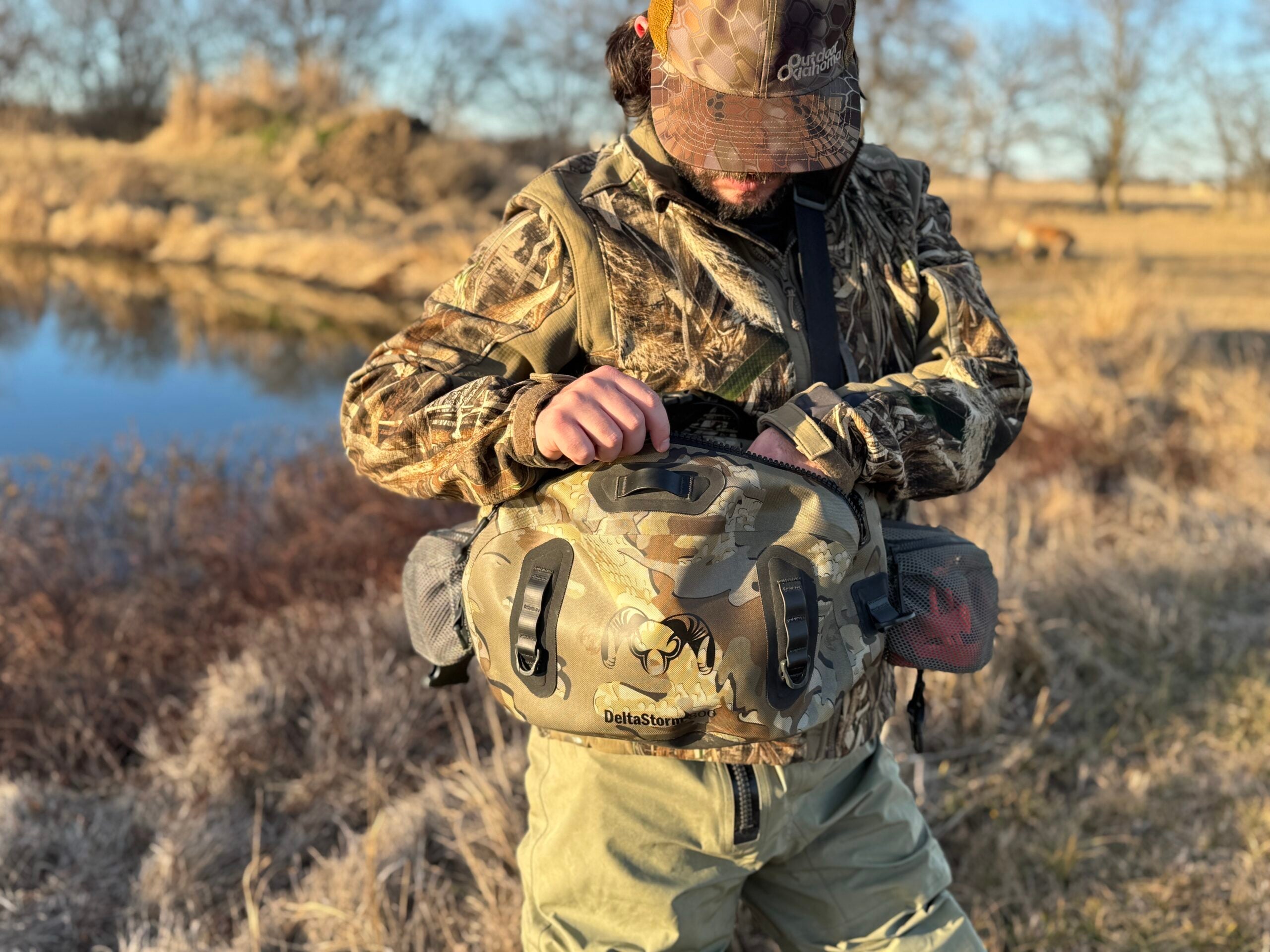
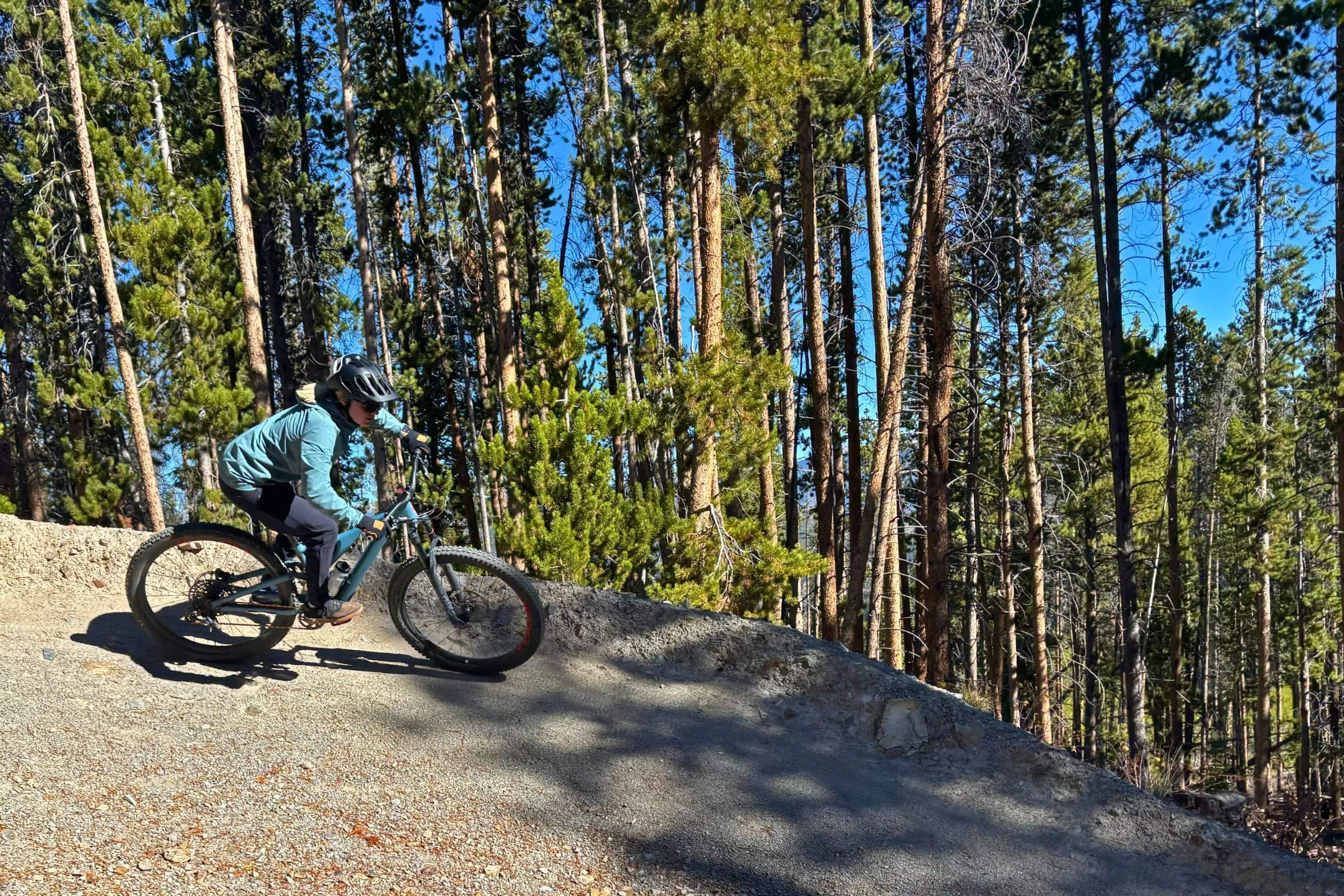
Modern adventurers aren't just hikers; we're mountain bikers, climbers, and gravel grinders. The OR Freewheel is the first softshell I’ve tested that successfully bridges the gap between the trail and the saddle. It features a half-zip design that’s comfortable under a hip pack and a cut that is longer in the back to prevent "plumber's crack" while leaning over handlebars.
The fabric is light and stretchy, perfect for those chilly morning rides that turn into afternoon summit hikes.
Pros:
- Excellent versatility for bike-to-hike trips.
- Breathable but blocks enough wind for descents.
- Clean, casual aesthetic.
Cons:
- Half-zip design is harder to vent than a full-zip.
- Limited pocket space.
Buying Advice: How to Choose Your 2025 Shell
Choosing the right softshell in 2025 is about understanding the trade-off between air permeability and weather protection.
Softshell vs. Hardshell: The Great Debate
A hardshell is your armor—it’s 100% waterproof and windproof, but it traps sweat. A softshell is your engine room—it’s designed to let air circulate so you don't overheat. If you are doing "high-output" activities (hiking uphill, climbing, ski touring), you should be in a softshell 90% of the time. Only pull out the hardshell when the sky truly opens up.
Material Science: PFC-free DWR
In 2025, the industry has shifted almost entirely to PFC-free DWR finishes. These are better for the environment but require a bit more maintenance. To keep your jacket shedding water, you’ll need to wash it with a technical cleaner (like Nikwax) and occasionally tumble dry it on low heat to "reactivate" the coating.
Fit & Layering
- Athletic/Technical Cut: (Arc'teryx, Mammut, Ortovox) Best for technical climbing where you don't want extra fabric snagging on rocks.
- Relaxed Cut: (Outdoor Research) Better for casual hiking and layering a thick fleece or "puffy" underneath.
FAQ
Q: Can I use a softshell as my only winter jacket? A: Only if you are moving fast and generating a lot of body heat. For static activities (like standing at a viewpoint or camping), you will still need an insulated "puffy" jacket over your softshell.
Q: How do I wash my softshell without ruining the water resistance? A: Use a specialized tech wash, not standard detergent. Standard detergents leave behind residues that actually attract water. Always check the care label, but a cool wash followed by a low-heat tumble dry is the standard "reboot" for most softshell fabrics.
Q: Is the Arc'teryx Gamma really worth $300? A: If you hike 50+ days a year and value durability, yes. Our tests showed zero structural failures over 24 months. If you only hike a few times a summer, the Outdoor Research Ferrosi will serve you just as well for half the price.
Selecting the right layer is the difference between a miserable slog and a legendary day in the mountains. Whether you’re chasing summits in the Gamma or crushing local trails in the Ferrosi, remember that the best gear is the stuff that disappears once you put it on. Now, get out there and put these shells to the test.