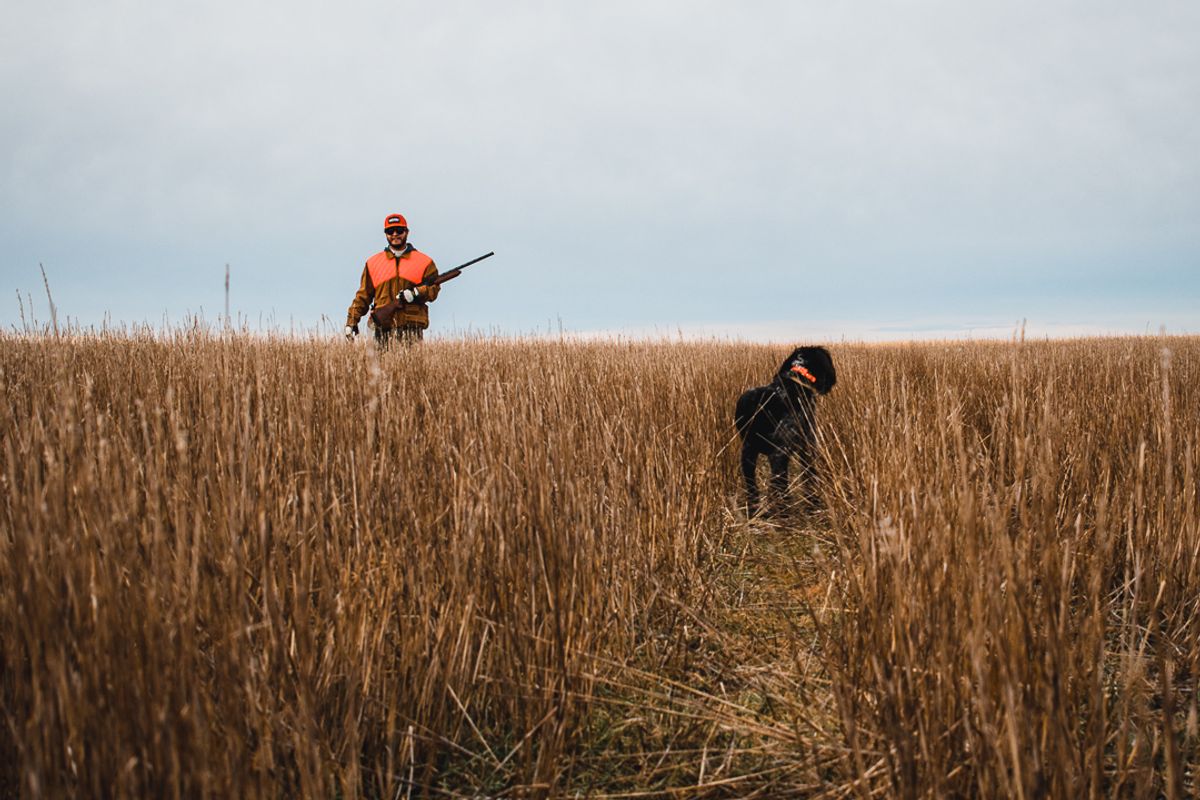
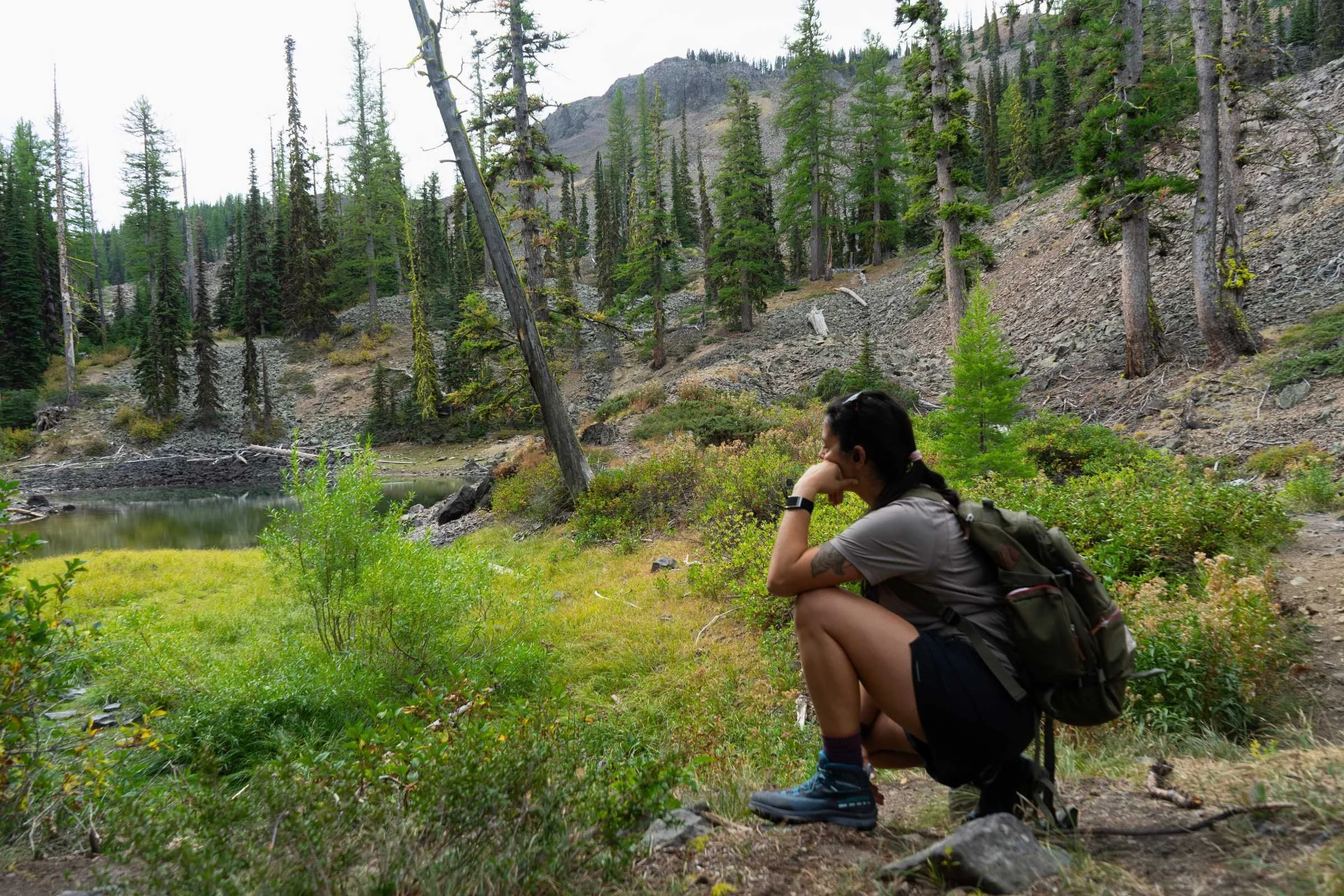
When you’re ten miles deep in Montana’s Bob Marshall Wilderness, the weather isn't just a topic of conversation—it’s a threat. I’ve spent years testing gear in the backcountry, and I’ve learned one hard truth: the moment you stop trusting your kit is the moment your hunt ends. Montana in late October is a bipolar beast. One minute you’re sweating through a steep ascent under a bluebird sky; the next, a wall of gray sleet is hammering the ridge, and the temperature has plummeted twenty degrees.
In this environment, most hunters face a binary choice. You either wear a soft shell that’s quiet but soaks through in twenty minutes, or you wear a hardshell rain jacket that keeps you dry but sounds like a bag of potato chips every time you move. For a stalker, that "swish-swish" of traditional waterproof laminates is the sound of a blown opportunity.
This season, I took the FORLOH AllClima Soft Shell Jacket into the heart of the Big Sky State to see if it could bridge that gap. I wasn't looking for a "fair weather" layer; I was looking for a silent workhorse that could handle a Montana meltdown.
The Montana Backcountry: Where Gear Meets Survival
The problem with most "waterproof" gear in high-mountain hunting is two-fold: breathability and noise. If you’re hiking 1,500 vertical feet to glass a basin, you’re generating massive amounts of heat. If your jacket doesn't breathe, you’re wet from the inside out—which leads to hypothermia once you stop to glass. Conversely, if you're wearing a loud, crinkly shell to stay dry, you'll never get within 400 yards of a mule deer buck.
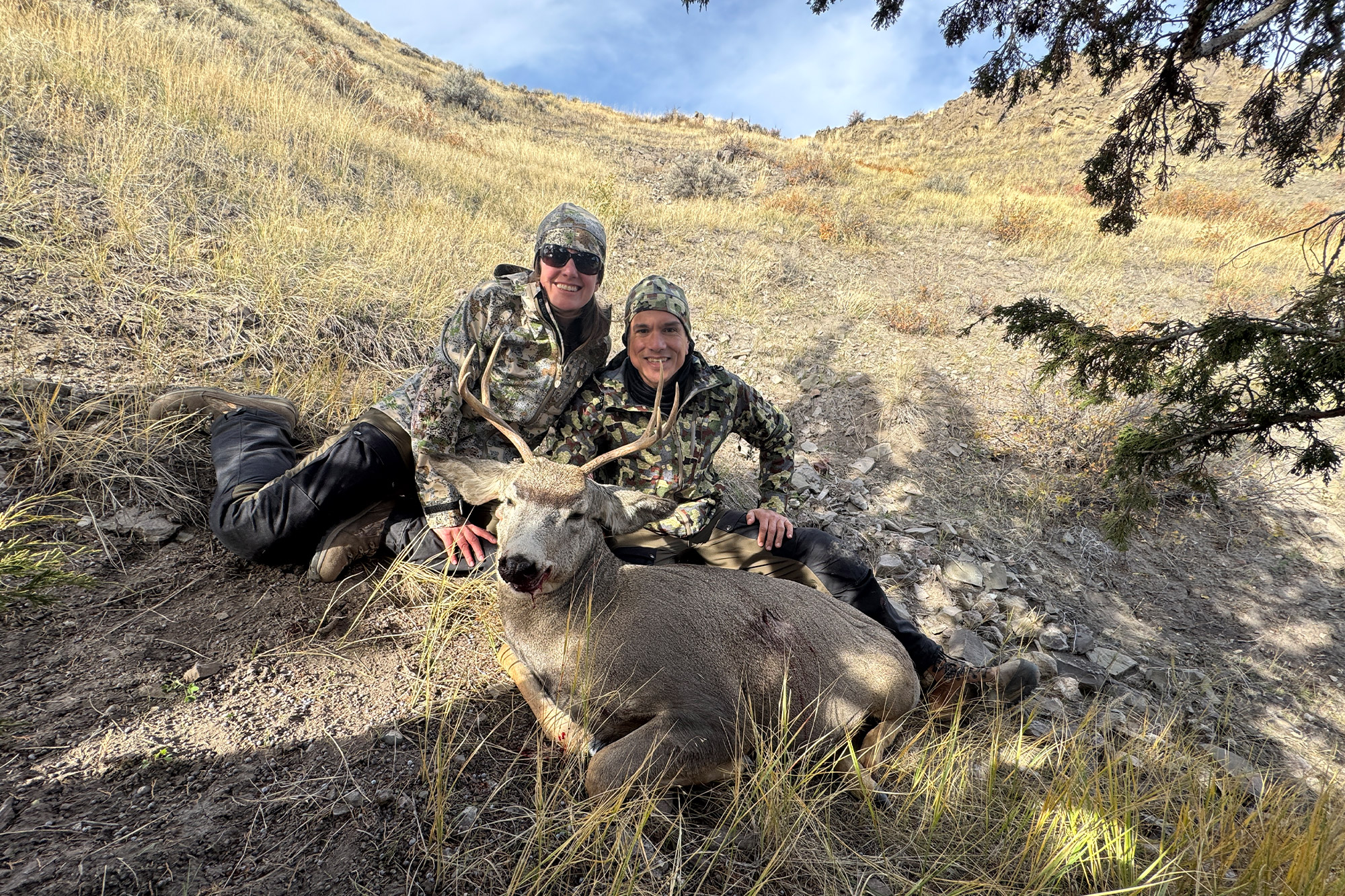
In Montana, the "stalking test" is the ultimate benchmark. You need to be able to belly-crawl through wet sagebrush and frozen scree without sounding like a freight train. After a week of punishing use, the AllClima Soft Shell proved it wasn't just another piece of "me-too" camo; it was a technical breakthrough designed for the specific rigors of western mountain hunting.
Introducing the FORLOH AllClima Soft Shell Jacket
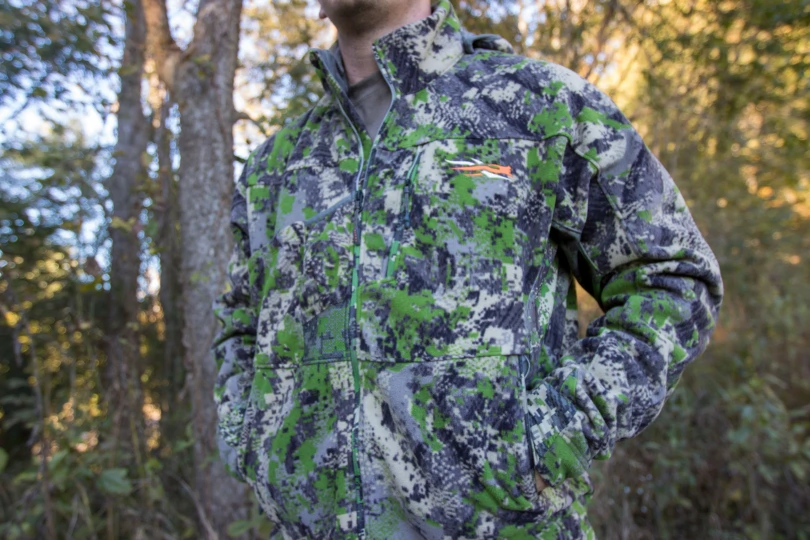
Out of the box, the first thing I noticed was the weight-to-durability ratio. At under 30 ounces, it hits that industry sweet spot for technical shells, yet the 40D Ripstop fabric feels significantly more substantial than the flimsy ultralight shells that tear on the first stray branch.
FORLOH has packed this jacket with serious technical specs: a 20,000mm waterproof rating and a staggering 30,000g/m²/24h MVTR (Moisture Vapor Transmission Rate) breathability rating. On paper, those numbers are elite. In the field, they translate to a jacket that works as hard as you do.
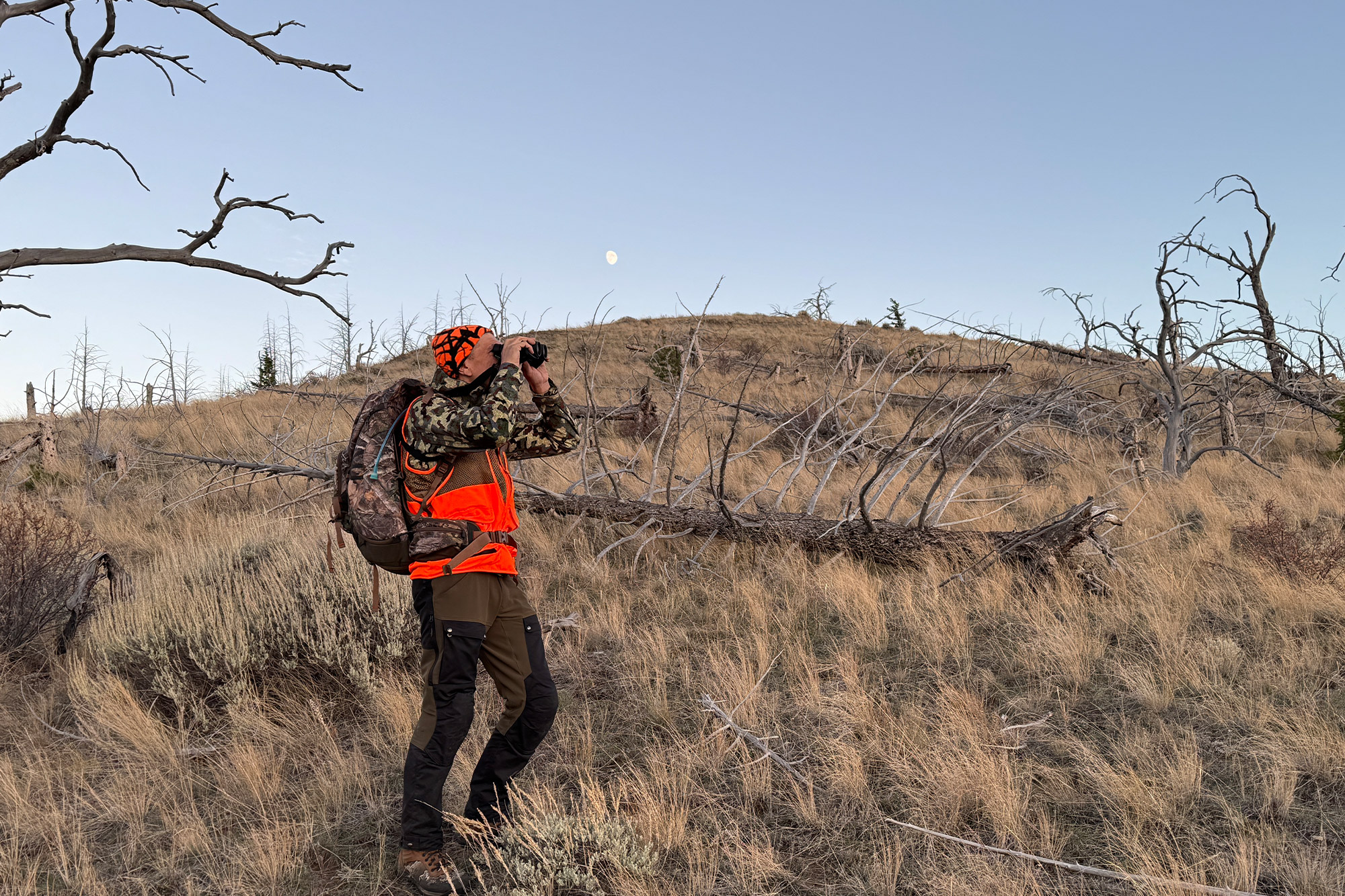
Silence is the Ultimate Advantage
What is the best hunting jacket for silence and stealth? In my experience, the FORLOH AllClima Soft Shell is the current frontrunner. Most waterproof jackets rely on a laminate that creates a "crunchy" sound. FORLOH utilizes a unique fabric finish and a specialized membrane that eliminates the "swish" common in competitors like Sitka or Kuiu.
During a mid-morning stalk on a group of elk bedded in a draw, I had to move through a stand of dry lodgepole pines. Usually, this is where a hardshell fails—the sleeves rubbing against the torso create a high-pitched friction noise. The AllClima remained dead silent. The soft-touch exterior absorbs sound rather than deflecting it, allowing me to close the distance to within 60 yards without alerting a single cow elk.
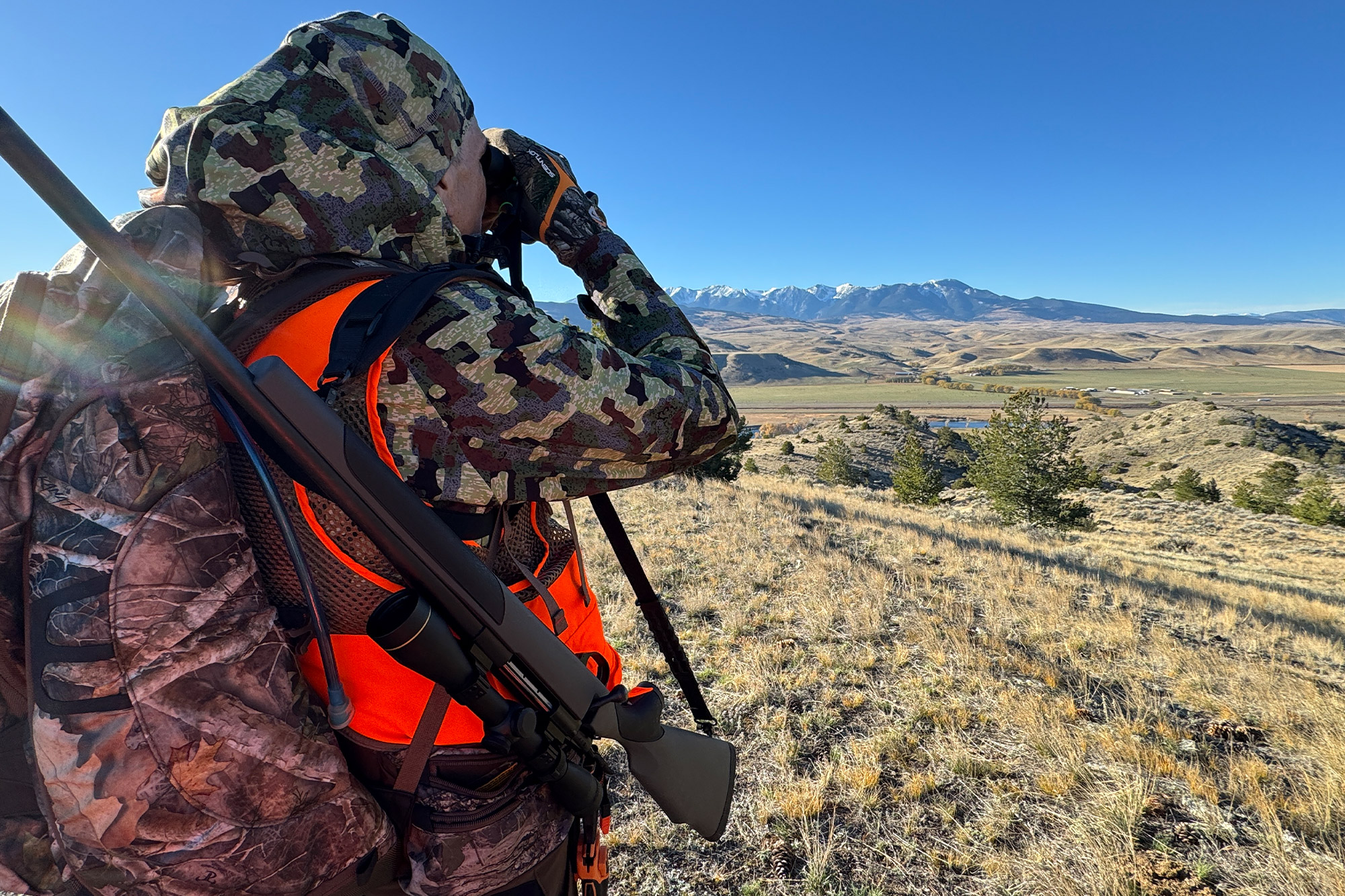
The 'Prone in the Hail' Test: Waterproofing Evaluated
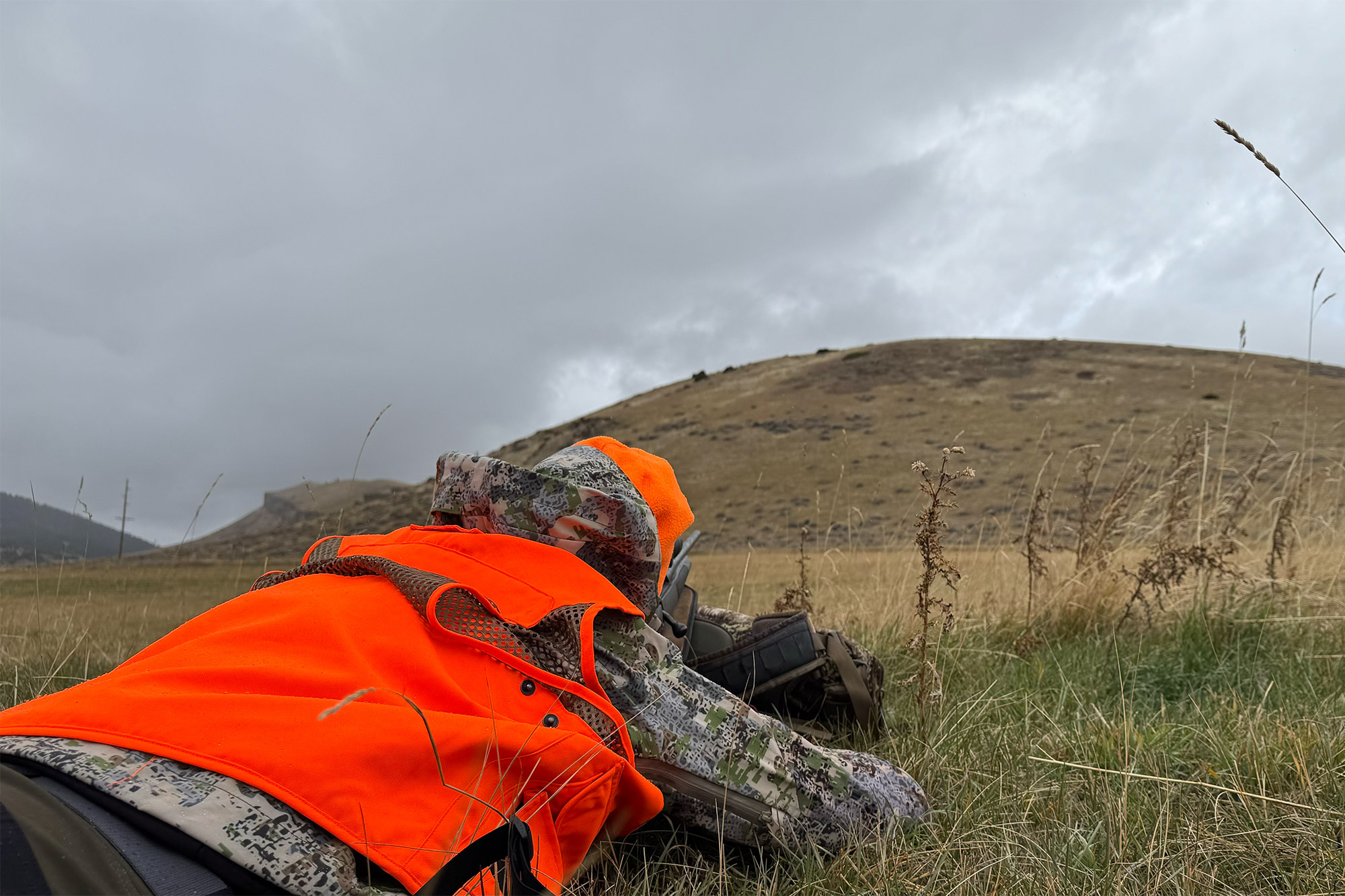
Is the FORLOH AllClima Soft Shell Jacket truly waterproof? Yes. I put this to the ultimate "misery test" on Day 4. While glassing a ridge, a localized storm dumped a mix of rain and marble-sized hail for nearly an hour. To stay out of the skyline, I had to lie prone on the saturated, freezing ground.
Standard soft shells usually "wet out" at the elbows and chest under this kind of pressure. However, the AllClima’s technical membrane and gasketed zippers held firm. I watched the water bead up and roll off the fabric. Even with my body weight pressing the fabric into the wet earth, the moisture never penetrated the inner layer. When the storm broke, I stood up, shook off the ice, and was bone-dry underneath.
Defying the 50 MPH Gusts: Windproofing & Layering
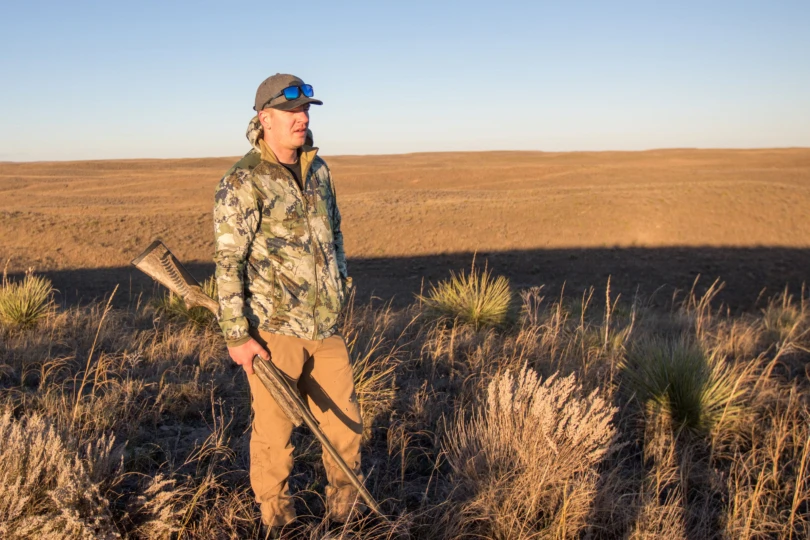
Can the FORLOH AllClima handle extreme wind conditions? Montana is famous for its wind, and on the exposed ridges of the Front, gusts can easily exceed 50 mph. The AllClima acts as a 100% windbreak. I tested this by glassing from a high-altitude saddle where the wind was relentless.
The hood design is a standout feature here. It’s fully adjustable and features a reinforced brim that doesn't collapse in high winds. By cinching the hood, I was able to protect my neck and face, maintaining my core temperature even as the wind chill plummeted. Despite being a total wind block, the 30k breathability meant I didn't overheat once the sun came back out and I started the descent.
Functional Highlights & Field Nitpicks
Beyond the fabric, the "small" details are what define high-end gear.
- Asymmetrical Wrist Cuffs: This is a "surprise and delight" feature. The cuffs are cut longer on the back of the hand for protection but tapered at the wrist to stay out of the way of your release or bowstring.
- Underarm Venting: The pit zips are easy to operate even with gloves on, allowing for immediate heat dumping during heavy pack-outs.
- Pocket Sizing: The chest pockets are deep enough to swallow an iPhone 15 Pro Max and a set of rangefinder batteries without feeling bulky.
- Internal Netting: The inner lining is a soft mesh that helps with moisture wicking. After five days of sweat and grit, it didn't retain odors—a testament to the antimicrobial treatments FORLOH uses.
Field Nitpick: If I have one gripe, it’s that the main zipper can be a bit stiff when the jacket is brand new. It requires a firm tug, though I expect this to break in over time and is likely a byproduct of the heavy-duty water-sealing.
The Comparison: FORLOH vs. Sitka vs. Kuiu
Choosing between the big three in technical hunting gear often comes down to specific needs. Here’s how the AllClima stacks up:
| Feature | FORLOH AllClima | Sitka Jetstream | Kuiu Guide DCS |
|---|---|---|---|
| Waterproof Rating | 20,000mm (Highly Waterproof) | Water Resistant (DWR) | Water Resistant (DWR) |
| Breathability (MVTR) | 30,000g | ~15,000g | ~15,000g |
| Noise Level | Extremely Quiet | Moderate | Moderate |
| Weight | ~29 oz | ~26 oz | ~28 oz |
| Primary Use | All-weather Stalking | Mid-season Wind block | High-exertion Dry days |
While Sitka and Kuiu offer legendary concealment and great mobility, the AllClima wins on sheer versatility. It’s the only one in this group that I would trust as my primary rain shell in a downpour while still being quiet enough for a close-quarters archery stalk.
Final Verdict: Why This Jacket Stays in My Pack
The FORLOH AllClima Soft Shell isn't just a jacket; it’s an insurance policy. In the backcountry, your ability to stay in the field is directly tied to your gear’s ability to keep you comfortable.
Pros:
- True Silence: No "crinkle" or "swish," making it perfect for bowhunters and stalkers.
- Elite Waterproofing: Performs like a hardshell in rain and hail.
- Exceptional Breathability: I never felt "clammy" even during heavy climbs.
- Made in the USA: High-quality construction you can feel.
Cons:
- Zipper Stiffness: Takes some breaking in.
- Price: It’s a premium investment, but one that replaces two separate layers (soft shell + rain shell).
Whether you’re hunting the scrub oaks of the Southwest or the jagged peaks of Montana, this is the "Silent Workhorse." It allows you to ignore the weather and focus on the hunt.
FAQ
Q: Is the AllClima Soft Shell too warm for early-season hunts? A: It’s designed as a mid-to-late season piece. For temperatures above 60°F, you might find it a bit warm during heavy exertion, but for anything from 15°F to 55°F, it’s the perfect outer layer when paired with the right base layers.
Q: How does the sizing run? A: It has an "Athletic Fit." If you plan on layering heavily with a puffy jacket underneath, I recommend sizing up one. If you’re just wearing a base layer and a light fleece, stay true to size.
Q: Can I use this for tree stand hunting? A: Absolutely. The silence of the fabric is a massive benefit in the quiet of the hardwoods, and the windproofing is essential when you're sitting stationary in a cold breeze.