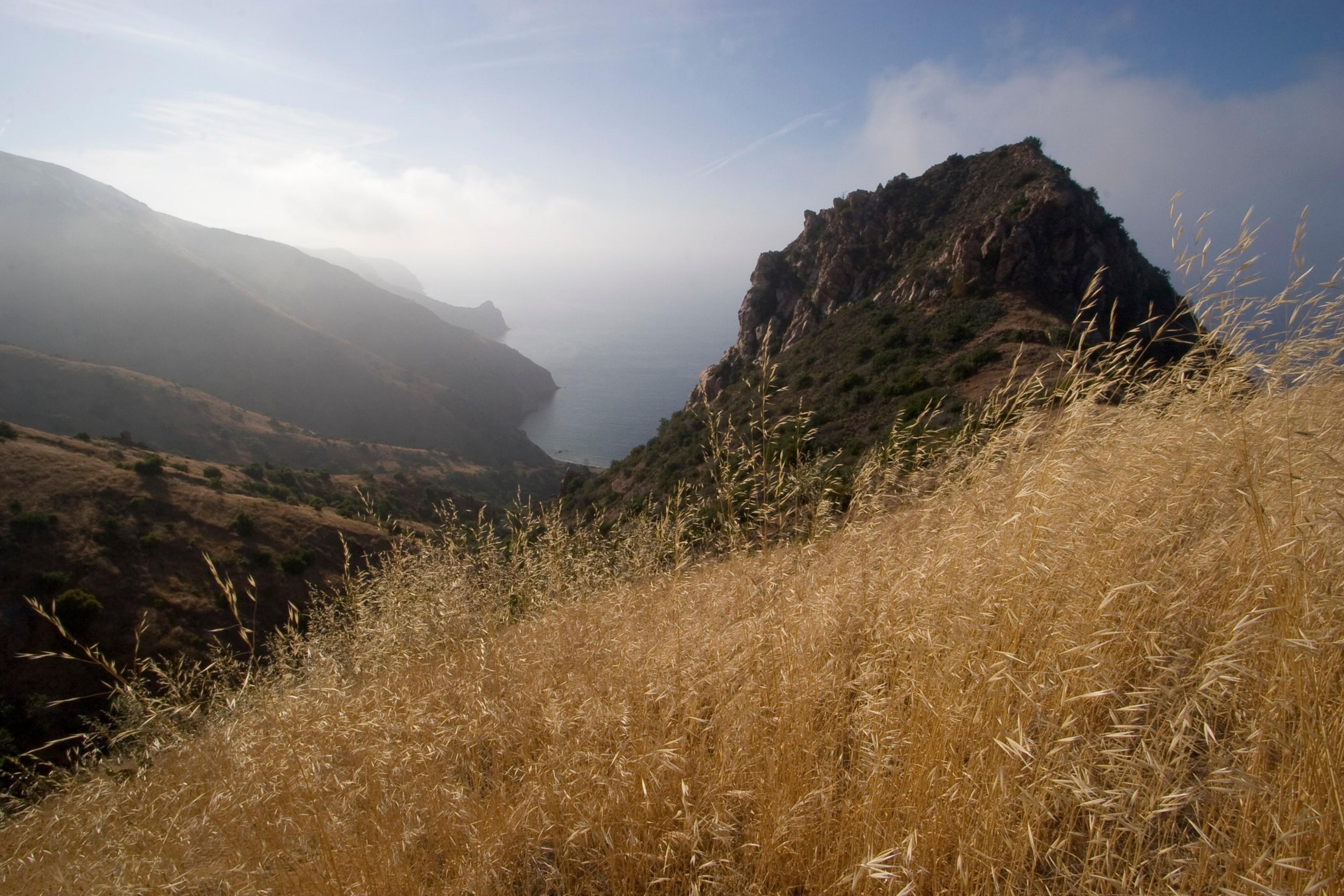
For nearly a century, Santa Catalina Island has been defined in the public imagination by its rugged Mediterranean coastline, the charm of Avalon, and the wandering herds of mule deer that frequent its interior. However, beneath the picturesque surface, a biological crisis has been reaching a breaking point. Following decades of debate and various attempts at population control, the California Department of Fish and Wildlife (CDFW) has approved a comprehensive eradication plan. For hunters, conservationists, and frequent visitors to the Channel Islands, this marks the most significant shift in the island’s land management policy since the 1970s.
The decision is not merely a local administrative update; it is a fundamental choice about the future of an entire ecosystem.
Key Takeaway: The Necessity of Eradication The Catalina Island Conservancy is eradicating mule deer because they are an invasive species introduced in the 1930s that destroys rare native plants, increases wildfire risks by promoting invasive grasses, and threatens the island's freshwater aquifer.
The History: How 10 Deer Became 2,000
The presence of deer on Catalina is an anthropogenic phenomenon rather than a natural one. To understand the current mandate for eradication, one must look back to the era of "gentleman’s hunting" in the early 20th century.
Key Takeaway: Population Growth Mule deer were first brought to Catalina Island in 1928 (25 individuals) and 1930 (8 individuals) for game hunting. Without natural predators, the population reached approximately 1,800 by 2024.
Initially, the introduction was viewed as a success, providing a unique "big game" experience just 22 miles from the Los Angeles coast. However, the island’s ecology evolved in isolation for millennia without the pressure of large ruminants. The deer found an environment rich in endemic flora that had no defense mechanisms against heavy browsing. By the late 20th century, the "game" had become a biological burden.

The Ecological Crisis: Why Removal is Necessary
The argument for removal is built on four pillars of environmental science: biodiversity, wildfire safety, water security, and animal welfare.
Impact on Rare Species
Catalina is home to over 60 species of plants and animals found nowhere else on Earth. The most critical among these is the Catalina Island mountain mahogany (Cercocarpus traskiae). With only a handful of individual trees remaining in the wild, it is considered North America’s rarest tree. Mule deer browse heavily on young saplings, effectively preventing the natural regeneration of the forest. Without intervention, these species face imminent extinction.
Wildfire Risk
One of the most counterintuitive arguments for eradication involves fire safety. While many believe deer "clear brush," the reality is the opposite. Deer selectively eat fire-resistant native plants, such as island scrub oak and manzanita. In the void left by these native species, invasive grasses like cheatgrass and foxtail thrive. These grasses dry out early in the season, creating a highly flammable "carpet" that carries fire across the landscape with terrifying speed.
Water Security and Soil Erosion
Overgrazing leads to the stripping of hillside vegetation, which in turn causes massive soil erosion during winter rains. This siltation clogs the island’s drainage systems and threatens the integrity of the Avalon freshwater aquifer—the primary water source for the island’s residents and its million-plus annual tourists.
Deer Welfare
Finally, there is the issue of the deer themselves. The population density on Catalina is roughly 8 to 10 times higher than that of the California mainland. In years of drought, the island cannot sustain this biomass. Observers frequently report deer in states of severe malnutrition, with rib cages visible and coats tattered—a direct result of a population that has far exceeded the land's carrying capacity.
The 2026 Hunting & Removal Plan
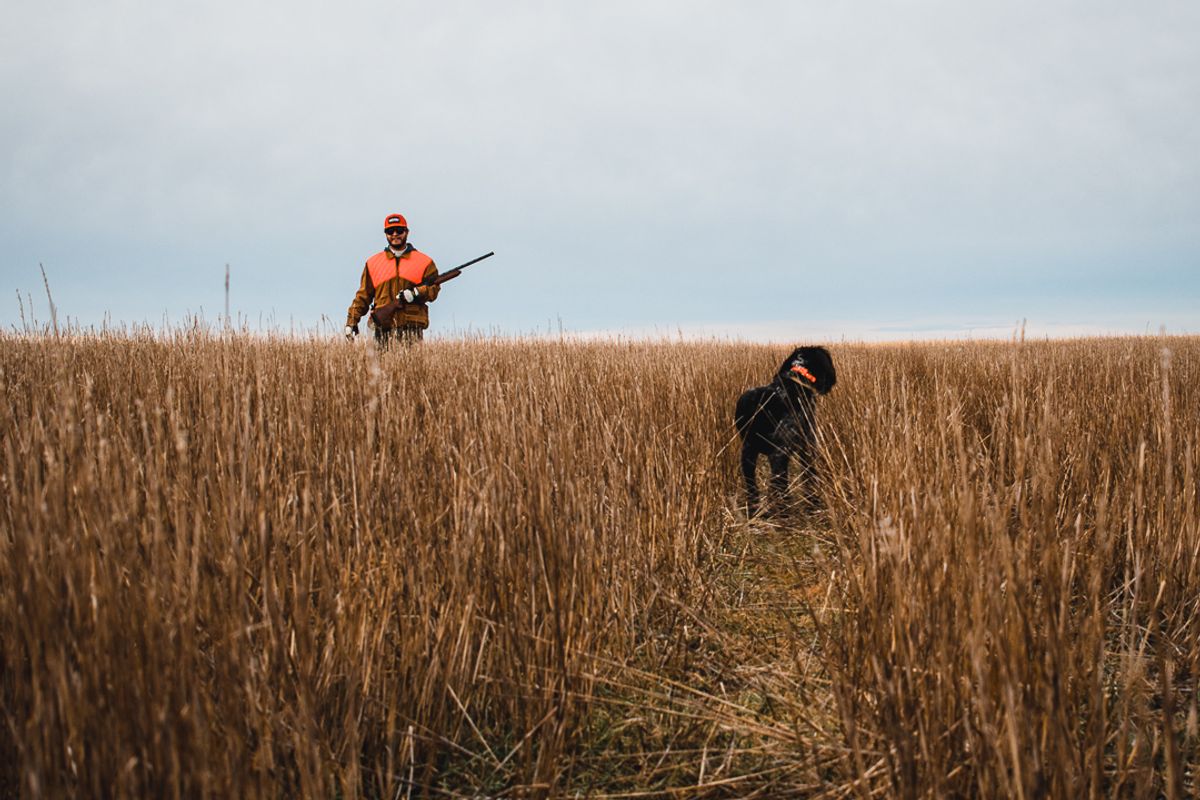
The transition from a managed population to full eradication is a complex operational undertaking. For the hunting community, the 2026 plan represents a "final call" for recreational opportunities before the project shifts entirely to professional management.
Key Takeaway: The 2026 Schedule A recreational hunting season for local residents and tribal members is scheduled to take place on Catalina Island in November 2026, alongside professional removal efforts managed by the Conservancy.
Why Recreational Hunting is Not Enough
Critics of the eradication plan often ask why the Conservancy cannot simply increase hunting tags. The data from the 2024 season provides a stark answer. During the 2024 hunting season, hunters harvested 379 mule deer out of 754 issued tags, representing a 50.3% success rate. The Conservancy deemed this rate insufficient for population control, as the deer’s reproductive capacity quickly offsets these numbers. Furthermore, recreational hunters typically avoid the rugged, inaccessible interior canyons where the majority of the ecological damage occurs.
Professional Operations
Following the November 2026 recreational window, professional removal efforts will intensify. This phase will utilize:
- Thermal Technology and Drones: To locate herds in dense brush and steep terrain.
- Ground-Based Sharpshooters: Highly trained professionals who can operate in areas too dangerous for public hunters.
- Aerial Operations: Used as a last resort for the most remote sections of the island.
To ensure the process is as ethical as possible, the Conservancy has committed to meat utilization. Recovered venison that meets health standards will be processed for the California Condor Recovery Program, providing a clean, lead-free food source for the endangered birds.
The 10-Year Restoration Roadmap (2026-2035)
Eradication is only the first step. The "Catalina Island Restoration Project" is a decade-long commitment to rebuilding a functional ecosystem.
- Phase 1: Fenced Pilot Projects (2025-2027): The initial phase involves a 10-acre fenced pilot area, followed by a 105-acre high-priority zone before expanding island-wide. These "exclusion zones" serve as nurseries where native plants can grow without the threat of browsing.
- Phase 2: Targeted Herbicides (2027-2029): Once deer are removed from specific zones, specialists will use targeted herbicides like Poast (Sethoxydim) to reduce the seed bank of invasive grasses, giving native seeds a chance to take root.
- Phase 3: Native Seeding (2029-2032): Transitioning the landscape from low-diversity cover crops to high-diversity endemic mixes. This involves "seed bulking"—growing massive quantities of native seeds in mainland nurseries to be distributed across the island.

Removal Methods Comparison
The Conservancy evaluated several methods before settling on professional removal. Here is how the options compare:
| Method | Effectiveness | Cost | Ethical/Welfare Consideration |
|---|---|---|---|
| Professional Sharpshooting | Very High | High | Instantaneous; minimizes herd stress. |
| Recreational Hunting | Moderate/Low | Low (Revenue generating) | High wounding rates; selective (trophy-focused). |
| Live Relocation | Very Low | Prohibitively High | Extremely stressful for deer; high mortality post-release. |
| Sterilization/Contraception | Low | Extremely High | Requires repeated dosing; doesn't reduce current browsing pressure. |
Controversy and Public Reaction
The plan has not been without significant pushback. L.A. County Supervisor Janice Hahn has been a vocal opponent, calling the plan "inhumane" and "extreme." She has urged the Conservancy to seek alternative methods, reflecting the emotional connection many Southern Californians feel toward the deer.
Similarly, the L.A. County Fire Chief has expressed concerns that removing deer could lead to a temporary increase in fuel loads before the native vegetation is fully restored. However, the Conservancy’s scientific team maintains that the "native forest" model is far more fire-resistant than the "invasive grass" model created by the deer.
Groups like Safari Club International (SCI) also lament the loss of hunting opportunities. For many, Catalina represented a rare, high-quality hunting ground within reach of the Los Angeles metro area. The transition to eradication effectively closes this chapter of California’s hunting heritage.
Conclusion: The Future of Catalina
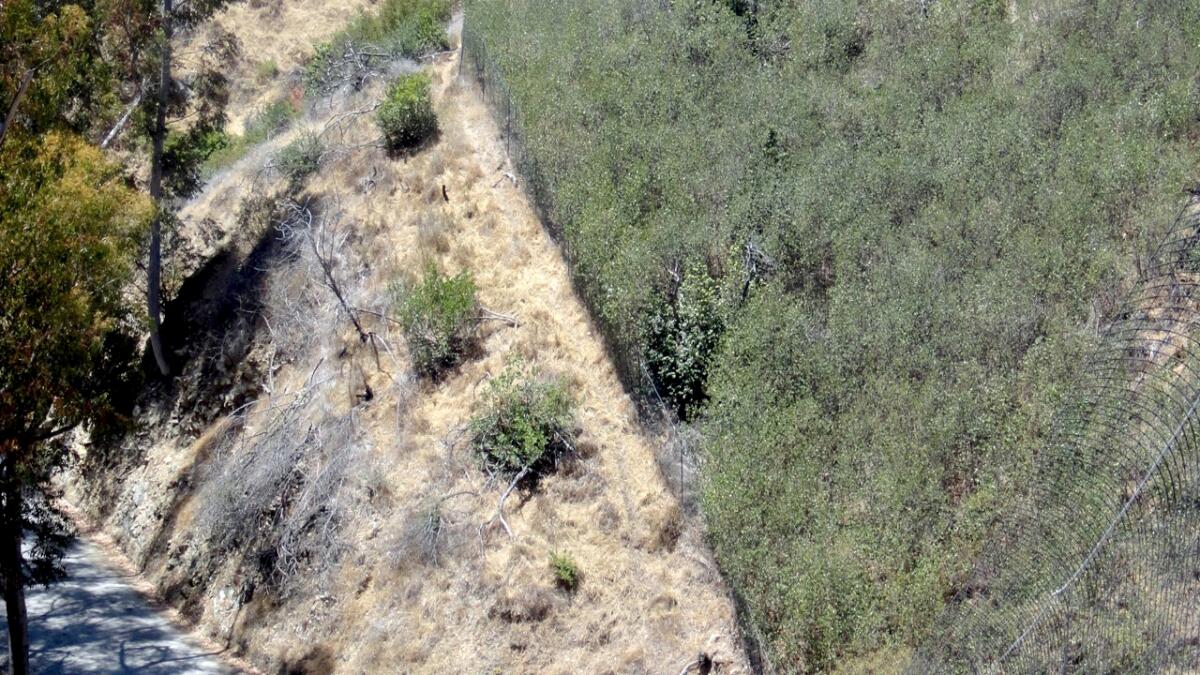
By 2032, the Catalina Island Conservancy envisions an island that is "cage-free." Currently, thousands of native plants must be protected by individual wire cages to survive. In a post-deer Catalina, the entire 42,000-acre landscape will act as a sanctuary.
The removal of the mule deer is a heavy, difficult decision, but for those who prioritize the long-term survival of the island's unique biodiversity, it is an unavoidable one. As the 2026 deadline approaches, hunters and visitors alike must prepare for a new era—one where the Catalina Island fox, the island ironwood, and the rare mountain mahogany can once again flourish in a balanced, self-sustaining environment.
FAQ
Q: Can I still get a hunting tag for Catalina Island for the 2025 season? A: Yes. The current PLM (Private Lands Management) hunting program is expected to continue until the transition to the 2026 eradication permit. However, tag numbers are limited and highly competitive.
Q: What will happen to the deer meat? A: The Conservancy is committed to minimizing waste. Meat that is safe for consumption will be utilized for community donation or integrated into the California Condor food supplement program.
Q: Is there any plan to keep a small, managed herd on the island? A: No. Scientific data suggests that even a small herd would continue to browse on the rarest endemic species, preventing full ecosystem recovery. The goal is total eradication to ensure the survival of the island’s unique flora.