Quick Facts
- Founder: Glen Van Peski (Civil Engineer and UL pioneer).
- Established: 1998, originally as GVP Gear.
- The "10-Pound Rule": A revolutionary standard popularized by Van Peski in 2005, stating that a base weight (gear minus consumables) should be 10 lbs or less.
- Modern Innovation: The 2025 Alchemy Collection, featuring heat-bonded Aluula Graflyte fabric.
- Iconic Gear: The Mariposa 60 and Gorilla 50 are considered "gateway" packs for mainstream ultralight hiking.
If you’ve ever stood at a trailhead in the Sierra or the Cascades, you’ve seen the "look." It’s that minimalist, almost ethereal aesthetic—packs that look more like sleek silhouettes than the bulky, external-frame monsters of the 1970s. We take it for granted now that we can carry a week’s worth of gear in a 25-ounce bag, but thirty years ago, that idea was literal lunacy.
When I first started heading into the backcountry, my empty pack weighed more than my current base weight. We were all lugging 7-pound canvas beasts because we were told "heavy-duty" meant "reliable." Then came a shift—a quiet revolution started in a garage in California that eventually changed the DNA of the entire outdoor industry. That revolution was Gossamer Gear.
The DIY Spark: Glen Van Peski and the GVP Origins
The story doesn't start in a boardroom; it starts with a civil engineer who was tired of being tired. In 1998, Glen Van Peski founded what was then called GVP Gear. He wasn't looking to disrupt a billion-dollar industry; he was just trying to make a hike with his son more enjoyable by shedding unnecessary pounds. Inspired by the legendary Ray Jardine—the godfather of the "Beyond Backpacking" philosophy—Glen began sewing his own ultralight gear.
The demand was immediate and visceral. The thru-hiking community, always the early adopters of "less is more," caught wind of Glen’s designs. The brand’s first commercial production run consisted of just 50 packs, priced at a humble $70 each. Remarkably, 36 additional orders were placed before that initial batch was even finished. People weren't just buying a bag; they were buying a new way to move through the wilderness.
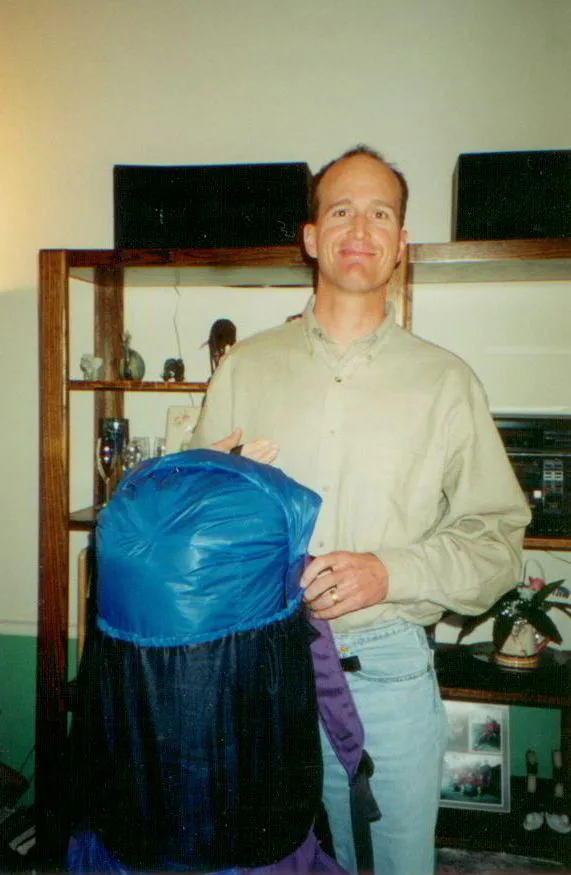
As Glen moved operations from his garage to a more formal structure, GVP Gear became Gossamer Gear. The name change was symbolic. A "gossamer" is something light, thin, and delicate, yet surprisingly resilient—exactly what Glen wanted his gear to be. The brand became a bridge between the radical, DIY "tarp-and-bivy" crowd and the mainstream hiker who just wanted to stop having back pain.
Defining the Standard: The 10-Pound Base Weight Rule
If you ask any modern gram-counter about their "Base Weight," they’ll likely cite a specific number. That’s because of a rule popularized by Glen Van Peski in 2005. The 10-pound base weight rule states that a hiker’s total gear weight—excluding "consumables" like food, water, and fuel—should be 10 pounds or less.
Before this, there was no benchmark. You just "carried what you needed." By putting a number on it, Gossamer Gear gave the community a goal. It sparked the "spreadsheet culture" that defines modern backpacking, where every tent stake and toothbrush handle is weighed on a digital scale.
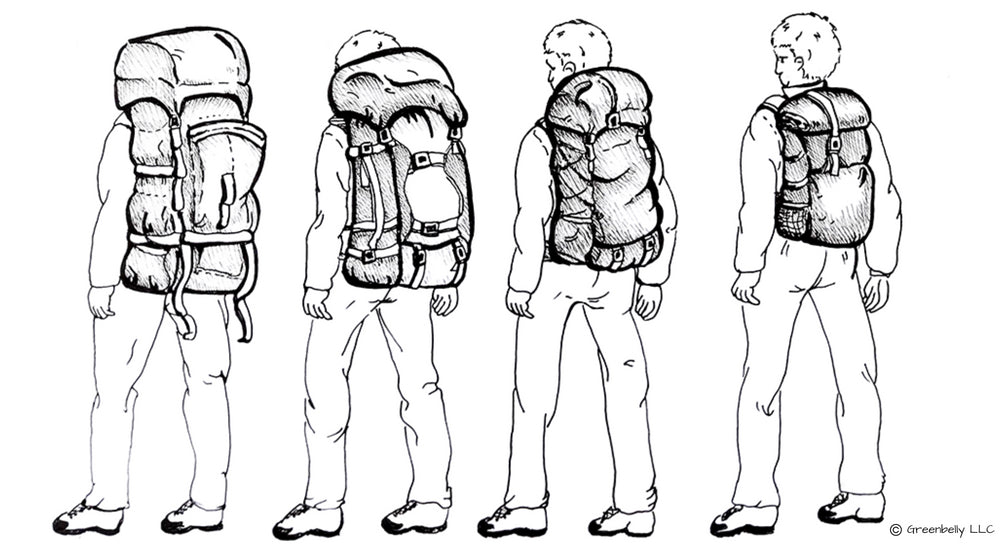
Implementing this rule required a total rethink of gear. You couldn't just carry a lighter pack; you had to carry a lighter everything. Gossamer Gear didn't just sell packs; they sold a philosophy. They taught us that being "reliable" isn't the same as being "relevant." A heavy pack might be indestructible, but if it keeps you from reaching the summit because you're exhausted, is it actually doing its job?
"The 10-pound rule wasn't about deprivation; it was about liberation. When you stop worrying about the weight on your back, you start noticing the world around you." — Marcus Rivera
This mindset was validated by elite athletes. Legendary thru-hiker Andrew Skurka, whose early 7,000-mile expeditions redefined what was humanly possible in a single season, worked closely with the brand. Skurka’s feedback helped refine the gear into something that could survive the harshest conditions while remaining incredibly light.
Mainstream Success: The Mariposa and the 'Approachability' Era
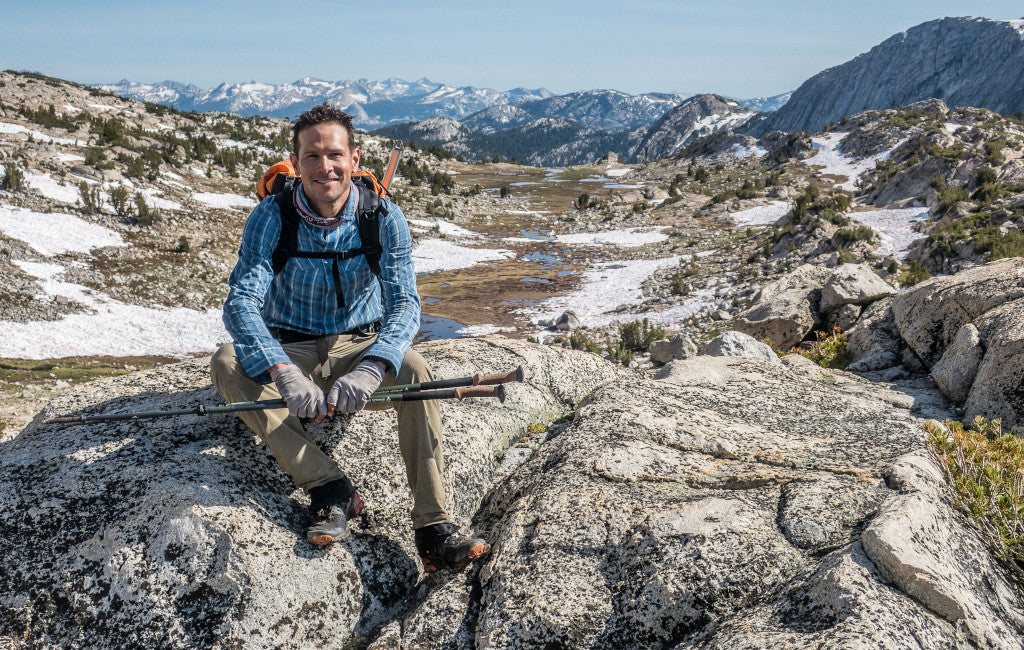
For a long time, ultralight gear was seen as "fringe." It was for the people who cut the straps off their packs and ate cold-soaked ramen. Gossamer Gear changed that perception by creating the "gateway" packs: the Mariposa 60 and the Gorilla 50.
These packs were revolutionary because they didn't sacrifice comfort for weight. While other UL brands were using rigid, uncomfortable frames or no frames at all, Gossamer Gear utilized their signature "SitLight" pad—a removable foam insert that acted as back padding during the hike and a camp seat at night.
- The Mariposa 60: The gold standard for thru-hikers. It offers enough volume for a bear canister but weighs a fraction of a traditional pack.
- The Gorilla 50: My personal favorite for weekend expeditions. It’s nimble, tough, and balances perfectly on the hips.
By 2015, you couldn't walk ten miles on the PCT or AT without seeing a "G" logo. The brand had successfully transitioned from a garage project to a mainstream leader, maintaining its influence for nearly 30 years.
The 2025 Renaissance: The Alchemy Collection
In the outdoor industry, you either innovate or you become a relic. By the early 2020s, new "boutique" brands like Durston Gear and Pa'lante were pushing the boundaries of materials. Gossamer Gear responded in 2025 with the Alchemy Collection, a line that proves the old guard still has the sharpest tools in the shed.
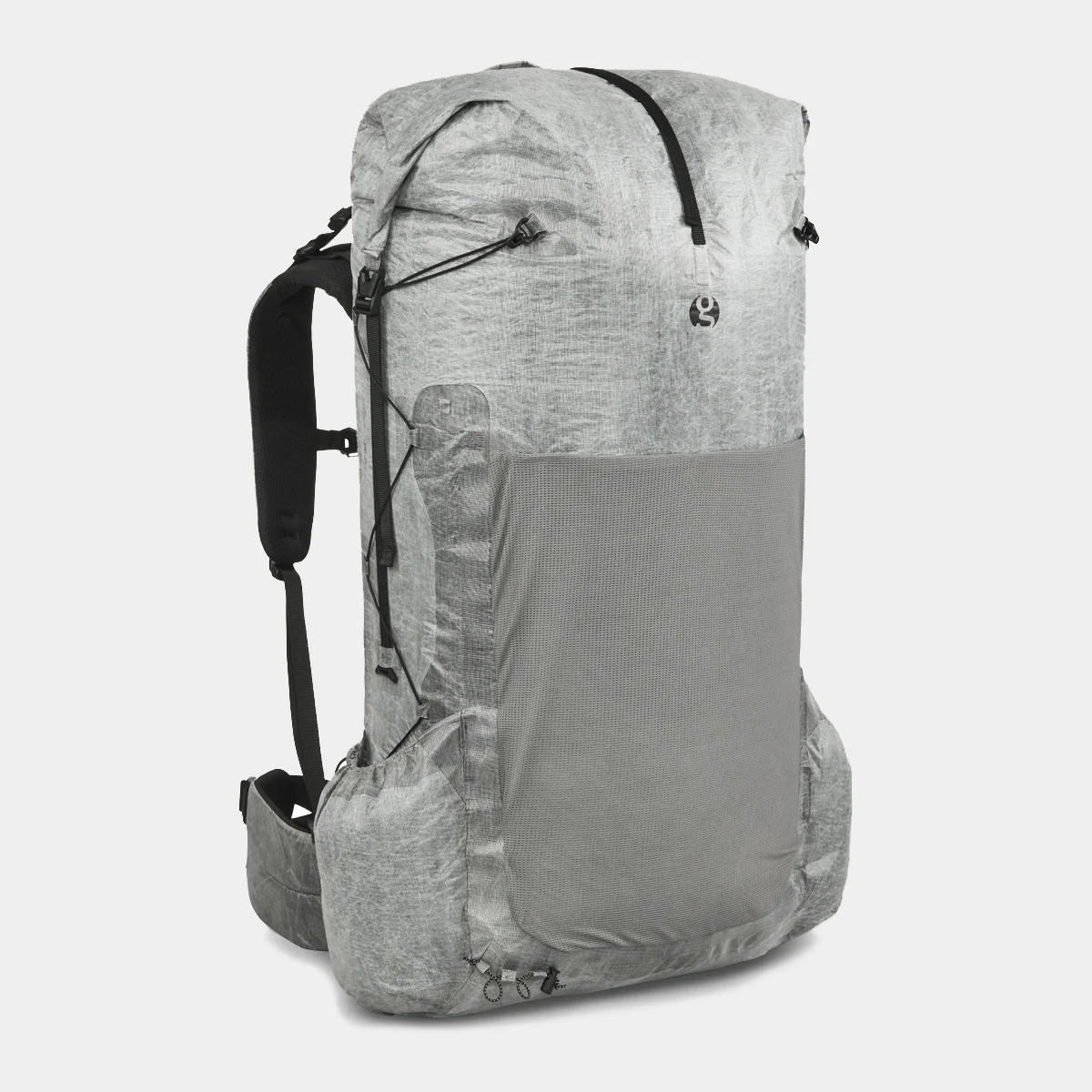
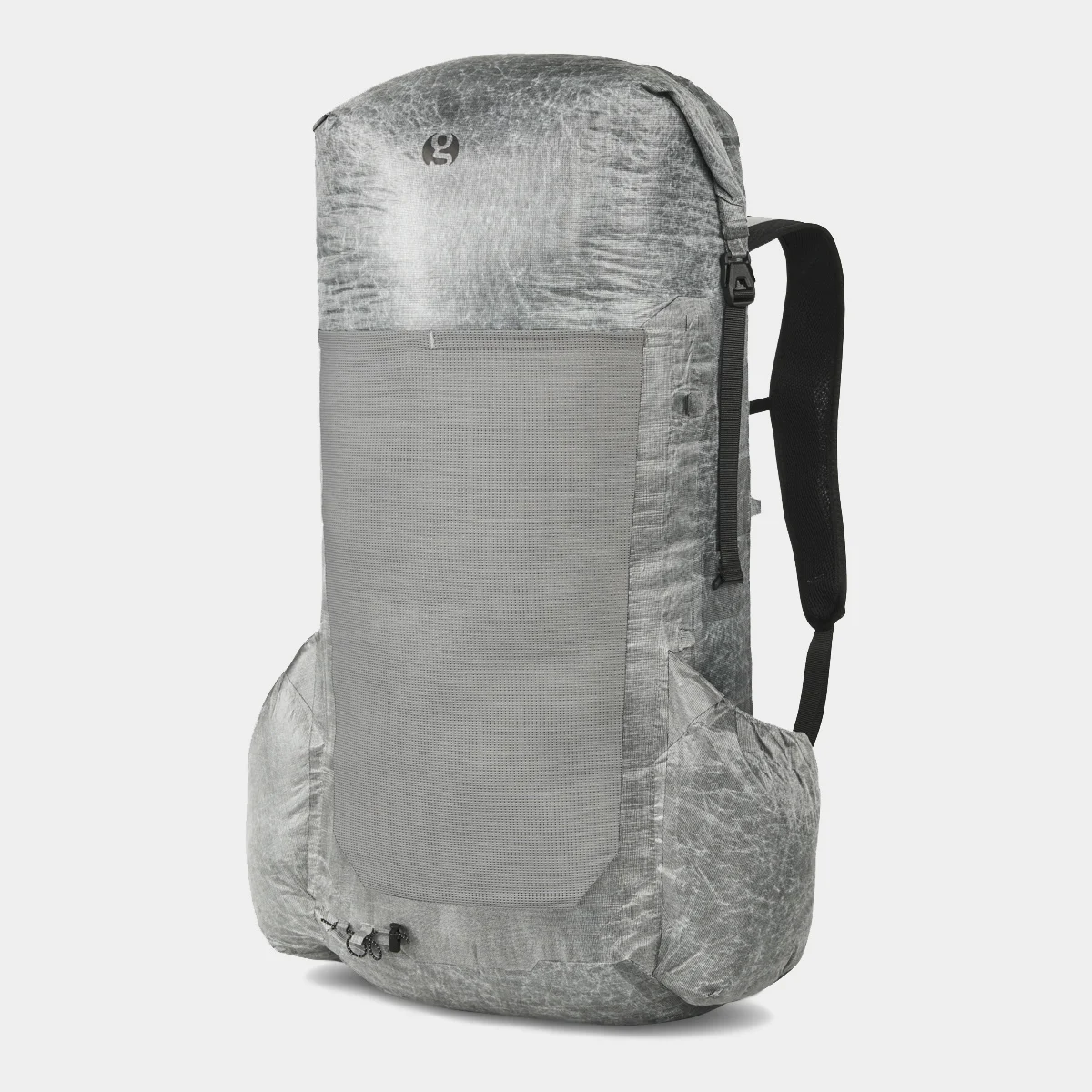
The Alchemy Collection represents a departure from traditional sewing. Instead of needles and thread, which create thousands of tiny holes in the fabric, these packs use heat-bonded construction. The material of choice is Aluula Graflyte, a technical fabric that is significantly lighter and stronger than the industry-standard DCF (Dyneema Composite Fabric).
Why Heat-Bonding Matters
- Waterproofing: Without stitch lines, the pack is inherently more waterproof. No more messy seam-sealing or heavy pack covers.
- Durability: The bonds are often stronger than the fabric itself, preventing the "zipper effect" where seams rip under tension.
- Weight: Removing the thread and heavy reinforcements used in traditional sewing sheds even more precious ounces.
This isn't just gear; it’s engineering. When I first got my hands on an Alchemy pack, the texture felt different—almost metallic but flexible. On a rain-soaked trek through the Olympics last spring, the Aluula fabric didn't "wet out" or gain water weight, a common frustration with older UL materials.
How Gossamer Gear Compares to the Competition
To understand why Gossamer Gear remains at the top, you have to see how they stack up against other titans of the ultralight world.
| Brand | Core Philosophy | Signature Material | Best For |
|---|---|---|---|
| Gossamer Gear | Comfort + "Less is More" | Robic / Aluula Graflyte | The "Everything" Pack (Thru-hiking to Weekenders) |
| Zpacks | Absolute Minimum Weight | DCF (Dyneema) | Hardcore gram-counters & minimalist racers |
| Hyperlite (HMG) | Bombproof Durability | Woven Polyester/DCF Hybrid | Off-trail, alpine, and technical canyoneering |
While Zpacks might win the "lightest on the scale" contest and Hyperlite wins the "can survive a rockslide" contest, Gossamer Gear wins the "I actually want to wear this for 2,000 miles" contest. Their focus on ergonomics and user-friendly features—like the over-the-top "brain" pockets and massive stretchy mesh side pockets—makes them the most functional choice for real-world hikers.
Legacy and Future: Dropping 'Backpack' for 'Brand'
As we look toward 2026, Gossamer Gear is expanding its minimalist aesthetic beyond just packs. Their shelters, like The One and The Two, are receiving major updates to incorporate the same heat-bonded technology found in the Alchemy packs.
The outdoor industry owes its current minimalist trajectory to Glen Van Peski. He proved that a "reluctant businessman" could change the world simply by solving a personal problem. Gossamer Gear didn't just make our packs lighter; they made the experience of being in the wild more accessible. They stripped away the barriers—the literal weight of tradition—and left us with the only thing that actually matters: the trail ahead.
Whether you’re a seasoned veteran or someone looking to buy their first "real" backpack, the lesson from Gossamer Gear is clear: Take less, do more.
FAQ
Who founded Gossamer Gear and when? Glen Van Peski founded the company in 1998 under the name GVP Gear. It was rebranded as Gossamer Gear as it grew from a DIY project into a professional operation.
What is the 10-pound base weight rule? It is a benchmark for ultralight backpacking popularized by Gossamer Gear in 2005. It suggests that a hiker's total gear (excluding food, water, and fuel) should weigh no more than 10 pounds to maximize comfort and efficiency.
What is the "Alchemy Collection"? Launched in 2025, the Alchemy Collection is Gossamer Gear’s high-performance line featuring heat-bonded Aluula Graflyte fabric. It focuses on being stitchless, waterproof, and significantly more durable than traditional ultralight materials.
Are Gossamer Gear packs waterproof? While their traditional Robic nylon packs are highly water-resistant, the new 2025 Alchemy Collection is designed to be fully waterproof due to the heat-bonded construction and Aluula fabric.