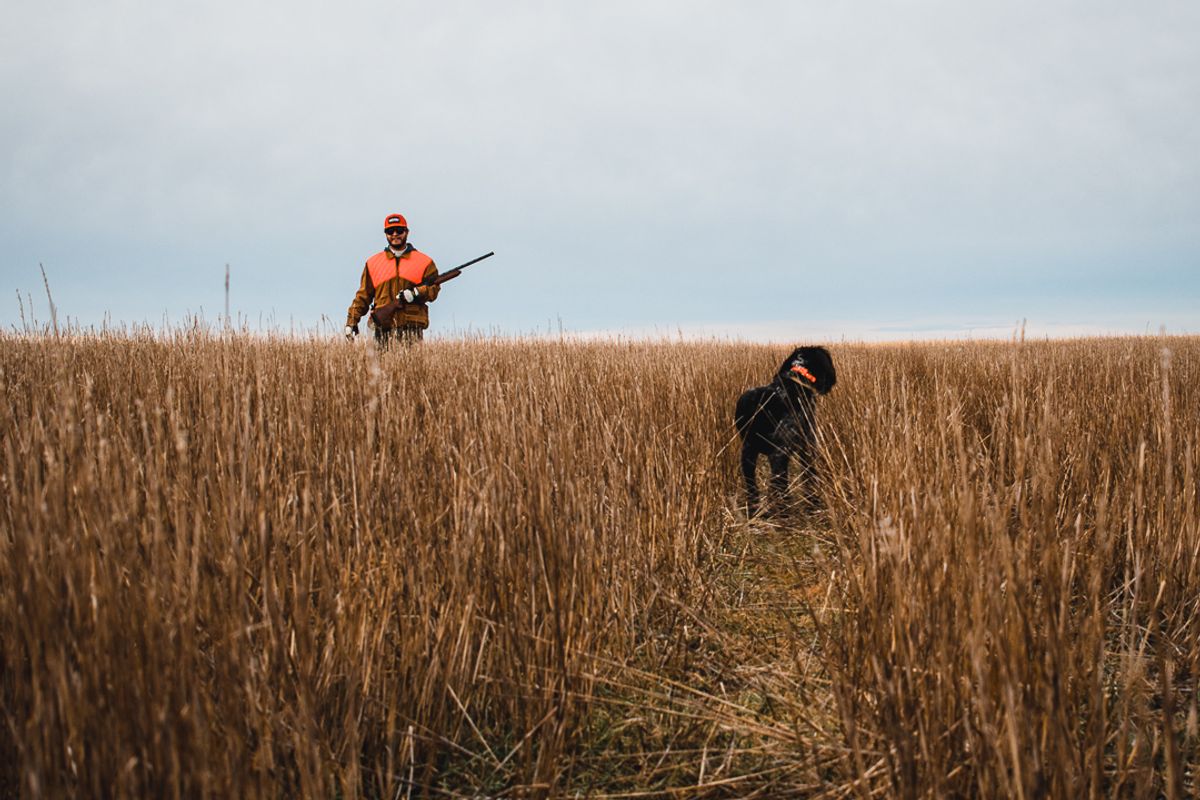
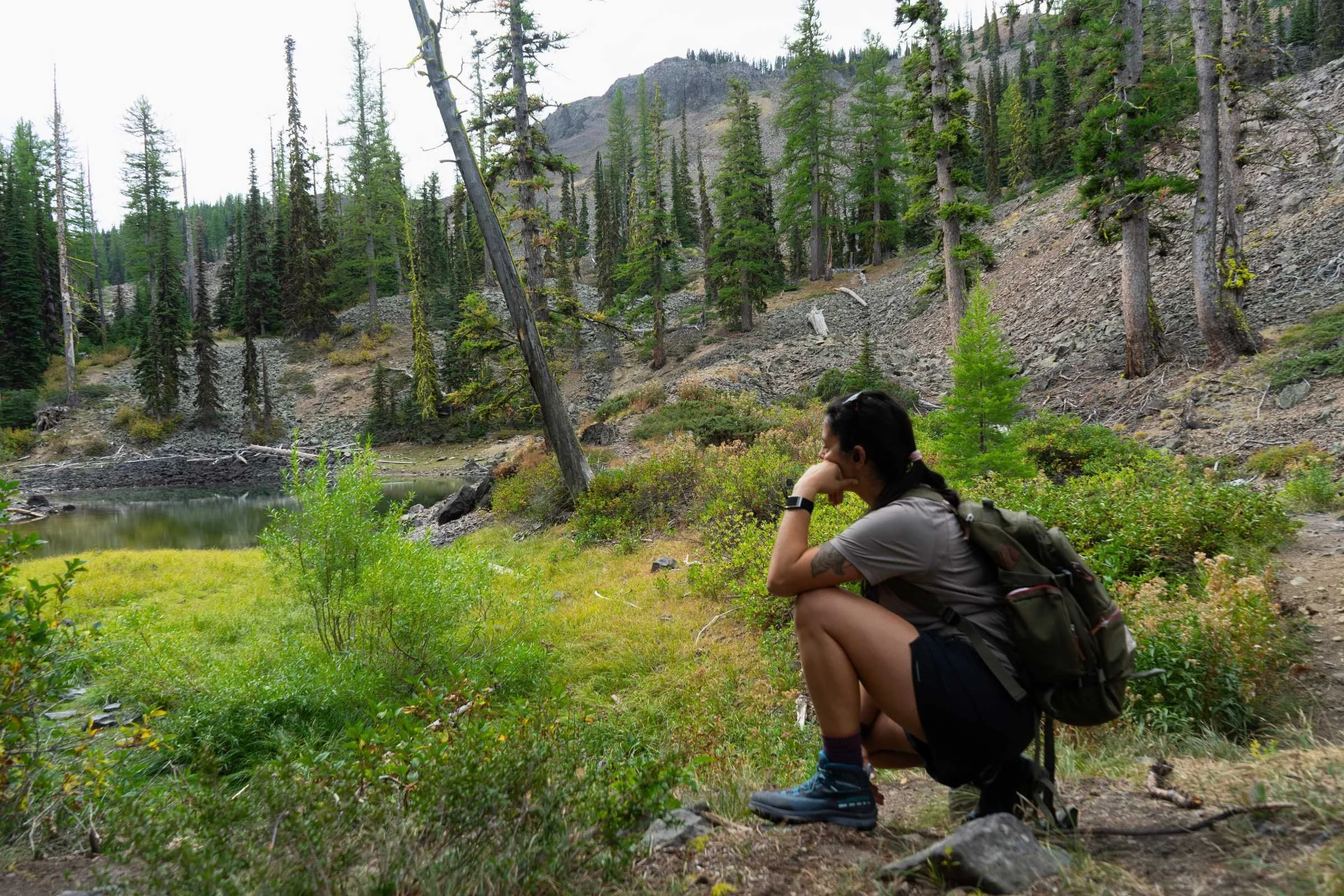
I’ve spent the better part of the last decade trekking through the Eagle Cap Wilderness and casting lines into the cold rushes of the Deschutes. If you’re like me, the Oregon outdoors isn't just a weekend getaway—it’s a way of life. It’s the ritual of the sunrise in a duck blind and the hard-earned exhaustion of packing out an elk. But right now, that heritage is facing a challenge unlike anything we’ve seen in the Pacific Northwest.
As we look toward the November 2026 ballot, a new piece of legislation is gaining momentum that could effectively end hunting, fishing, and traditional ranching in our state. It’s called Initiative Petition 28 (IP28), and while its proponents use the polished language of "compassion," the reality is a direct assault on the legal protections that allow us to manage our wildlife and feed our families.
The Urgent Threat to Oregon’s Heritage
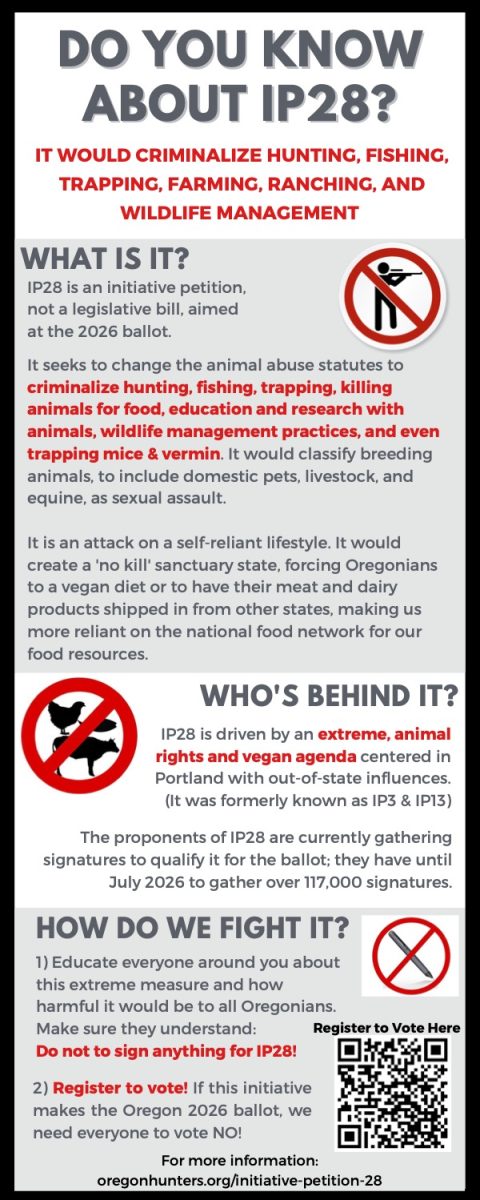
This isn't a "maybe" anymore. This is a "now." As of February 2026, the activists behind IP28—better known as the PEACE Act—have already gathered over 100,000 signatures. They are closing in on the 117,173 valid signatures required by the July 2, 2026, deadline to place this measure on the ballot.
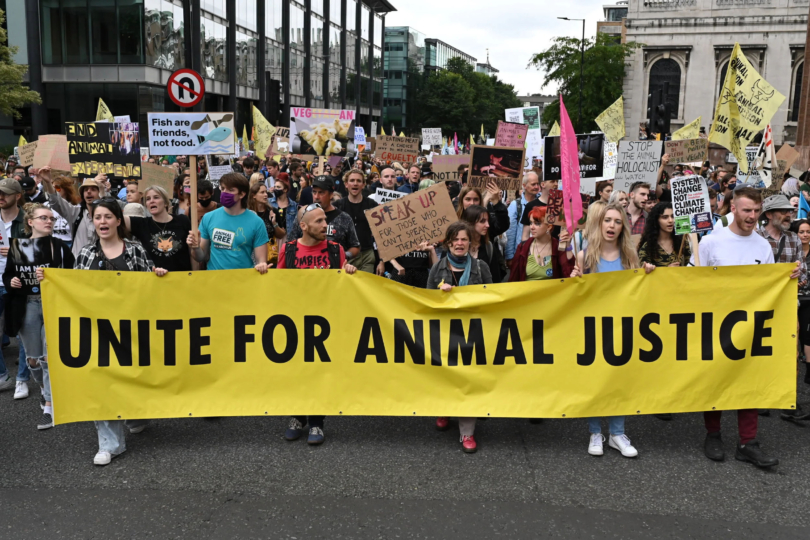
If you’ve been following the news, you know that Oregon’s political landscape is shifting. What started as a fringe movement has become a well-funded campaign. We are looking at a scenario where, in just a couple of years, the simple act of catching a steelhead or harvesting a deer could be classified as a criminal offense. This isn't just a "hunting issue"; it's a fundamental restructuring of how Oregonians interact with the natural world.
What is Oregon Initiative Petition 28 (IP28)?
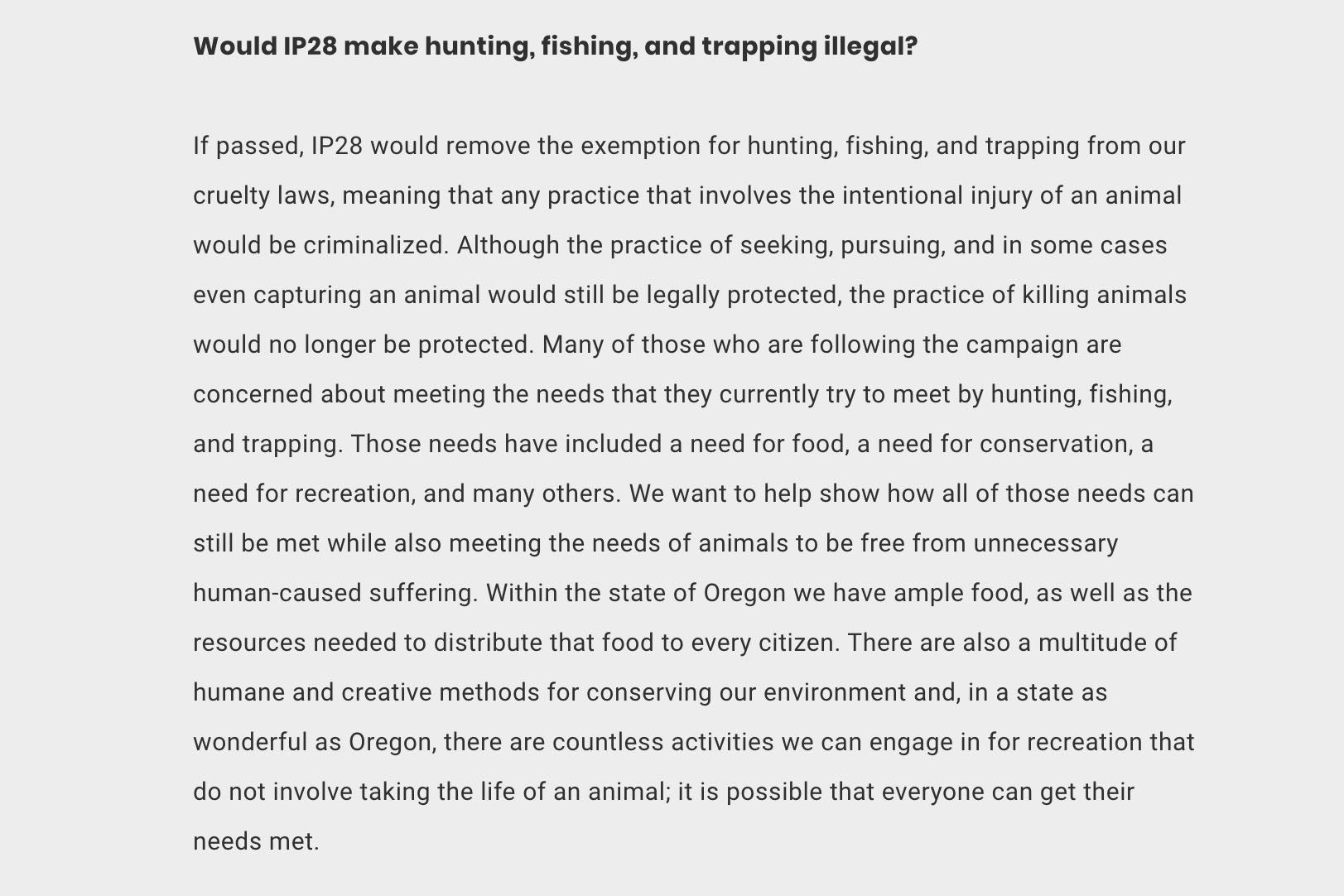
To understand why this is so dangerous, we have to look at the legal mechanics. Oregon Initiative Petition 28 (IP28), officially titled the PEACE Act (People for the Elimination of Animal Cruelty Exemptions), seeks to remove long-standing legal exemptions from Oregon’s animal abuse statutes.
Currently, Oregon law protects activities like hunting, fishing, trapping, and livestock ranching from being prosecuted as "animal abuse," provided they are done legally and humanely. IP28 would strip those exemptions away. By removing the words that protect these practices, the measure effectively criminalizes any act that results in the injury or death of an animal—regardless of whether it was done with a state-issued tag or on a family farm.
The Core Reality of IP28:
- Criminalization: It would turn licensed hunters and anglers into criminals overnight by redefining "animal abuse."
- The "No-Kill" State: The ultimate goal is to transform Oregon into a "no-kill" sanctuary state.
- Elimination of Management: It removes the state’s ability to manage wildlife populations through regulated hunting and fishing.
Beyond Hunting: The Broad Scope of Criminalization
The proponents of the PEACE Act often focus their rhetoric on "trophy hunting," but the language of the petition is a dragnet that catches almost everyone in the outdoor and agricultural sectors. The implications are staggering, reaching into corners of Oregon life that many wouldn't expect.
1. The End of Fishing and Trapping
Under IP28, the act of hooking a fish would be considered "assaulting" an animal. There are no carve-outs for catch-and-release, nor for commercial fishing operations that provide the seafood our coastal towns depend on. Trapping for fur or even for urban pest control (like removing a raccoon from your crawlspace) would become a legal minefield.
2. The Devastation of Animal Husbandry
Our brothers and sisters in the ranching community are in the crosshairs, too. Standard agricultural practices—dehorning, castration, and even the slaughter of livestock for food—would no longer be exempt from animal cruelty laws. This would force Oregon’s 37,000 farms and ranches to either shut down or move operations out of state, making us entirely dependent on imported meat and dairy.
3. A Blow to Tribal Sovereignty
Perhaps most egregious is the impact on Oregon’s nine federally recognized Tribes. Hunting and fishing are not just "activities" for the Nez Perce, Umatilla, or Warm Springs people; they are treaty-protected rights and central to their spiritual and cultural identity. IP28 ignores these sovereign rights, setting the stage for a massive legal conflict between the state and Tribal nations.
4. Urban Pest Control and Research
Even if you don't hunt or ranch, IP28 affects you.
- Rodent Control: Modern pest control methods used in cities could be classified as illegal.
- Medical Research: Vital research conducted at Oregon universities involving animals would lose its legal protection, potentially halting medical breakthroughs.

The $1.9 Billion Ripple Effect: Economic and Conservation Impact
As an editor, I’m constantly looking at the data behind our adventures. The economic engine fueled by Oregon’s outdoorsmen and women is massive, and IP28 would essentially pour sugar in the gas tank.
Economic Call-Out: Hunting and fishing in Oregon are not just hobbies; they are an economic powerhouse. These activities generate more than $1.9 billion in annual economic activity. From gear shops in Bend to motels in John Day, entire communities rely on the seasonal influx of outdoorsmen.
The passage of IP28 would directly impact:
- 330,000+ Licensed Hunters
- 500,000+ Licensed Anglers
- 37,000 Family Farms and Ranches
But the damage goes deeper than the local diner's revenue. Most people don't realize that the Oregon Department of Fish and Wildlife (ODFW) receives almost no general tax fund money. Their budget for habitat restoration, wildfire recovery, and species protection is funded primarily through hunting and fishing license fees, as well as federal excise taxes on gear (via the Pittman-Robertson and Dingell-Johnson Acts).
If you ban the hunt, you ban the funding. Without that $1.9 billion ripple effect and the accompanying license fees, Oregon’s wildlife management would collapse. We would see an increase in human-wildlife conflict, unmanaged disease in deer and elk populations, and the degradation of the very wilderness we all love.
| Sector Impacted | Potential Consequence under IP28 |
|---|---|
| Wildlife Management | Loss of ODFW funding for habitat and conservation. |
| Rural Economies | Massive loss of tourism and service industry revenue. |
| Public Safety | Inability to manage predatory species like cougars or bears near towns. |
| Food Security | Reliance on out-of-state sources for 100% of meat and dairy. |
Why 'It Probably Won’t Pass' is a Dangerous Mindset
I hear it all the time at the trailhead: "This is Oregon, but it’s not that crazy. It’ll never pass."
That is a dangerous gamble. The activists pushing IP28 are playing the "long game." Even if the measure doesn't pass in 2026, their goal is to shift the "Overton Window"—to make the idea of banning hunting seem like a reasonable topic for debate. They are targeting younger, urban voters who may be disconnected from where their food comes from or how ecosystems are managed.
Voter apathy is the greatest ally of radical legislation. If hunters and anglers stay home because they think the measure is "too extreme to win," we lose. We need a historic defeat of this measure to send a clear message: Oregon’s conservation model is not up for negotiation.
A United Front: Bipartisan and Community Opposition
One of the few silver linings here is seeing the incredible coalition forming to stop IP28. This isn't a Republican or Democrat issue; it’s an Oregon issue.
The Oregon Legislative Sportsmen’s Caucus, led by figures like State Senator David Brock Smith and Senator Anthony Broadman, has been vocal about the devastating impact of this petition. They understand that conservation is a bipartisan value.
Organizations standing shoulder-to-shoulder include:
- Oregon Hunters Association (OHA)
- Oregon Farm Bureau
- Rocky Mountain Elk Foundation (RMEF)
- Wild Sheep Foundation
- Oregon Cattlemen's Association
These groups aren't just protecting "sport"; they are protecting the North American Model of Wildlife Conservation—the most successful conservation program in history, which relies on sustainable use to ensure wildlife stays on the landscape for generations.
How to Protect Your Rights: Action Steps for Oregonians
So, what can you do? Sitting on the sidelines isn't an option when 100,000 signatures are already in the bag.
- Verify Your Registration: Make sure you and every outdoorsperson you know is registered to vote. This will be decided by the margins.
- Educate the "Unplugged": Talk to your neighbors who don't hunt. Explain that this measure would make their favorite local steakhouse illegal and kill the funding that keeps our hiking trails and forests healthy.
- Don't Sign the Petition: Activists often use vague language like "protecting animals from cruelty" when asking for signatures outside grocery stores. Read the fine print. It is Initiative Petition 28.
- Support the Defense Funds: Groups like the OHA have established "Hunter Victory Funds" specifically to bankroll the legal and PR battle against this measure.
We have a responsibility to the generations that came before us and those that will follow. Oregon is a place of rugged beauty and self-reliance. Let’s keep it that way.
FAQ: Oregon IP28 and the PEACE Act
Q: Does IP28 really ban all fishing? A: Yes. By removing the legal exemption for fishing from animal cruelty statutes, the act of catching a fish (which involves hooking and potentially killing the animal) would meet the legal definition of animal abuse under the proposed changes.
Q: If I only hunt on private land, would I be safe? A: No. IP28 changes state-level criminal statutes. Whether you are on public or private land, the removal of the exemption makes the act of killing an animal—even for food—a prosecutable crime across the entire state of Oregon.
Q: How can they call it "animal abuse" if I’m following ODFW regulations? A: That’s the trick. IP28 specifically targets those regulations by saying the "exemptions" currently given to ODFW-regulated activities should no longer exist. If the law passes, the ODFW regulations would no longer provide a legal "shield" against cruelty charges.
Q: When will this be on the ballot? A: If proponents gather the required 117,173 signatures by July 2, 2026, it will appear on the general election ballot in November 2026.