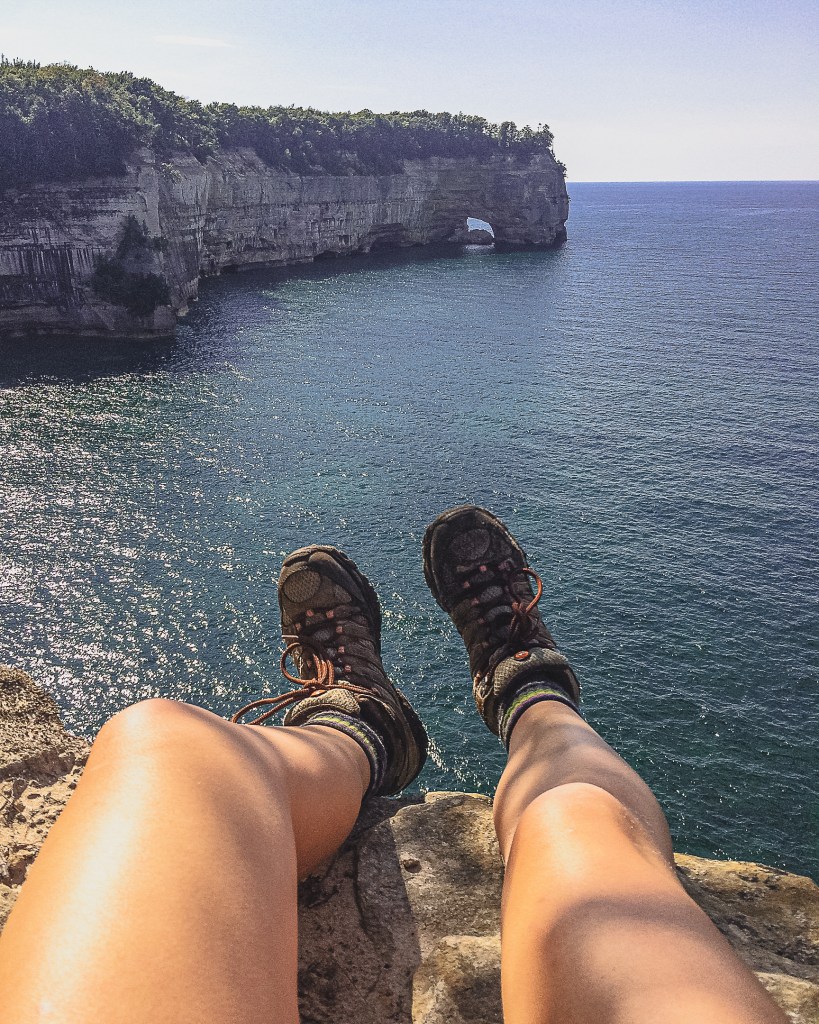
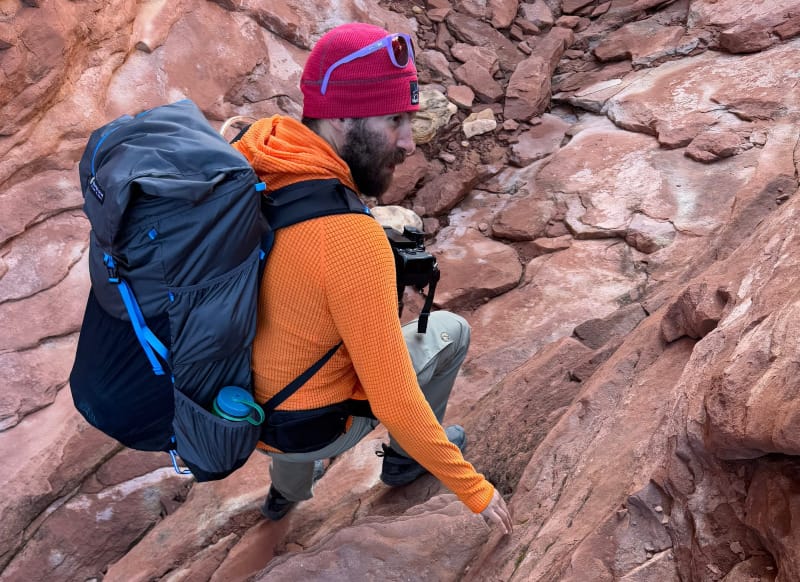
There’s a specific kind of magic that happens about six miles into a trek when you realize you haven’t thought about your feet once. No hot spots, no pinching, just the rhythmic crunch of gravel and the smell of damp pine. On the flip side, we’ve all been there—limping back to the trailhead with a blister the size of a half-dollar, cursing a pair of "highly rated" boots that felt like concrete blocks.
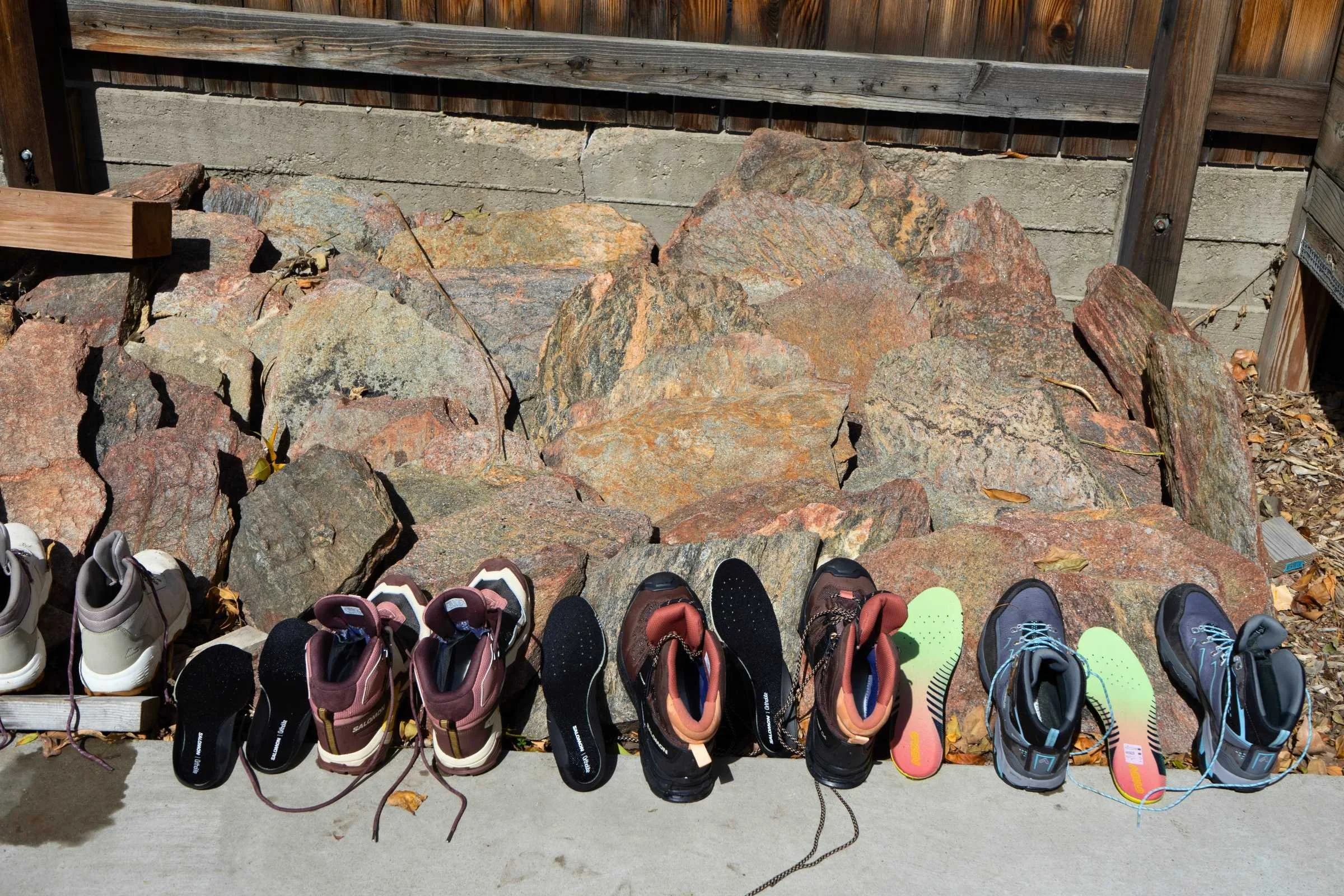
Since May 2021, my team and I have been on a mission to separate the trail-ready gems from the marketing hype. We’ve logged over 1,200 trail miles across more than 50 pairs of women’s hiking boots. From the punishing, rain-slicked roots of the Pacific Northwest to the scorching, high-desert granite of the Sierras, we’ve put these shoes through the wringer. We’ve waded through creeks to test waterproof membranes and scrambled up scree fields to see which outsoles actually bite.
After rigorous evaluation using our proprietary 10-point scale—ranking comfort, support, traction, and long-term durability—we’ve narrowed the field. If you’re looking for the short answer: The best overall hiking boot for women in 2025 is the Salomon X Ultra 5 Mid GTX. It strikes that "unicorn" balance of being light enough for a fast-paced day hike but stable enough for a technical weekend trip. If you’re watching your wallet, the Merrell Moab 3 Mid Waterproof remains the undisputed king of budget-friendly comfort.
Quick Picks: Top 3 Boots for Every Trail Type
| Category | Model | Best For | Weight (Pair) |
|---|---|---|---|
| Best Overall | Salomon X Ultra 5 Mid GTX | Technical trails & Agility | 1 lb. 10.1 oz. |
| Best Budget | Merrell Moab 3 Mid WP | Day hikes & Out-of-the-box comfort | 2 lbs. 1 oz. |
| Best for Backpacking | La Sportiva Nucleo High II GTX | Heavy loads & Rough terrain | 2 lbs. 1.6 oz. |
Our Testing Process: 1,200+ Miles on the Trail
Gear testing isn't just about a walk in the park. To find the best hiking boots for women in 2025, our expert team evaluated more than 50 pairs across a staggering variety of terrains. We tracked every mile, every vertical foot gained, and every "oh-crap" moment on slippery descents.
Each boot is scored on a 10-point scale across four critical performance metrics:
- Comfort: Is there a "break-in" period? Does the cushioning hold up after 10 miles?
- Support: Does the ankle collar feel secure? Is the chassis stiff enough for a 30-pound pack?
- Traction: How do the lugs perform on wet granite vs. loose mud?
- Durability: Does the toe cap peel? Does the waterproof membrane leak after three months?
The Winners: Best Women's Hiking Boots of 2025
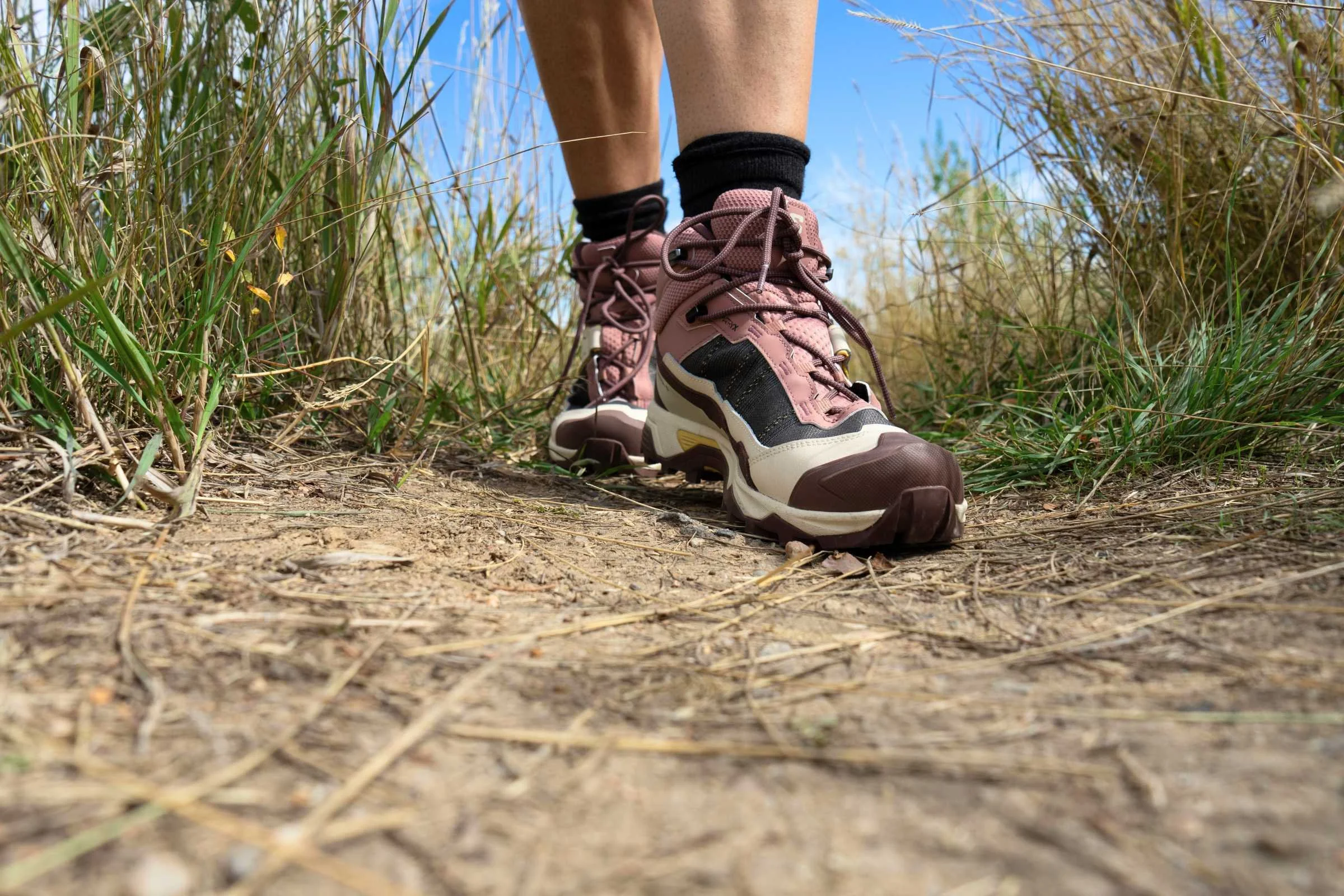
1. Salomon X Ultra 5 Mid GTX – Best Overall
The Salomon X Ultra 5 Mid GTX is a masterpiece of technical engineering that feels more like a high-top trail runner than a clunky boot. During our testing in the rugged White Mountains, we found the new "Active Support" wings to be a game-changer. They wrap around the midfoot, locking you in place without feeling restrictive.
What truly sets this boot apart is its agility. Most boots that offer this much stability feel like anchors, but the X Ultra 5 is shockingly lightweight. The Contagrip outsole provides incredible "stick" on technical descents, giving us the confidence to move fast even on wet, mossy rocks. It is, quite simply, the best balance of protection and speed on the market today.
- Pros: Incredible weight-to-support ratio; zero break-in time; superb waterproofing.
- Cons: The "Quicklace" system can be polarizing for those who prefer traditional laces.
2. Merrell Moab 3 Mid Waterproof – Best Budget
There’s a reason you see the "Mother of All Boots" on every trail from the Appalachian Trail to your local state park. The Merrell Moab 3 Mid Waterproof is a bulldozer for your feet. At an MSRP of roughly $150 (and often on sale), it offers value that is hard to beat.
We love the generous toe box, which allows your feet to splay naturally—a lifesaver on hot days when feet tend to swell. While it’s a bit heavier and less "precise" than the Salomon, its out-of-the-box comfort is legendary. If you’re a weekend warrior who wants a reliable, cushioned ride without breaking the bank, this is your boot.
- Pros: Extremely comfortable; durable leather overlays; excellent price point.
- Cons: A bit bulky; not the best for high-alpine scrambling.
3. La Sportiva TX Hike Mid GTX – Best for Technical Terrain
If your idea of a "hike" involves more vertical scrambling than flat walking, the TX Hike Mid GTX is your best friend. Borrowing technology from La Sportiva’s approach shoes, this boot features Vibram Ecostep EVO rubber that literally "bites" into slick granite. We tested these on the razor-thin ridges of the Dolomites, and the precision was unmatched. It’s a slim-fitting, athletic boot designed for those who treat the trail like a playground.
4. On Cloudrock Mid WP – Most Comfortable
On has taken their famous "running on clouds" technology and successfully ported it to the trail. The Cloudrock Mid WP uses individual CloudTec pods to absorb impact, making it the most comfortable women's backpacking boots for those prone to joint fatigue. They are stylish, incredibly light, and feel like a sneaker. However, be warned: those "clouds" can sometimes trap small rocks on gravelly trails.
5. La Sportiva Nucleo High II GTX – Best for Backpacking
When you’re hauling a 40-pound pack for a week-long expedition, you need more than just a "mid" cut. The Nucleo High II GTX offers a taller ankle cuff and a stiff Nano-Cell 2.0 structure that prevents ankle rolls on uneven terrain. It’s surprisingly breathable for a leather boot, thanks to Gore-Tex Surround technology that allows the foot to breathe 360 degrees, including through the midsole.
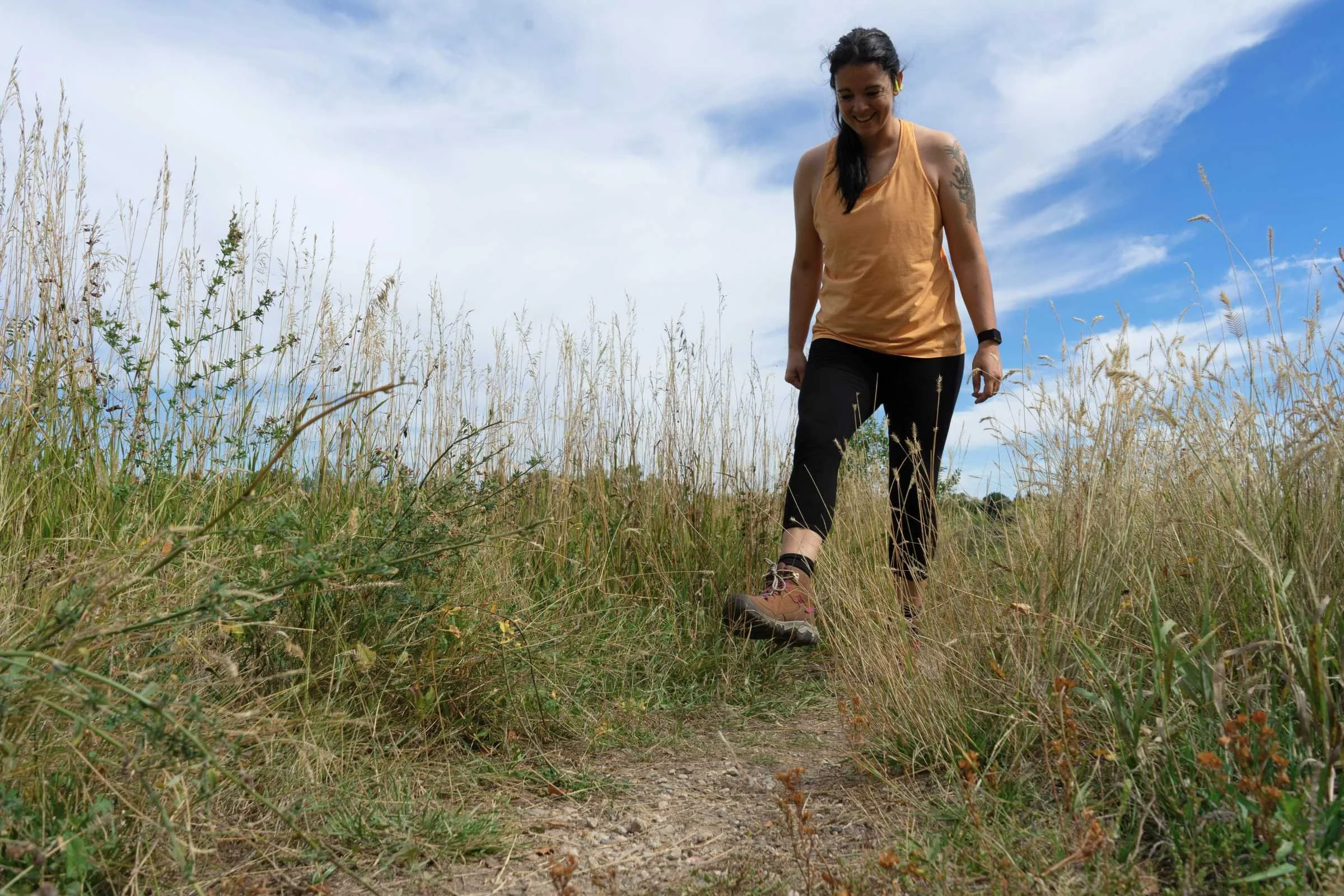
6. KEEN Targhee IV Mid Waterproof – Best for Wide Feet
KEEN has a cult following for a reason: the "KEEN Toe." The Targhee IV continues the tradition with a massive, reinforced toe box that protects against stubs and allows for maximum toe spread. Our testers with wider feet or bunions consistently rated this as their favorite. The new IV model has improved the midsole longevity, ensuring that the "squish" doesn't disappear after the first 100 miles.
7. Hoka Kaha 3 GTX – Best Cushioning
If you have bad knees or just love a maximalist feel, the Hoka Kaha 3 is a dream. The Sugarcane EVA midsole provides a plush ride that feels like a Cadillac on the trail. The MetaRocker geometry helps propel you forward, making long, flat miles feel effortless. It looks chunky, but it’s surprisingly light and offers top-tier waterproofing.
8. Altra Lone Peak 9 Waterproof Mid – Best Zero-Drop
Altra fans are loyal for a reason. The Lone Peak 9 Mid offers a "Zero Drop" platform, meaning your heel and forefoot are the same distance from the ground. This promotes a natural gait and is fantastic for hikers who have struggled with traditional boots. The "FootShape" toe box is the widest in this lineup, though the lack of a traditional heel lift may require a short transition period for your calves.
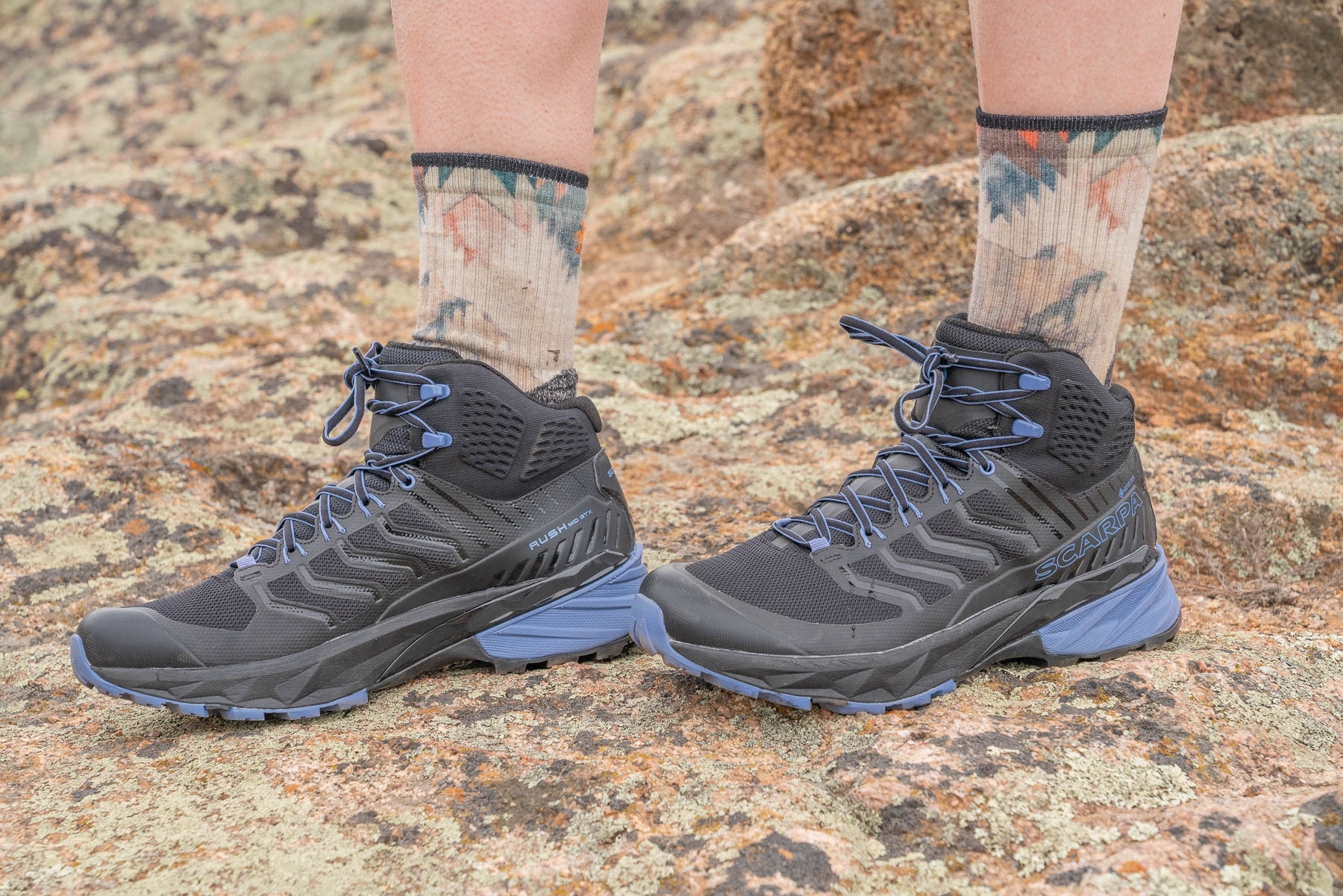
9. SCARPA Rush 2 Pro Mid GTX – Most Versatile
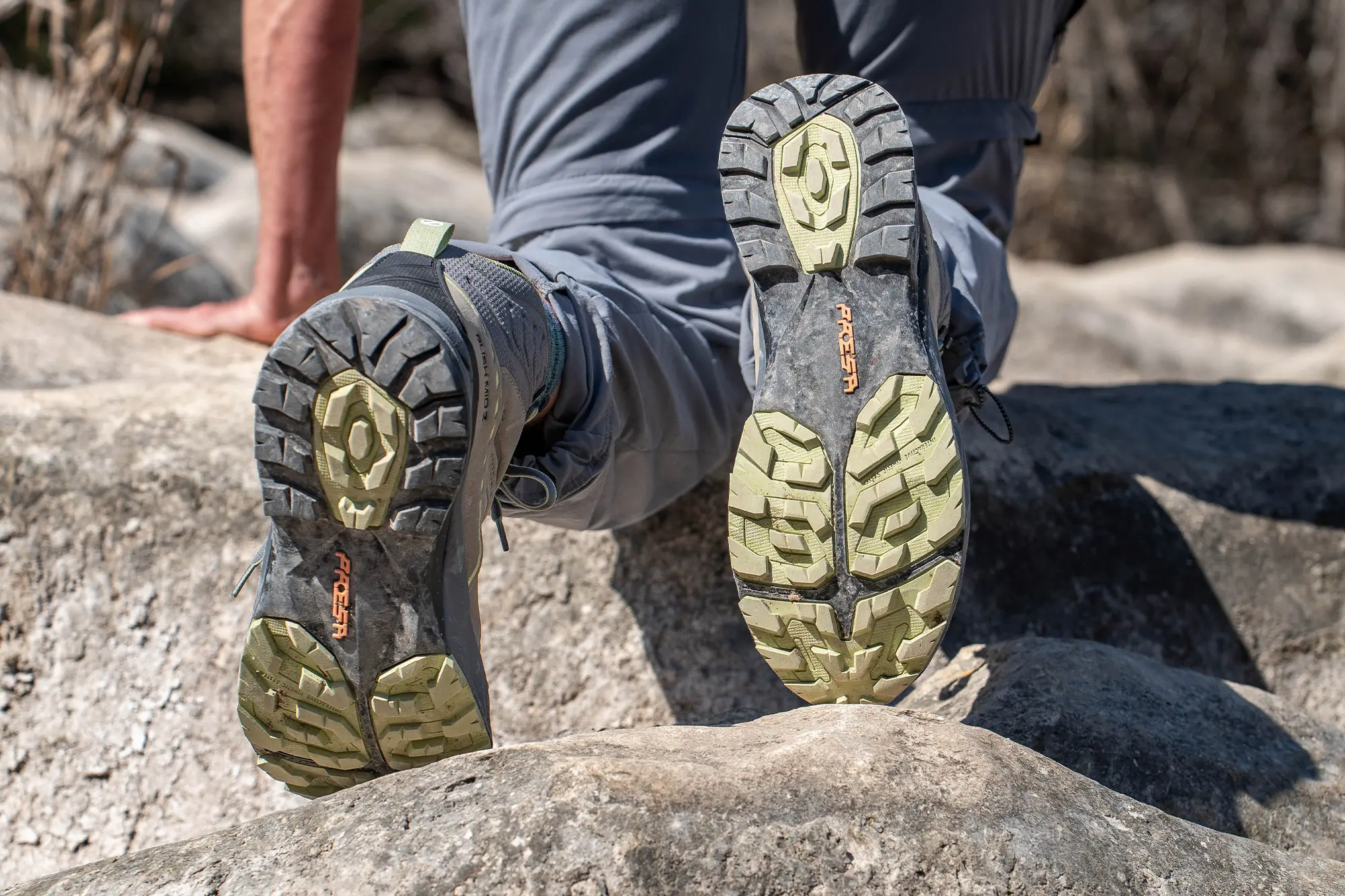
The SCARPA Rush 2 Pro is the "Swiss Army Knife" of this list. It’s an athletic, modern boot that bridges the gap between a light hiker and a heavy-duty mountain boot. The IKS (Interactive Kinetic System) technology uses domes in the sole that compress to absorb shock, which we found incredibly helpful during long descents on the AT.
10. Columbia Newton Wander – Best for Beginners
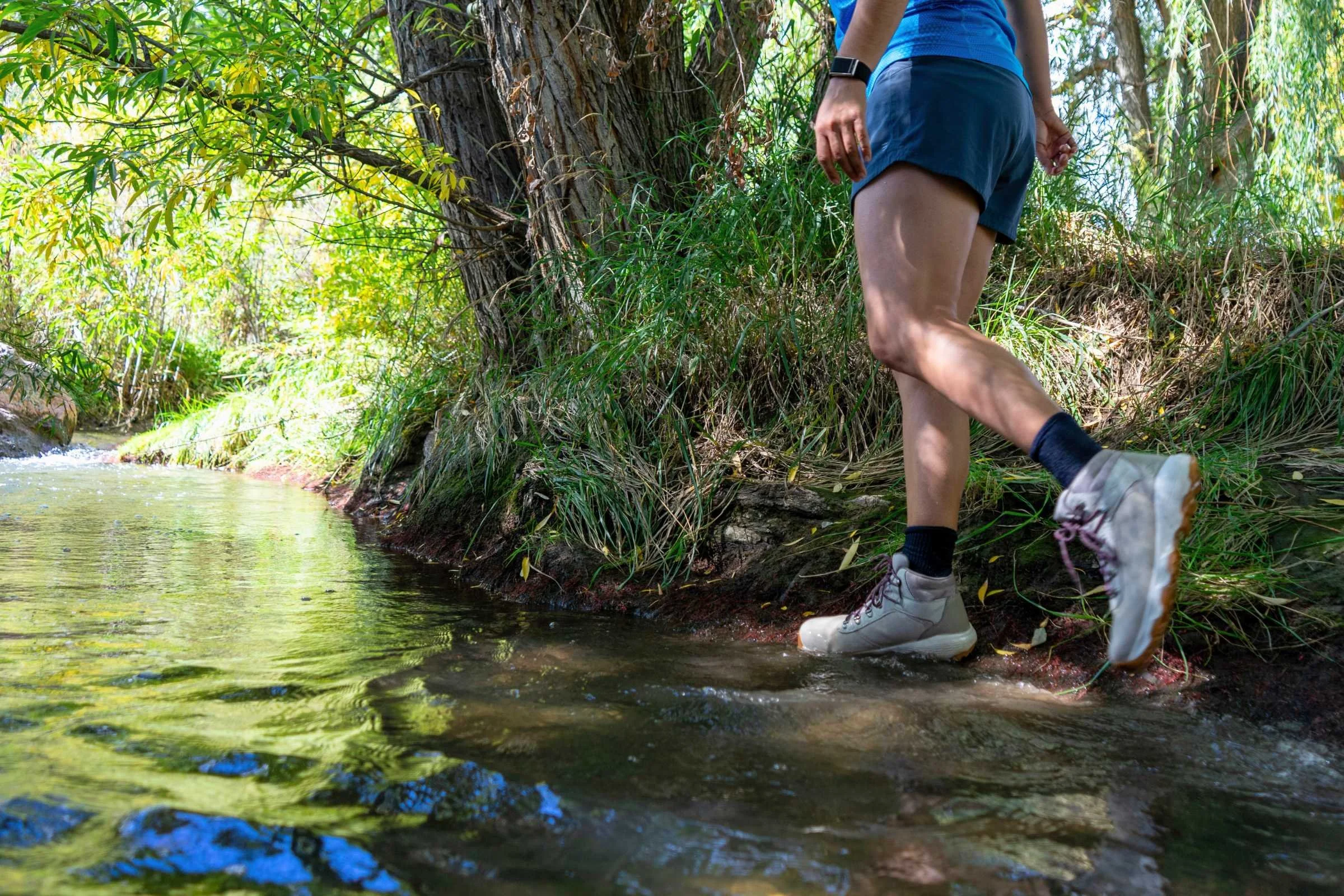
For $100, the Columbia Newton Wander is an absolute steal. It’s a classic-looking leather boot that performs way above its pay grade. We put it through rigorous water-immersion tests in shallow streams, and the Omni-Tech membrane held up perfectly. While it lacks the high-end traction of a Vibram sole, it’s more than enough for groomed trails and national park loops.
Side-by-Side Comparison: Specs at a Glance
| Model | Weight (Pair) | Waterproofing | Best Use |
|---|---|---|---|
| Salomon X Ultra 5 | 1 lb 10.1 oz | Gore-Tex | All-around / Fast Hiking |
| Merrell Moab 3 | 2 lbs 1 oz | Merrell WP | Day Hiking / Budget |
| La Sportiva Nucleo | 2 lbs 1.6 oz | Gore-Tex Surround | Backpacking / Support |
| Hoka Kaha 3 | 1 lb 14.8 oz | Gore-Tex | Max Cushion / Comfort |
| Columbia Newton | 1 lb 12 oz | Omni-Tech | Beginners / Value |
Buyer’s Guide: How to Find Your Perfect Fit
Boots vs. Trail Runners: The Great Debate
The trend lately is moving toward lighter footwear, but don't count out the mid-cut boot just yet. While trail runners are great for speed, a boot provides a physical barrier against scree, mud, and water. More importantly, the ankle cuff provides "proprioception"—that mental signal that tells your brain where your foot is, which helps prevent rolls when you're tired.
The Afternoon Sizing Rule
Expert Tip: Never try on hiking boots in the morning. Your feet naturally swell throughout the day and even more so during a long hike. To ensure the best fit, try on boots in the afternoon or evening when your feet are at their largest. You want about a thumb's width of space between your toes and the front of the boot to prevent "black toenail" on descents.
Traction & Outsole Design
When looking at the bottom of the boot, look for "multi-directional lugs." These are the rubber studs that provide grip. Deeper lugs (5mm+) are better for mud and loose dirt, while shallower, broader lugs provide more surface area for sticking to solid rock.
Support & Stability
If you’re prone to rolling your ankles, look for a boot with a stiff "shank"—a piece of plastic or nylon sandwiched in the midsole. To test this, try to bend the boot in half. It should flex at the ball of the foot but remain stiff through the arch.
FAQ
Q: Do I really need Gore-Tex? A: If you hike in the Pacific Northwest, the UK, or anywhere with frequent rain and mud, yes. However, if you primarily hike in the desert (Utah, Arizona), a non-waterproof "vent" version of these boots will breathe much better and dry faster if they do get wet.
Q: How often should I replace my hiking boots? A: Most high-quality hiking boots last between 500 to 800 miles. If you notice the tread is smoothing out or the midsole feels "dead" and flat, it’s time for a new pair.
Q: Should I wear two pairs of socks? A: That’s an old-school trick to prevent friction. A better modern solution is a single pair of high-quality Merino wool socks (like Darn Tough or Smartwool) which manage moisture and reduce friction naturally.
Ready to Hit the Trail?
The "best" boot is ultimately the one that fits your foot. Whether you’re eyeing the technical prowess of the Salomon X Ultra 5 or the plush comfort of the Hoka Kaha 3, getting the right gear is the first step toward a lifelong love of the outdoors. Don't let a bad pair of shoes keep you on the couch. Grab a pair, lace 'em up, and go find your view.