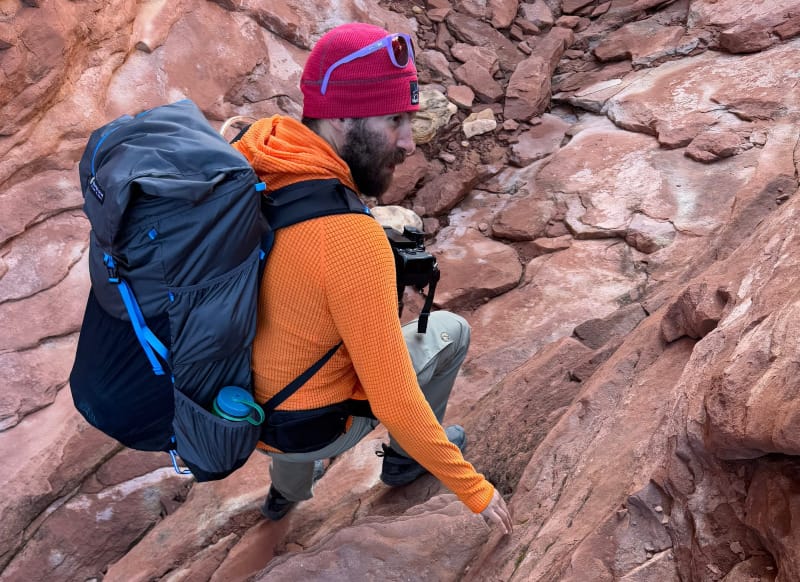
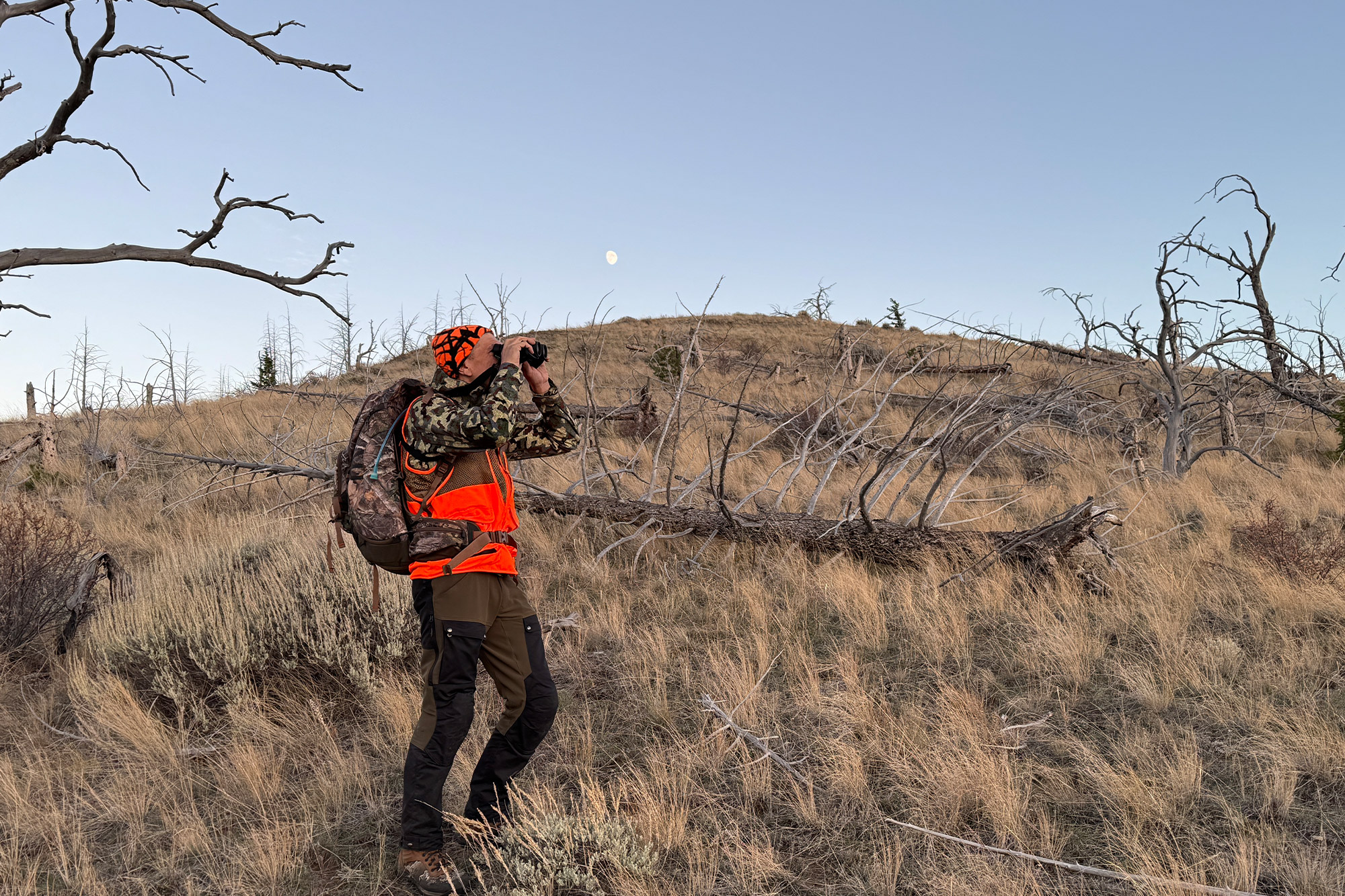
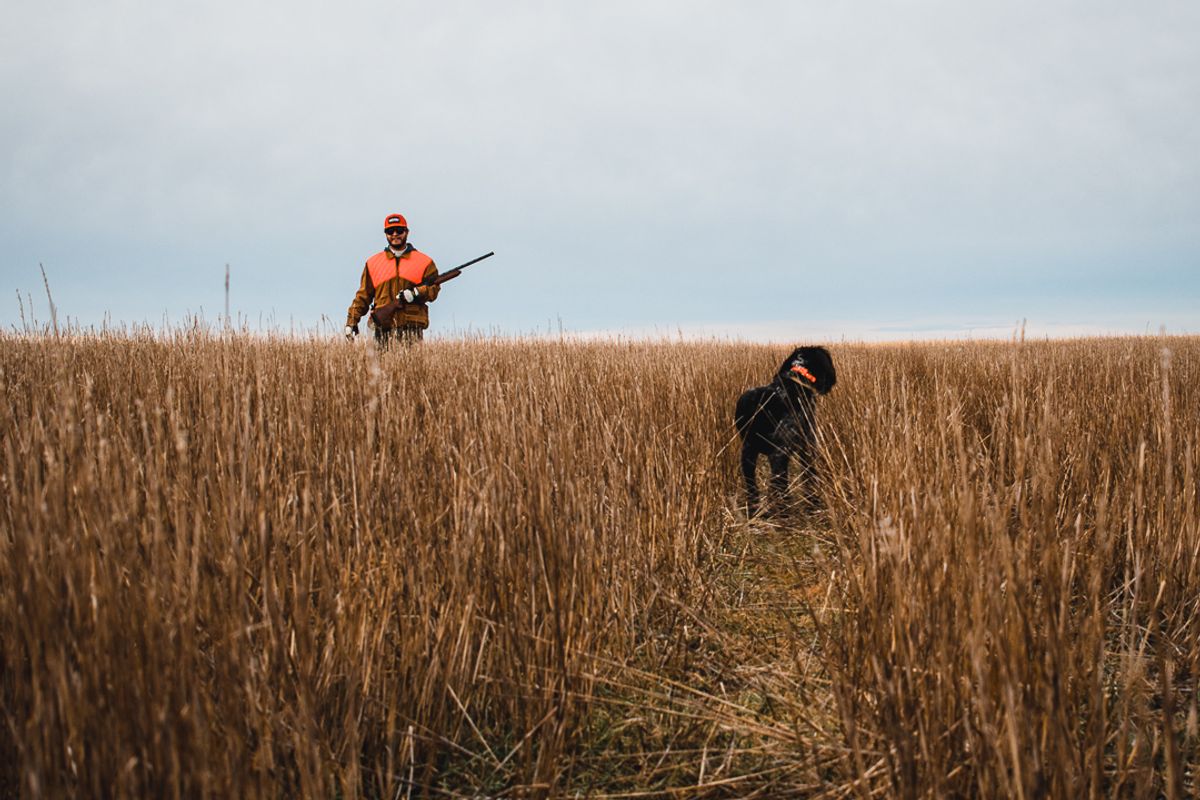
Imagine standing in the middle of a desert wash in Joshua Tree with the wind howling at 25 miles per hour, or waking up to a sudden alpine drizzle in the Sierra Nevadas. As a parent, these moments are the ultimate stress test. Does the tent hold? Do the kids stay dry? Or are you huddled in the minivan by midnight? After conducting over 60 individual field tests across diverse terrains—from the high-wind environments of Reno to the harsh, sandy stretches of Joshua Tree—our team has identified the gear that truly transforms a patch of dirt into a "home in the wild."
For 2026, the theme in family camping is "livability." Gone are the days of crawling on hands and knees to find your sleeping bag. Today’s best family tents prioritize standing-height ceilings, massive gear storage, and setup times that won't eat into your golden-hour campfire sessions. Whether you are a weekend warrior or a cross-country road tripper, choosing the right shelter is the difference between a core memory and a logistical nightmare.
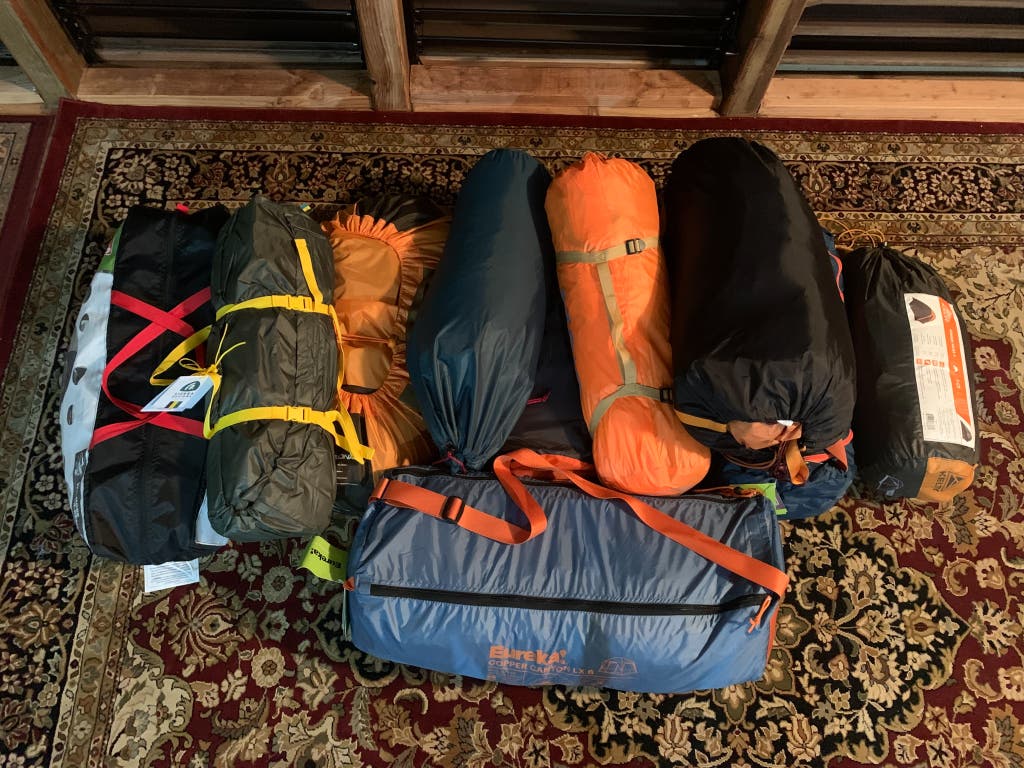
Quick Picks: Best Family Tents at a Glance
If you’re packing the car and need a recommendation right now, here are our top performers for the 2026 season:
- Best Overall: The North Face Wawona 6 ($550) – Unbeatable space thanks to its massive "garage" vestibule.
- Fastest Setup: Fanttik Zeta C6 Pro ($299) – Pitch-perfect in under 60 seconds.
- Best for Large Families: Coleman Skydome XL 8 ($220) – Massive floor plan for a budget-friendly price.
- Best for Bad Weather: REI Co-op Base Camp 6 ($549) – A fortress-like dome that laughs at high winds.
- Best Luxury Air Tent: Zempire Evo TM V2 ($1,200) – Inflatable beams and "blackout" bedrooms for ultimate comfort.
2026 Family Tent Comparison Table
| Model | Capacity (Rated) | Floor Area | Peak Height | Weight | Best For |
|---|---|---|---|---|---|
| TNF Wawona 6 | 6 People | 85 sq. ft. | 76 in. | 20.9 lbs | Overall Balance |
| Fanttik Zeta C6 | 6 People | 72 sq. ft. | 72 in. | 22.4 lbs | Quick Setup |
| Nemo Aurora | 6 People | 83.3 sq. ft. | 77 in. | 18.1 lbs | Interior Space |
| Coleman Skydome | 8 People | 114.5 sq. ft. | 72 in. | 25.4 lbs | Budget/Space |
| REI Base Camp | 6 People | 84 sq. ft. | 74 in. | 20.8 lbs | High Winds |
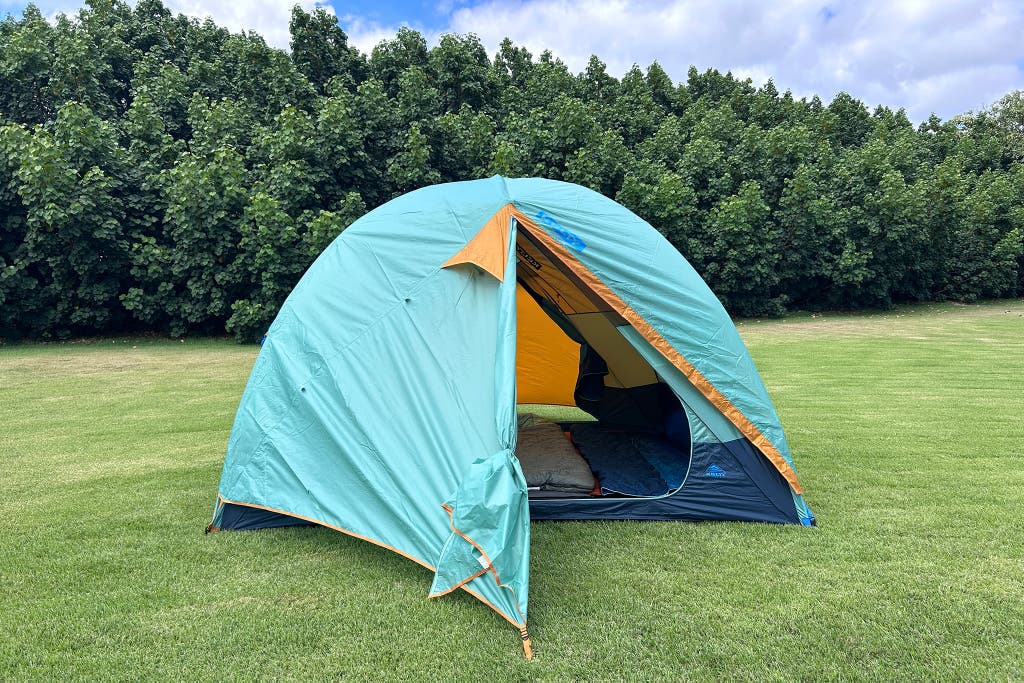
Expert Advice: How to Choose the Right Size
One of the most common mistakes I see parents make is buying a tent based strictly on the number of people in their family. If you are a family of four, a "4-person tent" will feel like a crowded elevator.
The 'Subtract Two' Rule: To ensure enough room for sleeping pads, a couple of duffel bags, and perhaps a dog bed, always subtract two from the manufacturer’s rating. A tent rated for 6 people is the ideal size for a family of 4. This provides the "living room" feel necessary for long-term comfort.
Beyond capacity, consider the structure:
- Cabin Tents: These feature near-vertical walls. They are amazing for tall parents (no more hunching!) but can act like a sail in high winds.
- Dome Tents: These have sloped walls and a lower profile. They are much sturdier in stormy weather but offer less "walk-around" space near the edges.
Detailed Reviews: The Top Performers of 2026
BEST OVERALL – The North Face Wawona 6
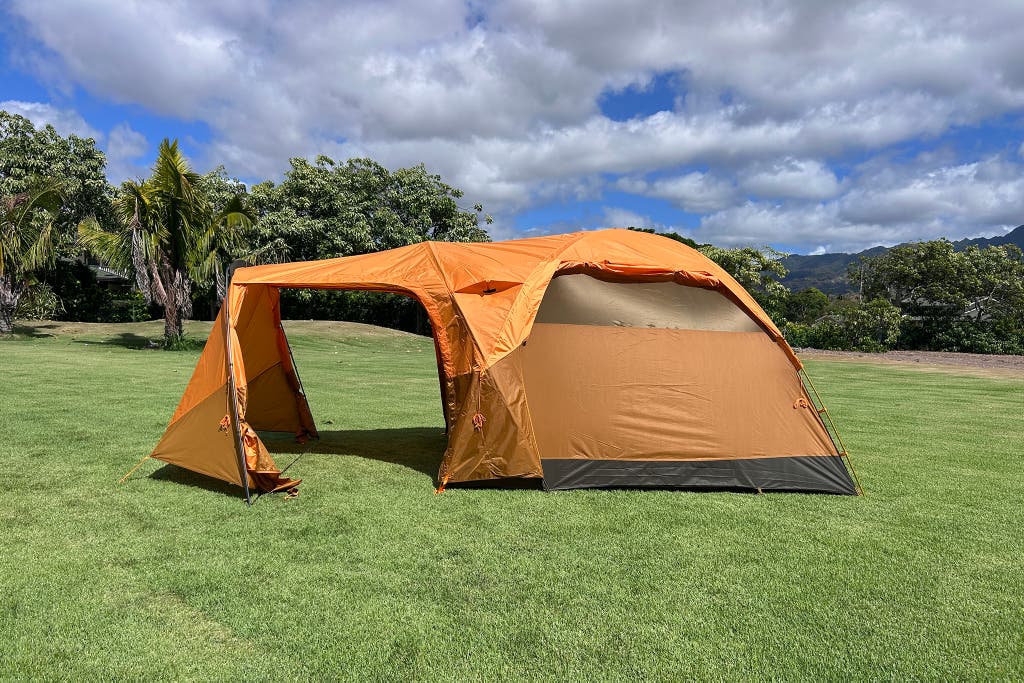
The North Face Wawona 6 remains the "gold standard" for 2026, and for good reason. What sets this tent apart isn't just the 85 square feet of interior space—it’s the massive 44.7 square foot integrated vestibule. We affectionately call it "The Garage."
In our Reno field tests, this vestibule served as a mudroom for hiking boots, a sheltered kitchen during a morning drizzle, and a shaded "porch" for the kids to play cards away from the sun. The hybrid double-wall construction provides excellent ventilation, which is crucial for preventing that "stuffy tent" feeling on humid summer nights.
- Pros: Massive storage space; tall enough for a 6’3” adult to stand; extremely durable poles.
- Cons: The rainfly setup is a bit unintuitive for first-timers; requires a large footprint for pitching.
Shop The North Face Wawona 6 →
BEST QUICK SETUP – Fanttik Zeta C6 Pro
If the thought of wrestling with tent poles for 30 minutes makes you want to cancel the trip, the Fanttik Zeta C6 Pro is your answer. During our testing, we consistently clocked setup times under 60 seconds. It uses an integrated hub system—you simply lay it flat, pull the center mechanism, and the "skeleton" of the tent snaps into place.
Despite the focus on speed, it doesn't skimp on protection. The Zeta C6 Pro features a "bathtub bottom" design, which wraps the waterproof floor material several inches up the side walls. This prevents ground moisture and wind-blown rain from seeping through the seams.
- Pros: Literally sets up in seconds; great value for the price; decent wind resistance up to 20mph.
- Cons: Zippers are slightly less heavy-duty than premium brands; smaller interior floor space (72 sq. ft.) compared to the Wawona.
BEST LUXURY & LIVABILITY – Nemo Aurora Highrise 6P
The Nemo Aurora Highrise is for the family that wants their campsite to feel like a boutique hotel. With a staggering 77-inch peak height and steep sidewalls, it offers the most "open" feel of any tent we tested. The floor features a unique "checkered" aesthetic that's not just for looks—it’s a durable, high-quality fabric that stands up to dog claws and toddler tantrums.
We love the "Gatekeeper" door clips, which make it easy to keep the entrance wide open for maximum airflow. It’s a 5-minute setup that feels like a permanent residence once it’s up.
- Pros: Massive windows; best-in-class interior height; beautiful design.
- Cons: The second door is significantly smaller than the main entrance; premium price point.
BEST FOR LARGE FAMILIES – Coleman Skydome XL 8
If you have three kids and a Golden Retriever, you need the Coleman Skydome XL 8. It boasts a class-leading 114.5 square feet of floor space. To put that in perspective, we were able to fit three queen-sized air mattresses inside simultaneously with room to walk between them.
For the 2026 model, Coleman has added integrated interior string lighting, which is a game-changer for parents trying to find a lost pacifier or a midnight snack without fumbling for a flashlight.
- Pros: Incredible price-to-space ratio; wide door makes it easy to move large gear in/out.
- Cons: Uses fiberglass poles which are heavier and less durable than aluminum; can be difficult to pitch alone.
BEST PREMIUM AIR TENT – Zempire Evo TM V2
For those who want to skip poles entirely, the Zempire Evo uses inflatable air tubes. You simply pump it up, and the tent rises like a fortress. This is a "Technical Cotton" or heavy polyester tent designed for long-stay camping. It features two private sleeping quarters and a king-sized vestibule that can be fully enclosed. At over 50 lbs, it's a beast to carry, but once it's up, it's the sturdiest structure on the campground.
- Pros: Near-total blackout bedrooms (great for kids' naps); incredible weather resistance.
- Cons: Very heavy; high price; requires a pump (usually included).
Comparative Analysis: Weather Resistance & Setup Time
When choosing between these models, the materials often dictate the price. Most family tents use 75D (Denier) polyester for the walls, which is a good balance of weight and durability. However, if you plan on camping in rocky or abrasive terrain, look for a 150D floor—like the one found in the Coleman Skydome—or always use a footprint.
Pole Materials Matter:
- Aluminum Poles: Found in the Wawona and Nemo Aurora. They are lighter, stronger, and can flex in the wind without snapping.
- Fiberglass Poles: Found in the Coleman. They are much cheaper but can splinter under extreme stress or over several years of UV exposure.
Pro-Tips for Family Camping Success
Maintaining your tent is just as important as choosing the right one. Here are three "Sophia-approved" tips for longevity:
- The Bone-Dry Rule: Never, ever pack your tent away while it’s damp. Even a small amount of morning dew can lead to mildew, which will eat through the waterproof coating in a matter of weeks. If you have to pack up in the rain, set the tent up in your backyard or garage the moment you get home to let it air out.
- Invest in a Footprint: Most manufacturers sell a custom-sized ground cloth (footprint). While it seems like an unnecessary add-on, it protects your expensive tent floor from sharp sticks, rocks, and general wear. It’s much cheaper to replace a $40 footprint than a $500 tent.
- Sweep Before You Sleep: Keep a small hand broom in your gear bin. Sweeping out the sand and dirt before you roll up the tent prevents the grit from abrading the fabric during storage.
FAQ
What is the best tent for a family of six? For a family of six, we recommend the Coleman Skydome XL 8 or the Zempire Evo TM V2. The Skydome offers the raw square footage needed for everyone to have their own space, while the Zempire offers separate sleeping "cabins" for better privacy and organization.
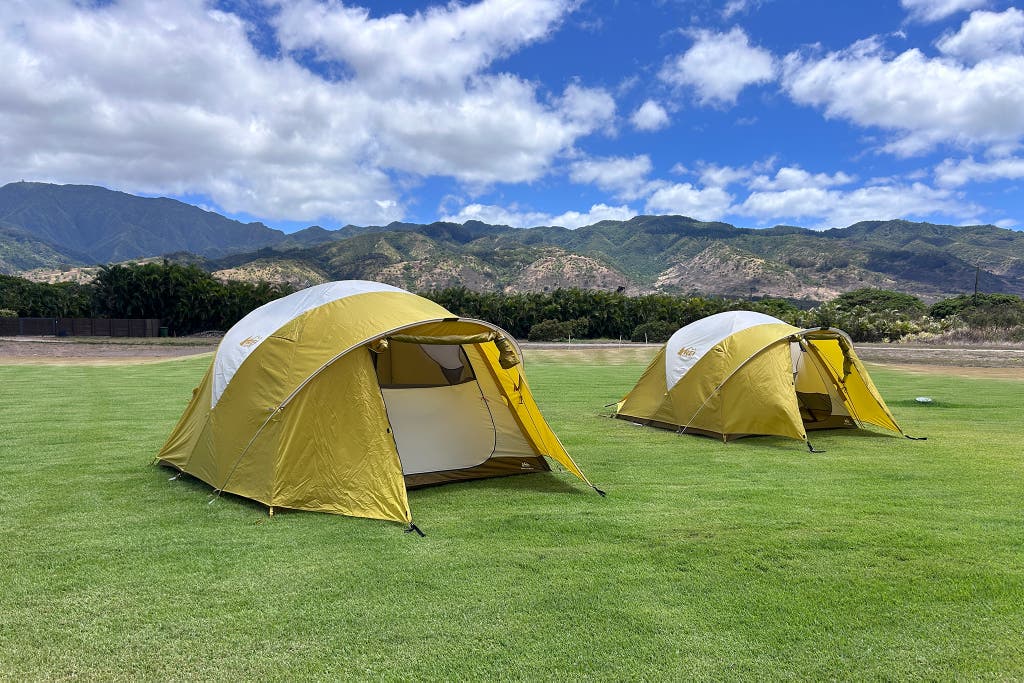
How do I stay dry in a family tent during a downpour? Look for a tent with a "full-coverage rainfly"—this means the waterproof outer layer extends all the way to the ground. Tents like the REI Base Camp 6 excel at this. Additionally, ensure the tent seams are "factory-taped," which provides a secondary barrier against water intrusion.
Are inflatable air tents better than pole tents for families? Air tents are much easier for a single parent to set up, as there are no heavy poles to wrestle with. They also handle wind surprisingly well because the beams "flex" and pop back into place rather than snapping. However, they are significantly heavier and more expensive than traditional pole tents.
Conclusion & Recommendations
Choosing a family tent is about more than just square footage; it’s about creating a stress-free environment where you can actually enjoy your kids.
- If you want the absolute best all-rounder, go with The North Face Wawona 6. Its vestibule is a game-changer for gear-heavy families.
- If you are new to camping and want to avoid setup frustration, the Fanttik Zeta C6 Pro offers the best "bang for your buck" with its 60-second pitch.
- For frequent campers who venture into windy or rainy territory, the REI Co-op Base Camp 6 is a worthy investment for peace of mind.
No matter which you choose, remember the "Subtract Two" rule and don't forget the footprint. The right tent doesn't just protect you from the elements—it provides the foundation for those campfire stories your kids will be telling for years to come.
Ready to start your adventure? Check out our top-rated pick for 2026: