I’ve spent the better part of the last decade chasing horizons, from the jagged granite spires of the Wind River Range to the sweltering, sand-choked canyons of Southern Utah. If there’s one thing a thousand miles of trail has taught me, it’s this: your boots are the most critical piece of gear you own. A bad pack gives you a sore back; bad boots end your trip.
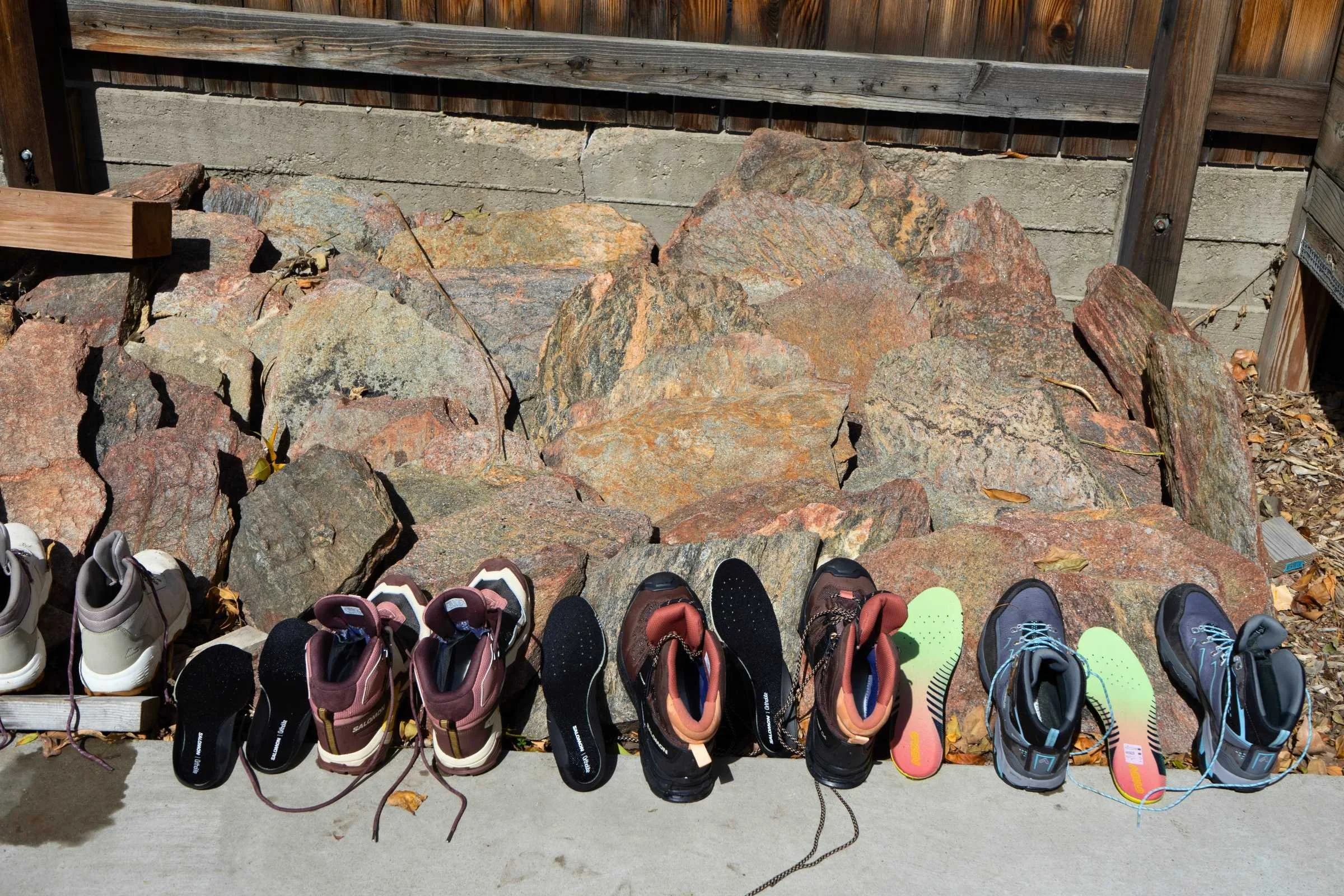
No, your feet don’t have to hurt. That "break-in period" shouldn't feel like a medieval torture ritual. To find the absolute most comfortable women’s trail boots for every foot shape and terrain, my team and I logged over 1,500 hours of field testing across alpine peaks and desert floors. We put 20 of the market's leading models through the wringer, using a data-driven rating system that assigns a 50% combined weight to comfort and support.
Whether you're looking for the best women’s hiking boots for wide feet or a lightweight hiking boot for backpacking that won't weigh you down, we've found your match. If you’re looking for the short answer: the La Sportiva Ultra Raptor II Mid GTX is the best overall hiking boot for women in 2025, offering a perfect trifecta of agility, waterproof protection, and grip.
Quick Comparison: Top Women's Trail Boots at a Glance
| Model | Weight (Pair) | Waterproofing | Best For | Price |
|---|---|---|---|---|
| La Sportiva Ultra Raptor II | 1 lb. 4.8 oz. | Gore-Tex | Speed & Agility | $$$ |
| Merrell Moab 3 Mid WP | 2 lbs. 1 oz. | Proprietary | Wide Feet / Comfort | $$ |
| Columbia Crestwood Mid | 1 lb. 13 oz. | Omni-Tech | Budget Hiker | $ |
| Hoka Kaha 3 GTX | 1 lb. 10 oz. | Gore-Tex | Long Distance / Cushion | $$$ |
| Topo Trailventure 2 WP | 1 lb. 10.2 oz. | eVent | Natural Foot Splay | $$$ |
1. Best Overall Hiking Boot: La Sportiva Ultra Raptor II Mid GTX
When I first laced up the Ultra Raptors in the Eastern Sierras, I felt like I was cheating. These aren't clunky traditional boots; they are trail runners on steroids. The Frixion XF 2.0 rubber is incredibly "sticky," making short work of wet slab and loose scree.
What sets this boot apart is its "Best of Both Worlds" philosophy. You get the protection of a Gore-Tex membrane and a mid-cut collar for ankle stability, but with the weight of a technical sneaker. It’s the ultimate lightweight hiking boot for backpacking when you want to move fast without sacrificing safety.
- Pros: Incredible traction, zero break-in time, extremely lightweight.
- Cons: Runs very narrow; the toe box can feel tight for some.
- Verdict: The gold standard for hikers who value speed and technical performance.
Marcus’s Pro Tip: These run small! I always recommend my readers size up by at least a half-size, or even a full size if you plan on wearing thick merino wool socks.
Shop La Sportiva Ultra Raptor II Mid GTX →
2. Best Bang for Your Buck: Merrell Moab 3 Mid WP
There’s a reason you see the "Mother of All Boots" (Moab) on every trailhead from Yosemite to the Appalachians. The Moab 3 Mid WP is the most comfortable women’s trail boot for those who prioritize a plush, supportive feel right out of the box.
The Vibram TC5+ outsole features 5mm lugs that provide reliable bite on dirt and mud. If you've struggled with finding the best women’s hiking boots for wide feet, the Moab 3 is your answer. It features a naturally generous volume, and Merrell offers dedicated wide-width versions that are true to size.
- Pros: Exceptional out-of-the-box comfort, available in wide sizes, very durable.
- Cons: A bit heavy compared to modern synthetic boots; can feel warm in summer.
- Verdict: The reliable workhorse for day hikers and weekend warriors.
3. Best Under $100: Columbia Crestwood Mid
I often get asked: "Are there good hiking boots for women under $100?" The answer is a resounding yes. The Columbia Crestwood Mid is the best budget-friendly option for well-maintained trail systems. During our testing on the soft-soil trails of the Pacific Northwest, the Crestwood’s Omni-Grip traction held up surprisingly well against damp roots.
While it lacks the technical finesse for Class 3 scrambles, its Omni-Tech waterproof-breathable construction keeps your feet dry during unexpected rain.
- Pros: Very affordable, lightweight, requires almost no break-in.
- Cons: Less ankle support for heavy packs; durability is lower than premium brands.
- Verdict: Perfect for the casual hiker or those just starting their outdoor journey.
4. Best Max Cushion for Long Distance: Hoka Kaha 3 GTX
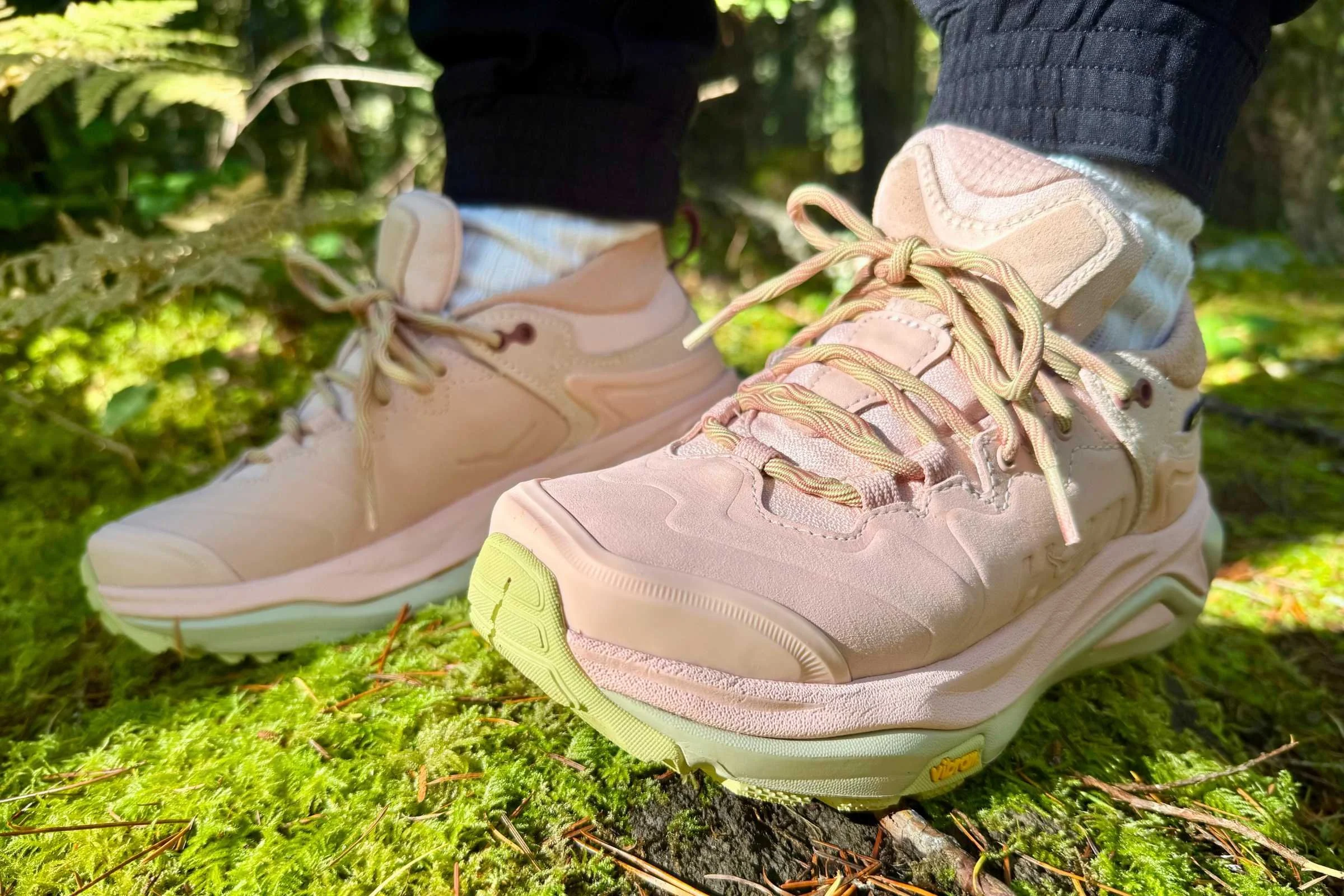
If you’re planning on hitting 15+ miles a day, the Hoka Kaha 3 GTX is like a luxury SUV for your feet. It boasts nearly 2 inches of plush foam cushion, which sounds excessive until you’re on mile 12 and your joints feel fresh. The Vibram Megagrip outsole is the industry leader for wet-surface traction.
The standout feature here is the Hubble Heel and Swallowtail design. It looks funky, but it smooths out your heel-to-toe transition, reducing fatigue on long descents. It is arguably the best women’s hiking boot 2025 for high-mileage thru-hikers.
- Pros: Unbeatable shock absorption, top-tier traction, waterproof Gore-Tex.
- Cons: High "stack height" can feel a bit unstable on very technical rock.
- Verdict: The ultimate choice for "cloud-like" comfort on long backpacking trips.
5. Best for Wider or Finicky Feet: Topo Athletic Trailventure 2 WP
If you find that most boots squeeze your toes together, the Topo Athletic Trailventure 2 WP will be a revelation. Unlike traditional boots that taper at the toes, Topo uses an anatomical toe box. This allows for natural foot splay, which is vital for stability and preventing blisters.
The Zipfoam midsole provides a resilient, snappy feel, while the eVent waterproof bootie offers excellent breathability. It’s a top contender for the most comfortable women’s trail boots specifically because it respects the actual shape of the human foot.
- Pros: Roomy toe box, lightweight, secure midfoot lockdown.
- Cons: The "natural shape" aesthetic isn't for everyone.
- Verdict: A must-try for hikers with bunions, wide forefeet, or those who hate cramped toes.
Shop Topo Athletic Trailventure 2 WP →
6. Best Lightweight Performance: La Sportiva TX Hike Mid Leather GTX
The TX Hike is where mountain heritage meets modern sustainability. Weighing in at only 1.66 lbs per pair, this boot utilizes recycled materials without compromising performance. It feels like a technical approach shoe—stiff enough for rocky ridges but light enough to forget you're wearing it.
- Pros: High-quality leather durability, eco-friendly materials, great "ground feel."
- Cons: Midsole is firmer than the Hoka or Merrell.
- Verdict: The "precision tool" for technical day hikes and light backpacking.
7. Best Waterproof Protection: La Sportiva Nucleo High II GTX
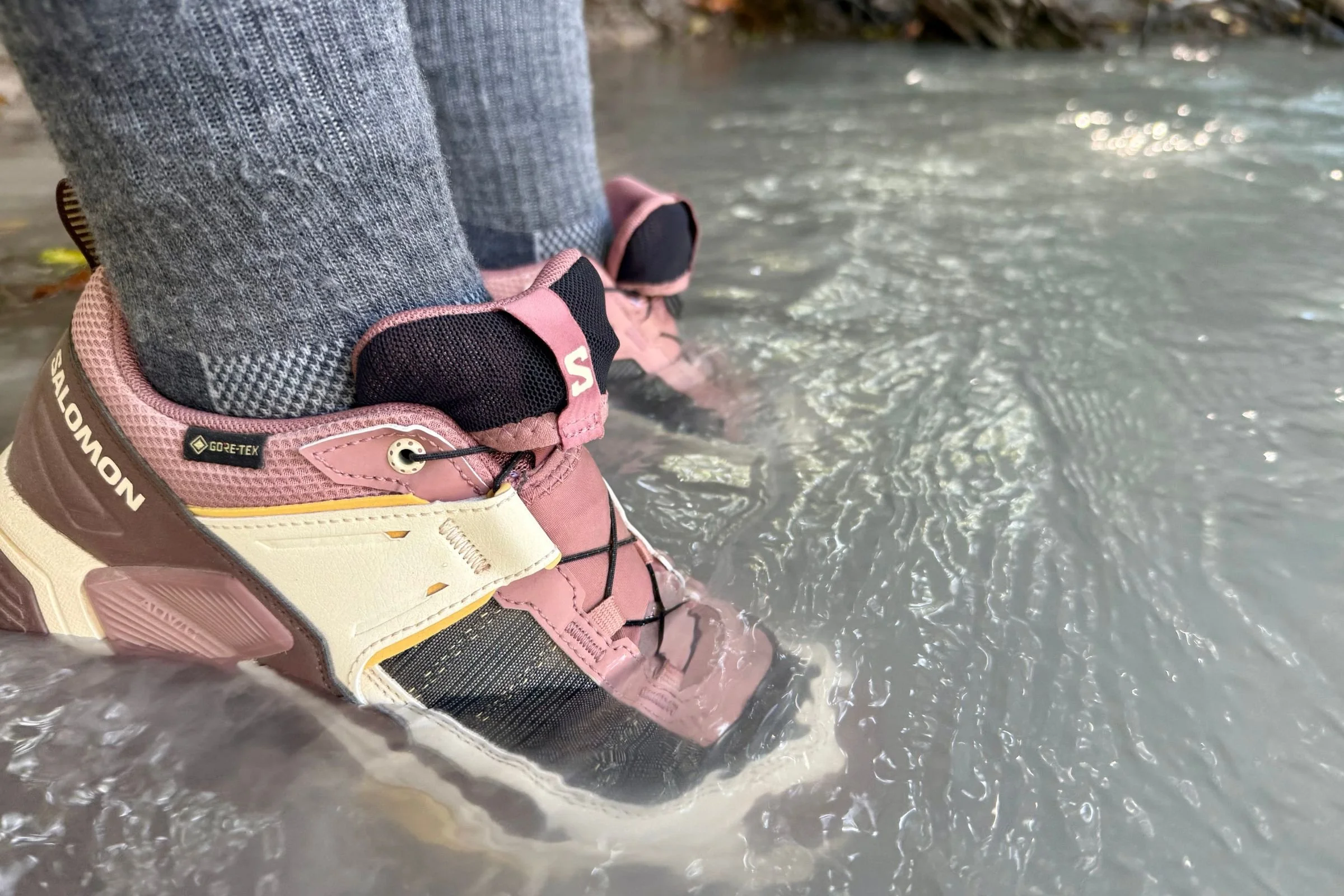
When the forecast looks grim, I reach for the Nucleo High II. It features Gore-Tex Surround technology, which allows the boot to breathe 360 degrees—even through the bottom of the footbed—while remaining completely waterproof.
During our "river test," where we stood in 4 inches of flowing water for three minutes, the Nucleo was one of the few models that stayed bone dry inside.
- Pros: Best-in-class breathability for a waterproof boot, excellent ankle support.
- Cons: Can feel a bit "stiff" initially.
- Verdict: The premium choice for wet, muddy, or variable weather conditions.
8. Best Versatile Style-to-Trail: Danner Mountain 600 Leaf
Danner has been making boots since 1932, and the Mountain 600 Leaf combines that heritage with a rockered sole that makes walking feel effortless. The full-grain leather is beautiful enough for the brewery but tough enough for the backcountry.
What I love about the "Leaf" version is that it’s designed to be resoleable, meaning you can send them back to Danner to be fixed rather than throwing them away after 500 miles.
- Pros: Stylish, resoleable, soft out-of-the-box feel.
- Cons: Less traction on vertical rock than technical models.
- Verdict: The best "one-boot-quiver" for travelers and weekend adventurers.
9. Best Daily Trail Hiker: On Cloudrock Mid Waterproof
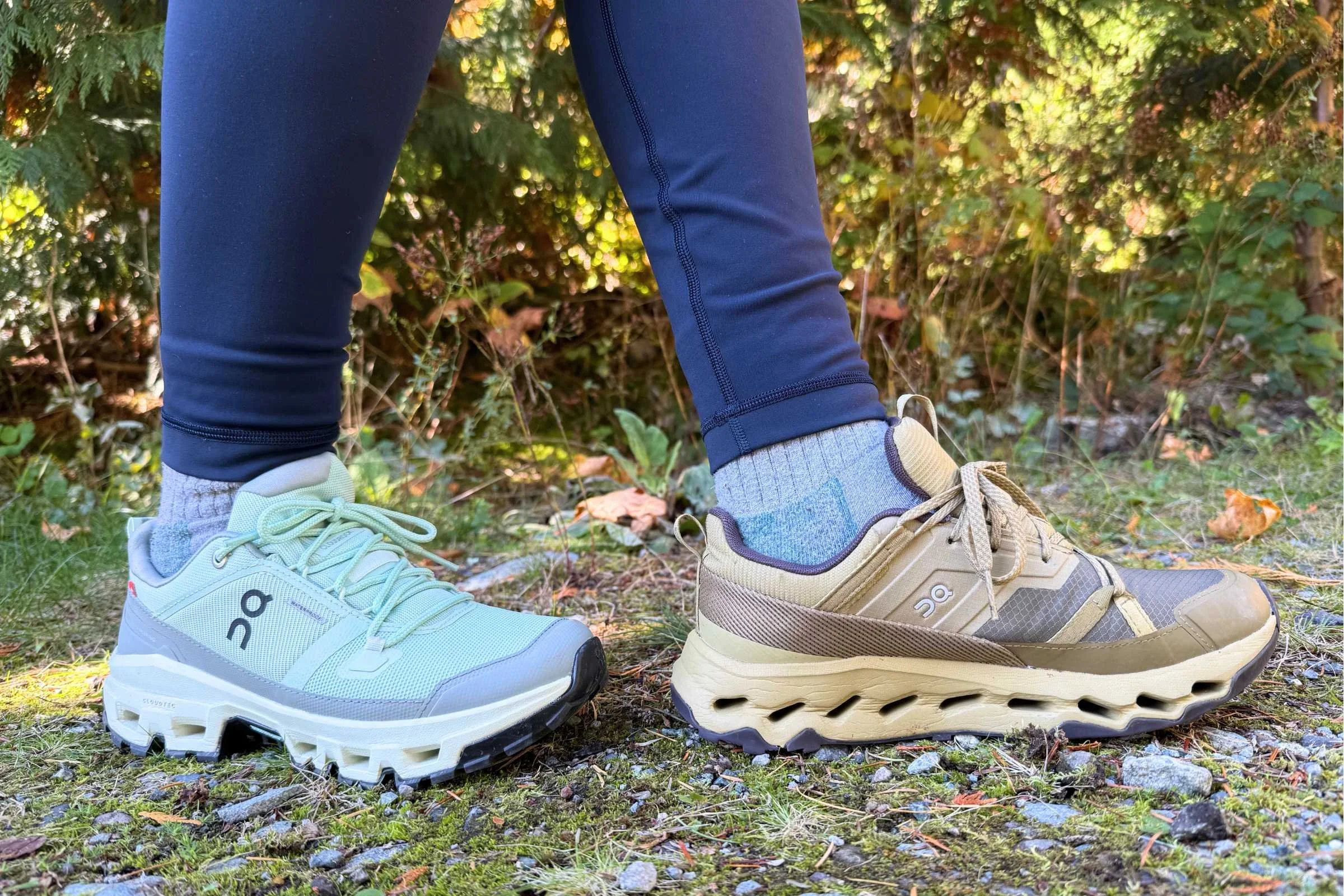
The On Cloudrock Mid looks more like a fashion statement than a piece of mountain gear, but don't let the sleek design fool you. The Missiongrip rubber and Helion superfoam provide a responsive, bouncy ride that is perfect for fast-paced day hikes.
- Pros: Very lightweight, modern aesthetic, great for speed.
- Cons: Small rocks can sometimes get stuck in the "Cloud" pods.
- Verdict: Best for the "fast and light" hiker who wants a boot that looks as good as it performs.
10. Best for Aggressive Ankle Support: Scarpa Rush TRK GTX
If you’re carrying a 40lb pack over uneven terrain, you need what I call a "bulldozer for your feet." The Scarpa Rush TRK GTX offers immense lateral stability thanks to its 3D Auto-fit collar. It locks your heel in place, preventing the dreaded "toe bang" on steep descents.
- Pros: Bombproof construction, incredible support, very protective.
- Cons: Heavier than others; requires a short break-in period.
- Verdict: The ultimate heavy-duty backpacking boot for rugged, off-trail expeditions.
Expert Secrets: How to Choose Your Perfect Pair
Selecting the best women’s hiking boots 2025 isn't just about the brand; it's about the fit. Here are the hard-earned lessons from our 1,500 hours of testing.
The Afternoon Fitting Rule
Always try on boots in the afternoon or evening. Your feet naturally swell throughout the day and even more so during a long hike. A boot that feels perfect at 9:00 AM will likely be a blister-factory by 3:00 PM on the trail.
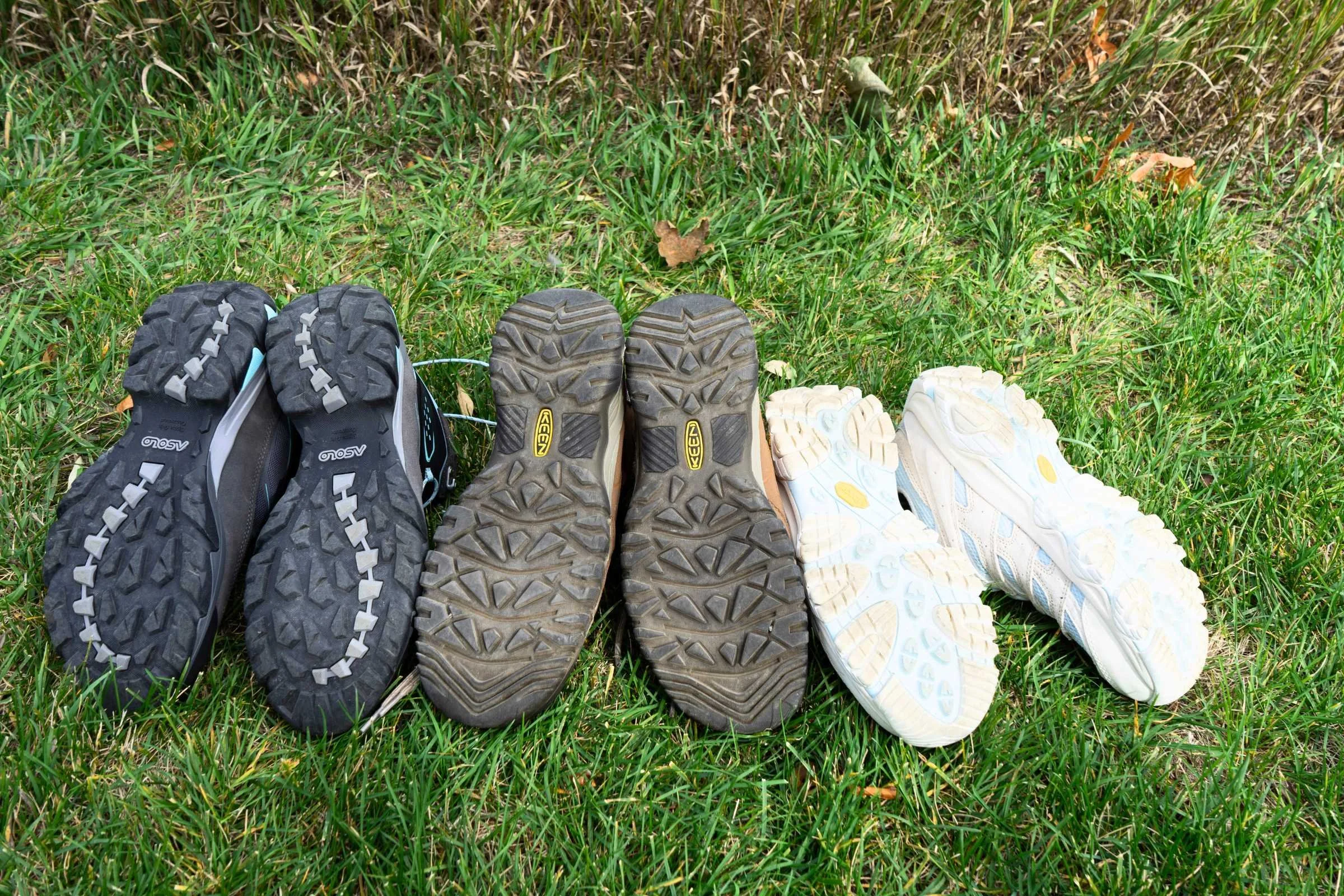
Understanding Traction: Lugs and Compounds
Don't just look at the brand name of the sole. Look at the depth of the lugs (the "teeth" on the bottom).
- Deep Lugs (5mm+): Best for mud and loose dirt.
- Sticky Rubber (Vibram Megagrip): Best for wet rock and technical scrambling.
Support vs. Flexibility
If you’re sticking to well-groomed trails with a light daypack, a flexible, lightweight hiking boot will keep your feet from getting tired. However, if you're venturing off-trail or carrying a heavy load, you need a stiffer midsole to prevent your foot from wrapping around every rock you step on.
The Gore-Tex Trade-off
Waterproof boots are a lifesaver in the rain, but they are inherently less breathable. In hot, desert environments, a "waterproof" boot can actually cause more blisters because your feet sweat, and that moisture is trapped inside.
FAQ
Q: How often should I replace my hiking boots? A: Most high-quality synthetic boots last between 400 to 600 miles. Leather boots can last longer, especially if they are resoleable. If the tread is smooth or the midsole foam feels "dead" and flat, it's time for a new pair.
Q: Do I really need waterproof boots? A: If you hike in the Pacific Northwest, New England, or the UK, yes. If you primarily hike in Arizona or Utah, a non-waterproof, highly breathable boot will actually be more comfortable.
Q: My boots feel tight in the toes; can I stretch them? A: Leather boots will stretch slightly over time, but synthetic boots generally won't. If they're tight now, they'll be painful later. Look for brands like Topo Athletic or Merrell if you need more room.
Your adventures are only as good as your feet feel. Don't settle for "okay" when you can have "extraordinary." Whether you choose the agile La Sportiva Ultra Raptor or the plush Hoka Kaha, the right boot is out there waiting to take you to the next summit.
Ready to hit the trail? Grab your pair today and I'll see you out there!