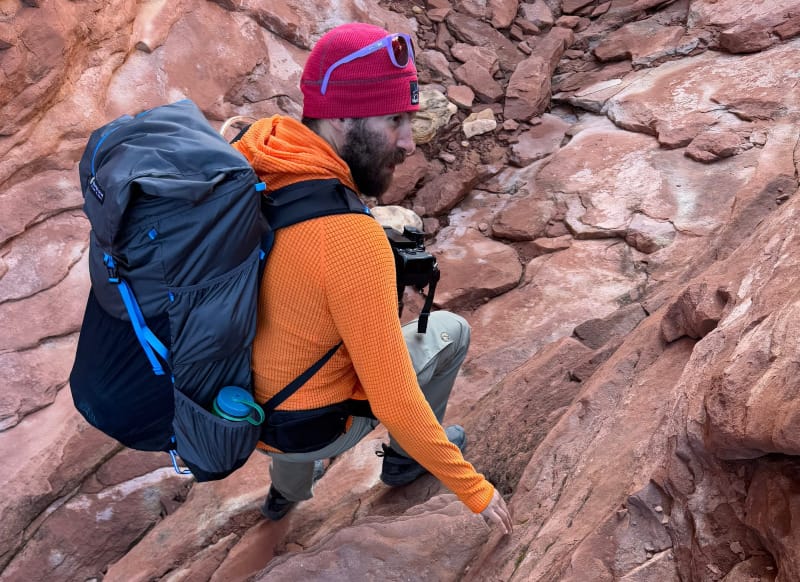
Anyone who spends their days chasing alpine starts and high-altitude ridges knows the eternal struggle: you’re either shivering in a base layer while the wind cuts through your soul, or you’re "boiling in a bag" inside a hardshell while redlining on a steep scramble. We are all hunting for that elusive alpine "unicorn"—a layer that breathes enough to keep you dry from the inside but is rugged enough to deflect a gale and a granite chimney.
After putting dozens of layers through the ringer, the Arc'teryx Gamma Hoody stands out as the best overall women's softshell jacket for alpine use. It offers an unmatched balance of weather resistance, breathability, and rugged durability for both climbing and hiking. If you are watching your wallet, the Rab Borealis is our top budget-friendly pick, doubling as an ultralight sun and wind shirt with incredible mobility.
While a hardshell is your "oh-sh*t" layer for a downpour, a softshell is the jacket you actually wear 90% of the time. Our expert team has rigorously tested over 65 different women's softshell models since 2012 to determine long-term performance, and for 2026, the tech has never been better.
Comparison Table: Top Women's Softshells at a Glance
| Model | Best For | Weight | Price | Key Material |
|---|---|---|---|---|
| Arc'teryx Gamma Hoody | Overall Alpine Performance | 15 oz | $300 | Wee Burley Double Weave |
| Rab Borealis | High Output / Budget | 8.8 oz | $120 | Matrix™ Single Weave |
| Rab Kinetic 2.0 | Wet & Mixed Conditions | 9.5 oz | $230 | Proflex™ Recycle Polyester |
| Patagonia R1 CrossStrata | Cold Weather / Insulation | 10.5 oz | $189 | Double-weave zig-zag fleece |
| Black Diamond Alpine Start | Fast & Light Missions | 6.4 oz | $165 | Schoeller® StretchWoven |
Best Overall Women's Softshell Jacket: Arc'teryx Gamma Hoody
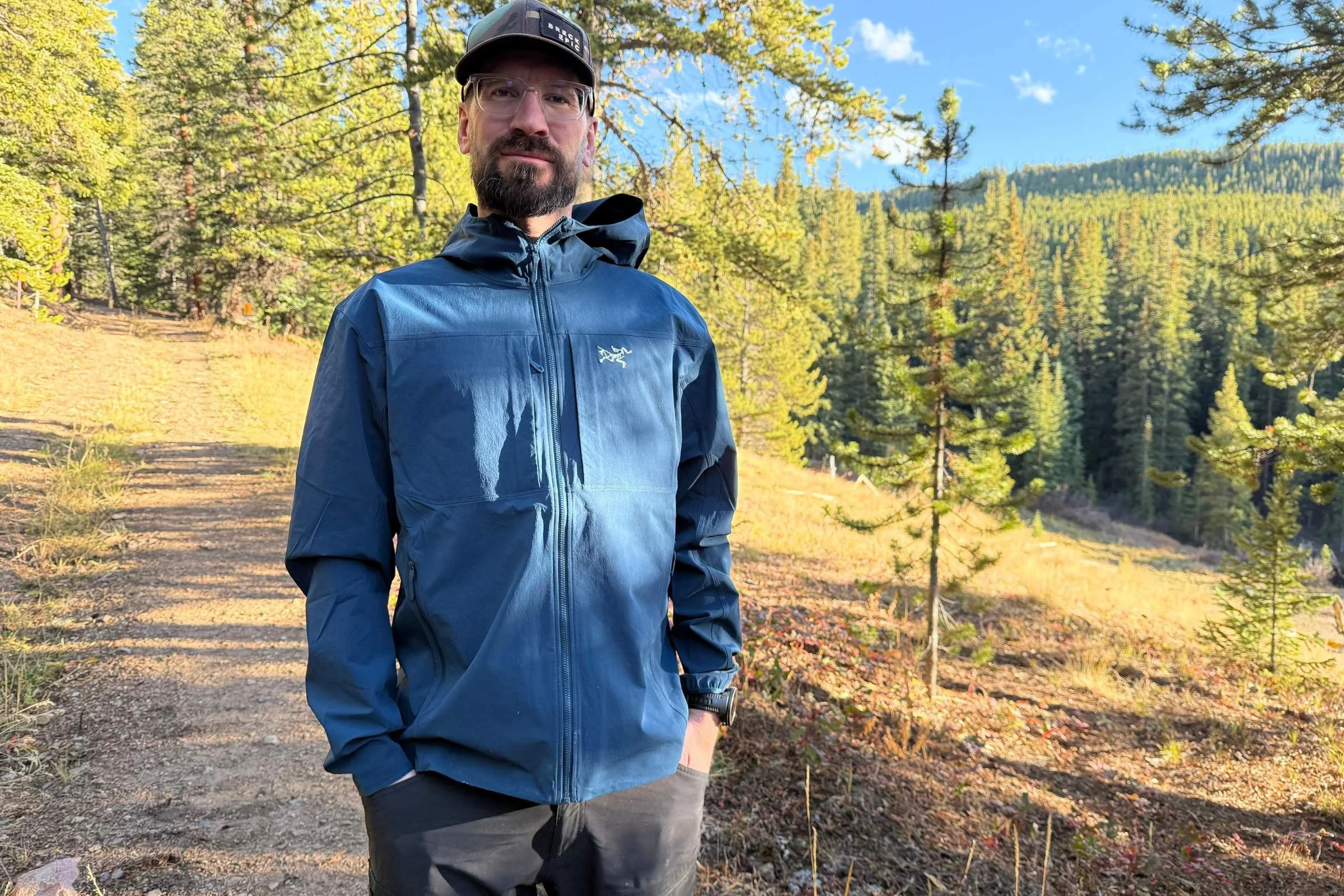
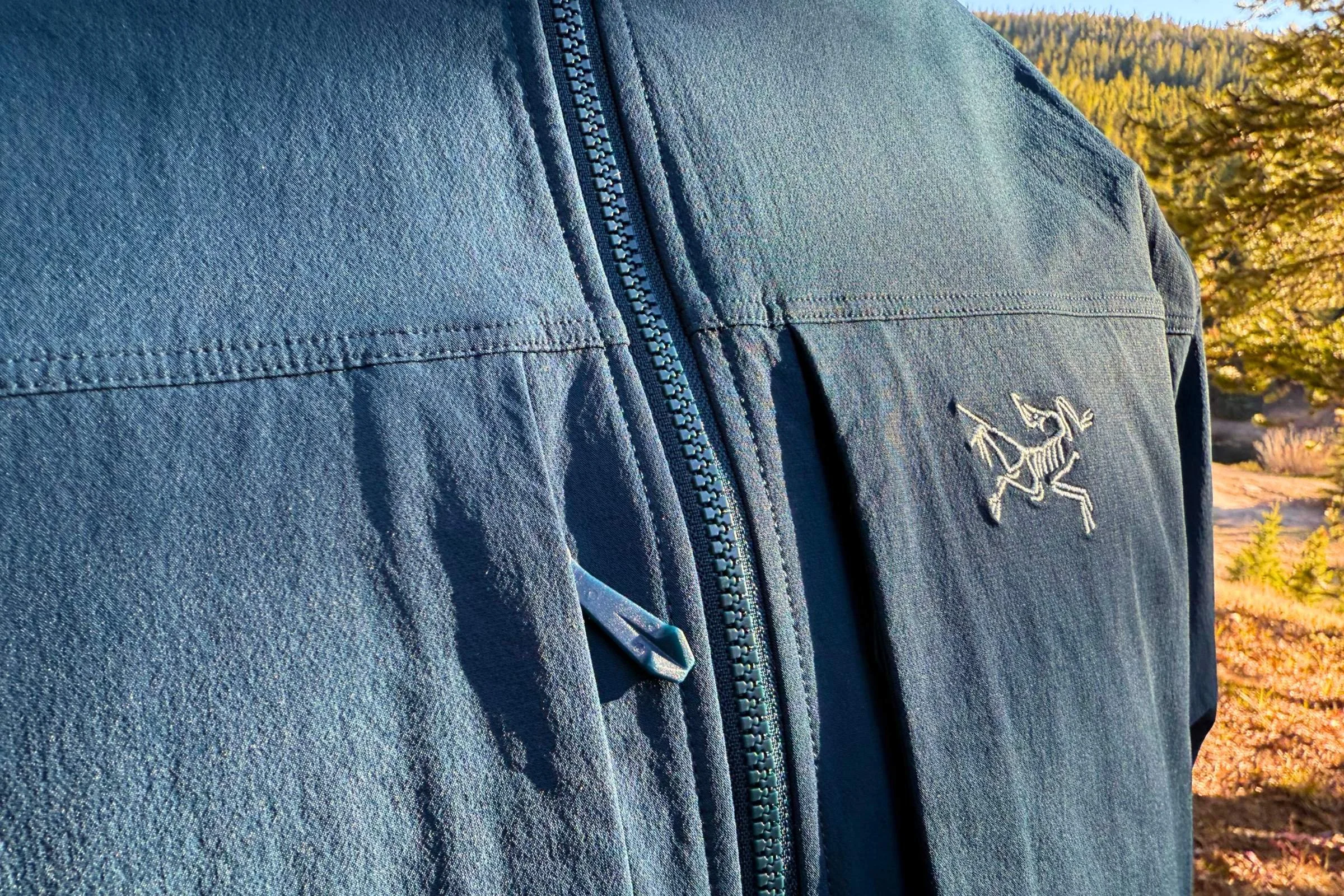
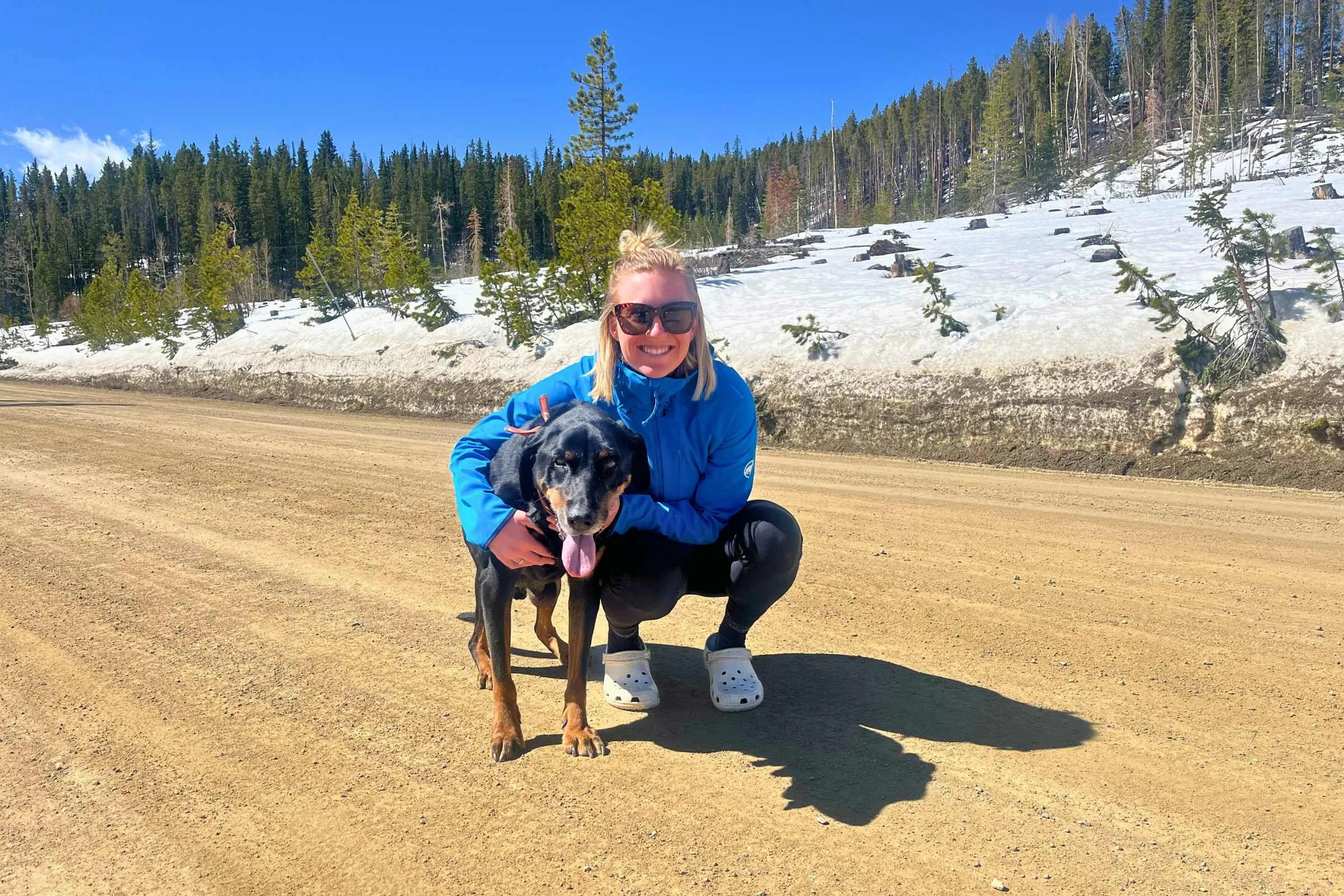
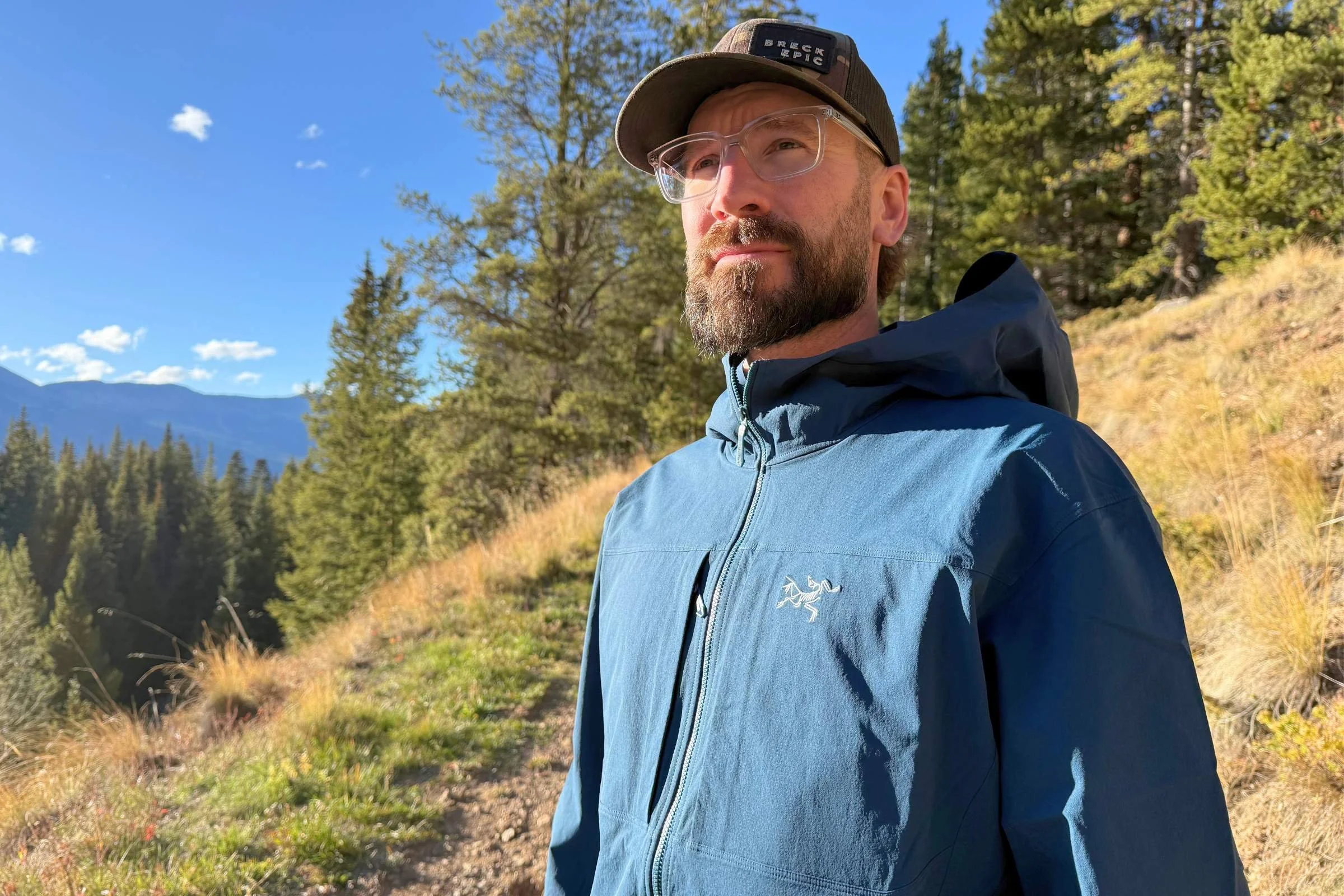
If I could only own one jacket for the rest of my life in the mountains, this would be it. The Arc'teryx Gamma Hoody (formerly the Gamma LT) is the gold standard for a reason. It uses a proprietary Wee Burley Double Weave fabric that feels nearly indestructible. I’ve scraped this against abrasive Sierra granite and squeezed through tight chimneys in the Bugaboos, and it still looks brand new.
What makes the Gamma Hoody the unmatched choice for alpine durability is how it handles the "move-stop-move" cycle. It blocks enough wind to keep you warm at a belay but dumps heat the second you start moving again. The fit is impeccably tailored for the female form, with articulated patterning that ensures the hem doesn't lift out of your harness when you're reaching for a high hold.
Arc'teryx Gamma Hoody Review Summary: This is the ultimate "do-everything" layer. While it's a bit heavy for the minimalist crowd, its reliability in harsh environments is peerless.
Pros
- Legendary durability; the Wee Burley fabric is a tank.
- Perfect "StormHood" fits over a climbing helmet without restricting vision.
- Harness-compatible pockets are positioned perfectly high on the torso.
Cons
- High price point ($300).
- Heavier and less packable than ultralight alternatives.
Shop the Arc'teryx Gamma Hoody →
Best Bang for the Buck: Rab Borealis
The Rab Borealis is a masterclass in "less is more." At just 8.8 ounces, it’s remarkably lightweight, but don't let the thinness fool you. This is the top budget-friendly choice for women who prioritize breathability and sun protection. It’s made from Matrix™ single-weave fabric with incredible two-way stretch.
In my testing, the Borealis felt more like a heavy-duty sun shirt than a traditional jacket. It’s my go-to for desert climbing or summer alpine missions where I need protection from the wind and UV rays but don't want to sweat through my shirt. It packs down into its own pocket, taking up about the same space as two Clif bars.
Pros
- Exceptional breathability; you’ll never feel clammy.
- Extremely packable and light.
- Excellent value at nearly half the price of premium competitors.
Cons
- Minimal water resistance; it will soak through in a real rain.
- Not as windproof as heavier double-weave jackets.
Best for Wet Weather: Rab Kinetic 2.0
If you live in the Pacific Northwest or the UK, the Rab Kinetic 2.0 is the softshell that thinks it's a hardshell. It uses Rab’s Proflex™ fabric, which features a waterproof membrane sandwiched between two soft layers. This gives you the "softshell feel"—stretchy, quiet, and comfortable against the skin—with "hardshell protection."
During a soggy trek in the North Cascades, the Kinetic 2.0 kept me dry through hours of mist and light rain where a standard softshell would have wetted out. The trade-off is that because it has a PU membrane, it isn't quite as breathable as the Arc'teryx Gamma during high-output scrambles.
Pros
- Truly waterproof with taped seams.
- Soft, jersey-like feel is much more comfortable than a crunchy hardshell.
Cons
- Can feel a bit "swampy" during intense cardio.
- Durability is lower than the Gamma Hoody.
Best for Cold Weather & Insulation: Patagonia R1 CrossStrata Hoody
The R1 CrossStrata is a hybrid beast. It’s technically a "fleece-softshell," meaning it has a soft, wind-resistant outer face and a zig-zag fleece interior that traps heat. This is the layer you want when the mercury drops or when you’re moving through the shadows on a north-face climb. It regulates temperature beautifully, pulling moisture away from your body while providing just enough insulation to keep the chill at bay.
Pros
- Extremely comfortable "next-to-skin" feel.
- Great for shoulder-season hiking and climbing.
Cons
- Wind resistance is lower than dedicated shells.
- The fabric can snag on sharp rock.
How We Tested: Over a Decade of Alpine Research
We don't just look at spec sheets; we live in this gear. Our testing process involves thousands of vertical feet and real-world conditions to see how these jackets truly perform. Since 2012, we’ve put over 65 models through the meat grinder of alpine climbing, multi-day trekking, and backcountry skiing.
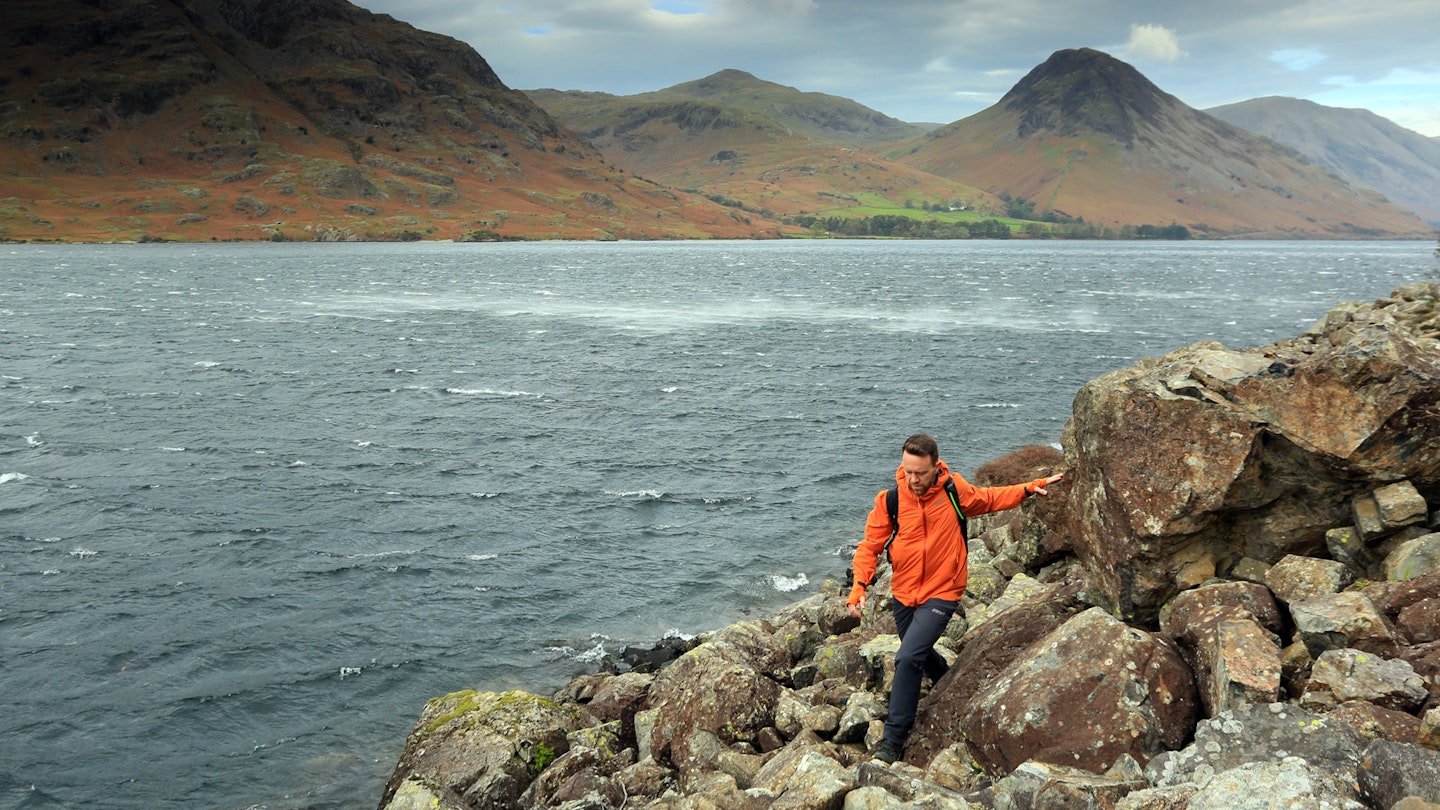
In our specialized scoring system, we weight metrics based on what actually matters when you're 2,000 feet up a rock face:
- Weather Protection (30%): How well does it block a 30mph gust? Does the DWR (Durable Water Repellent) bead water during a 20-minute shower?
- Breathability (30%): Does it dump heat during the "approach from hell," or are you soaked in sweat before you even reach the base of the climb?
- Mobility (20%): Can you reach for a high crimp without the jacket pulling?
- Durability (20%): Does the fabric pilled after one day of abrasive chimney climbing?
Buying Advice: How to Choose the Right Softshell
Softshell vs. Hardshell: What's the Difference?
The primary difference between a softshell and a hardshell is that softshells prioritize breathability and flexibility for high-output activities, whereas hardshells are fully waterproof but less breathable.
Think of a hardshell as your "armor" against a storm. It’s a plastic bag with pores—it keeps the water out, but it struggles to let your sweat out fast enough when you’re moving. A softshell, however, is your "workhorse." It’s highly wind-resistant and water-resistant (thanks to DWR coatings), but its woven construction allows air to circulate, keeping you dry from the inside out.
Breathability vs. Weather Protection
This is the great alpine trade-off.
- Non-membrane softshells (like the Gamma Hoody or Borealis) offer the best breathability because air can pass through the weave.
- Membrane softshells (like the Rab Kinetic) offer superior water and wind protection but are significantly less breathable. If you are someone who "runs hot," go for a non-membrane option.
Fit and Features for the Alpine
When shopping for a women's technical shell, pay attention to these three features:
- Harness Compatibility: Look for pockets that are set high. If your pockets are at your waist, you won't be able to access your phone or snacks once you put on a climbing harness or a heavy backpack hip belt.
- Helmet-Compatible Hoods: Even if you aren't a climber, a helmet-compatible hood is great for high-wind hiking as it provides more volume and better coverage over hats and ponytails.
- Cuff Style: Some jackets have Velcro tabs, while others have elastic. Velcro is better for sealing out wind over gloves, while elastic is lighter and more comfortable for casual use.
? Expert Tip: Is your softshell starting to soak up water instead of beading it? Don't throw it away! You can reactivate the DWR (Durable Water Repellent) by washing it with a technical cleaner (like Nikwax Tech Wash) and putting it in the dryer on medium heat for 20 minutes. The heat "resets" the polymer chains on the fabric.
FAQ
Q: Can I use a softshell as a winter jacket? A: Yes, but it’s a system. A softshell is not an insulator; it’s a protective layer. For winter, you’ll need a solid base layer and perhaps a mid-layer fleece underneath. A softshell like the Patagonia R1 CrossStrata is excellent for winter aerobic activities like snowshoeing or cross-country skiing.
Q: Do softshell jackets need special care? A: Avoid standard laundry detergents and fabric softeners, which can clog the breathable pores and destroy the DWR coating. Always use a technical wash designed for synthetic outdoor gear.
Q: Is a softshell worth the money if I already have a hardshell? A: If you find yourself constantly taking your hardshell on and off because you're sweating, then yes. A softshell will stay on your body all day, making your mountain experience much more comfortable.
Ready to Level Up Your Alpine Kit?
Choosing the right layer is the difference between a miserable slog and a legendary day in the mountains. Whether you’re looking for the bombproof durability of the Arc'teryx Gamma Hoody or the featherweight versatility of the Rab Borealis, investing in a high-quality softshell is the best move you can make for your 2026 season.
Go further, stay out longer, and embrace the alpine.