There’s a specific kind of magic that happens the first time you push off from a muddy bank and feel the water take the weight of your boat. For a second, everything feels precarious, and then—glide. You’re no longer a land-dweller; you’re part of the flow. Over the last decade, I’ve paddled everything from class IV rapids in the PNW to glass-calm alpine lakes in the Sierras, and I’ve learned one thing the hard way: your first kayak can either be the gateway to a lifelong obsession or a heavy, frustrating piece of plastic that gathers dust in your garage.
The 2026 market is more crowded than ever, with tech like pedal drives and ultra-durable inflatables becoming more accessible to the average weekend warrior. To cut through the noise, my team and I have spent the last five years putting more than 20 different models through the ringer. We’ve handed these boats to "rank amateurs" who had never held a paddle and watched them navigate everything from windy reservoirs to slow-moving rivers.
If you're looking for the short answer: The Old Town Malibu 9.5 is our 2026 pick for the best overall beginner kayak. It’s the gold standard for stability and ease of use. But the "best" boat depends on where you live, how you store it, and what your budget looks like. Whether you're hunting for a budget-friendly hardshell or a portable inflatable that fits in a studio apartment, this guide is designed to get you on the water with zero guesswork.
Quick Verdict: Our Top Expert Picks
Before we dive into the nitty-gritty specs, here is the "cheat sheet" for the best beginner kayaks of 2026 based on our real-world testing.
- Best Overall Beginner Kayak: Old Town Malibu 9.5 – Unbeatable stability and a "get in and go" design.
- Best Budget Hardshell: Pelican Argo 100X – Lightweight, durable, and usually found in the $300-$400 range.
- Best Inflatable for Portability: Sea Eagle SE370 – Tough as nails and packs down into a backpack.
- Best for Families: Advanced Elements AdvancedFrame Convertible – A hybrid that handles like a hardshell but fits two (or three!) people.
- Best Premium/Pedal Option: Hobie Mirage Passport 10.5 R – Perfect for those who want to use their legs instead of their arms.
The 2026 Beginner Kayak Comparison Table
| Model | Type | Length | Weight | Best For | Price Range |
|---|---|---|---|---|---|
| Old Town Malibu 9.5 | Sit-on-top | 9' 5" | 50 lbs | All-around Stability | $600 - $800 |
| Pelican Argo 100X | Sit-inside | 10' | 36 lbs | Budget & Light Weight | $150 - $400 |
| Sea Eagle SE370 | Inflatable | 12' 6" | 32 lbs | Portability & Travel | $300 - $500 |
| Hobie Mirage Passport | Pedal | 10' 6" | 65 lbs | Hands-free/Fishing | $1,600 - $1,900 |
| Oru Kayak Inlet | Folding | 9' 8" | 20 lbs | Apartment Dwellers | $800 - $1,000 |
Expert Reviews: The Best Beginner Kayaks of 2026
Best Overall: Old Town Malibu 9.5
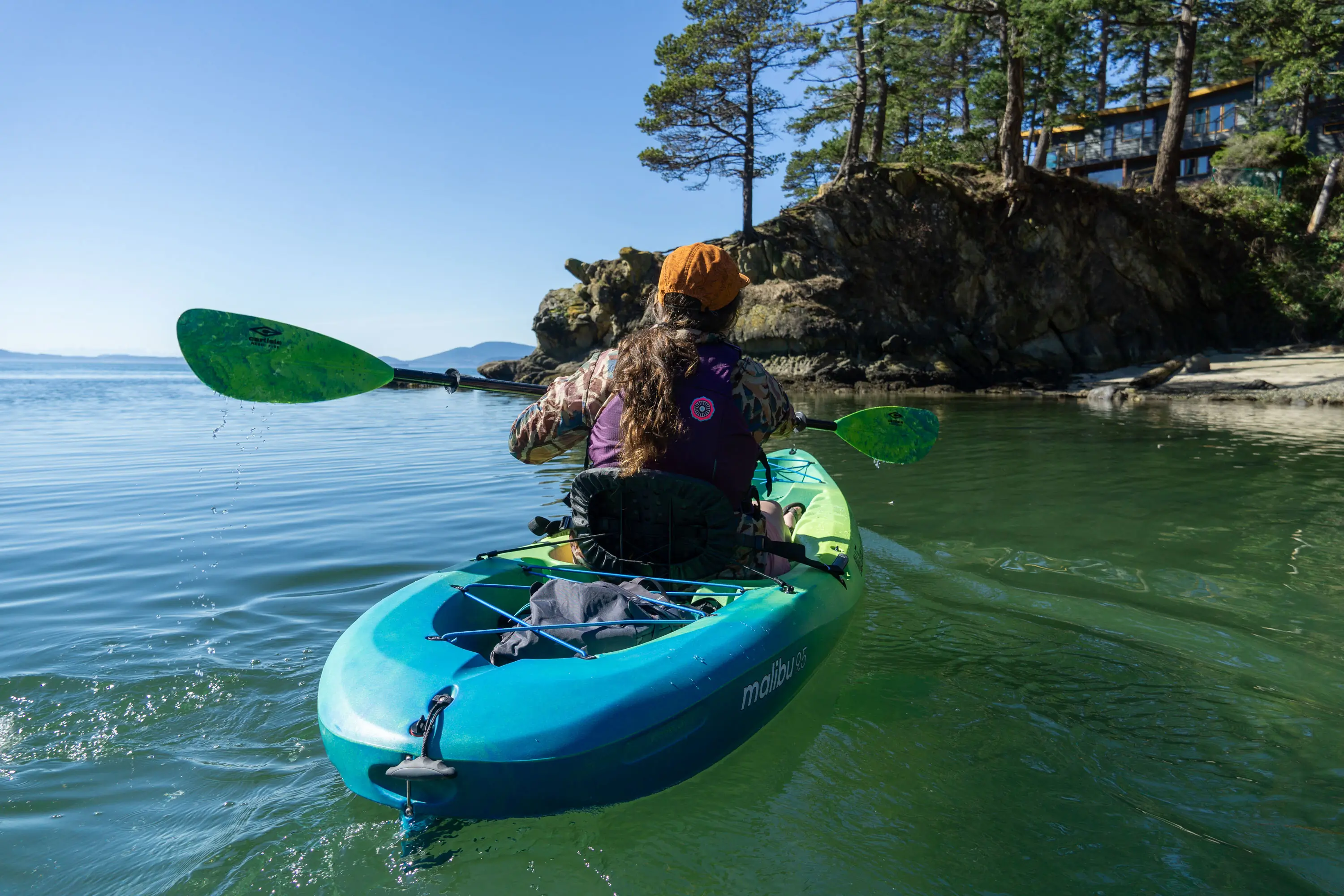
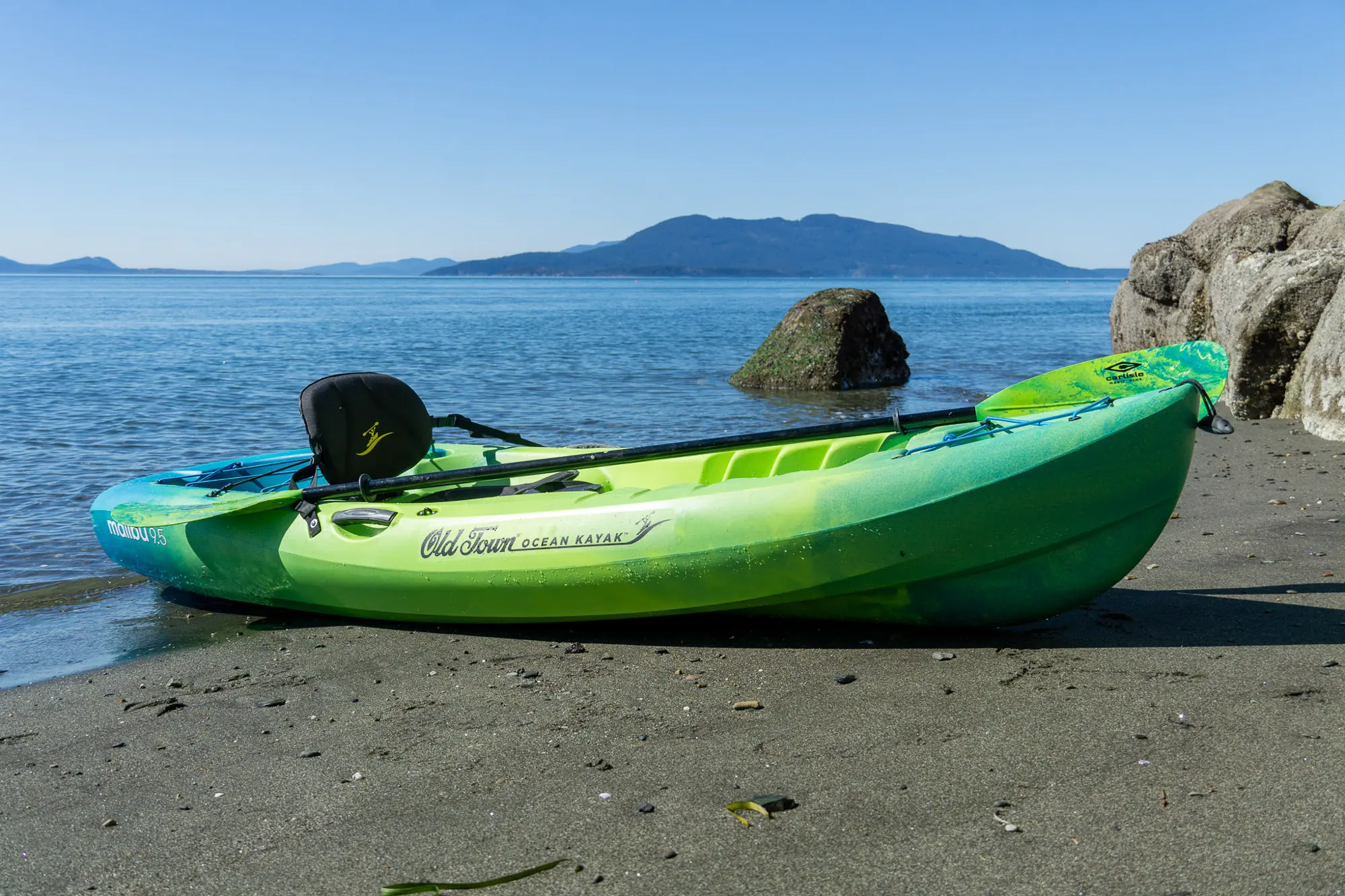
If I had to pick one boat to teach a friend to paddle in, it’s the Malibu 9.5. Old Town has been in the game for over a century, and it shows in the hull design. This is a sit-on-top (SOT) kayak, which means it’s incredibly easy to hop onto from a dock or even from the water if you decide to take a swim.
The 9.5-foot length hits the "sweet spot" for beginners. It’s short enough to turn on a dime but long enough that it doesn’t feel like you’re paddling a bathtub. What really sets it apart is the "Stackable" hull design and the incredibly comfortable AirCourse seat. Most beginner boats have terrible back support; this one feels like a lawn chair.
Why it wins for beginners:
- Secondary Stability: Even if you lean over the edge to look at a fish, the boat resists tipping.
- Durability: Made from single-layer polyethylene that can handle being dragged over sand and gravel.
- Ease of Entry: No "cockpit" to crawl into, making it less intimidating for those nervous about being "trapped" in a boat.
Best Budget Choice: Pelican Argo 100X
Not everyone wants to drop nearly a thousand dollars on a new hobby. That’s where the Pelican Argo 100X comes in. In our market analysis for 2026, we found that entry-level kayaks generally fall between $150 and $400, and the Argo 100X consistently sits at the top of that value bracket.
At only 36 pounds, this is the boat for people who don’t have a trailer or a team of bodybuilders to help them get to the water. I can easily hoist this onto a roof rack solo. It’s a sit-inside design, which offers a bit more protection from the elements and a lower center of gravity, which some beginners prefer for feeling "connected" to the water.
The Reality Check: Because it’s a budget boat, the tracking (the ability to go in a straight line) isn't as sharp as the Old Town. In a heavy crosswind, you’ll be working harder. But for calm morning paddles on a local pond? It’s unbeatable for the price.
Best Pedal Kayak: Hobie Mirage Passport 10.5 R
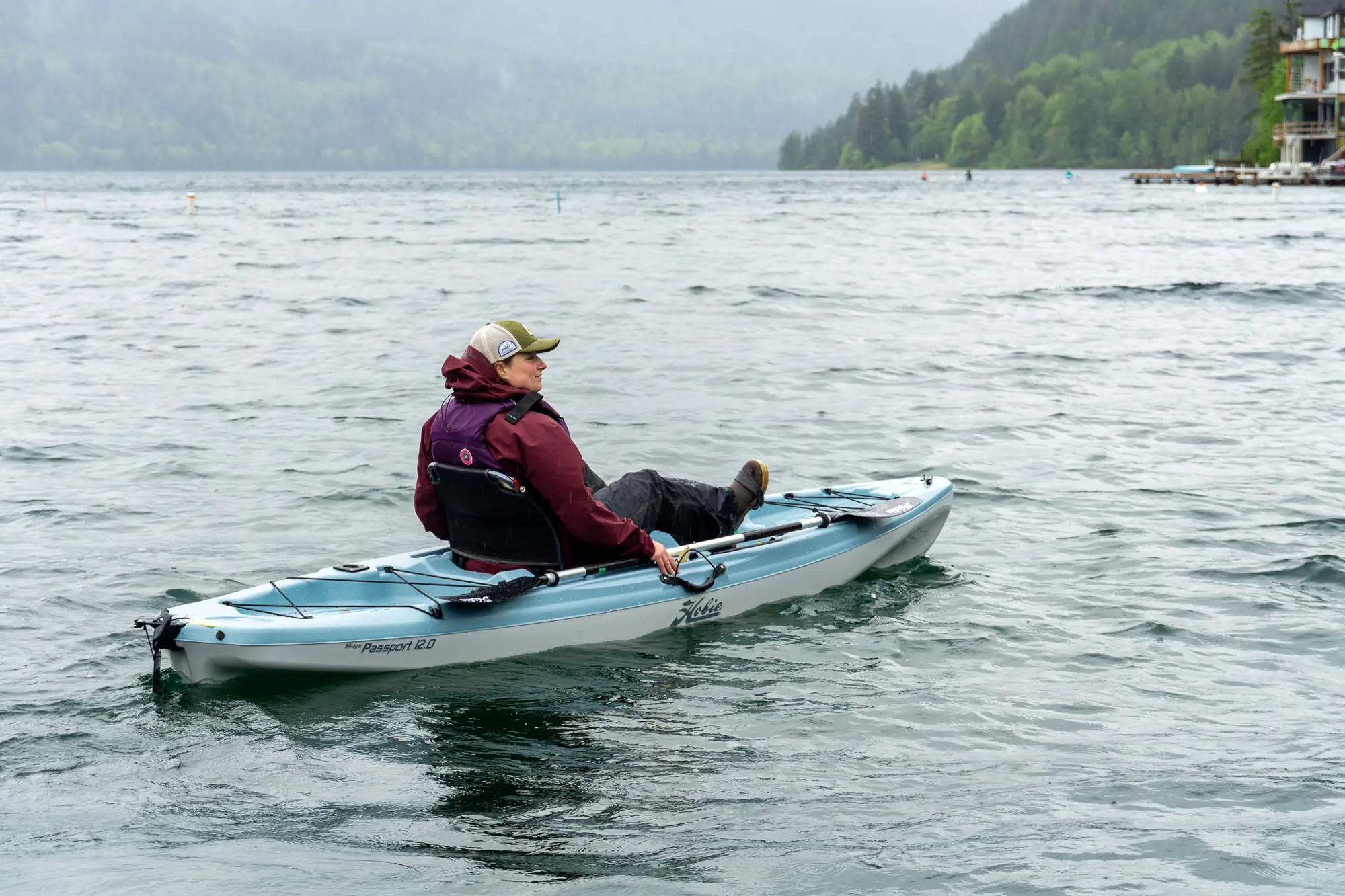
Let’s talk about the big splurge. While most beginners start with a traditional paddle, the 2026 market has seen a massive surge in pedal-driven boats. The Hobie Mirage Passport 10.5 R averages around $1,800, which is a steep jump, but for a specific type of beginner, it’s worth every penny.
If you have shoulder issues or you’re interested in kayak fishing, the MirageDrive with Glide Technology is a game-changer. Your legs are much stronger than your arms. You can cover three times the distance with half the effort. The "R" version for 2026 features a rotomolded hull that is significantly tougher than previous thermoformed versions.
Best Inflatable & Folding Options
I get a lot of emails from readers in cities like New York or Chicago asking: "Marcus, I live in a 4th-floor walk-up. How do I own a kayak?"
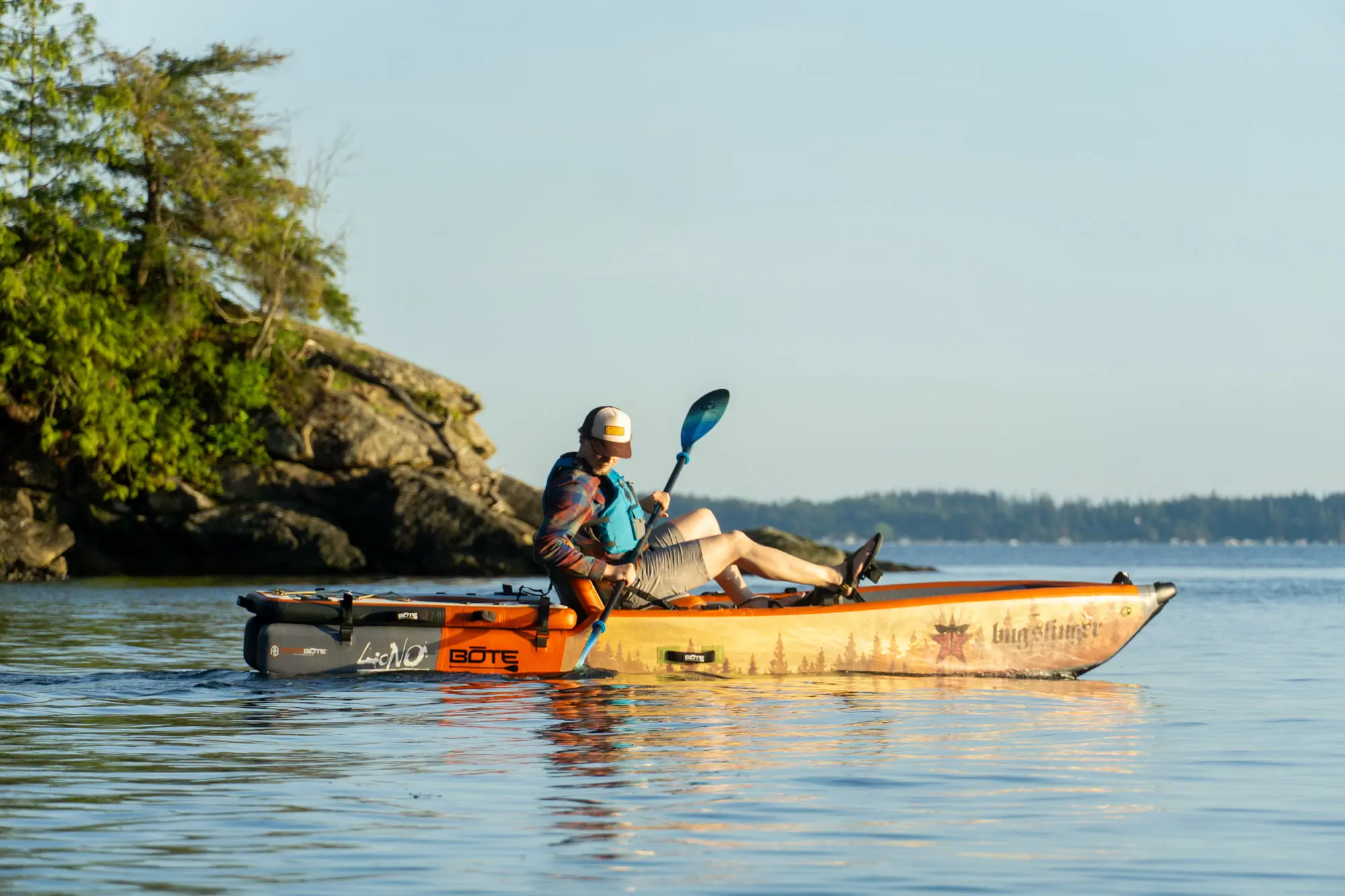
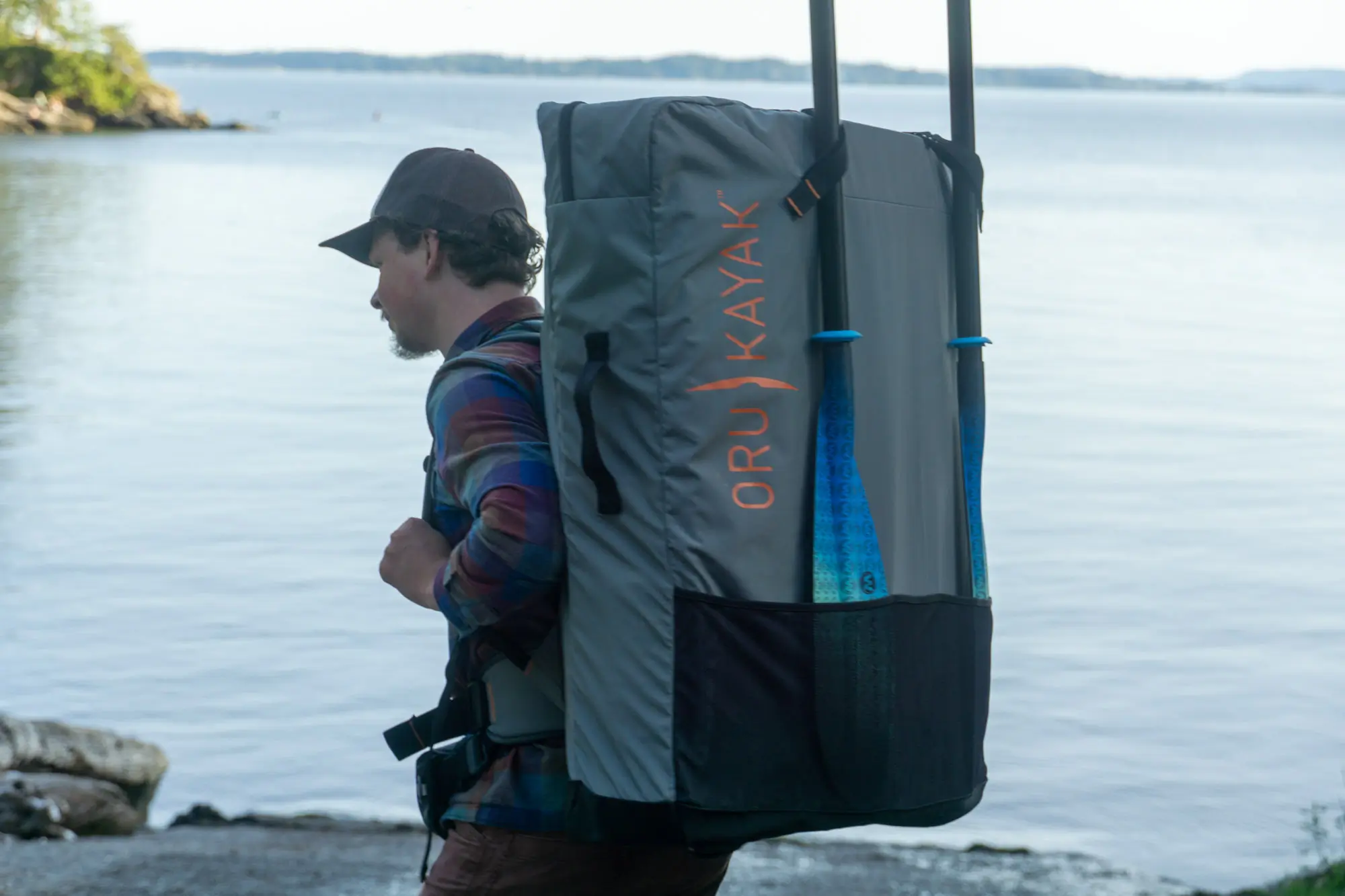
The Sea Eagle SE370 is my go-to recommendation for pure portability. Don't let the word "inflatable" scare you; modern PVC is incredibly puncture-resistant. This boat can handle up to Class II whitewater. For something more "performance" oriented, the Oru Kayak Inlet is a folding "origami" boat that weighs only 20 lbs and can be carried like a suitcase.
How We Tested: Real-World Novice Trials
We don't just look at spec sheets. Our methodology involves taking 20+ models out to a variety of locations—from the choppy waters of Lake Tahoe to the slow, winding turns of the Russian River.
The secret sauce of our testing is the "Total Amateur" feedback loop. While I can make almost any boat look stable, I recruit friends and family members who have never paddled before. We record how many times they struggle to get into the seat, how often they lose their line, and most importantly, how "safe" they feel.
Over five years, we’ve found that a boat’s width and hull shape matter more to a beginner than its top speed. If a boat feels "twitchy," a beginner won't want to stay out for more than 20 minutes. If it feels like a stable platform, they'll stay out all day.
Buyer’s Guide: How to Choose a Beginner Kayak
Choosing a kayak is like buying a pair of hiking boots; it has to fit the terrain and your body. Here is exactly what I tell my friends when they’re looking to buy.
1. Where Will You Paddle?
Environment is everything.
- Calm Lakes/Ponds: Look for "recreational" kayaks. They are wide and stable.
- Slow-Moving Rivers: You want a boat with a bit more "rocker" (a slight curve from bow to stern) to help you turn.
- Coastal Waters: You need something longer (12ft+) with a "skeg" to help you stay on course against the tide.
Pro-Tip: What is a Skeg? A skeg is a drop-down fin under the boat. It doesn't help you steer like a rudder, but it keeps the wind from pushing your tail around. It's a lifesaver on windy days.
For 90% of beginners, a kayak between 9 and 12 feet in length is the sweet spot. Anything shorter and you'll spend all your energy just trying to go straight. Anything longer and you'll struggle to turn and transport it.
2. Sit-On-Top vs. Sit-In Kayaks
This is the biggest fork in the road for new buyers.
Sit-On-Top (SOT): These are essentially floating platforms. They are virtually unsinkable because they are "self-bailing" (water drains out through holes called scupper holes). They are great for warm weather, fishing, and nervous beginners. Sit-Inside (SIT): These have a cockpit. You sit lower in the water, which gives you more control and keeps your lower body dry. They are better for cooler water or if you want to eventually learn more advanced paddling techniques.
3. Portability and Material
How are you getting this thing to the water?
- Rotomolded Plastic: This is what the Old Town and Pelican are made of. It’s heavy but nearly indestructible. You can drag it over rocks, drop it off the car—it doesn't care.
- Inflatables/Folding: Great for storage, but they require 10-15 minutes of setup time at the water’s edge.
- Thermoformed Plastic: A middle ground—lighter than rotomolded and looks shinier, but can be more prone to cracking if you're reckless.
4. Price & Value Expectations
Kayaking isn't just the boat; it's the gear. When budgeting, keep these tiers in mind:
- Budget ($150-$400): Great for occasional use. Seats are usually basic, and the plastic is thinner.
- Mid-Tier ($500-$900): This is the "sweet spot" for most. You get better seats, better tracking, and built-in storage hatches.
- Premium ($1,100+): You’re paying for specialized features like pedal drives, ultra-light materials, or specialized fishing setups.
Essential Accessories for Beginners
Don't spend your whole budget on the boat! You need the "Big Three" to actually have a good time:
- The Paddle: Do not use the free paddle that comes with a $200 boat. It’s usually heavy and inefficient. Look for a fiberglass paddle. Sizing Tip: Most beginners need a 220cm to 250cm paddle. If you're in a wide sit-on-top, go longer (240cm+).
- The PFD (Life Jacket): Buy one designed specifically for paddling. They have larger armholes so you don't get a rash, and the foam is higher on the back so it doesn't interfere with your seat.
- Safety Gear: A simple whistle and a dry bag for your phone/keys are non-negotiable.
Frequently Asked Questions
Is a 10-foot kayak better than a 12-foot kayak for a beginner?
A 10-foot kayak is generally easier to handle on land, lighter, and more maneuverable in small spaces. However, a 12-foot kayak will be faster and much easier to keep in a straight line over long distances. If you're paddling small ponds, go 10. If you're on a large lake, go 12.
Can I kayak alone as a beginner?
Yes, but with caveats. Always wear your PFD, check the weather forecast for wind (wind is a kayaker's biggest enemy), and always tell someone where you are going and when you expect to be back. Stick to calm, familiar waters for your first few solo trips.
Do inflatable kayaks puncture easily?
Not the high-quality ones. Modern inflatables from brands like Sea Eagle use "drop-stitch" technology and military-grade PVC. While you shouldn't intentionally paddle over sharp rebar, they can handle bumping into rocks and logs without issue.
Conclusion & Getting on the Water
Choosing your first kayak doesn't have to be an exercise in over-analysis. If you want the best all-around experience, grab the Old Town Malibu 9.5. If you’re on a tight budget, the Pelican Argo 100X will get you out there just fine.
The most important thing isn't the hull material or the price tag—it's the "get out there" factor. Every minute spent researching is a minute you aren't on the water. Pick a boat that fits your storage and your car, grab a decent paddle, and I’ll see you at the launch ramp.
Ready to start your adventure? Don't forget to check your local regulations for launch permits and always, always wear your life jacket. Happy paddling