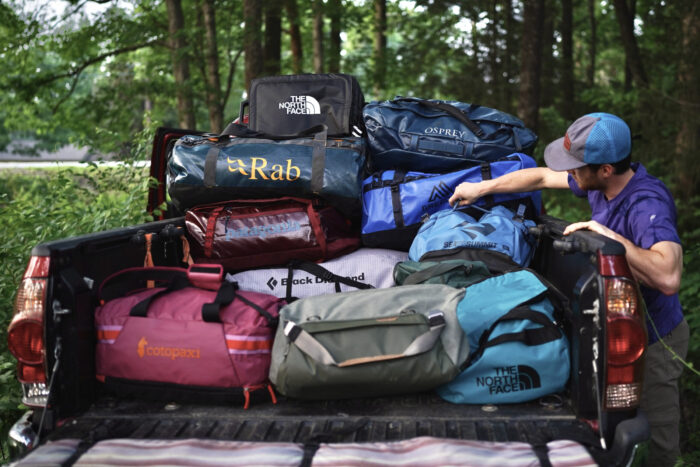
I’ve spent the better part of a decade hauling gear across sun-scorched ridgelines and into the humid depths of river canyons, and if there’s one piece of equipment that has evolved more than any other, it’s the cooler. We’ve finally moved past the era of heavy, plastic-walled boxes that require two people and a chiropractor to move. In 2025, the best soft coolers aren’t just "insulated bags"—they are high-tech, leakproof, and surprisingly burly pieces of kit that can hold ice for days while weighing a fraction of their hard-sided ancestors.
To choose the right soft cooler in 2025, you need to prioritize your specific needs between storage capacity (typically ranging from 12L to 38L), desired ice retention (anywhere from 24 to 96 hours), and portability features like ergonomic backpack straps or padded shoulder slings. Whether you’re planning a solo fly-fishing mission or a group beach day, the secret is finding the "Goldilocks" zone where weight meets cooling prowess.
Soft vs. Hard Coolers: Which One Do You Actually Need?
The debate between soft and hard coolers used to be a landslide victory for the hard-sided heavyweights. But the tech has shifted. If you’re heading out for a week-long off-grid overland trip, yes, you still need a rotomolded hard cooler. However, for 90% of our adventures—think road trips, beach afternoons, or overnight camping—a soft cooler is the superior choice.
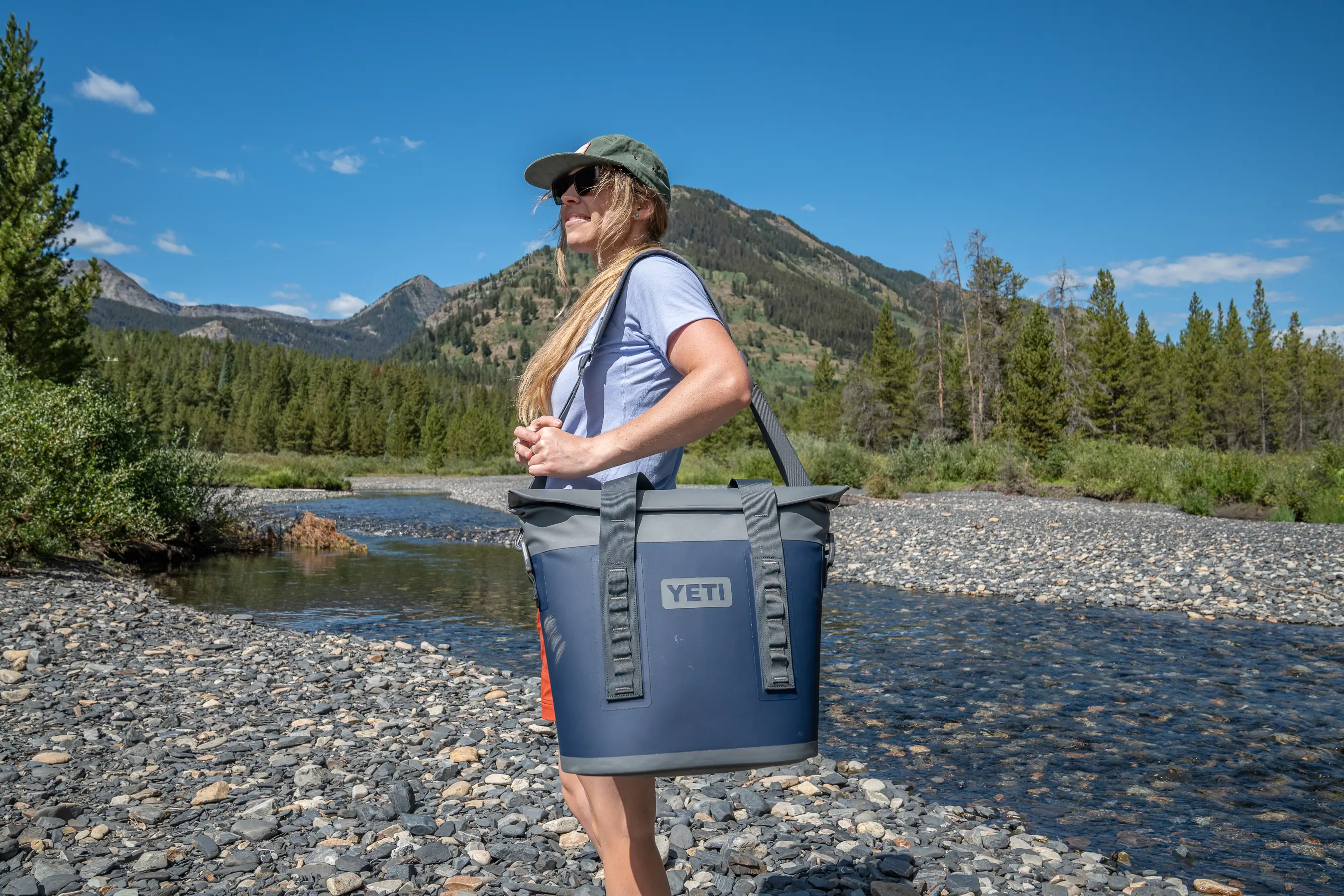
The primary driver here is the weight advantage. Soft coolers are up to 85% lighter than hard-sided models of similar capacity. To put that into perspective, a 5-pound YETI Hopper M15 Tote provides similar day-trip utility to a 23-pound YETI Tundra 45 before you even add the first beer. When you're solo and trekking from the truck to the shoreline, that 18-pound difference is the difference between an easy stroll and a grueling workout. Soft coolers are also much more forgiving in tight spaces; they can be wedged behind a car seat or collapsed for storage in a cramped apartment.
Key Factors to Consider Before Buying
Choosing the "best" cooler is subjective, but choosing the "right" one is scientific. You have to look at how you move and what you’re carrying.
1. Storage Capacity & Shape
Capacity is usually measured in liters or "can count" (assuming a 2:1 ice-to-can ratio).
- Small (12L–19L): Perfect for solo day hikes, a couple's picnic, or a "personal" cooler for the passenger seat.
- Large (30L–38L): Essential for family outings or keeping a weekend’s worth of perishables fresh.
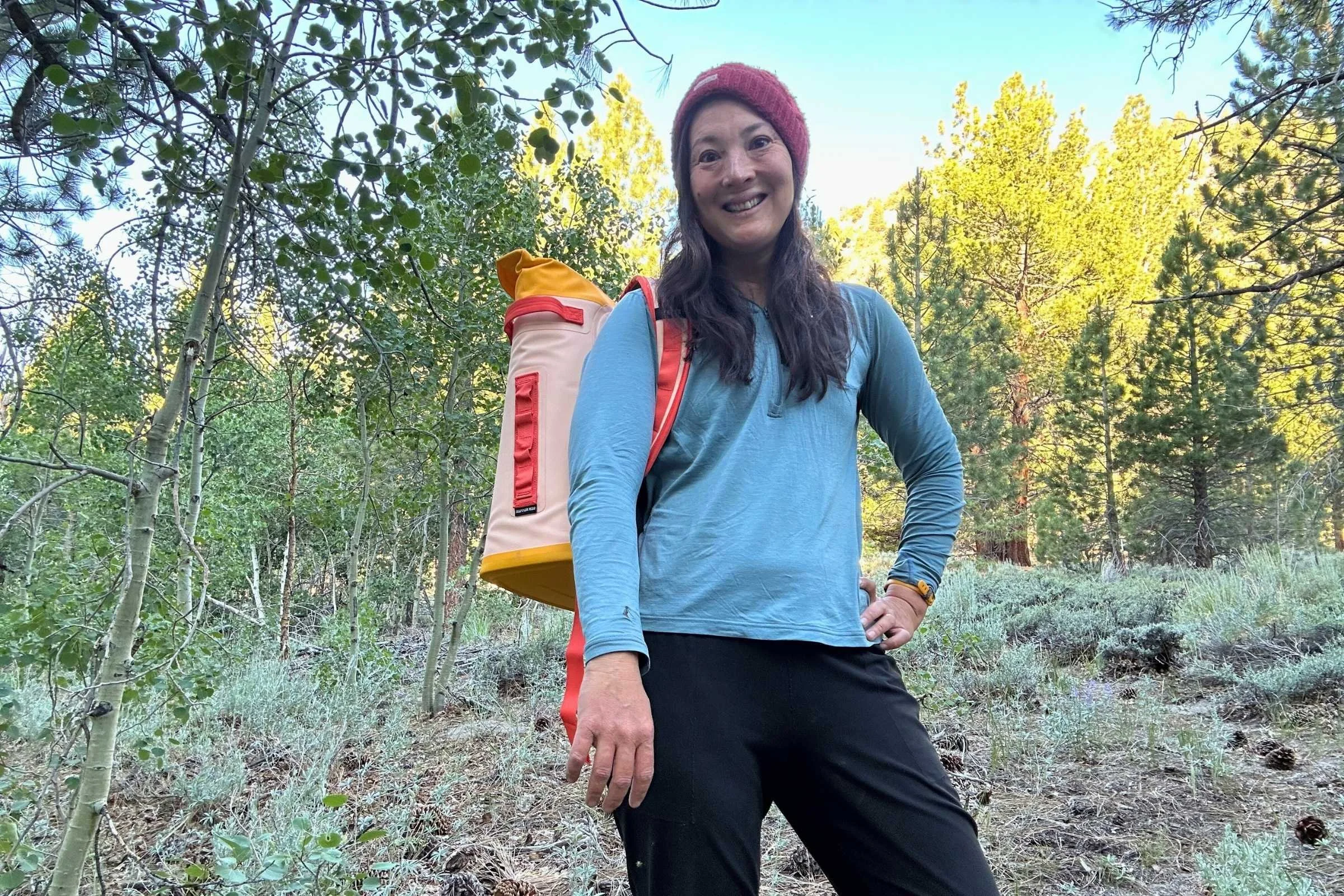
Shape matters just as much as volume. A boxy, bucket-style cooler is great for visibility and access, but if you’re walking more than a mile, a backpack or a sleek tote style is much more ergonomic. Totes tend to sit flatter against your side, while backpacks distribute the weight across your hips and shoulders, keeping your hands free for trekking poles or a fishing rod.
2. Ice Retention Requirements
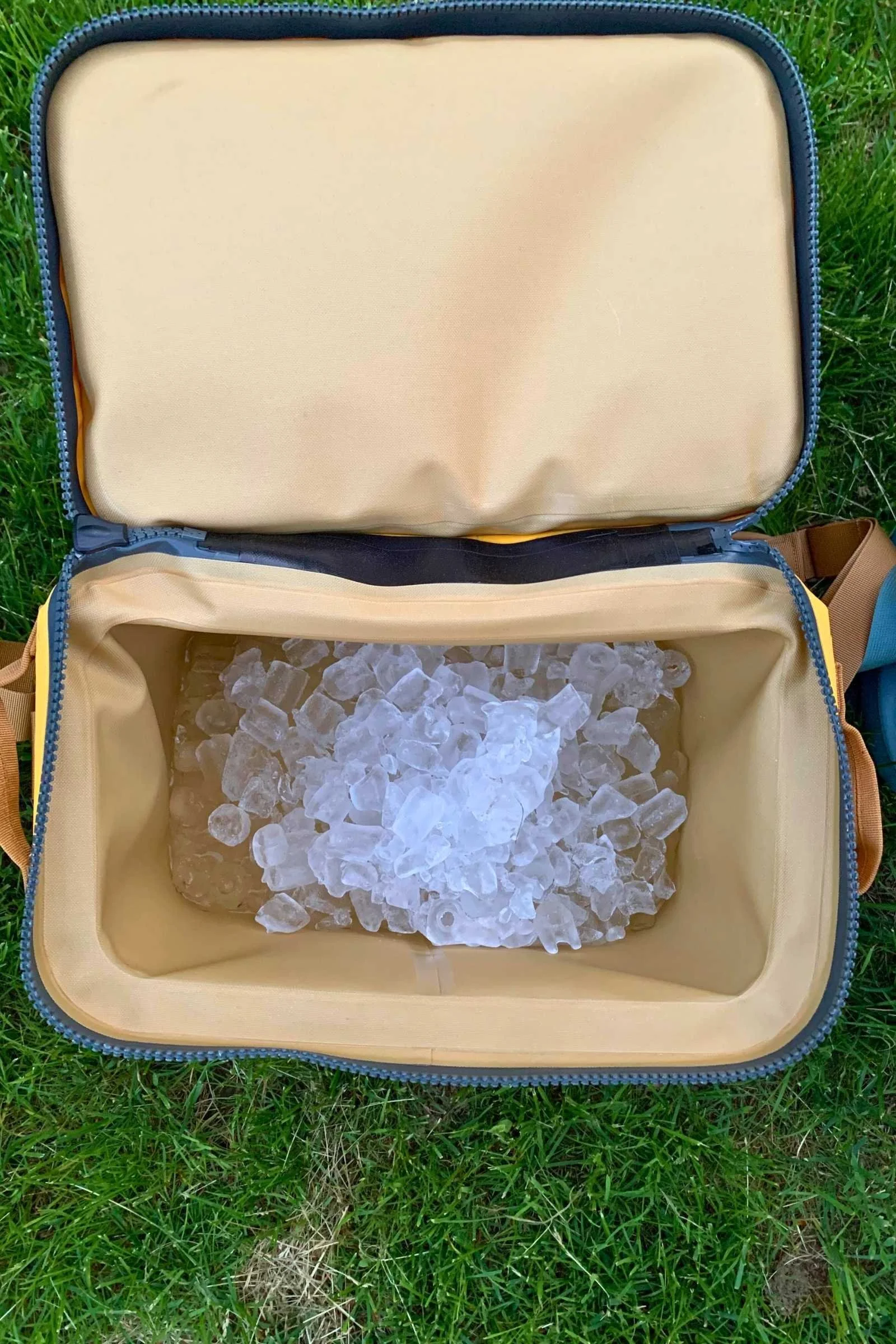
In 2025, the baseline for a quality soft cooler is 24 hours of ice retention in 65-degree weather. However, if you’re looking at premium models, that number skyrockets. During our controlled testing, the YETI Hopper M15 Tote outperformed every other soft-sided competitor, reaching a peak ice retention of 96 hours. Entry-level coolers usually settle in the 25–36 hour range, which is plenty for a Saturday barbecue but will leave you with lukewarm water by Monday morning.
3. Materials and Waterproofing
You want an exterior made of heavy-duty TPU or high-denier nylon (think 840D) to resist punctures and UV damage. The real magic, however, is in the closure.
- Zippers: Look for TRU® Zip or similar waterproof, toothless zippers. They are airtight but require occasional lubrication.
- Magnetic Closures: These have become incredibly popular (seen in the YETI M-Series) because they snap shut automatically, preventing "user error" cold loss.
- Roll-tops: Great for total waterproofing, but they can be a bit slower to access.
4. Portability: Straps, Handles, and Hitch Points
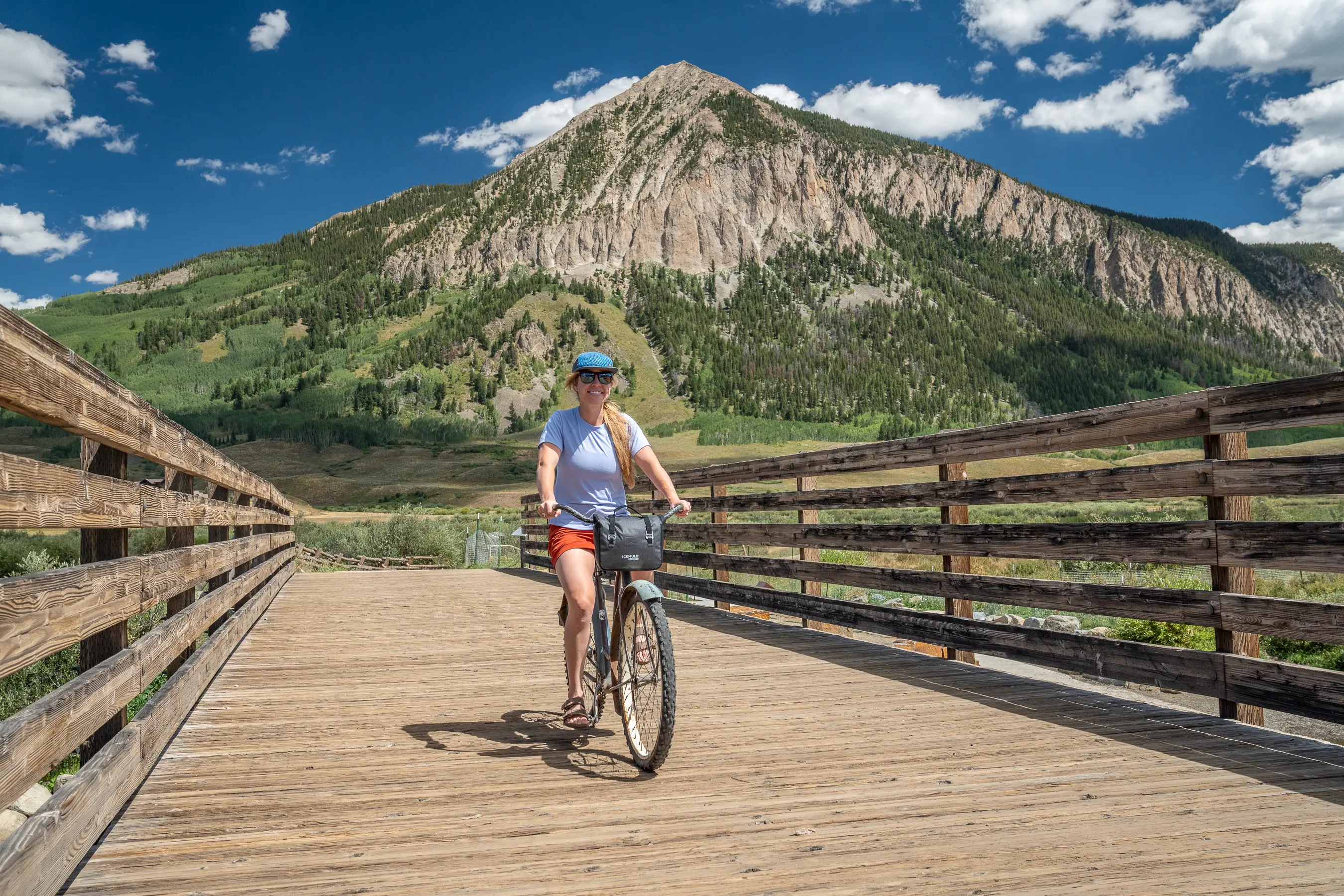
Don’t overlook the "extras." A good soft cooler should have reinforced grab handles on the sides and a heavily padded shoulder strap. I personally look for "daisy chains"—those loops of webbing on the outside. They are essential for clipping on a bottle opener, a waterproof speaker, or even lashing the cooler to the handlebars of a bike or the deck of a kayak.
2025 Performance Benchmarks: How We Tested
To cut through the marketing fluff, we subjected this year's top contenders to a two-stage gauntlet. First was the "Lab Melt." We filled each cooler with a measured amount of ice in a controlled 65-degree environment and monitored the internal temperature until it crossed the 40-degree safety threshold (the point where food begins to spoil).
Second was the "Field Torture." I took these coolers rafting in the Grand Canyon, left them in the back of a black pickup truck in the Texas sun, and dragged them across jagged coastal rocks. We weren't just looking for cold drinks; we were looking for zipper failures, strap tears, and "sweating" (condensation on the outside of the bag), which indicates poor insulation quality.
Understanding the Price Tiers: Budget vs. Premium
You don't always need to drop $300 to keep your lunch cold. Here is how the 2025 market breaks down:
| Model | Est. Price | Capacity (L) | Weight (Empty) | Tested Ice Retention |
|---|---|---|---|---|
| YETI Hopper M15 | $300 | 15L | 5.0 lbs | 96 Hours |
| RTIC Soft Pack 30 | $115 | 28L | 4.0 lbs | 48 Hours |
| Hydro Flask Day Escape | $150 | 20L | 2.5 lbs | 36 Hours |
| REI Co-op Campwell | $70 | 15L | 1.6 lbs | 24 Hours |
| Titan Deep Freeze 30 | $60 | 20L | 2.2 lbs | 24 Hours |
Budget (<$100)
For casual park days, the REI Co-op Campwell or Titan Arctic Zone are fantastic. They use thinner insulation and standard zippers, meaning they aren't fully leakproof if they tip over, but they are lightweight and affordable.
Mid-Tier ($100-$200)
This is the sweet spot for most enthusiasts. The Hydro Flask Day Escape series offers a great balance of weight and performance. They use lightweight "welded" construction that keeps them incredibly portable while still offering legitimate 36-hour ice retention.
Premium ($200+)
This is the "Buy It For Life" category. The YETI Hopper Series and the RTIC Soft Pack (high-end versions) utilize closed-cell foam that is far denser than budget models. The YETI M20 2.0 Backpack, for instance, is the gold standard for ergonomics. Its magnetic mouth stays open when you need it and snaps shut with a literal "thwack," ensuring no cold air escapes while you're hiking.
Expert Tips: How to Pack for Maximum Chill
Even the most expensive cooler will fail if you pack it like a novice. If you want to hit that 96-hour mark, you need to follow the "Pro's Protocol."
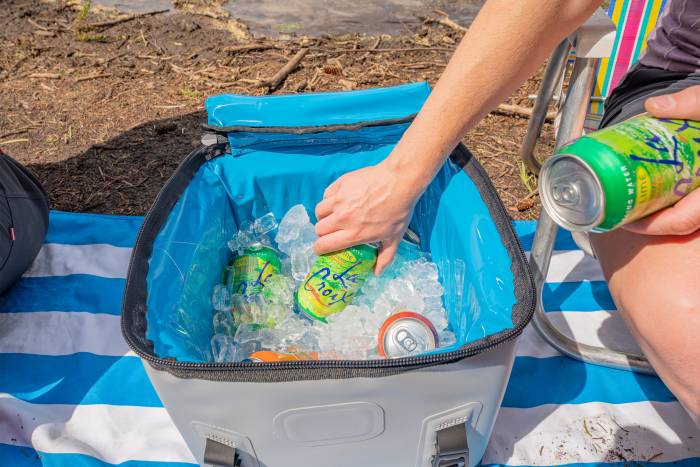
- The Pre-Chill: This is the most forgotten step. If you take a cooler from a 90-degree garage and put ice in it, the ice will immediately start wasting energy cooling the foam walls. Bring the cooler inside the night before, or sacrifice a small bag of ice (the "sacrificial ice") to drop the internal temp before the real packing begins.
- The 2:1 Ratio: I know it feels like a waste of space, but for maximum performance, you need two parts ice for every one part of contents.
- Bottom-Heavy Packing: Place heavy cans and meats at the bottom, directly on a layer of ice. Place fragile items (sandwiches, fruit) on top, away from the "crush zone."
- Minimize Air: Air is the enemy of cold. Fill any empty gaps with small ice cubes or even reusable ice packs.
- Don't Drain the Water: This is a controversial one, but unless you need to reduce weight for a hike, keep the meltwater in the cooler. Cold water is a much more efficient thermal conductor than air and will keep your cans submerged in a 33-degree bath.
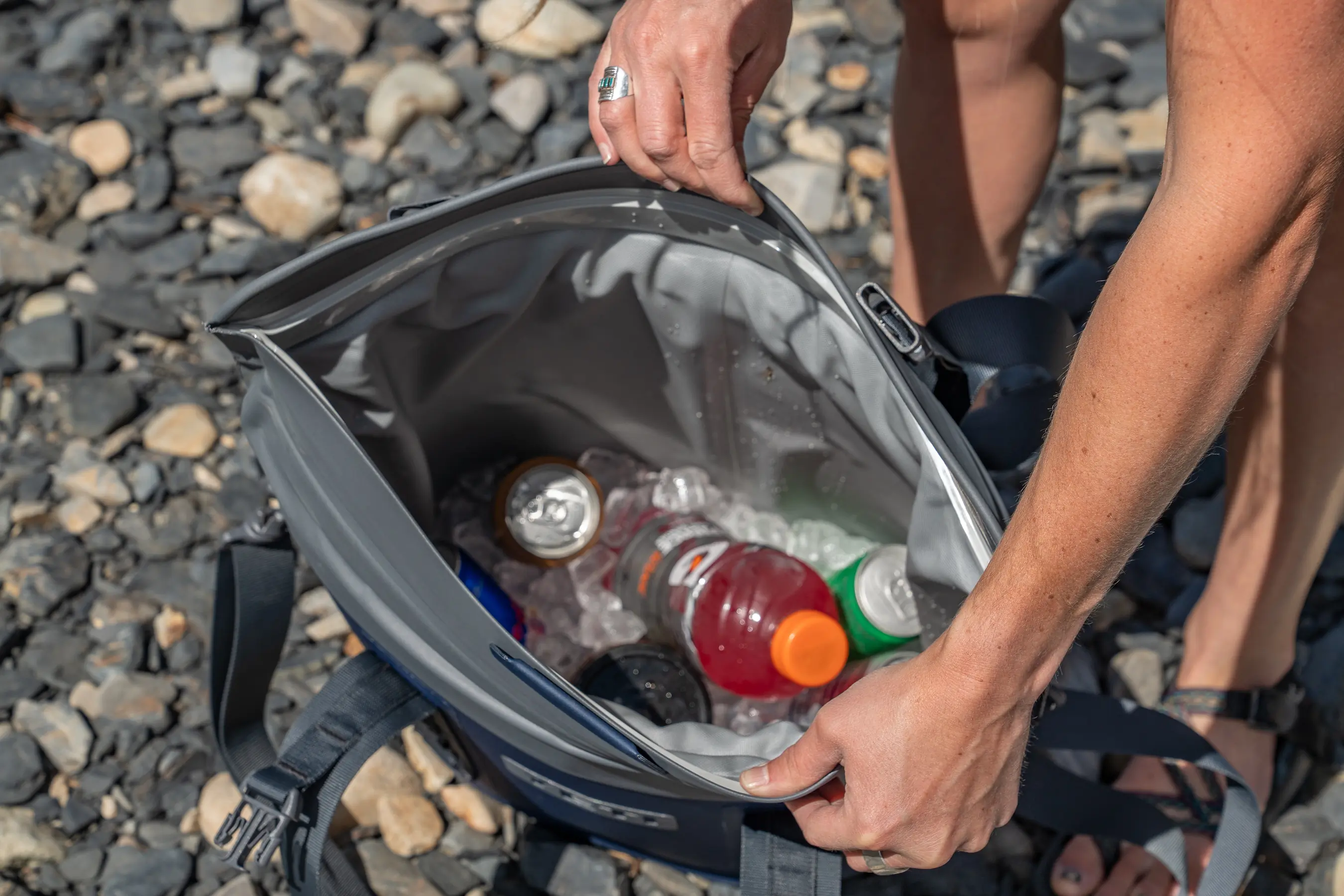
Pro Tip: Use "block ice" for the bottom layer if you're going for a multi-day trip. It melts significantly slower than standard cubed ice from the gas station.
Maintenance: Caring for Your Soft Cooler
A premium soft cooler is an investment, and like any gear, it needs love.
- Zipper Care: If your cooler has a waterproof zipper, it will come with a small tube of lubricant. Use it! Every 6 months, apply a thin layer to ensure the zipper slides smoothly. If you force a dry zipper, you risk tearing the fabric teeth.
- Mildew Prevention: Never, ever store your cooler closed while it's damp. After a trip, wash it with mild soap and water, then prop it open upside down until it is bone-dry.
- Odors: If things get funky (looking at you, leaked chicken juice), a mixture of baking soda and lemon juice usually does the trick.
Frequently Asked Questions (FAQ)
Q: Can I use dry ice in a soft cooler?
A: Generally, no. Most soft coolers are airtight, and dry ice sublimates into CO2 gas. Without a pressure-release valve, the gas buildup can cause the cooler to expand or even "pop" a seam. Always check the manufacturer's guidelines, but stick to regular ice or gel packs for soft-sided gear.
Q: Are soft coolers bear-resistant?
A: Unlike some rotomolded hard coolers (like the YETI Tundra or Pelican Elite), soft coolers are not bear-resistant. A determined bear can rip through TPU and foam in seconds. If you're camping in bear country, your soft cooler belongs in a bear locker or inside a hard-sided vehicle at night.
Q: How do I fix a small puncture in the outer shell?
A: For most TPU-coated coolers, a standard vinyl repair kit or Gear Aid Seam Grip will work wonders. Clean the area thoroughly with isopropyl alcohol before applying the patch to ensure a permanent bond.
Conclusion
The "perfect" cooler isn't the one with the most famous logo; it’s the one that actually makes it out of your garage. In 2025, the shift toward portability means you no longer have to sacrifice performance for comfort. By focusing on a model that matches your typical 48-hour needs and offers a comfortable carry system, you're investing in more time outdoors and less time lugging heavy boxes.
Ready to upgrade your weekend game? Check out our top-rated pick for 2025:
Shop the YETI Hopper M15 Tote →
Get out there, keep the drinks cold, and I'll see you on the trail.