The Quick Verdict: Is the Investment Justified?
After spending over 200 nights perched six feet above the ground in everything from the dusty Mojave to the rain-lashed Pacific Northwest, I get the question more than any other: "Marcus, is a rooftop tent (RTT) actually worth the three grand?"
The short answer is yes, but with a caveat. A rooftop tent is worth it for campers who prioritize mobility, sleep quality, and a streamlined camp setup. In my field testing of 17 unique models for 2026, I’ve found that high-quality hardshell models can reduce camp setup time by up to 80% compared to traditional ground tents or complex softshell folding systems. If you are a weekend warrior who wants to arrive at a trailhead at 10:00 PM and be asleep by 10:05 PM, the investment is a no-brainer.
However, the 2026 market landscape is more nuanced than ever. While hardshells like the Roofnest Falcon 3 EVO deploy in under 60 seconds and offer superior aerodynamics, softshell models like the Thule Approach M have closed the gap by providing significantly more interior "living room" for families at a more palatable price point. If you’re a solo adventurer looking for the ultimate "set it and forget it" rig, the value proposition is clear. But if you’re on a budget or drive a vehicle with limited roof capacity, you need to weigh the pros against some very real physical trade-offs.
Why We Love Them: The Primary Pros
There is a psychological shift that happens when you stop sleeping on the dirt. I remember my first night in an RTT in the Sierra Nevadas; waking up to a panoramic, bird’s-eye view of the sunrise through a zippered mesh window changed my perspective on "roughing it" forever.
Elevated Comfort and Better Sleep
The most immediate "pro" is the integrated sleep system. Unlike ground tents where you’re wrestling with inflatable pads that inevitably leak, most RTTs come with built-in high-density foam mattresses. In my experience, even a "basic" 2-inch RTT mattress outperforms a premium 4-inch ground pad because it rests on a flat, solid internal floor rather than roots and rocks.
Mobility and Speed
When you're overlanding, the goal is often to keep moving. In my testing, I’ve timed hardshell deployments at 45 seconds from "Park" to "Pillow." This mobility allows you to stay flexible; if a campsite doesn't feel right, you aren't committed to a 30-minute teardown. You simply latch the shell and drive.
Safety and Security
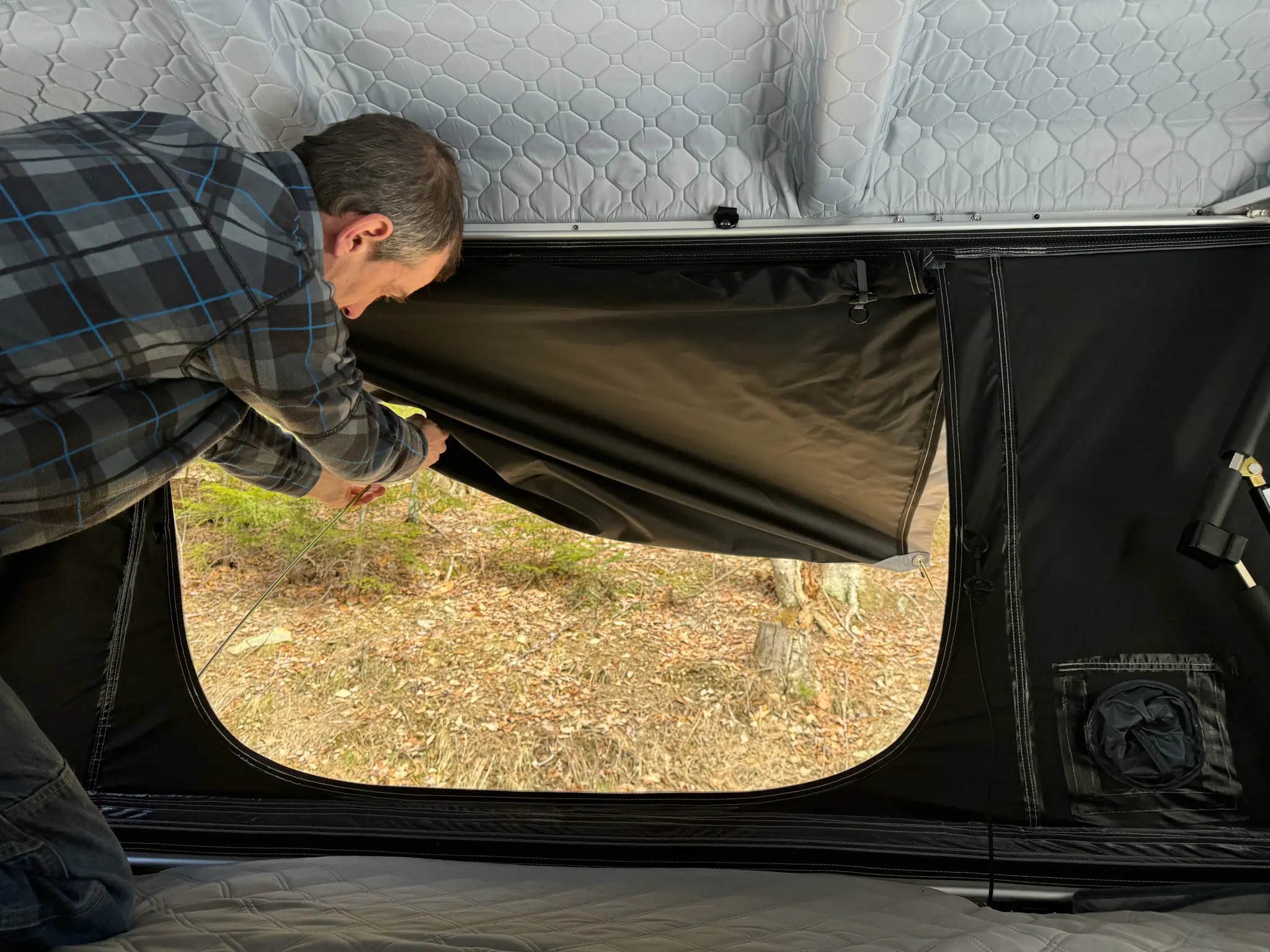
While the "bears can't get you" argument is a bit of a myth (bears can climb, folks), there is a genuine security advantage to being elevated. You are out of the reach of damp ground moisture, crawling insects, and curious midnight scavengers like raccoons or skunks. Furthermore, being up high provides a tactical vantage point and keeps your gear—and your body—dry even if the campsite floods during a midnight deluge.
Built for the Elements
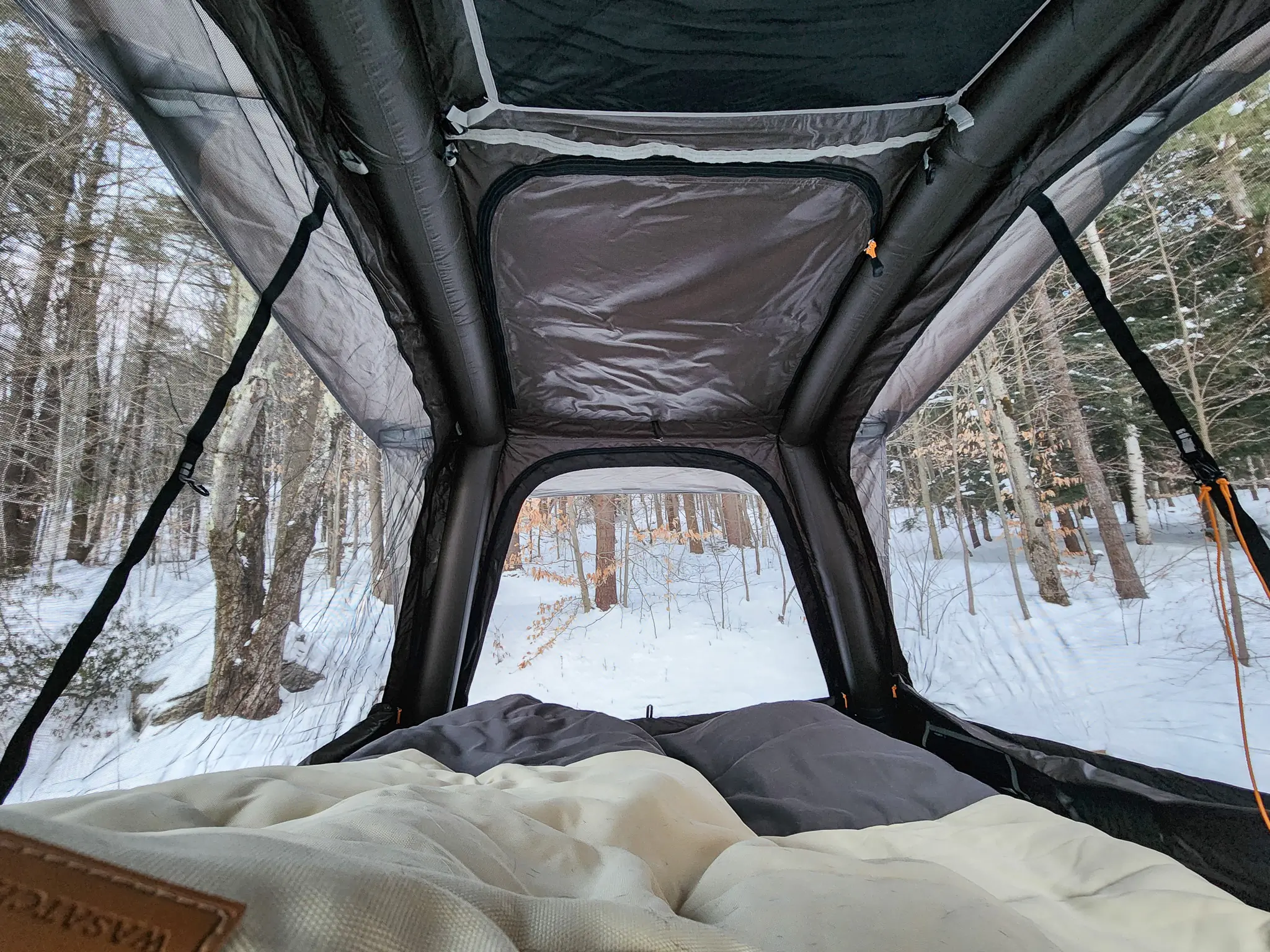
Modern 2026 models utilize high-GSM (Grams per Square Meter) polycotton canvas that is significantly more durable and quieter in high winds than the thin nylon used in most backpacking tents. When the wind howls at 30 mph, a ground tent flaps like a kite; a well-tensioned RTT feels like a fortress.
The Trade-offs: The Cons You Must Consider
I’m an advocate for RTTs, but I’d be doing you a disservice if I didn’t mention the "hidden" costs of living the high life. It isn't all mountain-top sunrises; there are some gritty realities to consider.
- The Price Tag: This is the elephant in the room. You can find budget picks like the Smittybilt Overlander for around $1,000, but premium hardshell "penthouses" can soar past $5,000. For that price, you could buy a world-class ground tent, a luxury sleep system, and still have enough left for a year’s worth of fuel.
- Aerodynamic Drag and Fuel Economy: Your vehicle’s engine is going to feel that 150lb brick on the roof. My data shows a consistent 10-20% reduction in fuel efficiency (or battery range for EVs) once a tent is mounted. Over a 5,000-mile road trip, that adds up.
- The "Set it and Stay" Reality: This is the most common regret I hear. If your tent is your bed and it’s attached to your car, you can't easily drive to a nearby trailhead or a grocery store once you’ve set up camp. You have to "pack up" your house every time you want to move the wheels.
- Weight and Storage: These units are heavy. Our weight analysis of 2026 models shows a range from 93 lbs for solo ultralights to a staggering 176 lbs for heavy-duty hardshells like the Thule Basin. Unless you have a garage hoist system, these are usually a permanent fixture on your rig, which can make car washes and low-clearance parking garages a nightmare.
Technical Realities: Will it Fit Your Vehicle?
Before you pull the trigger, we need to talk about the physics of your roof. I’ve seen too many people buy a $4,000 tent only to realize their factory roof rails are made of thin plastic and hope.
Dynamic vs. Static Weight Capacity
This is the most critical distinction in the overlanding world.
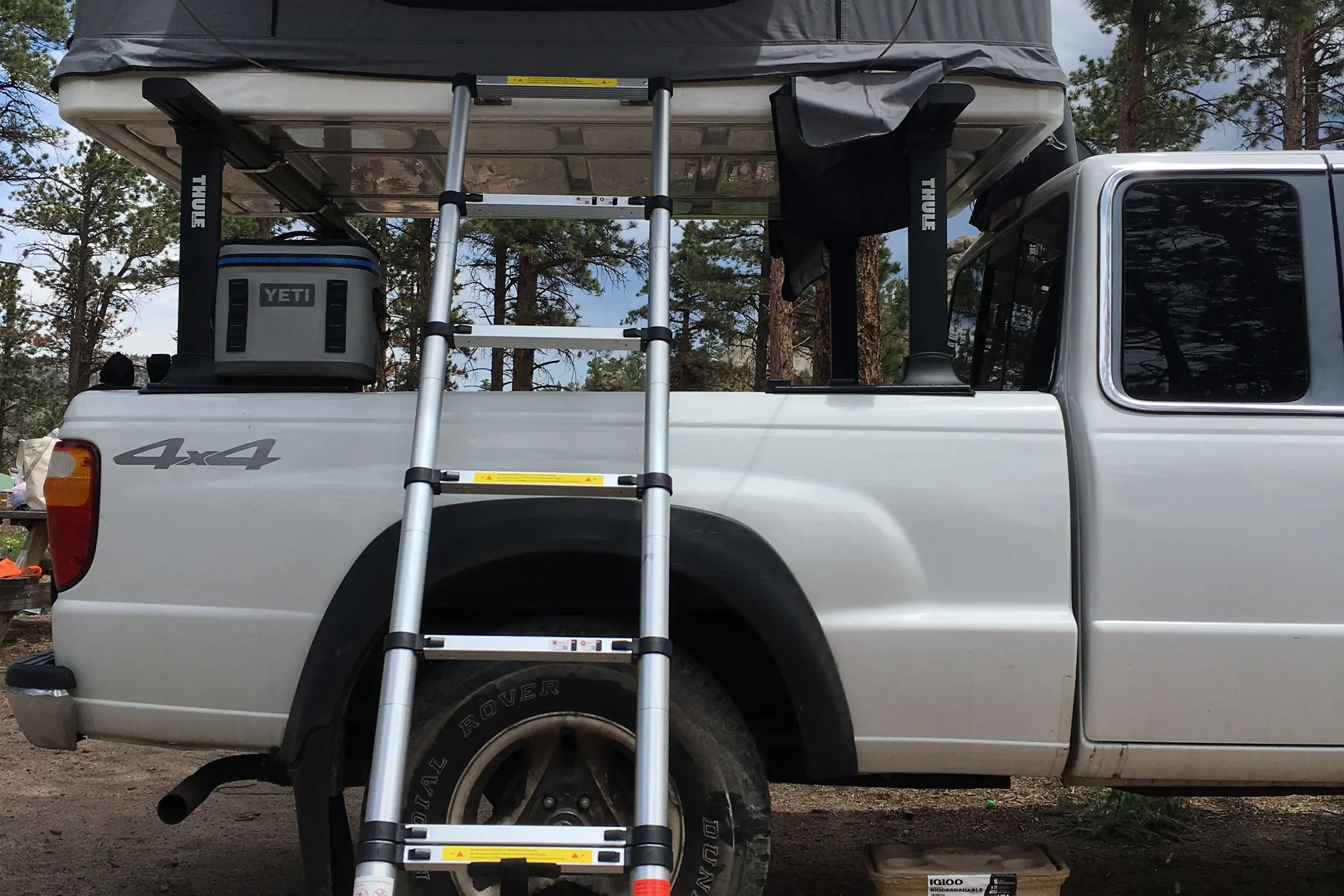
- Dynamic Weight Capacity: This is the weight your roof can safely hold while the vehicle is moving. Most SUVs and trucks are rated for 100–150 lbs. If your tent weighs 160 lbs and your rack is rated for 150 lbs, you are risking structural failure during an emergency maneuver.
- Static Weight Capacity: This is the weight the roof can hold when the vehicle is parked. This is usually much higher (600 lbs+), which accounts for the tent, the mattress, and two or three adults sleeping inside.
Expert Tip: Don't trust your factory crossbars. Most are "aerodynamic" (curved), which makes mounting a flat tent floor difficult and unstable. Invest in a high-quality aftermarket platform rack from brands like Front Runner or Rhino-Rack to ensure a level, secure fit.
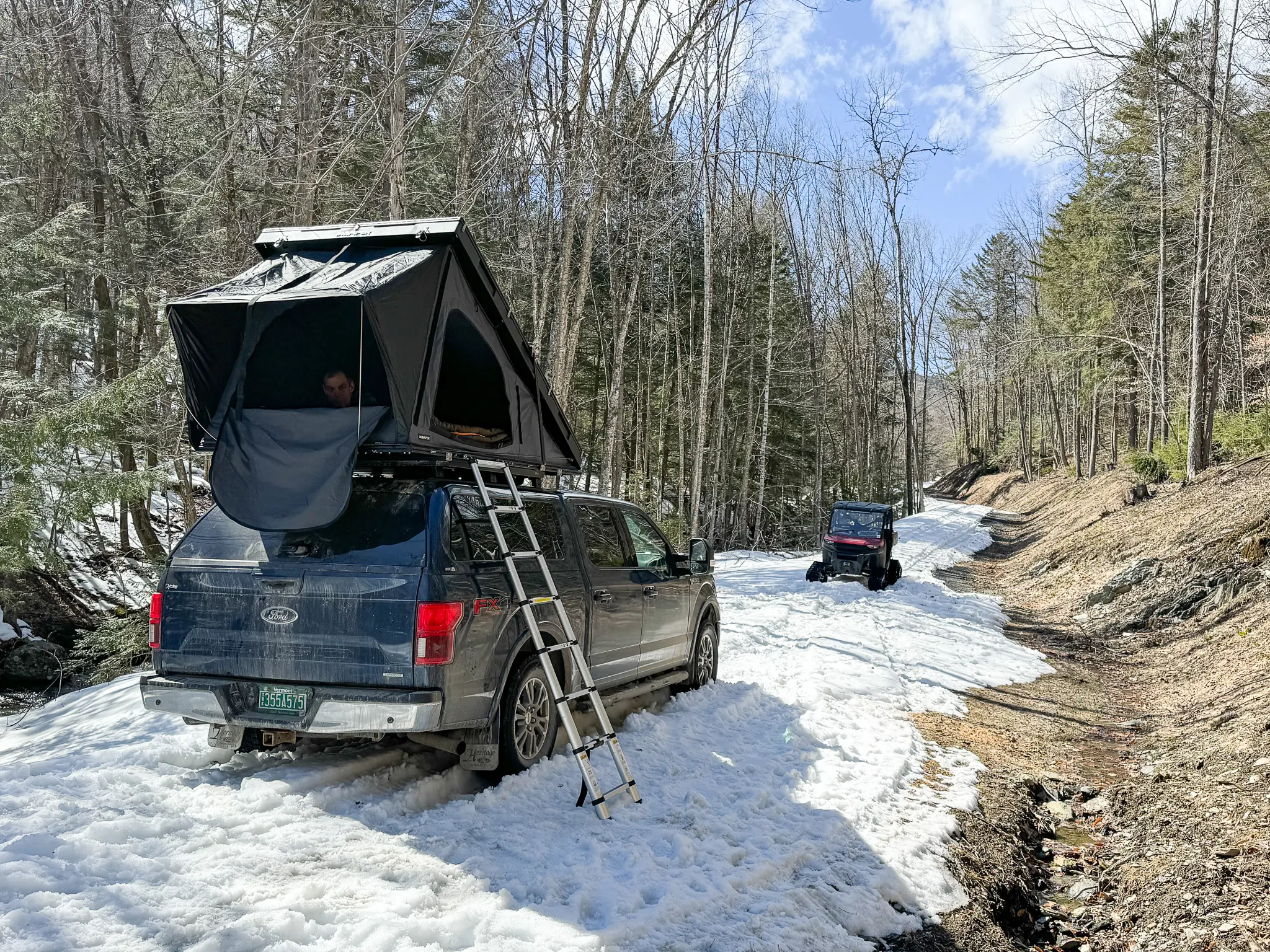
The Best Rooftop Tents of 2026: Expert Recommendations
After putting these models through the wringer—from the frozen tundra to the humid coast—these are the four units that earned a permanent spot in my gear shed.
Best Overall: iKamper Skycamp 3.0 Mini
If you want the "Goldilocks" of tents, this is it. It combines the speed of a hardshell with the expanded footprint of a fold-out.
- Why it wins: It features an aerodynamic fiber-reinforced shell and a stunning quilted world map insulation on the inside. It’s compact enough for short-bed trucks and mid-sized SUVs but offers a king-sized sleeping area once deployed.
- Pros: Incredible build quality, 1-minute setup, world-class aesthetics.
- Cons: Expensive; the mounting brackets can be finicky on thicker racks.
Best Softshell: Thule Approach M
The Approach M reimagines what a softshell can be. It feels less like a tent and more like a structured room.
- Why it wins: Thule used a 4-bar support system that pushes the walls outward, maximizing "cubic volume." You can actually sit up and change clothes without hitting your head. It also features a unique torque-wrench mounting system that clicks when it’s safely secured—no more guessing if your bolts are tight.
- Pros: Massive interior space, panoramic windows, easiest mounting system on the market.
- Cons: Slower setup than hardshells; more wind noise at highway speeds.
Best Budget Pick: Smittybilt GEN2 Overlander
For the adventurer who wants the RTT experience without the five-figure credit card bill.
- Why it wins: This is the "old faithful" of the overlanding community. The GEN2 offers 360-degree weather protection with a massive rainfly and heavy-duty 600D ripstop fabric. It’s rugged, simple, and surprisingly comfortable.
- Pros: Unbeatable price-to-performance ratio; includes an internal LED light strip.
- Cons: Heavy for its size; the PVC cover is a hassle to zip on and off in the cold.
Best for Four-Season Overlanding: Roofnest Falcon 3 EVO
When I’m heading into high-altitude terrain where the weather can turn in minutes, I want the Falcon.
- Why it wins: At only 8 inches thick when closed, it’s one of the most aerodynamic tents ever made. The PC-ABS insulated shell keeps heat in, and the integrated T-tracks on the outside allow you to mount recovery boards or solar panels directly to the tent.
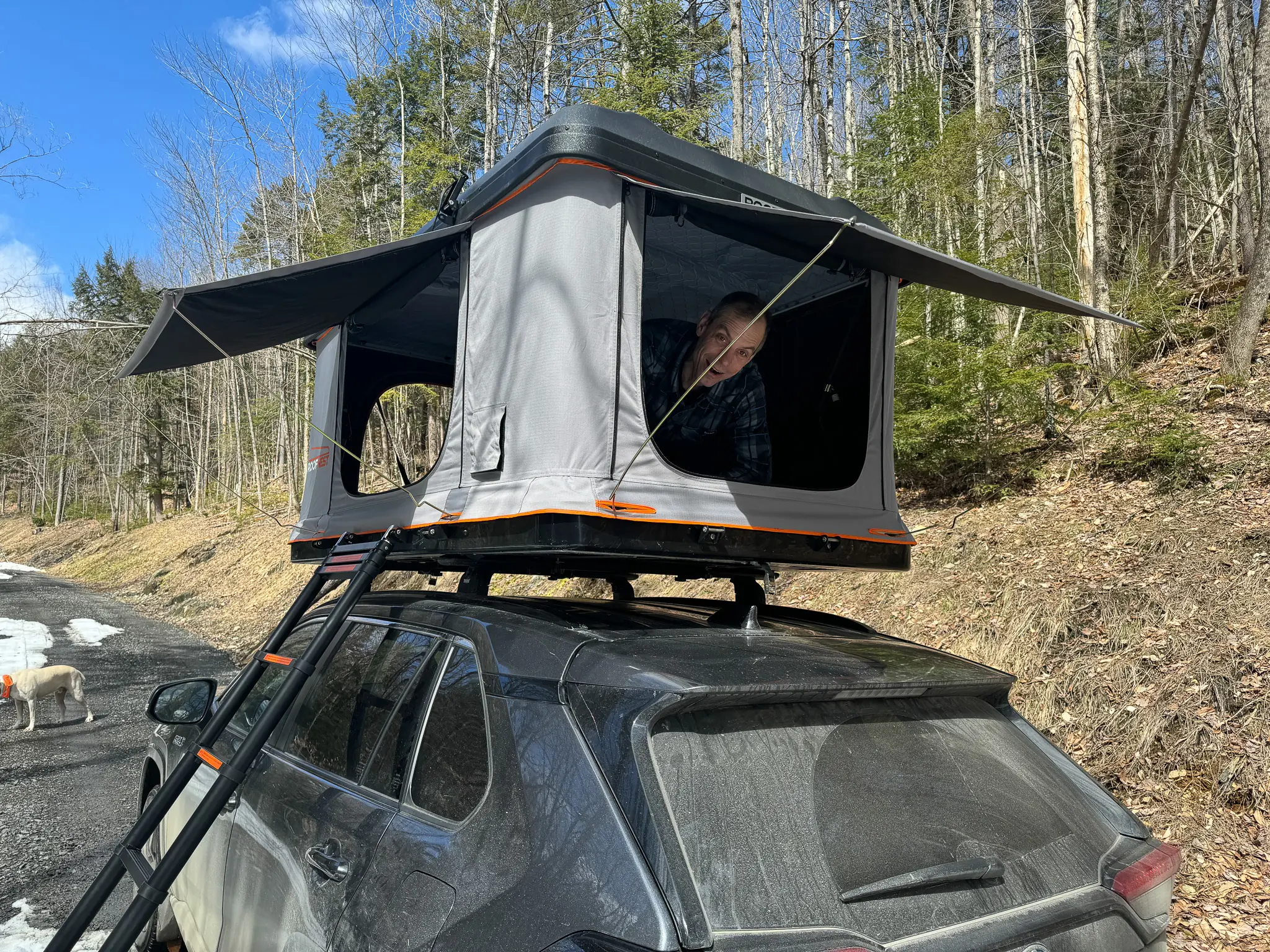
- Pros: True 4-season protection; heavy-duty gas struts practically open the tent for you; accessory-ready.
- Cons: Long footprint may overhang on smaller vehicles.
Comparison Table: 2026 Top Picks at a Glance
| Model | Type | Setup Time | Weight | Capacity | Price Range |
|---|---|---|---|---|---|
| iKamper Skycamp 3.0 Mini | Hybrid Hardshell | 60 Seconds | 125 lbs | 2 Adults | $$$$ |
| Thule Approach M | Softshell | 3-5 Minutes | 128 lbs | 2-3 Adults | $$$ |
| Smittybilt GEN2 | Softshell | 5-7 Minutes | 132 lbs | 2-3 Adults | $ |
| Roofnest Falcon 3 EVO | Hardshell (Clamshell) | 45 Seconds | 140 lbs | 2 Adults | $$$$ |
Essential Accessories for the Ultimate Setup
Buying the tent is just the beginning. To truly turn your vehicle into a basecamp, you need to think about the ecosystem around it.
Annexes and Awnings: If you’re staying in one spot for more than two days, an annex is a game-changer. It creates a private "downstairs" room where you can change, cook, or hide from mosquitoes. The Birdsville and Tarkine options are currently leading the market in terms of ease of attachment.
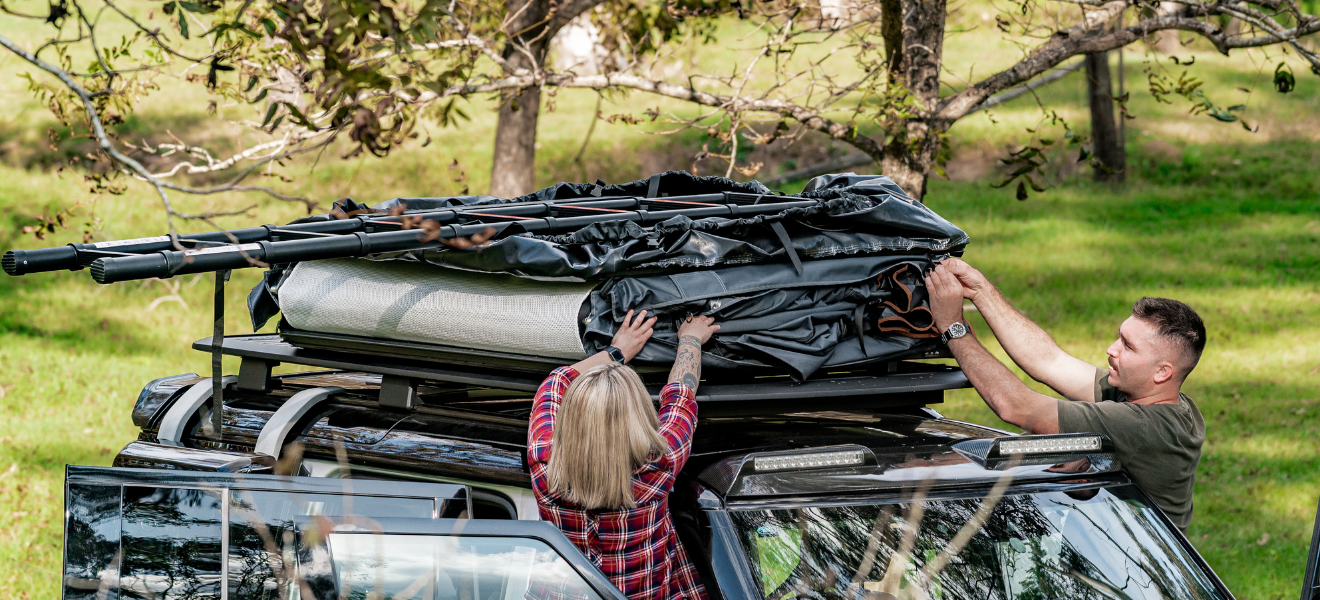
Condensation Management: This is the silent killer of RTT comfort. Without an anti-condensation mat (a mesh layer under the mattress), your body heat will create moisture that gets trapped against the cold floor. I never travel without one.
Climate Control: For 2026, we're seeing more tents like the James Baroud Odyssey featuring solar-powered vents. These help circulate air and prevent that "stuffy" feeling in the morning. Combine this with blackout window shades, and you might actually sleep past sunrise for once.
FAQ
Q: Do I need a special license or vehicle to use a rooftop tent?
A: No special license is required, but you must verify your vehicle’s roof load limit. While most trucks and SUVs are fine, smaller sedans may require a specialized roof rack system to distribute the weight safely.
Q: Can I leave my bedding inside the tent when I close it?
A: It depends on the model. Most hardshells (like the iKamper and Roofnest) have enough "dead space" to store sleeping bags and thin pillows. However, budget softshells often require you to remove everything before folding.
Q: How do I prevent my rooftop tent from being stolen?
A: Most manufacturers offer locking mounting brackets. I highly recommend investing in a set of security nuts (like those from Front Runner) that require a specialized key to remove.
The Final Word: Should You Pull the Trigger?
If you are the kind of person who finds joy in the journey—the kind of traveler who wants to turn any scenic pull-off into a five-star bedroom—then a rooftop tent is the best investment you can make in your outdoor lifestyle. The 2026 lineup has solved many of the weight and aerodynamic issues of the past, making them more accessible than ever.
Stop sleeping in the dirt. Get up high, enjoy the breeze, and wake up to the view you deserve.
Ready to upgrade your rig? Check out our Full 2026 Overlanding Gear Guide for more deep dives into the equipment that makes the wild feel like home.