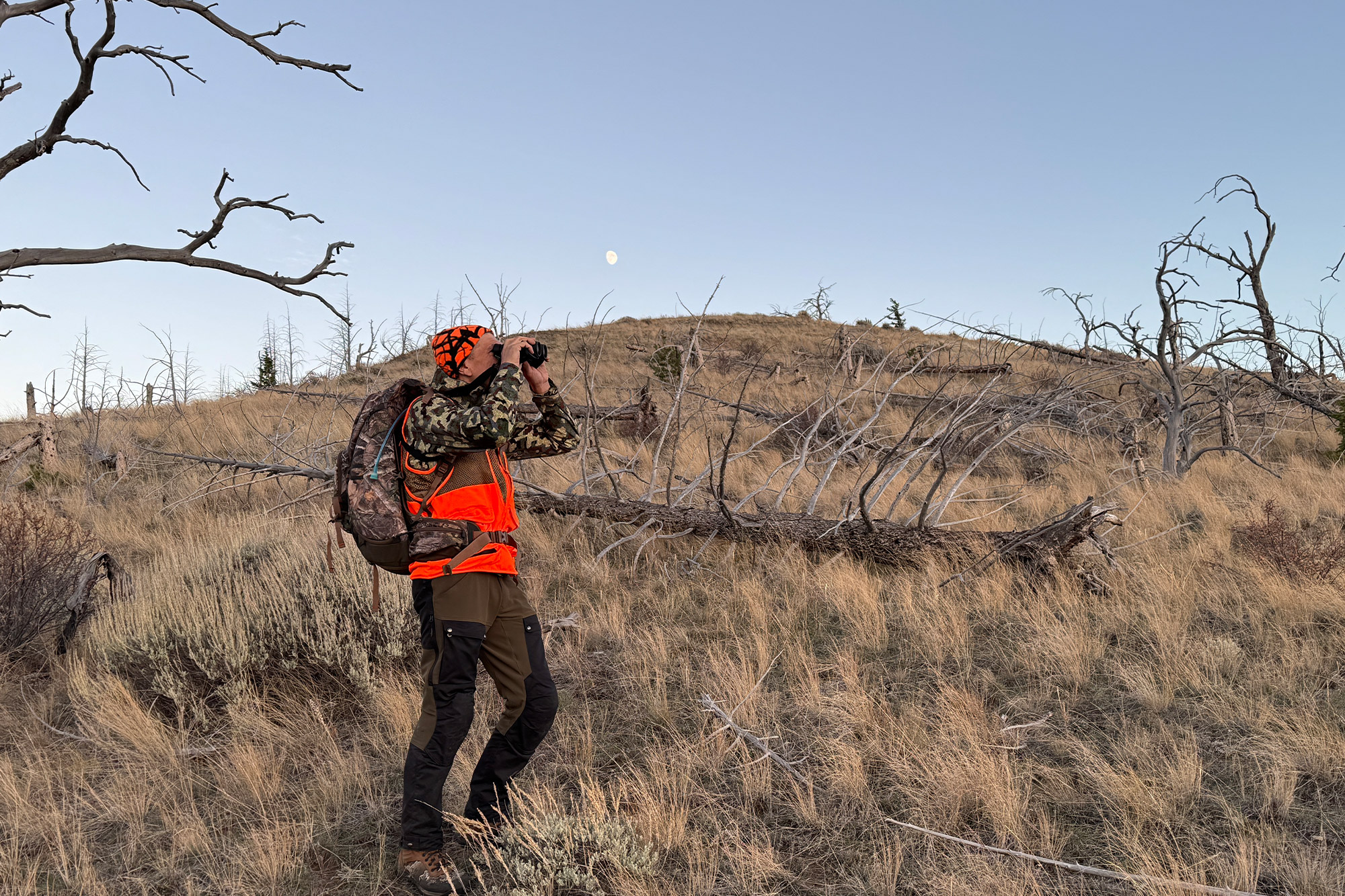
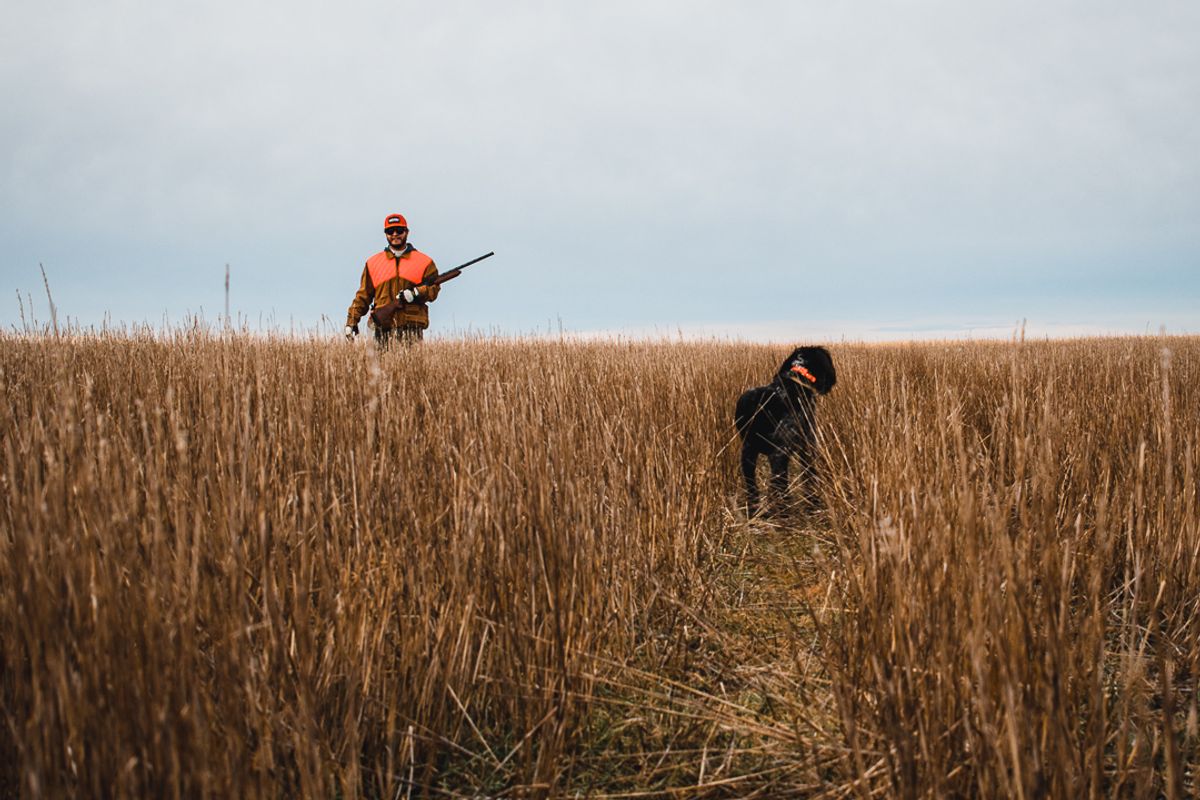
I’ve spent the better part of the last decade chasing horizons, from the jagged peaks of the Himalayas to the sun-drenched granite of Yosemite Valley. If there’s one thing I’ve learned—usually the hard way—it’s that your choice of footwear is the single most important decision you’ll make before hitting a long trail. A bad pair of boots doesn't just give you blisters; it ends your expedition. Since 2012, our expert testing team has researched and field-tested over 145 unique pairs of hiking boots, clocking more than 500 hours of rigorous field time across thousands of collective miles.
We aren't just looking at specs in a lab; we're putting these boots through the wringer in real-world conditions. After a grueling season of testing, we’ve found that the best overall hiking boot for long trails in 2026 is the Hoka Kaha 3 GTX. It features a plush EVA midsole and a rockered sole designed to absorb impact and provide a smooth, springy stride that keeps your legs feeling fresh even after 15 miles of vertical gain. For the ladies tackling technical terrain, the La Sportiva Ultra Raptor II Mid GTX remains our top recommendation for its "out-of-the-box" comfort and surgical precision on rock. If you’re watching your wallet but still want to go the distance, the Merrell Moab 3 Mid Waterproof is the undisputed gold standard for value, offering reliable performance and significant ankle padding at a price point that leaves room for your national park passes.
How We Test: 500+ Hours on the World's Toughest Trails
Our testing process is simple but brutal. We recruit AMGA (American Mountain Guides Association) guides and Search and Rescue (SAR) professionals—people who live in their boots—to push these designs to their absolute limits. We evaluate every pair based on six critical metrics: Comfort, Traction, Support, Waterproofing, Weight, and Durability.
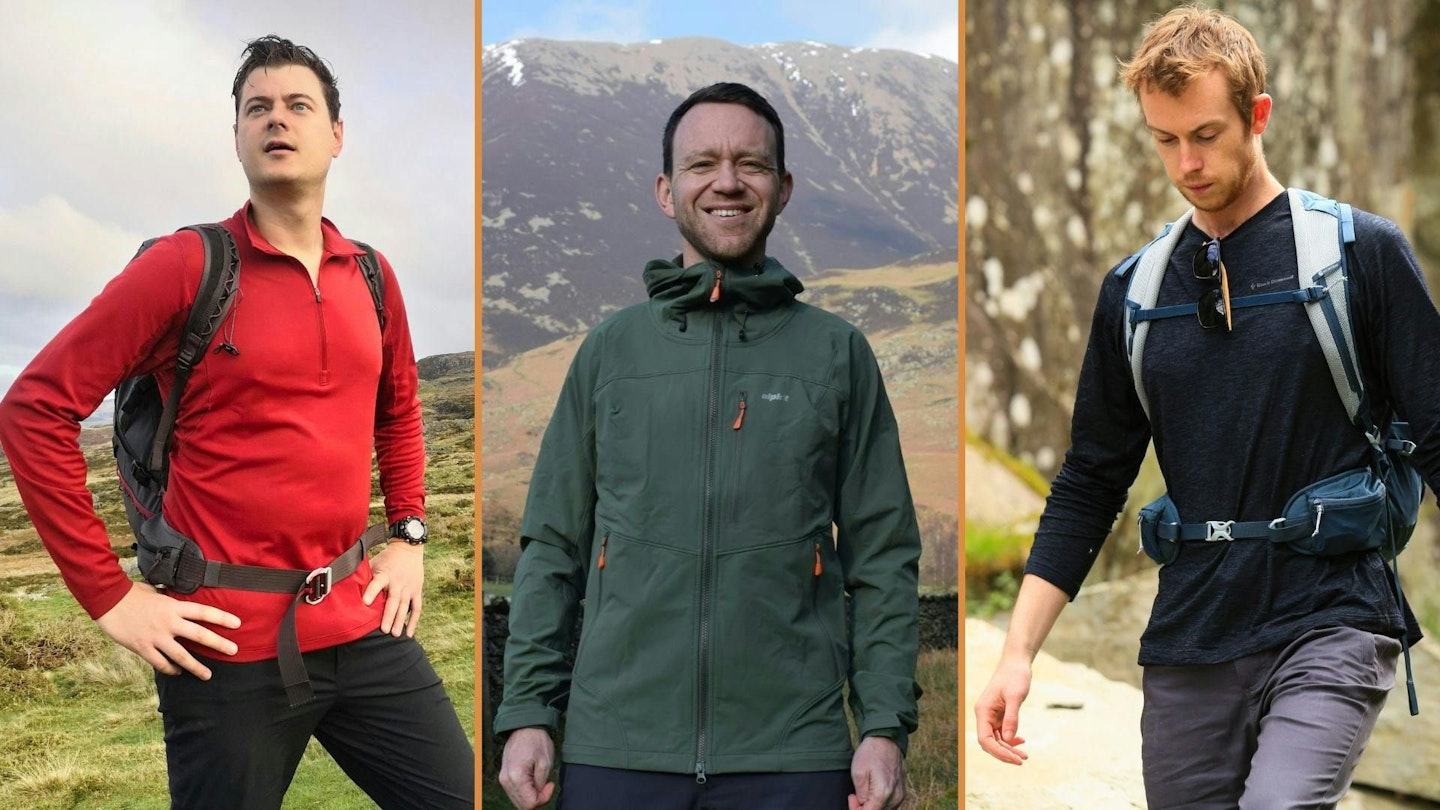
Whether we’re navigating rain-slicked roots in the Pacific Northwest or hauling 50-pound packs through high-altitude passes, we’re looking for "surefootedness" and "impact absorption." We measure how long it takes for a boot to break in, how well the waterproofing holds up after ten stream crossings, and whether the lugs still bite after 300 miles of abrasive scree.
The Top Picks at a Glance
| Boot Name | Best For | Weight (Pair) | Price | Waterproofing |
|---|---|---|---|---|
| Hoka Kaha 3 GTX | Overall Performance | 3.0 lbs | $240 | Gore-Tex |
| La Sportiva Ultra Raptor II | Women & Technical Routes | 1.56 lbs | $175 | Gore-Tex |
| Merrell Moab 3 Mid WP | Best Value / Beginners | 2.44 lbs | $130 | Proprietary WP |
| Salomon Quest 4 GTX | Heavy Backpacking | 3.27 lbs | $230 | Gore-Tex |
| Altra Olympus 6 Hike | Wide Feet / Zero Drop | 1.8 lbs | $220 | Gore-Tex |
1. Best Overall Hiking Boot: Hoka Kaha 3 GTX
The Hoka Kaha 3 GTX is the ultimate evolution of the "maximalist" hiking boot. If you’ve ever felt like your knees were being hammered into the ground on a long descent, this boot is your salvation. The 2-inch dual-density EVA midsole feels like walking on a cloud, but don't let the softness fool you—it’s remarkably stable.
The standout feature here is the Meta-Rocker technology. This rockered sole profile encourages a natural gait, propelling you forward with a "springy stride" that reduces fatigue. On our testing in the Swiss Alps, we found the Vibram Megagrip outsole provided incredible "surefootedness" on wet limestone.
- Weight: 3.0 lbs (Men’s 14)
- Upper: Waterproof Nubuck Leather
- Price: $240
- Pros: Incredible cushion, rockered gait, superior grip.
- Cons: High stack height can feel slightly "disconnected" on very technical rock.
Expert Note: "The Kaha 3 turns a 20-mile day into a 10-mile day for your joints. The impact absorption is simply unmatched in the current market." — Marcus Rivera
2. Best for Women & Technical Routes: La Sportiva Ultra Raptor II Mid GTX
When the trail turns into a scramble, you want the La Sportiva Ultra Raptor II Mid GTX. This is essentially a high-performance trail runner with the added protection of a mid-height collar. It is the top recommendation for women seeking a lightweight technical option because it balances agility with just enough support to prevent rolled ankles.
The FriXion Blue rubber is incredibly sticky, allowing us to smear on rock faces that would leave other boots sliding. It’s narrow and precise, making it ideal for hikers who value footwork over raw bulk.
- Weight: 1.56 lbs
- Upper: AirMesh / Microfiber
- Price: $175 - $219
- Pros: Extremely lightweight, no break-in period, surgical traction.
- Cons: Narrow fit; those with wider feet should look elsewhere.
3. Best Value for Men & Women: Merrell Moab 3 Mid Waterproof
There’s a reason you see the "Mother of All Boots" (MOAB) on every trail from the AT to the PCT. The Merrell Moab 3 Mid Waterproof is the quintessential workhorse. In our 2026 testing, it continues to impress us with its reliability and significant ankle padding.
The secret to its longevity is the comfort out of the box. Most boots require a painful 20-mile break-in period; the Moab 3 feels like an old friend from the first mile. While it isn't the lightest or the most technical, its Vibram TC5+ sole offers dependable grip for 90% of weekend warriors and long-distance backpackers on a budget.
- Weight: 2.44 lbs
- Upper: Pig Suede / Mesh
- Price: $130 - $170
- Pros: Affordable, extremely comfortable padding, wide sizes available.
- Cons: Not as breathable as high-end Gore-Tex models.
4. Best Support for Heavy Packs: Salomon Quest 4 Gore-Tex
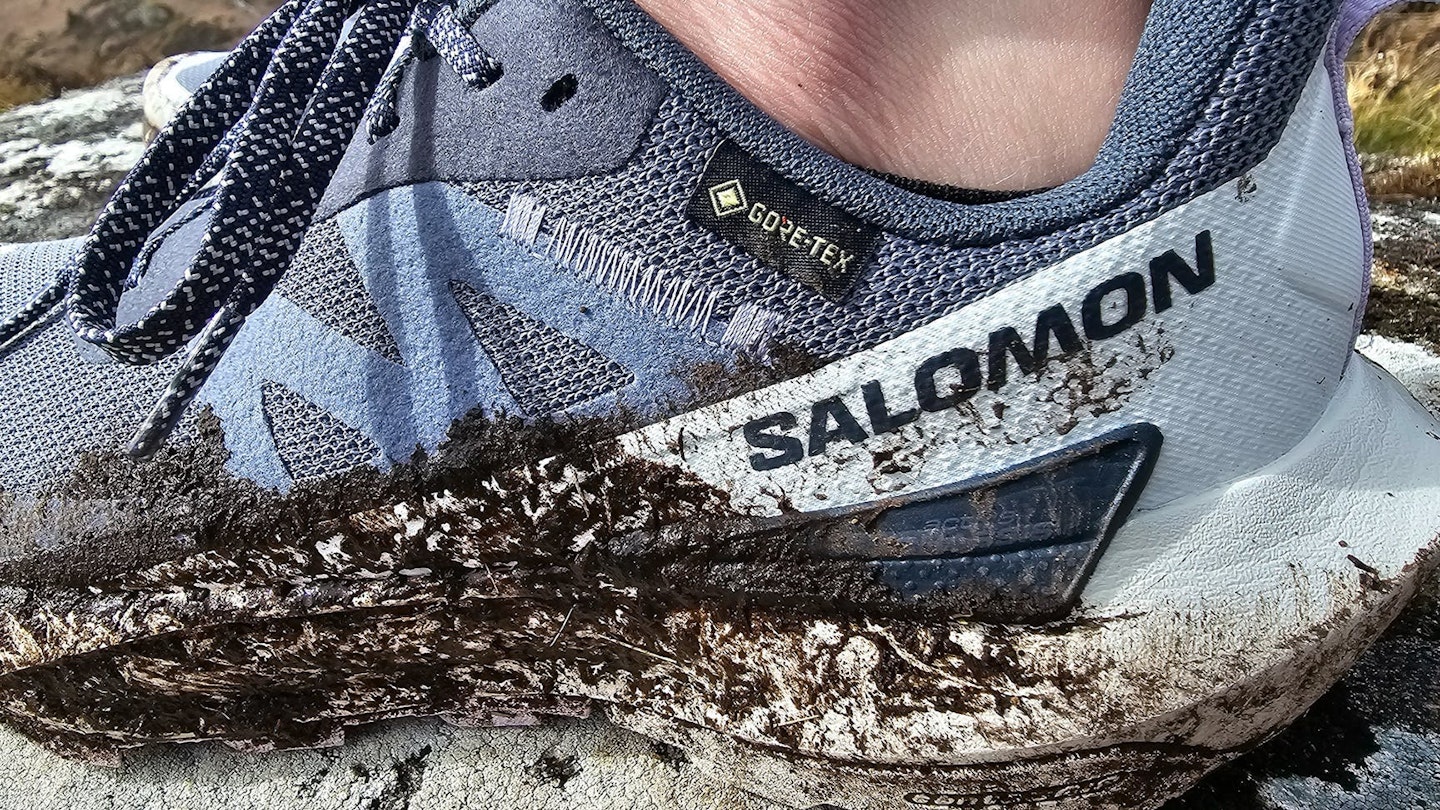
When my pack weight creeps north of 45 pounds for a week-long expedition, I reach for the Salomon Quest 4. This boot is built like a tank but moves like a sports car. The "Active Support" wings wrap around your midfoot, locking you into the chassis and providing unparalleled lateral stability.
It features a 5.5-inch flood height, meaning you can step into some pretty deep puddles before your socks get wet. During a rainy trek in the North Cascades, our testers noted that the Quest 4 provided the best ankle protection against rolling on uneven, muddy terrain.
- Weight: 3.27 lbs
- Upper: Nubuck Leather / Textile
- Price: $230
- Pros: Top-tier stability, high waterproof barrier, excellent lacing system.
- Cons: On the heavier side; can feel hot in mid-summer.
5. Best Waterproof Specialist: La Sportiva Nucleo High II GTX
If you spend your time in "soggy" environments—think Scotland or the Appalachian Trail in spring—the Nucleo High II is a revelation. It utilizes Gore-Tex Surround technology, which allows the boot to breathe 360 degrees, including through the footbed, without letting a drop of water in. It’s the gold standard for waterproof backpacking boots that won't cook your feet.
6. Best for Wide Feet: Altra Olympus 6 Hike Mid GTX
Standard boots are often too narrow, leading to "hot spots" and compressed toes. The Altra Olympus 6 Hike Mid GTX solves this with its signature FootShape toe box, allowing your toes to splay naturally. Combined with a Zero-Drop platform, it promotes a low-impact landing that mimics natural movement. It's significantly more cushioned than the Topo Athletic Trailventure 2, making it the better choice for high-mileage days.
7. Most Durable Traditional Leather: Lowa Renegade Evo GTX Mid
For those who prefer the "Old School" feel of European craftsmanship, the Lowa Renegade remains a titan. Hand-crafted in Europe with a Monowrap frame construction, these boots are built to last through years of abuse. They offer a "locked-in" feel that modern synthetic boots often lack.
8. Best Off-Trail Explorer: La Sportiva Ultra Raptor II Mid Leather
A ruggedized version of our #2 pick, the leather version of the Ultra Raptor II adds a layer of abrasion resistance that is essential for bushwhacking and scree-surfing. It’s the boot we choose when the "trail" is more of a suggestion than a path.
9. Best Fast-and-Light Hybrid: Merrell Moab Speed 2 Mid GTX
If you’re a speed-hiker who wants to cover 25 miles a day with a minimal load, the Moab Speed 2 is your gear. It strips away the bulk of the traditional Moab, replacing it with an athletic, nimble midsole and a more aggressive lug pattern for fast transitions.
10. Best Style & Heritage: Danner Mountain 600 Leaf GTX
Danner proves that you don't have to look like an astronaut to hike 500 miles. The Mountain 600 Leaf combines classic full-grain leather aesthetics with a modern Vibram SPE midsole. Best of all? It’s part of Danner’s recraftable series, meaning you can send them back to the factory to be resoled once you've worn them out.
11. Best Under $100: Columbia Crestwood Mid
While most high-end boots are pushing $250, the Columbia Crestwood remains a stellar entry-level choice. It’s lightweight, surprisingly breathable, and offers decent traction for maintained trails. It’s our top pick for occasional hikers or those just testing the waters of the "long trail" life.
12. Best Rugged Bushwhacker: Zamberlan 996 Vioz GTX
The Zamberlan 996 is an Italian-made masterpiece. Using heavy-gauge full-grain leather and a stiff Vibram sole, this is a "buy it for life" boot. It has the potential for 900+ miles of durability if properly maintained. It is the ultimate choice for heavy-duty backpacking in the most unforgiving environments on earth.
Buyer’s Guide: How to Choose Your Long Trail Companion
Selecting the "right" boot isn't just about picking the top-rated model; it's about matching the boot to your specific physiology and mission.
Weight vs. Support: The Balancing Act
The old adage says "one pound on your feet equals five pounds on your back." If you’re carrying a 15-pound ultralight setup, a heavy boot like the Zamberlan 996 is overkill. However, if you have weak ankles or are carrying a heavy load, that extra support from a Salomon Quest 4 can prevent a trip-ending injury.
The Waterproofing Trade-off
Gore-Tex is fantastic for keeping water out, but it also keeps moisture in. In hot, arid climates like the Grand Canyon, a non-waterproof mesh boot will keep your feet much cooler and drier by allowing sweat to evaporate. Only opt for full "GTX" models if you anticipate frequent stream crossings or rain.
Sizing Tips for the Long Haul
Your feet will swell. After 15 miles on the trail, your foot can expand by half a size or more. When trying on boots, do it at the end of the day when your feet are at their largest. You should be able to slide one finger behind your heel when your toes are touching the front.
Maintenance and Longevity
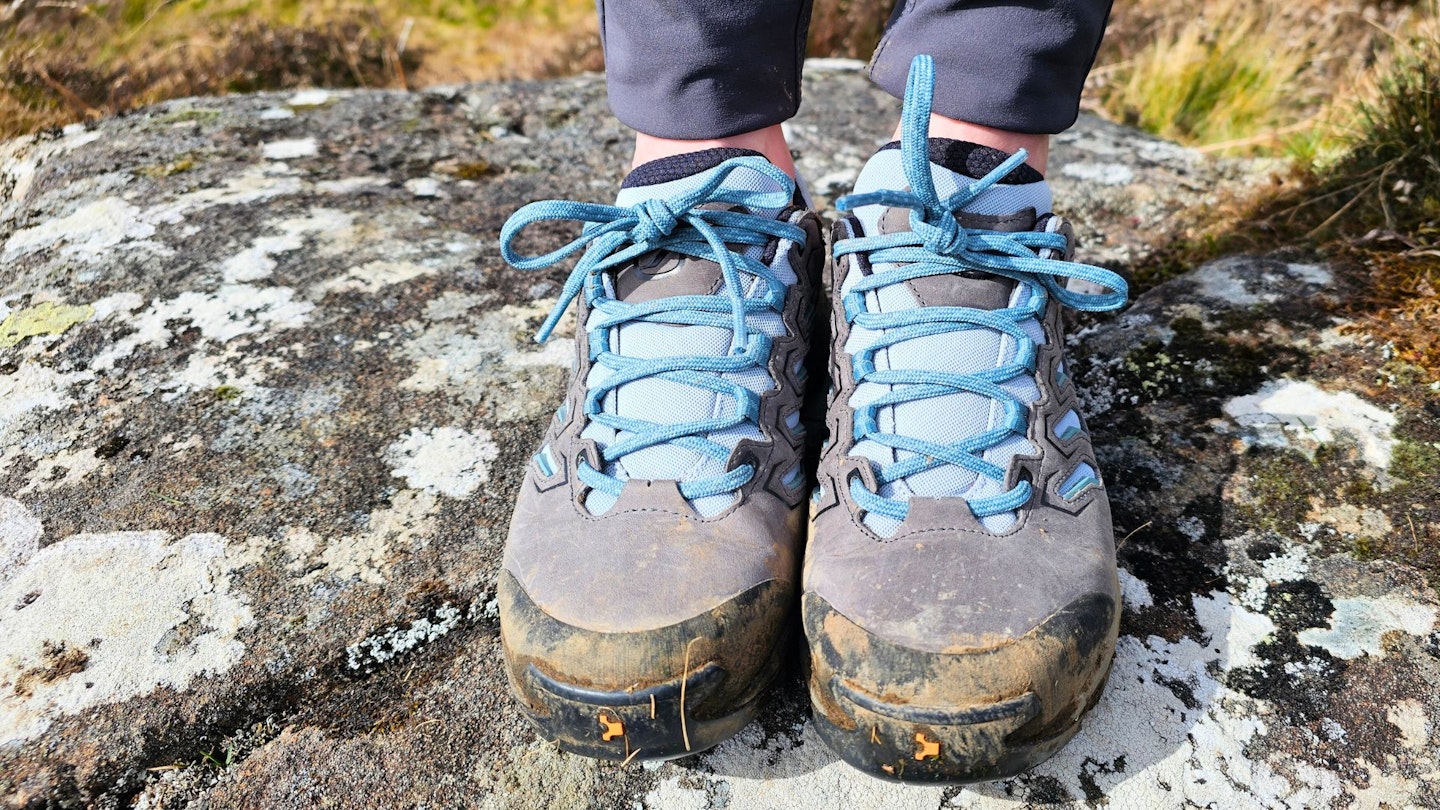
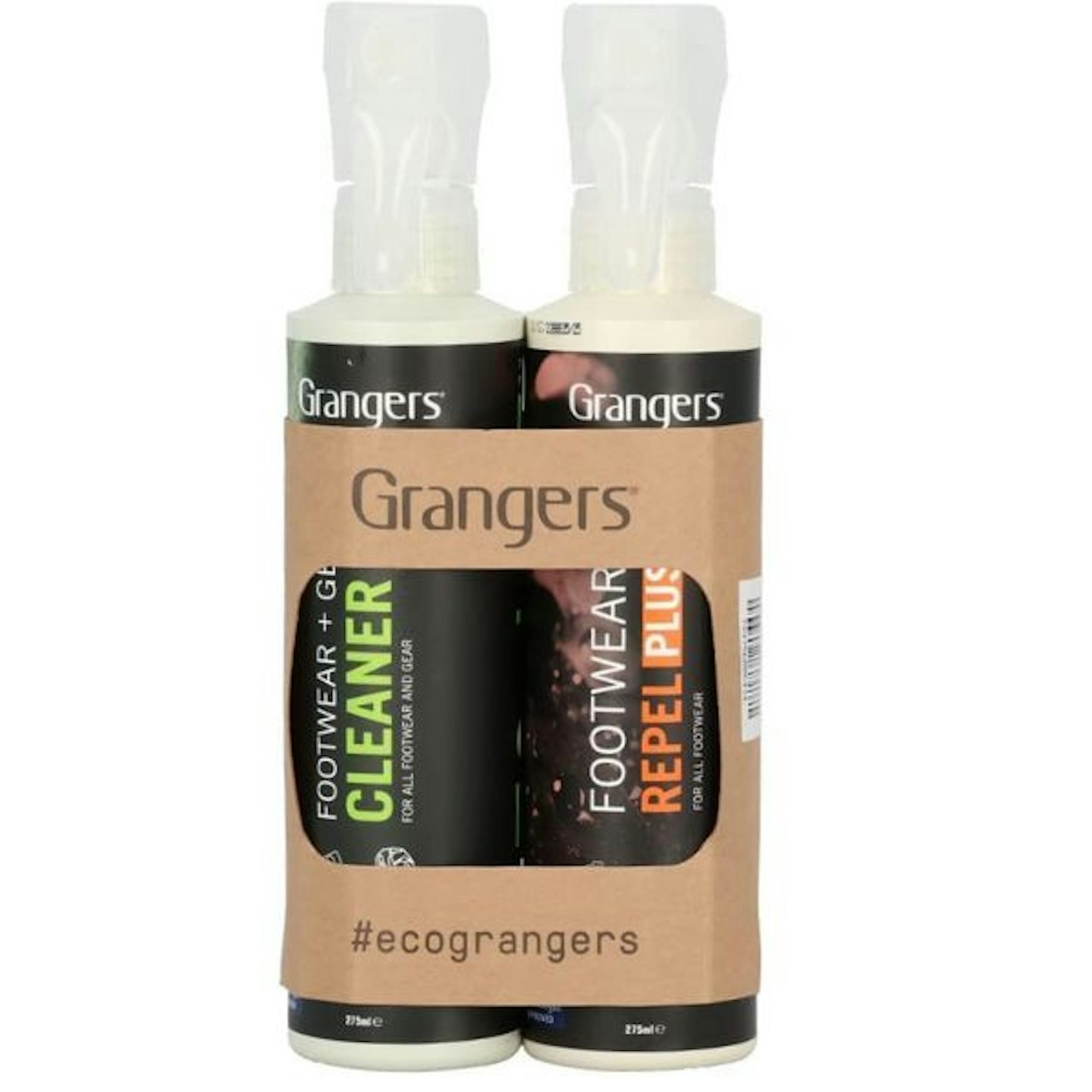
High-end boots are an investment. To ensure they last for years, never dry them near a direct heat source (like a campfire), which can crack the leather and melt the adhesives. Clean them with a soft brush and apply a waterproofing treatment annually to keep the DWR (Durable Water Repellent) finish active.
FAQ
Q: How often should I replace my hiking boots?
A: Most modern synthetic boots last between 400 and 600 miles. Traditional leather boots can last 1,000 miles or more if the outsoles are replaceable. Look for signs like "rounding" of the lugs or a compressed midsole that no longer offers "spring."
Q: Do I really need "Mid" height boots, or are trail runners enough?
A: It depends on your "surefootedness" and pack weight. Trail runners are great for speed, but mid-height boots provide a physical and psychological barrier against rocks, mud, and ankle rolls. For long trails with heavy packs, we almost always recommend a mid-height boot.
Q: Why do my feet get hot in waterproof boots?
A: Waterproof membranes are essentially plastic layers. Even the best Gore-Tex Surround technology has limits. If you're hiking in 90-degree heat, sweat will build up faster than it can escape.
Ready to hit the trail? Don't let gear hold you back. Whether you choose the plush cushion of the Hoka Kaha 3 GTX or the rugged reliability of the Salomon Quest 4, the right boot is your ticket to a successful expedition. Grab your pair, break them in on a local hill, and we’ll see you at the trailhead