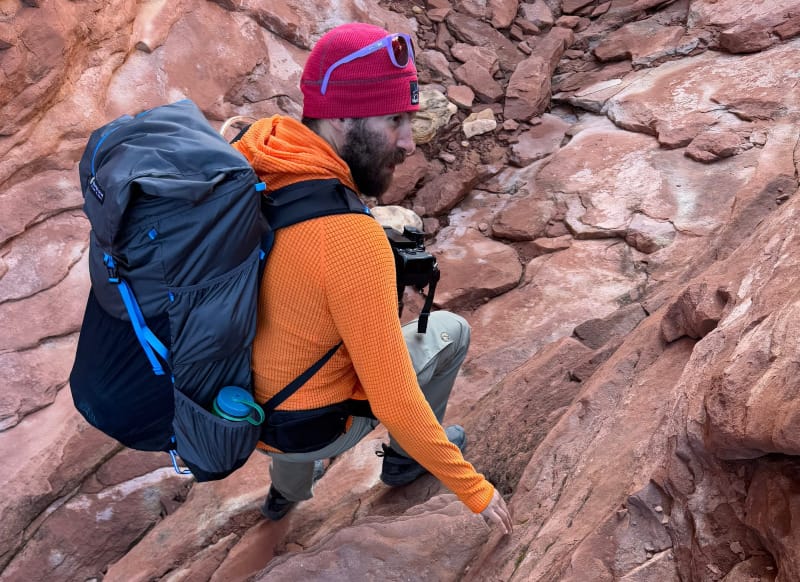
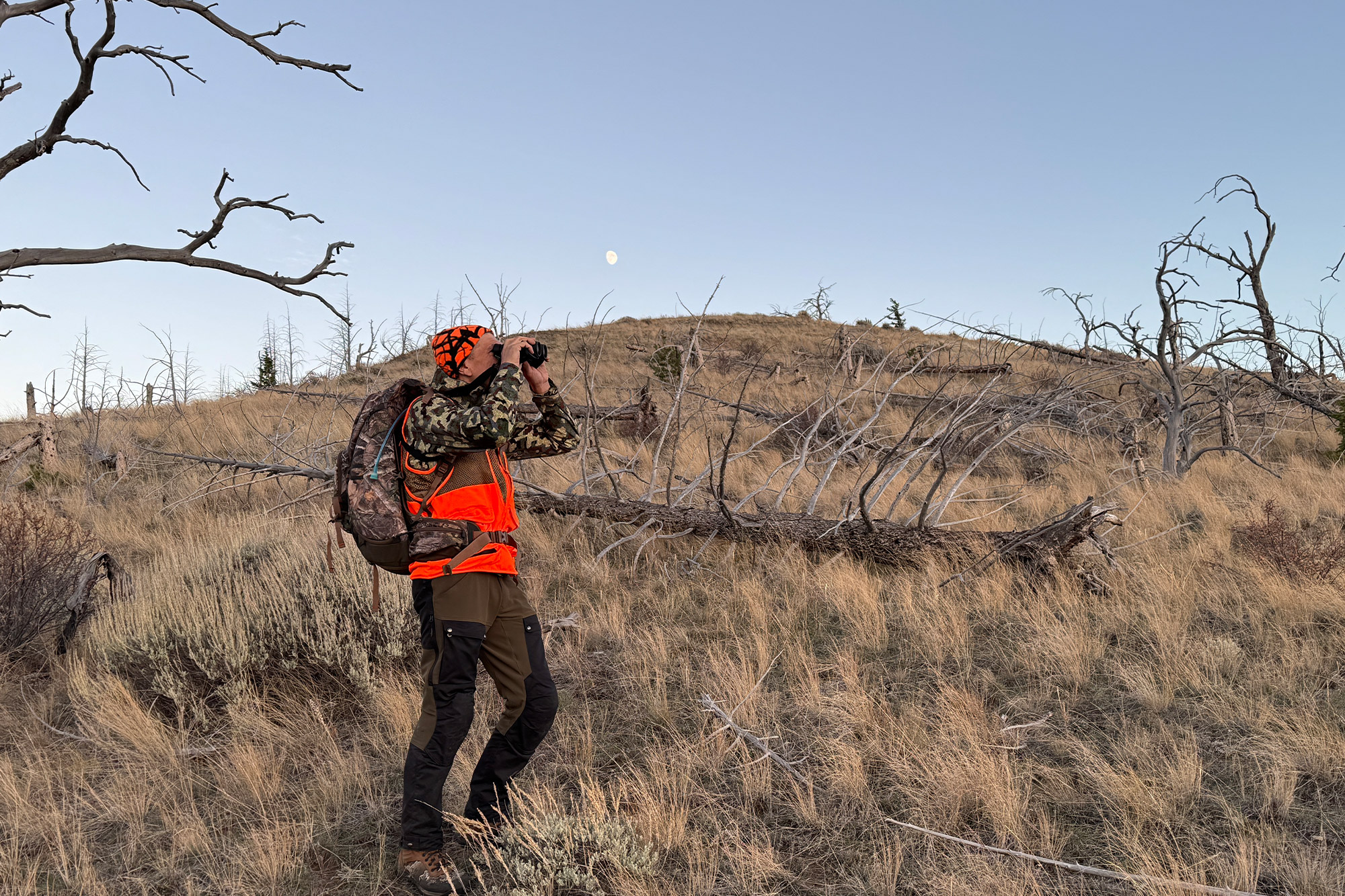
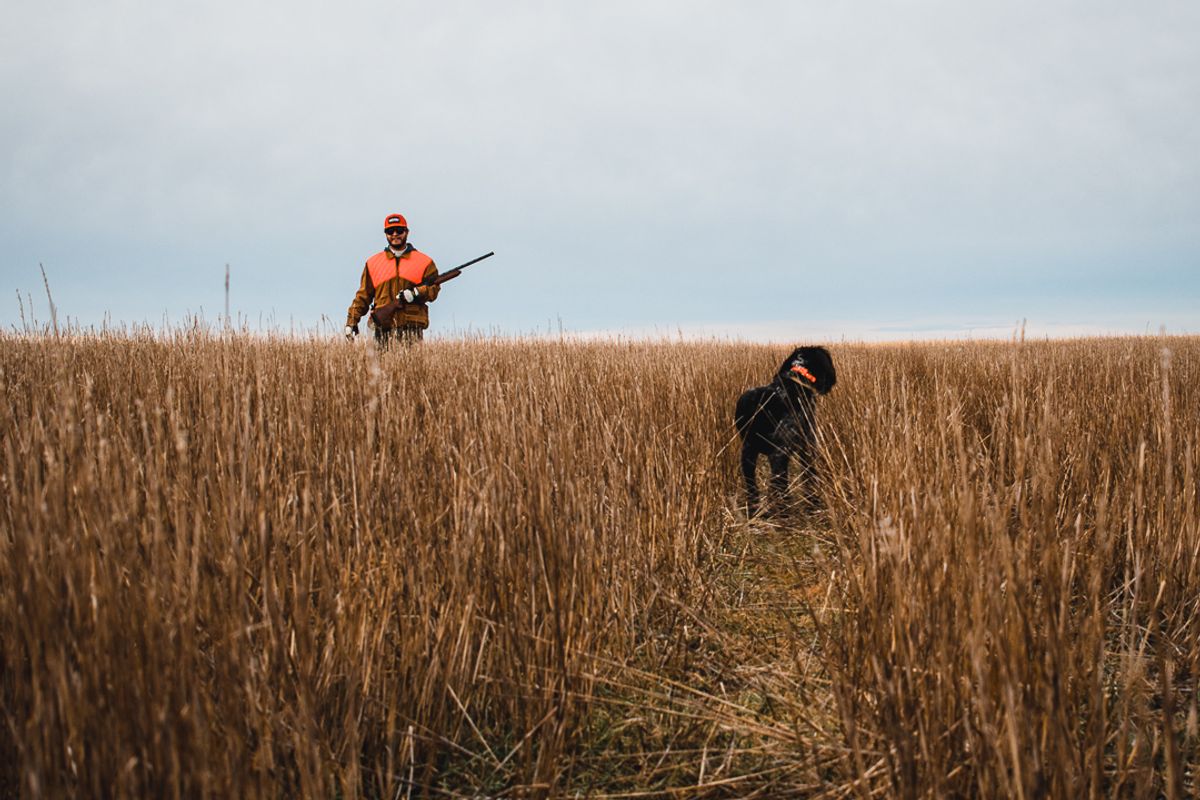
There’s a specific kind of magic that happens when you stop worrying about your feet and start looking at the horizon. I’ve spent the better part of a decade chasing summits from the damp Appalachian Trail to the jagged peaks of the Dolomites, and if there is one thing I’ve learned, it's that your footwear choice determines the journey. The era of the heavy, clunky "Franken-boot" is over. Today, it’s all about the nimble, high-tech hiking shoe that offers the protection of a boot with the agility of a runner.
To help you find your perfect match, our expert review team has rigorously trail-tested over 50 unique women's hiking shoe models since 2012. We don’t just walk around the block; we determine long-term durability and performance benchmarks by pushing these shoes through slush, scree, and technical scrambles. Our testing lab uses a strict evaluation methodology where Comfort (30%) and Support (25%) are the primary metrics, accounting for over half of a shoe's total performance score.
If you’re looking for the short version: The La Sportiva Spire GTX is our reigning champion for the best overall hiking shoe for women, providing an elite balance of stability and traction. For those on a budget, the Merrell Moab 3 remains the gold standard for out-of-the-box comfort, while hikers with wide feet should look no further than the Altra Lone Peak 9 Waterproof for its natural toe splay.
Quick Picks: Top 3 Winners
| Award | Model | Best For | Weight (Pair) |
|---|---|---|---|
| Best Overall | La Sportiva Spire GTX | Technical missions & off-trail scrambling | 1 lb. 10.2 oz. |
| Best Budget | Merrell Moab 3 | Day hikes & warm weather comfort | 1 lb. 11 oz. |
| Best Wide Fit | Altra Lone Peak 9 | Natural foot shape & zero-drop fans | 1 lb. 6.4 oz. |
Comprehensive Comparison Table: The 18 Best of 2025
| Model | Price | Waterproofing | Best Use | Weight |
|---|---|---|---|---|
| La Sportiva Spire GTX | $199 | Gore-Tex Surround | Technical Terrain | 1 lb. 10.2 oz. |
| Merrell Moab 3 | $120 | No (WP version avail.) | Day Hiking | 1 lb. 11 oz. |
| Altra Lone Peak 9 | $150 | No (WP version avail.) | Trail Running/Hiking | 1 lb. 6.4 oz. |
| Hoka Anacapa 2 Low | $170 | Gore-Tex | Cushioned Comfort | 1 lb. 8.8 oz. |
| Salomon X Ultra 5 | $155 | Gore-Tex | Fast & Light | 1 lb. 7.6 oz. |
| Saucony Peregrine 15 | $140 | No | Lightweight Speed | 1 lb. 1.2 oz. |
| Oboz Sawtooth X | $150 | B-Dry | Stability | 1 lb. 13 oz. |
| Keen Targhee IV | $160 | Keen.Dry | Rugged Durability | 1 lb. 15 oz. |
| Vasque Talus Ultra | $160 | UltraDry | Modern Traditional | 1 lb. 14 oz. |
| On Cloudrock 2 | $220 | Missiongrip | Style & Function | 1 lb. 12 oz. |
| Adidas Terrex Free Hiker | $200 | Gore-Tex | Long Distance | 1 lb. 9 oz. |
| Scarpa Rush 2 GTX | $199 | Gore-Tex | Speed Hiking | 1 lb. 8 oz. |
| Lowa Renegade GTX Lo | $220 | Gore-Tex | Maximum Support | 2 lb. 1 oz. |
| Topo Athletic Terraventure 4 | $135 | No | Wide Toe Box/Drop | 1 lb. 4 oz. |
| Arc'teryx Aerios FL 2 | $170 | Gore-Tex | Technical Scrambling | 1 lb. 5 oz. |
| Columbia Newton Ridge | $90 | Omni-Tech | Occasional Hikers | 1 lb. 14 oz. |
| Danner Trail 2650 | $170 | No | Desert/Dry Trails | 1 lb. 5 oz. |
| The North Face Vectiv | $159 | Futurelight | Rocker Geometry | 1 lb. 6 oz. |
Detailed Reviews: The Top Performance Models
1. Best Overall: La Sportiva Spire GTX
When I took the Spire GTX out for a technical mission in the North Cascades, I was immediately struck by its "overbuilt" feel in the best way possible. This isn't just a shoe; it’s a piece of mountain equipment. It uses Gore-Tex Surround technology, which allows for 360-degree breathability, even through the sole.
In-Trail Experience: The Vibram XS Trek outsole provides what I consider the highest-rated traction in our testing group. Whether you are navigating wet granite or loose scree, the lugs bite hard. The midfoot stability is exceptional, preventing the foot fatigue that usually sets in after mile ten.
- Key Metrics: Comfort (8.0), Support (8.0), Traction (9.0).
- Pros: Incredible flood level (3.75 inches); high-performance traction; recycled polyester laces.
- Cons: Higher price point; stiff out of the box.
2. Best Bang for the Buck: Merrell Moab 3
The "Mother of All Boots" (Moab) has been a staple on trails for decades for a reason. During our warm-weather testing in Moab, Utah, this shoe proved why it's the king of entry-level footwear. It’s accessible, reliable, and feels like a slipper from the moment you lace it up.
In-Trail Experience: The Super Rebound Compound in the heel absorbs a surprising amount of shock, making it ideal for hikers who prioritize joint health over technical speed. While it's not the lightest option in our 18-shoe lineup, the arch support is specifically tuned for the female foot shape.
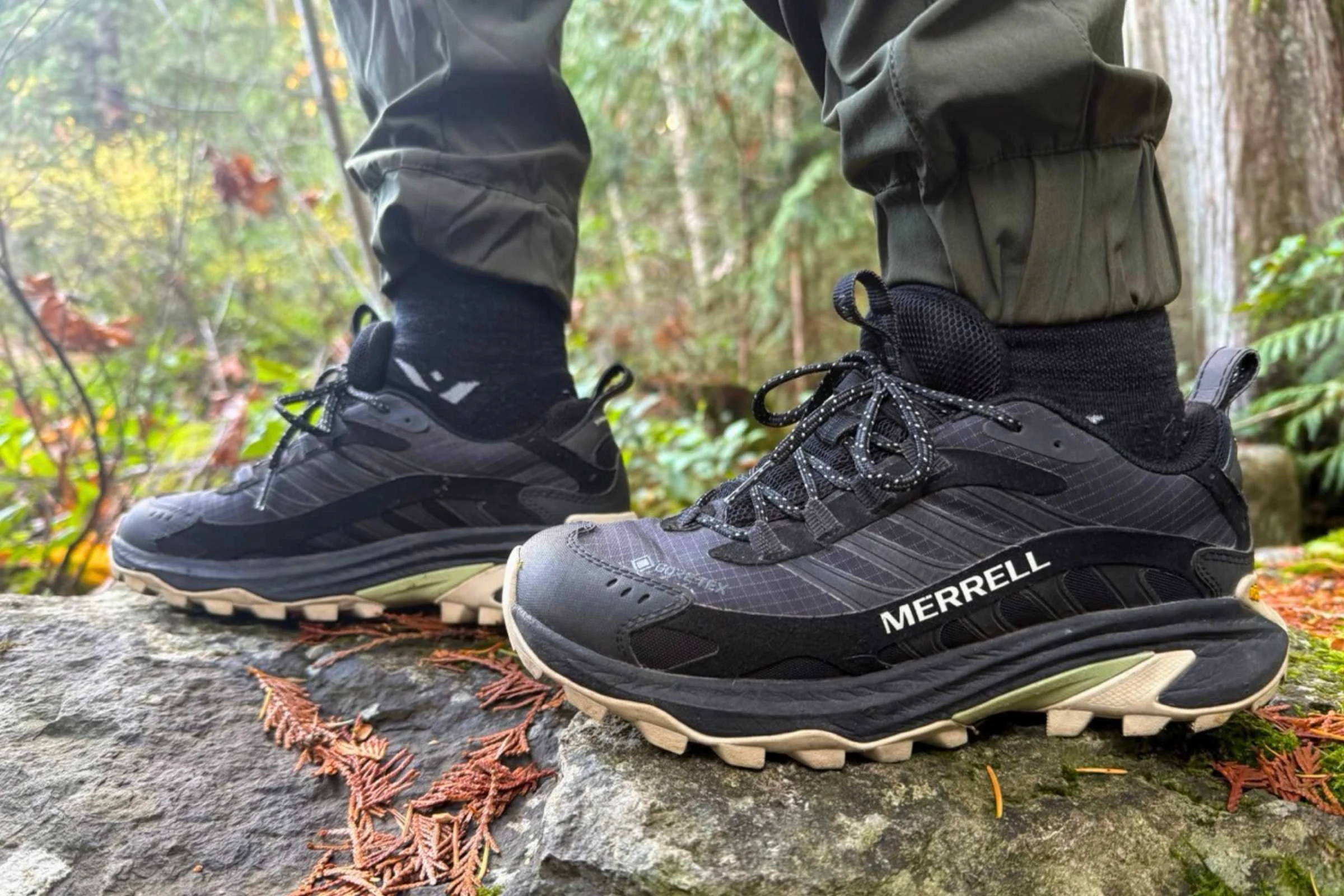
- Key Metrics: Comfort (8.0), Support (8.0), Weight (1.70 lbs).
- Pros: Unbeatable price; excellent out-of-the-box comfort; high durability.
- Cons: Heavy for a "low" shoe; Gore-Tex version runs warm.
3. Best for Wide Feet: Altra Lone Peak 9 Waterproof
If you struggle with "toe pinch," the Altra Lone Peak 9 is your salvation. Altra’s signature FootShape toe box allows your toes to splay naturally, which is a game-changer for long-distance endurance.
Expert Tip: This shoe features a 0mm drop, meaning your heel and forefoot are at the same height. If you’re coming from traditional boots, expect a two-week adjustment period to avoid calf strain. Once you adapt, however, the natural gait feels liberating.
- Highlights: FootShape toe box, 0mm drop, MaxTrac outsole.
- Pros: Best-in-class toe room; lightweight; great ground feel.
- Cons: Zero-drop requires a transition period; less underfoot protection than the Spire.
4. Best Cushioned Performance: Hoka Anacapa 2 Low GTX
Hoka has brought their "maximalist" philosophy to the trail with the Anacapa 2. It’s a polarizing design, but once you feel the Hubble® heel geometry in action, you’ll understand the hype. It creates a smooth heel-to-toe transition that feels like you’re being propelled forward.
In-Trail Experience: The 30% Sugarcane EVA midsole provides a plush ride without feeling "mushy." We tested these on downhill descents that usually wreck my knees, and the impact reduction was noticeable.
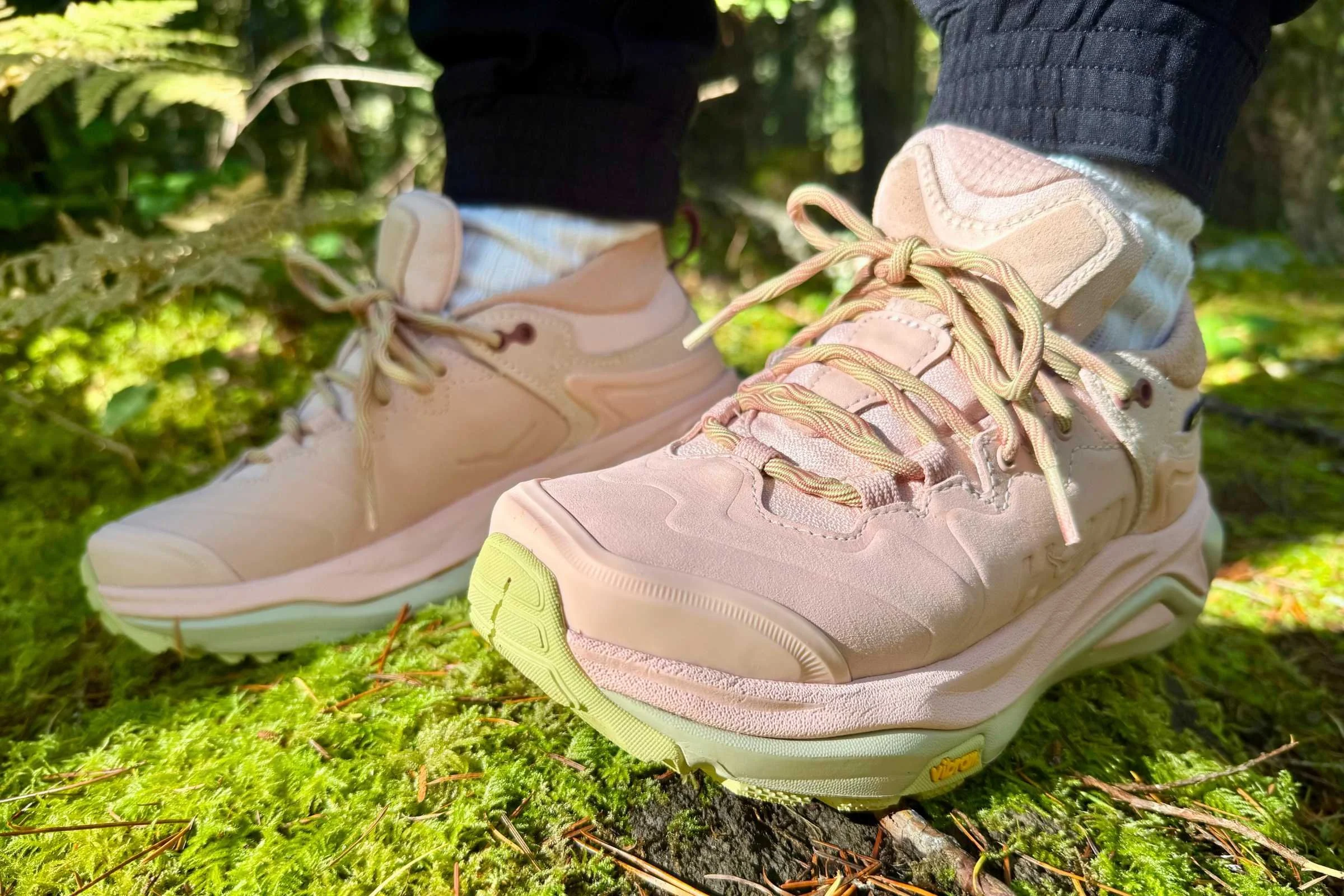
- Highlights: Sustainable materials; extended heel for stability; Gore-Tex protection.
- Pros: Superior shock absorption; lightweight for its size; very stylish.
- Cons: The wide heel can feel clunky on narrow rock steps.
5. Best for Technical Terrain: Salomon X Ultra 5 Gore-Tex
The Salomon X Ultra 5 is what happens when a trail runner and a hiking boot have a high-performance baby. It features a new chassis that wraps the midfoot for superior lateral stability, making it our top-rated women's trail shoes for fast-packing and aggressive day hikes.
- Pros: Quicklace system is incredibly convenient; chevron lugs provide elite grip in mud.
- Cons: The Quicklace pocket can be fiddly with cold fingers.
6. Best Lightweight Specialist: Saucony Peregrine 15
At just 1 lb 1.2 oz per pair, the Peregrine 15 is for the hiker who wants to fly. With 5mm lugs, it’s essentially a mud-tire for your feet. If your "hiking" involves a fair amount of jogging, this is the one.
How We Test: Our Lab & Trail Methodology
We don't take manufacturer claims at face value. Our testing process is divided into two phases: the Controlled Lab and the Wild Trail.
In the lab, we measure stack height, lug depth, and flexibility using digital calipers and force gauges. We weight Comfort at 30% and Support at 25% because our data shows these are the primary factors in hiker satisfaction. A shoe can have the best grip in the world, but if it gives you blisters at mile three, it’s a failure.
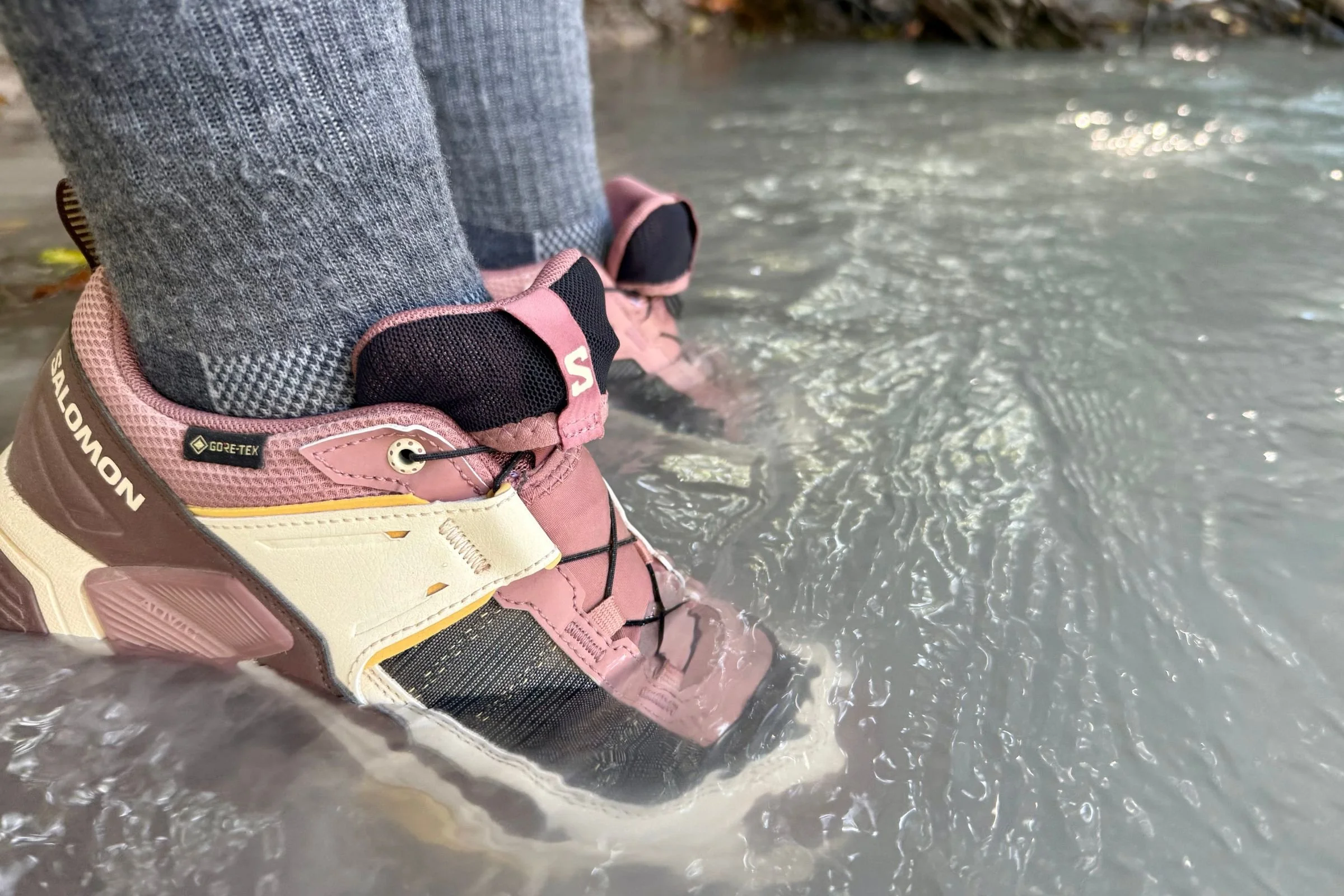
To test waterproof integrity, we use the "Static Submersion Test." We place the shoes in four inches of water for six hours and check the interior with moisture sensors. If a shoe says "waterproof," it needs to act like a submarine.
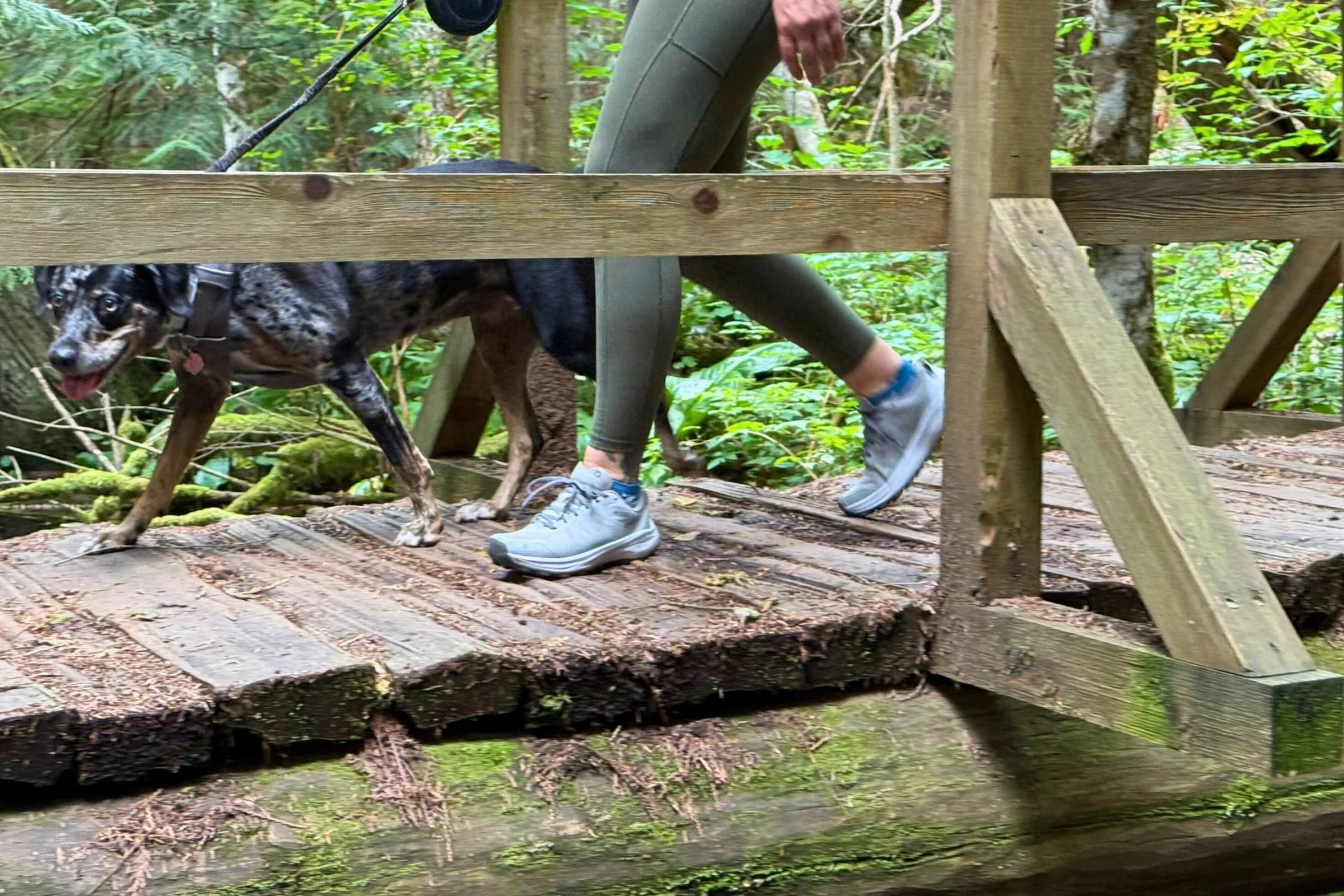
Finally, we hit the trails. Every shoe in this guide has been worn for at least 40 miles across varying gradients. We look for "delamination" (the sole peeling away) and "hot spots" (areas of friction).
Buying Advice: How to Choose the Right Pair
Hiking Shoes vs. Trail Runners: Stability vs. Speed
This is the most common question I get. Trail runners are lighter and dry faster, but they lack the lateral stability of a dedicated hiking shoe. If you are carrying a pack over 20 lbs or navigating uneven, rocky terrain, the reinforced midsoles of a hiking shoe are essential.
Waterproofing vs. Breathability
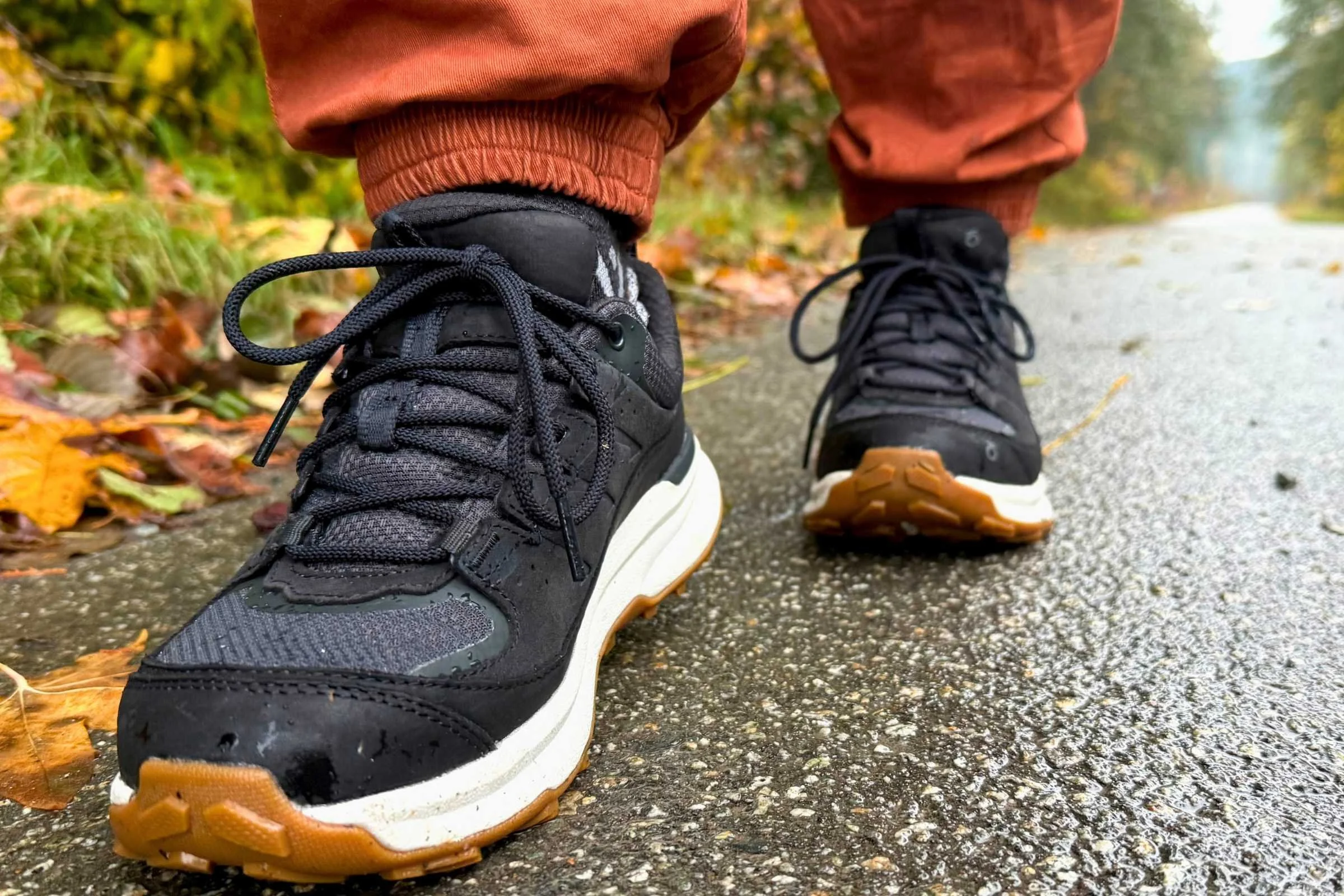
Gore-Tex (GTX) is a lifesaver in the Pacific Northwest, but it can be a liability in the desert.
Marcus’s Rule of Thumb: If you’re hiking in temperatures consistently over 80°F, skip the waterproof membrane. Non-GTX shoes breathe significantly better and will dry in an hour if they get wet, whereas a waterproof shoe acts like a bucket once water gets inside.
Sizing for the 'Trail Splay'
Your feet will swell after a few hours of hiking. I always recommend sizing up a half-size from your casual footwear. You should be able to slide one finger behind your heel when your toes are touching the front. This prevents the dreaded "black toenail" during long descents.
FAQ
Q: How many miles should a pair of hiking shoes last? A: Generally, expect 400 to 600 miles. Lightweight trail runners are on the lower end (300-400), while leather-heavy models like the Merrell Moab can easily push past 700 miles if cared for.
Q: Do I really need "Women's Specific" shoes? A: Yes. Women typically have a narrower heel and a different ball-to-heel ratio than men. Women's specific models like the Oboz Sawtooth X are built on a "last" (a foot mold) that accounts for these anatomical differences, reducing heel slip.
Q: How do I clean my waterproof hiking shoes? A: Use a soft brush and lukewarm water. Never put them in the dryer or near a direct heat source (like a campfire), as this can melt the adhesives and crack the waterproof membrane.
Conclusion
Choosing the right pair of all-terrain hiking shoes for women isn't about finding the most expensive option—it’s about matching the shoe to your specific "mission." If you want an indestructible partner for technical peaks, the La Sportiva Spire GTX is worth every penny. If you’re just starting your journey and want comfort without the sticker shock, the Merrell Moab 3 will never let you down.
The trails of 2025 are waiting. Grab your pair, size up for the splay, and I’ll see you at the summit.
Ready to gear up? Check out our latest [Backpacking Pack Guide] or [Women's Technical Shell Reviews] to complete your kit.