Testing Stats
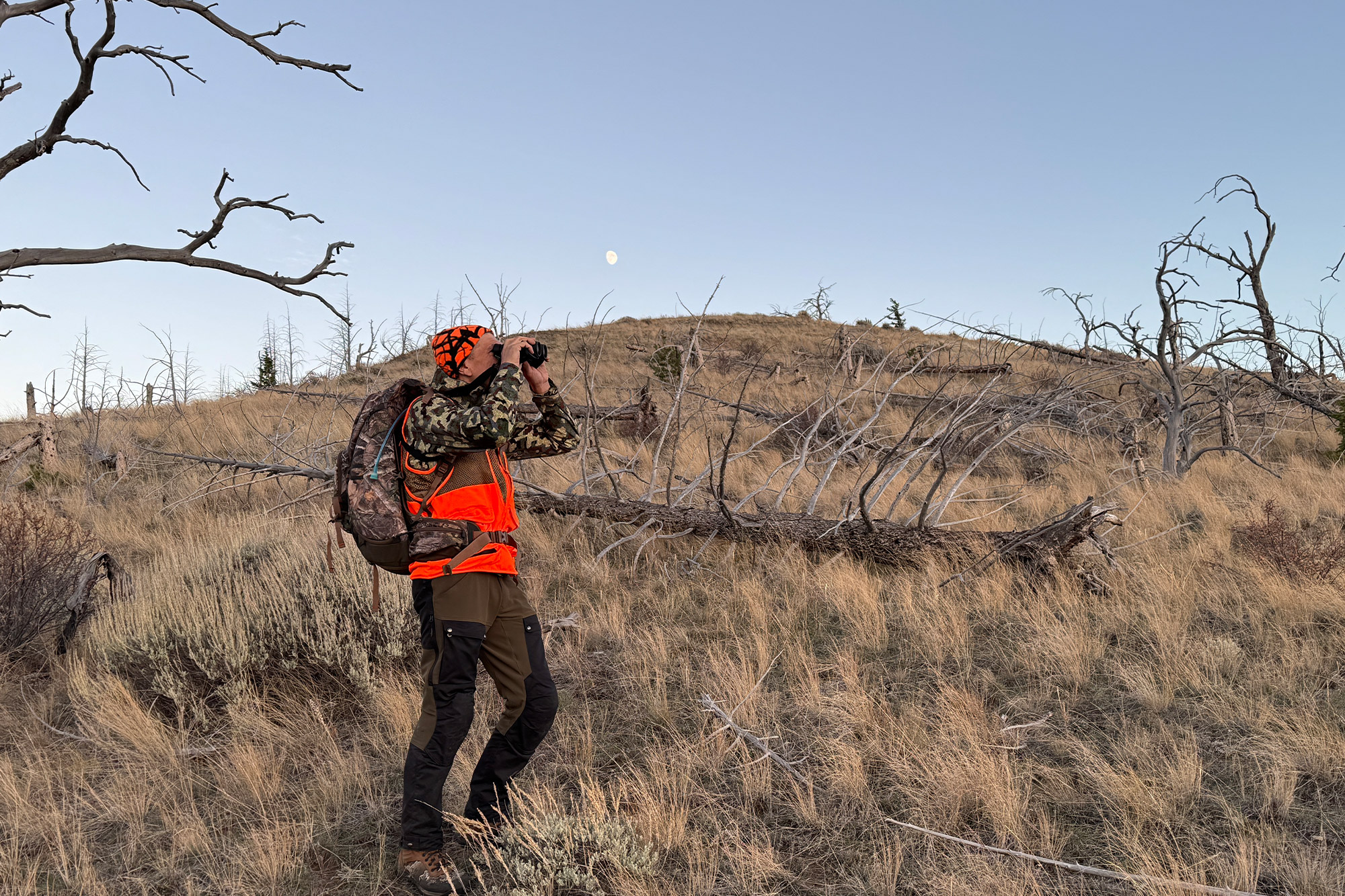
- Testing Duration: 10+ months of continuous field use.
- Environments: Alpine peaks (14,000+ ft), high-exposure deserts, humid coastal forests, and multi-day thru-hikes.
- Conditions: Temperatures ranging from 15°F to 105°F.
- Total Miles Logged: Approximately 1,200 miles across the team.
There’s a specific kind of misery that comes from wearing the wrong shirt on mile 15 of a 20-mile day. I’ve been there—soaked in sweat that won’t evaporate, skin chafing under heavy backpack straps, and a sunburn creeping across my shoulders because my "breathable" top offered zero UV protection. Choosing the right hiking shirt isn't just about aesthetics; it’s about thermoregulation and skin health. After a decade of leading expeditions from the Sierras to the Andes, I’ve learned that the best performance hiking shirts for women must master three things: moisture management, sun protection, and odor control.
To find the absolute best, our team subjected dozens of tops to over 10 months of continuous field testing across four seasons and diverse terrains including high-altitude alpine peaks and punishing desert canyons. We found that the ultimate choice depends on your specific environment: Merino wool is the undisputed king for multi-day odor resistance and temperature regulation, while synthetic blends (polyester and nylon) offer the highest durability and fastest drying times. For those in high-exposure areas, a UPF rating of 30 or higher is non-negotiable, blocking at least 97% of UV radiation to keep you moving safely through the heat.
The Verdict: Quick Picks for the Trail
| Category | Winner | Material | Best For |
|---|---|---|---|
| Best Overall | Burgeon Outdoor Flume Crewneck | TENCEL™ / Lycra | All-around versatility & comfort |
| Best Sun Shirt | Free Fly Bamboo Shade Hoodie II | Bamboo / Polyester | High UV exposure & sensitive skin |
| Best Merino | Icebreaker 150 Tech Lite III | 100% Merino Wool | Multi-day trips & odor control |
| Best Technical | Arc’teryx Taema Hoody | Recycled Polyester | High-intensity climbs & speed |
| Best Budget | REI Co-op Sahara Shade Hoodie | Polyester / Spandex | Casual hikers & great value |
Best Overall Women’s Hiking Shirt: Burgeon Outdoor Flume Crewneck
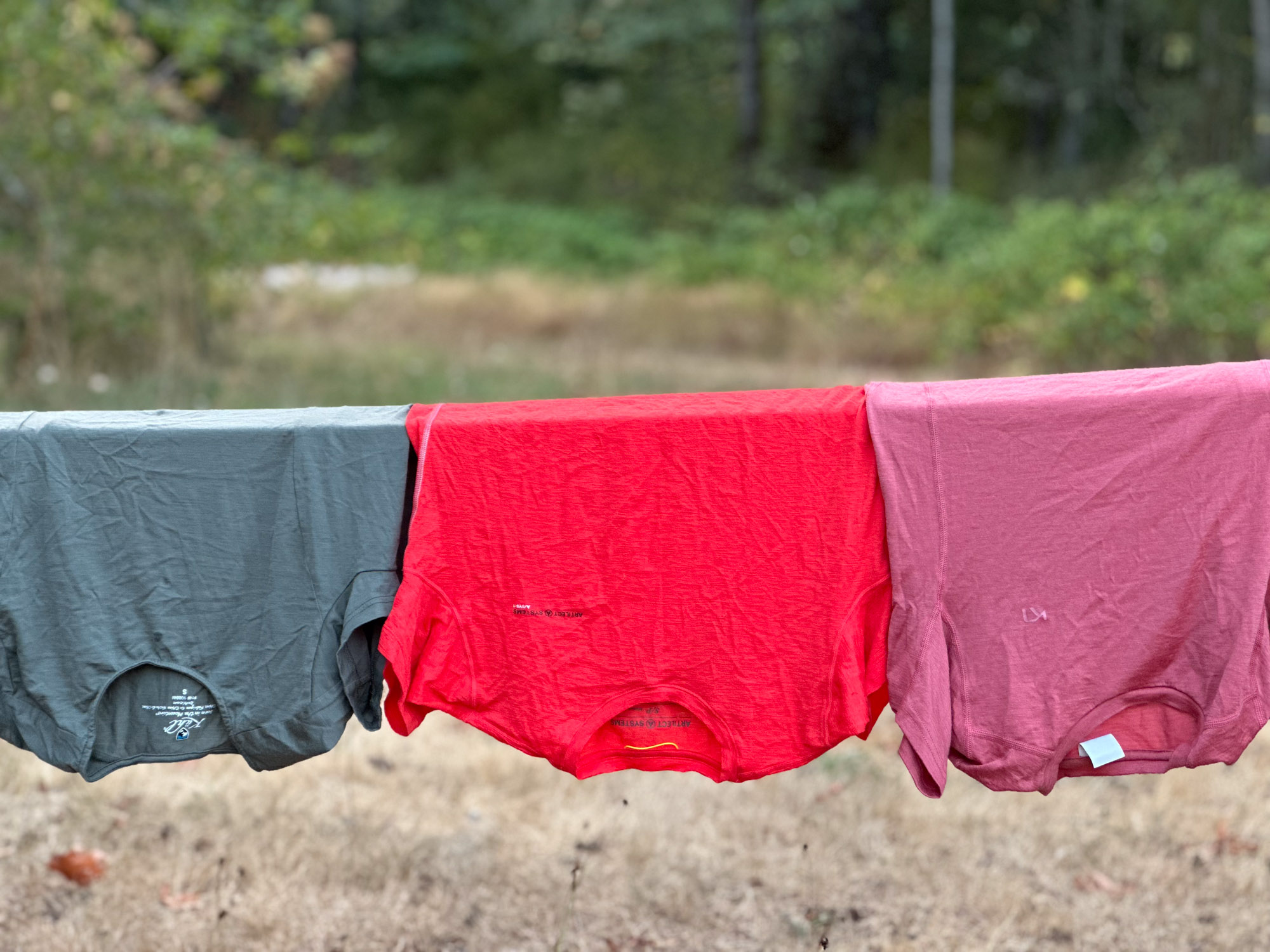
If you had told me a few years ago that my favorite hiking shirt would be made from wood pulp, I might have laughed. But the Burgeon Outdoor Flume Crewneck has completely changed my perspective on what "performance" feels like. Locally made in the White Mountains of New Hampshire, this shirt is a masterclass in fabric engineering.
Specs:
- Material: 91% TENCEL™, 9% Lycra
- UPF Rating: 40
- Weight: 5.9oz (Small)
- Price: $74
I charged through a grueling 15-mile loop in the Presidentials wearing this, and the Flume’s ability to wick moisture away while remaining buttery soft against the skin is unparalleled. TENCEL is naturally hydrophilic, meaning it loves to pull sweat away from your body, but unlike some synthetics, it doesn't get that "slimy" feel when saturated. The addition of Lycra provides enough stretch for scrambling over boulders without the shirt losing its shape.
What We Liked:
- Exceptional Softness: It feels like a second skin, significantly reducing the risk of "pack rub" on long days.
- Eco-Friendly: TENCEL is derived from sustainably sourced wood, making it a win for the environmentally conscious.
- Durability: Despite its soft handfeel, it showed zero pilling after months of being pinned under heavy backpack straps.
What We Didn’t Like:
- Drying Time: It dries faster than cotton but slightly slower than 100% thin polyester.
- Care: You really should hang dry this to maintain the elasticity.
Best Sun Shirt for High Exposure: Free Fly Bamboo Shade Hoodie II
When I’m trekking through the exposed desert reaches of the Grand Canyon or the high-altitude plateaus of the Rockies, the Free Fly Bamboo Shade Hoodie II is my go-to armor. In these environments, sun protection is as vital as water.
Specs:
- Material: 68% Bamboo Viscose, 29% Polyester, 3% Spandex
- UPF Rating: 50+
- Price: $74
This hoodie is proven to block 98% of UV rays, providing significantly higher protection than a standard cotton t-shirt, which might only offer a UPF of 5. The "scuba style" hood is a game-changer; it fits snugly over a ball cap and stays put even when the wind starts howling across a ridge.
What We Liked:
- Temperature Regulation: Bamboo is naturally cooling. Even in 90-degree heat, I felt a noticeable "refrigerated" effect when a breeze hit the damp fabric.
- Coverage: The thumb holes are well-placed, ensuring the backs of your hands—a prime spot for sun damage—are covered.
- Comfort: The fabric is incredibly soft, making it great for hikers with sensitive skin.
What We Didn’t Like:
- Thumb Hole Tightness: Some testers found the thumb holes a bit restrictive for larger hands.
- Weight: When soaking wet (like after a river crossing), it holds onto water weight longer than a pure synthetic.
Best Merino Wool Layer: Icebreaker 150 Tech Lite III
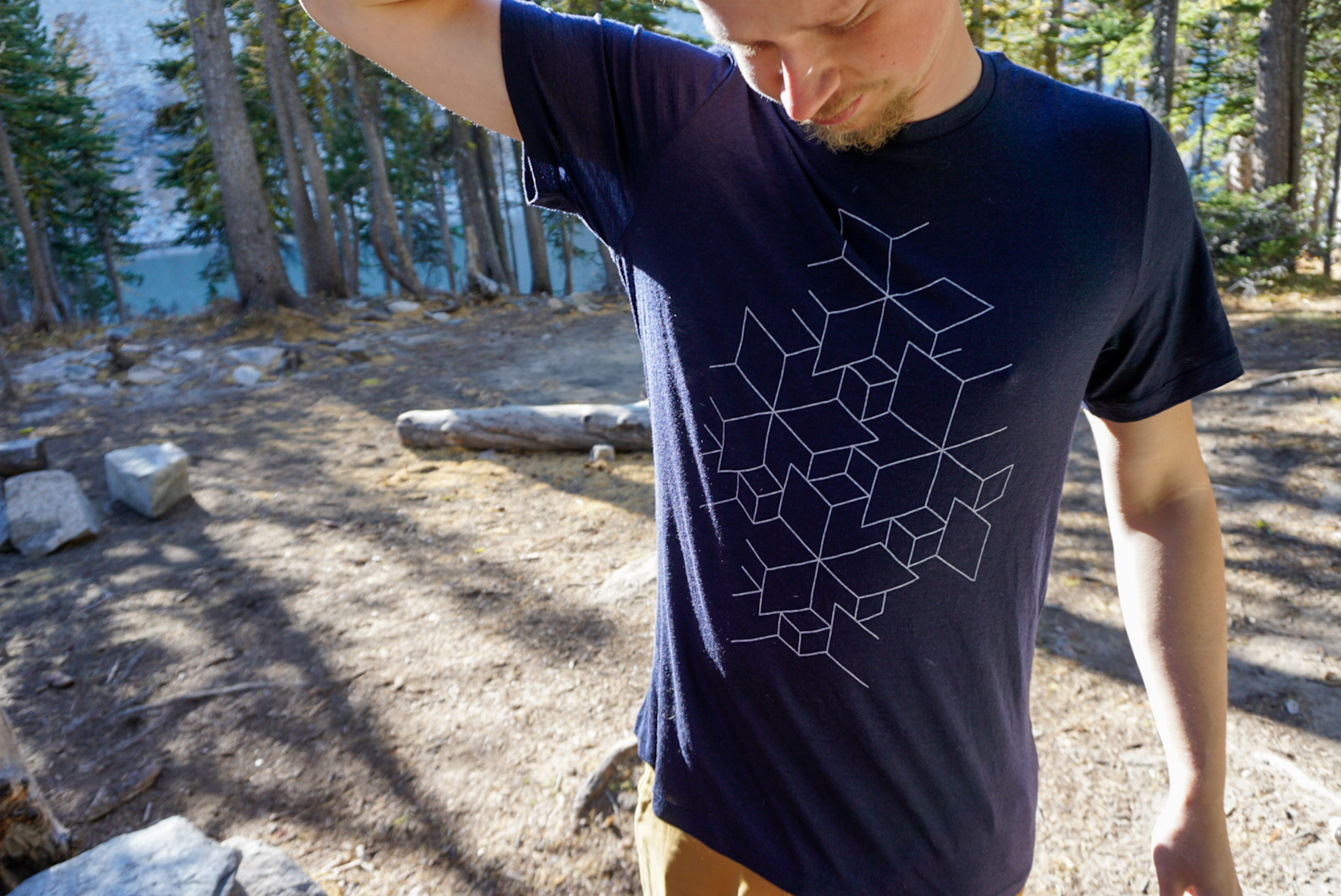
For multi-day thru-hikes where laundry is a distant dream, merino wool is the gold standard. I wore the Icebreaker 150 Tech Lite III for five straight days on the Appalachian Trail without a single wash, and—miraculously—it didn't smell like a locker room at the end of it.
Specs:
- Material: 100% 18.9-micron Merino Wool
- Weight: 150 GSM (Lightweight)
- Price: $80
Merino wool’s "funk-free" properties come from its ability to absorb odor molecules and release them only upon washing. This 150 GSM version is thin enough for summer hiking but provides enough insulation to act as a solid base layer when the sun dips below the horizon.
What We Liked:
- Odor Resistance: The best in the business. Period.
- Temperature Versatility: It keeps you cool when it’s hot and warm when it’s damp.
- Fit: The Tech Lite III features an offset shoulder seam to prevent chafing under pack straps.
What We Didn’t Like:
- Durability: 100% merino is more delicate than synthetic blends. Watch out for snags on sharp branches.
- Price: It’s an investment piece, though the performance justifies the cost for serious backpackers.
Shop Icebreaker Tech Lite III →
Best Technical Performance: Arc’teryx Taema Hoody
When the mission is "fast and light," I reach for the Arc’teryx Taema Hoody. This is a high-output piece designed for the woman who is trail running, fast-packing, or power-hiking up steep inclines.
Specs:
- Material: 100% Recycled Polyester (Phasic™ LT)
- UPF Rating: 40+
- Special Feature: DAO™ (Durable Anti Odor) finish
The Taema is all about moisture management. During high-intensity climbs in the Cascades, I was impressed by how quickly this shirt moved sweat to the outer surface of the fabric to evaporate. It’s light—so light you almost forget you’re wearing it.

What We Liked:
- Speedy Dry Time: It dries faster than any other shirt on this list.
- Breathability: The Phasic™ LT fabric has an open structure that allows for massive airflow.
- Fit: The articulated patterning allows for a full range of motion.
What We Didn’t Like:
- Sizing: The "Trim Fit" can be a bit restrictive for hikers with broader shoulders or larger busts.
- Odor: While the DAO™ finish helps, it’s still a synthetic shirt and will eventually hold onto smells more than merino.
Best Versatile Button-Down: Jolly Gear Triple Crown
If you want the ventilation of a button-down but the protection of a sun hoodie, the Jolly Gear Triple Crown is the Frankenstein’s monster of hiking shirts—in the best way possible. It’s become a cult favorite among thru-hikers on the PCT and CDT.
Specs:
- Material: 86% Polyester, 14% Spandex
- UPF Rating: 30
- Weight: 8.5oz
The hybrid design features a full hood and thumb holes, but the front buttons allow you to dump heat instantly. I’ve found the chest pockets incredibly useful for keeping my phone or a snack accessible without having to dig into my pack.
What We Liked:
- Maximum Ventilation: The ability to unbutton the front is superior to any "breathable" knit fabric.
- Fun Patterns: It brings some much-needed personality and color to the trail.
- Utility: Double chest pockets and a built-in microfiber cloth for sunglasses.
What We Didn’t Like:
- Hood Shape: The hood is a bit baggy and can act like a sail in high winds if not tucked under a hat.
- Bulk: It’s heavier and takes up more pack space than a standard tee.
Shop Jolly Gear Triple Crown →
Best Budget-Friendly Option: REI Co-op Sahara Shade Hoodie
You don’t need to drop $100 to get a quality hiking top. The REI Co-op Sahara Shade Hoodie has been a staple in the hiking community for years because it just works.
Specs:
- Material: 92% Polyester, 8% Spandex
- UPF Rating: 50+
- Price: $50
This shirt offers the highest possible sun protection and a relaxed, comfortable fit that feels more like your favorite cotton t-shirt than a high-tech garment. I often recommend this to beginners because it’s durable, protective, and looks good enough to wear to the post-hike brewery.
What We Liked:
- Value: High-end UPF protection at nearly half the price of competitors.
- Fit: A more "forgiving" cut that doesn't feel overly technical or tight.
- Durability: It can take a beating and comes through the wash looking new every time.
What We Didn’t Like:
- Humidity Performance: In very humid conditions, the fabric can feel a bit heavy and slow to dry compared to the Arc’teryx or Burgeon options.
Shop REI Sahara Shade Hoodie →
How to Choose the Perfect Hiking Shirt
Material Science: Merino vs. Synthetics
When you're staring at a wall of gear, the material is the first thing you should check.
- Merino Wool: I swear by this for anything longer than a weekend. It regulates temperature naturally—keeping you warm even if it gets wet. However, it's more expensive and less durable than synthetics.
- Synthetics (Nylon/Polyester): These are the workhorses. They are more affordable, incredibly durable, and dry in a flash. The downside? They tend to "stink" faster because bacteria thrive on synthetic fibers.
- TENCEL & Bamboo: These are the new favorites for hot, dry weather. They offer a "silky" feel and better moisture absorption than polyester, though they can stay damp a little longer.
Sun Protection Decoded
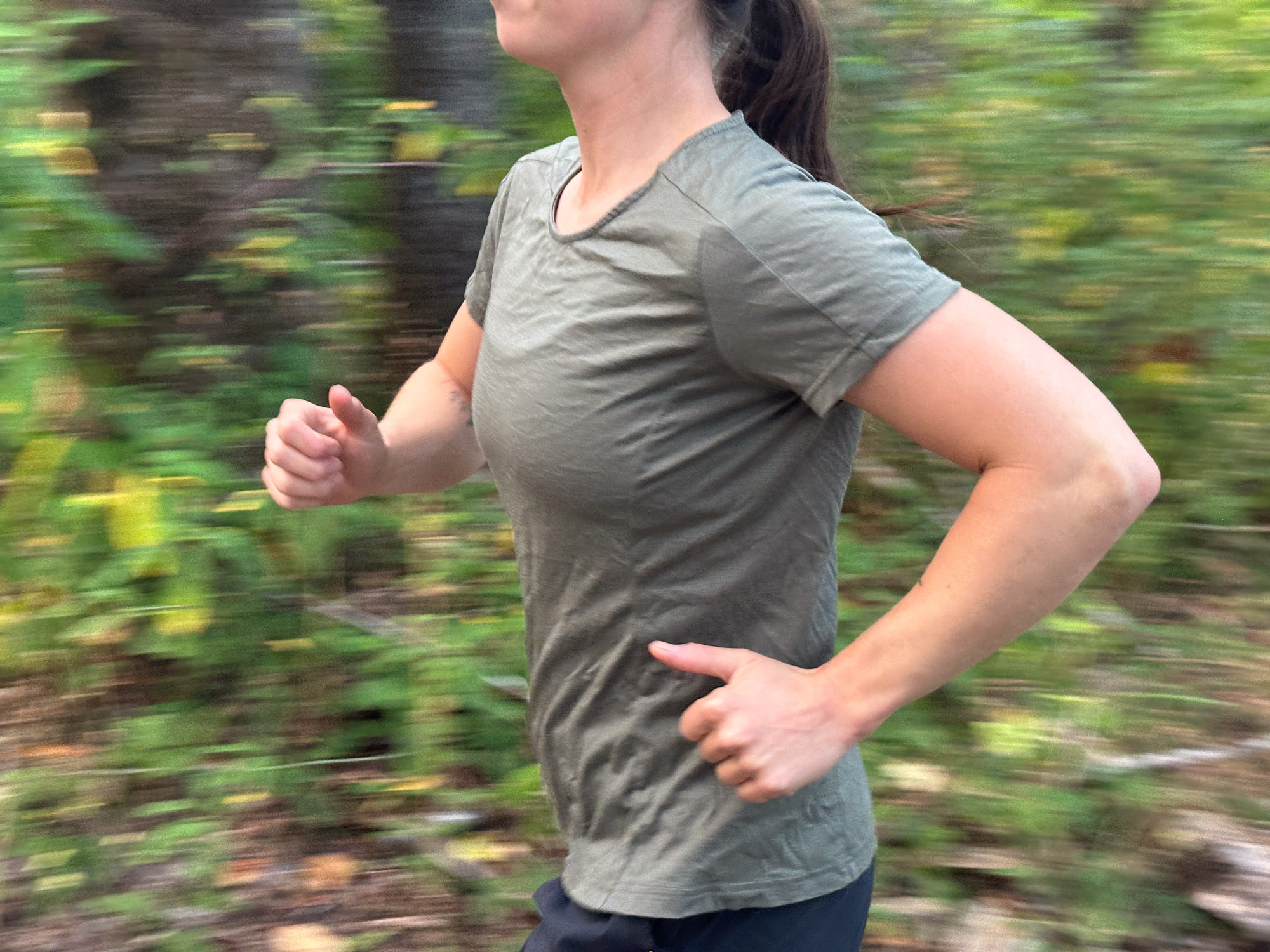
Don't rely on a standard white cotton t-shirt for sun protection—it only provides a UPF of about 5. On the trail, UPF 30 is the baseline, blocking 97% of UV rays. If you’re hiking in the desert or on snow, aim for UPF 50+. Look for design features like hoods and thumb holes; these "physical" barriers are far more effective and less messy than reapplying sunscreen every two hours.
Moisture & Chafing
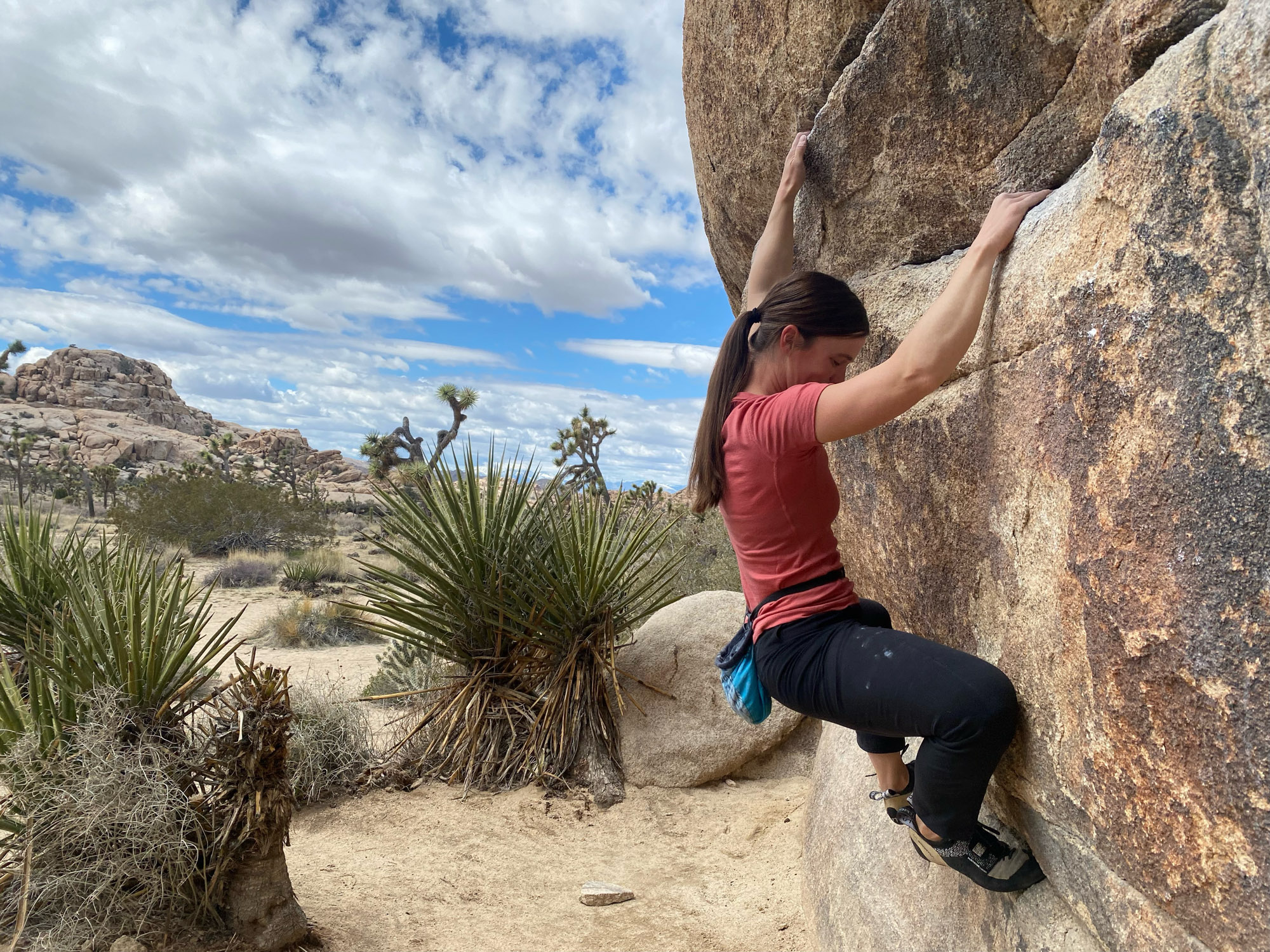
To manage moisture effectively, you need fabrics that "wick" sweat—moving it from your skin to the outer surface. Materials like TENCEL and high-performance synthetics are engineered to do this. Also, pay attention to the seams. Flatlock seams (where the fabric is sewn flat rather than bunched) are essential to prevent the skin irritation and chafing that occurs under pack straps.
Pro Tip: Never use fabric softener on your technical hiking shirts. It leaves a waxy coating on the fibers that kills the fabric's ability to wick moisture and breathe!
FAQ
Q: Is long-sleeve or short-sleeve better for hiking in the heat? A: Counter-intuitively, a lightweight, breathable long-sleeve sun shirt is often better. It keeps the sun off your skin, which can actually keep your core temperature lower and prevent the fatigue caused by sun exposure.
Q: How do I get the "hiker smell" out of my synthetic shirts? A: If a regular wash isn't working, try a specialized gear wash like Nikwax or soak the shirt in a mixture of water and white vinegar before washing. Avoid high heat in the dryer, as this can "set" the odors into synthetic fibers.
Q: How often should I replace my hiking shirt? A: For synthetics, replace them once they lose their shape or the "stink" becomes permanent. For merino, replace it once you start seeing small "micro-holes" that can eventually lead to large tears.
Ready to Hit the Trail?
Your shirt is your first line of defense against the elements. Whether you’re chasing a sunset on a local trail or embarking on a thousand-mile journey, investing in a high-quality, trail-tested top will make every mile more comfortable. Grab your gear, check the weather, and I’ll see you out there!
Which of these shirts are you eyeing for your next adventure? Let me know in the comments below!