Let’s be real: talking about backcountry bowel movements is the ultimate outdoor taboo. We’ll spend hours debating the merits of DCF tents or the rolling resistance of gravel tires, but the second someone mentions "packing it out," the conversation goes quiet.
I’ve been there—squatting on a frozen ridge at 12,000 feet, realizing the ground is too rocky for a cathole and the wind is high enough to make things very interesting. It’s in those moments of vulnerability that you realize a WAG bag isn't just a piece of plastic; it’s your ticket to being a "Level 5 Outdoorist." If we want to keep our pristine alpine meadows and desert canyons from turning into open-air latrines, we have to master the art of the WAG bag.
The Taboo Skill Every Hiker Needs
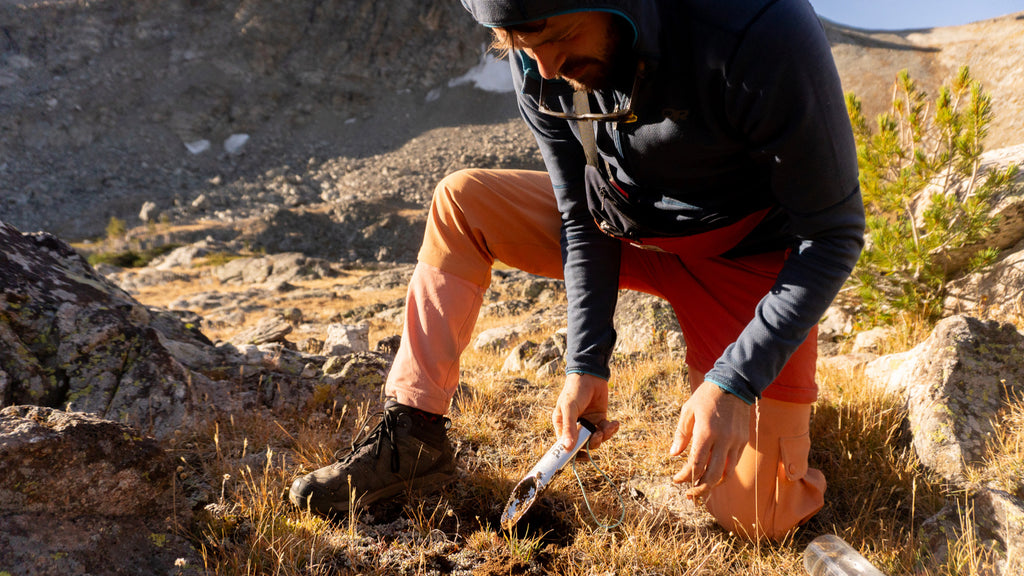
The "Poop Problem" on public lands is reaching a breaking point. As more people head into the wild, the traditional method of digging a six-inch cathole is failing us. In high-traffic zones, rocky alpine environments, or sensitive desert ecosystems, human waste simply doesn't decompose. It sits there, polluting water sources and ruining the experience for everyone else.
When the soil lacks the microbes needed to break down organic matter—or when the ground is literally solid granite—digging is impossible. This is where the WAG bag comes in. Transitioning to a pack-it-out system is an act of courage and stewardship. It means you’re taking full responsibility for your footprint, ensuring that the next hiker finds the wilderness exactly as you did: wild.
What is a WAG Bag?
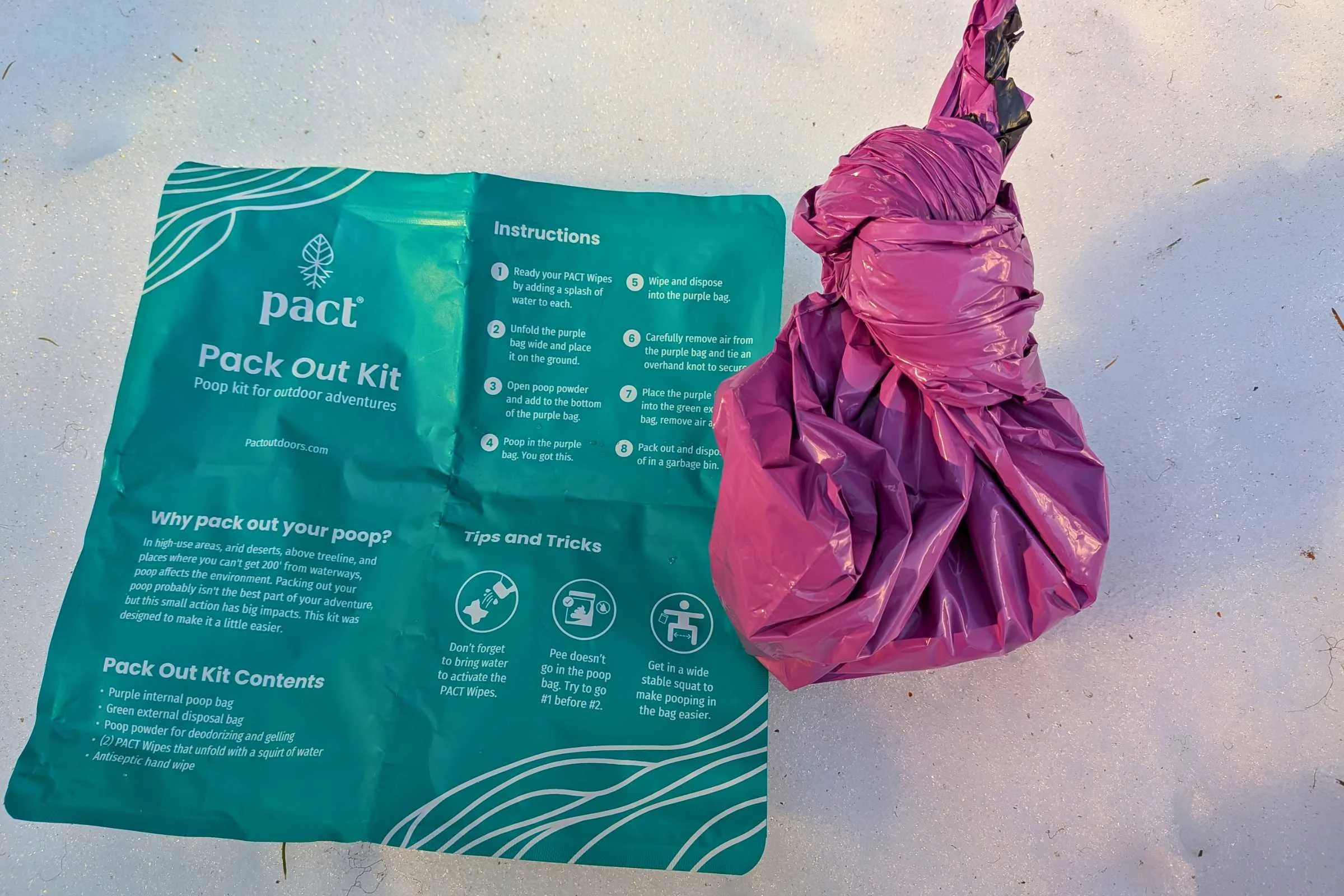
So, what exactly is this thing? A WAG (Waste Alleviation and Gelling) bag is a portable, double-layered kit designed for the sanitary collection and disposal of human waste. Think of it as a high-tech version of a dog waste bag, but engineered specifically for humans and designed to be packed in a backpack without the risk of leaks or smells.
The magic happens inside the bag. Most kits contain a NASA-developed "Poo Powder"—a mix of super-absorbent polymers and enzymes. When liquid hits this powder, it instantly solidifies into a gel and begins neutralizing odors.
A standard kit typically includes:
- The Inner Liner: A large, wide-mouthed bag for the "deposit."
- Gelling Agent: Often pre-loaded into the liner.
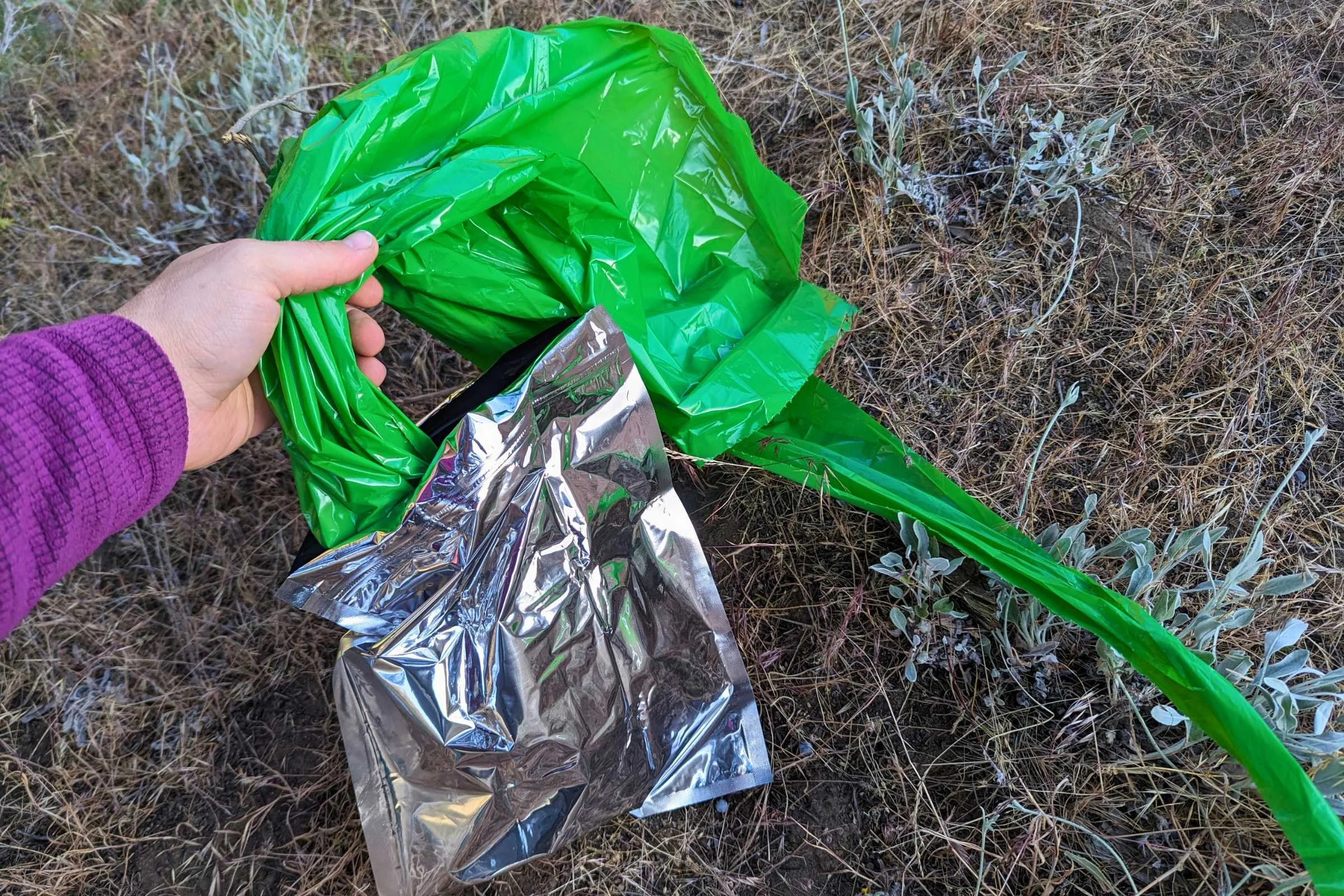
- The Outer Storage Bag: A heavy-duty, puncture-resistant, and vapor-proof zip-top bag for transport.
- Toilet Paper and a Hand Wipe: Because we’re not savages.
Why and Where You’re Required to 'Pack it Out'
If you’re planning a trip to a "Bucket List" destination, there’s a high chance WAG bags are mandatory. In many jurisdictions, rangers will actually check your pack for them at the trailhead.
You’ll need to pack it out in:
- High-Traffic Zones: Mt. Whitney (California), Zion’s The Narrows (Utah), and the Enchantments (Washington).
- Sensitive Ecosystems: The Moab desert, where the biological soil crust is too fragile to dig in.
- Alpine & Glacial Zones: Mount Rainier or Denali, where waste stays frozen and never decomposes.
- Canyons: Where water levels rise and wash out traditional catholes into the river system.
Statistics show that in cold or arid environments, human waste can take 8 to 12 months to break down—if it breaks down at all. In high-use areas, that leads to a "minefield" effect that is both unsanitary and disgusting.
Step-by-Step: How to Use a WAG Bag Properly
Using a WAG bag for the first time is a bit of a psychological hurdle, but once you do it, the "ick factor" vanishes. Here is the field-tested method I use to ensure a mess-free experience.
- Preparation is Everything: Find a flat, stable spot. Open the inner liner bag and fold the top edges outward about two inches. This creates a "collar" that keeps the bag open and provides a clean surface to grab later.
- Target Practice: Place the bag on the ground. If it’s windy, use a few small rocks to weigh down the edges (just don't put them inside the bag).
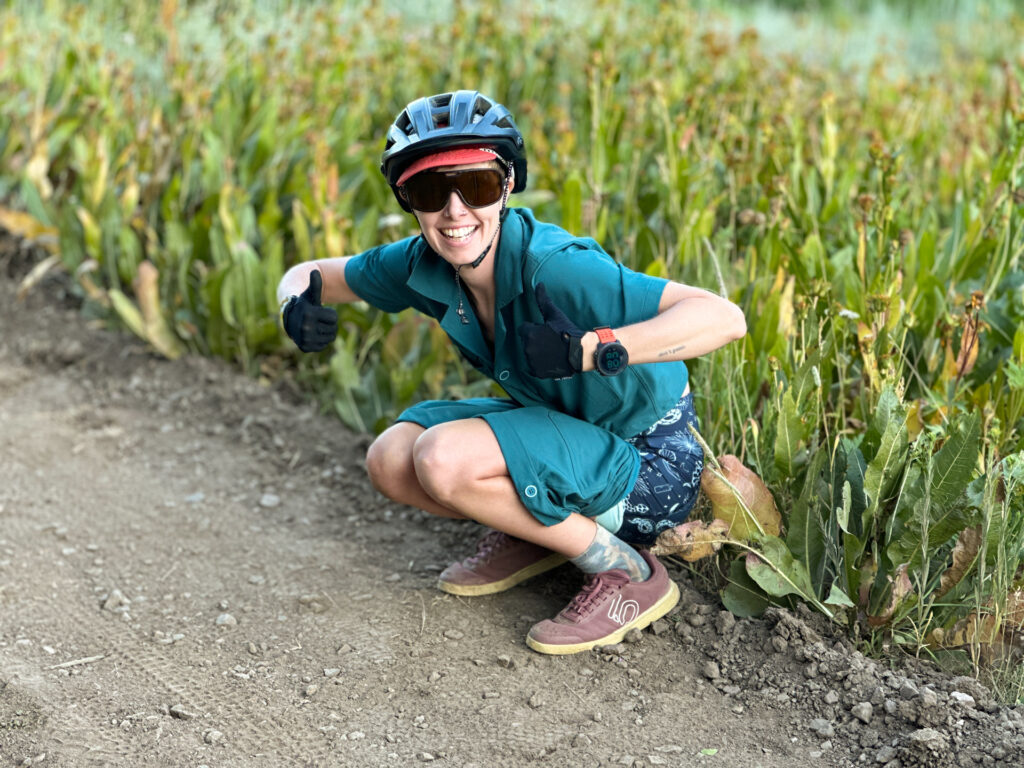
- The Execution: Squat low over the bag. The key is to ensure the bag is wide enough to catch everything. Some hikers prefer to lean against a tree for stability.
- The Gelling Process: Most bags come with the powder already inside. If yours is separate, sprinkle it over the waste. Standard bags like the Cleanwaste GO Anywhere are engineered to handle up to 32 ounces (approx. 946ml) of liquid waste—plenty for a single "session."
- The Seal (Crucial Step): Carefully unfold the edges. Squeeze out the excess air—pointing the opening away from your face—and seal the inner liner tightly.
- Double Bag It: Place the sealed liner into the puncture-resistant outer bag and zip it shut. You are now officially carrying "inert" waste that is safe to haul.
Managing the Smell and Storage Hacks
The biggest fear hikers have is, "Will my pack smell like a porta-potty for the next three days?"
The answer is no—provided you use a quality kit. The enzymes in the gelling powder are surprisingly efficient at killing the odor. However, for multi-day expeditions, I recommend a few pro-level storage hacks:
The "Poo Tube": Many climbers and backpackers use a length of 4-inch PVC pipe with end caps. You slide the used bags inside, and it provides an airtight, crush-proof container that hangs outside your pack.
The Pringles Can: For a lighter, DIY version, an empty Pringles can is the perfect size for 2-3 used WAG bags. It’s rigid and fits perfectly in a side water bottle pocket.
Animal Safety: Treat your used WAG bags like food. In bear country, the scent can still attract curious critters. Store them in your bear canister or hang them with your food bag at night.
Best WAG Bags for 2025: Tested and Reviewed
Not all bags are created equal. We’ve tested these in everything from desert heat to alpine freezes.
Quick Specs Comparison
| Product | Weight | Liquid Capacity | Best For |
|---|---|---|---|
| Restop 2 | 90g | 32 oz | General Use / Reliability |
| PACT Pack Out | 60g | 20 oz | Ultralight Backpacking |
| Cleanwaste GO | 100g | 32 oz | High Capacity / Groups |
| Biffy Bag | 85g | 25 oz | Discreet / Hands-free |
Best Overall: Restop 2
The industry standard for a reason. It uses a patented "bag-within-a-bag" design with a wide-mouth top that makes it very user-friendly. The gas-impermeable outer bag is the best in the business at containing odors. Shop Restop 2 →
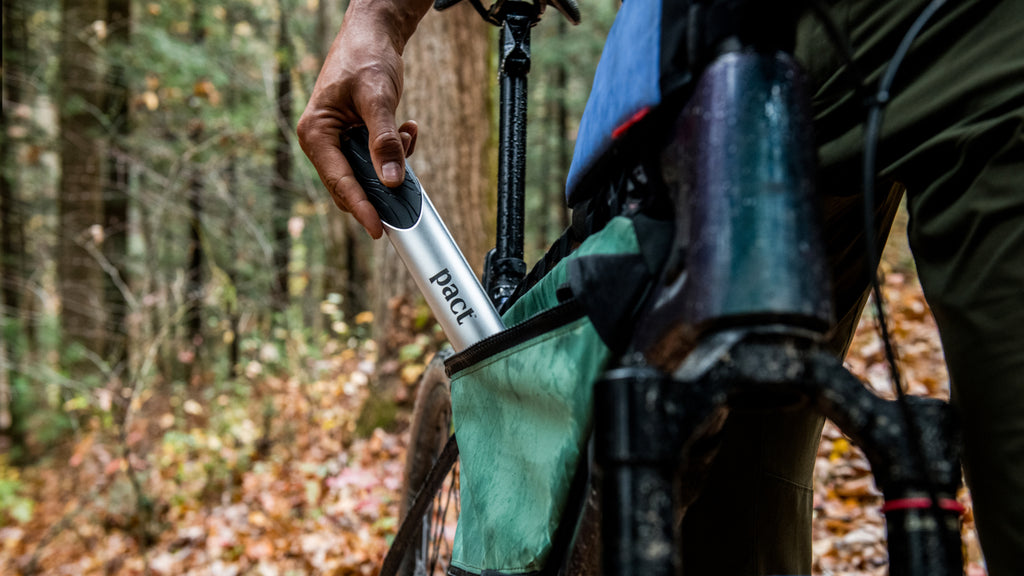
Best for Ultralight Backpackers: PACT Pack Out Kit
If you’re counting grams, this is the one. The PACT Pack Out Kit is the lightest human waste system on the market, weighing only 60g on our scales—approximately 33% lighter than the Restop 2. It’s compact, minimalist, and perfect for "just in case" scenarios. Shop PACT Pack Out →
Most Discreet: Biffy Bag
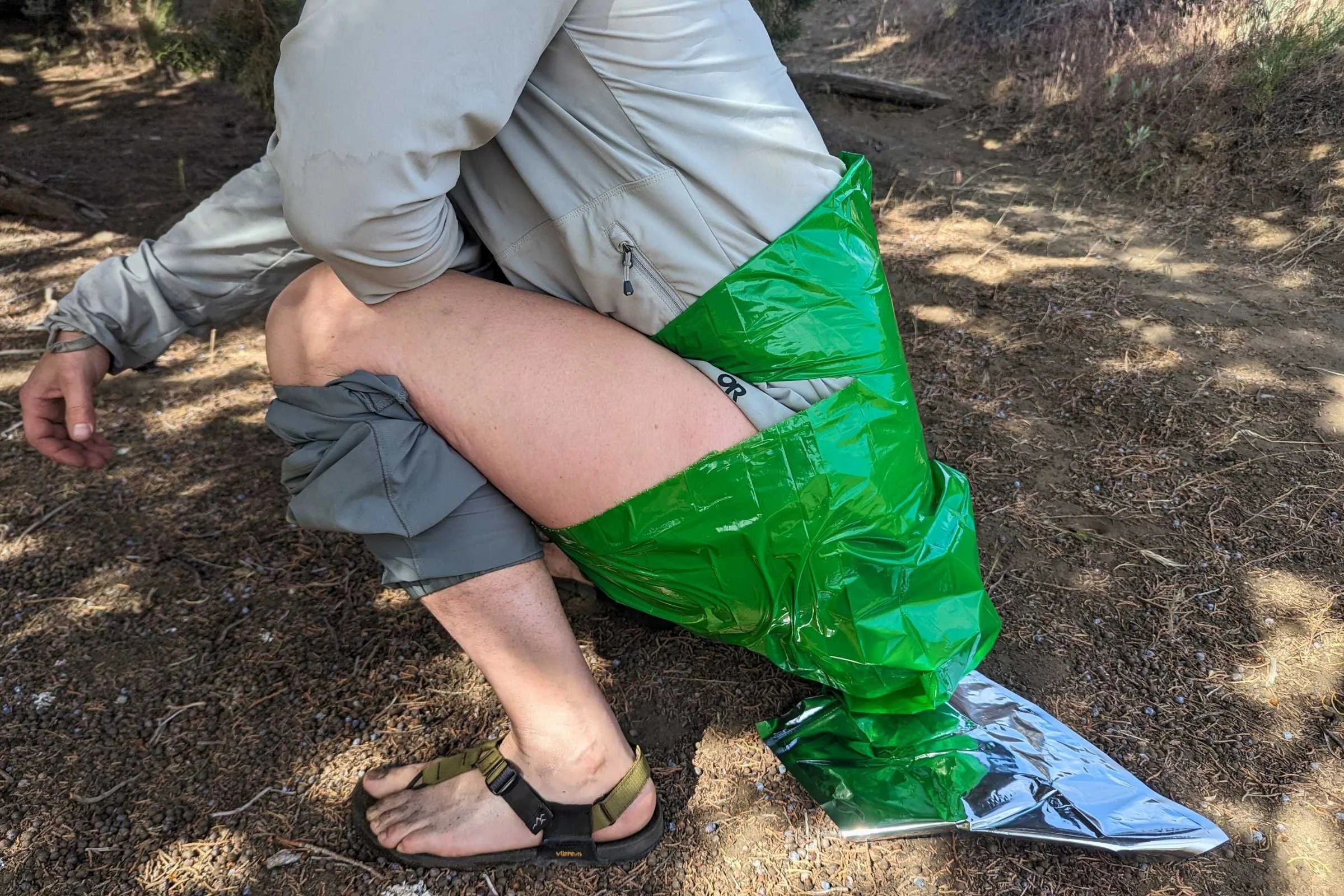
The Biffy Bag is unique because it ties around your waist, creating a sort of "funnel" system. It allows you to use the bag while standing or in a slight crouch, which can be a lifesaver in areas with zero privacy or very uneven terrain.
Disposal: Where Does the Poop Go?
One of the most common questions I get is: "Where do I throw this thing away?"
Most WAG bags are EPA-approved for disposal in regular municipal trash. Because the chemicals inside render the human waste inert and solidify the liquid, they are legally categorized as the same type of waste as disposable baby diapers or pet waste.
However, there are two major rules you must follow:
- Check for Local Designated Bins: In high-use parks like Zion or Moab, they often have specific "WAG Bag Collection" bins. Use these if available, as they prevent bags from rupturing in standard compaction trucks.
- NEVER Toss in Pit Toilets: This is the cardinal sin of backpacking. WAG bags will ruin composting privies and clog the pumping equipment used to clean pit toilets. If you pack it in, you must pack it out to a trash can or designated bin.
FAQ
How many times can you use one bag? Technically, most bags like the Cleanwaste GO Anywhere have enough gelling capacity for 3 to 4 uses if you leave the bag unsealed between goes. However, this takes a lot of... courage. For most solo hikers, one bag per day (or per session) is the standard for hygiene.
Can I just use a dog poop bag or a Ziploc? Please, don't. Regular plastic bags are not puncture-resistant, and they do nothing to neutralize the pathogens or the gas buildup (which can cause the bag to bloat and pop). WAG bags are engineered systems; a Ziploc is a disaster waiting to happen.
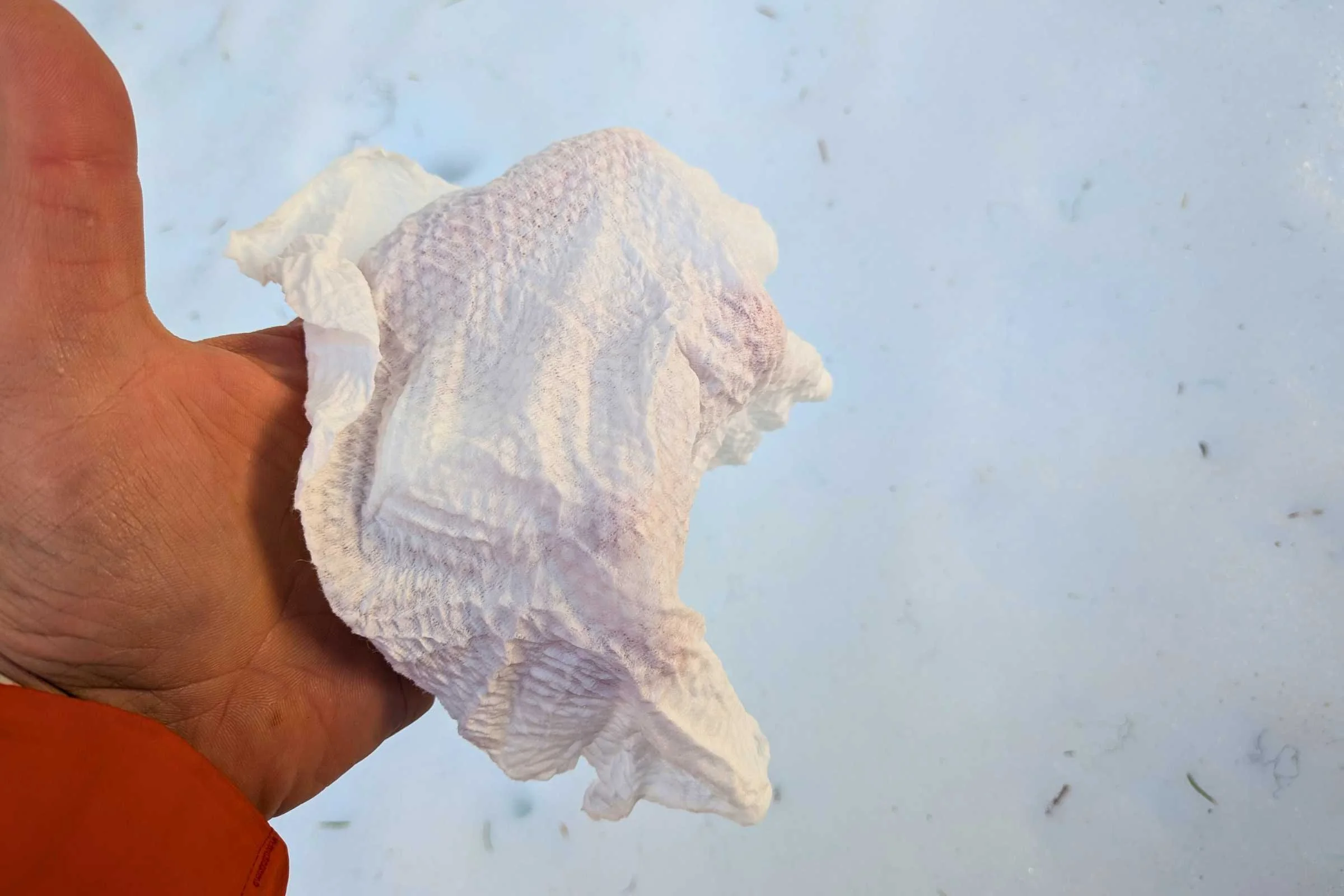
Are they hygienic to use? Surprisingly, yes. Most kits come with "expanding wipes"—small tablets that grow into full-sized, moist wipes with a few drops of water. Between the wipe and the hand sanitizer, you’ll feel cleaner than you would using dry TP in a cathole.
Take the Pledge
Next time you’re heading into a sensitive environment, don't look at the WAG bag as a burden. Look at it as a badge of honor. It’s the ultimate sign that you are a steward of the land, willing to endure a little awkwardness to keep our wild spaces truly wild.
Ready to upgrade your backcountry kit? Grab a pack of WAG bags today and be the hiker the trails deserve.