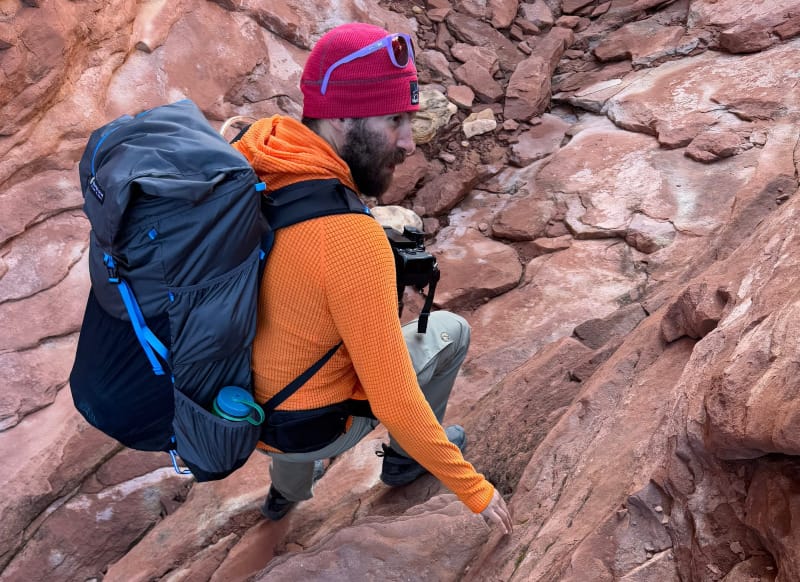
I’ve spent the last decade dragging gear through everything from the bug-infested humidity of the Appalachian Trail to the razor-sharp scree fields of the High Sierra. If there’s one thing I’ve learned, it’s that your pants are the frontline of your layering system. They aren’t just fabric; they’re your protection against granite scuffs, thorny thickets, and the unpredictable mood swings of mountain weather. For 2025, the market has finally moved past the "shrink it and pink it" era, delivering technical masterpieces that prioritize high-stepping mobility without sacrificing the durability required for a 70-day stint in the wilderness.
After years of field-testing, one clear winner has emerged for the modern adventurer. The Outdoor Research Ferrosi Pants are the best overall women's hiking pants for 2025. Their 90D ripstop fabric offers a legendary balance of movement-mirroring stretch and rugged durability that handles alpine scrambling as easily as a Sunday stroll. If you’re on a tighter budget, the REI Co-op Trailmade Pants ($70) stand out as the best value, providing articulated knees and solid UPF 50+ protection at a fraction of the cost of high-end technical shells.
How We Tested: 5 Years, 35+ Pairs, Thousands of Miles
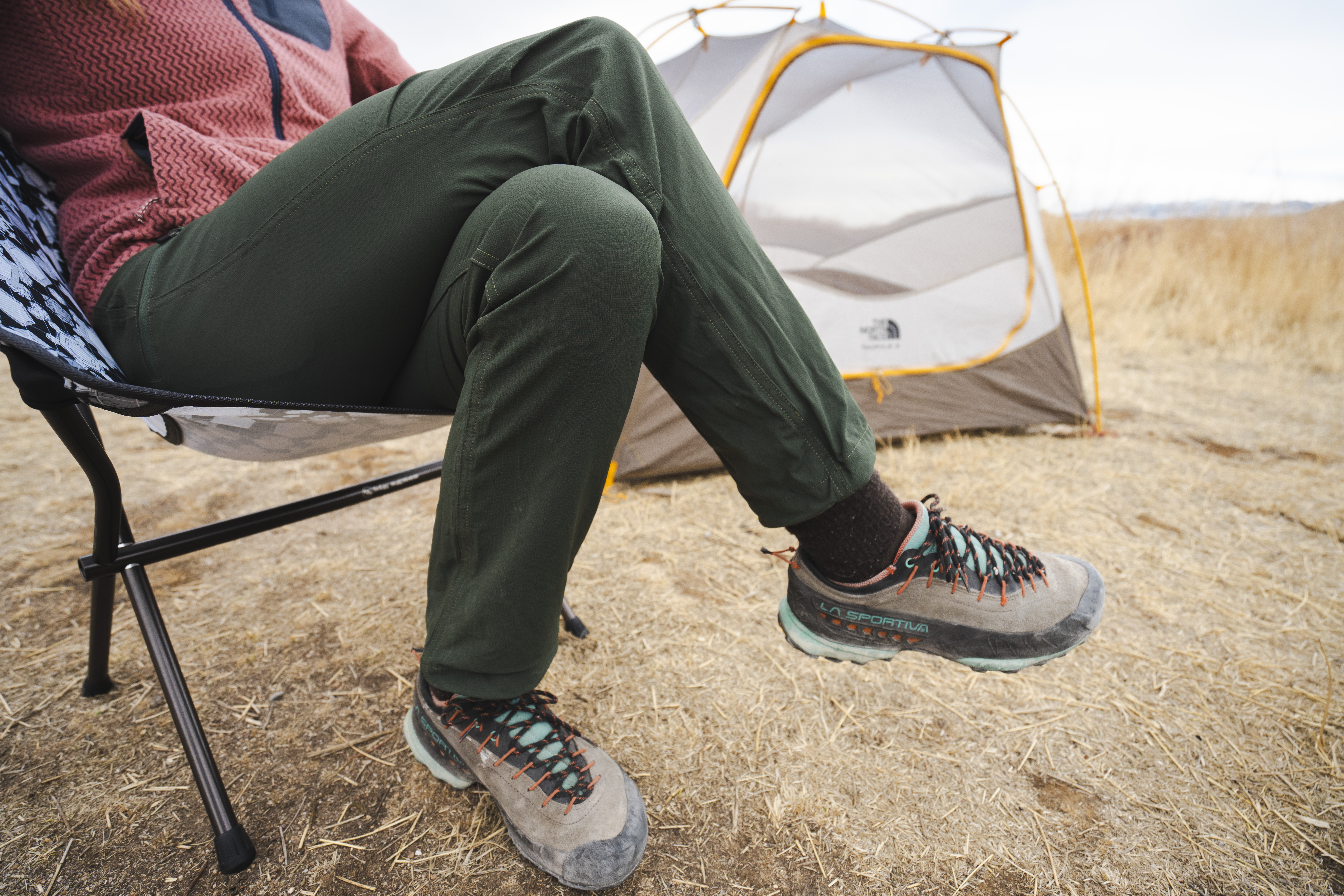
We don't just walk around the block in these. Our expert testers evaluated over 35 pairs of women's hiking pants over a 5-year period to identify the industry leaders in durability and comfort. We took these pants to the High Sierra, the Pacific Northwest, and the jagged peaks of the Tetons to see how they’d fare under real-world pressure.
Every product in our 2025 guide underwent a rigorous field-testing process and was rated on a proprietary 1-10 scale across four core metrics:
- Comfort/Mobility: Can you pull a high-step move on a boulder without the crotch gusset screaming?
- Weather Protection: How well does the DWR (Durable Water Repellent) shed a surprise drizzle?
- Breathability: Do they turn into a "sweat-trap" when the mercury hits 80°F?
- Versatility: Can you wear them to the post-hike brewery without looking like you’re ready to summit Everest?
2025 Comparison: The Top Performers at a Glance
| Feature | OR Ferrosi | REI Trailmade | Arc’teryx Gamma Hybrid | Patagonia Quandary |
|---|---|---|---|---|
| Best For | Overall Performance | Budget/Casual | Technical Scrambling | Sustainability/Travel |
| Fabric | 90D Ripstop Nylon | Nylon/Spandex | Fortius™ DW 2.0 | Recycled Nylon |
| Weight | 13.1 oz | 10.5 oz | 11.2 oz | 9.2 oz |
| Price | $99 | $70 | $180 | $99 |
| Stretch | 4-Way | 2-Way | 4-Way | 2-Way |
The Winners’ Circle: Best Women’s Hiking Pants of 2025
Best Overall Women's Hiking Pants: Outdoor Research Ferrosi
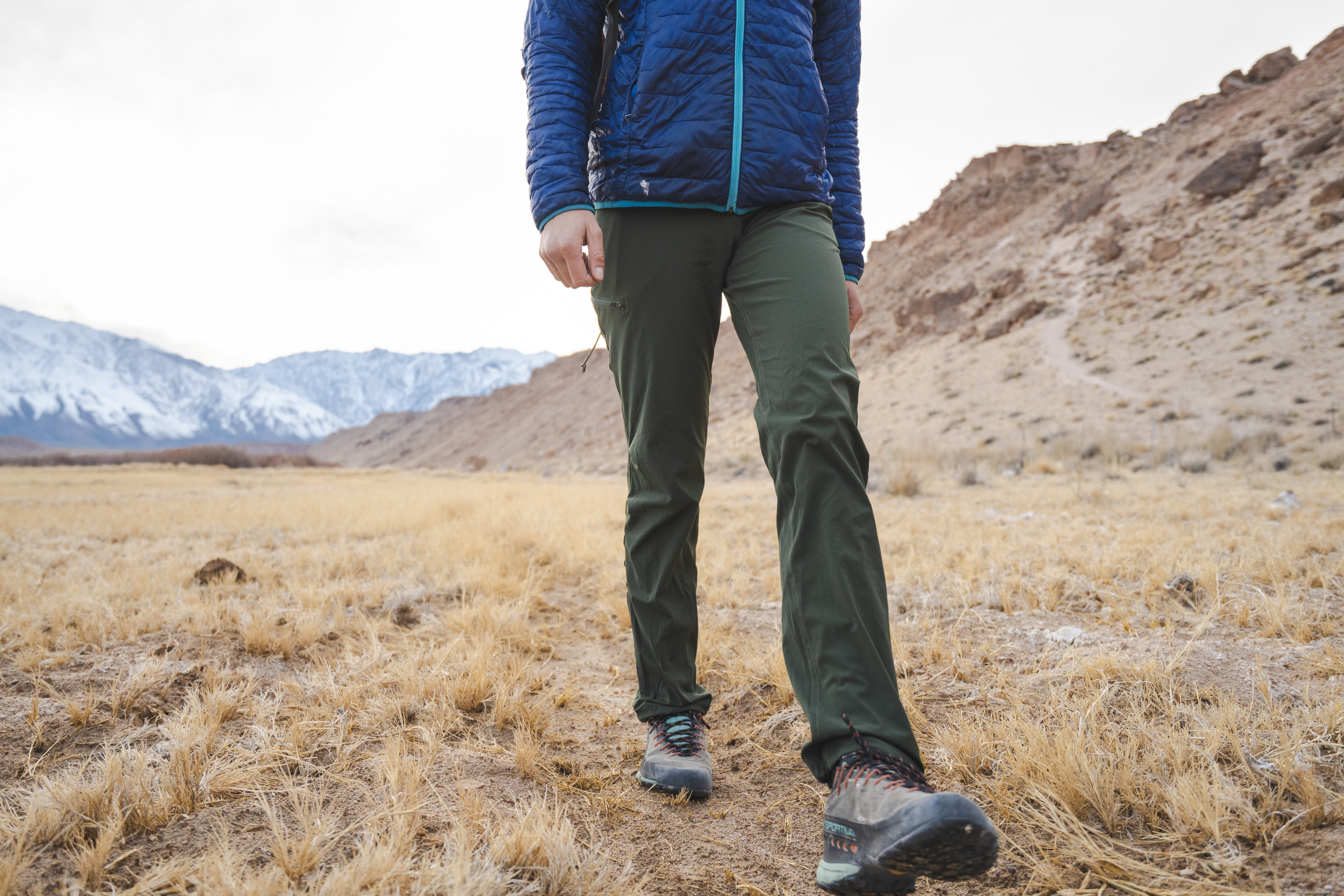
If I had to pick one pair of pants to wear for the rest of my life, it’s these. The Outdoor Research Ferrosi Pants review consistently highlights one thing: the fabric. The 86% nylon and 14% spandex blend creates a "movement-mirroring stretch" that feels almost like a second skin. Most pants with this much stretch tend to snag on the first branch they meet, but the 90D ripstop weave is surprisingly tough.
In my experience, the Ferrosi shines in high-output activities. Whether you're power-hiking an incline or navigating a technical ridge, the breathability is unmatched. The DWR coating is effective against light mist, though like most softshells, it will eventually soak through in a downpour. The only real gripe? The front pockets can be a bit shallow for larger smartphones, but the zippered thigh pocket secures your essentials perfectly.
Pros:
- Incredible 4-way stretch that never binds.
- Highly breathable—ideal for summer summits.
- UPF 50+ sun protection.
Cons:
- Hand pockets could be deeper.
- Not warm enough for true winter hiking without a base layer.
Shop Outdoor Research Ferrosi →
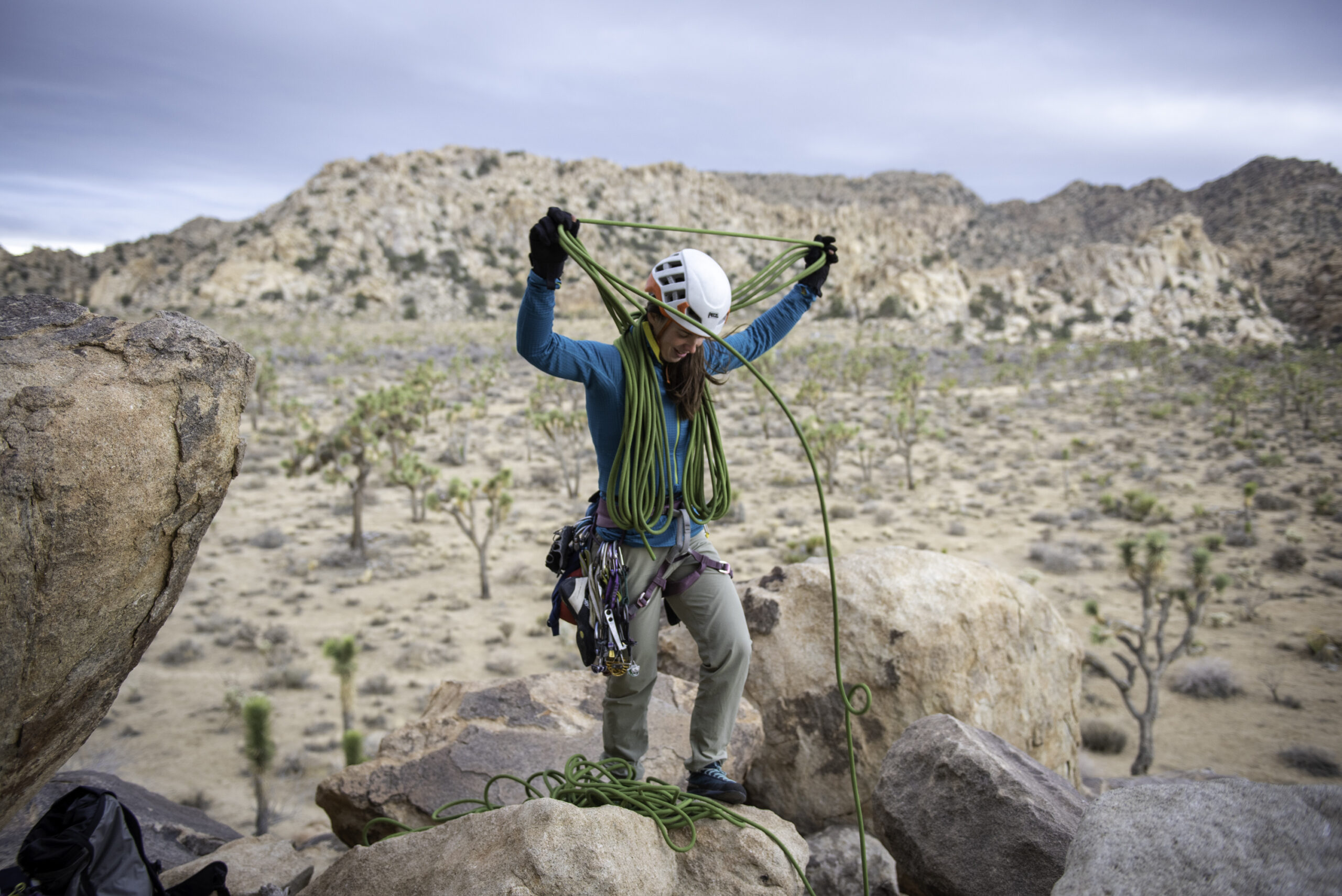
Best Budget-Friendly Option: REI Co-op Trailmade Pants
Let’s be real: spending $150 on pants feels steep when you’re just starting out or only hit the trail on weekends. The REI Co-op Trailmade Pants are the ultimate disruptor. At $70, they provide everything a casual hiker needs without the "technical tax."
The fit is a comfortable mid-rise that stays put under a backpack hip belt. While they lack the extreme 4-way stretch of the Ferrosi, the articulated knees ensure you aren't fighting the fabric on uphill sections. They are durable, simple, and come in an inclusive range of sizes, which is something the industry often overlooks. For budget hiking pants for women, these are the gold standard.
Pros:
- Exceptional value for under $75.
- Durable nylon fabric handles trail debris well.
- Inclusive sizing (Petite, Tall, Plus).
Cons:
- Less breathable than premium models.
- The fabric feels a bit "swishy" or noisy when walking.
Best for Technical Hikes & Scrambling: Arc’teryx Gamma Hybrid
When the trail disappears and you’re left "scrambling" over granite slabs, you need a different level of engineering. The Arc’teryx Gamma Hybrid is built for this. These are the technical hiking pants for scrambling that I reach for when the route involves a harness or abrasive rock.
The "hybrid" in the name refers to the strategic placement of fabrics: high-wear areas like the knees and seat are reinforced with heavier-duty materials, while the rest of the pant uses a lighter, high-stretch weave to keep you cool. The waistband is low-profile and harness-compatible, making these a favorite for alpine climbers and serious peak baggers.
Pros:
- Elite-level durability in high-abrasion zones.
- Flawless articulated fit for extreme range of motion.
- Excellent wind resistance for exposed ridges.
Cons:
- The $180 price tag is a heavy investment.
- Technical look doesn't translate well to casual wear.
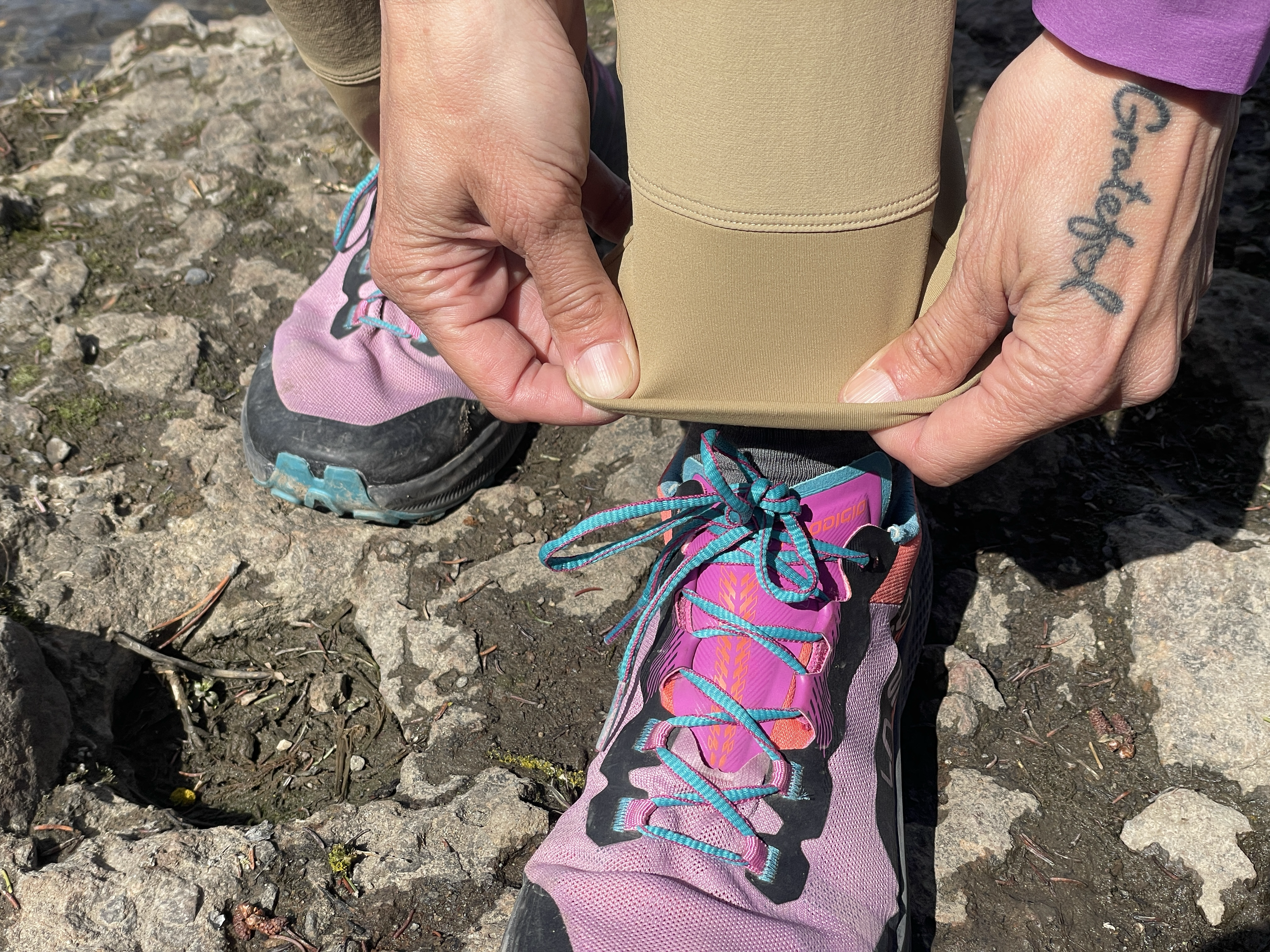
Most Sustainable & Versatile: Patagonia Quandary
Patagonia has a knack for making gear that looks just as good at a post-hike overlook as it does in town. The Patagonia Quandary pants are the Swiss Army knife of this list. Made from a blend of recycled nylon and spandex, they are a win for the environmentally conscious hiker.
What sets the Quandary apart is its versatility. The legs feature a button-and-loop system that allows you to roll them up into capris—perfect for creek crossings or when the afternoon sun starts to bake the trail. They dry incredibly fast, making them my top recommendation for multi-day trekking or adventure travel where you're washing gear in a hostel sink.
Pros:
- Lightweight and highly packable.
- Made with 65% recycled materials.
- Excellent "trail-to-town" aesthetic.
Cons:
- The slim fit might be tight on hikers with more athletic calves.
- Less wind protection than the Arc'teryx or OR options.

Best 'Non-Legging' Alternative: Kuhl Freeflex Rollup
We’ve seen a massive surge in the "anti-legging" movement recently. While leggings are comfortable, they offer zero protection against thorns, they retain odors, and they offer no wind resistance. The Kuhl Freeflex Rollup is the perfect best non-legging hiking pants option. They offer a soft, legging-like feel against the skin but come with the mechanical stretch and durability of a true hiking pant.
The Freeflex fabric is designed not to bag out over time, which is a common complaint with cheaper stretch pants. If you want protection from the elements without feeling "boxed in" by stiff nylon, this is your pair.
Buyer’s Guide: What Makes a 'Pro-Level' Hiking Pant?
Choosing the right pair isn't just about the color. It’s about understanding the "why" behind the design. Here’s what I look for when I’m vetting gear for a season in the backcountry.
Material Science: Nylon vs. Polyester
Most high-end hiking pants are Nylon-based. Why? Because nylon is inherently more abrasion-resistant. If you’re sliding down a rock or pushing through brush, nylon won’t tear as easily. Polyester, on the other hand, is the king of breathability and moisture-wicking. You’ll often see polyester used in lighter-weight "sun pants" or budget options because it’s cheaper to produce but doesn't quite have the "granite-scuffing" longevity of nylon.
Mobility Essentials: Gussets and Articulation
If a pant doesn't have a gusseted crotch, don't buy it. A gusset is an extra diamond-shaped piece of fabric sewn into the crotch to redistribute stress. This prevents that "binding" feeling when you take a big step. Similarly, articulated knees (pre-shaped fabric at the joint) allow the pant to follow the natural bend of your leg.
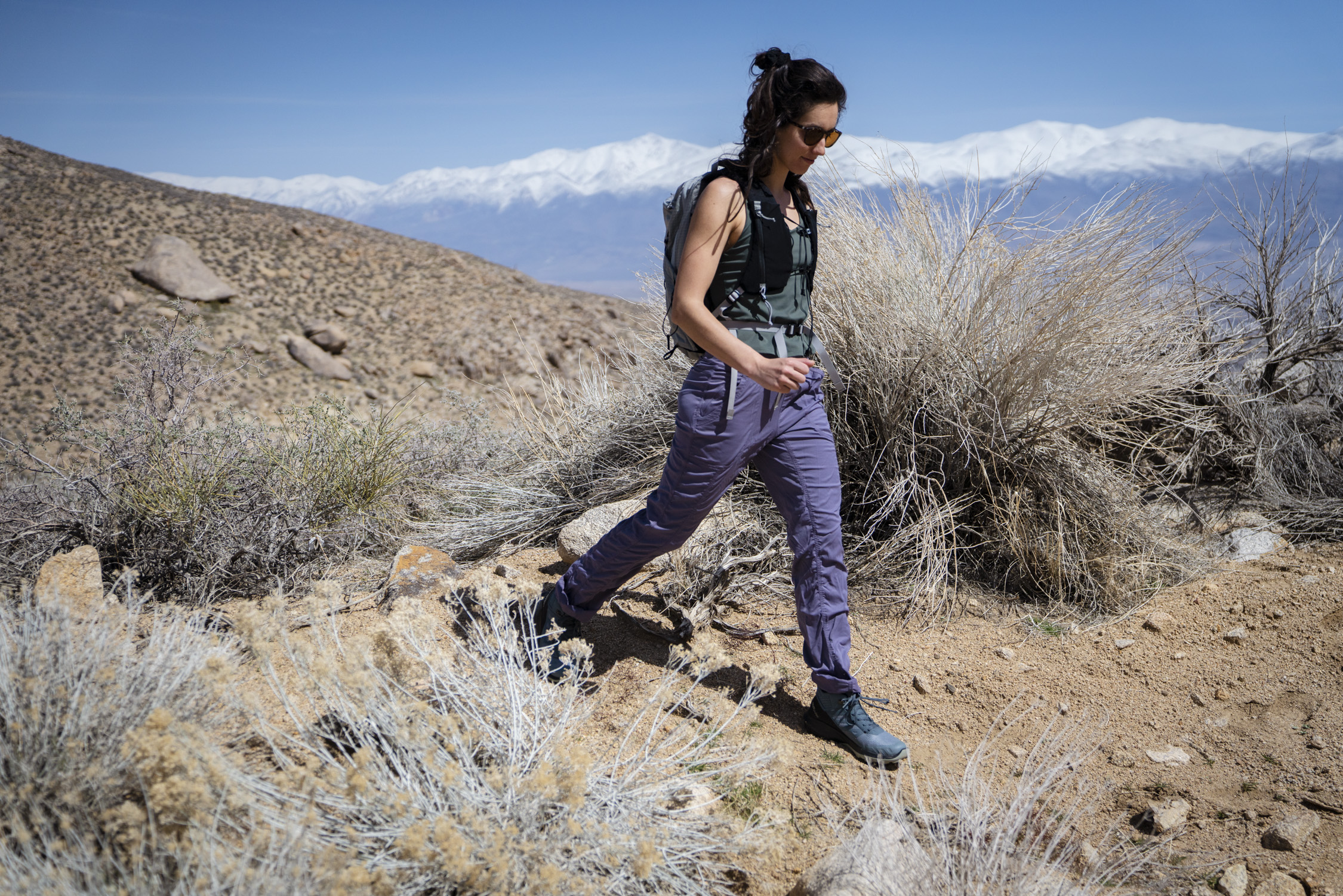
Weather Protection & DWR
Most technical pants come with a DWR (Durable Water Repellent) coating. This isn't waterproof, but it causes water to bead up and roll off in a light drizzle. Over time, this coating wears off. You’ll know it’s time to "re-up" your DWR when the fabric starts absorbing water (wetting out) rather than shedding it.
Pro Tip: Never use fabric softener on your hiking pants. It coats the fibers and completely destroys the fabric's ability to wick sweat and breathe. Use a technical wash like Nikwax or Grangers to keep that DWR performing like new.
Maintenance: How to Extend the Life of Your Tech Gear
You’ve dropped $100+ on a pair of pants—let's make them last.
- Wash Cold: Heat is the enemy of spandex. High heat in the dryer will eventually cause the elastic fibers to break, leading to that "saggy" look.
- Repair the Rips: If you catch a stray branch, don't toss the pants. A small piece of Gear Aid Tenacious Tape on the inside of a ripstop fabric will stop the tear from spreading and keep the pants functional for years.
- DWR Retention: After washing, a quick 15-minute tumble on low heat can actually help reactivate the DWR coating. Just don't overdo it.
Frequently Asked Questions (FAQs)
Q: Are hiking pants better than leggings? A: For technical terrain, yes. Hiking pants offer superior abrasion resistance, wind protection, and pockets. Leggings are great for maintained trails, but they lack the "armor" needed for off-trail scrambling or overgrown paths.
Q: Should I get convertible (zip-off) pants? A: Convertible pants are great for weight-saving on thru-hikes, but the zippers can often chafe or feel restrictive. Most modern hikers prefer "roll-up" styles (like the Patagonia Quandary) which offer a cleaner look and less bulk.
Q: How tight should hiking pants be? A: You want them "athletic but not restrictive." There should be enough room to layer a thin wool base layer underneath for cold mornings, but not so much fabric that it swishes or gets snagged on rocks.
The Final Verdict
If you’re heading out for a serious season on the trails in 2025, don't settle for gear that holds you back. The Outdoor Research Ferrosi remains the gold standard for a reason—it’s the perfect marriage of comfort and "don't-quit" durability. For those just testing the waters, the REI Trailmade proves that you don't need to break the bank to get quality protection.
Now, stop scrolling, grab your pack, and I'll see you at the trailhead.