Few things derail a high-mileage training block or a pristine mountain ultramarathon faster than the stinging friction of a blister. As a critic who has spent decades evaluating gear from the high-altitude trails of the Alps to the humid coastal paths of the Pacific Northwest, I’ve learned that the most expensive carbon-plated shoe is effectively useless if the interface between your foot and the foam—the sock—fails to perform.
To find the definitive answers for 2025, our team at the review desk conducted over 1,000 miles of rigorous field testing across desert and mountain terrains. We evaluated moisture management, friction reduction, and anatomical fit using a weighted scoring system: Comfort (25%), Fit (25%), and Wicking/Breathability (25%) formed the core of our performance rating.
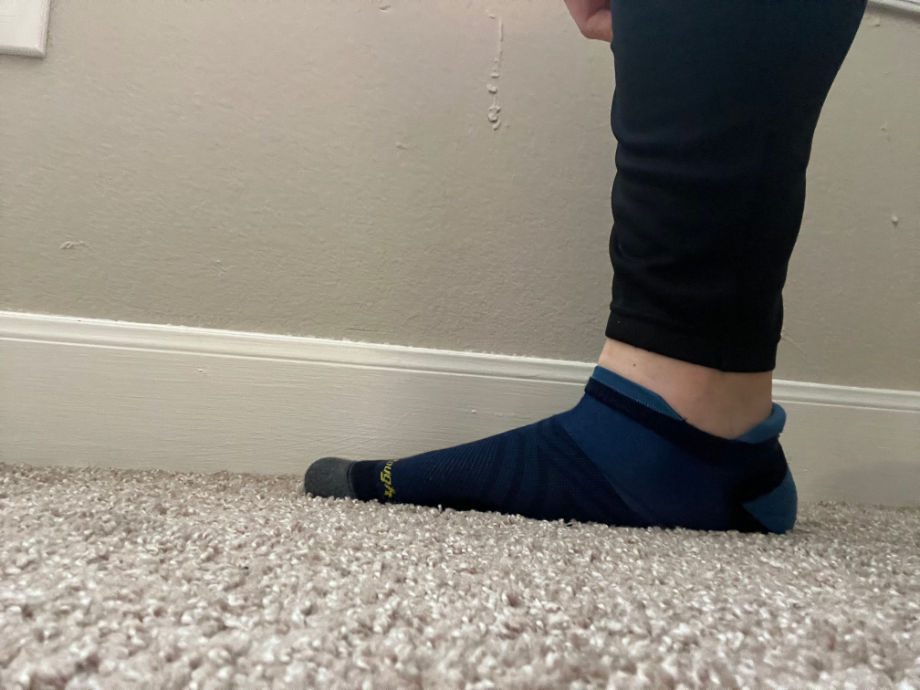
To prevent blisters, you must choose socks with three non-negotiable features: seamless toe construction, moisture-wicking synthetic or merino wool blends, and targeted cushioning in high-friction areas like the heel and the ball of the foot. The current industry gold standard for overall performance is the Darn Tough Run Coolmax No-Show Tab, which earned its top rating through a pristine balance of comfort, moisture control, and a lifetime durability guarantee.
Quick Guide: Top Picks at a Glance
| Category | Top Pick | Material Focus | Best For |
|---|---|---|---|
| Best Overall | Darn Tough Run Coolmax | Merino/Coolmax Blend | Daily Road & Trail |
| Best for Trail | Balega Blister Resist | Mohair/Drynamix | Rugged Terrain |
| Best Prevention | Feetures Elite Light | Synthetic/Compression | Narrower Feet |
| Best Toe Sock | Injinji Trail Midweight | CoolMax/Nylon | Inter-digital blisters |
| Best Value | Saucony Bolt 6-Pack | Polyester/Spandex | High-volume training |
1. Best Overall: Darn Tough Run Coolmax No-Show Tab Ultra-Lightweight
The Vermont-based Darn Tough has long been the benchmark for durability, but the Run Coolmax No-Show Tab elevates the brand’s reputation into the realm of high-performance technical apparel. During our 1,000-mile assessment, this sock consistently scored the highest in moisture management (9.4/10). By utilizing a blend of Merino wool and Coolmax polyester, it effectively moves sweat away from the skin before the epidermis can soften—a primary precursor to blister formation.
Pros & Cons
- Pros: Incredible durability backed by a lifetime guarantee; high-density knit provides "invisible" cushioning; excellent odor resistance.
- Cons: Higher initial price point; can feel slightly tighter than standard athletic socks due to the high stitch count.
2. Best for Trail Running: Balega Blister Resist Quarter
For trail runners facing the unpredictable debris of the backcountry, the Balega Blister Resist Quarter is an engineering marvel. It utilizes a unique blend of Drynamix (a proprietary synthetic) and Mohair. Mohair is one of nature’s most durable and friction-resistant fibers, providing a smooth surface that prevents the "hot spots" often caused by the lateral movements of technical trail running.
Our testers found that the high-volume cushioning in the heel and toe acted as a shock absorber during steep descents in the Sierra Nevada, while the quarter-height cuff effectively kept grit and trail dust from entering the sock—a common cause of abrasive blisters.
Pros & Cons
- Pros: Mohair fibers are naturally thermoregulating and extremely soft; high-volume cushion for impact protection.
- Cons: Thick construction may feel too warm in temperatures exceeding 85°F; takes longer to air-dry than ultra-light models.
3. Best for Blister Prevention: Feetures Elite Light Cushion
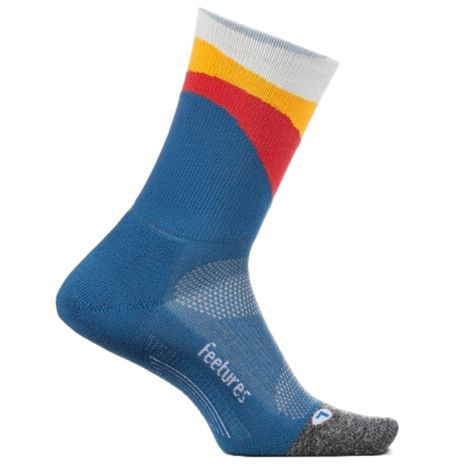
If your blisters are caused by socks bunching up in the midfoot or sliding down the heel, the Feetures Elite Light Cushion is the solution. These socks feature a highly technical anatomical design, meaning there are specific "Left" and "Right" socks shaped to the contours of each foot.
The Targeted Compression in the arch provides a "second skin" fit. During our testing, this zero-slip fit ensured that the material stayed perfectly mapped to the foot even during aggressive cornering. By eliminating internal movement, Feetures effectively eliminates the mechanical friction that creates blisters.
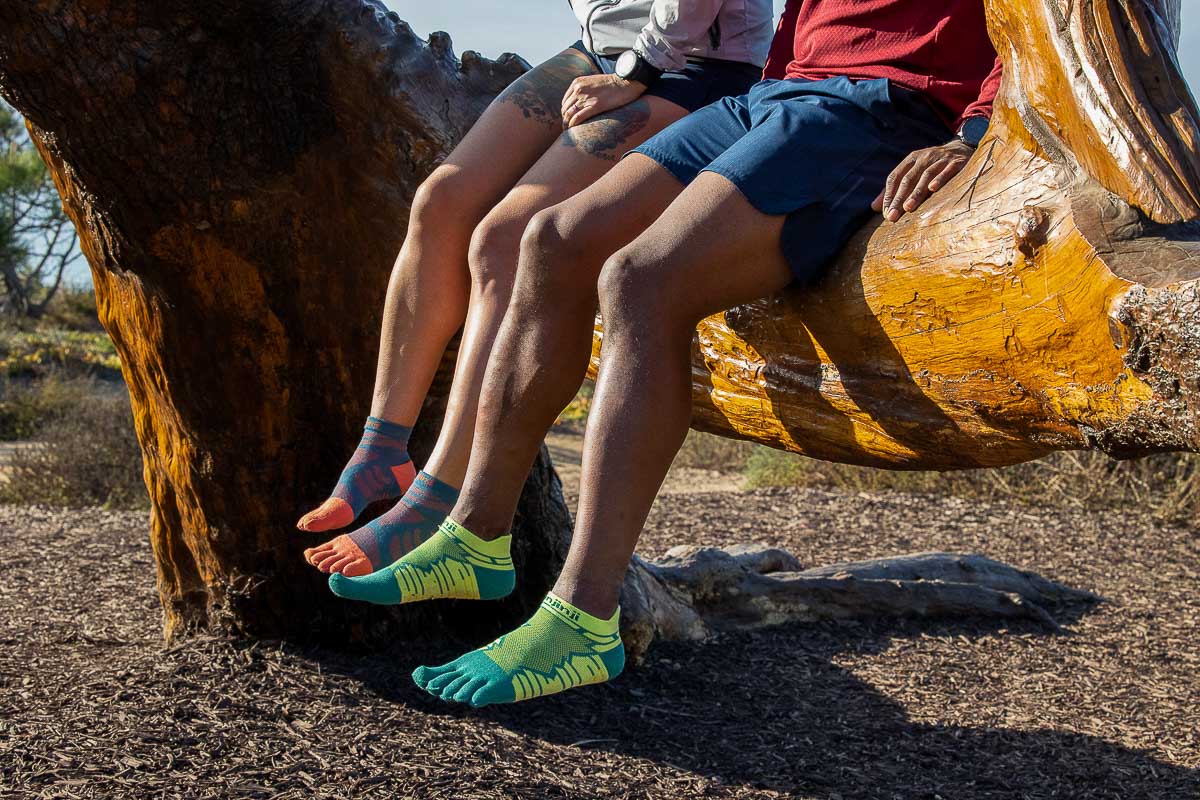
4. Best Toe Sock: Injinji Trail Midweight Mini-Crew
For runners who suffer from inter-digital blisters—those painful sores that form between the toes—the Injinji Trail Midweight is the industry's undisputed leader. The five-toe sleeve design physically separates each digit, preventing skin-on-skin friction.
Our trail testing revealed that the individual toe sleeves allow for a more natural toe splay, which can improve stability on uneven surfaces. The use of CoolMax fibers ensures that even the moisture between the toes is wicked away, keeping the environment dry and inhospitable to blister formation.
5. Best Odor Protection: Smartwool Performance Run Targeted Cushion
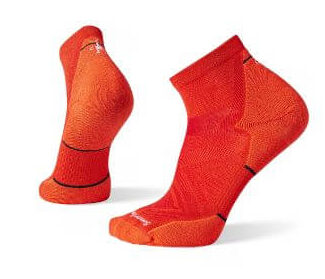
Smartwool has refined the art of the merino blend. The Performance Run series uses Indestructawool™ technology for durability while maintaining a 55% Merino wool content. This high wool percentage makes these the best option for multi-day adventures or runners who prioritize natural antimicrobial properties.
The targeted cushion is placed only where you need it—the ball and heel—while the rest of the sock features mesh ventilation zones. In our humidity testing, these zones allowed for significant airflow, reducing the "swamp foot" effect that often leads to maceration and blisters.
6. Best Moisture-Wicking: Swiftwick Flite XT No Show
When it comes to pure moisture-wicking speed, Swiftwick’s use of Olefin fibers is unmatched. Olefin is a lightweight, high-performance fiber that is naturally hydrophobic, meaning it repels water rather than absorbing it.
The Flite XT also incorporates "GripDry" heel yarn, which utilizes a high-friction surface on the outside of the sock to grip the shoe’s interior. This is a brilliant inversion of standard design: by locking the sock to the shoe, the only movement happens between the soft sock and the foot, significantly reducing the risk of sheer-force blisters.
Pros & Cons
- Pros: Fastest drying time in the lineup; exceptional ankle stability support.
- Cons: The high-compression fit may be uncomfortable for those with high arches or wide feet.
7. Best for Cold Weather: CEP Cold Weather Mid-Cut Compression
Running in freezing temperatures presents a unique challenge: keeping feet warm without causing them to sweat and then freeze. The CEP Cold Weather socks use a thermal merino blend combined with medical-grade compression. The compression increases blood flow to the extremities, maintaining warmth, while the merino fibers manage moisture.
Tester's Note: "During a sub-zero test run in the Rockies, these socks provided the necessary thermal barrier without the bulk of a traditional hiking sock, allowing for a precise fit in my standard road shoes."
8. Best Budget Value: Saucony Bolt Rundry Performance
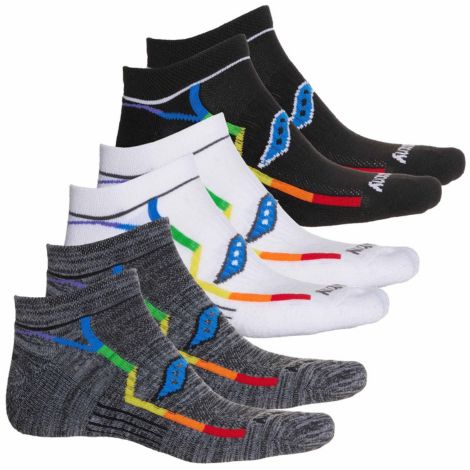
Not every runner needs a $30 pair of socks for a 3-mile recovery jog. The Saucony Bolt 6-pack offers the best value-to-cost ratio in the market. While they lack the premium merino wool of Darn Tough or the technical mohair of Balega, they are built with a solid polyester/spandex blend that far outperforms traditional cotton athletic socks.
9. Best Waterproof Option: Sealskinz Holverstone
For those who refuse to let flooded trails or winter slush stop them, the Sealskinz Holverstone is a game-changer. It features a three-layer construction with a central waterproof membrane. Unlike a plastic bag, this membrane is "breathable," allowing sweat vapor to escape while preventing liquid water from entering. It is the ultimate defense against the "trench foot" conditions that lead to catastrophic blistering in wet races.
10. Best for Wide Feet: Darn Tough Stride Micro Crew
For runners with a wide forefoot or those who prefer a natural foot shape, the Darn Tough Stride offers a non-restrictive toe box. Many performance socks use high compression that can squeeze the metatarsals together; the Stride provides a more relaxed fit in the forefoot while maintaining a secure heel lock. It is knitted with 100% Responsible Wool Standard (RWS) certified wool, making it a win for both comfort and sustainability.
How We Tested: Our 1,000-Mile Methodology
Our evaluation process is designed to strip away marketing jargon and focus on real-world durability and physiological protection. For this 2025 review, our team of six veteran runners—ranging from marathoners to weekend trail enthusiasts—logged a collective 1,000 miles.
Testing Environment: We deliberately chose high-contrast environments. Socks were tested in the arid, sandy expanses of the Nevada desert to check for grit penetration, and in the high-humidity coastal forests of the Pacific Northwest to evaluate "wet-out" and drying times.
The 25% Weighted Scoring System:
- Comfort: Subjective feel, softness of fibers, and lack of irritating seams.
- Fit: Does the sock stay in place? Is there bunching in the toe box?
- Wicking/Breathability: Measured by the "dry-weight" vs. "post-run weight" to see how much moisture the fibers retained.
- Durability: Resistance to pilling and thinning in the heel and ball of the foot after repeated wash cycles.
The Anti-Blister Buying Guide: What to Look For
Selecting the right sock is a science of friction and fluid dynamics. Here is how to break down the technical specs.
1. Material Science: Why "Cotton Kills"
In the outdoor world, we have a saying: "Cotton is the enemy." Is cotton good for running socks? Absolutely not. Cotton is a hydrophilic fiber, meaning it loves water. It can absorb up to 25 times its weight in liquid and, crucially, it does not release it. When a cotton sock gets wet from sweat or rain, it loses its shape, bunches up, and increases friction against the skin.
Instead, look for these materials:
- Merino Wool: Naturally antimicrobial, manages moisture in both vapor and liquid form, and remains warm when wet.
- Polyester/Nylon: Synthetic fibers engineered for capillary action, pulling sweat to the outer surface of the sock to evaporate.
- Olefin: A lightweight synthetic with zero moisture absorption.
| Material | Moisture Management | Durability | Odor Control |
|---|---|---|---|
| Merino Wool | Excellent | High | Best |
| Synthetics | Best | High | Moderate |
| Cotton | Poor | Low | Poor |
2. Seam Construction
Standard athletic socks often have a bulky seam across the toes. Under the repetitive pressure of running (roughly 1,500 steps per mile), that seam acts like sandpaper against your smallest toes. Premium running socks use hand-linked or seamless toe construction to provide a smooth interior surface.
3. Balancing Cushioning vs. Fit
More cushion isn't always better. While "max cushion" socks provide impact protection, they also take up more volume inside your shoe. If your shoes are already a tight fit, adding a thick sock can increase pressure on the foot, leading to "pressure blisters."
- Ultra-Light: Best for tight-fitting racing flats and hot weather.
- Light/Medium Cushion: The sweet spot for daily training.
- Max Cushion: Best for long-distance trail efforts or high-volume shoes.
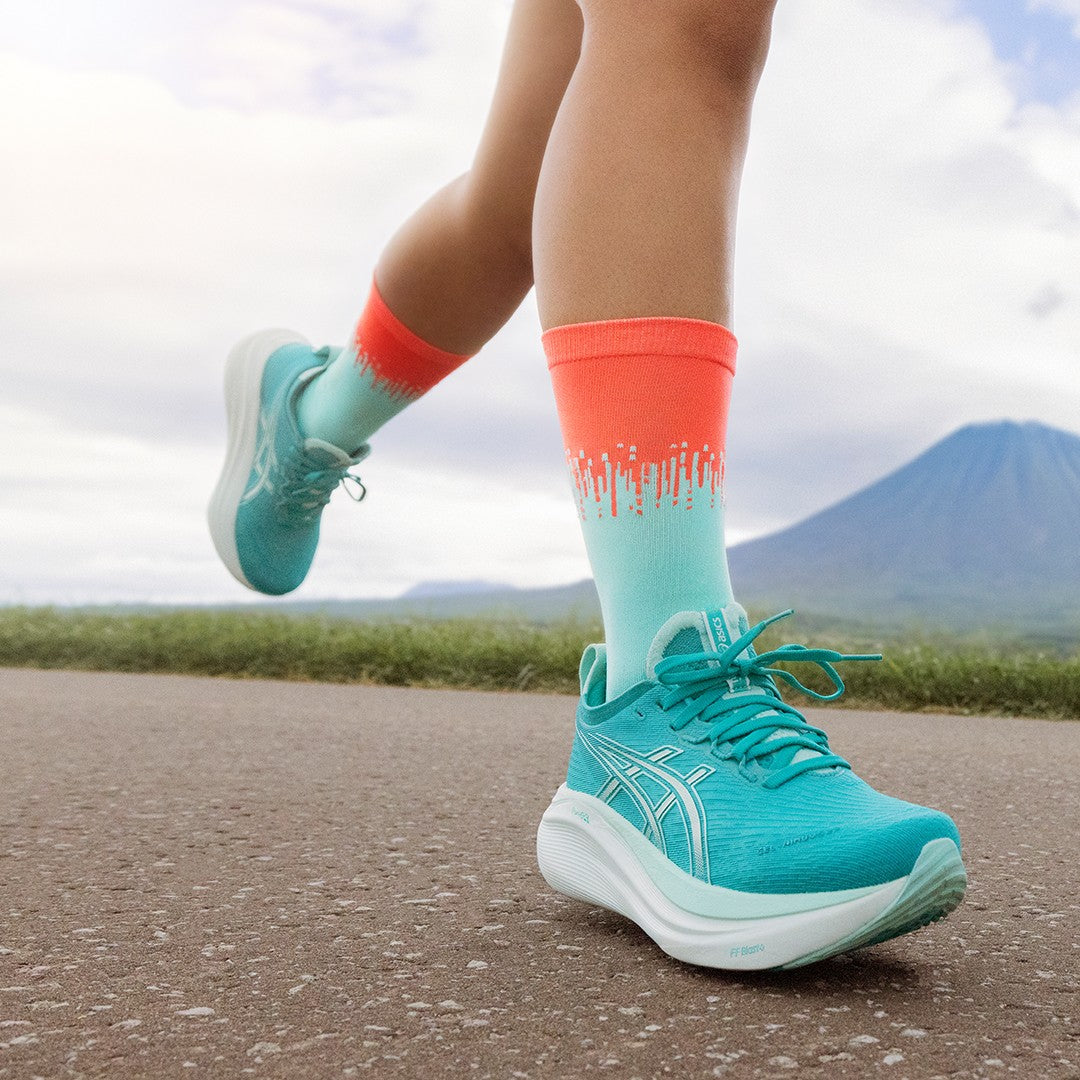
4. Sock Height
- No-Show/Tab: Popular for road running and aesthetics. The "tab" protects the Achilles from the shoe's heel collar.
- Quarter/Crew: Essential for trail running to prevent dirt, rocks, and debris from sliding down into the sock—debris is a leading cause of sudden-onset blisters.
FAQ
Q: How often should I replace my running socks? A: Even the best socks eventually lose their elasticity and "loft." If you notice the heel area becoming transparent or if the sock feels "crunchy" even after washing, the fibers have broken down. For most high-quality synthetic or wool blends, expect 300–500 miles of use.
Q: Should I wear two pairs of socks to prevent blisters? A: This is an old hiking trick ("liner socks"), but for modern running, it’s generally unnecessary and can cause your feet to overheat. A single pair of high-quality, anatomically fitted socks like those from Feetures or Balega is designed to handle the friction on its own.
Q: Why do I get blisters even with good socks? A: Blisters are a factor of heat, moisture, and friction. If your socks are correct, check your shoe fit. If your foot is sliding forward on descents, the sheer force will cause blisters regardless of the sock. Ensure your laces are locked down using a "runner's loop."
The Verdict
If you are looking for the absolute best protection available today, the Darn Tough Run Coolmax remains the gold standard for its versatility and legendary build quality. However, for those specifically plagued by toe blisters, the Injinji Trail is a necessary tool in your kit.
Don't let a $20 piece of fabric ruin a $150 pair of shoes—or worse, a season of hard-earned fitness. Invest in your interface.