I’ve spent the last 15 years chasing storms across six continents, testing over 120 different rain jackets in everything from relentless Patagonian sleet to the oppressive humidity of a Vietnamese monsoon. My team and I have clocked over 350 field hours in the last year alone, rigorously vetting the latest waterproof breathable shell technology to see which gear actually holds up when the sky falls.
If there’s one thing I’ve learned, it’s that most people are buying rain gear based on a lie—or at least a very well-funded marketing campaign. You see a "waterproof" tag and assume you’ll stay dry. Then, three hours into a hike, you’re soaked, shivering, and wondering why your $300 investment feels like a damp plastic bag. The truth is, staying dry has less to do with the brand name and everything to do with understanding the layers between you and the elements.
The Layering Secret: Why 2.5-Layer Jackets Fail Early
Most entry-level and mid-range jackets use what we call "2.5-layer" construction. It sounds technical, but it’s essentially a face fabric, a waterproof membrane, and a sprayed-on "half-layer" or print on the inside to protect that membrane.
Expert Verdict: A 3-layer rain jacket is vastly superior to a 2.5-layer design for frequent use. The integrated interior liner in a 3-layer jacket protects the delicate breathable membrane from body oils, sweat, and grime, which are the primary killers of waterproof performance.
When you’re working hard on a trail, your body produces oils. In a 2.5-layer jacket, those oils migrate directly into the membrane, causing it to delaminate—that’s when the interior starts peeling off like a bad sunburn. Furthermore, 2.5-layer jackets often feel "clammy" against the skin.
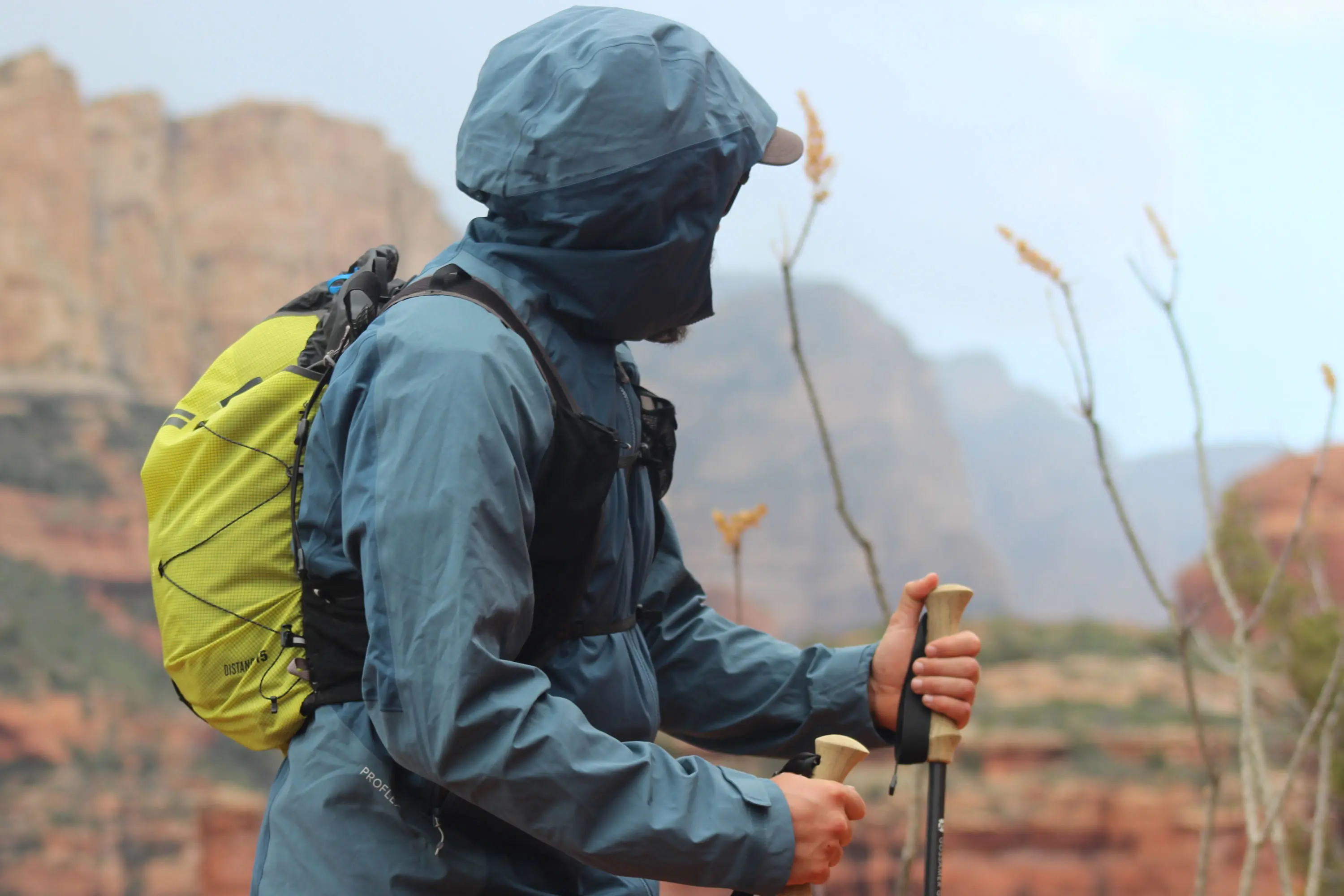
In contrast, a 3-layer jacket sandwiches the membrane between a rugged outer fabric and a functional inner scrim (usually a fine knit). This third layer:
- Wicks moisture: It pulls sweat away from your skin faster.
- Protects the membrane: It acts as a physical barrier against salt and oil.
- Increases comfort: It feels like actual fabric, not a rubber glove.
If you are a weekend warrior, a 2.5-layer shell might last two seasons. If you’re a serious hiker, it will fail you just when you need it most.
The Best All-Around Pick: Why the Patagonia Torrentshell 3L Wins
In our search for the best rain jackets 2026, one name consistently rises to the top for the "everyman" adventurer. I’ve worn this jacket on 14-hour treks in the Cascades and packed it into carry-ons for city breaks in London.
The Core Choice: The Patagonia Torrentshell 3L is the best all-around rain jacket because it balances high-end 3-layer waterproof protection (using their proprietary H2No standard) with extreme durability at a price that doesn't require a second mortgage.
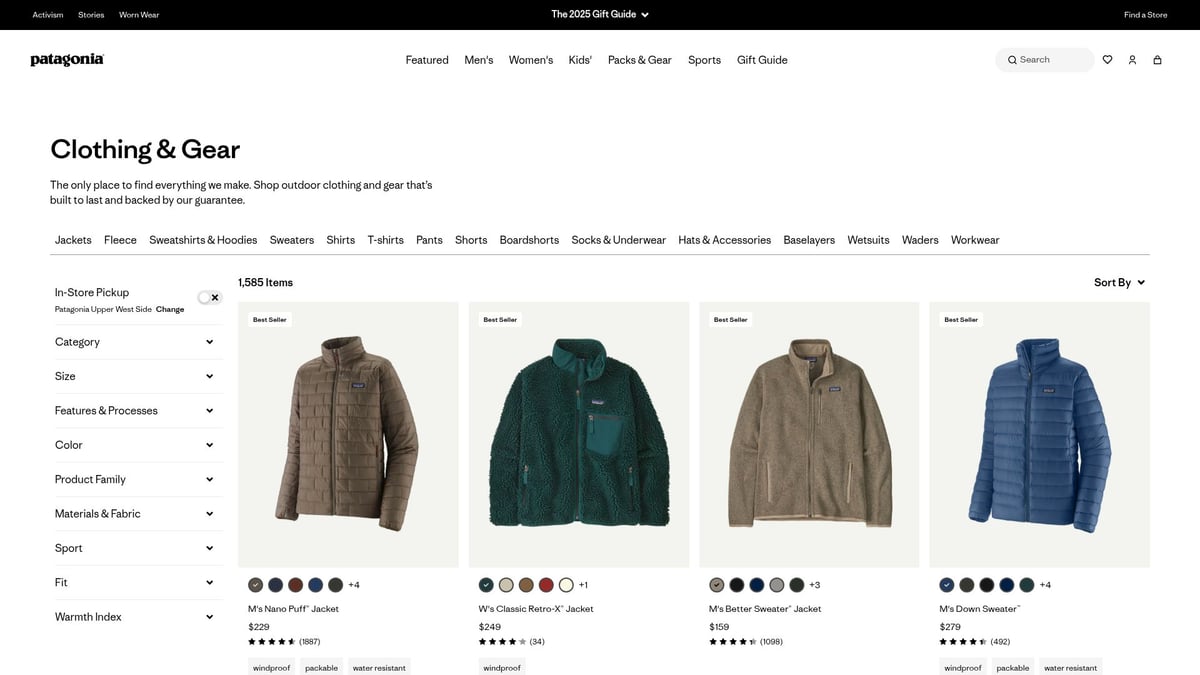
While many brands are still playing catch-up, Patagonia updated the Torrentshell to a full 3-layer construction a few years back, and it changed the game. Here is the breakdown:
- Durability: The 50-denier recycled nylon face fabric is tough enough to handle bushwhacking through rhododendrons without tearing.
- Eco-Credentials: It features a PFC-free DWR (Durable Water Repellent) finish, which is the new gold standard for 2026 as we move away from "forever chemicals."
- The Fit: It’s roomy enough for a fleece layer underneath but tailored enough that you don't look like you're wearing a sail.
Pros:
- Outstanding longevity compared to rivals.
- Highly effective pit zips for heat management.
- Fair Trade Certified sewing.
Cons:
- A bit crinkly/loud when moving.
- Slightly heavier than minimalist "emergency" shells.
Shop the Patagonia Torrentshell 3L →
High-Performance Reality: When to Spend $500+
I often get asked: "Marcus, is an Arc’teryx jacket actually worth twice the price of a Patagonia?" The answer is yes—but only if your life depends on it.
When you move into the Patagonia Torrentshell vs Arc'teryx Beta SL debate, you’re moving from "hiking gear" to "alpine armor." For high-altitude expeditions or multi-day mountaineering where you cannot afford to get wet, the Arc’teryx Beta SL (Superlight) is a masterclass in engineering.
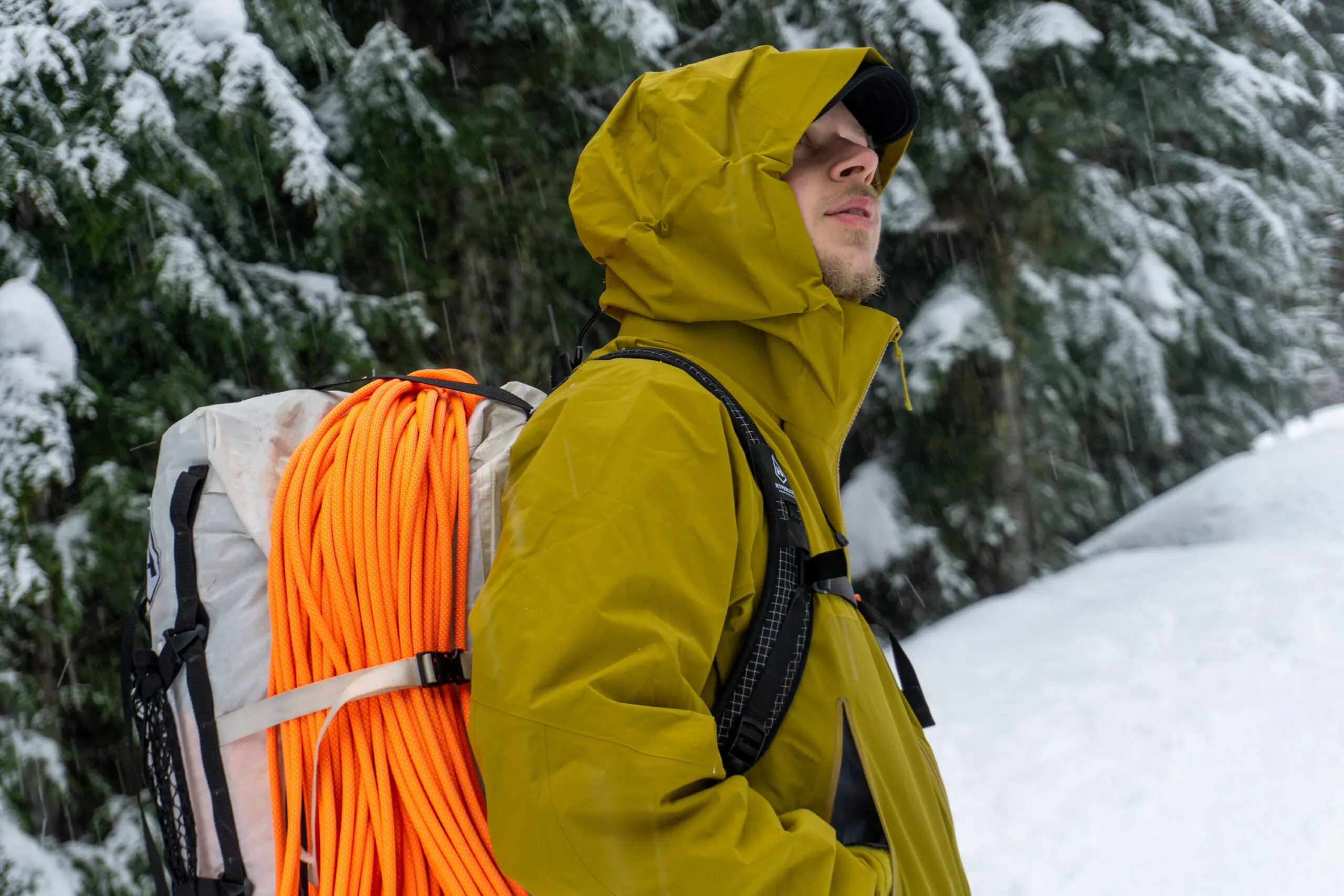
The Beta SL uses the latest GORE-TEX ePE membrane, which is thinner, lighter, and more breathable than anything we’ve seen in previous decades. It also features:
- Articulated patterning: The jacket is cut to move with your body. When you reach up for a climbing hold, the hem doesn't lift above your harness.
- RECCO Reflector: A small, passive transponder that makes you searchable to professional rescuers in the event of an avalanche or getting lost.
- Weight-to-Protection Ratio: It provides bombproof protection for about 10.6 ounces, which is almost unheard of for a shell this tough.
If you’re just walking the dog or doing day hikes, save your money. If you’re heading into the backcountry for a week in the 2026 season, this is the insurance policy you wear on your back.
Activity-Specific Selection: Beyond Hiking
A common mistake I see is people using a heavy hiking shell for trail running or technical climbing. In high-exertion activities, the "breathability" of your jacket is more important than its "waterproofness." If you’re sweating harder than the jacket can vent, you’re going to get wet from the inside out anyway.
Expert Tip: For high-exertion activities like alpine climbing or trail running, choose a jacket with mechanical stretch and pit zips, such as the Black Diamond Fineline Stretch. This ensures you maintain a full range of motion while dumping heat efficiently.
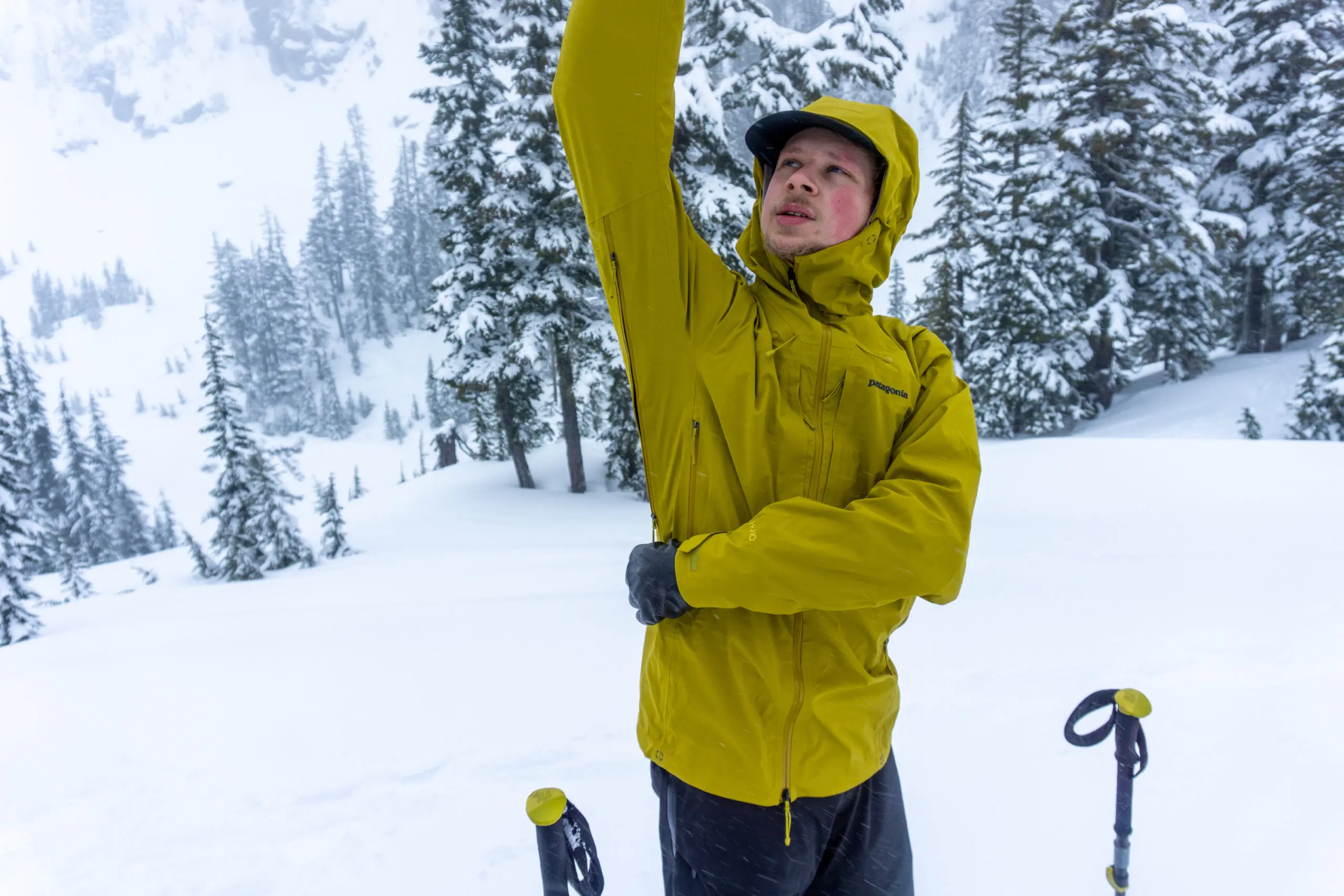
The Fineline Stretch is a personal favorite for fast-and-light missions. It uses BD.dry technology and a stretch-woven face fabric. This means when you’re swinging ice axes or sprinting up a ridge, the jacket moves with you, not against you.
Essential Features for Active Use:
- Helmet-compatible hood: If you’re climbing or cycling, this is non-negotiable.
- Elasticized cuffs: Allows you to quickly push sleeves up your forearms to vent.
- Minimalist Pockets: Often placed higher on the chest to stay clear of a climbing harness or backpack hip belt.
The Maintenance Truth: Your Jacket is Not Forever
No one tells you this in the store: your brand-new, $400 jacket will stop "beading" water after about 20-30 hours of use. This is called "wetting out."
When the outer fabric (the face fabric) becomes saturated with water, the breathable membrane underneath can no longer "breathe." Moisture from your sweat gets trapped inside, and you feel soaked. This isn't a leak; it's a maintenance failure.
How to Revive Your Gear:
- Wash it: Seriously. Dirt and oils kill breathability. Use a technical wash like Nikwax Tech Wash.
- Dry it: Putting your jacket in the dryer on medium heat for 20 minutes "reactivates" the DWR finish.
- Re-apply: If water still doesn't bead up, spray on a new DWR treatment (like Nikwax TX.Direct) while the jacket is wet, then tumble dry.
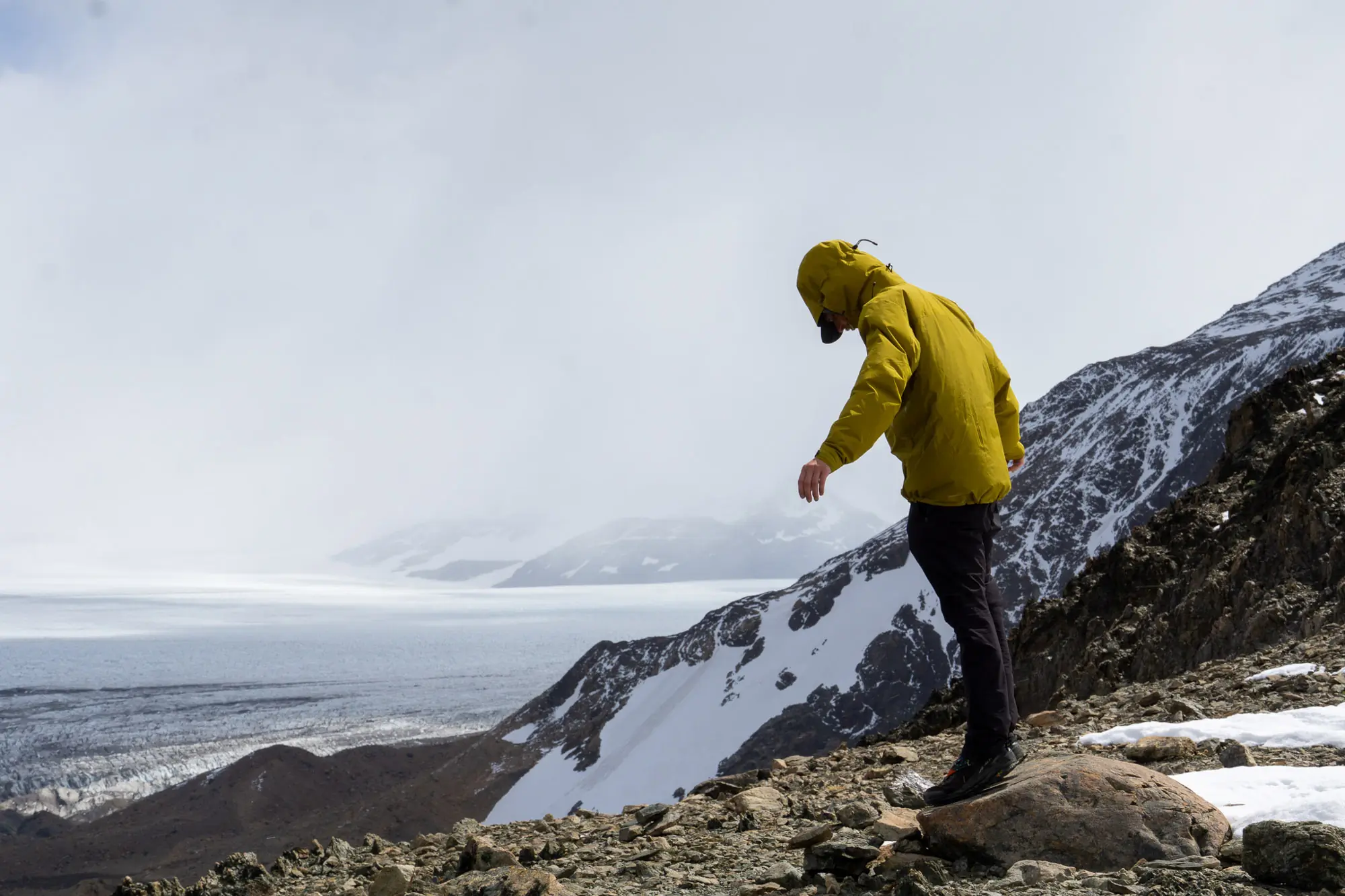
Never, ever store your jacket in a stuff sack for long periods. This creates permanent creases in the membrane that will eventually crack and leak. Hang it up in a cool, dry place.
Comparison Table: Top 5 Rain Jackets for 2026
| Model | Weight (oz) | Construction | Best Use Case | Waterproof Rating (mm) |
|---|---|---|---|---|
| Patagonia Torrentshell 3L | 14.1 | 3-Layer H2No | Best All-Around / Hiking | 20,000+ |
| Arc'teryx Beta SL | 10.6 | 3-Layer GORE-TEX ePE | Alpine / Extreme | 28,000 |
| Black Diamond Fineline | 7.8 | 2.5-Layer BD.dry | Climbing / Running | 10,000 |
| Outdoor Research Helium | 6.3 | 2.5-Layer Pertex | Emergency / Ultralight | 15,000 |
| Mammut Crater IV | 16.2 | 3-Layer GORE-TEX | Winter / Heavy Duty | 28,000 |
FAQ
What is the difference between water-resistant and waterproof? Water-resistant gear (like softshells or windbreakers) can handle a light drizzle for a few minutes. Waterproof gear uses a membrane and taped seams to withstand sustained, heavy rain. If you’re out for more than 20 minutes, you need waterproof.
How often should I re-apply DWR? If you use your jacket once a week, plan on a wash and "reactivation" every 3-4 months. If the water stops beading and starts soaking into the fabric, it’s time.
Can I use a rain jacket for skiing? Yes, but with caveats. Rain jackets are thinner than ski shells, so you'll need better mid-layers for warmth. Also, rain jackets lack "powder skirts," so if you wipe out in deep snow, expect some to get up your back.
Conclusion
The "perfect" rain jacket doesn't exist, but the right one for your specific adventure does. Don't get distracted by the flashiest colors or the most expensive price tags. Look for that 3-layer construction if you want longevity, prioritize pit zips if you're a heavy sweater, and for heaven's sake, wash your gear occasionally.
The wilderness is waiting, and it doesn't care if it's raining. With the right shell, neither will you. Now, get out there and find some mud.