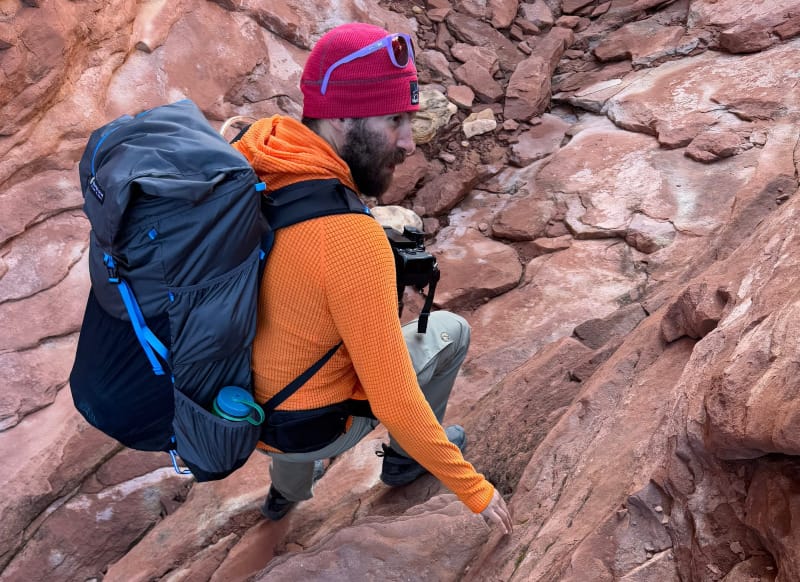
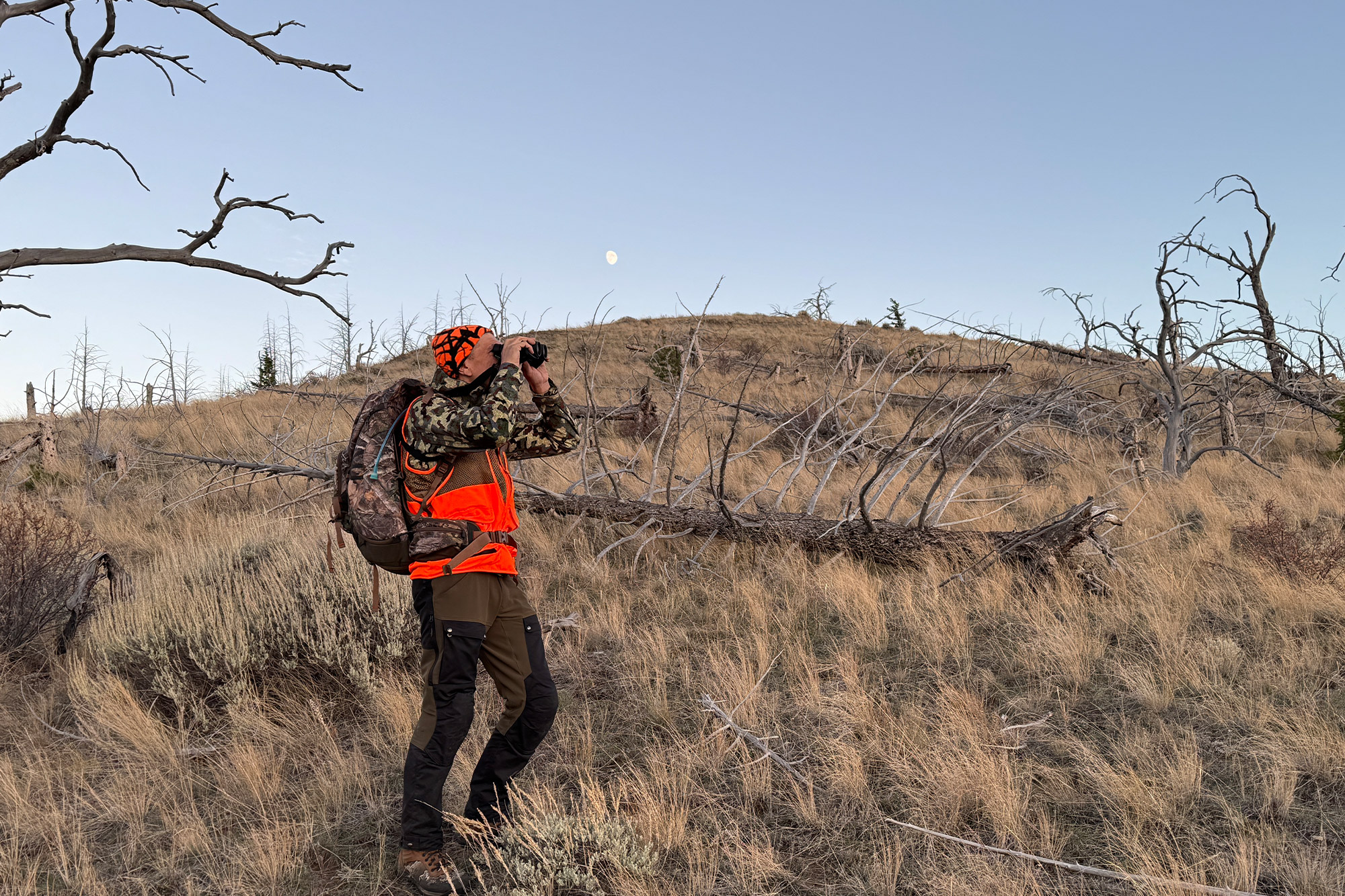
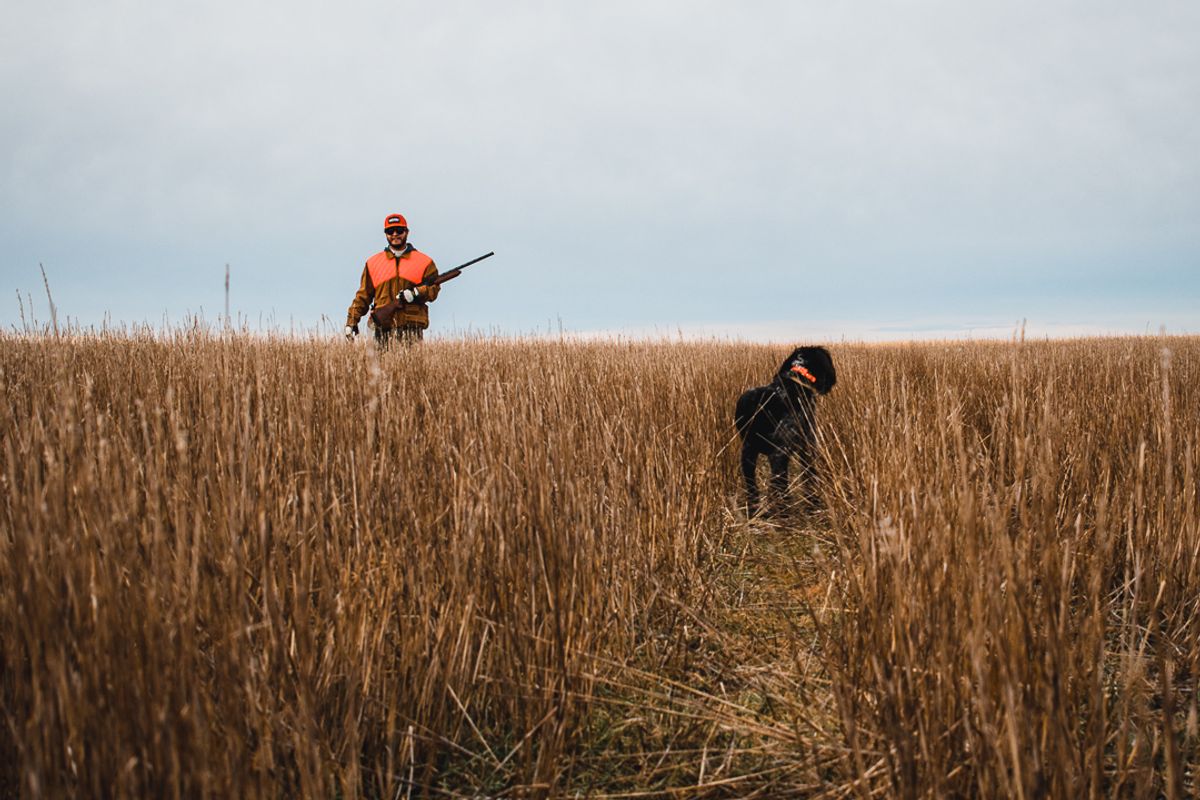
There is a specific kind of misery that comes from wearing the wrong shorts on a high-mileage day. We’ve all been there: the dreaded inner-thigh chafe, the heavy, water-logged fabric after a creek crossing, or the restrictive "tug" when you're trying to high-step over a granite boulder. After researching more than 60 different models and logging hundreds of trail hours across the rugged peaks of the U.S. Cascades, the windswept plains of Chile, and the technical passes of the Alps, our team has found the clear winners for 2025.
Whether you’re a thru-hiker counting every gram or a weekend warrior looking for one pair of shorts that can handle a technical scramble and a post-hike brewery stop, we’ve put the best hiking shorts of 2025 to the ultimate test.
Quick Summary: Our Top Picks
- Best Overall: Patagonia Quandary Short
- Best Value: REI Co-op Sahara Cargo Short
- Best for Mobility: Outdoor Research Ferrosi Short
- Best for Style (Trail to Town): Kuhl Renegade Short
- Best for Thru-Hikers: Patagonia Baggies Longs
The Patagonia Quandary Short is our top-rated pick for 2025, offering an unmatched balance of 96% recycled nylon fabric, quick-drying capabilities, and long-term durability. For those watching their gear budget, the REI Co-op Sahara Cargo Short provides the best bang for your buck, delivering six functional pockets and excellent breathability at a price point that undercuts premium competitors. If your hiking style involves technical movement and scrambling, the Outdoor Research Ferrosi Short wins for mobility thanks to its legendary 4-way stretch fabric.

Comparison Table of 2025 Winners
| Model | Price | Primary Material | Inseam Options | Pockets | Best For |
|---|---|---|---|---|---|
| Patagonia Quandary | $79 | 96% Recycled Nylon / 4% Spandex | 8", 10", 12" | 5 | All-Around Excellence |
| REI Co-op Sahara | $60 | 96% Nylon / 4% Spandex | 7", 9" | 6 | Budget-Friendly Utility |
| OR Ferrosi | $85 | 86% Nylon / 14% Spandex | 7", 10" | 5 | Technical Mobility |
| Kuhl Renegade | $85 | Duralux™ (Nylon blend) | 8", 10", 12" | 8 | Durability & Style |
| Patagonia Baggies | $65 | 100% Recycled Nylon | 5", 7" | 3 | Water & Thru-Hiking |
In-Depth Reviews: The Best Hiking Shorts of 2025
1. Patagonia Quandary Short: Best Overall Hiking Shorts
When we talk about a "quiver-killer" for hiking gear, the Patagonia Quandary Short is exactly what we mean. During our Patagonia Quandary review process, we took these shorts from the humid Appalachian Trail to the high-altitude dryness of the Italian Dolomites. The standout feature is the fabric: a 4.4-oz 96% recycled nylon (derived from NetPlus® recycled fishing nets) blended with 4% spandex. It feels incredibly supple against the skin but possesses a burly resistance to abrasions.
The fit is where the Quandary truly shines. It isn't overly baggy, yet it doesn't feel restrictive when the trail gets steep. The DWR (durable water repellent) finish is surprisingly effective for such a lightweight material, shedding light rain and morning dew with ease. While the front pockets are a bit shallow for larger modern smartphones, the zippered thigh pocket is perfectly placed to keep essentials secure without bouncing against your leg.
The Details:
- Material: 96% recycled nylon, 4% spandex with DWR.
- Weight: 7.5 oz.
- Key Feature: NetPlus® recycled fishing nets construction.
Pros:
- Exceptionally quick-drying and breathable.
- Superior comfort for multi-day treks.
- Available in multiple inseam lengths for custom coverage.
- Bluesign® approved and Fair Trade Certified™ sewn.
Cons:
- Hand pockets are slightly shallow for large phones.
- Front zipper requires careful alignment to prevent snagging.
2. REI Co-op Sahara Cargo Short: Best Bang for Your Buck
For the hiker who wants a "workhorse" short without the premium price tag, the REI Co-op Sahara Cargo Short remains the king of the mid-range market. In our head-to-head comparison of REI Co-op Sahara vs Patagonia Quandary, the Sahara wins on pure utility. It features six functional pockets, including two secure cargo pockets that are a godsend for those who like to keep their maps, snacks, and compass within arm's reach.
The 2025 version features a lightweight, bluesign® approved nylon that provides UPF 50+ sun protection. We especially appreciated the elastic inserts in the waistband, which provide a "forgiving" fit after a week of trail food or during high-output climbs. While it lacks the refined aesthetic of some of the more "trail-to-town" models, its performance in hot, swampy conditions is legendary.
The Details:
- Material: 96% Nylon, 4% Spandex.
- Weight: 8.2 oz.
- Key Feature: Six-pocket configuration for maximum storage.
Pros:
- Incredible value for the technical features provided.
- Very breathable and moisture-wicking in high heat.
- Reinforced seams in high-wear areas.
Cons:
- The pocket flaps can feel bulky and cumbersome.
- The aesthetic is very "classic hiker" and less versatile for city wear.
3. Outdoor Research Ferrosi Short: Top Choice for Mobility
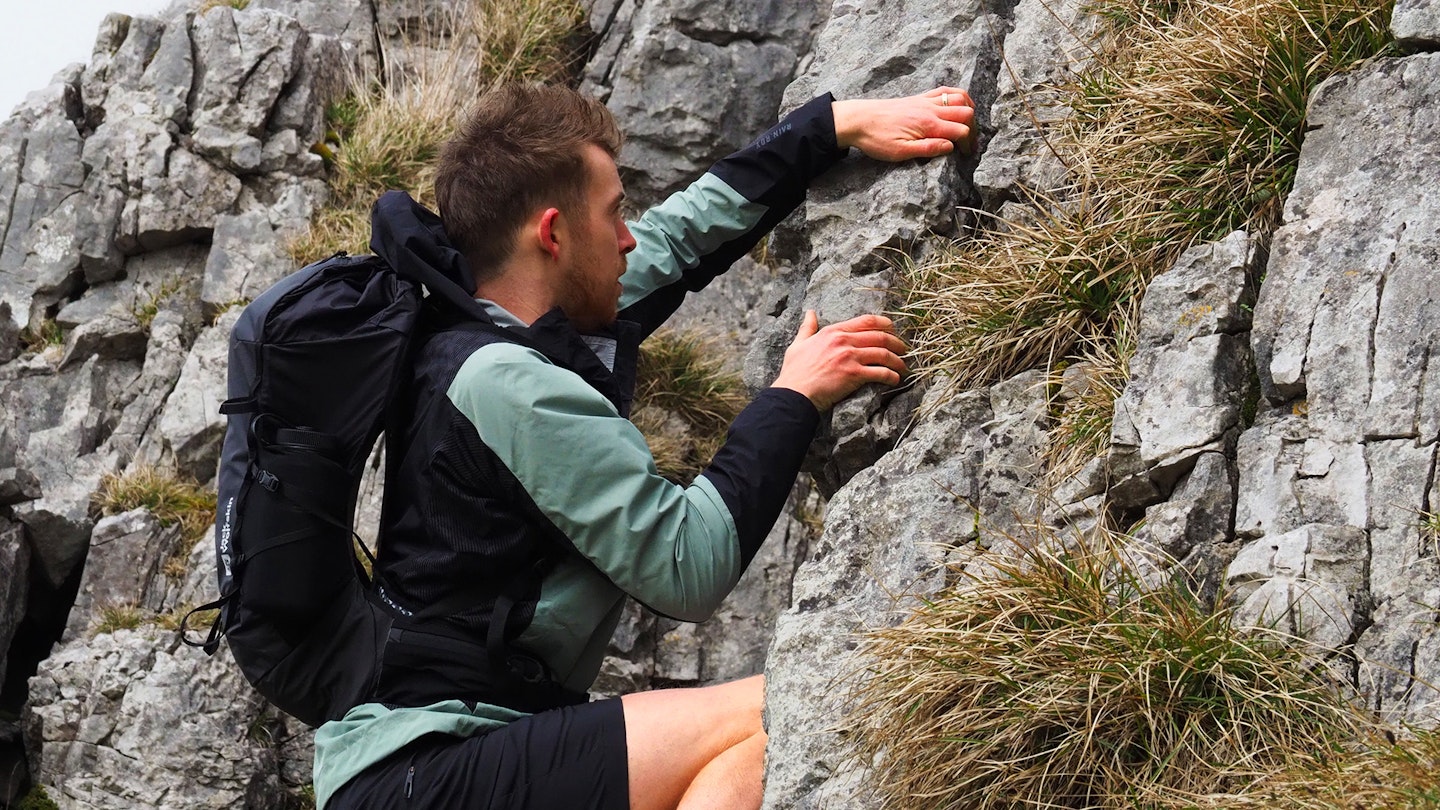
If your hiking often turns into rock scrambling or technical peak bagging, you need the Outdoor Research Ferrosi. This short has achieved cult status among our testers for one reason: the 14% spandex blend. This provides an extraordinary 4-way stretch that makes the shorts feel almost invisible, even during high-step movements.
The Ferrosi fabric is also wind-resistant and incredibly tough for its weight. We dragged these across granite slabs in the Sierra Nevada and came away without a single snag. It’s the definition of quick dry hiking shorts for men, often drying completely within 15 minutes of a mid-hike dip in a mountain lake.
The Details:
- Material: 86% Nylon, 14% Spandex 90D stretch woven ripstop.
- Weight: 7.2 oz.
- Key Feature: Legendary 4-way stretch.
Pros:
- Unrivaled freedom of movement.
- Highly breathable—great for the hottest summer days.
- Low-profile waistband sits comfortably under a heavy pack hip belt.
Cons:
- The thin fabric can show "pocket bulge" if you carry heavy items.
- Slightly less wind-resistant than the Patagonia Quandary.
4. Kuhl Renegade Short: Best Trail to Town Transition
Not every hike ends at a tent; some end at a roadside bistro or a crowded airport terminal. The Kuhl Renegade is the durable men's hiking short that doesn't look like a piece of technical gear. Using their proprietary Duralux™ fabric, Kuhl has created a short that feels like soft cotton but performs like high-end nylon.
The Renegade features eight pockets, including two "stealth" cell phone pockets that are genius in their simplicity. They keep your phone tucked against the back of your thigh where it won't swing or get in the way of your stride. The fabric is thicker than the Ferrosi or the Sahara, making it the choice for hikers who frequently push through heavy brush or briars.
The Details:
- Material: Duralux™ (95% Nylon, 5% Spandex).
- Weight: 9.0 oz.
- Key Feature: Anatomical "Free Ryde" fit for natural movement.
Pros:
- Most durable fabric in our test group.
- Excellent pocket layout for EDC (Every Day Carry) items.
- Looks great in casual social settings.
Cons:
- Heavier and slower to dry than the Patagonia Quandary.
- Can feel a bit warm in extreme desert heat.
5. Patagonia Baggies Longs: Best for Thru-Hikers
For the minimalist thru-hiker who wants one pair of shorts for hiking, swimming, and laundry day, the Patagonia Baggies Longs (the 7" version) are the gold standard. They are essentially bulletproof. Made from 100% recycled nylon with a mesh liner, they eliminate the need for separate underwear, which is a major win for those trying to lower their base weight.
The pockets are deep enough to swallow a 1L water bottle (we tested it!), and the vertical side pockets are designed to reduce drag in the water. While they lack the stretch of the Ferrosi or the refined fit of the Quandary, their sheer simplicity and durability make them a legend on the PCT and AT.
The Details:
- Material: 100% recycled nylon with DWR finish.
- Weight: 8.0 oz.
- Key Feature: Built-in quick-dry mesh liner.
Pros:
- Virtually indestructible.
- Doubles perfectly as swimwear.
- Deep pockets prevent items from falling out.
Cons:
- Zero stretch in the fabric.
- The mesh liner can cause chafing for some body types over long distances.
How We Tested: Our 100-Point Scoring System
To determine the winners for 2025, our expert team—including lead testers Chris Williams and Rob Slade—combined decades of experience from the PCT, the Appalachian Trail, and the Andes. We didn't just walk in these shorts; we lived in them. We climbed, swam, sweated, and sat on sharp rocks to see which fabrics would hold up.
Our performance ratings are based on a rigorous 100-point scale designed to reflect what actually matters on the trail:
- Comfort & Mobility (35%): How does the short feel after 15 miles? Does it move with the body during steep ascents?
- Fabric Performance (25%): We measured dry times after full submersion and tested breathability during high-heart-rate climbs in 90°F heat.
- Versatility (25%): Can this short go from a technical scramble to a casual dinner? How well does it handle different climates?
- Construction Quality (15%): We scrutinized stitching, zipper durability, and abrasion resistance against granite and thorns.

Buying Advice: How to Choose the Right Shorts
Choosing the right pair of shorts depends heavily on where and how you hike. Here is the breakdown of what you should be looking for before you swipe that card.
Material Science: Nylon vs. Polyester
Most modern hiking shorts are made of Nylon, which is prized for its durability and "supple" hand feel. Nylon is generally more abrasion-resistant than polyester, making it ideal for rugged trails. However, look for blends that include Spandex (or Elastane). A 4% to 14% spandex blend is the "sweet spot" that provides the stretch needed for technical movements without making the shorts feel heavy.
Inseam Length: The Great Debate
- 5-inch Inseam: The choice for "sky’s out, thighs out" enthusiasts and thru-hikers. Offers maximum ventilation and zero restriction, but provides less protection against brush and sun.
- 7 to 9-inch Inseam: The industry standard. Hits just above the knee for most, providing a balance of protection and mobility.
- 10 to 12-inch Inseam: Best for taller hikers or those who want extra sun and scratch protection for their thighs.
Technical Features to Look For
- Gusseted Crotch: A diamond-shaped piece of fabric sewn into the crotch to improve range of motion and reduce stress on the seams. This is a non-negotiable for me.
- Pocket Placement: Avoid shorts with bulky pockets right on the front of the thigh, as heavy items will bounce awkwardly. Look for side-offset or rear-slanted zippered pockets.
- Waistband Comfort: If you wear a heavy pack, look for a low-profile waistband without bulky belt loops that could cause pressure points under your hip belt.
FAQ
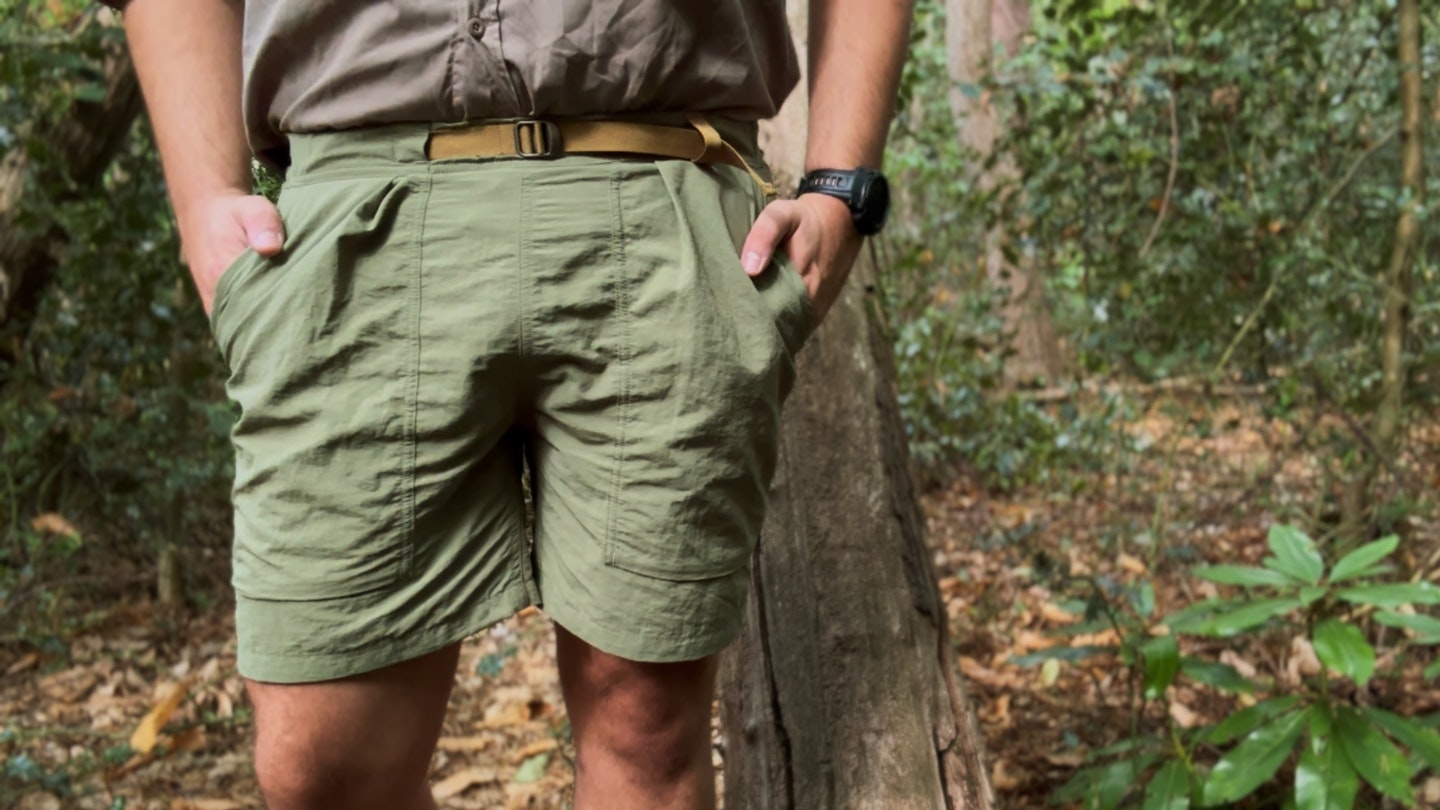
Q: Are cargo shorts still good for hiking in 2025? A: Absolutely, but they’ve evolved. Modern cargo shorts like the REI Sahara use lightweight, quick-dry fabrics and streamlined pockets that don't sag or flap as much as the heavy cotton versions of the past.
Q: Do I need shorts with a DWR finish? A: While not strictly necessary, a DWR (Durable Water Repellent) finish is a huge plus. It helps the fabric shed light rain and—more importantly—prevents the shorts from soaking up sweat and becoming heavy.
Q: How often should I wash my technical hiking shorts? A: Technical fabrics are often treated with anti-microbial finishes. To extend the life of the DWR and the elasticity, try to rinse them with fresh water when possible and only do a full machine wash when they are visibly soiled or starting to retain odors. Always hang dry!
The Final Word
For my money, the Patagonia Quandary remains the gold standard for the modern explorer. It’s the short I pack when I don’t know exactly what the trail will throw at me. However, if you’re pushing for a FKT (Fastest Known Time) or technical summits, the stretch of the Outdoor Research Ferrosi is unbeatable.
The "best" short is the one you forget you're wearing. Pick the pair that fits your body type and your typical trail environment, and get out there. The 2025 season is waiting.
Ready to gear up? Check out our latest guides on [Best Lightweight Trail Runners] and [Top Rated Solar Chargers for 2025].