Let’s be honest: there’s a specific kind of desperation that sets in around mile 18. Your knees are screaming, your bear can feels like it’s filled with lead, and the only thing keeping you moving toward that alpine lake is the promise of dinner. For decades, that "promise" was a salty, monochromatic carb-bomb that tasted vaguely like wet cardboard. But the landscape of trail food has shifted. In 2025, we’ve officially entered the era of the "Trail Gourmand."
Over the last three years, our team has tested more than 100 commercial backpacking meals across 1,000+ nights in the backcountry—from the humid Appalachian Trail to the oxygen-thin passes of the High Sierra. What we discovered was a harsh reality: fewer than 10% of these meals achieved a perfect 10/10 taste rating from our expert panel. The rest? They’re just fuel.
But you don’t want just fuel; you want a reward. After rigorous field testing, the Pinnacle Foods Jalapeño Cheddar Biscuits & Gravy and Good To-Go Thai Yellow Curry have emerged as our 2025 flavor champions, offering a level of culinary sophistication that makes you forget you’re eating out of a bag. If you’re hunting for raw efficiency, Peak Refuel has redefined the game, providing a staggering 161 calories per ounce—a 40% caloric density advantage over mainstream budget options.
2025 Top 5 Freeze-Dried Meals: At a Glance
| Meal | Calories | Protein | Weight | Best For |
|---|---|---|---|---|
| Pinnacle Foods Biscuits & Gravy | 800 | 30g | 5.8 oz | Flavor & Texture |
| Peak Refuel Chicken Pesto | 920 | 43g | 5.7 oz | High-Calorie Density |
| Good To-Go Thai Yellow Curry | 760 | 18g | 6.6 oz | Gourmet/Vegetarian |
| Farm to Summit Golden Oats | 510 | 16g | 4.5 oz | Vegan/Sustainable |
| Mountain House Breakfast Skillet | 510 | 28g | 4.0 oz | Budget/Reliability |
The Elite 10/10 Tier: Best Tasting Meals for Thru-Hikers
When we talk about 10/10 meals, we aren't grading on a "hiker hunger" curve. These are meals we would legitimately pay for in a restaurant.
1. Pinnacle Foods Jalapeño Cheddar Biscuits & Herbed Sausage Gravy
This isn't just the best freeze-dried breakfast; it’s one of the best meals, period. Most freeze-dried biscuits turn into a gummy paste. Pinnacle uses a proprietary process that keeps the biscuits fluffy and distinct from the rich, herb-forward gravy. The jalapeño provides a subtle heat that cuts through the fat, and at 800 calories, it provides the sustained energy needed for a 3,000-foot climb right out of camp.
Spec Box: Pinnacle Foods
- Calories: 800
- Protein: 30g
- Rehydration Time: 20 mins
- Key Perk: Real buttermilk and sharp cheddar flavor.
2. Good To-Go Thai Yellow Curry
Founded by a 4-star New York City chef, Good To-Go has consistently set the bar for "real food" on the trail. Their Thai Yellow Curry is a masterpiece of balance. You’ll find actual visible green beans, cauliflower, and peas that retain their snap. It’s spicy, creamy with coconut milk, and lacks that chemical aftertaste found in lower-tier brands. It’s a vegetarian-friendly option that even the most dedicated carnivores in our group fought over.
The Powerhouse Tier: Best Caloric Density & Protein
For those pushing high mileage or tackling technical expeditions, the weight-to-calorie ratio is king. Mainstream brands often hover around 100-110 calories per ounce. The "Performance" tier, led by Peak Refuel, has pushed that boundary to 160+.
3. Peak Refuel Chicken Pesto Pasta
If you are looking for the absolute best high protein freeze-dried meals, this is it. In a single 5.7-ounce pouch, you get 920 calories and 43g of protein. To put that in perspective, you’d have to eat nearly two pouches of a budget brand to get the same recovery benefits.
The "pro secret" here is the water usage. While many meals require 2 cups of water (and the fuel to boil it), the Chicken Pesto Pasta only needs 1.3 cups (2/3 cup per serving). In dry camps where every drop of water is precious, this efficiency is a literal lifesaver.
Pro-Tip: The 'Bear Can Bulk' Strategy If you're on a 7-day stretch, using Peak Refuel can save you over a pound in food weight compared to budget brands while providing more protein for muscle recovery. It’s the easiest way to lighten your pack without upgrading your tent.

4. Peak Refuel Beef Pasta Marinara
Another heavy hitter for post-summit recovery. It packs 49g of protein. The beef is real—not the "textured vegetable protein" soy-filler found in cheaper options. It rehydrates fast (about 10 minutes), which is vital when the temperature drops and you're shivering in your quilt.
Ethical & Specialty Diets: Vegan, GF, and Sustainable
Finding high-quality vegan freeze-dried camping meals used to be a chore. In 2025, the "boutique" market has solved this problem with meals that focus on gut health and sustainability.
5. Farm to Summit Golden Oats
Based in Durango, Colorado, Farm to Summit focuses on "upcycling" produce and using compostable packaging. Their Golden Oats use turmeric, ginger, and cardamom for an anti-inflammatory kick that is gold for sore joints. It’s vegan, gluten-free, and avoids the sugar crash associated with most instant oatmeals by using quinoa and chia seeds for slow-burning energy.
6. Itacate Foods Charge Up Chilaquiles
Itacate is a newcomer bringing authentic Mexican flavors to the backcountry. Their Chilaquiles are vegetarian but don't skimp on the macros (490 calories). The inclusion of real salsa verde and queso fresco makes this feel like a luxury meal. Pro-hikers love these because they provide a savory, acidic alternative to the salt-heavy profile of most trail food.
7. Nomad Nutrition Irish Shepherd’s Pie
Nomad uses "REVdry" technology, which preserves the cellular structure of the food better than traditional freeze-drying. This vegan Shepherd’s Pie uses lentils and organic vegetables. It has a remarkably "clean" feel—you don't feel bloated or weighed down after eating it, making it perfect for those who want to get back on the trail immediately after lunch.
The Classics & Value Picks: Best Budget-Friendly Options
You don't always need a $15 boutique meal. Sometimes, you just need a reliable, cost-effective staple that you can find at any REI or Walmart.
8. Backpacker’s Pantry Three Cheese Mac & Cheese
The ultimate comfort food. It’s the "fancy toddler" staple of the woods. While it’s great on its own, it’s even better as a base. We recommend "doctoring it up" with a packet of tuna or some shelf-stable pepperoni for a massive protein boost.
9. Mountain House Breakfast Skillet
Mountain House is the gold standard for one reason: reliability. Their Breakfast Skillet (eggs, hash browns, sausage, peppers) rehydrates more consistently than almost any other egg-based meal on the market. No one likes "crunchy" eggs, and Mountain House has mastered the tech to ensure every bite is soft and hot in under 10 minutes.
10. Readywise Still Lake Lasagna with Sausage
Readywise has made huge strides in flavor recently. This lasagna offers a high calorie-to-weight ratio at a lower price point than the boutique brands. It’s a solid, dependable choice for long-distance hauls like the AT where you’re burning 5,000 calories a day and need to watch your budget.

Trailside Luxuries: Best Snacks and Desserts
11. Patagonia Provisions Smoked Wild Pink Salmon
This isn't a full meal, but it’s a pro-hiker essential. We use this to "boost" bland rice meals or simply eat it on a tortilla for a high-protein lunch on the move. It’s light, shelf-stable, and tastes like it came straight from a Pacific Northwest smokehouse.
12. Backpacker’s Pantry Dark Chocolate Cheesecake Mix
If you’ve just cleared a 10,000-foot pass, you deserve dessert. This mix is unique because it uses cold water.
Pro-Tip: Use glacial-fed stream water to mix this. The colder the water, the better the cheesecake sets. It creates a thick, mousse-like texture that is the ultimate morale booster.
Pro Hiker’s Guide to Preparing Freeze-Dried Meals
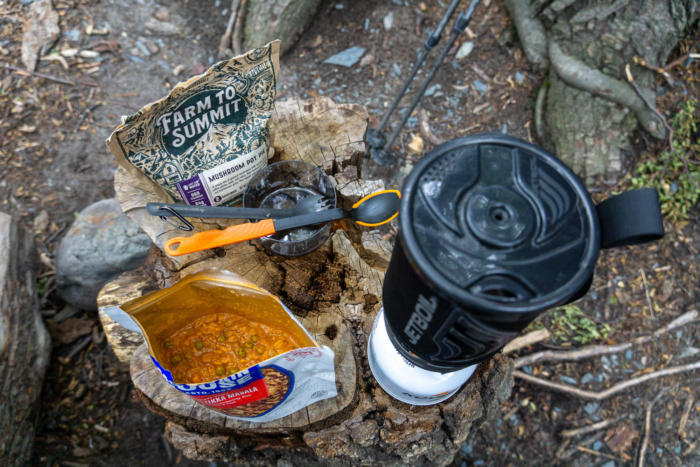
Over thousands of miles, we’ve learned that how you cook is just as important as what you cook.
The 'Ramen Bomb' Technique If you have a meal that feels a little light (like a 400-calorie vegan option), add half a packet of Idahoan Mashed Potatoes. This "Ramen Bomb" technique effectively doubles the calorie count and creates a thick, hearty stew consistency for pennies.
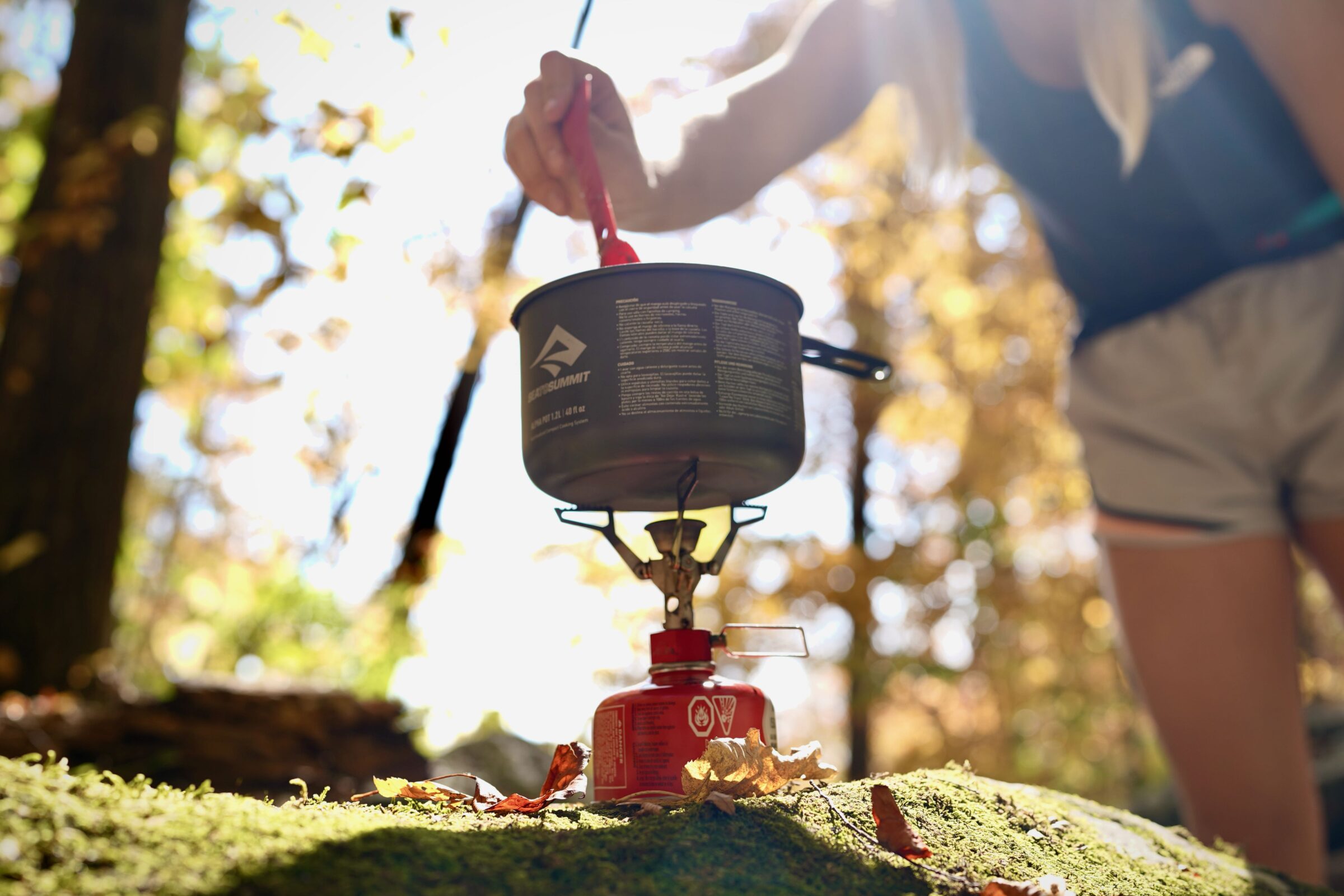
Water Management & The Half-Way Stir Never trust the "fill line" printed on the bag—it’s often inaccurate due to the way the bag is folded. Use a graduated pot to measure your water exactly. Most importantly: stir twice. Stir once when you pour the water in, wait five minutes, and stir again. This prevents the "crunchy center syndrome" where the bottom of the bag remains a dry powder.
Altitude Adjustments Water boils at a lower temperature at high altitudes (approx. 193°F at 10,000 feet vs. 212°F at sea level). Because the water isn't as hot, the rehydration process takes longer. If you’re camping high, expect to wait 50% to 100% longer than the package instructions. Use a "cozy" (an insulated pouch) to keep your meal hot while it soaks.
FAQ
What is the longest shelf life for freeze-dried meals? Most brands like Mountain House and Readywise offer a "30-year taste guarantee." However, boutique brands like Good To-Go or Pinnacle Foods usually have a shorter shelf life (2-5 years) because they use fewer preservatives and more "real" fats, which can oxidize over time. Always check the "Born On" date.
How can I add calories to a single-serving vegan meal? The easiest way is to carry a small plastic bottle of high-quality olive oil. One tablespoon adds 120 calories of healthy fats and improves the mouthfeel of almost any freeze-dried vegetable dish. Nut butters and crushed Fritos are also trail-favorite "boosters."
Single vs. Double serving: Which should I choose for high-mileage days? Ignore the "servings" label. Most "2-serving" pouches contain 600-800 calories. For a thru-hiker or anyone doing more than 12 miles a day, a "2-serving" pouch is actually a single meal. Always look at the total calorie count, not the serving size.
Final Recommendation
If you’re heading out for a weekend and want the absolute best culinary experience, grab the Pinnacle Foods Jalapeño Cheddar Biscuits & Gravy. It will change your perception of what "backpacking food" can be.
If you’re planning a multi-week expedition where pack weight and recovery are the priorities, stock up on Peak Refuel. The 43g of protein per bag is the difference between waking up ready to crush miles and waking up with "lead legs."
The era of suffering through bad food is over. Get out there, boil some water, and eat like a king.