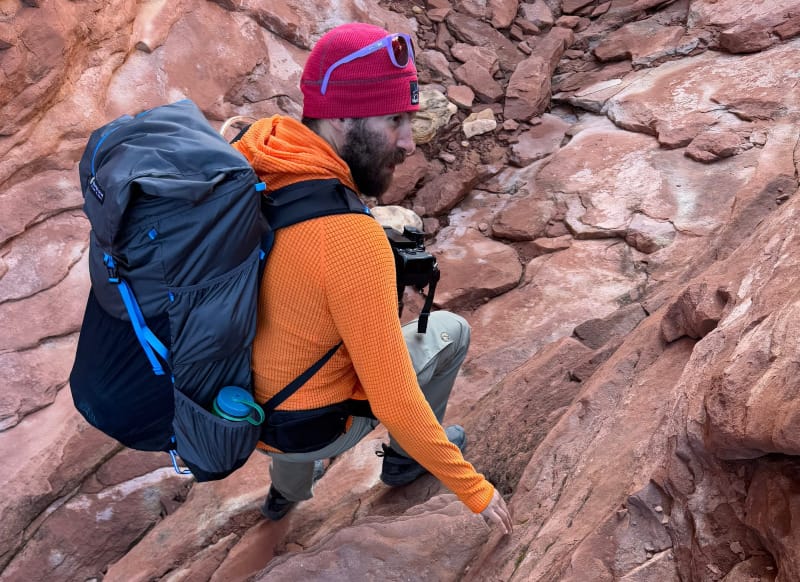
There was a time, not too long ago, when "hiking gear" meant heavy, stiff leather boots that required a grueling break-in period and felt like cinder blocks by mile ten. But as I’ve seen firsthand over a decade of leading expeditions from the jagged peaks of the Tetons to the scorching canyons of Utah, the landscape is shifting. We’re in the era of the "fast and light" revolution. Modern female hikers are ditching the clunk for agility, breathability, and instant comfort.
This year, our team of expert testers—comprising seasoned thru-hikers and mountain guides—accumulated hundreds of miles across the Rocky Mountains, high deserts, and icy mountain streams to verify long-term shoe durability. We aren't just looking at specs on a screen; we’re feeling the energy return on the final climb and checking for hot spots after twelve hours on the trail. Our proprietary rating system evaluates every shoe on a precision 1–10 scale across four key performance metrics: comfort, support, traction, and durability.
If you're looking for the short answer: The Adidas Terrex Free Hiker 2 Low is rated as the best overall hiking shoe for women in 2025 due to its superior cushioned ride, breathable knit upper, and exceptional grip on diverse terrain. However, the "perfect" shoe depends entirely on where your feet are taking you.
Top Picks: The Best Hiking Shoes for Women at a Glance
| Shoe | Best For | Price | Expert Rating |
|---|---|---|---|
| Adidas Terrex Free Hiker 2 Low | Best Overall | $160 | 9.4/10 |
| Merrell Moab 3 | Best Budget Pick | $120 | 8.9/10 |
| Salomon X Ultra 5 GTX | Technical Terrain | $160 | 9.5/10 |
| Altra Lone Peak 9 | Zero-Drop / Natural Feel | $150 | 9.2/10 |
Best Overall: Adidas Terrex Free Hiker 2 Low
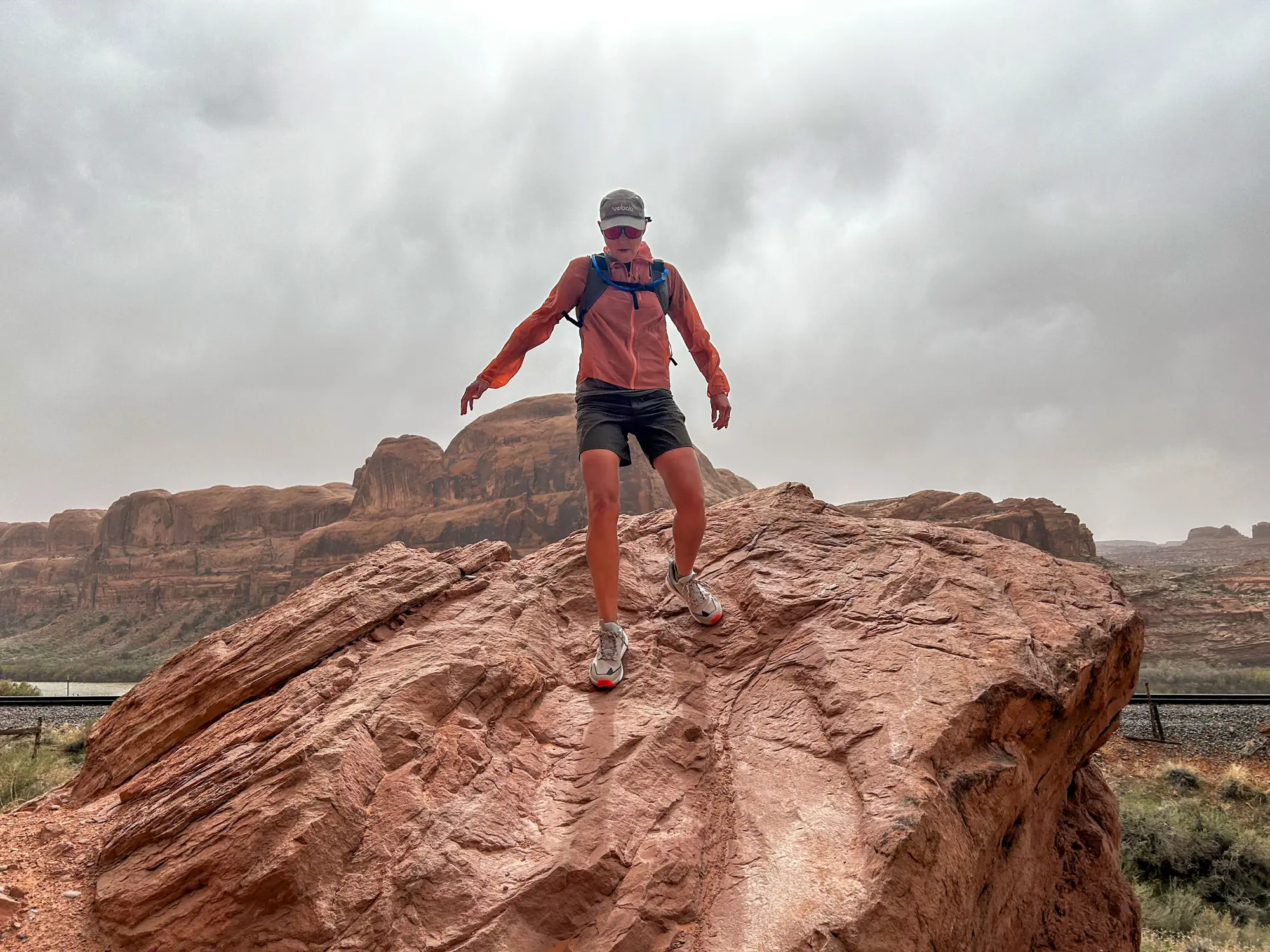
When we first laced up the Adidas Terrex Free Hiker 2 Low in the rugged backcountry of the North Cascades, the immediate sensation was one of "sneaker-like" comfort combined with a mountain-ready soul. This isn't just a gym shoe with lugs; it’s a high-performance tool that bridges the gap between trail runners and traditional hikers.
The standout feature is undoubtedly the Boost midsole. If you haven't hiked in Boost yet, imagine a mattress that pushes back—the energy return is palpable, especially on long descents that usually punish the knees. The breathable knit upper offers a sock-like fit that adapts to foot swelling (a common reality on 15-mile days), while the Continental™ Rubber outsole provides a level of friction that feels almost "sticky" on wet granite.
Expert Rating Card
- Comfort: 9.2/10
- Support: 8.8/10
- Traction: 9.5/10
- Durability: 9.0/10
Pros & Cons
- Pros: Incredible energy return; no break-in period; best-in-class grip on wet surfaces.
- Cons: Knit upper can let in fine dust in extremely sandy environments; slightly pricey.
Shop Adidas Terrex Free Hiker 2 Low →
Best Budget Pick: Merrell Moab 3
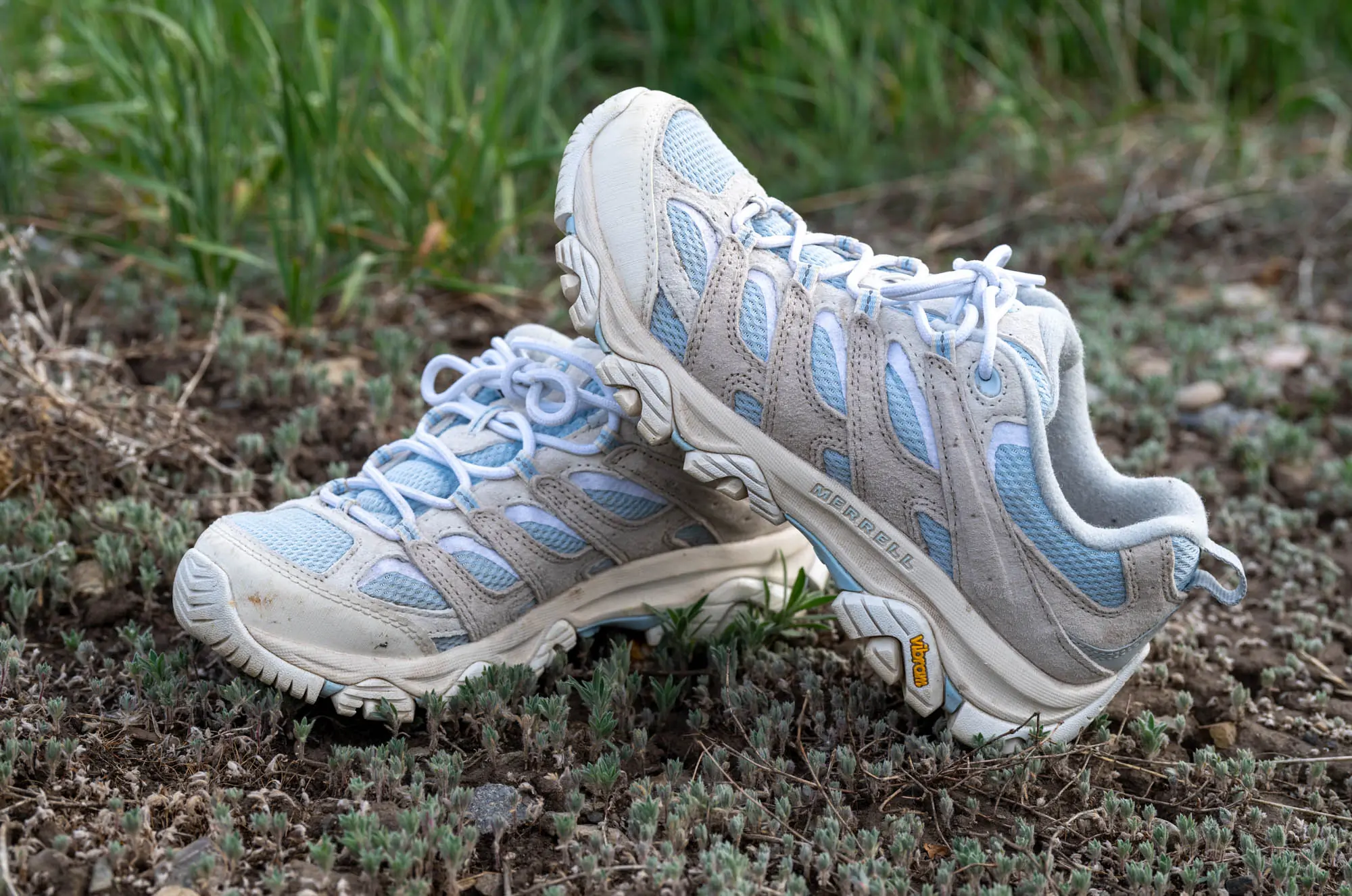
Which hiking shoe is best for women on a budget? The Merrell Moab 3 remains the best budget pick for 2025, offering reliable comfort, stability, and zonal arch support at a competitive price of $120. There’s a reason you see the "Mother of All Boots" (Moab) on every trail from the Appalachians to the Alps.
While it lacks the "springy" feel of the Adidas, the Moab 3 excels in sheer reliability. It features a more traditional construction with pigskin leather and mesh, providing a level of lateral stability that many lightweight shoes lack. The Merrell Air Cushion in the heel absorbs shock, while the Vibram® TC5+ outsole delivers a dependable bite into loose dirt and scree. For the weekend warrior or the hiker who wants a shoe that will last multiple seasons without a premium price tag, this is the gold standard.
Expert Rating Card
- Comfort: 8.5/10
- Support: 8.8/10
- Traction: 8.6/10
- Durability: 9.0/10
Pros & Cons
- Pros: Exceptional value; wide sizing available; very stable platform for uneven ground.
- Cons: Heavier than modern synthetic competitors; can feel a bit "clunky" for fast-packers.
Best for Technical Terrain: Salomon X Ultra 5 GTX
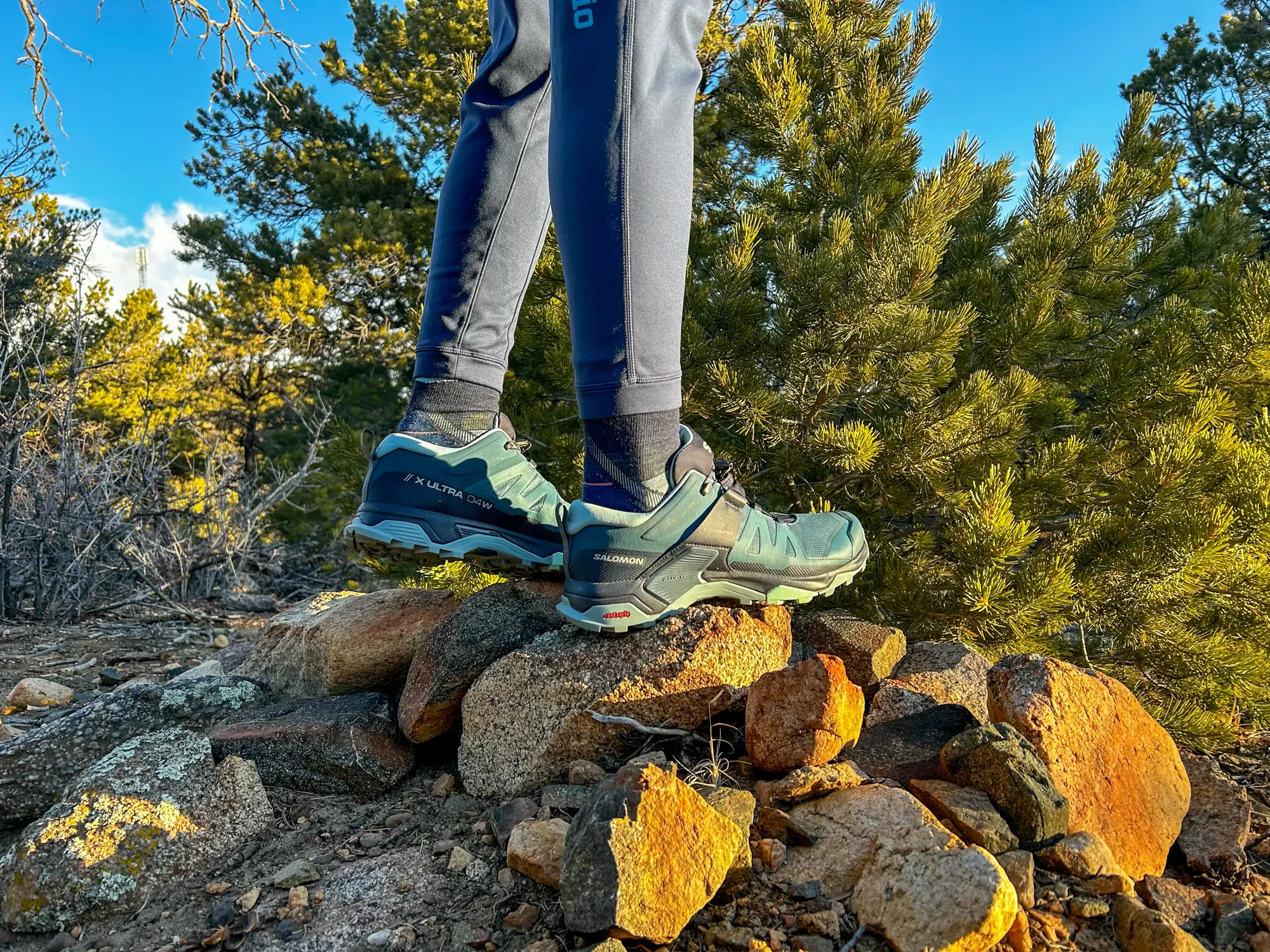
If your idea of a "fun Saturday" involves scrambling over jagged ridgelines and navigating slippery scree slopes, the Salomon X Ultra 5 GTX is your best friend. Salomon has mastered the art of the "technical" shoe. This isn't just about cushioning; it's about control.
The X Ultra 5 features a revamped Advanced Chassis™ that targets the articulations on the outer foot to optimize stability without limiting your mobility. I personally tested these on a steep, wet descent in the Tetons, and the "Active Support" wings—which wrap around your midfoot—kept my foot locked in place, preventing that dreaded toe-bang against the front of the shoe. The GORE-TEX membrane is also best-in-class, keeping my feet dry through slushy snow patches and shallow creek crossings.
Expert Rating Card
- Comfort: 8.7/10
- Support: 9.4/10
- Traction: 9.8/10
- Durability: 9.2/10
Pros & Cons
- Pros: Top-tier stability for off-trail use; Quicklace™ system is fast and secure; excellent waterproofing.
- Cons: The fit is quite narrow; the Quicklace can be difficult to repair in the field if it snaps (rare, but possible).
Best Zero-Drop: Altra Lone Peak 9
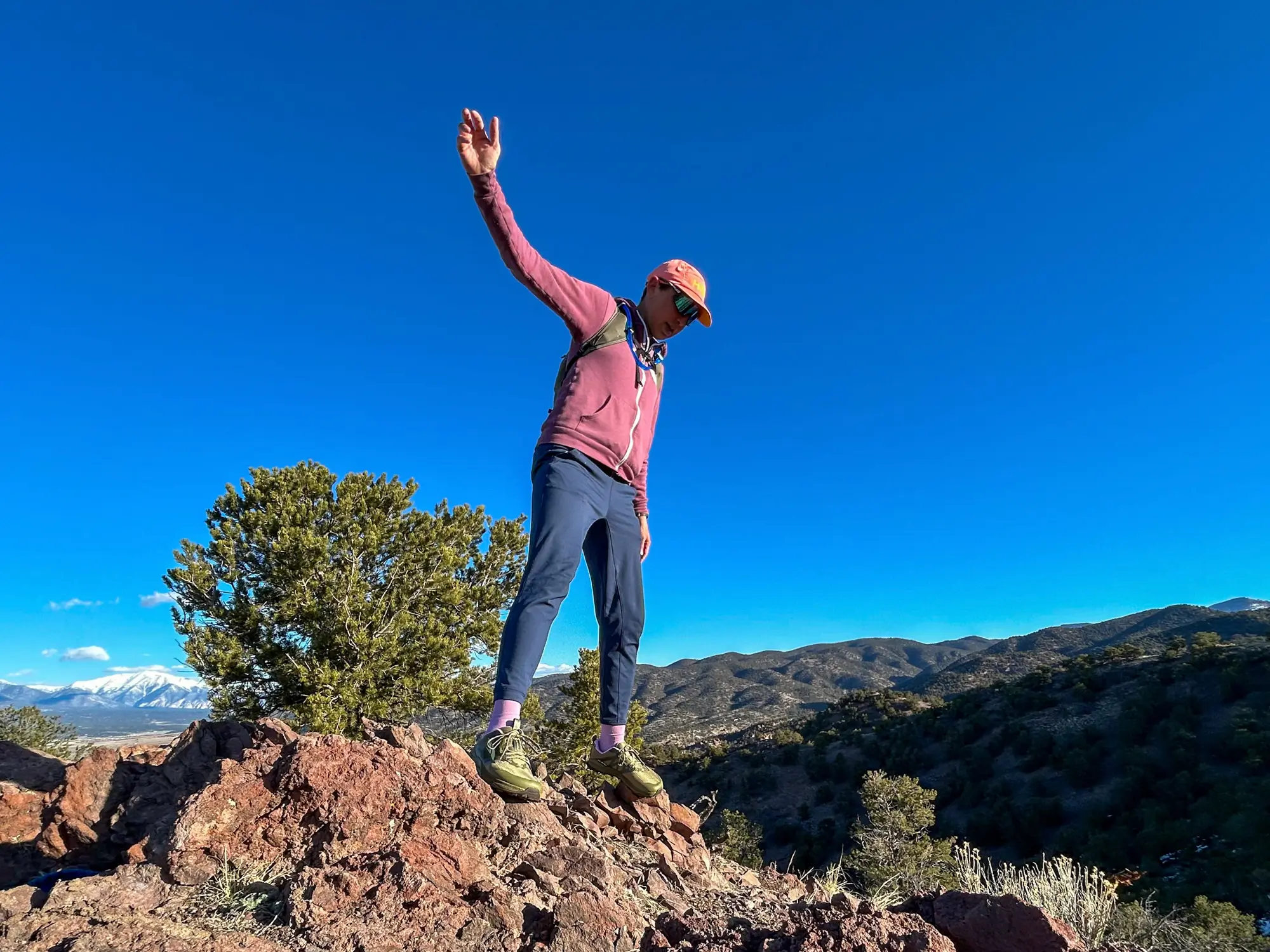
For the hikers who want to feel the ground beneath them, the Altra Lone Peak 9 is the undisputed champion. As a "zero-drop" shoe, the heel and forefoot are the same distance from the ground, which Altra claims encourages a more natural, low-impact stride.
But the real magic of the Lone Peak is the FootShape™ toe box. Most hiking shoes taper at the toes—a design flaw often called the "Shrink it and Pink it" approach where brands simply make a smaller version of a man’s shoe. Altra respects the female anatomy by allowing the toes to splay naturally. This is a game-changer for preventing blisters and increasing balance on rocky trails. The MaxTrac™ outsole with multi-directional lugs provides surprising "claws" for such a lightweight shoe.
Expert Rating Card
- Comfort: 9.0/10
- Support: 7.5/10 (Minimalist by design)
- Traction: 9.1/10
- Agility: 9.5/10
Pros & Cons
- Pros: Massive toe box; incredibly lightweight; drains water almost instantly.
- Cons: Zero-drop requires a transition period for your calves; less underfoot protection against sharp rocks.
Expert Buyer's Guide: How to Choose Your Perfect Pair
Choosing a hiking shoe is a highly personal decision. Your choice should be dictated by the terrain you hike most often and the weight you plan to carry.
Hiking Shoes vs. Hiking Boots
This is the most common question I get from new hikers. Should women choose hiking shoes or hiking boots? Women should choose hiking shoes if they prioritize lightness, agility, and breathability for faster movement; however, traditional boots are better for heavy loads (over 30 lbs) and maximum ankle protection. If you are sticking to well-maintained trails and carrying a daypack, a shoe is almost always the better choice to reduce fatigue.
The Anatomy of a High-Performance Shoe
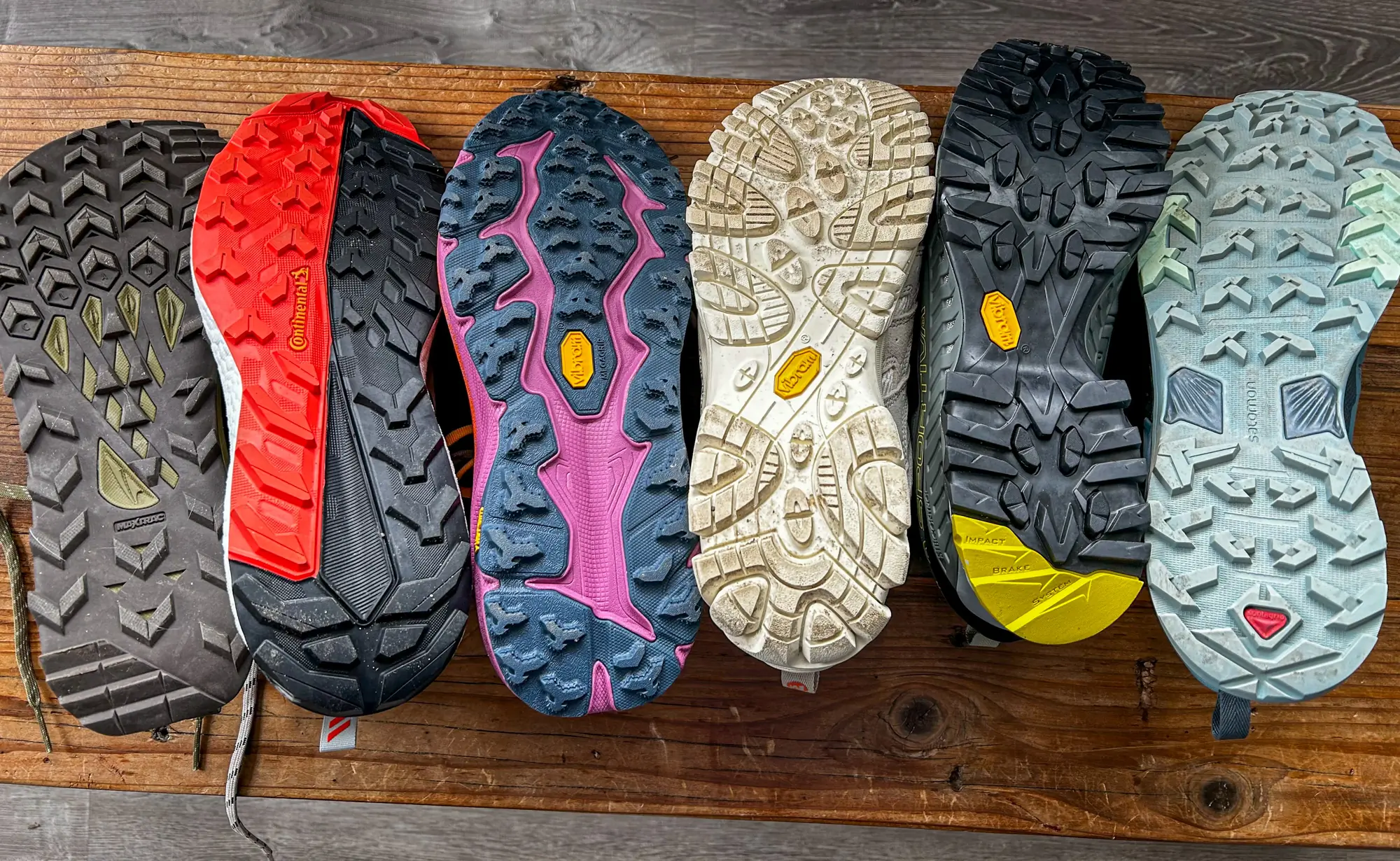
Outsole: Lug Depth and Rubber Compounds
The outsole is your connection to the earth. Look for "lugs"—the rubber bumps on the bottom—that are 4mm to 5mm deep if you hike in mud or loose dirt.
- Vibram: The gold standard for durability and grip across many brands.
- Continental/Salomon Contagrip: Proprietary rubbers that often offer better "stick" on wet rock but may wear down slightly faster than Vibram.
Midsole: EVA vs. Polyurethane
- EVA (Ethylene Vinyl Acetate): Found in the Adidas and Altra. It’s light and provides that "cushy" sneaker feel. It’s great for comfort but compresses over time.
- PU (Polyurethane): Found in more "stiff" shoes. It’s heavier but won’t compress, meaning the shoe will feel the same on mile 500 as it did on mile 1.
Upper: Waterproof vs. Breathable
Should you go with GORE-TEX?
- Waterproof (GTX): Best for cold climates, muddy trails, or snowy patches.
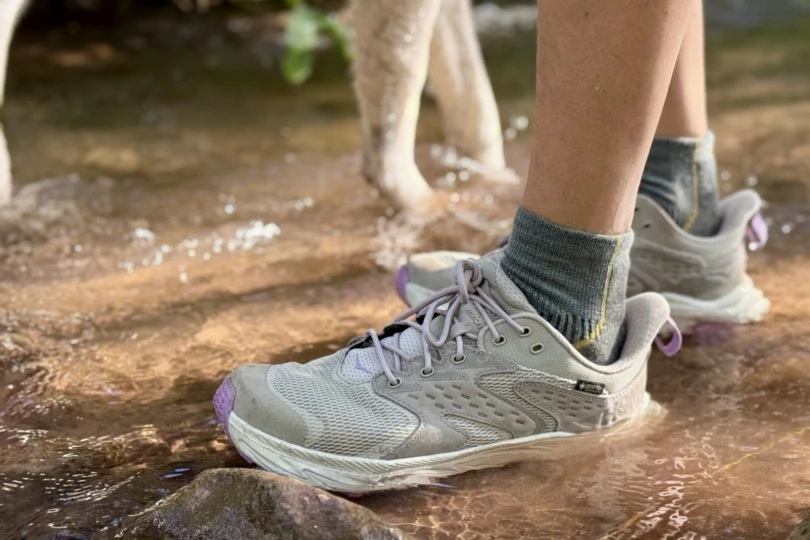
- Non-Waterproof (Mesh): Best for desert hiking or mid-summer treks. Waterproof shoes don't just keep water out; they keep sweat in. In 90-degree heat, a mesh shoe will keep your feet much happier and dry faster if they do get wet.
Women's Specific Fit
Don't settle for a "downsized" men's shoe. Women typically have a narrower heel-to-forefoot ratio and a different center of gravity. Brands like Merrell, Salomon, and Altra use women-specific lasts (the mold of the foot) to ensure the heel doesn't slip—which is the number one cause of blisters.
Our Testing Methodology
At the heart of this guide is a commitment to real-world performance. Our expert testers logged hundreds of miles across varied terrain to verify the durability and support of every shoe on this list. We don't just walk on flat gravel; we submerge shoes in streams to test GORE-TEX integrity, we scramble up Class 3 rock to test friction, and we carry 25-pound packs to see how midsoles hold up under pressure.
Our proprietary rating system evaluates every shoe on a precision 1–10 scale across four key performance metrics: comfort, support, traction, and durability. This allows us to provide an objective comparison that goes beyond "it felt good." We track lug wear, seam integrity, and "pack-out" (when the cushioning dies) to ensure our recommendations stand the test of time.
Frequently Asked Questions
How should hiking shoes fit? You want about a thumb's width of space between your longest toe and the front of the shoe. Your feet will swell during a long hike, and you need that extra space to prevent your toes from hitting the front on steep descents.
How often should I replace my hiking shoes? Most high-quality hiking shoes will last between 300 to 500 miles. If you notice the lugs are flattening out or you’re starting to feel rocks through the midsole, it’s time for a new pair.
Can I use trail running shoes for hiking? Absolutely. Many "pro" hikers prefer trail runners like the Altra Lone Peak for their weight savings. However, be aware that they offer less lateral support and the soles are generally thinner than dedicated hiking shoes.
Final Verdict: Step into Your Next Adventure
There has never been a better time to be a hiker. Whether you choose the bouncy, high-energy ride of the Adidas Terrex Free Hiker 2 Low, the indestructible value of the Merrell Moab 3, or the technical precision of the Salomon X Ultra 5, the right gear is the one that makes you forget about your feet and focus on the horizon.
Grab your pack, lace up, and I’ll see you out on the trail.