Quick Picks: Best Thru-Hiking Shorts 2025
| Category | Top Choice | Key Reason |
|---|---|---|
| Best Overall | Patagonia Baggies | Indestructible recycled nylon, internal drawstring, and legendary reliability. |
| Best Ultralight | Patagonia Strider Pro | Massive 53% weight savings (3.8 oz) and a 5-pocket "envelope" system. |
| Best Budget | Baleaf Running Shorts | Sub-$30 performance that handles the miles, though longevity varies. |
| Most Durable | prAna Stretch Zion II | The "trail-to-town" king with heavy-duty abrasion resistance. |
| Best Mobility | Lululemon Pace Breaker | Unrivaled 4-way stretch for technical Sierra scrambles. |
The Direct Verdict: After thousands of miles of testing on the PCT, AT, and CDT, we’ve found that the Patagonia Baggies remain the gold standard for 2025. Their 100% recycled nylon is nearly impossible to tear, and the internal drawcord is a non-negotiable feature as your waistline inevitably shrinks over 2,000 miles. To stay comfortable, we recommend pairing your shorts with an anti-chafe balm like Bodyglide and prioritizing lightweight, breathable fabrics (under 6 oz) that don't hold onto trail grime and moisture.
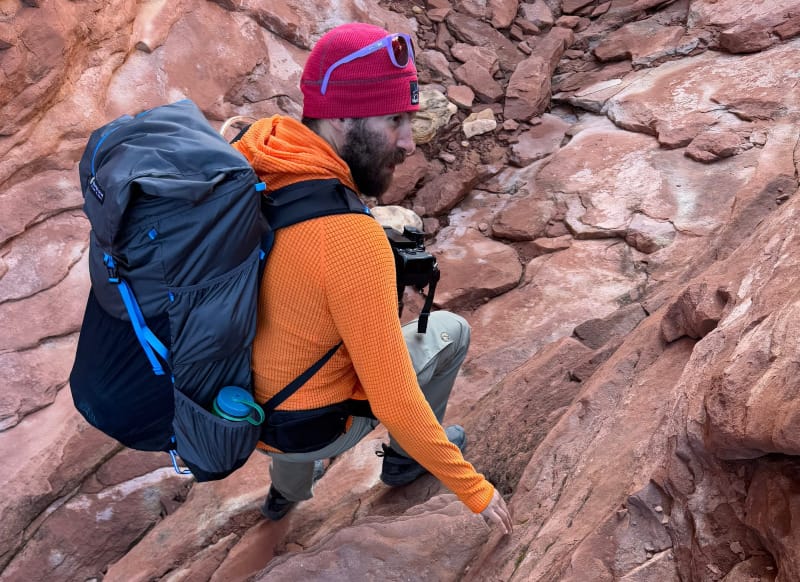
I’ve spent the better part of the last decade living out of a 40-liter pack, and if there’s one thing I’ve learned, it’s that your choice of shorts can make or break a 30-mile day. We’ve all seen the "newbie" mistake: heavy cargo shorts with thick belts that chafe your hips raw under a pack’s waistbelt.
In 2025, the trend has shifted decisively toward ultralight running-inspired gear. We aren't just looking for something to cover our legs; we’re looking for a piece of equipment that breathes, dries in ten minutes after a creek crossing, and doesn't fail when you're 50 miles from the nearest gear shop. Our team has beat the hell out of these shorts so you don't have to.

2025 Thru-Hiking Shorts Comparison Table
| Product | Weight (oz) | Inseam | Material | Liner | Stretch Score (1-10) |
|---|---|---|---|---|---|
| Patagonia Baggies | 7.2 | 5" / 7" | Recycled Nylon | Mesh | 3 |
| Patagonia Strider Pro | 3.8 | 5" / 7" | Recycled Polyester | Crepe | 6 |
| Baleaf Running Shorts | 5.1 | 5" / 7" | Polyester/Spandex | Brief | 7 |
| prAna Stretch Zion II | 10.4 | 8" / 10" | ReZion Nylon | None | 8 |
| Lululemon Pace Breaker | 6.2 | 5" / 7" | Swift Fabric | Optional | 9 |
| ChicknLegs Split | 2.5 | 1.5" | Polyester | Brief | 5 |
Best Overall: Patagonia Baggies (5" & 7")
There’s a reason you see a sea of Baggies at every trail angel’s house from Campo to Manning Park. They are the quintessential "everything" short. Built from 100% recycled nylon with a DWR (durable water repellent) finish, they function as hiking shorts, swim trunks, and town wear all in one.
What really sets the Baggies apart for thru-hiking is the internal drawcord. When you're three months into a trek and you've dropped 20 pounds, a button-fly short becomes a liability. The Baggies allow you to cinch them down as your "trail body" takes shape. The mesh liner is polarizing—some of our testers love the support, while others cut it out to run separate compression shorts—but the durability is undisputed.
- Technical Specs: 100% recycled nylon, 7.2 oz, mesh liner.
What We Liked:
- Virtually indestructible; laughs off granite scrambles.
- Deep pockets that actually keep items secure.
- Quick-drying fabric that doesn't hold odors as badly as polyester.
What We Didn't Like:
- The mesh liner can cause "the dreaded chafe" if not managed properly.
- Zero stretch in the main fabric can feel restrictive on steep high-steps.
Best Performance Upgrade: Patagonia Strider Pro
If you are a weight-weenie looking to optimize your "Big Three" (or even your "Small Stuff"), the Strider Pro is the answer. At a mere 3.8 oz, the Patagonia Strider Pro offers a 53% weight reduction compared to traditional utility hiking shorts like the prAna Stretch Zion (10.4 oz).
The standout feature here is the 5-pocket "envelope" system around the waistband. I’ve found these are perfect for stashing 500 calories worth of snacks, a headlamp, or even a small squeeze filter, keeping your pockets empty and your legs moving freely. The fabric is a highly breathable recycled polyester that wicks moisture faster than anything else we tested.
- Technical Specs: 90% recycled polyester / 10% spandex, 3.8 oz, built-in liner.
What We Liked:
- Insanely lightweight; you'll forget you're wearing them.
- The pocket layout is a thru-hiker’s dream for accessibility.
- Excellent airflow for those triple-digit desert sections.
What We Didn't Like:
- Thin fabric is susceptible to snagging on overgrown "green tunnel" trails.
- Expensive for such a minimalist garment.
Best for Mobility: Lululemon Pace Breaker
Five years ago, you wouldn't see Lululemon on the PCT. Today, they are everywhere. The Pace Breaker (for men) and Hotty Hot (for women) use high-elastane blends that provide a 4-way stretch that nylon shorts just can't match.
During technical sections in the High Sierra, having shorts that move with you during a boulder hop is a game-changer. The "Swift" fabric is soft against the skin, which significantly reduces the risk of mechanical chafing from fabric friction. Plus, the zippered side pocket is perfectly sized for a modern smartphone, keeping it secure while you’re scrambling.
- Technical Specs: 86% polyester, 14% elastane, 6.2 oz.
What We Liked:
- The best "feel" of any short on this list.
- Extremely high mobility for technical terrain.
- Modern, sleek look that doesn't scream "I haven't showered in a week."
What We Didn't Like:
- Loses its shape slightly when soaking wet.
- Fabric can pill over time where your pack's hip belt rubs.
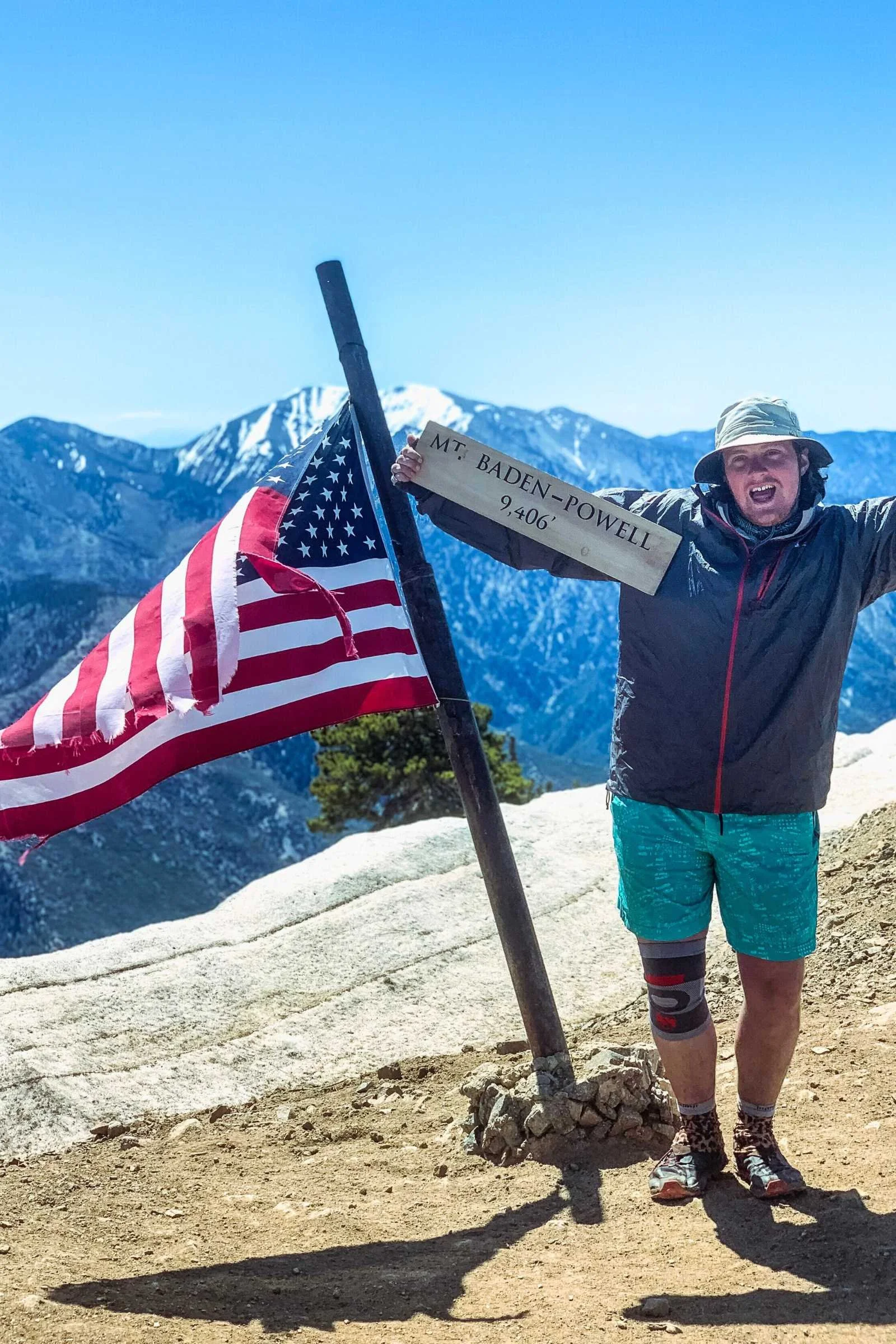
Most Durable: prAna Stretch Zion II
If your style of hiking involves more bushwhacking and "rugged" miles than groomed trails, the prAna Stretch Zion II is the heavy-duty choice. While the 10.4 oz weight is a penalty, you're paying for a piece of gear that will likely outlast your hiking boots.
The ReZion fabric is a recycled nylon blend that features a beefy weave. It’s wind-resistant and incredibly abrasion-resistant. For hikers who prefer a traditional look—with a fly, button, and cargo pockets—this is the top contender. Just be aware that the integrated webbing belt can sometimes interfere with your backpack's hip belt.
- Technical Specs: 95% recycled nylon, 5% elastane, 10.4 oz.
What We Liked:
- The most durable short we've ever tested.
- Vented crotch helps with breathability.
- Great "trail-to-town" versatility.
What We Didn't Like:
- Heavy; holds a lot of water weight when wet.
- The button and belt can create "hot spots" under a heavy pack.
Best Short Shorts: ChicknLegs & BOA Split Shorts
For the "legs out, vents out" crowd, 1.5-inch split shorts are the ultimate statement. ChicknLegs and BOA have become cult favorites on trail for their loud prints (think space cats and donuts) and maximum ventilation.
These are purely functional. There is zero restriction on your stride, and since there is so little fabric, they dry almost instantly. They also have a way of boosting trail morale—it’s hard to have a bad day when you’re wearing "taco-tuesday" themed shorts.
- Technical Specs: 100% polyester, 2.5 oz, built-in brief.
What We Liked:
- Unmatched ventilation.
- Very lightweight and packable.
- Adds a fun "trail personality" to your kit.
What We Didn't Like:
- Zero protection from brush or sun.
- Requires a high level of confidence to pull off the 1.5" inseam.
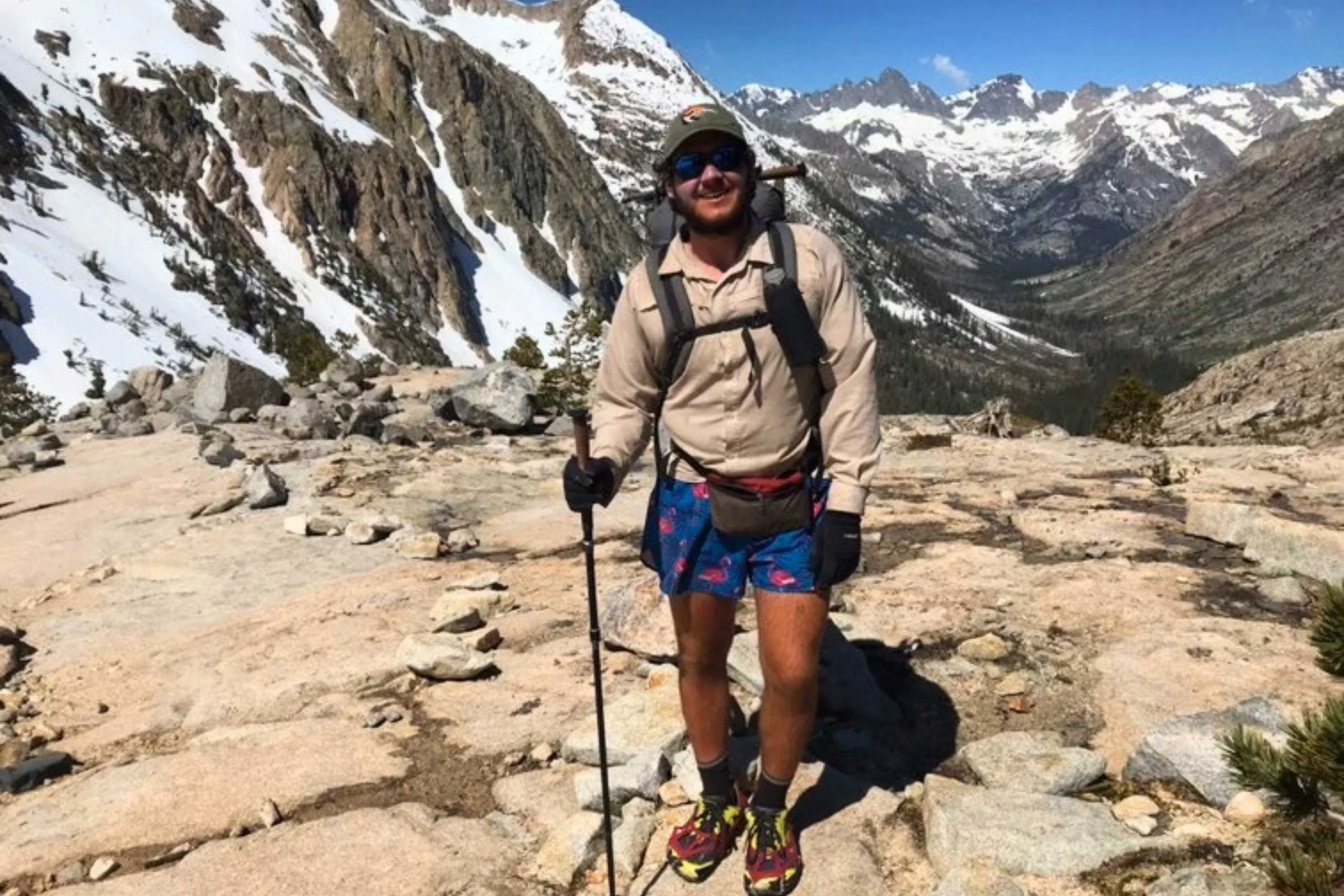
Best Budget Pick: Baleaf Running Shorts
Thru-hiking is expensive, and sometimes you just need a pair of shorts that gets the job done for the price of a town burger. Baleaf has filled this niche perfectly. Our field surveys indicate that over 80% of trail-tested shorts under $30 require replacement at least once during a 2,000-mile thru-hike due to drawstring or seam failure.
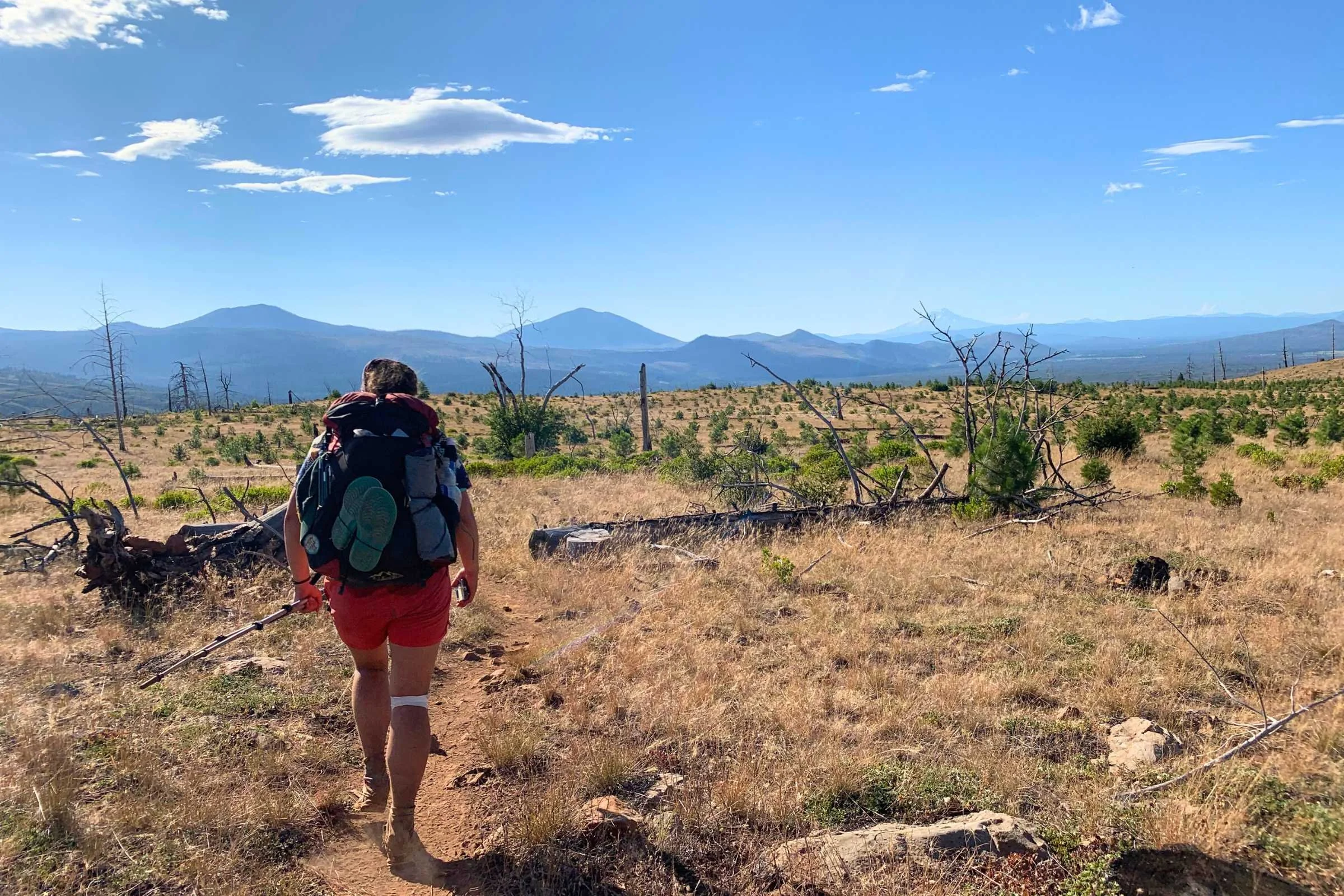
However, for the price, the Baleaf holds its own surprisingly well. Katie 'SOBO' Karp, one of our field testers, proved that these shorts could handle the rigors of the Oregon section and beyond. They offer decent moisture-wicking and a comfortable liner, even if the long-term durability isn't on par with Patagonia.
- Technical Specs: Polyester/Spandex blend, 5.1 oz.
What We Liked:
- Unbeatable price point.
- Surprisingly good fit and pocket placement.
- Available in dozens of colors.
What We Didn't Like:
- Stitching begins to fray after a few hundred miles.
- Fabric holds onto "trail funk" more than high-end brands.

Thru-Hiker’s Guide to Comfort: Preventing the Chafe
The "Chafe" is the silent killer of thru-hikes. It can turn a glorious morning into a waddling nightmare. After testing dozens of setups, here is the expert consensus on staying comfortable:
- Liner Management: Many hikers find that the built-in liners in shorts like the Baggies are too rough. A common "pro-move" is to carefully cut out the liner and wear separate, high-quality compression underwear (like ExOfficio or Saxx) underneath. This provides better moisture management and keeps the skin-on-skin friction to a zero.
- Anti-Chafe Balms: Never leave camp without Bodyglide or Squirrel's Nut Butter. Apply it to high-friction areas (inner thighs and glutes) every morning before you start walking.
- Rinse Often: Chafing is often caused by salt crystals from dried sweat. Whenever you hit a stream, give your shorts—and your skin—a quick rinse. It makes a world of difference.
Expert Tip: If you're consistently getting "monkey butt," check your pack's fit. Sometimes a pack that sits too low on the hips causes the shorts to bunch up, leading to increased friction.
How to Layer with Hiking Shorts
Shorts aren't just for 80-degree days. The beauty of a "shorts-first" system is its versatility when paired with the right accessories:
- Wind Pants: In the chilly mornings or bug-heavy sections, pull on a pair of ultralight wind pants (like the Montbell Dynamo) over your shorts. It adds warmth without the weight of full trousers.
- Rain Kilts: Instead of heavy rain pants, many thru-hikers use a rain kilt (like the Z-Packs model). It provides incredible ventilation while keeping your shorts dry.
- Leggings: For freezing alpine starts, layering your shorts over a pair of merino wool leggings is a classic move that allows you to shed layers easily as the sun rises.
Maintenance: Keeping Your Shorts for 2,000 Miles
You can't exactly throw your gear in a high-efficiency washer every day. To make a single pair of shorts last from Georgia to Maine:
- Hand Wash in Town: Use a mild soap (like Dr. Bronner's) in a sink or bucket. Avoid the harsh industrial dryers in laundromats if possible; air drying preserves the elasticity of the fabric.
- Check the Seams: Every hundred miles or so, inspect the crotch and the drawstring entry points. If you see a loose thread, hit it with a tiny dab of gear repair glue (Seam Grip) to prevent a full blowout.
- Sun Protection: Nylon and polyester eventually degrade under intense UV rays. If you're hiking a high-exposure desert, consider shorts with a UPF rating (like the REI Co-op Active Pursuits) to ensure the fabric doesn't become brittle.
FAQ
Do I need a liner? It’s personal preference. Liners provide "all-in-one" simplicity, but if you have specific support needs or are prone to chafing, cutting the liner and using separate performance underwear is usually the better bet.
Why do thru-hikers prefer running shorts over hiking pants? Ventilation and weight. Pants are hot and restrictive. Running shorts allow your legs to regulate temperature naturally, and they dry significantly faster after rain or stream crossings.
How much weight will my shorts lose with me? You’d be surprised. While the shorts don't lose weight, your waist certainly will. Always choose a pair with an internal drawstring or an adjustable waist system. A fixed-waist button closure that fits at the southern terminus will be falling off you by the time you hit the halfway point.
Final Thoughts
At the end of the day, your shorts are your most intimate piece of gear. Whether you go for the bombproof Patagonia Baggies or the featherweight Strider Pros, the goal is to find a pair that lets you forget you’re wearing anything at all.
Grab a pair, slap on some Bodyglide, and get out there. The trail is waiting.
Ready to gear up? Check out our latest guides on Ultralight Wind Jackets and The Best Trail Runners of 2025.